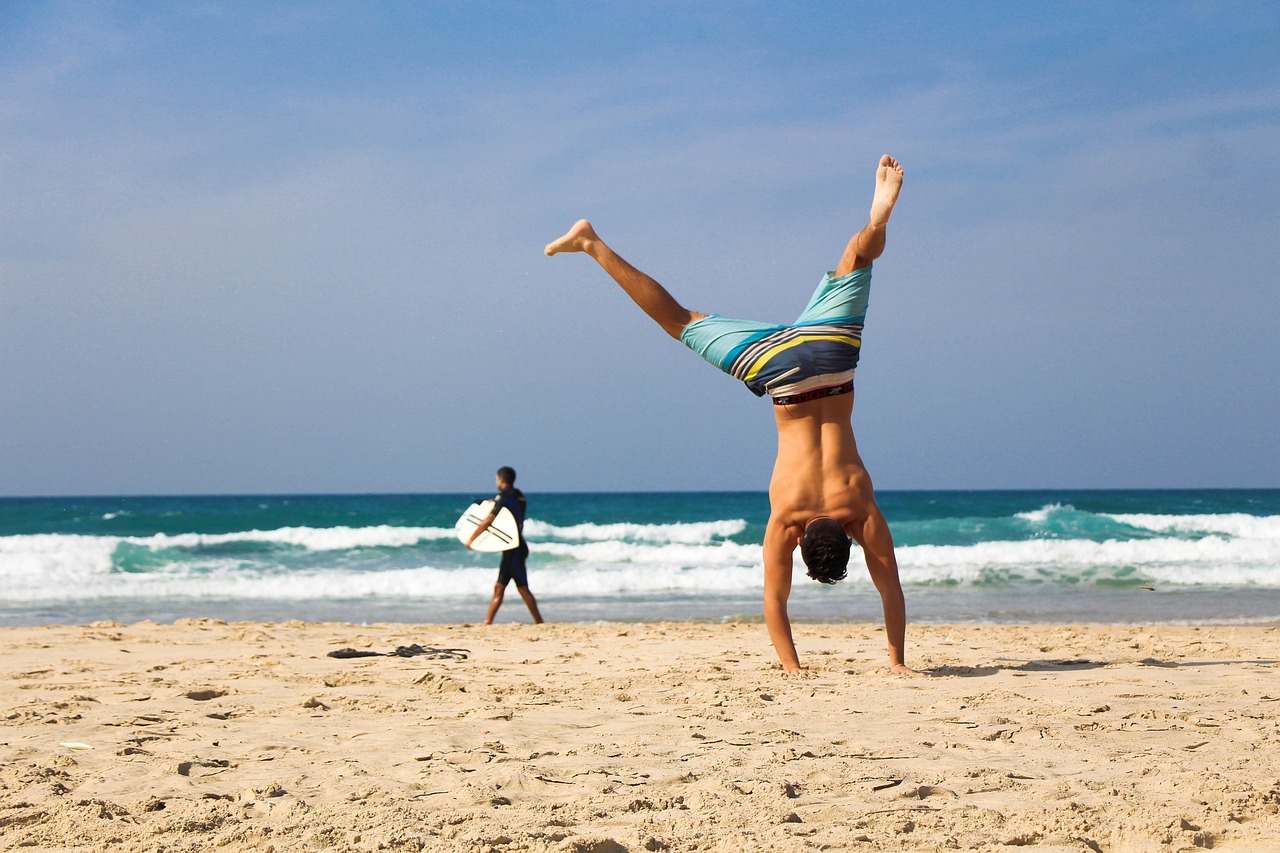
The most frequent application of endurance is in sports and athletic performance, where sustained effort is required over extended periods. Athletes often incorporate endurance training into their regimens to perform optimally during competitions, whether it be marathon running, long-distance cycling, or team sports like soccer and basketball. However, endurance is also vital for non-athletic individuals, as it supports daily activities and reduces the risk of chronic conditions such as obesity, hypertension, and diabetes. Maintaining good endurance levels ensures that one can perform routine tasks efficiently without excessive fatigue, thereby improving quality of life.
To integrate balance and endurance improvements into a workout routine, consider incorporating a mix of exercises that target both aspects. Start with static balance exercises like single-leg stands or planks to build foundational stability, then progress to dynamic movements such as lunges or jogging in place to challenge endurance. Incorporate resistance training, such as squats or deadlifts, which enhance muscular strength and endurance while also improving posture and balance. Finally, engage in aerobic activities that elevate heart rate and promote cardiovascular health. Consistency is key; regular practice of these exercises will lead to gradual improvements in both balance and endurance, ultimately supporting a more active and injury-free lifestyle.

How to Improve Your Endurance and Coordination
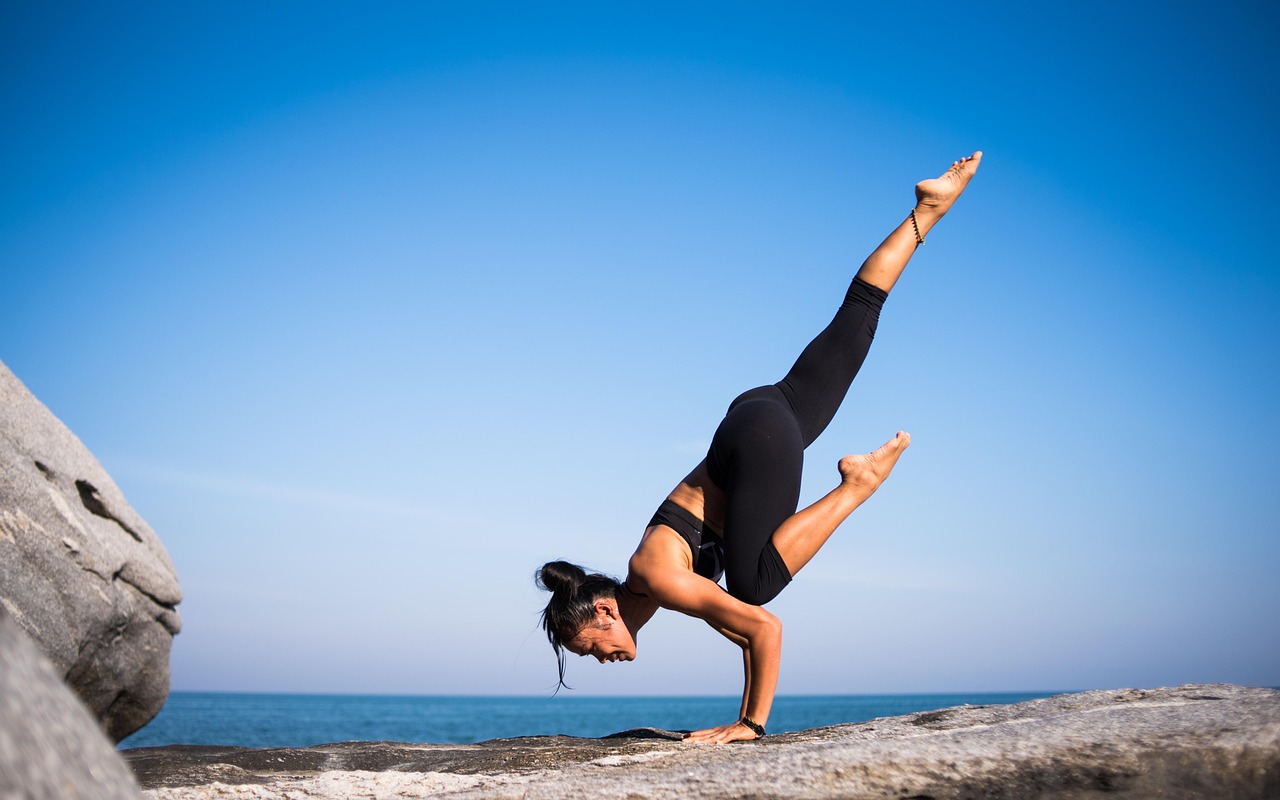
Endurance and coordination are critical components of physical fitness that enhance performance in various activities, from daily tasks to competitive sports. To improve these attributes, it is essential to understand the feedback loops or cycles inherent in strength development, which play a pivotal role in achieving optimal results. These cycles involve physiological adaptations, neurological adjustments, and psychological responses that collectively contribute to enhanced endurance and coordination.
At the core of these cycles is the principle of progressive overload, where gradual increases in exercise intensity, volume, or frequency stimulate muscle growth and adaptation. As muscles are subjected to repeated stress, they undergo microscopic damage, triggering repair processes that lead to increased strength and endurance. This cycle is complemented by neuromuscular adaptations, where the nervous system refines its ability to recruit and coordinate muscle fibers efficiently. Over time, this results in improved coordination as the brain and muscles establish more effective communication pathways.
A key aspect of these feedback loops is the role of recovery and rest. During periods of rest, muscles repair and grow stronger, while the nervous system consolidates new motor patterns. Insufficient recovery can hinder progress, leading to plateaus or even declines in performance. Therefore, integrating rest days and active recovery into training regimens is crucial for sustaining long-term improvements in endurance and coordination.
The role of mental resilience cannot be underestimated in these feedback loops. Developing a strong mindset is essential for pushing through fatigue during prolonged activities and maintaining precision in coordination-heavy tasks. Techniques such as visualization, goal setting, and mindfulness can bolster mental toughness, enabling individuals to perform at their best even when physical challenges arise.
How to Improve Your Endurance and Balance
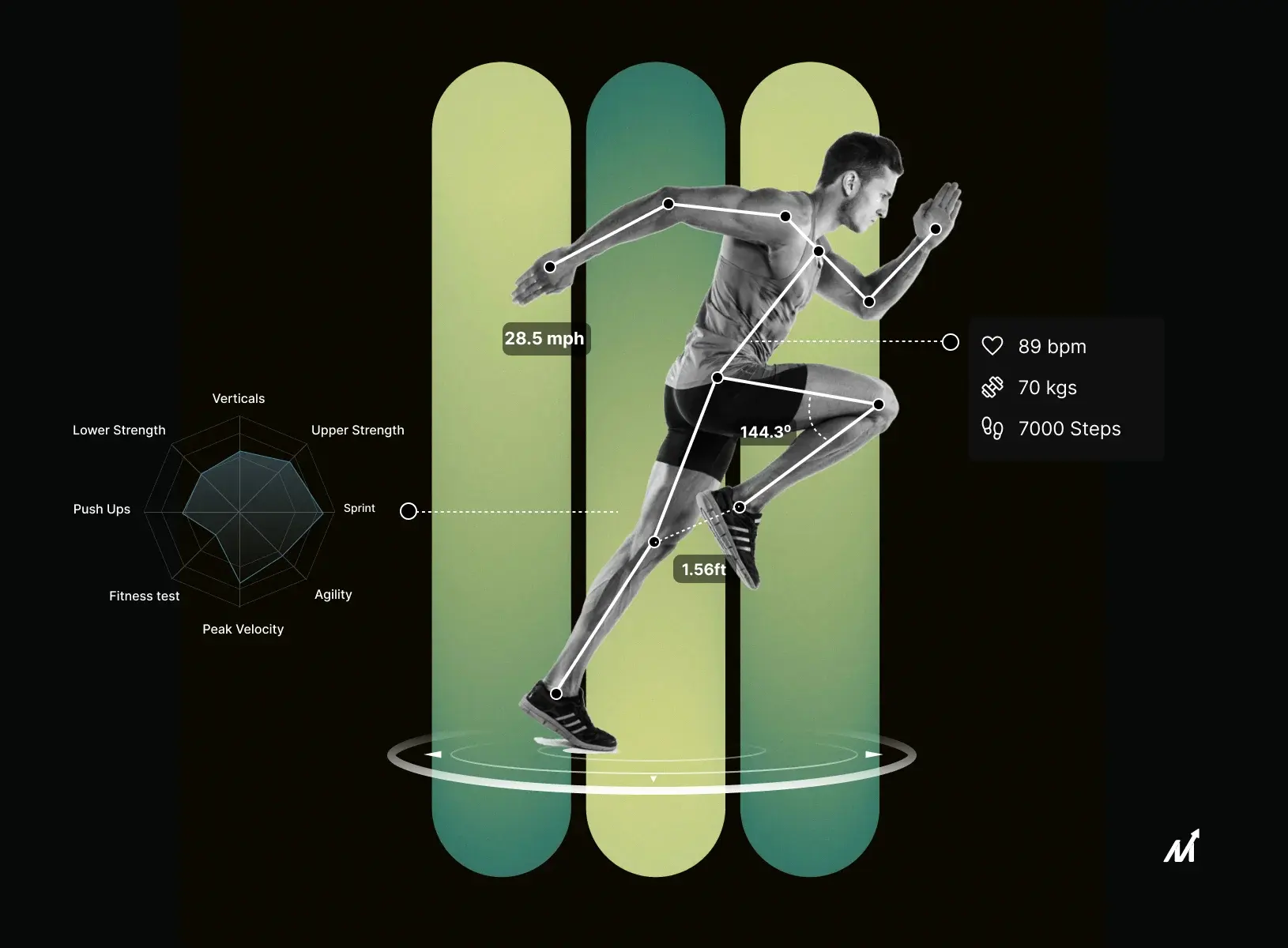
On the left side of the image, there is a hexagon-shaped graphic with the words “Lower Strength” and “Push Ups” written on it. Below the hexagon, there are three lines of text that represent the different steps of the running process. The first line shows the man’s upper strength, the second line shows his lower strength, and the third line shows how he performs the exercise. The text on the right side reads “89 bpm”, “70 kgs”, and “9,000 steps”.
The image also has a white circle in the center, which is likely representing the speed and distance of the man running. The overall design is modern and minimalistic, with a focus on the man and his movements.
Strength, a crucial component of physical fitness, is often visualized and represented in various diagrams and charts. These graphs help illustrate the relationship between force production and muscle capacity, providing valuable insights into an individual’s strength capabilities.
One common representation of strength is through force-velocity curves. This type of diagram shows the maximum force that can be produced against a resistance (on the vertical axis) versus the velocity at which it can be moved (on the horizontal axis). As muscle fibers contract, they generate force and shorten, leading to movement. However, their ability to produce force decreases as they shorten rapidly – this is where the force-velocity curve comes into play.
At the beginning of the curve, when movements are slow and controlled, maximum force can be generated. As velocity increases, force production decreases due to the muscle fibers’ inability to contract efficiently at higher speeds. This relationship helps explain why an athlete might prioritize different exercises for building strength versus explosive power.
Exercises focused on improving balance can range from simple single-leg stands to more complex movements like the single-leg Romanian deadlift and single-leg squat. By engaging the core, glutes, and leg muscles, these exercises help improve stability and proprioception – the ability to sense the position and movement of one’s body in space.
How to Improve Your Balance and Strength

Strength, in the context of physical fitness, is a multifaceted attribute that can be modeled and quantified using various mathematical frameworks depending on the specific focus, isometric, isotonic, or isokinetic. Isometric strength refers to the force generated when muscles contract without changing length, typically measured under constant tension conditions. Mathematically, this type of strength is often characterized by the maximum amount of force a muscle can produce against an immovable object or in a fixed position, and it is quantified using static equations derived from Newton’s laws of motion. Specifically, the force exerted by a muscle can be expressed as F = m × a, where F represents force, m denotes mass, and a stands for acceleration. In an isometric scenario, since acceleration is zero, the equation simplifies to identifying the maximum force a muscle group can produce without movement.
Isotonic strength involves muscles contracting while changing length, resulting in movement against a variable resistance. This form of strength can be quantified through dynamic equations that incorporate the concepts of velocity and load. The classic model for isotonic strength is based on the relationship between load and velocity during a concentric (shortening) or eccentric (lengthening) contraction. Power, a critical component of isotonic strength, is calculated as P = W/t, where P denotes power, W represents work done by the muscle, and t is time taken to perform that work. Work is itself defined as W = F × d, with F being the force applied and d representing displacement. Thus, isotonic strength models emphasize not only the amount of force a muscle can generate but also the efficiency and speed at which it can move through its range of motion.
Isokinetic strength represents another sophisticated model in which muscles contract at a constant velocity despite changes in resistance. This form of strength is particularly relevant in rehabilitation and sports performance, where controlled movement speeds are essential. Mathematical modeling for isokinetic strength often relies on the principles of angular kinetics, as it deals with torque rather than linear force. Torque (τ) is calculated as τ = r × F × sinθ, where r is the distance from the axis of rotation to the point of force application, F is the applied force, and θ is the angle between the force vector and the lever arm. Isokinetic strength assessments often involve devices that maintain constant velocity across varying loads, allowing for precise measurement of muscle performance at specific speeds, which can be critical for optimizing training programs and preventing injuries.
Biomechanical principles integrated into these mathematical models provide insights into how muscles and joints interact during dynamic movements. These interactions are crucial for designing exercises that enhance not just raw strength but also functional capabilities relevant to daily activities and sports performance. The integration of physics and physiology into strength training models ensures that workouts are both scientifically sound and practical, maximizing the effectiveness of each session while minimizing the risk of overtraining or injury.
Whether aiming to improve balance and strength through targeted exercises or seeking advanced understanding of muscle function in sports science, mathematical modeling offers a robust framework for quantifying and enhancing human physical capabilities. By leveraging these models, practitioners can create personalized training plans that align with individual goals, ensuring both safety and efficiency in their pursuit of peak performance.
How to Improve Your Power and Balance
Improving power and balance is a multifaceted endeavor that requires a comprehensive approach to training, incorporating exercises that target both fundamental strength and neuromuscular coordination. Power, the ability to exert force rapidly, relies on a combination of strength, speed, and technique, while balance involves the integration of proprioception, stability, and dynamic movement control. To enhance these attributes, it is essential to design workouts that challenge the body in various ways, adapting to environmental changes and incorporating feedback from performance cues.
Strength training forms the foundation for improving power, as greater muscular strength enables faster force production. Compound exercises such as squats, deadlifts, and bench presses are particularly effective, engaging multiple muscle groups and mimicking real-world movements. Incorporating plyometric drills like box jumps or medicine ball slams can further augment power by training the nervous system to recruit muscles more explosively. These exercises should be performed with proper form and gradually increasing loads to ensure mechanical efficiency and prevent injury.
Balance improvement is closely tied to core stability, which serves as the central hub for coordinating movement across the body. Plank variations, single-leg exercises, and balance board workouts are invaluable in enhancing proprioceptive awareness and stabilizing muscles around joints. Dynamic balancing activities, such as yoga poses or tai chi routines, challenge the body’s ability to maintain equilibrium under movement, fostering neural adaptations that support better balance in everyday life and athletic performance.
Adapting to environmental changes is crucial for optimizing power and balance development. Training surfaces, such as uneven ground or unstable platforms, can simulate real-world conditions and enhance neuromuscular control. Variability in resistance training, including the use of kettlebells, suspension trenagers, or bodyweight exercises, introduces unpredictable forces that demand greater adaptability from the muscles and nervous system. Periodization, a structured approach to varying training intensity, volume, and type over time, ensures continuous progress while preventing overtraining and promoting long-term gains in power and balance.
Incorporating rest and recovery strategies is equally important for allowing the body to adapt to training stresses. Adequate sleep, nutrition, and active recovery practices like foam rolling or stretching support muscle repair and neural adaptation. Monitoring progress through performance metrics, such as jumping height or single-leg stance duration, provides feedback on improvements and informs adjustments to the training program.
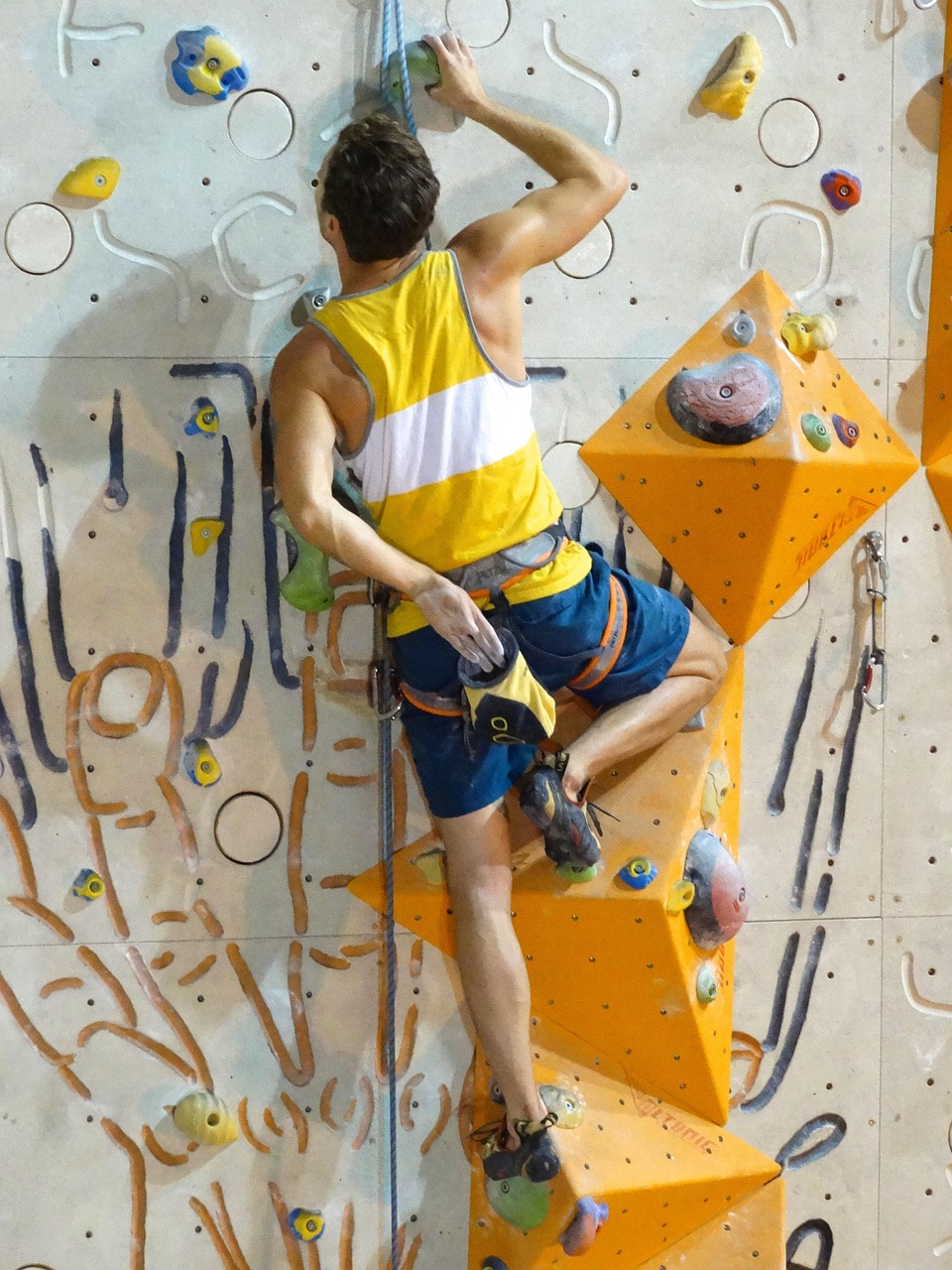
Top Workouts for Better Balance
Improving balance relies on strengthening key muscle groups and enhancing proprioception, the body’s awareness of its position in space. A well-rounded program incorporates exercises targeting ankles, knees, hips, core, and even upper body – all working synergistically to maintain stability. Often, these exercises start with relatively simple variations and progress to more challenging options as control improves; a common example is transitioning from standing on one leg with eyes open to the same variation with eyes closed, increasing the sensory challenge. Beginner routines frequently include heel raises, toe raises, and single-leg stands, often performed near a chair or wall for added support during initial learning.
The core muscles – including transverse abdominis, obliques, and rectus abdominis – are vital stabilizers, so incorporating exercises like bird dogs, plank variations, and hip bridges is beneficial. Bird dogs require coordinated movement of arms and legs while maintaining a stable spine, enhancing core strength and proprioception. Planks engage the entire core in an isometric contraction, building endurance for good posture and balance. Hip bridges strengthen glutes and hamstrings, key muscles for pelvic stability often overlooked when focusing on lower limb balance. A useful practice involves incorporating these exercises with slight variations in tempo or plane of movement to increase their challenge. 3D movements are generally more complex than two-dimensional ones.
Single-leg deadlifts offer a great way to improve hip hinge mobility and hamstring strength, both crucial for maintaining balance during walking and other activities. These can be started with lighter weights or even bodyweight only, focusing on good form – keeping the spine straight and core engaged as one leg lowers toward the ground while the other leg acts as the anchor. Walking lunges also challenge balance by requiring a greater range of motion in the hips and knees than a standard step-up. Incorporating variations like adding a twist to the torso or performing them with a slight hop increases the coordination needed for good control.
Consistency in these exercises will yield noticeable improvements. Most programs benefit from 2-3 sessions per week with rest days allowing muscles to recover and adapt. It is often useful to incorporate some dynamic stretching before a workout like leg swings or hip circles, followed by static stretches afterwards for good flexibility. Ultimately, the best approach incorporates variety and progresses gradually so that exercises remain challenging but not overly daunting, ensuring continued progress toward improved balance.
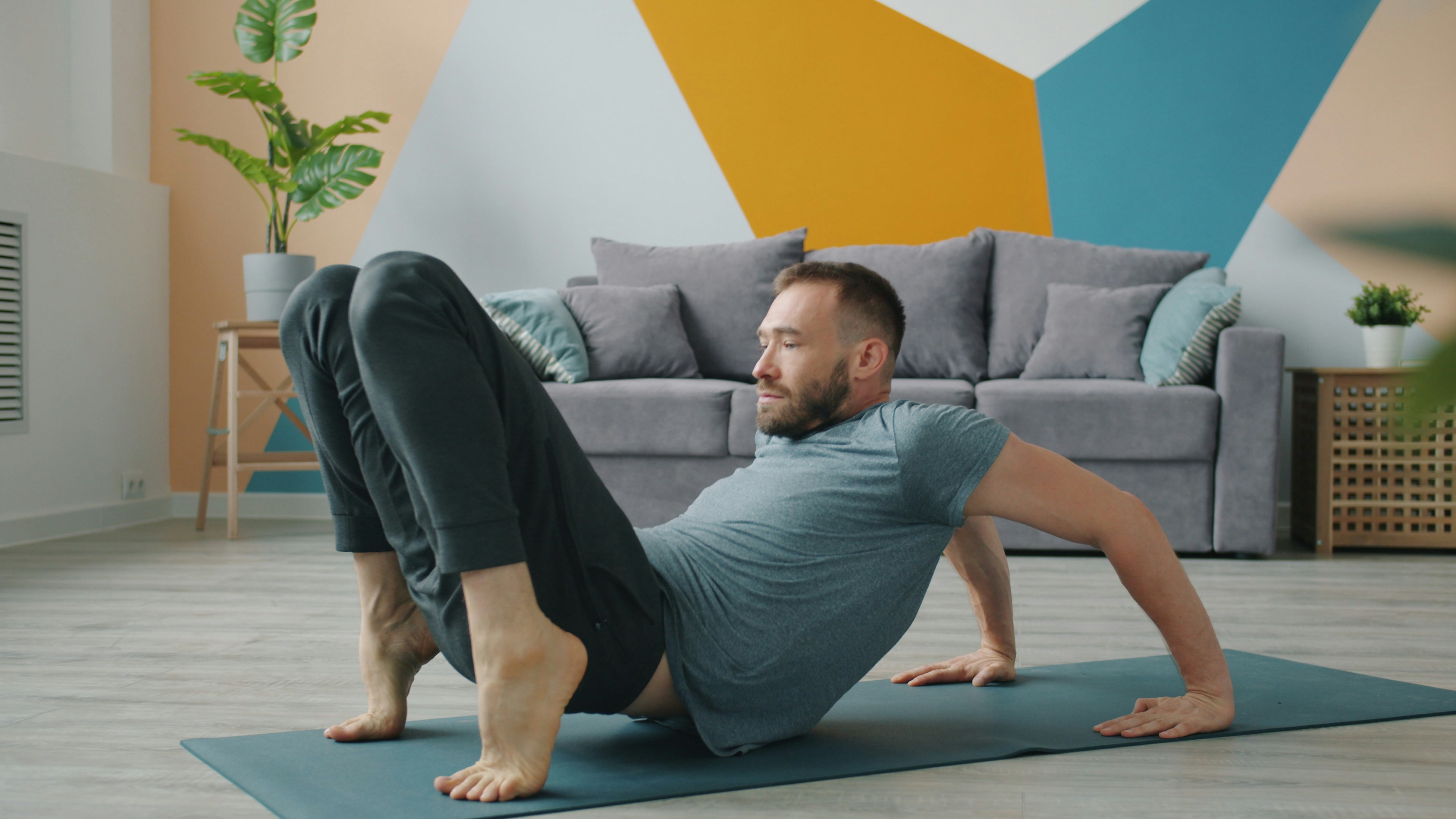
How to Improve Your Balance
One foundational exercise is the single-leg stand, where you lift one leg off the ground while maintaining a neutral pelvis and straight back. This engages the glutes, hip abductors, and stabilizer muscles. To progress, try performing this on an unstable surface like a balance pad or bosu ball to increase difficulty. Additionally, incorporating yoga poses such as Tree Pose (Vrksasana) and Warrior III (Virabhadrasana III) can enhance proprioceptive awareness and strengthen supporting muscles.
Dynamic movements, such as tandem walking or heel-to-toe walking, challenge balance while improving coordination. These exercises require constant adjustments to maintain stability, effectively training the nervous system to respond to environmental changes. Using resistance bands can add an extra layer of difficulty by requiring muscle stabilization against external force.
Strength training plays a significant role in balancing improvements. Exercises like squats, lunges, and deadlifts strengthen the lower body muscles responsible for postural control. Performing these movements on uneven surfaces or with additional weight can amplify their effectiveness. Planks and side planks target the core muscles, which are vital for maintaining an upright posture and balance during movement.
Incorporating balance-specific equipment can also aid progress. A stability ball allows for multifaceted exercises that engage various muscle groups simultaneously. Try seated hip abductions or standing calf raises on a ball to challenge stabilization. Bosu balls offer a dual-purpose tool, enabling both static holds and dynamic movements to enhance neuromuscular control.
For individuals seeking advanced balance challenges, martial arts such as tai chi or yoga can provide comprehensive training. These disciplines emphasize slow, controlled movements that demand precise body alignment and mental focus. Practicing these activities regularly can lead to significant improvements in both static and dynamic balance.
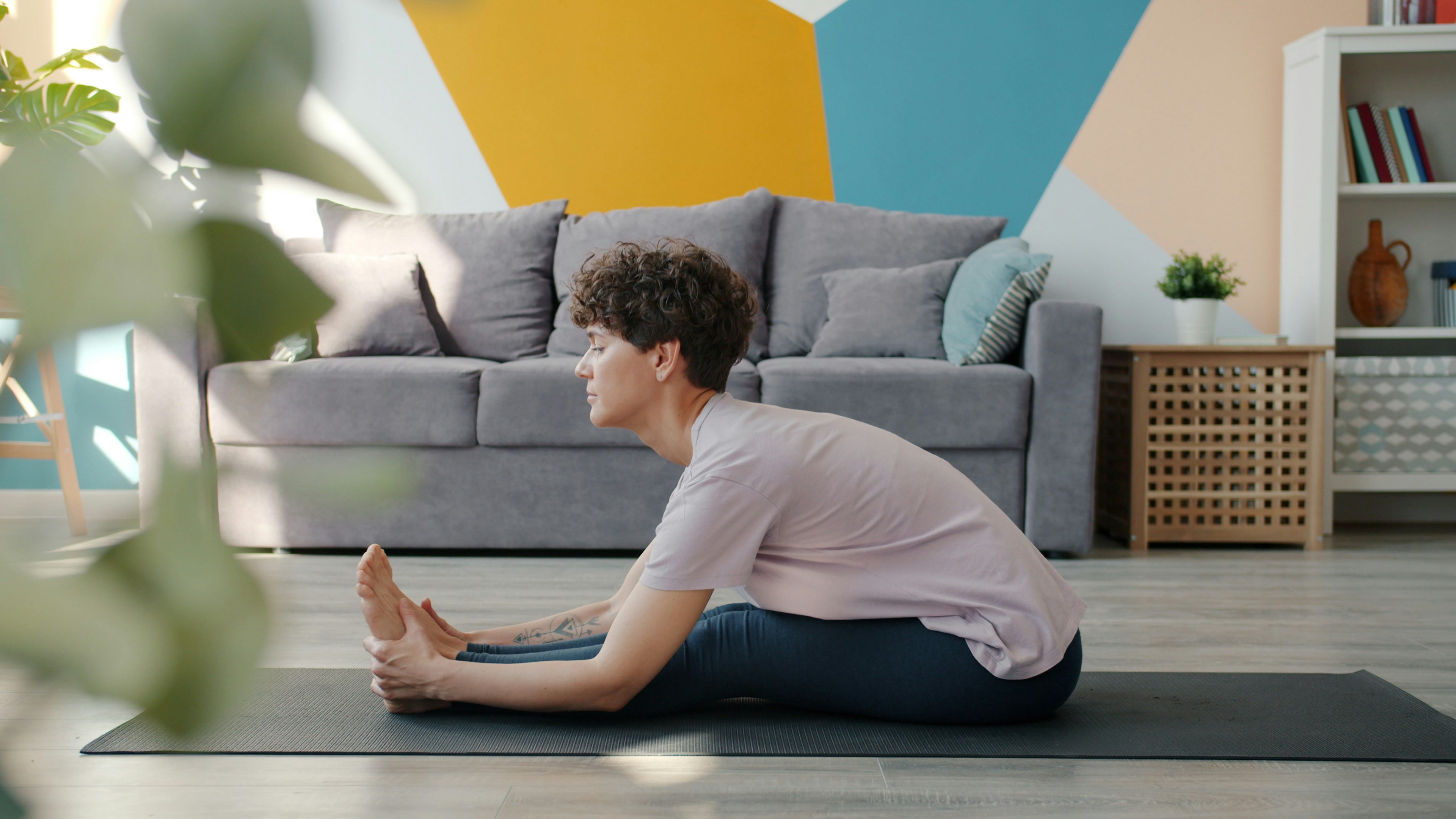
How to Improve Your Balance and Power
Balance training often involves static and dynamic exercises that challenge the body’s equilibrium. Static balance activities, such as standing on one leg or performing plank poses, engage the core muscles and lower extremities to maintain position. Dynamic balance exercises, like single-leg squats or tai chi movements, require continuous adjustments to control body alignment while in motion. These exercises strengthen the proprioceptive system, which is responsible for spatial awareness and coordination.
To maximize the benefits of balance and power training, it is important to prioritize proper form, gradual progression, and adequate recovery. Proper technique ensures that muscles are engaged effectively without risking injury, while progressive overload, such as increasing resistance or reducing rest periods, challenges the body to adapt and strengthen further. Recovery is equally vital, as it allows muscles to repair and grow stronger. Incorporating flexibility exercises, such as stretching or yoga, can also enhance range of motion and support balance and power development.

How to Improve Your Speed and Balance
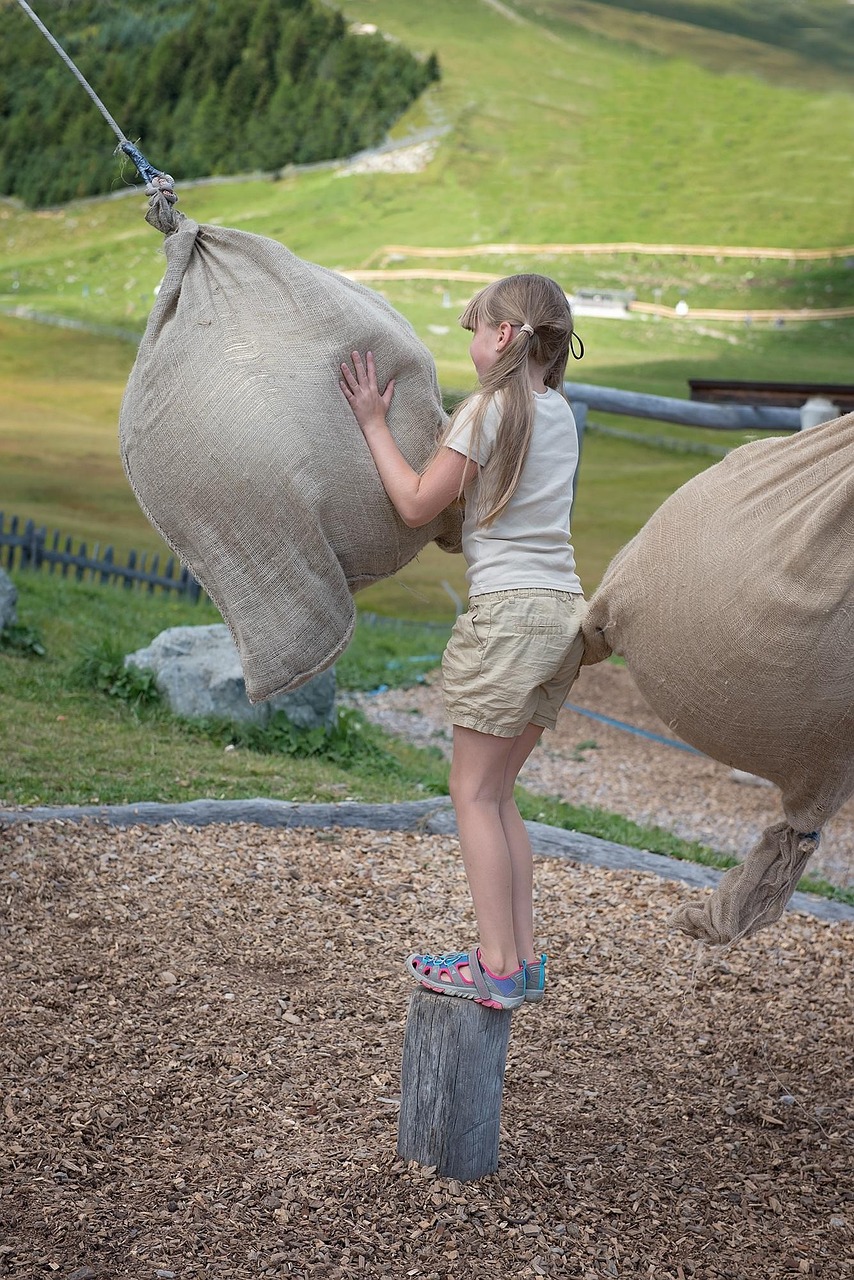
Dynamic balance exercises are essential for improving your ability to maintain equilibrium during movement. Cone drills and agility ladder workouts are popular choices for developing dynamic balance. These activities challenge your body to adapt to uneven surfaces and unpredictable movements, which can help you improve both your speed and balance (Baker et al., 2014).
Aside from exercises, nutrition plays a crucial role in optimizing your speed and balance performance. Properly fueling your body with essential macronutrients like carbohydrates and proteins can help ensure you have the energy required for high-intensity workouts while also supporting muscle recovery (Myers et al., 2013).
How to Improve Your Balance and Stability
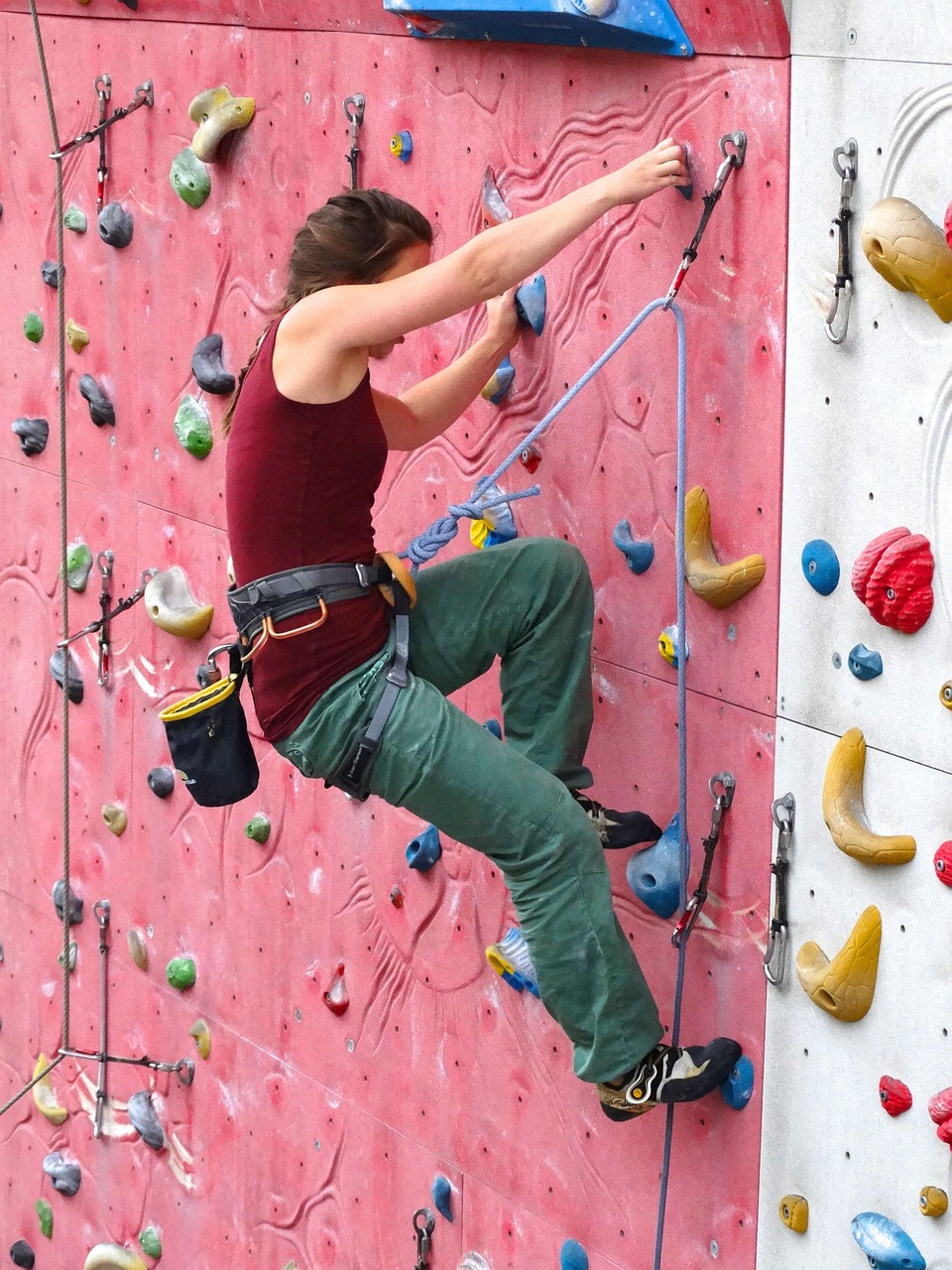
To enhance balance, consider incorporating exercises that challenge your center of gravity. Single-leg stands, whether stationary or dynamic with gentle movements like reaching forward or sideways, engage the core and lower body muscles, particularly the hip abductors and gluteals. Adding resistance bands or light weights can increase difficulty and target stability further.
Yoga and Pilates are excellent modalities for developing both balance and stability. Poses such as Tree Pose, Warrior III, and Plank require strong core engagement and precise alignment to maintain position. These practices also emphasize mindful movement and breath control, which can improve focus and mental clarity during workouts.
Stability training often involves exercises that mimic everyday movements while challenging the body’s ability to stabilize joints. Squats, lunges, and deadlifts not only build strength but also enhance stability by engaging multiple muscle groups simultaneously. Performing these exercises on unstable surfaces, such as Bosu balls or balance discs, can amplify the benefits for balance and proprioception.
Environmental sustainability can be integrated into power and balance training by opting for outdoor activities that utilize natural terrain. Hiking, trail running, or practicing yoga in parks not only provide varied surfaces for challenging balance and stability but also promote a connection with nature. This approach reduces the reliance on gym equipment and supports eco-friendly exercise habits.
Strength training with bodyweight or resistance bands is another sustainable method. Bodyweight exercises like push-ups, pull-ups, and squats require no equipment and can be performed virtually anywhere, minimizing environmental impact. Resistance bands, when made from durable materials, offer versatility and longevity, reducing waste compared to single-use gym equipment.
Flexibility and mobility exercises are complementary to balance and stability training. Incorporating dynamic stretches before workouts and static stretches post-workout can enhance range of motion, reduce muscle tightness, and prevent injuries. Practices like foam rolling or using yoga accessories made from eco-friendly materials align with sustainable fitness goals.
Exercises to Improve Balance and Stability

Balance and stability are fundamental components of physical fitness, essential for preventing injuries and enhancing performance in various activities. Improving these qualities not only benefits athletes but also supports everyday tasks that require precise motor control. The development of exercises aimed at enhancing balance and stability has evolved significantly over time, incorporating insights from biomechanics, neuroscience, and exercise physiology. A key historical milestone in the understanding of power and its relationship to balance occurred in the early 20th century with the work of Andrée Michelson, who conducted pioneering research on muscle strength and power generation. His studies laid the groundwork for modern approaches to training that integrate strength, power, and stability.
To improve balance and stability, a variety of exercises can be employed, each targeting different aspects of these skills. The single-leg stance is a foundational exercise that challenges proprioception and core activation. By standing on one leg with eyes closed or while performing light movements, individuals can enhance neuromuscular coordination. Progressions might include incorporating weights or unstable surfaces to increase difficulty. Another effective exercise is the plank, which engages multiple muscle groups simultaneously, promoting core strength and stability. Variations such as side planks and forearm planks further challenge balance by targeting oblique muscles and shoulder stability.
Dynamic exercises like the lunge and its derivatives contribute to balance improvement by requiring continuous adjustments to maintain equilibrium. The reverse lunge, in particular, demands focus on both forward and backward movement control. Incorporating rotational movements, such as the Russian twist or cable rotations, can enhance rotational stability, crucial for sports involving pivots or changes of direction. Balance board training is another powerful method, utilizing unstable surfaces to stimulate muscle recruitment and proprioceptive feedback. These exercises not only improve balance but also increase the body’s ability to adapt to uneven terrain or unexpected challenges.
Resistance band workouts offer a versatile approach to enhancing stability by providing variable resistance that mimics real-world movement demands. Exercises such as banded squats or banded single-leg deadlifts engage stabilizing muscles while improving lower body strength. Integrating plyometric exercises, like box jumps or bounding, can also contribute to balance improvement by enhancing neuromuscular power and reaction time. These explosive movements require rapid force production and subsequent stabilization, fostering a responsive musculoskeletal system.
Incorporating yoga and Pilates into a fitness regimen provides additional benefits for balance and stability. Poses such as tree pose or warrior III demand precise alignment and muscle control, while exercises like the hundred or spinal waves strengthen the core in a dynamic manner. These modalities not only improve physical stability but also promote mindfulness and body awareness, essential components of effective movement.
How to Improve Your Balance and Speed
Improving balance and speed demands a targeted approach that focuses on core stability, proprioception, explosive power, and neuromuscular efficiency. Core strength forms the foundation for both balance and power generation. Exercises such as planks with leg lifts or single-leg deadlifts enhance trunk stability, which directly translates to improved posture and reduced risk of falls during dynamic movements. Proprioceptive training, including exercises like Bosu ball squats or balance board drills, strengthens neural connections between muscles and joints, enabling finer control over body positioning at high speeds. This sensory feedback is critical for maintaining equilibrium when executing rapid directional changes or sudden stops.
Power development relies on explosiveness from fast-twitch muscle fibers. Plyometric exercises like box jumps or medicine ball throws train the stretch-shortening cycle, improving reactive strength, a critical component for rapid acceleration and deceleration. The accuracy of landing mechanics in these movements directly impacts injury prevention; landing softly with knees bent absorbs impact forces more efficiently than stiff-legged landings. Resistance training should prioritize compound lifts that engage multiple muscle groups simultaneously, such as power cleans or snatches, which enhance coordination between agonist and antagonist muscles. This holistic approach ensures the body operates as an integrated unit rather than a collection of isolated parts during high-speed maneuvers.
Aerobic capacity must be maintained at levels sufficient to support prolonged efforts without compromising technique. For endurance athletes, maintaining lactate threshold, the exercise intensity where lactic acid production exceeds clearance, is paramount. Endurance precision demands monitoring both heart rate and perceived exertion to avoid crossing the anaerobic threshold, which impairs coordination. Sports scientists recommend using a heart rate monitor with heart rate variability (HRV) analysis to tailor training loads to individual recovery states. This data-driven approach ensures that improvements in balance and speed are sustainable over time, preventing burnout or plateaus caused by suboptimal programming.
Agility drills refine motor patterns necessary for rapid directional changes without losing stability. Ladder footwork exercises emphasize precise timing of foot placement, which is critical for maintaining control during quick turns or stops. Cone drills with variable spacing enhance cognitive mapping, the ability to process environmental cues and adjust movements accordingly. These drills must be performed at speeds that challenge current abilities but allow completion without sacrificing form; pushing too hard early can lead to compensatory patterns that undermine later progress.
Recovery protocols are equally important. Active recovery sessions, such as swimming or easy cycling post-workout, help clear metabolic byproducts while maintaining muscle elasticity. Stretching routines focusing on the calves, quadriceps, and hamstrings should be performed after each session to maintain joint range of motion critical for balance. Foam rolling can address myofascial restrictions that impede movement efficiency. The precision in timing, stretching ideally within 30 minutes post-workout when muscles are warm, maximizes its benefits without risking overstretching fragile tissues.
Monitoring progress requires objective measures beyond subjective feelings of improvement. Single-leg balance tests with timed holds, or reaction time drills using response boards, provide quantifiable data on stability and speed development. Power metrics from plyometric exercises can be tracked via jump height measurements or contact times. Endurance gains should be evidenced by sustained performance over longer distances or higher intensities without compromising technique, a hallmark of properly managed training loads.
Nutritional support must align with these precision demands. Carbohydrate intake should prioritize glycogen replenishment post-workout, while protein timing around training sessions ensures muscle repair and adaptation. Hydration strategies must account for environmental factors affecting fluid balance during workouts, particularly in hot conditions where even small deficits can impair neuromuscular function. The accuracy of electrolyte supplementation, typically 50-100mg per hour during extended efforts, prevents cramping without disrupting sodium homeostasis.
Injury prevention hinges on addressing biomechanical inefficiencies before they escalate. Regular gait analysis, ideally performed by a physical therapist or biomechanics specialist, can identify subtle issues like overpronation or hip drop that impair balance and speed. Corrective exercises addressing these patterns
