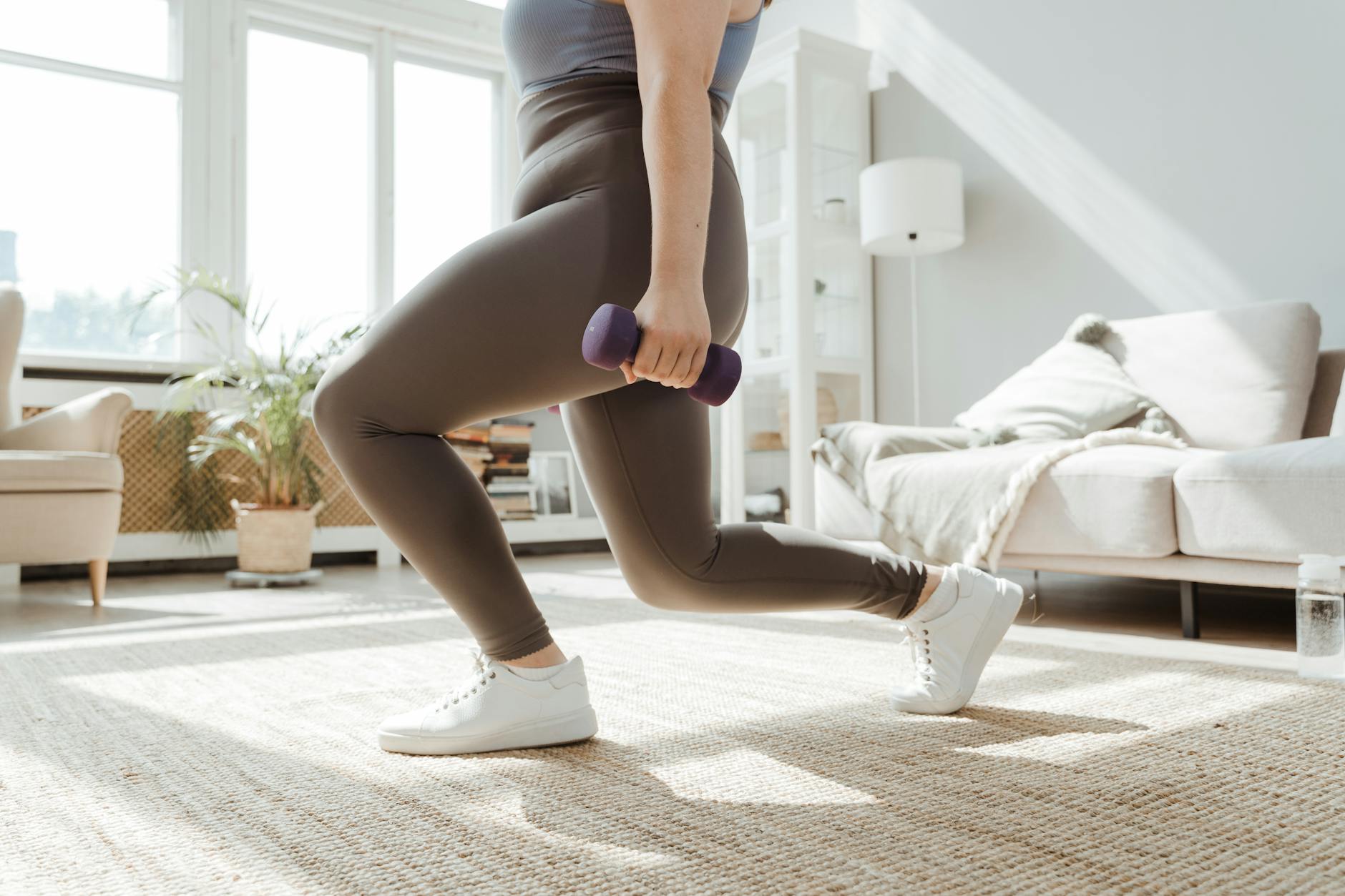
The lunge is a compound exercise, engaging multiple muscle groups simultaneously for an efficient and effective workout. Primarily targeting the quadriceps, hamstrings, and gluteus maximus, it also works supporting muscles including the calves, hip flexors, and core stabilizers. Proper execution begins with a neutral spine – think of a line running from ear to hip to ankle – ensuring balanced weight distribution across the foot during the downward movement. A common beginner error is allowing the front knee to track too far forward past the toes; aiming for alignment between the knee and the second toe helps here, maintaining good patellar tracking. This ensures the knees are working efficiently and reducing unnecessary stress on the joint.
Foot placement is also key for variation and targeting specific muscle groups. A wider stance generally increases hamstring activation whereas a more narrow stance tends to emphasize the glutes. Experimentation here, once a solid foundation of technique is established, allows for personalized adjustment. Arms can be positioned comfortably at the sides or held in front for balance – whichever feels most natural for an individual’ “sweet spot” often works well. A slight core engagement helps keep everything nice and stable, preventing unnecessary hip sway.
To enhance beginner success, start with a good quality warm-up that includes dynamic stretches like leg swings and hip circles to improve mobility and range of motion. This preps the muscles for optimal performance and reduces the chance of stiffness or minor strains during the exercise itself. A mirror can be useful when first learning to check alignment and ensure proper form; this visual feedback often proves quite helpful for making adjustments on the fly. Finally, consistency is key – incorporating lunges into a routine several times per week will build strength and improve technique over time. Gradual increases in lunge depth or adding light weights once comfortable further challenges the muscles and promotes continued progress.

Lateral Lunge Easy Guide
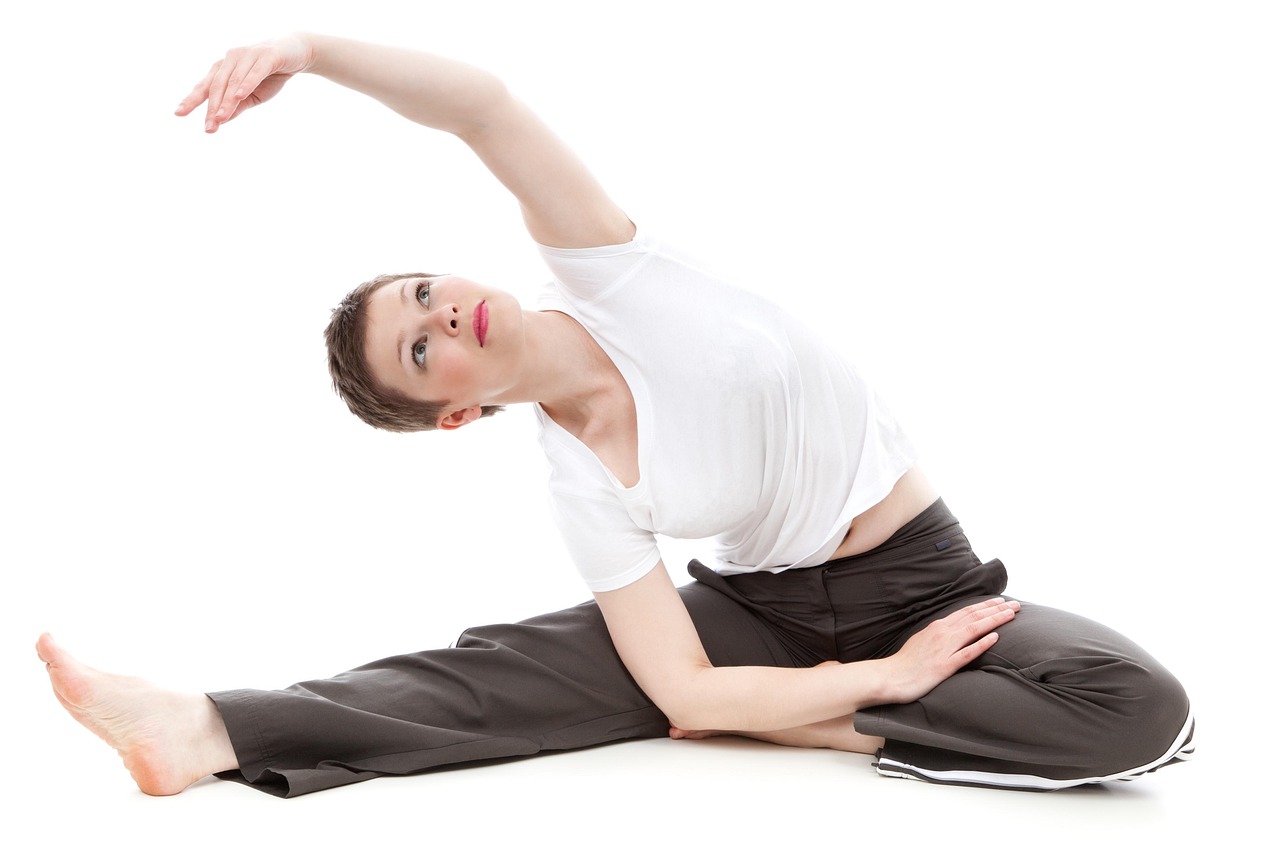
The lateral lunge is an effective exercise that targets the muscles of the inner and outer thighs, glutes, and lower back. It not only improves strength but also enhances flexibility and balance. To perform a lateral lunge correctly, start by standing with your feet hip-width apart, toes pointing forward. Shift your weight evenly on both feet and engage your core to maintain proper alignment. Take a wide step to the side with your right foot, bending both knees to lower into a lunge position. Your front knee should be directly above the ankle, and the back knee should hover just above the ground. Keep your torso upright and push through your heel to return to the starting position. Repeat on the opposite side for a complete repetition.
For beginners, it is essential to focus on form to avoid injury and maximize benefits. Avoid letting the back knee touch the ground as this can strain the knee joint. Maintain a straight line from your ankle through your knee to your hip during the movement. To increase difficulty, incorporate a weighted object such as a dumbbell or kettlebell held at chest level with both hands. This engages the upper body and challenges balance further. Another variation is the walking lateral lunge, where you step forward with the same foot after completing one lunge, adding cardiovascular benefits to the exercise.
A notable variation of the lateral lunge is the reverse lateral lunge, which targets the adductors more intensely. To perform this movement, start in a similar position but take a step backward with your right foot instead of to the side. Bend both knees, ensuring the front knee is aligned over the ankle and the back knee is close to the ground. This variation is particularly useful for individuals looking to strengthen their inner thigh muscles or those recovering from hip or knee injuries, as it places less stress on the joints compared to traditional lunges.
Incorporating lateral lunges into a workout routine can yield significant improvements in lower body strength and flexibility. To maximize results, pair lateral lunges with other compound exercises such as squats, deadlifts, or calf raises for a well-rounded leg training session. Remember to warm up properly before starting any exercise regimen and cool down afterward to prevent muscle soreness and promote recovery. By focusing on proper technique and gradually increasing the intensity through variations or added resistance, lateral lunges can become a valuable tool in achieving fitness goals.
How to Do a Perfect Burpee
Begin by standing with feet hip-width apart, toes pointing forward. Squat down with your back straight, keeping your weight on your heels. Place your hands on the ground outside of your feet, fingers facing forward. Kick your legs backward into a plank position, ensuring that your body forms a straight line from head to heels. Keeping your core tight, perform a push-up while maintaining this alignment. Reverse the movement by bringing your knees back toward your chest in a controlled manner before jumping your feet back to the starting position.
The key to mastering the burpee lies in seamlessly transitioning between each stage of the exercise. Beginners may find it helpful to break down the movement into smaller components and gradually increase speed as proficiency grows. Here are a few tips for executing a perfect burpee
Maintain proper form: Keep your core engaged throughout the entire movement, ensuring that your spine remains neutral during each transition. This will not only help prevent injury but also maximize the benefits of the exercise.
Move efficiently: Smoothly transition from one stage to the next without pausing unnecessarily between repetitions. This not only saves time but also challenges your cardiovascular system, ultimately leading to better endurance and conditioning.
Start with a few sets: Begin by performing 2-3 sets of 3-5 burpees, allowing your body to adjust to the movement before increasing the volume. As your strength and stamina improve, gradually build up to more challenging workouts consisting of multiple sets and higher repetitions.
Focus on technique over speed: Prioritize proper form over rushing through the exercise, as this will not only reduce the risk of injury but also ensure that each rep is effective in targeting the intended muscle groups. As proficiency grows, you can then focus on increasing your speed while maintaining correct technique.
How to Do a Perfect Reverse Lunge
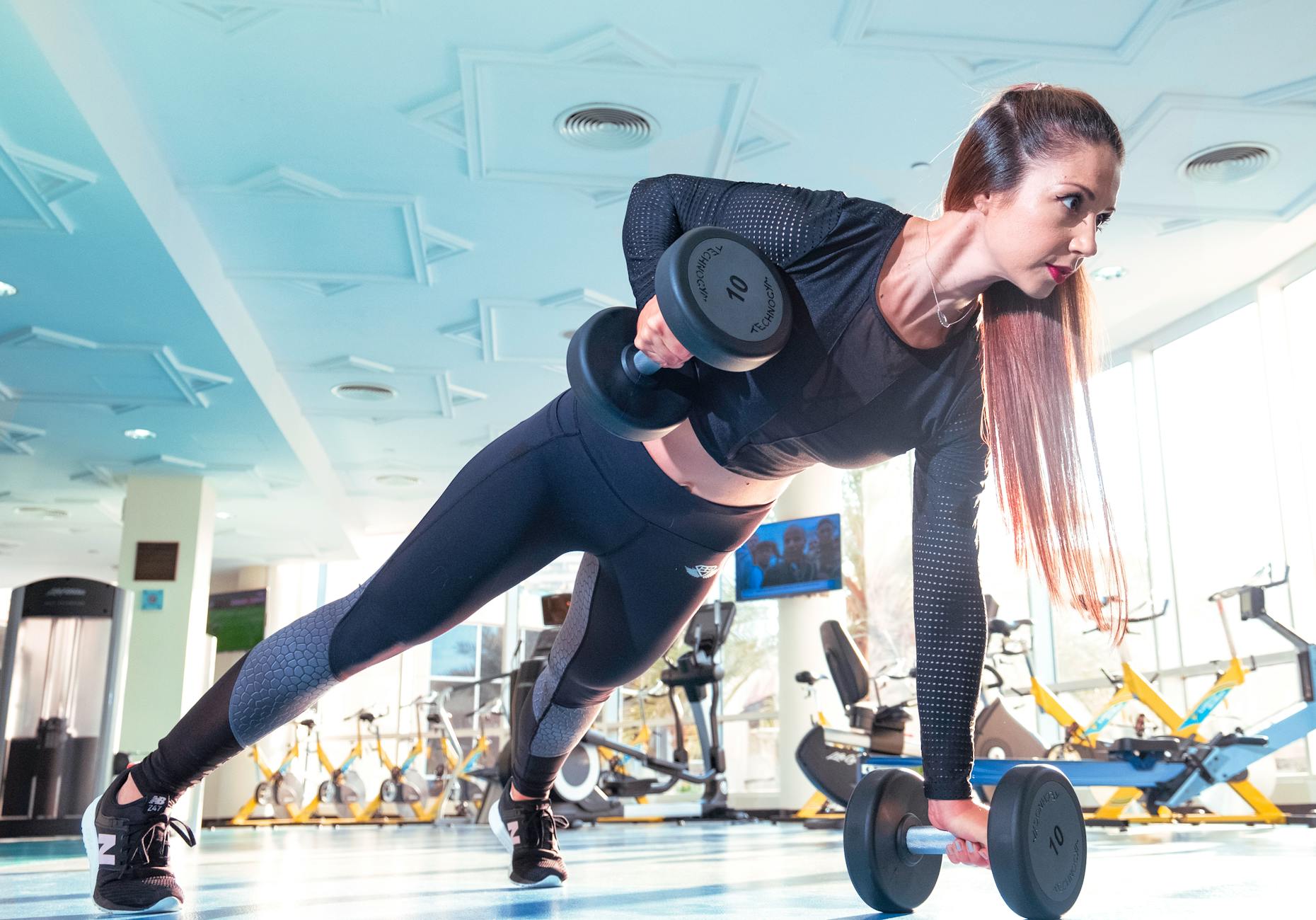
The reverse lunge is a foundational lower body exercise that strengthens the quadriceps, hamstrings, glutes, and calves while enhancing balance and stability. Its controlled movement pattern offers an alternative to traditional forward lunges, minimizing stress on the knee joints. To execute this exercise effectively, beginners must prioritize proper alignment, form, and gradual progression. A common limitation among novices is overcompensating with their front leg or allowing their back knee to collapse inward during descent. This misalignment increases strain on the knee joint and reduces muscle engagement in the target areas. Correcting this requires focused attention on maintaining a neutral spine, activating core muscles, and distributing weight evenly across both feet.
Beginners should start with a lower step height and fewer repetitions than they think necessary. A 4- to 6-inch step or elevated surface, such as a bench or platform, provides sufficient resistance without compromising form. Aim for 2 to 3 sets of 8-10 lunges per side, gradually increasing volume over weeks as strength improves. Overloading prematurely can lead to muscle fatigue or improper mechanics, risking injury or plateauing progress.
Core stability is critical during a reverse lunge. Engaging the abdominal and lower back muscles prevents excessive forward lean, which places undue pressure on the lumbar spine. Beginners should practice maintaining a neutral pelvis position, avoiding posterior pelvic tilt (tucking the tailbone) or anterior tilt (arching the lower back), by consciously drawing the belly button toward the spine before lowering. This activation pattern establishes a baseline of core control essential for advanced variations later on.
Breathing technique also influences exercise effectiveness. Inhale deeply through the nose as you prepare to step backward, then exhale forcefully through the mouth while descending into the lunge. Controlled respiration maintains intra-abdominal pressure, supporting spinal alignment and reducing strain during weight transfer. Many novices hold their breath or hyperventilate when challenged, compromising oxygen delivery to working muscles. Practicing rhythmic breathing patterns in isolation before integrating them into full repetitions ensures smooth execution under load.
Progression should align with individual comfort levels. Once 10 lunges per side feel manageable without excessive fatigue, consider elevating the rear foot slightly on a yoga block or platform. This subtle increase in step height intensifies quadriceps recruitment while maintaining safety by reducing knee flexion depth. Beginners must listen to their bodies: if pain persists after proper form adjustments, pause the program and consult a fitness professional to assess alignment or underlying conditions like patellofemoral pain syndrome.
Common variations include walking lunges, step-up lunges, and curtsy lunges, each targeting slightly different muscle groups. Walking lunges build endurance, while step-up lunges emphasize single-leg stability and hip power. Curtsy lunges engage the obliques and gluteus medius, enhancing rotational strength. Beginners should prioritize mastering the reverse lunge before introducing these modifications to avoid confusion or improper execution.
Equipment adjustments also expand exercise options. Using dumbbells in each hand adds resistance without compromising form, engaging stabilizing muscles more effectively. Resistance bands looped around the thighs or ankles during descent further challenges glute activation and stability. Beginners should start with light weights, 2-5 pounds for upper body exercises, and increase gradually to maintain control throughout motion.
Post-workout recovery is vital for beginners learning a new movement pattern. Stretching the quadriceps, hamstrings, calves, and hip flexors after each session helps alleviate tension from overworked muscles and prevents stiffness. A foam roller or massage ball can target tight spots in these areas, promoting blood flow and flexibility without excessive discomfort.
Consistency trumps intensity for novices. Aim to perform reverse lunges two to three times weekly on non-consecutive days, allowing muscle fibers time to repair. Pairing this exercise with complementary movements, such as squats, deadlifts, or step-ups, creates a balanced lower body regimen without overtaxing any single group. Regular practice of proper form ensures long-term progress and reduces injury risk associated with compensatory patterns.
Understanding the limitations of beginners, such as poor alignment awareness or muscle weakness, enables tailored programming. Progressions should prioritize quality over quantity, gradually increasing difficulty only when form remains consistent. This approach fosters sustainable strength gains while minimizing setbacks caused by improper mechanics. By focusing on these principles, novices can confidently integrate reverse lunges into their routines, laying a strong foundation for advanced lower body training.

Good Lunge Workout Tips
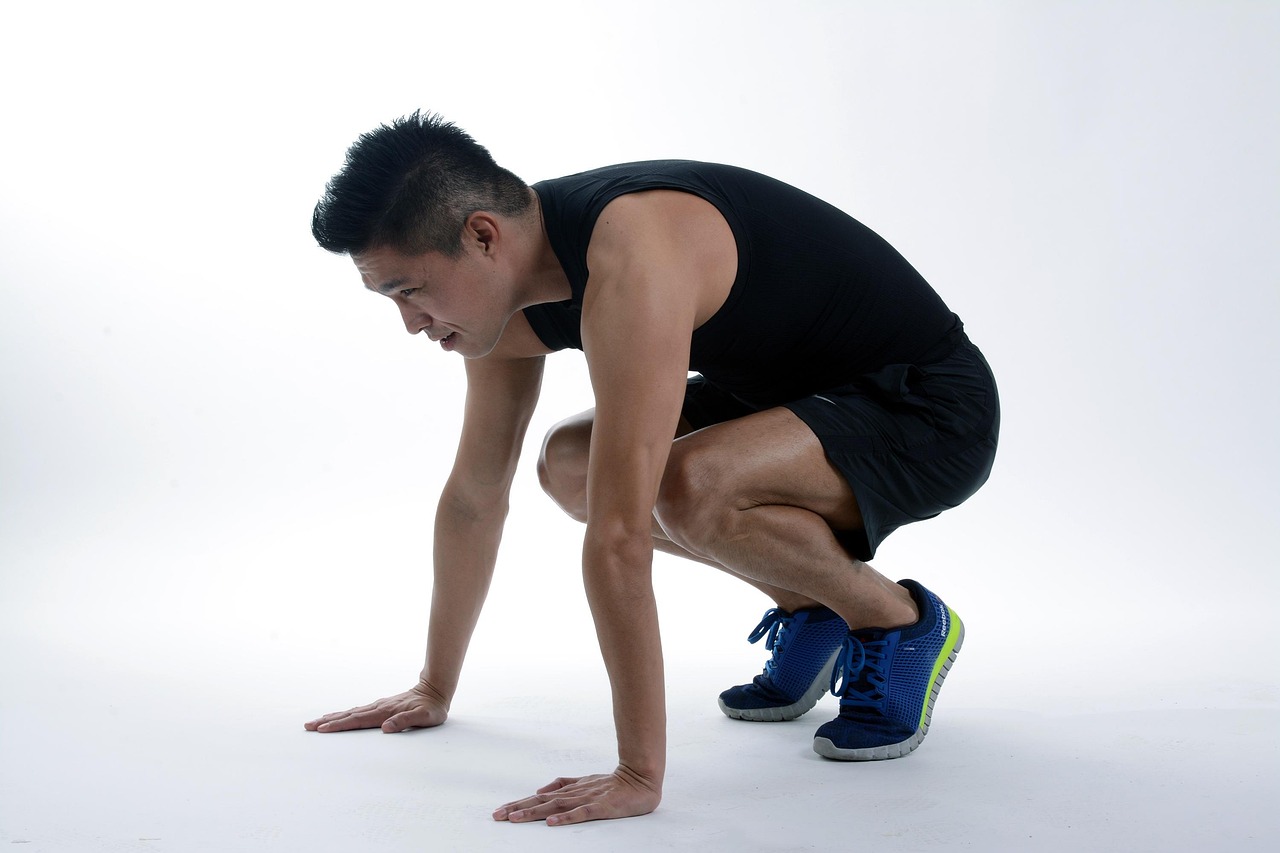
Lunges are a fundamental exercise for developing leg strength, balance, and flexibility. For beginners embarking on their fitness journey, mastering proper lunge technique is crucial to maximize benefits while minimizing the risk of injury. A good lunge workout not only enhances lower body power but also improves core stability and posture. To ensure a safe and effective lunge routine, several key tips must be followed meticulously.
Firstly, maintain proper alignment throughout the movement. Stand with feet shoulder-width apart, engaging the core and keeping the chest upright. As you step forward with one leg, allow your hips to lower naturally without arching the back. The trailing knee should lightly touch the ground, ensuring the front knee forms a 90-degree angle over the ankle. This alignment prevents excessive strain on the knees and promotes balance.
Focus on controlled movement rather than speed. Beginners often rush lunges, sacrificing form for pace. Slow, deliberate descent into each lunge allows for better muscle engagement and reduces the likelihood of injury. Pushing through the heel to return to the starting position ensures full glute and quad activation. Inhale as you lower and exhale as you push back up, synchronizing breath with motion for optimal endurance.
Incorporating variations into a lunge routine can enhance muscle development and prevent monotony. Side lunges target inner thighs and hip abductors, while reverse lunges engage the hamstrings more intensely. Alternating between these types stimulates different muscle groups, promoting balanced leg strength. As fitness levels improve, adding weight such as dumbbells or a barbell can increase resistance and further challenge the muscles.
Environmental sustainability is an emerging consideration in fitness practices, even for beginners. Opting for home workouts reduces the carbon footprint associated with gym travel and equipment production. Utilizing bodyweight exercises like lunges minimizes the need for specialized gear, aligning with eco-friendly fitness trends. Choosing sustainable workout attire made from recycled materials further supports environmental goals without compromising performance.
Proper hydration and nutrition are integral to lunge efficiency and recovery. Staying hydrated before, during, and after workouts optimizes muscle function and prevents cramping. Consuming a balanced diet rich in protein, complex carbohydrates, and healthy fats fuels workouts and aids muscle repair. For beginners, listening to the body is essential; rest days are necessary for recovery, ensuring longevity in fitness progress.
Consistency is key to seeing results from lunge workouts. Establishing a routine that includes lunges at least twice weekly allows muscles to adapt and grow. Tracking progress through repetitions, sets, or incorporating new variations maintains motivation and accountability. By adhering to these tips, beginners can effectively integrate lunges into their fitness regimen, reaping the physical benefits while contributing to sustainable health practices.
Reverse Lunge Step-by-step

The reverse lunge is an effective exercise for strengthening the legs, particularly targeting the glutes, quads, and hamstrings. It also improves balance and stability while engaging the core muscles. To perform a reverse lunge correctly, start by standing with your feet hip-width apart, toes pointed forward, and arms at your sides. Maintain a neutral spine and engage your core to ensure proper alignment. Take a large step backward with one leg, bending both the back knee and the front knee to form a 90-degree angle at each. The front heel should remain on the ground, and the back knee should be close to the floor but not touching it. Push through the front heel to return to the starting position, then switch legs and repeat.
Proper technique is crucial for maximizing the benefits of reverse lunges while minimizing the risk of injury. One key tip is to keep your weight evenly distributed between both feet throughout the movement. Avoid collapsing into the front knee or letting the back knee touch the ground, as this can place excessive strain on the joints. Another important consideration is to maintain forward momentum by pushing through the front heel during the return phase. This helps ensure a smooth, controlled motion and prevents energy leakage.
Energy consumption in reverse lunges is primarily derived from the lower body muscles, with secondary engagement of the core and upper body for stability. The glutes and quads are the primary movers, working together to drive the movement forward and upward. As you step backward, the hamstrings on the trailing leg also contribute to stabilizing the body. Engaging the core is essential for maintaining balance and preventing excessive forward lean or lateral shifts that could compromise form.
For beginners, it may be helpful to practice reverse lunges in front of a mirror to monitor form and ensure proper alignment. As you become more comfortable with the exercise, you can progressively increase the depth of the lunge or add resistance bands or weights to challenge your muscles further. Remember to warm up adequately before performing lunges and cool down afterward to promote recovery and reduce muscle soreness.
How to Get Perfect Lunges
Embarking on a lunging journey entails more than just stepping back with one leg. Achieving perfect lunges not only enhances the efficacy of your lower body workout but also minimizes the risk of injury. Herein lies an overview of essential tips and technique refinements to help you execute this exercise flawlessly, catering to both beginners and seasoned fitness enthusiasts.
Proper Stance: Begin with a hip-width stance, feet parallel to each other. Toe alignment remains neutral, not pointing outwards or inwards. Ensure your weight is evenly distributed between both feet. This base position will provide optimal stability for the entire lunge sequence.
Correct Posture: Maintain an upright torso with a slight forward lean from your hips. Your shoulders should be relaxed and your core engaged, keeping your chest lifted. Arms hang naturally at your sides. This posture ensures efficient muscle engagement and reduces strain on the lower back during lunges.
Step and Descend: Take a controlled step backwards with one leg, bending both knees to a 90-degree angle. The front knee remains aligned over the ankle, while the back knee nearly touches but not quite touching the ground. Maintain your balance throughout this movement by keeping your core engaged and shifting your weight forward as you rise back up.
Balance: As you step into the lunge position, keep your pelvis level to maintain balance. Avoid tilting your pelvis forwards or backwards. This even distribution of weight will enable you to perform a more effective and safer lunge.
Depth: Strive to lower your hips until your front thigh is parallel to the ground. This depth allows for maximum muscle engagement in your glutes, quadriceps, and hamstrings. Be cautious not to descend too low if you have limited flexibility or experience, as this may increase the risk of losing balance or straining your knees.
Control: Concentrate on smooth and controlled movements throughout each lunge repetition. This focus will help improve your form, reduce the likelihood of injury, and maximize the benefits of your lower body workout.
Repetitions and Sets: Perform 2-3 sets of 8-15 reps for each leg to achieve optimal muscle development. As your strength and technique improve, you can gradually increase the number of repetitions or sets to challenge yourself further.
Variations: Incorporate different lunge variations, such as reverse lunges, lateral lunges, or Bulgarian split squats, into your workout routine to engage various muscles and prevent plateaus in your fitness progression.
How to Do a Perfect Lunge
Lunges are a fundamental exercise for strengthening the lower body, particularly the quadriceps, hamstrings, glutes, and calves. They also improve balance, coordination, and flexibility. To perform a perfect lunge, it is essential to focus on proper technique to maximize effectiveness and minimize the risk of injury.
Begin by standing with your feet hip-width apart, toes pointed forward, and arms at your sides or bent at the elbows for balance. Take a large step forward with one leg, leading with the heel and rolling through the foot to push off the ball of the front foot. The back knee should remain in contact with the ground, forming a 90-degree angle. As you lunge, keep your chest upright and your shoulders relaxed.
The front knee should be directly above the ankle, not caving in or extending beyond the toes. Engage your core muscles to maintain stability and avoid leaning forward or backward. The back heel should lift slightly off the ground as you lower into the lunge. Push through the front heel to return to the starting position, driving upward with both legs to complete one repetition.
To enhance the effectiveness of lunges, incorporate variations such as reverse lunges, walking lunges, or lateral lunges. Reverse lunges involve stepping back with the trailing leg, while walking lunges require stepping forward and then bringing the back foot forward for the next repetition. Lateral lunges are performed by stepping out to the side, engaging the hip abductors.
Incorporating lunges into a workout routine can improve everyday activities such as climbing stairs, walking, or running. They also contribute to better posture and reduced risk of lower back pain by strengthening the muscles that support the spine. For beginners, start with bodyweight lunges and gradually incorporate resistance bands or weights to increase intensity and challenge different muscle groups.
Practicing proper form is crucial for lunges. Avoid common mistakes such as collapsing the front knee inward, allowing the back knee to lift off the ground, or leaning too far forward or backward. Maintain a steady pace, focusing on controlled movements rather than speed. Listen to your body and adjust the range of motion as needed to prevent discomfort or strain.
Perfect Lunge for Stronger Legs
Lunges are a fundamental exercise for strengthening the legs and improving lower body balance. To perform perfect lunges, it is crucial to adopt proper technique to maximize effectiveness while minimizing injury risk. Begin by standing with feet shoulder-width apart, maintaining a neutral spine and engaging core muscles for stability. Take a large step forward with one leg, bending both knees to form a 90-degree angle at the hip and knee. The front knee should be directly above the ankle, ensuring that it does not extend beyond the toes. Push through the heel of the back foot to return to the starting position, repeating on the opposite side.
For beginners, practicing lunges without additional weight is an excellent starting point to develop strength and coordination. As proficiency increases, progressively increase the range of motion or incorporate variations such as lateral lunges, reverse lunges, or jump lunges to target different muscle fibers and prevent plateauing. It is essential to listen to the body and adjust the intensity based on individual capabilities, ensuring that the exercise remains safe and effective.
A potential future advancement in lunge technique could involve the integration of wearable technology to provide real-time feedback on form and progress. Smart sensors embedded in athletic wear or placed strategically around the body could monitor joint angles, muscle activation, and range of motion, offering personalized guidance to optimize performance. This technological enhancement would enable individuals to fine-tune their lunge technique with precision, potentially leading to improved outcomes and reduced injury risks.
Advancements in biomechanics research may uncover new insights into the most effective lunge variations for specific goals, such as hypertrophy or endurance. By analyzing data from diverse populations, researchers could develop targeted programs that address individual needs and preferences, ensuring that lunges remain a versatile and impactful component of fitness routines.
Lunge Technique for Beginners
The lunge is a foundational lower-body exercise, excellent for building strength and improving balance in the quads, hamstrings, and glutes. Proper technique starts with foot placement; typically, one leg steps forward, aiming for roughly 90 degrees at both knees when the front thigh is parallel to the ground. The front knee should track directly over the ankle – avoiding it drifting inward or outward – ensuring even distribution of weight and minimizing stress on the knee joint. A common beginner error is allowing the front knee to extend past the toes, which can often be corrected by slightly adjusting foot placement; a slight rotation outwards for those with tighter hip flexors often helps here. The back leg’s heel should ideally lift off the ground, engaging the glute and hamstring muscles as they work to assist in the upward push. Core engagement is key throughout – imagine drawing the belly button towards the spine to maintain an upright posture and prevent excessive sway during the movement.
Surface conditions often influence lunge stability. A slightly softer surface, like grass or sand, provides increased proprioceptive feedback and a greater sense of control, making it ideal for those new to the movement. Conversely, a slick or uneven surface requires more focus and good balance – a good way to progress once comfortable with the basic movement. Generally, solid ground offers a reliable starting point. Footwear also plays a role; too much cushioning can sometimes mask subtle shifts in weight, while barefoot or minimal footwear allows for better feeling of the ground.
Variations on the standard lunge increase complexity and target different aspects of lower-body strength and stability. Forward lunges are the most common, but reverse lunges – stepping backward instead of forward – emphasize the glutes more effectively. Walking lunges involve a continuous alternating step forward, adding a cardiovascular element to the workout. Lateral lunges, which move the body sideways, target the inner and outer thighs (adductors and abductors). All these variations build upon the foundational technique, so mastering the basic lunge is essential for progressing to more challenging options. Consistency in form, even with smaller steps, yields excellent results over time.
How to Do a Perfect Lateral Lunge
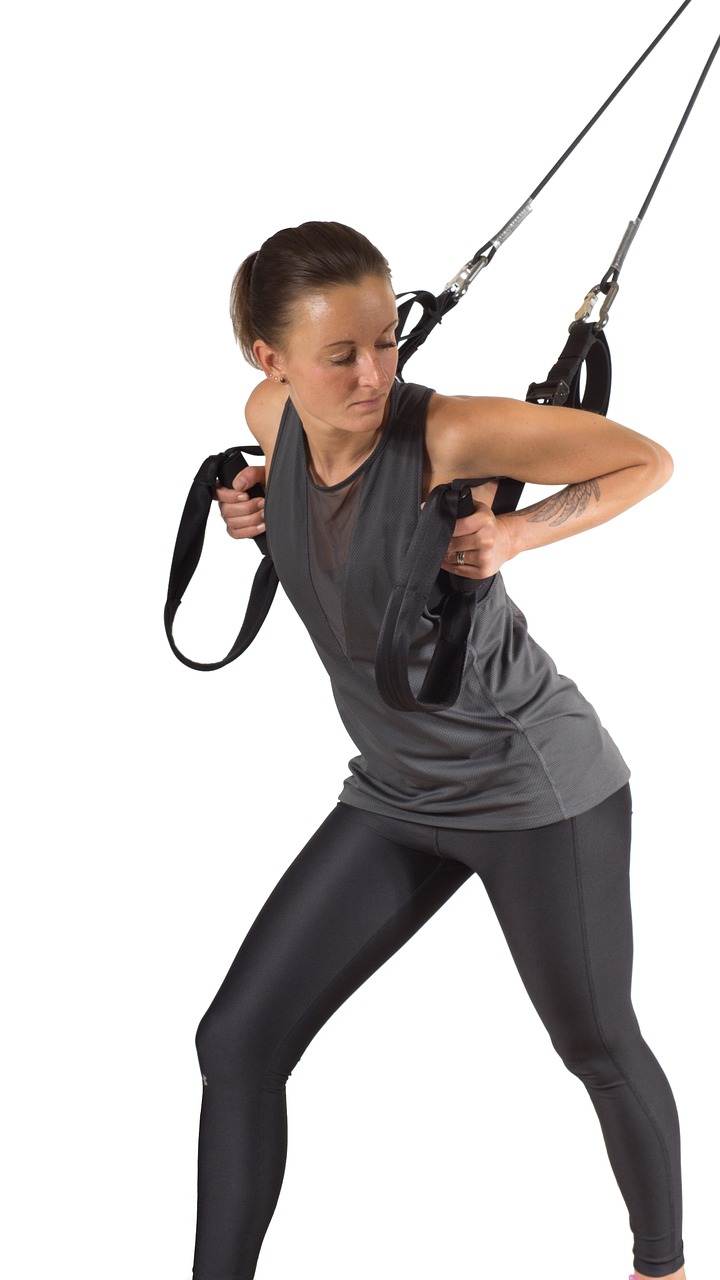
In diagrams depicting the lateral lunge, legs are typically visualized in a side-view stance to clearly illustrate movement mechanics and alignment. The front leg is shown extended outward at approximately a 90-degree angle from the body, with the knee aligned directly over the foot but not exceeding it, ensuring proper weight distribution along the medial arch and avoiding excessive stress on the lateral structures of the knee. The back leg is bent deeply, often represented as being in a quarter-to-half-squat position, with the knee pointing towards or slightly behind the toes to prevent undue pressure on the joint.
The gluteus maximus is frequently illustrated in diagrams to showcase its role in hip extension and stabilization, particularly during the transition from the lateral bend to standing straight again. The adductor muscles of the inner thigh are also depicted, as they play a crucial part in maintaining stability by preventing excessive inward collapse of the knee during the movement. Additionally, diagrams often include visual representations of the core muscles, including the transversus abdominis and obliques, which activate to maintain an upright posture and protect the lower back throughout the exercise.
The representation of bones is typically simplified in these diagrams, with the femur and tibia clearly shown from a side perspective. The tibialis anterior and posterior muscles are sometimes illustrated as being active during the lunge, with the former contributing to dorsiflexion at the ankle joint and the latter assisting with plantarflexion and foot stability. The hip flexors and extensors may also be depicted to emphasize their role in controlling movement and maintaining proper alignment of the pelvis and spine.
Perfect Lunge Form Tutorial
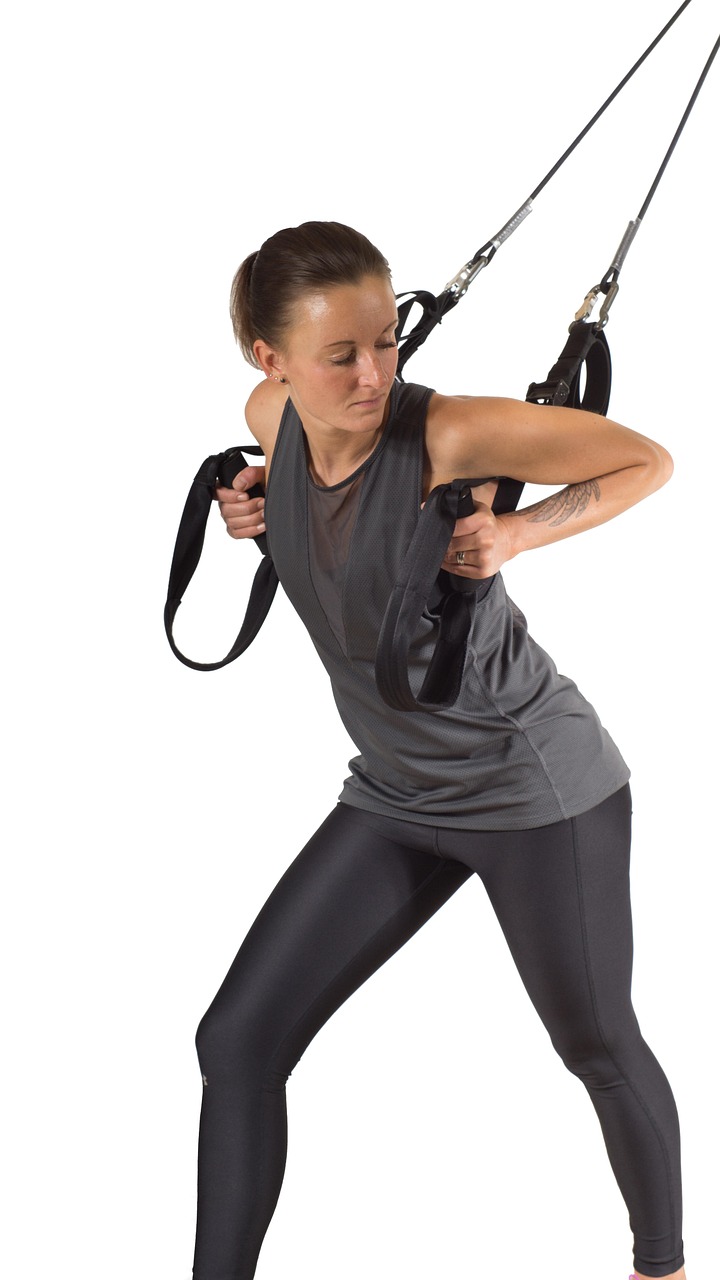
Lunges are a fundamental exercise that target the lower body, particularly the quadriceps, hamstrings, and glutes. Proper form is essential to maximize effectiveness and minimize the risk of injury. Begin by standing with your feet hip-width apart, maintaining a neutral spine and shoulders relaxed. Take a large step forward with your right leg, bending both knees to lower into a lunge position. Your front knee should be directly above your ankle, and your back knee should hover just above the ground. Push through your front heel to return to the starting position, then repeat on the opposite side.
To adapt lunges for different fitness levels, consider variations such as reverse lunges, lateral lunges, or incorporating weights like dumbbells or kettlebells. Reverse lunges involve stepping back with one leg, while lateral lunges require stepping to the side. These modifications engage various muscle groups and challenge balance and stability. For beginners, focusing on proper technique and form is crucial before progressing to more advanced variations.
Incorporating lunges into a workout routine not only targets specific muscle groups but also enhances cardiovascular endurance and coordination. By varying the speed, distance, and incline of lunges, individuals can tailor the exercise to their fitness goals, whether building strength, improving agility, or increasing calorie burn. Additionally, lunges can be performed with minimal equipment, making them a versatile and accessible exercise for individuals at various skill levels.
How to Do a Perfect Curtsy Lunge

The curtsy lunge is a dynamic lower body exercise that targets the glutes, hamstrings, and inner thighs. This movement resembles the graceful curtsy performed in dance, providing an elegant addition to any workout regimen. When comparing the efficiency of tips (glute bridges and clamshells) versus curtsy lunges for lower body development, it’s essential to consider their unique benefits and applications.
To perform a perfect curtsy lunge, begin by standing with feet hip-width apart and toes pointing forward. Keeping your core engaged and chest lifted, step your left foot back and cross it behind your right leg while bending both knees. Lower your hips until your right thigh is parallel to the ground, ensuring that your knee remains aligned over your ankle. Press through the heel of your right foot to return to a standing position, then repeat on the opposite side.
Curtsy lunges, on the other hand, provide a more comprehensive workout for the lower body. This exercise challenges your muscles through various ranges of motion, including hip extension, hip abduction (inner thighs), and hip flexion (quadriceps). Additionally, curtsy lunges engage the core and obliques, which helps maintain balance and stability during the movement.
When considering efficiency, both exercises offer unique benefits depending on your fitness goals and current ability level. Tips are excellent for building foundational strength in the glutes, hips, and core – ideal for beginners or those recovering from injury. Curtsy lunges, however, provide a more dynamic and functional lower body workout that simulates real-life movements and targets multiple muscle groups simultaneously.
Curtsy lunges offer versatility in terms of progressions and variations. You can modify the exercise by adding weights or increasing reps to increase difficulty and challenge your muscles further. Additionally, incorporating curtsy lunges into circuits or full-body workouts allows for a more well-rounded fitness routine.
