
The connection between longevity and physical fitness is a topic of growing interest as both the scientific community and the general public seek to understand how exercise can influence lifespan. Numerous studies have demonstrated that regular physical activity is associated with a reduced risk of chronic diseases such as cardiovascular disease, diabetes, and certain cancers, all of which contribute to morbidity and mortality. Engaging in consistent workout routines not only enhances muscle strength and endurance but also improves cardiovascular health, promotes better sleep quality, and supports mental well-being through the release of endorphins.
One notable variation or subtype of fitness is high-intensity interval training (HIIT). HIIT involves short bursts of intense exercise followed by periods of rest or low-intensity activity. This form of fitness is particularly effective for improving cardiovascular health and burning fat efficiently, as it increases metabolic rate even after the workout is complete through a process known as excess post-exercise oxygen consumption (EPOC). HIIT sessions are typically shorter than traditional endurance exercises, making them ideal for individuals with busy schedules who want to maximize their fitness benefits without spending excessive time in the gym.
For those looking to integrate HIIT into their routine, it is essential to start with a warm-up to prepare the muscles and joints for intense activity. Exercises such as sprinting, cycling, or bodyweight movements like burpees and mountain climbers are commonly used in HIIT protocols. The key is to maintain high intensity during the work periods while allowing sufficient recovery time between intervals to ensure safety and effectiveness.

Longevity Focused Workout Plan
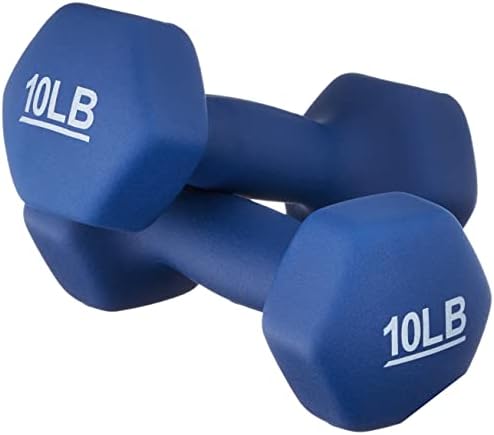
Strength training forms the cornerstone of longevity routines, as it preserves muscle mass, which naturally declines with age. Resistance exercises stimulate muscle protein synthesis, enhancing mitochondrial function and insulin sensitivity, critical for metabolic health. Compound movements like squats, deadlifts, and bench presses are prioritized due to their ability to engage multiple muscle groups simultaneously, optimizing energy expenditure and promoting symmetry in muscular development. This symmetry is essential for maintaining proper posture and reducing the risk of injury.
Cardiovascular exercise is equally vital, focusing on moderate-intensity activities such as brisk walking, cycling, or swimming. These exercises enhance cardiopulmonary function, improve vascular health, and support mitochondrial biogenesis, a process linked to increased energy production and reduced oxidative stress. The patterns observed in longevity-focused cardio routines often involve interval training, alternating between periods of high and low intensity. This approach mimics natural physical activity patterns, fostering adaptive responses in the body that improve endurance and recovery capacity over time.
Mindfulness and recovery strategies complete the longevity framework. Incorporating meditation, deep breathing, or tai chi introduces patterns of mental and emotional resilience, crucial for mitigating the effects of chronic stress, a major contributor to age-related decline. Recovery components like sleep hygiene, nutrition, and adequate rest ensure that workouts yield cumulative adaptations rather than acute fatigue. The symmetry here lies in balancing exertion with restoration, creating a sustainable cycle of improvement.
Longevity Through Fitness
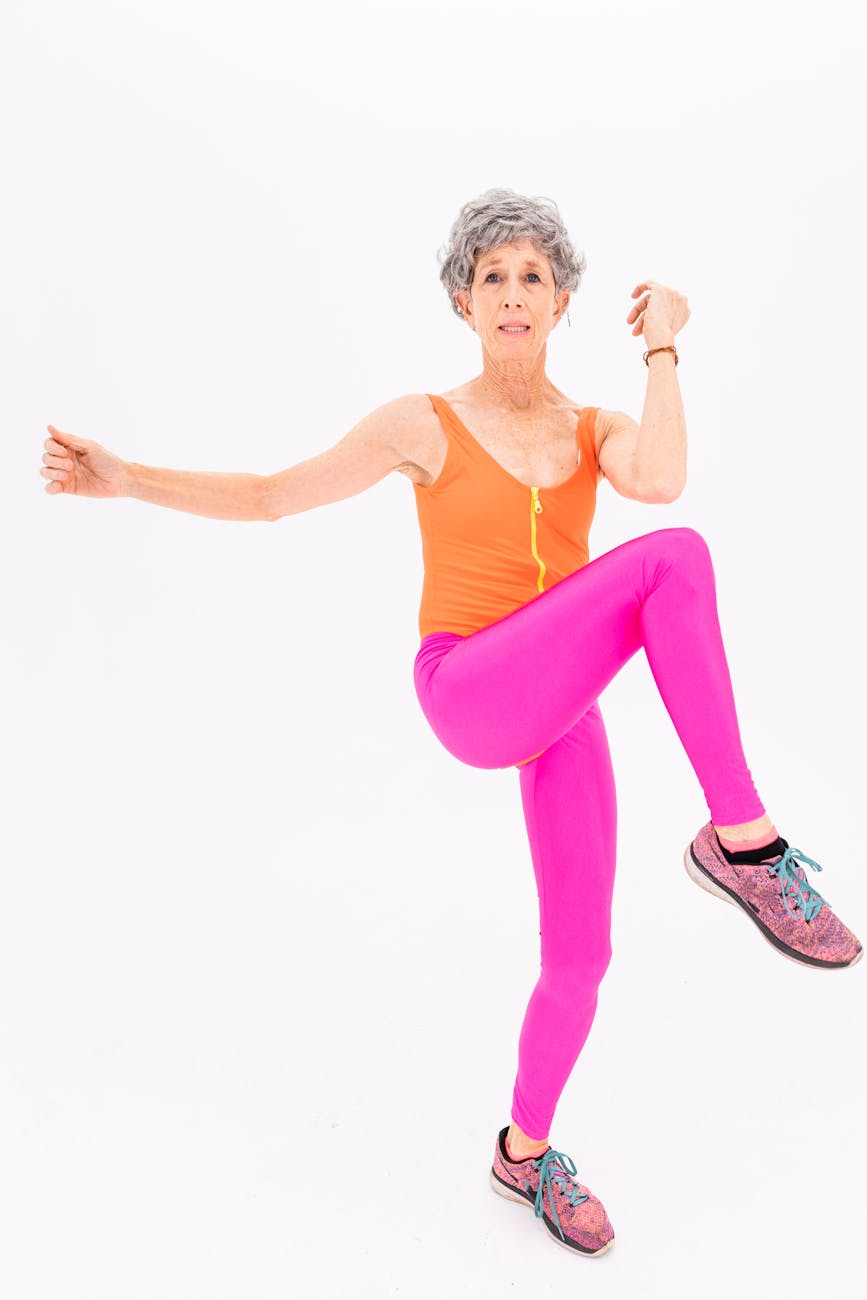
Improving fitness and longevity is a multi-faceted process that involves consistent dedication to various aspects of physical health. It’s essential to understand that everyone’s journey will look different based on individual factors such as age, genetics, and current health status. However, there are universally effective ways to improve fitness and promote longevity.
Fourthly, maintaining a consistent and focused routine is crucial for seeing improvements in fitness and longevity. Set realistic goals and establish a schedule that can be maintained long-term. Consider seeking the guidance of a healthcare professional or certified personal trainer to create a customized plan tailored to your individual needs and preferences.

The Link Between Fitness and Longevity

One of the primary ways fitness influences longevity is through cardiovascular benefits. Aerobic exercises, such as running, swimming, or cycling, strengthen the heart muscle, improve circulation, and enhance oxygen delivery throughout the body. This reduces the risk of cardiovascular diseases, leading causes of mortality worldwide. Regular aerobic activity also helps regulate blood pressure, cholesterol levels, and blood sugar, further mitigating the risk of conditions like hypertension, diabetes, and heart disease.
Strength training is another critical component of fitness that promotes longevity. Resistance exercises build and maintain muscle mass, which declines with age, a process known as sarcopenia. Preserving muscle mass not only supports physical function but also boosts metabolism, aiding in weight management and reducing the burden on joints and bones. Stronger muscles also enhance balance and coordination, lowering the risk of falls and fractures, which are common health concerns among older adults.
Flexibility exercises, such as yoga or stretching, play a vital role in maintaining mobility and independence as one ages. Increased flexibility improves joint range of motion, reduces stiffness, and minimizes the risk of injury during daily activities. Additionally, these practices often incorporate mindfulness and breathing techniques that can alleviate stress, another significant factor influencing health and longevity.
Fitness encourages healthy lifestyle choices. Individuals who engage in regular exercise are more likely to adopt other beneficial habits, such as a balanced diet, avoiding smoking, and moderating alcohol consumption. These collective behaviors create a synergistic effect, further enhancing health outcomes and longevity.
Longevity Workout Routine Examples

Analyzing tips for improving a longevity workout routine involves systematic evaluation to determine their effectiveness and applicability. The first step is establishing clear objectives aligned with personal health goals. These may include enhancing cardiovascular fitness, boosting muscle strength, increasing flexibility, or managing chronic conditions. Once objectives are defined, the next phase entails researching evidence-based recommendations from reputable sources such as peer-reviewed journals, medical associations, and certified fitness experts. This ensures tips are rooted in scientific principles rather than anecdotal claims.
Feedback mechanisms also play a vital role. Tracking progress through metrics like strength gains, endurance duration, or body composition changes provides tangible evidence of tip efficacy. Journaling workouts and recording subjective experiences (e.g., energy levels, recovery times) can reveal patterns that refine the routine over time. Digital tools such as fitness apps or wearable devices often streamline this process by automating data collection.
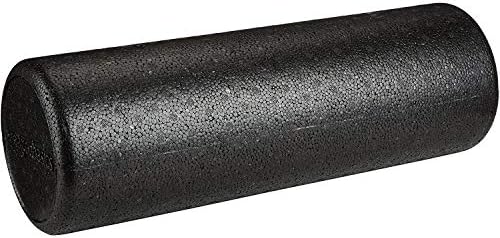
Risk mitigation strategies are integral in analyzing tips. Those promoting extreme workout durations or high-impact activities require careful scrutiny for potential injury risks, especially among older adults or individuals with preexisting conditions. Tips should prioritize low-to-moderate impact exercises, proper warm-up/cool-down protocols, and recovery practices like foam rolling or stretching to support long-term adherence and health outcomes.
Social support systems influence adherence to tips. Tips that incorporate group activities or peer motivation are more likely to be sustained than solitary routines. Community involvement in fitness challenges or shared goals fosters accountability and long-term engagement, reinforcing their value beyond isolated workout sessions.
By systematically analyzing tips through these lenses, objectives, validity, practicality, feedback, adaptability, risk mitigation, cultural relevance, and social support, individuals can curate personalized longevity workout routines that optimize physical health while minimizing harm. This evidence-based approach transforms generic advice into actionable strategies tailored to unique needs, fostering lasting fitness outcomes.
Simple Ways to Improve Longevity with Fitness

Strength training is equally important as it helps preserve muscle mass, bone density, and metabolic function, which naturally decline with age. Incorporating resistance exercises such as weightlifting, bodyweight exercises, or using resistance bands can enhance muscle strength and improve functional capacity, allowing individuals to perform daily activities with ease and reducing the risk of falls and injuries. Aim for two sessions of full-body strength training per week, focusing on major muscle groups.
Flexibility and balance exercises, such as yoga, Pilates, or tai chi, are essential components of a comprehensive fitness routine. These practices not only improve range of motion and joint health but also enhance balance and coordination, which are critical for maintaining independence as one ages. Incorporating mindfulness and stress reduction techniques, such as meditation or deep breathing exercises, can further support mental well-being and emotional resilience, both of which play a significant role in longevity.
Consistency is key when it comes to improving longevity through fitness. Regular physical activity should be viewed as a lifelong commitment rather than a temporary goal. By integrating these practices into your daily routine, you not only enhance your physical health but also foster a sense of community and social engagement, which are recognized contributors to a longer, healthier life. Remember, small, sustainable changes can lead to significant improvements in longevity and quality of life over time.

Fitness and Aging Gracefully
Aging can lead to various physical changes, such as decreased muscle mass, flexibility, and cardiovascular efficiency. To counteract these alterations, older adults must focus on both improving specific aspects of their fitness and adhering to a well-structured workout routine. By combining the two, they can optimize their progress, prevent plateaus, and reduce the risk of injury.
Progressive Overload: As we age, our bodies require less stimulus to build and maintain muscle. However, it is crucial not to underestimate the need for progressive overload – gradually increasing the stress on the body to promote further improvement. This can be achieved by adding resistance or duration to exercises in a routine, allowing older adults to challenge their muscles and continue progressing, despite age-related declines.

Fitness Tips for Increased Longevity
One of the primary causes of increased longevity through exercise is the reduction in chronic disease risk. Regular physical activity lowers the likelihood of developing conditions such as heart disease, type 2 diabetes, certain cancers, and obesity. These diseases are major contributors to mortality rates, and by mitigating their risks, individuals stand a better chance of living longer, healthier lives. Moreover, exercise promotes healthy blood pressure levels, improves cholesterol profiles, and enhances insulin sensitivity, all of which are critical in preventing the onset of chronic illnesses.
Another significant factor is the mental health benefits derived from regular exercise. Engaging in physical activity releases endorphins, which alleviate stress, anxiety, and depression, conditions that can adversely affect longevity. Exercise also improves cognitive function by promoting neurogenesis and enhancing memory and concentration. As mental clarity declines with age, maintaining an active mind through regular workouts can help preserve cognitive health, reducing the risk of dementia and other age-related neurological disorders.
Physical activity supports healthy aging by improving muscle mass and bone density. As we age, natural muscle loss occurs, a process known as sarcopenia, which increases the risk of falls and fractures. Strength training counteracts this by building and preserving muscle tissue, thereby reducing injury risk and enhancing mobility. Similarly, weight-bearing exercises like jogging or resistance training help maintain bone density, preventing osteoporosis, a condition that significantly impacts longevity by increasing susceptibility to debilitating fractures.
Exercise regulates body weight, which is closely linked to lifespan. Obesity is a risk factor for numerous health issues, including cardiovascular disease, diabetes, and certain cancers. By burning calories and building muscle, regular workouts help maintain an optimal weight, thereby reducing the burden on the body’s systems and promoting longevity.

Fitness Tips for Long-Term Success

Consistency is the cornerstone of any successful fitness journey, often more so than intensity or novelty. A routine easily enjoyed and readily integrated into daily life tends to stick around longer than a challenging one that feels like a chore. This often necessitates finding activities genuinely enjoyable, whether it’s cycling, swimming, dancing, hiking, or a group fitness class, to increase adherence over time. Consider starting with shorter workout durations, perhaps 20-30 minutes initially, and gradually increasing the length as fitness improves to avoid feeling overwhelmed. Variety also contributes significantly; rotating different exercises targets various muscle groups and combats workout boredom, keeping things fresh and engaging for longer periods.
Strength training remains a key component for building muscle mass, increasing bone density, and boosting metabolism. Incorporating compound exercises like squats, deadlifts, bench presses, and overhead presses works multiple muscle groups simultaneously, maximizing efficiency. Progressive overload is the principle of gradually increasing the weight lifted, repetitions performed, or sets completed over time to continually challenge muscles and stimulate growth. This ensures that progress continues even as fitness levels improve; tracking workout progress, whether through a journal or app, can provide valuable feedback and maintain motivation.
Recovery is frequently underestimated in the pursuit of long-term fitness success. Adequate sleep – generally 7-9 hours per night – allows the body to repair tissues, regulate hormones, and consolidate learning from workouts. Active recovery days, incorporating lighter activities like yoga or a leisurely walk, can improve blood flow and reduce muscle soreness. Paying attention to signs of overtraining, fatigue, irritability, decreased performance, and adjusting workout intensity accordingly helps prevent injuries and burnout.
Hormonal fluctuations, particularly for women going through menstrual cycles, significantly affect routine performance. Tracking these cycles and adjusting workout intensities or rest days can optimize results and minimize the impact on energy levels and recovery. Finding a supportive community – whether it’s a fitness class, running group, or online forum – offers accountability, encouragement, and shared motivation that contributes to sustained progress toward long-term fitness goals.
