
Strength training is a fundamental component of any comprehensive fitness regimen, offering numerous physiological and psychological benefits for women. Primarily, it enhances muscular strength by stimulating muscle hypertrophy through resistance exercises, which involves the controlled application of force against external weights or body weight. This process leads to increased muscle fiber cross-sectional area, resulting in greater power output during daily activities and sports. Enhanced muscular strength also improves bone density, reducing the risk of osteoporosis by stimulating bone remodeling processes.
Another critical benefit is metabolic optimization. Strength training increases resting metabolic rate due to the higher energy demand associated with maintaining muscle mass compared to fat tissue. This elevated caloric expenditure aids in weight management and fat loss, as the body continuously requires more energy to sustain muscle cells. Additionally, resistance exercises improve insulin sensitivity, mitigating the risk of type 2 diabetes by enhancing glucose uptake and utilization by muscle tissue.
Psychological advantages include increased self-esteem and confidence, driven by visible physical changes and achievement of fitness goals. The release of endorphins during exercise alleviates symptoms of anxiety and depression, fostering mental well-being. Additionally, strength training enhances cognitive function by promoting neurogenesis in the hippocampus, a region associated with memory and learning, potentially delaying age-related cognitive decline.
In terms of injury prevention, strength training improves tendon elasticity and joint stability, reducing the risk of common injuries such as ligament sprains. It also facilitates better sleep quality by regulating circadian rhythms and promoting relaxation through physiological fatigue. For women undergoing menopause, resistance exercises help alleviate symptoms like hot flashes and mood swings by maintaining hormonal balance and reducing stress levels.

Simple Strength Training Workouts for Women

For beginners, starting with simple strength training workouts can help build confidence and establish a solid foundation. These workouts should focus on compound movements that engage multiple muscle groups, providing a more efficient and effective workout. Bodyweight exercises like push-ups, squats, lunges, and planks are excellent options as they require no equipment and can be performed anywhere. As strength increases, progressively adding resistance through light dumbbells, resistance bands, or bodyweight variations can further challenge the muscles and promote continuous improvement.
Proper form is essential in strength training to prevent injury and maximize effectiveness. Women should prioritize technique over heavy weights, especially as beginners. Engaging in workouts with a spotter or using fitness apps that offer virtual coaching can help ensure correct execution. Additionally, incorporating rest days into the routine is crucial for muscle recovery and adaptation. Listening to the body and allowing adequate time for rest can prevent overtraining and maintain motivation.
Effective Glute Activation Exercises for Women
The most critical parameter in training, especially for exercises targeting the glutes and lower body, is intensity. Intensity refers to the level of effort or exertion put into an exercise, often quantified as a percentage of one’s maximum capacity. In the context of glute activation exercises, achieving optimal intensity ensures that muscles are sufficiently challenged to stimulate growth, increase strength, and improve endurance.
Intensity is vital because it dictates the degree of muscle recruitment, metabolic stress, and hormonal responses within the body. When performing glute-focused workouts such as hip thrusts, squats, lunges, or deadlifts, the intensity directly influences how effectively these exercises target the gluteal muscles. Higher intensities lead to greater activation, which is crucial for building muscle mass, enhancing athletic performance, and improving functional strength required in daily activities.
Properly managing intensity involves understanding one’s fitness level and adjusting the weight or resistance accordingly. For beginners, starting with lighter weights or lower repetitions allows them to focus on form and gradually build up their capacity. As they progress, increasing the load can enhance muscle hypertrophy and strength gains. However, overloading muscles without adequate rest and progression can lead to fatigue, injury, or plateauing, a state where further gains in muscle size and power cannot be achieved without modifying training parameters.
To maximize intensity for glute activation without compromising safety or technique, beginners should focus on compound exercises that engage multiple muscle groups, including the glutes. Activities like squats with proper form, deadlifts performed with controlled movements, or unilateral lunges with resistance bands can effectively target these muscles while minimizing strain on other parts of the body.
Advanced practitioners might incorporate advanced techniques such as drop sets, supersets, or plyometric exercises to increase intensity further. These methods challenge muscles through fatigue-induced hypertrophy or explosive power development, respectively. However, it is essential to prioritize quality over quantity and ensure proper recovery between sessions to avoid burnout and injury.
Monitoring intensity can be done through subjective measures like perceived exertion or objective tools such as heart rate monitors, RPE scales, or wearable technology that tracks workloads. Tracking progress helps individuals adjust their training parameters over time, ensuring continuous adaptation and improvement.
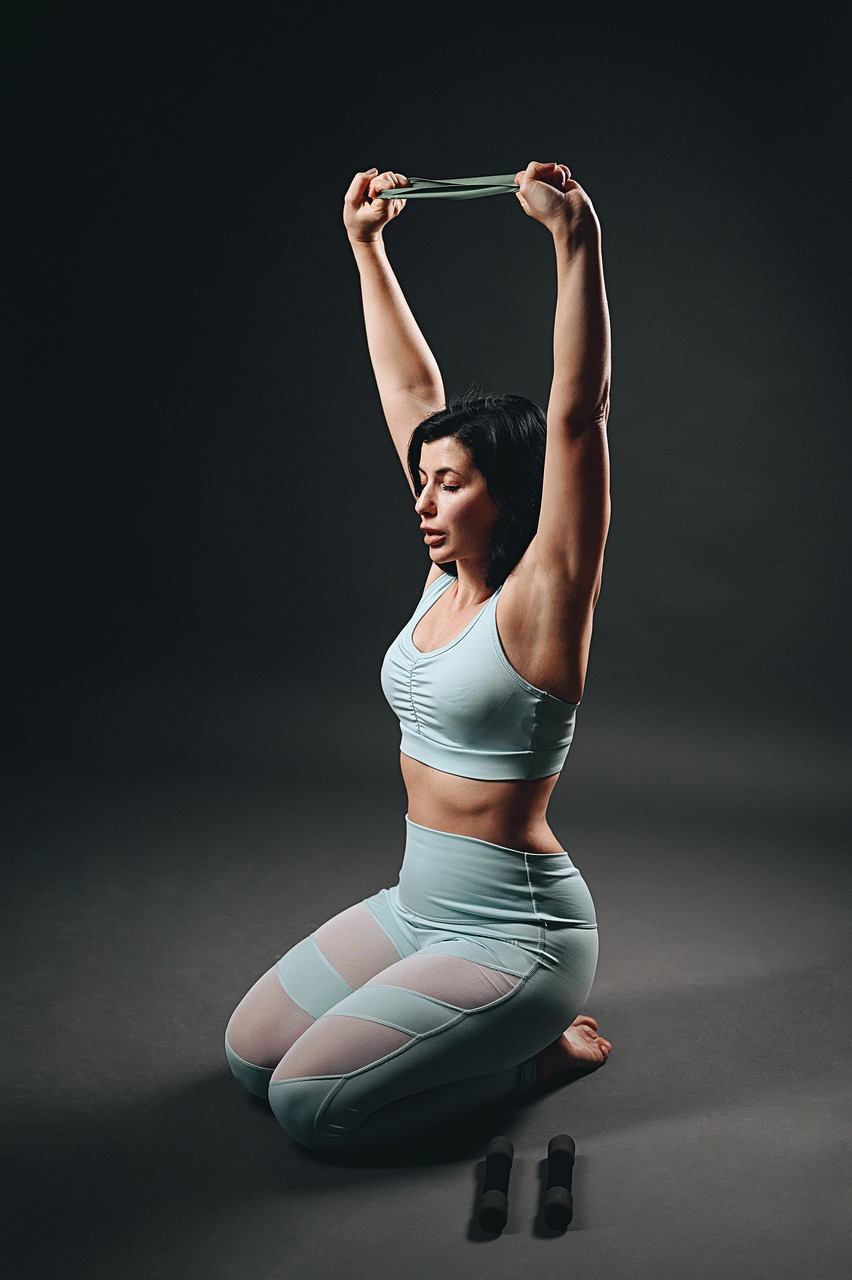
Easy Strength Training for Women Beginners
A solid foundation in strength training offers a wide range of benefits, from improved bone density and metabolic function to enhanced mood and everyday functional ease. Beginner-friendly routines often focus on building body awareness alongside mastering fundamental movement patterns. The key here is choosing exercises that target major muscle groups, legs, back, chest, shoulders, arms, and core, with an emphasis on good form over heavy loads initially. Bodyweight movements are a great starting point; squats, lunges, push-ups (modified on knees if needed), bird dogs, glute bridges, and planks all offer excellent entry points into the world of strength training. These often lend themselves well to circuit formats where several exercises are performed consecutively with short rest periods, keeping the heart rate elevated while still allowing for adequate muscle engagement.
Consistency is more valuable than intensity when first starting out, so aiming for two to three sessions per week allows muscles time to adapt and recover. A good session might include variations of squats – think classic squats, sumo squats or goblet squats – to hit different areas of the legs and glutes. Lunges can be incorporated similarly – forward lunges, reverse lunges, walking lunges all offer a slight variation in emphasis. Push-ups are often a benchmark for upper body strength; modifying on knees allows for excellent chest and triceps engagement while building toward full push-up form. Rowing exercises, whether using dumbbells, resistance bands, or even household objects – target the back muscles which tend to be underworked in many women’’ here they help improve posture and balance out the often more dominant chest/shoulder muscles.
Progression is key to continued improvement; once an exercise feels relatively easy, it’s time to increase the weight or resistance, try a more challenging variation (like single-leg squats), or increase the number of repetitions. The beauty of strength training lies in its adaptability , each session can be tailored to individual needs and goals, keeping it engaging and effective over time. A good tip here is to keep a workout journal noting down weights used and reps achieved – this offers great visual tracking for progress.
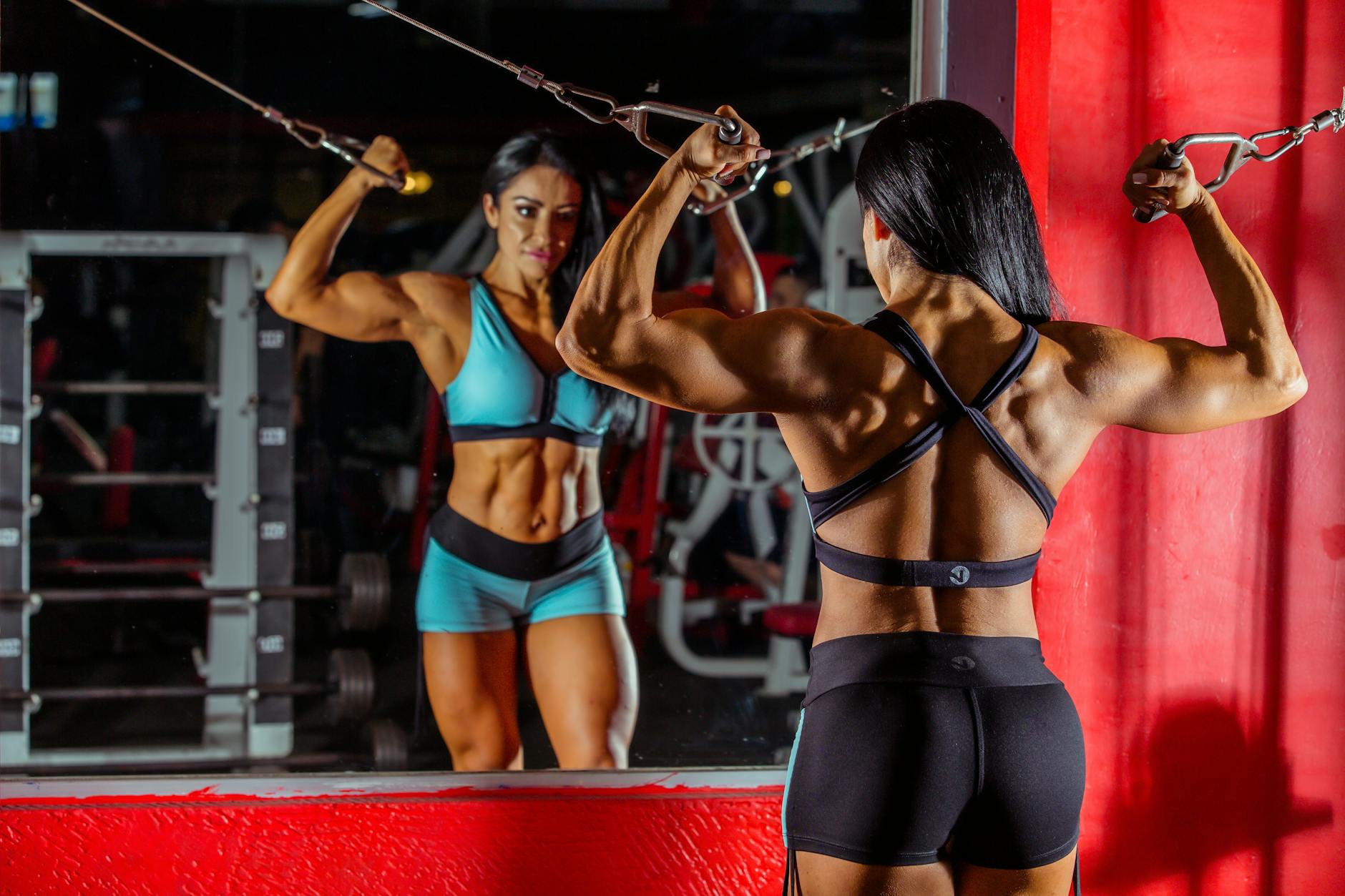
Strength Training Benefits for Women

Reduced Risk of Chronic Diseases: Regular strength training helps prevent and manage various chronic diseases, such as obesity, type 2 diabetes, heart disease, and osteoporosis. By building muscle mass and increasing bone density, women can reduce their risk of developing these conditions. Additionally, maintaining a healthy weight through regular exercise and proper nutrition further decreases the likelihood of developing chronic health issues.
Efficient Workouts: Strength training allows for efficient workouts by targeting multiple muscle groups simultaneously. Performing compound exercises, such as squats, deadlifts, and bench presses, activates several muscles at once, reducing the need for numerous isolation exercises. This time-saving aspect of strength training is particularly advantageous for women with busy schedules or limited access to a gym.
Incorporating Tips for Beginners: For those new to strength training, starting small and gradually increasing resistance is crucial to prevent injury and ensure proper form. Additionally, consulting a certified personal trainer or joining a group fitness class can provide valuable guidance and motivation. Lastly, incorporating rest days into the weekly routine enables muscles to recover and grow stronger between sessions.
Resistance Training for Women over 50
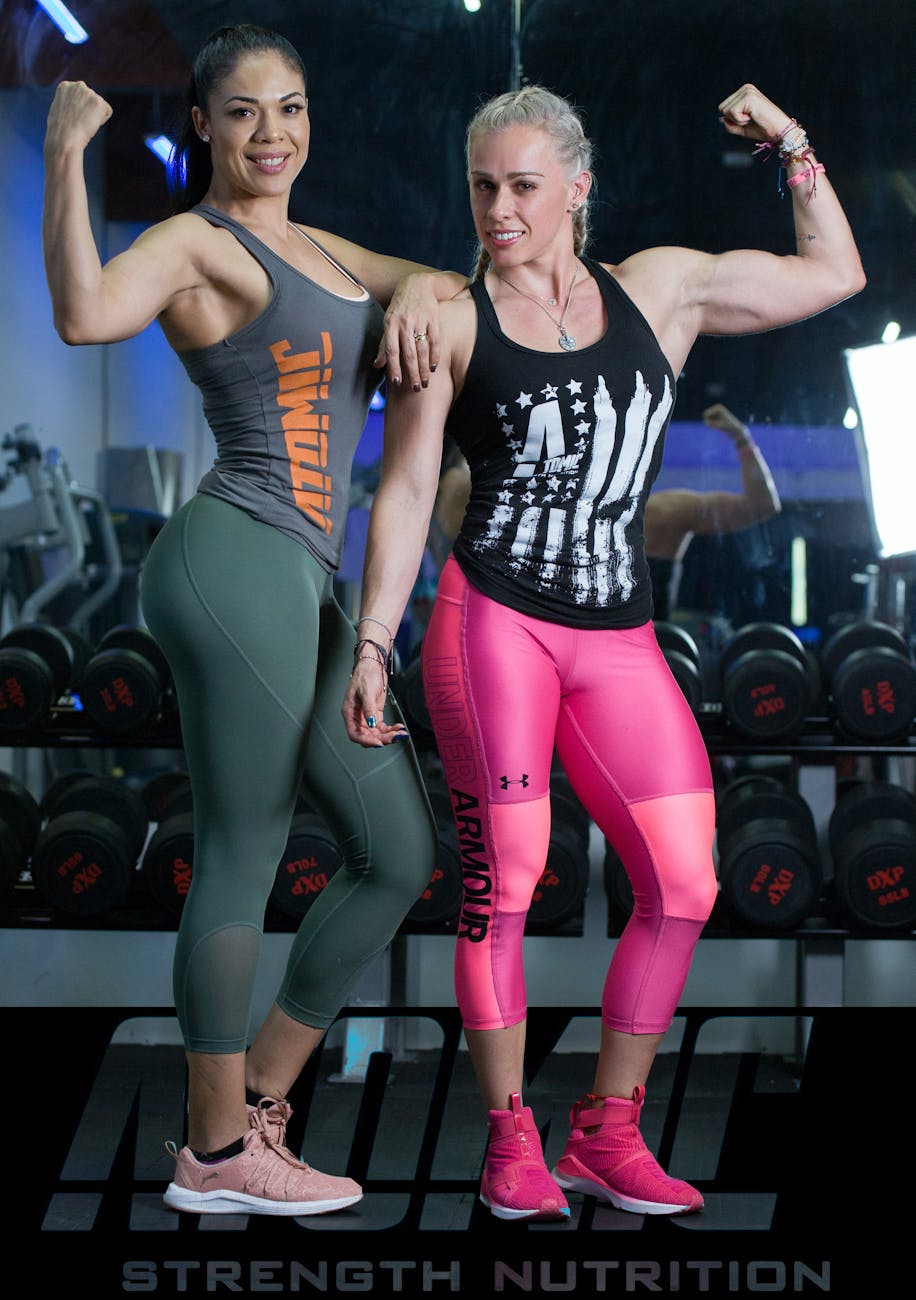
The patterns and symmetries observed in resistance training programs for this demographic are primarily designed to address the unique physiological changes that occur with aging. These programs often emphasize full-body workouts to ensure balanced muscle development, as opposed to isolating specific muscle groups. This approach is rooted in the understanding that older adults may have limited time or energy for extensive sessions, and full-body exercises can efficiently target multiple muscle groups simultaneously.
Another key aspect of resistance training for women over 50 is the gradual progression of resistance and volume. This pattern ensures that muscles are challenged adequately without overwhelming the body, which is crucial given the increased risk of injury with age. Progressive overload, achieved by increasing weight, repetitions, or sets over time, stimulates muscle adaptation and prevents plateaus in strength gains.
The benefits of resistance training for women over 50 are multifaceted. Beyond physical improvements, such as increased muscle mass and bone density, resistance training can enhance mood, cognitive function, and quality of life. Engaging in regular exercise has been linked to reduced risk of chronic diseases like osteoporosis, diabetes, and cardiovascular disease. Additionally, the social aspect of group fitness classes or partner workouts can foster a sense of community and motivation.
Strength Training Tips for Women
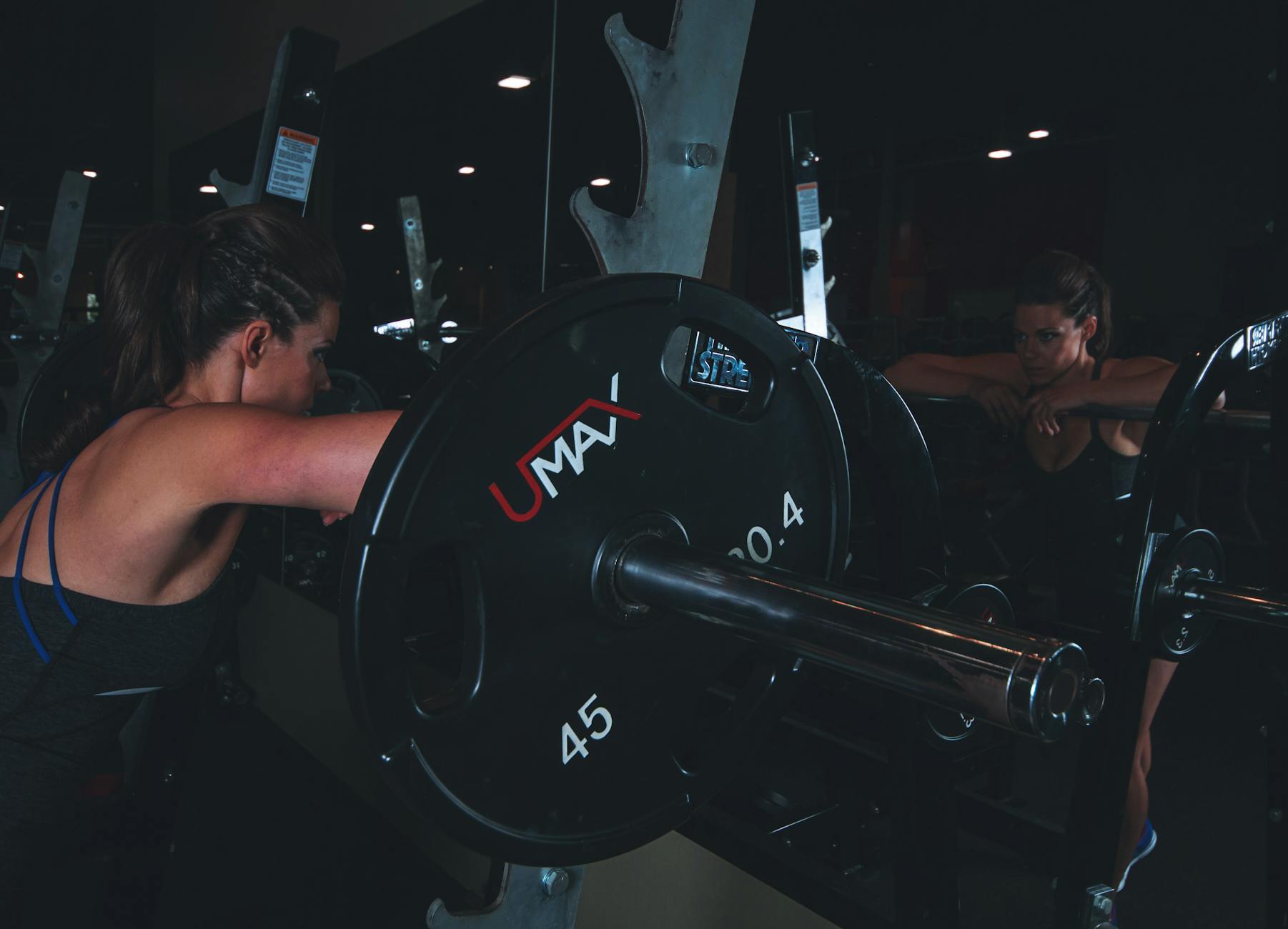
Strength training is a crucial component of any fitness regimen for women, offering numerous physical and mental benefits. It involves using resistance to challenge muscles, leading to increased strength, size, and endurance. The theoretical foundation of strength training lies in the principles of muscle hypertrophy and neural adaptation. Muscle hypertrophy occurs when muscle fibers are stressed through resistance exercise, prompting the body to repair and grow them larger. Neural adaptation involves improving the communication between muscles and the nervous system, enhancing power output and muscle activation efficiency.
Proper form and technique are paramount to prevent injury and ensure the effectiveness of each exercise. Women should prioritize learning correct movement patterns, potentially seeking guidance from certified fitness professionals initially. Consistency in training is equally important; a well-structured routine that includes at least two to three strength sessions per week allows for adequate muscle recovery and adaptation while maintaining progress.
Flexibility and mobility should not be overlooked, as they contribute to injury prevention and enhanced performance. Incorporating dynamic stretching and mobility exercises into the warm-up routine prepares the body for resistance training, while post-workout static stretching aids in muscle recovery and relaxation.
Nutrition plays a pivotal role in strength training success. Adequate protein intake supports muscle repair and growth, while balanced macronutrient consumption provides the energy required for intense workouts. Hydration is also critical to maintain optimal physiological functions during exercise.
Mental aspects such as mindset, motivation, and stress management significantly impact strength training outcomes. Embracing a positive attitude, celebrating small victories, and settingbacks can foster resilience and commitment to long-term fitness goals. By integrating these elements into a comprehensive approach, women can harness the full potential of strength training to achieve improved health, confidence, and physical capabilities.
Best Strength Training Exercises for Women
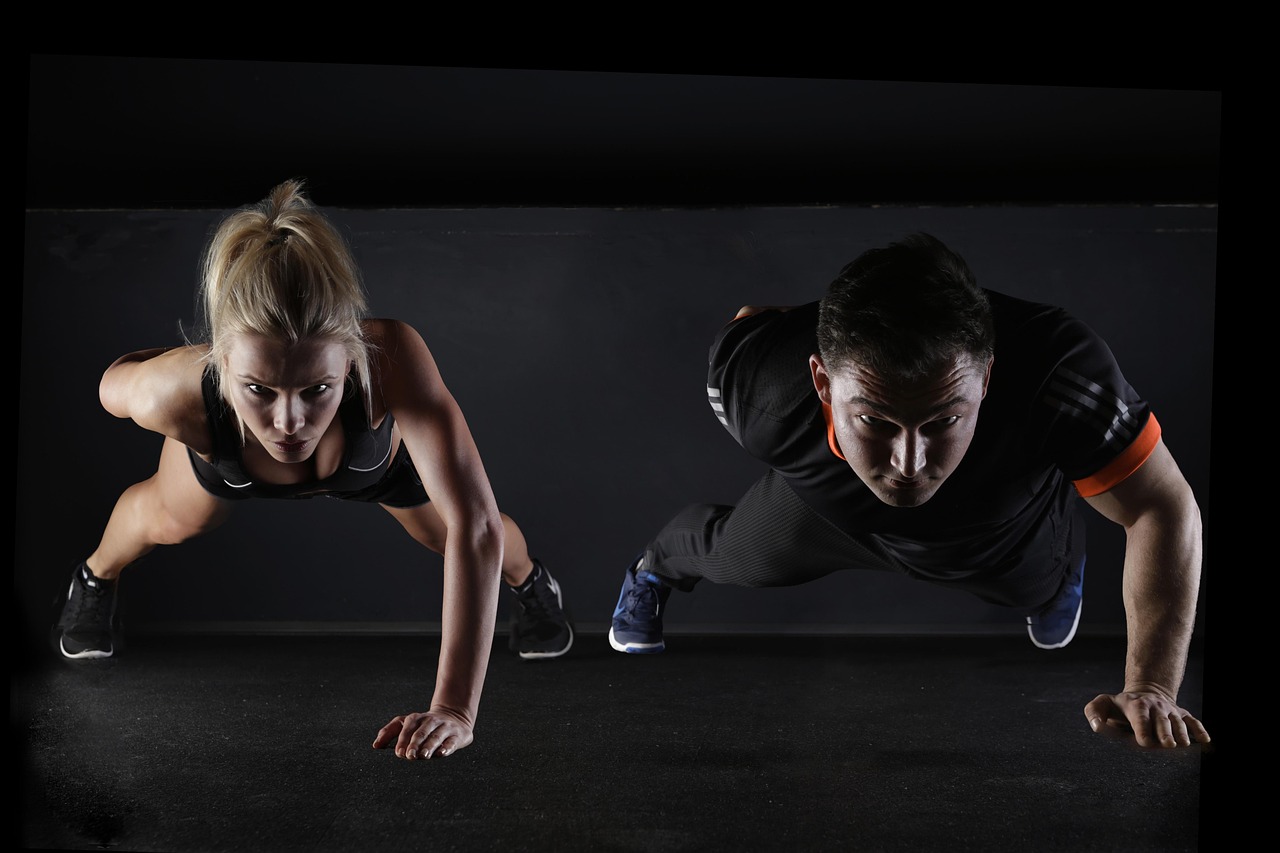
Push-Ups: Push-ups are a versatile exercise that strengthens the chest, shoulders, triceps, and core muscles. They can be modified to suit different fitness levels by performing them on knees or with hands elevated. To perform standard push-ups, start in a plank position, lower your chest until it nearly touches the floor, then push back up to the starting position. Regular push-ups improve upper body strength and endurance, beneficial for activities like carrying bags or doing household chores.
Lunges: Lunges are effective for targeting the glutes, quads, and hamstrings while also improving flexibility and balance. To do a lunge, take a large step forward with one leg, lower your hips until both knees form 90-degree angles, then push through the front heel to return to standing. Alternate legs for each repetition. Lunges enhance stability and coordination, which are vital for tasks like walking on uneven surfaces or maintaining posture during long periods of standing.
Bench Press: The bench press focuses on building strength in the chest, shoulders, and triceps. Lie flat on a bench with your feet flat on the floor, grasp the barbell with hands slightly wider than shoulder-width apart, lower it to your chest, then press it back up. This exercise not only increases upper body power but also improves posture and reduces the risk of injury in the shoulders.
Rower: The rower is a full-body exercise that engages the back, arms, legs, and core. Sit on the machine, extend your legs, grasp the handle, and pull it toward your chest while engaging your core. Return to the starting position by extending your legs again. Rowing enhances cardiovascular endurance and muscular strength, beneficial for activities like climbing stairs or carrying heavy items.
Pull-Ups: Pull-ups target the back muscles, biceps, and shoulders. Grab a pull-up bar with hands wider than shoulder-width apart, swing your legs up and cross them, then pull your body upward until your chin clears the bar. Slowly lower yourself down. This exercise improves upper body strength and grip strength, which are essential for tasks like hanging curtains or pulling open heavy doors.

Women’s Strength Training Program Guide
Strength training for women is not just about building bulky muscles; it’s a holistic approach to better health. Regular resistance training improves bone density, which becomes increasingly crucial as we age to prevent conditions such as osteoporosis. Furthermore, it boosts muscle tone and definition, enhancing self-confidence and body image.
The interdisciplinary connection between training modalities is evident in the design of a well-rounded women’s strength training program. Combining resistance exercises with elements of flexibility, balance, and cardiovascular conditioning ensures optimal physical development and long-term health benefits.
Flexibility workouts, such as yoga or Pilates, complement strength training by preventing injury and promoting range of motion. Balance drills, which can include single-leg stands or BOSU ball exercises, are essential for maintaining stability and coordination. Cardiovascular activities like brisk walking, cycling, or swimming provide numerous health advantages, including a strong heart, improved lung function, and reduced stress levels.
As beginners embark on their strength training journey, it’s essential to start with foundational exercises and gradually progress. Mastering fundamental movements like squats, deadlifts, lunges, bench press, and push-ups forms the foundation for more complex routines. Incorporating progressive overload, which involves increasing resistance or repetitions as strength improves, ensures continuous progress and adaptation.

Good Strength Training Routines for Women
Strength training routines for women often adhere to specific patterns or symmetries, rooted in anatomical structure, neurobiological mechanisms, and practical considerations. These patterns emerge from the interplay of muscle function, joint mechanics, and the body’s neural adaptations to resistance. Understanding these underlying principles helps optimize performance, prevent injury, and ensure balanced development.
Neurobiological adaptations further reinforce symmetry. The central nervous system (CNS) recruits muscle fibers in a predictable sequence: Type I (slow-twitch, endurance) fibers activate first for low-intensity tasks, followed by Type IIa (fast-twitch oxidative, moderate power), and finally Type IIb (fast-twitch glycolytic, maximal force). This recruitment hierarchy ensures gradual strength development without overtaxing the CNS. Training both sides symmetrically leverages this process, allowing progressive overload without overstimulating neural pathways that could lead to fatigue or burnout.
Beginners benefit from symmetrical routines to build foundational strength safely. Starting with bodyweight exercises like push-ups and squats ensures proper form before progressing to loaded variations. Symmetry in progression, such as increasing weights gradually on both sides of compound lifts, prevents asymmetry that can arise from uneven training loads. This approach also minimizes the risk of overuse injuries, which often result from repetitive stress on one side.
Injury prevention relies heavily on symmetrical routines. Muscular imbalances, such as stronger quadriceps than hamstrings, increase susceptibility to knee injuries like ACL tears. Routines that emphasize both sides equally distribute mechanical stress, maintaining joint health. Similarly, asymmetrical training can lead to chronic pain from repetitive strain, while balanced programs promote resilience through adaptive responses.
Psychological consistency also plays a role. Symmetrical workouts provide a predictable structure that aids in adherence and motivation. Tracking progress on both sides ensures equitable gains, fostering confidence in strength development. This predictability is particularly beneficial for beginners navigating the complexities of resistance training.
Benefits of Resistance Training for Women Over 40

One of the key benefits is the positive impact on bone health. Resistance training places stress on bones, prompting the body to increase bone density, thereby reducing the risk of osteoporosis and fractures. This is particularly important for postmenopausal women, who are at higher risk due to decreased estrogen levels. Moreover, resistance training improves joint flexibility and mobility, which can alleviate arthritis symptoms and reduce the likelihood of injuries.
The cardiovascular system also benefits from resistance training. While primarily a strength-focused exercise, it enhances heart health by improving blood circulation and reducing risk factors such as high blood pressure and cholesterol levels. This contributes to a lower risk of heart disease and stroke, which are significant concerns for women over 40.
Resistance training has mental health benefits as well. It releases endorphins, the body’s natural mood lifters, reducing stress, anxiety, and symptoms of depression. The confidence and self-esteem gained from achieving fitness goals can further enhance emotional well-being. Additionally, the social aspect of group exercises or working out with a partner can provide a supportive community, fostering motivation and accountability.
The feedback loops inherent in resistance training routines are vital for continuous improvement. Initially, the body adapts to new stresses by building muscle and strength. As fitness levels rise, the intensity or volume of workouts must be adjusted, such as increasing weight, reducing rest periods, or adding supersets, to maintain progress. This cyclical process of overload, adaptation, and recovery is essential for preventing plateaus and ensuring long-term gains.
Incorporating variety into resistance training routines also harnesses feedback loops effectively. Different exercises target various muscle groups, reducing the risk of overuse injuries and promoting balanced development. Periodization, which involves structuring workouts into phases with varying goals and intensities, optimizes performance by allowing adequate recovery and adaptation.
Listening to the body’s cues is crucial within these feedback loops. Proper nutrition, hydration, and sleep support muscle repair and growth. Incorporating active recovery techniques like stretching or yoga can enhance flexibility and prevent muscle tightness, ensuring readiness for subsequent workouts.
Top Benefits of Resistance Training for Women
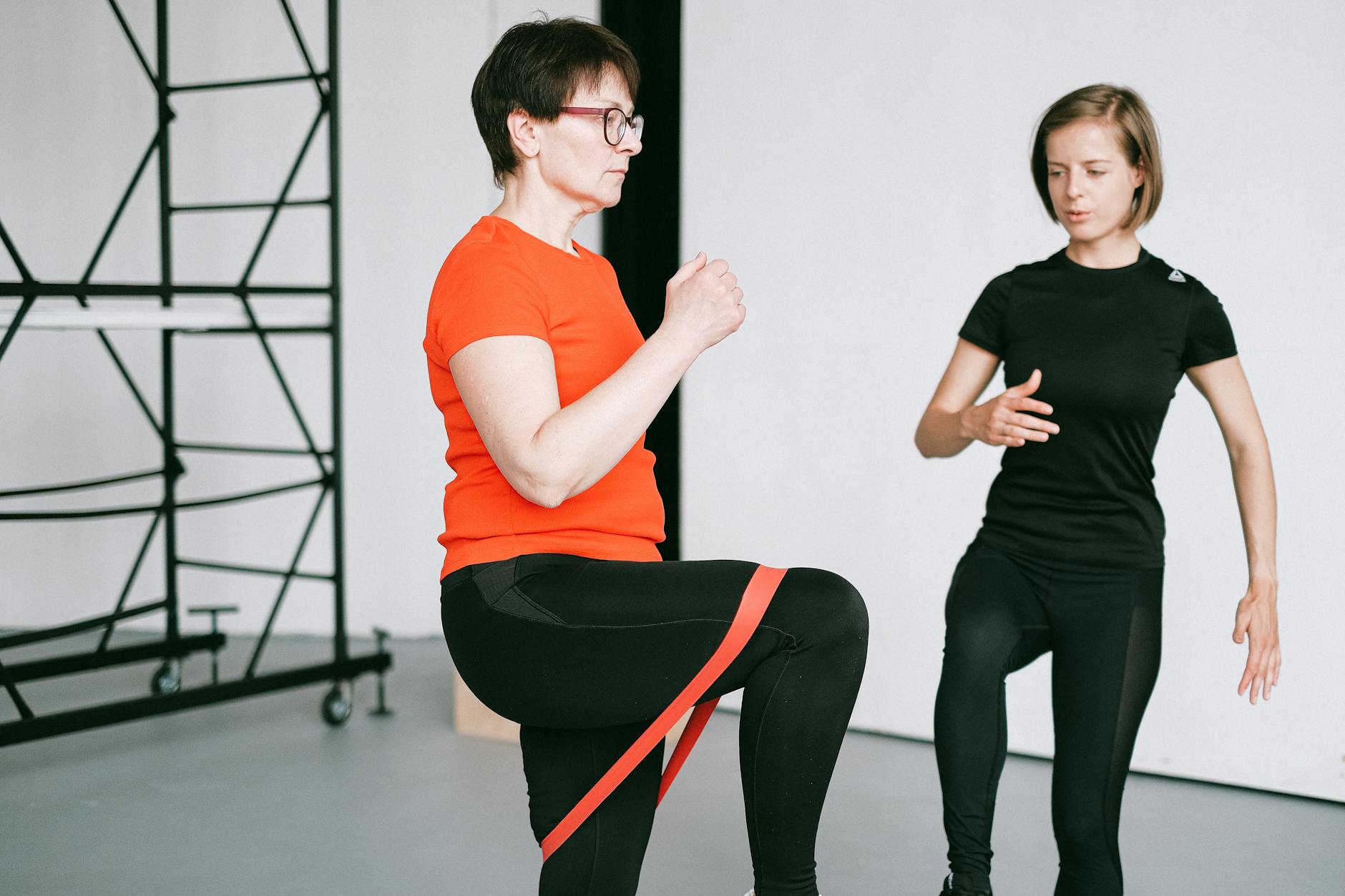
Resistance training, often referred to as strength training or weightlifting, offers a multitude of benefits for women, making it an essential component of any fitness routine. This form of exercise involves working against external forces such as weights, resistance bands, or one’s own body weight to increase muscle strength and endurance. For beginners, integrating resistance training into their routines can seem daunting, but a hybrid approach that combines structured routines with progressive overload ensures safety, effectiveness, and long-term adherence.
One of the primary benefits of resistance training for women is enhanced muscle strength. As muscles are challenged through resistance exercises, they adapt by increasing in size and strength. This not only improves physical performance in daily activities but also reduces the risk of injury by supporting joints and improving posture. For beginners, starting with lighter weights and focusing on proper form allows for gradual muscle development without overexertion.
To strength gains, resistance training significantly boosts metabolism. Muscle tissue is metabolically active, meaning that the more muscle mass a person has, the more calories are burned at rest. This effect is particularly beneficial for women who may struggle with weight management. By incorporating resistance exercises into their routines, beginners can increase their basal metabolic rate, leading to improved energy levels and better body composition over time.
Resistance training also plays a crucial role in bone health. Weight-bearing exercises stimulate bone formation, which is essential for preventing osteoporosis, particularly as women age. The impact of resistance training on bone density is well-documented, making it an ideal component of fitness routines for maintaining skeletal integrity and reducing the risk of fractures.
Resistance training has positive effects on mental health. Engaging in regular exercise releases endorphins, which alleviate stress, anxiety, and depression. For beginners, the sense of accomplishment from progressing through their workouts can significantly enhance self-esteem and motivation. The structured nature of hybrid routines provides a clear path for beginners to track their progress, fostering a supportive environment conducive to mental well-being.
In terms of physique, resistance training promotes lean muscle mass, which helps in sculpting the body. This is particularly appealing for women seeking to tone and define their muscles without developing excessive bulk. By combining compound movements such as squats, deadlifts, and bench presses with isolation exercises targeting specific muscle groups, beginners can achieve a balanced and aesthetically pleasing physique.
A hybrid approach to resistance training for beginners involves blending different types of exercises to maximize benefits. This might include incorporating cardiovascular workouts to improve heart health and endurance, as well as flexibility exercises like stretching or yoga to enhance range of motion and prevent injury. Such a comprehensive plan ensures that beginners experience a holistic fitness transformation, addressing multiple aspects of their physical and mental health.
To implement this hybrid approach effectively, beginners should start with a personalized training plan that considers their fitness level, goals, and any physical limitations. Consulting with a fitness professional can provide guidance on selecting appropriate exercises, setting realistic goals, and monitoring progress. Gradual progression in weight and intensity is key to avoiding plateaus and continued improvement.
Strength Training for Women: Myths Busted
The common perception that strength training will transform women into bulky, masculine versions of themselves is perhaps the most pervasive myth in fitness. This often stems from a misunderstanding of how muscle mass develops – it requires consistent, significant caloric surplus combined with specific training protocols typically more associated with male athletes aiming to maximize hypertrophy. Women generally possess less testosterone than men, making this bulkier build-up slower and requiring greater commitment to achieve. Strength training, in contrast, delivers excellent benefits including increased bone density, improved metabolism, enhanced insulin sensitivity, better posture, and a generally stronger physique – all without necessarily leading to “bulky” muscles.
Beginners often worry about needing to master perfect form before loading up the weight. While good technique is always beneficial, especially for injury prevention, it’s perfectly acceptable to start with lighter weights and focus on mastering movement patterns, then gradually increase the load as confidence and stability improve. A little bit of “wobble” or slight form breakdown under a slightly heavier load can be a great cue that a progression is ready for consideration. Many women also tend to underestimate how much weight they’re able to lift comfortably – often opting for lighter weights out of fear rather than necessity, so starting with what feels relatively light and building up from there is generally a solid approach.
The “no pain, no gain” mentality can be particularly misleading. While some muscle soreness (DOMS – Delayed Onset Muscle Soreness) is common when starting a new routine or increasing the intensity, it shouldn’t be debilitating. A good workout should feel challenging but manageable, allowing for proper form and control throughout each rep. Paying attention to one’s body and listening to those cues – rather than pushing through excessive pain – allows for consistent progress without unnecessary stiffness or injury.
