Street workout, a discipline born from the urban landscape and fueled by bodyweight mastery, represents a compelling alternative to traditional gym-based strength training. It emphasizes functional fitness, adaptability, and often incorporates elements of parkour and freerunning for increased fluidity and coordination. Core principles revolve around mastering fundamental movements, pull-ups, push-ups, dips, squats, leg raises, and then progressing them into more challenging variations. This progression is key; a beginner might start with assisted pull-ups using a resistance band or elevated feet for push-ups to build foundational strength before tackling full bar variations like clap pull-ups or one-arm diamond push-ups.
The beauty of street workout lies in its accessibility, requiring minimal equipment, typically a set of parallel bars, a pull-up bar, and sometimes a few sturdy benches or walls. This often leads to a more communal training environment, fostering a sense of friendly competition and shared progress amongst participants. A solid foundation involves building strength endurance, so lots of reps are key initially. Think sets of 15-20 reps for pull-ups and dips, focusing on control rather than just speed. Once that’s established, volume can be increased or the exercises made more complex.
Progression also depends heavily on individual strengths and weaknesses. Someone with a good pull-up foundation may want to tackle more challenging dips, perhaps using a weighted vest or focusing on diamond dip variations that target the triceps more effectively. Another key element is mastering the “L-sit” which involves excellent core strength and hip flexor flexibility; progressions often start by working towards a few seconds of the L-Sit then building up from there to longer durations.

Ultimate Guide to Street Workout Training
The metabolic impact of street workout routines also extends beyond energy expenditure, influencing recovery processes. High-intensity routines elevate cortisol levels temporarily but can enhance growth hormone secretion when paired with adequate rest, supporting muscle repair and fat metabolism. Routines that incorporate active recovery (e.g., low-intensity jumps or stretching) may optimize this hormonal response by reducing inflammation and promoting blood flow to damaged tissues. Conversely, inadequate recovery between routines can lead to energy depletion, poor neuromuscular function, and increased risk of injury. Effective street workout training must balance intensity with sufficient rest periods to allow energy systems to replenish and muscles to recover.

Street Workout Mastery Guide
The appeal of street workout lies in its accessibility; it requires minimal equipment and can be performed virtually anywhere with sufficient space. This adaptability makes it an ideal choice for individuals seeking to train outdoors, whether in parks, urban environments, or dedicated workout areas equipped with parallel bars and pull-up bars. The emphasis on bodyweight exercises promotes functional fitness, improving balance, coordination, and joint stability while minimizing the risk of injury associated with heavy lifting or high-impact activities.
Street workout also emphasizes the development of core strength, integral to performing complex movements with proper form and efficiency. Exercises like planks, leg raises, and Russian twists engage the core muscles, improving stability and posture. Additionally, dynamic movements such as burpees, jumps, and lunges incorporate cardiovascular elements, enhancing endurance and metabolic health.
To achieve mastery in street workout, a well-structured training program is essential. This typically includes a combination of strength-building exercises, skill-development drills, and recovery strategies. A progressive approach ensures that workouts gradually increase in intensity and complexity, allowing practitioners to continually improve their performance. Incorporating rest periods and active recovery techniques, such as stretching and mobility exercises, is crucial to prevent overtraining and promote muscle repair.
Street workout communities often serve as a valuable resource for inspiration and guidance, with experienced athletes sharing routines, techniques, and motivation. By engaging with these communities, practitioners can access a wealth of knowledge, learn from others’ experiences, and stay committed to their fitness goals. Moreover, street workout fosters a sense of camaraderie and mutual support, encouraging individuals to push beyond their limits and achieve new milestones in their training journeys.
A Complete Guide to Street Workout
The foundation of street workout lies in mastering basic movements that utilize the full range of motion, including push-ups, pull-ups, dips, and leg exercises such as squats and lunges. These exercises not only build muscular endurance but also improve core stability and balance, essential components for more complex routines. As practitioners progress, they may incorporate elements like muscle-ups, planche holds, and one-arm push-ups, which demand advanced strength and control.
Nutrition plays a pivotal role in optimizing street workout performance and recovery. A balanced diet rich in proteins, complex carbohydrates, and healthy fats supports muscle repair and energy production. Hydration is equally crucial, as it maintains electrolyte balance and joint lubrication during intense workouts. Recovery strategies, including adequate sleep and active rest days, allow the body to adapt and grow stronger in response to the training stimulus.
Street workout also fosters a strong sense of community among practitioners, with local groups and online forums providing support and motivation. Sharing routines, techniques, and progress updates not only accelerates learning but also cultivates a culture of camaraderie and shared goals. This social interaction is a vital component of sustained motivation and long-term success in fitness endeavors.
The Ultimate Guide to Street Workout Mastery
Bodyweight workouts can be customized based on an individual’s fitness level and goals. Beginners may start with basic moves like squats, lunges, push-ups, and planks, while advanced exercisers might incorporate more complex movements such as pistol squats, handstand push-ups, or muscle-ups.
The frequency and duration of bodyweight training sessions depend on personal goals and availability. Generally, two to three non-consecutive days per week are recommended for beginners, while advanced athletes might train daily. Sessions typically last between 30 minutes to an hour, though this can vary.
Proper form and technique are crucial when performing bodyweight exercises to ensure safety and effectiveness. Engaging the correct muscles during each movement helps prevent injury and maximizes the benefits. Additionally, progression is essential to continually challenge the body and avoid plateaus. This might involve increasing repetitions, adding sets, or modifying exercises to make them more challenging.
Bodyweight training can be adapted for various environments – making it an excellent choice for those without access to gyms or expensive equipment. Street workouts have gained popularity due to their convenience and community aspect. Participants often gather in public spaces to challenge themselves and one another, fostering camaraderie and motivation.

Ultimate Guide to Street Workout Exercises
Another factor is the principle of periodicity, which involves varying the intensity, volume, and frequency of training to allow muscles time to recover and grow. Routines are structured in cycles, often following a weekly or bi-weekly schedule, ensuring that no major muscle group is trained too frequently. This pattern prevents overtraining and promotes consistent progress.
The use of compound movements also contributes to the symmetry observed in street workout routines. Exercises like dips, chin-ups, and leg presses engage several joints and muscle groups, providing a full-body challenge. By integrating these exercises with isolation movements targeting specific muscles, such as bicep curls or tricep extensions, routines achieve a harmonious balance between strength and flexibility.
The progression in difficulty is carefully planned to reflect the body’s capacity for adaptation. As athletes improve, routines incorporate advanced variations like muscle-ups, planche presses, or one-arm push-ups. These advanced moves build on foundational skills, maintaining a logical flow that challenges individuals without compromising technique.
The symmetry in street workout routines also reflects the importance of proprioception and core stability. Exercises like planks, Russian twists, and leg raises are included to strengthen the core, which is crucial for maintaining proper form during more complex movements. A strong core not only enhances performance but also reduces the risk of injury by stabilizing the spine and joints.
The Ultimate Street Workout Guide for Athletes
For advanced athletes, street workout routines often incorporate complex movements that demand precision, control, and significant strength. These include muscle-up pull-ups, planche holds, handstand push-ups, and various bodyweight variations of exercises traditionally performed with weights. The progression from basic to advanced techniques typically involves incremental increases in difficulty, such as reducing rest periods, increasing repetitions, or incorporating pauses and negatives into movements.
A key aspect of advanced street workout training is the development of foundational skills that enable execution of more complex exercises. This includes mastering proper form, improving mobility, and enhancing core stability. Athletes must prioritize technique over volume to prevent injury and ensure efficient movement patterns. Integrating plyometric drills, such as box jumps or clap push-ups, can further enhance power and explosiveness, while flexibility exercises like dynamic stretches and yoga sequences promote range of motion and recovery.
Advanced street workouts often involve circuit training, where multiple exercises are performed consecutively with minimal rest to elevate heart rate and improve cardiovascular endurance. Examples include a combination of pull-ups, dip variations, and ab crunches, executed at high intensity over several rounds. Supersets, which pair complementary muscle groups in a single set, can also be employed to increase time under tension and stimulate muscle growth.
Strength-specific training for advanced athletes may focus on maximal effort repetitions, such as one-rep max pull-ups or handstand push-ups, to progressively overload muscles and foster hypertrophy. Isometric holds, like the plank or front lever, challenge muscular endurance and stabilizing muscle groups, while eccentric training, emphasizing controlled lowering phases of movements, can enhance tendon strength and reduce injury risk.
Nutrition and recovery are integral components of an advanced street workout regimen. Adequate protein intake supports muscle repair and growth, while carbohydrates fuel high-intensity sessions. Hydration is crucial to maintain performance and prevent fatigue. Recovery strategies, including foam rolling, massage, and sufficient sleep, aid in muscle repair and preparation for subsequent training sessions.
The ultimate street workout guide for athletes emphasizes progression, consistency, and creativity. By continually challenging oneself with new techniques, routines, and environments, advanced practitioners can achieve exceptional levels of strength, skill, and physical prowess. Through dedication and strategic planning, street workout serves as a powerful tool for holistic athletic development.
The Ultimate Guide to Street Workout Elite
In the realm of physical fitness, the pursuit of advanced bodyweight exercises and workouts has long captivated athletes seeking to push their limits and enhance their strength. One pivotal moment in this journey can be traced back to the late 19th century when Swedish gymnastics instructor, Pehr Henrik Ling, developed the concept of functional training. This revolutionary approach focused on exercises that mimicked real-life movements, setting the foundation for future advances in bodyweight training.
Ling’s system, known as the Swedish Movement System or “Systema Lingui,” emphasized natural, flowing motions and integrated various aspects of physical training, including gymnastics, calisthenics, and even elements of martial arts. By focusing on functional movements that strengthened the entire body rather than isolating specific muscles, Ling’s methods laid the groundwork for more advanced bodyweight exercises and workout routines.
As the decades passed, bodyweight exercises continued to evolve. In the 1960s, the President’s Council on Physical Fitness, led by Richard Nicoletts, introduced “Calisthenics for Adults.” This program popularized advanced variations of fundamental movements, including clap push-ups, diamond push-ups, and L-sit holds. These exercises challenged even the most dedicated fitness enthusiasts, paving the way for further innovations in bodyweight training.
In recent years, the rise of street workouts has brought advanced bodyweight exercises to new heights. Pioneered by communities in Eastern Europe and Russia, these outdoor training sessions often feature complex combinations of movements performed with minimal rest between sets. Some popular routines include the “100-rep workout,” which consists of 100 repetitions each of push-ups, squats, sit-ups, and dips, as well as more intricate sequences like the “Planche Lever” and “Human Flag.”
These advanced bodyweight exercises not only require a high level of strength but also demand exceptional control, balance, and coordination. As such, they serve as an attainable yet challenging goal for those seeking to elevate their workout routines and test their physical limits. By building upon the foundational principles established by pioneers like Pehr Henrik Ling, street workout elite have redefined what is possible with bodyweight training.
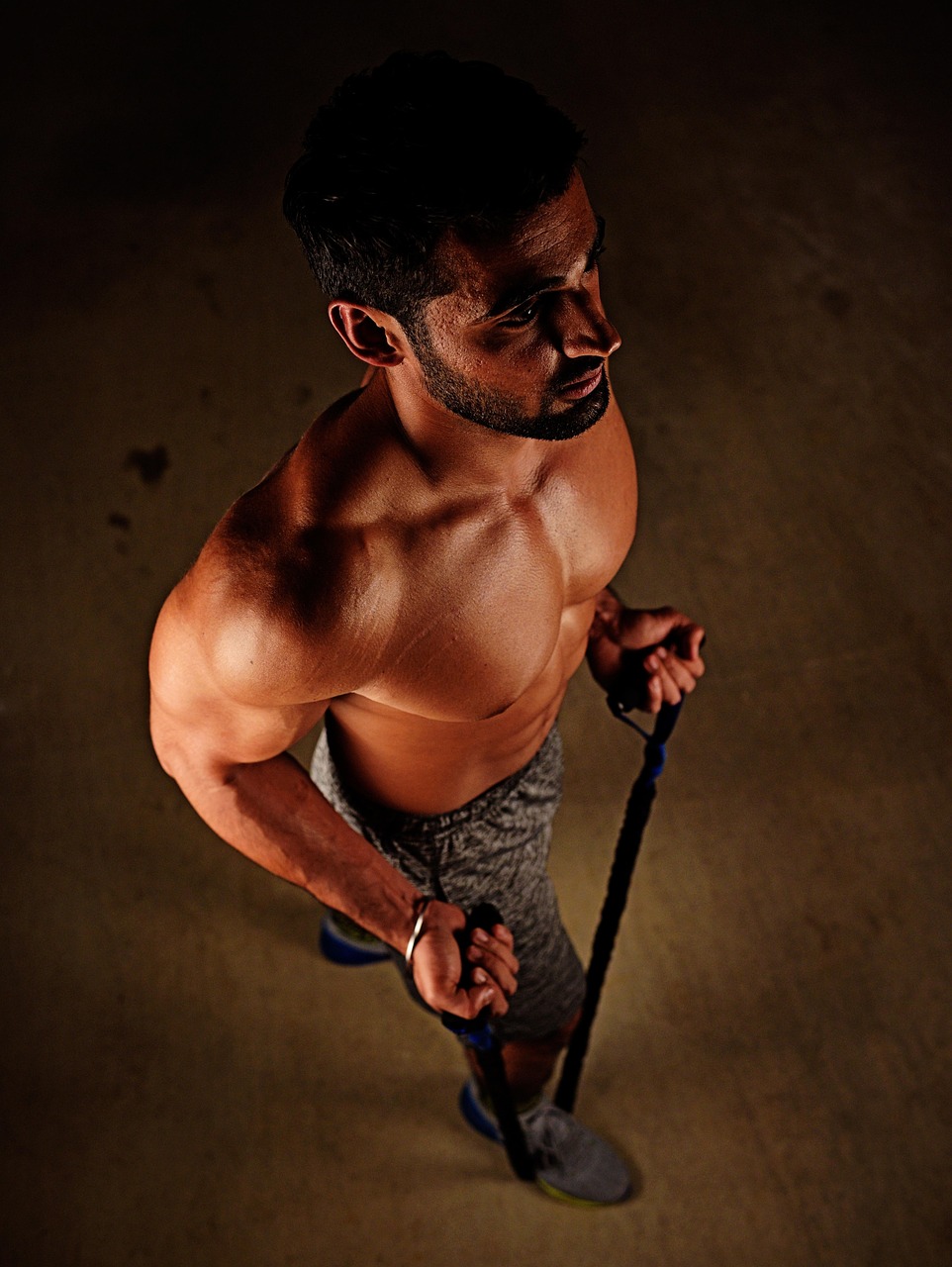
The Ultimate Guide to Street Workout Beginners
The journey into street workout begins with understanding the body’s mechanics and the role of muscle groups in supporting movements. Beginners should focus on mastering basic exercises such as push-ups, pull-ups, squats, and planks. These exercises engage multiple muscle groups simultaneously, promoting functional strength that translates to improved performance in everyday tasks. The interdisciplinary connection between street workout and other sports is evident in the development of explosive power, agility, and coordination, which are vital for athletes across different disciplines.
Incorporating proper technique is essential to prevent injuries and maximize benefits. Newcomers should prioritize form over intensity, ensuring that each movement is executed with controlled motion and full range of motion. This approach not only enhances muscle development but also strengthens connective tissues, reducing the risk of strain or injury. As beginners progress, they can gradually increase the complexity of their routines by adding variations such as one-arm push-ups, leg raises, or handstand push-ups, further challenging different muscle groups and promoting balanced strength development.
Street workout also fosters mental resilience, as participants must overcome physical challenges and setbacks. The discipline required to adhere to a consistent training regimen cultivates determination and perseverance, qualities that extend beyond the realm of exercise into personal and professional life. Additionally, street workout communities often emphasize accountability and support, creating an environment conducive to motivation and continuous improvement.
Hydration and nutrition play pivotal roles in supporting street workout routines. Adequate hydration maintains energy levels and muscle function during training sessions, while a balanced diet provides the necessary nutrients for muscle repair and growth. Incorporating protein-rich foods, complex carbohydrates, and healthy fats into the diet ensures that the body has the resources needed to adapt and strengthen over time.
Street workout offers a holistic approach to fitness, integrating physical and mental well-being. By focusing on foundational exercises, proper technique, and mindset, beginners can lay a strong foundation for their fitness journey. The interdisciplinary benefits of street workout extend beyond the gym, enhancing performance in various aspects of life and fostering a lifelong commitment to health and vitality.
Best Guide to Street Workout Routines
Bodyweight training, a cornerstone of street workouts, operates on the principle that physical adaptability is directly influenced by environmental and functional demands. When individuals engage in bodyweight exercises, their bodies respond dynamically to variations in load, gravity, resistance, and spatial constraints. This responsiveness is rooted in the concept of neuromuscular plasticity, the ability of the nervous system to modify muscle activation patterns and recruitment efficiency based on external stimuli.
In a traditional gym setting, where weights are controlled and predictable, bodyweight training serves as an adaptive counterpart. When athletes transition from loaded exercises like barbell squats or bench presses to unweighted variations such as air squats or push-ups, their nervous system must recalibrate motor unit recruitment strategies. This shift forces the neuromuscular system to rely more on type I (slow-twitch) muscle fibers for endurance and less on type II (fast-twitch) fibers for explosive power, resulting in improved muscular endurance without necessarily increasing absolute strength.
The adaptability of bodyweight training is particularly evident in its ability to modify movement patterns without external equipment. When athletes progress from basic pull-ups to variations involving different hand grips (wide, narrow, overhand, underhand) or arm positions (supinated, pronated), their shoulder girdles and rotator cuffs experience a range of stressors that promote muscular hypertrophy and joint health. These adaptations occur through the principle of specific overload, the body’s tendency to increase strength or endurance in response to increased demands.
Crucially, these adaptations are not isolated to muscle strength or endurance but permeate into broader physical capacities like power, speed, and agility. The explosive nature of a pistol squat or handstand push-up requires rapid force production, engaging fast-twitch fibers that contribute to explosive power. Similarly, movements requiring quick direction changes (e.g., side shuffles or zigzag runs) enhance proprioceptive acuity and neuromuscular coordination, reducing injury risk during dynamic activities.
Bodyweight training’s adaptability is enhanced by its accessibility. Unlike gym-based workouts that require specialized equipment or access to facilities, street workouts can be performed anywhere with minimal setup, a park bench for dips, a tree branch for pull-ups, or the ground itself for push-ups. This versatility fosters consistency in training, which is critical for long-term adaptability. When individuals can exercise regularly without barriers, their bodies receive continuous stimuli to modify and improve.
Street Workout Guide – From Beginner to Advanced

Street workout, a form of bodyweight training conducted outdoors using public or improvised equipment such as parallel bars, pull-up bars, and playground structures, offers a comprehensive approach to physical fitness. This guide provides an in-depth exploration of street workout techniques, from foundational movements for beginners to advanced progressions that challenge even seasoned athletes. Understanding the biomechanics behind each exercise is crucial for optimizing performance and minimizing injury risk.
For novices, mastering bodyweight squats, push-ups, and planks establishes a solid foundation of strength and mobility. Squats engage the lower body, particularly the quadriceps, hamstrings, and glutes, while also activating the core for stability. Push-ups target the chest, triceps, and shoulders, enhancing upper body strength and shoulder flexibility. Planks improve core endurance, essential for maintaining proper form during more complex movements. As foundational skills are developed, progressions such as single-leg squats, diamond push-ups, and side planks introduce greater challenge and muscle activation.
Advanced street workouts incorporate elements of gymnastics and calisthenics, demanding not only strength but also precision and control. Muscle-up exercises, which combine a pull-up with a push-up, require significant upper body power and shoulder mobility. Handstand push-ups challenge core stability and wrist strength, while advanced dip variations engage the triceps and pectorals in innovative ways. These movements often involve dynamic transitions between positions, enhancing coordination and agility.
Strength developed through street workout translates to numerous practical applications. Carrying heavy objects with proper form reduces strain on the back and shoulders. Climbing stairs becomes easier, engaging the lower body more effectively. Even simple tasks like reaching high shelves or lifting children are performed with greater ease and safety when supported by a strong, well-conditioned body.
Advanced street workouts also foster mental resilience, as athletes push beyond perceived limits and overcome challenges through consistent practice. The sense of accomplishment derived from mastering complex movements fosters confidence and motivation to continue improving.

The Ultimate Guide to Street Workout Bodyweight
The main components of a comprehensive bodyweight workout include push-ups, pull-ups, squats, lunges, planks, dips, and burpees, each targeting specific muscle groups or compound movements. Push-ups engage the chest, shoulders, and triceps, while pull-ups focus on the back muscles, biceps, and forearms. Squats and lunges develop lower body strength, particularly the quadriceps, hamstrings, glutes, and calves. Planks enhance core stability and engagement, essential for maintaining proper form during other exercises. Dips target the triceps and chest, while burpees serve as a high-intensity cardiovascular and full-body exercise.
Advanced bodyweight training often incorporates variations to challenge progressing fitness levels. These may include one-arm push-ups, plyometric push-ups, muscle-up pull-ups, Indian squats, calf raises, and handstand push-ups. Techniques such as negative repetitions, pauses, and supersets further intensify workouts, promoting muscle growth and endurance. Proper execution is paramount to prevent injuries and maximize benefits; alignment of the body, controlled movements, and breath coordination are critical factors in achieving optimal results.
Bodyweight exercises also foster functional strength, enabling individuals to perform daily activities with greater ease and efficiency. They are particularly advantageous for athletes seeking to improve agility, balance, and coordination, qualities often undervalued in traditional gym-based training. Moreover, bodyweight workouts can be tailored to various fitness levels, from beginners requiring modifications such as knee push-ups or chair pull-ups to advanced practitioners exploring complex movements like planche presses or Turkish get-ups.
Incorporating rest periods and adequate hydration is essential for recovery and performance enhancement. Flexibility and mobility practices, such as dynamic stretching before workouts and static stretches post-exercise, mitigate the risk of injury and enhance range of motion. Nutrition plays a pivotal role in supporting muscle repair and growth, with a balanced diet rich in protein, carbohydrates, and healthy fats being crucial for sustained progress.
Bodyweight training empowers individuals to transform their physical capabilities through dedication and perseverance. By embracing the versatility of bodyweight exercises, one can cultivate a holistic approach to fitness, fostering not only strength but also discipline, resilience, and a profound connection between mind and body.
Simple Guide to Street Workout Basics

In the realm of bodyweight training and street workouts, adhering to certain fundamental principles is essential for maximizing gains and minimizing risks. This simple guide elucidates the basics, with a focus on safety considerations as they pertain to strength development.
Strength training, whether it be in a gym or outdoors, necessitates proper form and technique to ensure optimal results while mitigating potential injuries. Bodyweight exercises are an excellent option for those without access to weights or gym equipment, yet they require even greater attention to form given the absence of external support.
First and foremost, warm up before commencing your workout. A dynamic warm-up consisting of movements that mimic your planned exercises will prepare your muscles and joints for the stresses ahead. Stretching statically after your workout is also important for maintaining flexibility and reducing muscle soreness.
Progressive overload is another key component of effective strength training. This means gradually increasing the demands placed upon your body to stimulate continued growth and development. One way to achieve this is by performing more repetitions with the same weight, or by adding more sets. Another method involves increasing the resistance through the use of parallel bars, benches, or even simply changing the position of your body (e.g., elevating your feet during a push-up).
One safety consideration associated with strength training is ensuring proper spinal alignment throughout each exercise. The spine is particularly vulnerable to injury, so maintaining good posture and keeping your core engaged are crucial for protecting it. Be mindful of performing exercises in a controlled manner, avoiding jerky or sudden movements that can place undue stress on the spine.
Advanced bodyweight exercises, such as planches and muscle-ups, require significant strength and control. These moves should only be attempted by those with a solid foundation in basic exercises like push-ups, dips, squats, and lunges. Proper progression and mastery of prerequisite skills are essential to reduce the risk of injury and maximize the benefits derived from these advanced movements.
The Ultimate Guide to Street Workout Progressions
Advancements in street workout progressions are continually shaping the landscape of bodyweight training, offering new challenges and opportunities for growth. As athletes push beyond traditional limits, innovative techniques and equipment are emerging to support their development. One significant area of future advancement lies in the integration of technology into street workout routines. Wearable fitness trackers and smartphone applications already provide valuable data on performance metrics such as repetition counts, exercise duration, and caloric expenditure. However, the next frontier involves the use of augmented reality (AR) and virtual reality (VR) to simulate advanced exercises and environments that challenge athletes in unprecedented ways.
AR and VR technologies can create immersive workout scenarios that mimic complex movements and obstacles found in advanced street workouts, such as muscle-ups, planche transitions, and ring circus skills. These simulations allow athletes to practice and refine techniques in a controlled setting before attempting them in real-world conditions. Additionally, AI-driven coaching platforms could offer personalized feedback and adjustments in real time, optimizing form and efficiency. Such advancements not only enhance safety but also provide a richer learning experience, enabling athletes to visualize and execute advanced progressions with greater precision.
The integration of kinetic energy harvesting into street workout equipment is another futuristic concept. As athletes perform dynamic movements, energy generated during lifts and jumps could be captured and stored, potentially powering lighting systems in public workout spaces or recharging portable devices. This not only promotes sustainability but also creates a more interactive and engaging environment for training.
Collaborative training platforms are another avenue for advancement. Virtual classrooms and online communities could connect street workout enthusiasts worldwide, fostering a global exchange of techniques and knowledge. Live-streamed workshops with expert instructors could provide real-time coaching and motivation, inspiring athletes to pursue advanced progressions. Social features within these platforms might also encourage friendly competition, pushing individuals to innovate and push their limits further.
Ultimate Guide to Street Workout Strength
In the realm of workout and fitness, quantifying and modeling exercises mathematically provide valuable insights into the intricacies of building strength. These mathematical representations allow us to understand various aspects of workouts, from determining optimal training plans to evaluating an athlete’s progress.
One common mathematical model for exercise is the force-velocity curve (FVC). This relationship illustrates how maximum force production relates to movement velocity during an exercise. The FVC is essential in understanding an individual’s athletic potential and identifying their specific strength training needs.
Another mathematical concept crucial to workout is the calculation of one repetition maximum (1RM). This figure represents the maximum weight a person can lift for a single repetition in a given exercise. Determining 1RM values allows individuals to tailor their workouts based on their current strength level and track progress over time.
Strength training programs can also be modeled mathematically using periodization theories. Periodization is the systematic planning and organization of training over extended periods to maximize performance improvements. By applying mathematical models, coaches and athletes can design optimal training plans that incorporate various phases such as hypertrophy, strength, power, and peaking cycles.
Advanced mathematical techniques like machine learning algorithms and biomechanical modeling can be used to analyze workout data and provide insights into athletes’ performance and injury risk. These tools can help identify trends, predict future outcomes, and recommend personalized training interventions.
The Ultimate Guide to Advanced Street Workout
The main components or building blocks of exercises within a street workout routine are essential for constructing effective and progressive training programs. These fundamental elements ensure balanced development, prevent plateaus, and reduce the risk of injury. Each block serves a specific purpose in enhancing strength, power, endurance, flexibility, coordination, and balance.
Power exercises focus on explosive movements that generate force rapidly. These include clap push-ups, pistol squat jumps, and kipping pull-ups. Power training enhances athletic performance by improving reaction time and speed, making it crucial for street workout athletes aiming to excel in competitions or perform advanced manoeuvres.
Endurance training is vital for maintaining prolonged physical activity without fatigue. Circuit training that incorporates a variety of movements such as jumping jacks, mountain climbers, burpees, and bear crawls can significantly boost aerobic capacity. High-intensity interval training (HIIT) can be integrated into routines to simulate the demands of street workout events where short bursts of intense effort alternate with brief recovery periods.
Flexibility exercises are often overlooked but play a pivotal role in performance optimization and injury prevention. Static stretching, dynamic stretching, yoga poses like downward dog or warrior II, and splits stretches can enhance range of motion and muscular elasticity. Maintaining flexibility allows for more advanced movements such as muscle-ups, front levers, or back levers by providing the necessary amplitude and control over joints.
Coordination and agility drills help refine motor control skills essential for executing fluid sequences of movements seen in street workout routines. Drills like ladder footwork patterns, cone drills for directional changes, or obstacle courses can enhance neuromuscular coordination while improving speed and agility, qualities highly valued in competitive environments.
Balance exercises aim to improve proprioception and equilibrium control necessary for executing tricks involving unstable surfaces such as balance beams or handstands on uneven bars. Single-leg stands, bosu ball drills, yoga tree pose variations, and clamshells strengthen stabilizing muscles around joints while increasing neural adaptations responsible for maintaining postural stability under varying conditions.
Recovery components cannot be underestimated; they are crucial in allowing the body to adapt and grow stronger without overtraining risks. Adequate sleep, nutrition focused on protein intake for muscle repair along with carbohydrates and healthy fats for energy replenishment, active recovery methods like foam rolling or massage therapy help speed up recovery times between intense workouts.
By integrating these diverse components thoughtfully into structured routines, athletes can develop comprehensive physical capabilities suited specifically to the demands of advanced street workout endeavors, progressing steadily towards mastering complex skills while minimizing injury risks inherent within such high-intensity training regimes.
