
Firstly, it is essential to understand proper form and safety considerations before starting any workout regimen. Beginners should take extra precautions to avoid injury, especially when working out at home without the supervision of a professional trainer. One common mistake is performing exercises with poor form, which can lead to unnecessary strain on the shoulders and potential injury.
The following workouts can be done using simple household items such as water bottles, resistance bands, or bodyweight alone. Begin each exercise with a warm-up set, and perform 3 sets of 12-15 repetitions for each movement.
Shoulder Press (Standing or Seated): Stand tall with feet hip-width apart, holding a weight in each hand at shoulder height. Keeping your core engaged, push the weights overhead until your arms are fully extended. Lower them back to the starting position with control. For a seated variation, sit on a chair and perform the same movement.
Safety consideration: Beginners may find it challenging to maintain proper form throughout the entire range of motion. To avoid straining the shoulders, keep the weight light and focus on using good posture and controlled movements.
Lateral Raise: Holding a weight in each hand at your sides, stand with feet hip-width apart and raise one arm out to the side until it’s parallel to the floor. Lower the raised arm back to the starting position while raising the other arm. Alternate arms for each repetition.
Front Raise: Stand straight with feet hip-width apart, holding a weight in front of your thighs. Keeping your core engaged and chest lifted, raise the weights up to shoulder height, then lower them back down.
Reverse Fly: Using resistance bands or dumbbells, bend at your hips and knees, hinge forward at the waist with a slight bend in the spine, keeping your core engaged. Keeping the arms straight, lift them out to the sides, squeezing the shoulder blades together at the top of the movement. Lower the weights back down with control.
Upright Row: Stand with feet hip-width apart and hold a weight in each hand at arm’s length, palms facing your body. Keeping your core engaged, pull the weights up to shoulder height while squeezing your shoulder blades together. Lower them back to the starting position.
Plate Raise: Hold a heavy plate or large water bottle with both hands at chest level. Keeping your core tight and chest lifted, slowly raise the weight overhead, then lower it back down with control.
By incorporating these exercises into your routine, you can effectively target and strengthen your shoulders from the comfort of your own home. Remember to always maintain proper form and focus on controlled movements to avoid injury and maximize results.

The 4-Week Shoulder Pain Elimination Program
The 4-Week Shoulder Pain Elimination Program is designed to address the biomechanical and muscular imbalances that often contribute to shoulder discomfort. This program leverages feedback loops inherent in the body’s response to exercise, ensuring a comprehensive approach to pain elimination and long-term shoulder health. The underlying principle of this program lies in the integration of neuromuscular reeducation, progressive overload, and active recovery strategies, all working synergistically within the four-week framework.
Neuromuscular reeducation forms the foundation of the program by targeting the intricate feedback loops between the nervous system and muscles surrounding the shoulder joint. These loops are critical for maintaining proper joint stability and movement efficiency. Exercises such as scapular wall slides, external rotation mini-bands, and overhead presses with focused cues aim to retrain the neural pathways responsible for coordinated shoulder movement. By enhancing proprioception and muscle memory, individuals can achieve a more balanced and pain-free range of motion.
Active recovery strategies complement these feedback loops by facilitating muscle repair and joint lubrication. Incorporating mobility exercises like shoulder rolls, thoracic spine rotations, and gentle stretches enhances blood flow to the area, promoting the delivery of nutrients and removal of metabolic by-products. This cycle supports the body’s natural healing processes, allowing for sustained progression without overloading the tissues.
Throughout the 4-Week Shoulder Pain Elimination Program, feedback loops are continuously monitored and adjusted based on individual responses. Regular self-assessment and adjustments to exercise selection, intensity, and volume ensure that the program remains effective and tailored to the participant’s needs. This adaptive approach acknowledges the variability in muscular imbalances and pain presentation, offering a personalized path to recovery.
Great Shoulder Exercises for Sore Shoulders
The first exercise to consider is the seated external rotation. Sitting upright with a straight back, use light dumbbells or resistance bands to perform slow, controlled rotations away from the body. This movement targets the infraspinatus and teres minor muscles, which are essential for shoulder stability. Performing 10-12 repetitions on each side, three times weekly, can help reduce inflammation and improve range of motion.
Another beneficial exercise is the wall thoracic squeeze. Standing with your back against a wall, position your hands at shoulder height and press them against the wall while squeezing your shoulder blades together. Hold this position for 10-15 seconds before releasing and repeating for three sets. This exercise strengthens the rotator cuff and reinforces proper scapular alignment, crucial for preventing further shoulder injuries.
The seated Y raise is a versatile exercise that combines external rotation with shoulder abduction. Holding light dumbbells at your sides, lift them out in front of you to shoulder height, then sweep them upward in an arc before slowly returning to the starting position. This movement enhances stability and coordination while reducing tension in the shoulders. Aim for 12-15 repetitions per set, performed twice weekly.
For individuals with limited mobility, the doorway reach is an excellent low-impact exercise. Stand facing a doorframe, place both hands on either side of the top of the door, and gently push forward while maintaining a straight back. Hold for 30 seconds, focusing on stretching the chest muscles and opening the shoulders. This stretch can be performed daily to alleviate tightness and promote flexibility.
Incorporating foam rolling into your routine can also provide significant relief for sore shoulders. Using a foam roller, lie prone with the affected shoulder on top of the roller and slowly move along its length. Focus on areas of tension, applying gentle pressure to release muscle knots. This self-myofascial release technique improves blood flow and reduces stiffness, complementing active exercises.
The shoulder roll is a simple yet effective exercise for releasing tension. Sit or stand with relaxed shoulders and slowly roll them forward in small circles for 30 seconds, then reverse the direction. This gentle movement increases blood flow and promotes relaxation of the shoulder muscles, making it an ideal warm-up or cool-down activity.
Incorporating these exercises into a consistent routine can significantly improve shoulder health, reducing soreness and enhancing functional capacity. It is essential to consult with a healthcare professional before beginning any new exercise regimen, particularly if experiencing persistent pain or recovering from an injury. By prioritizing proper form and gradual progression, individuals can safely build strength and restore vitality to their shoulders, enabling them to engage in daily activities with ease and comfort.
Simple Shoulder Workouts for Everyday Use
Exercises that target the shoulders often follow patterns or symmetries due to the anatomical structure of the human body and the biomechanical principles governing movement. The shoulder joint, a ball-and-socket joint, is one of the most mobile joints in the body, enabling a wide range of motions including flexion, extension, abduction, adduction, internal rotation, external rotation, and circumduction. This extensive mobility requires balance and symmetry to maintain joint health and prevent overuse injuries or imbalances that could lead to strain or dysfunction.
Symmetry in shoulder exercises is essential because it ensures equal strength and flexibility on both sides of the body. When one side is stronger or more flexible than the other, it can create an imbalance that places undue stress on certain muscles, ligaments, or tendons. Over time, this asymmetry can lead to postural problems, reduced range of motion, and even chronic pain conditions such as rotator cuff tendinitis or bursitis. By incorporating exercises that target both shoulders equally, individuals can develop balanced strength and mobility throughout the shoulder girdle, which is crucial for performing daily activities with ease and reducing the risk of injury.
Symmetry in shoulder exercises supports functional movement patterns necessary for everyday activities. The ability to perform overhead presses, bench presses, and other compound movements that involve both shoulders working in tandem is vital for tasks such as lifting objects above head height or performing push-ups. These actions require coordinated effort from multiple muscle groups within the shoulder complex to generate force efficiently without compromising joint integrity. Regular practice of these symmetrical exercises helps build stability around the shoulder joint by strengthening supporting structures like rotator cuff muscles, ligaments, and tendons that stabilize the ball-and-socket configuration.
Another reason why symmetry is important in shoulder workouts relates to recovery and adaptation processes within muscle tissue. When both sides are trained equally, it allows for more uniform hypertrophy (muscle growth) responses across the entire shoulder area rather than favoring one side over another. This balanced development reduces the likelihood of developing muscle imbalances that could affect posture or lead to compensatory movements during other types of physical activity. Furthermore, by adhering to symmetrical patterns during exercises, individuals can better gauge their progress since improvements on both sides will be visible together rather than isolated to one region.

Easy Shoulder Exercises to Build Strength

Dumbbell Lateral Raise: Stand with feet hip-width apart, holding a dumbbell in each hand at your sides. Keeping your core tight and back straight, lift one arm out to the side until it’s parallel to the floor. Lower it back down and repeat on the other side. Aim for three sets of 10-12 reps on each arm.
Reverse Fly: Stand with feet hip-width apart, holding a dumbbell in each hand at your sides. Keeping your core tight and back straight, lift both arms out to the sides, bending at the elbows slightly. Squeeze your shoulder blades together as you reach the top of the movement. Lower the weights back down to the starting position and repeat for three sets of 10-12 reps.
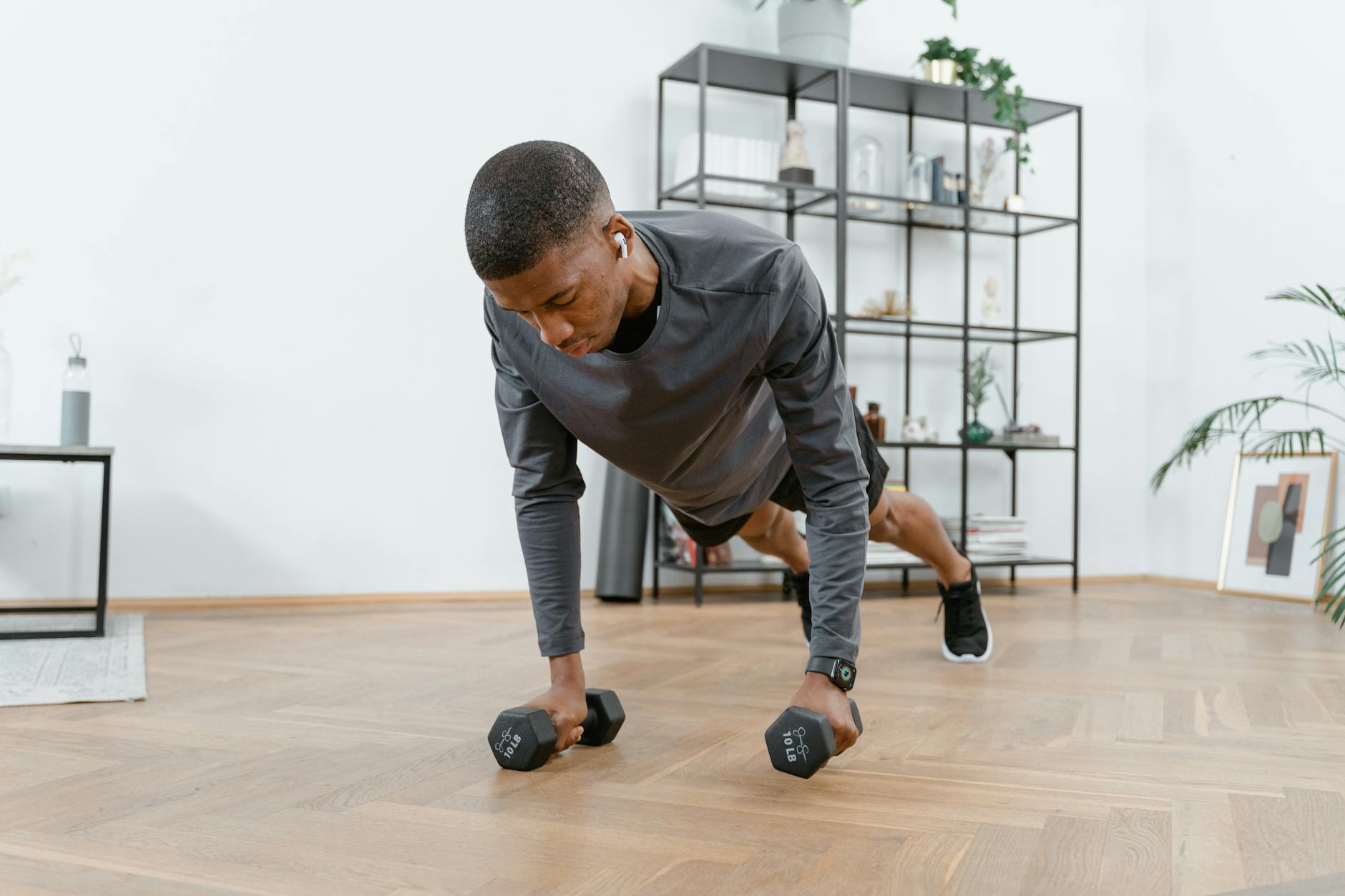
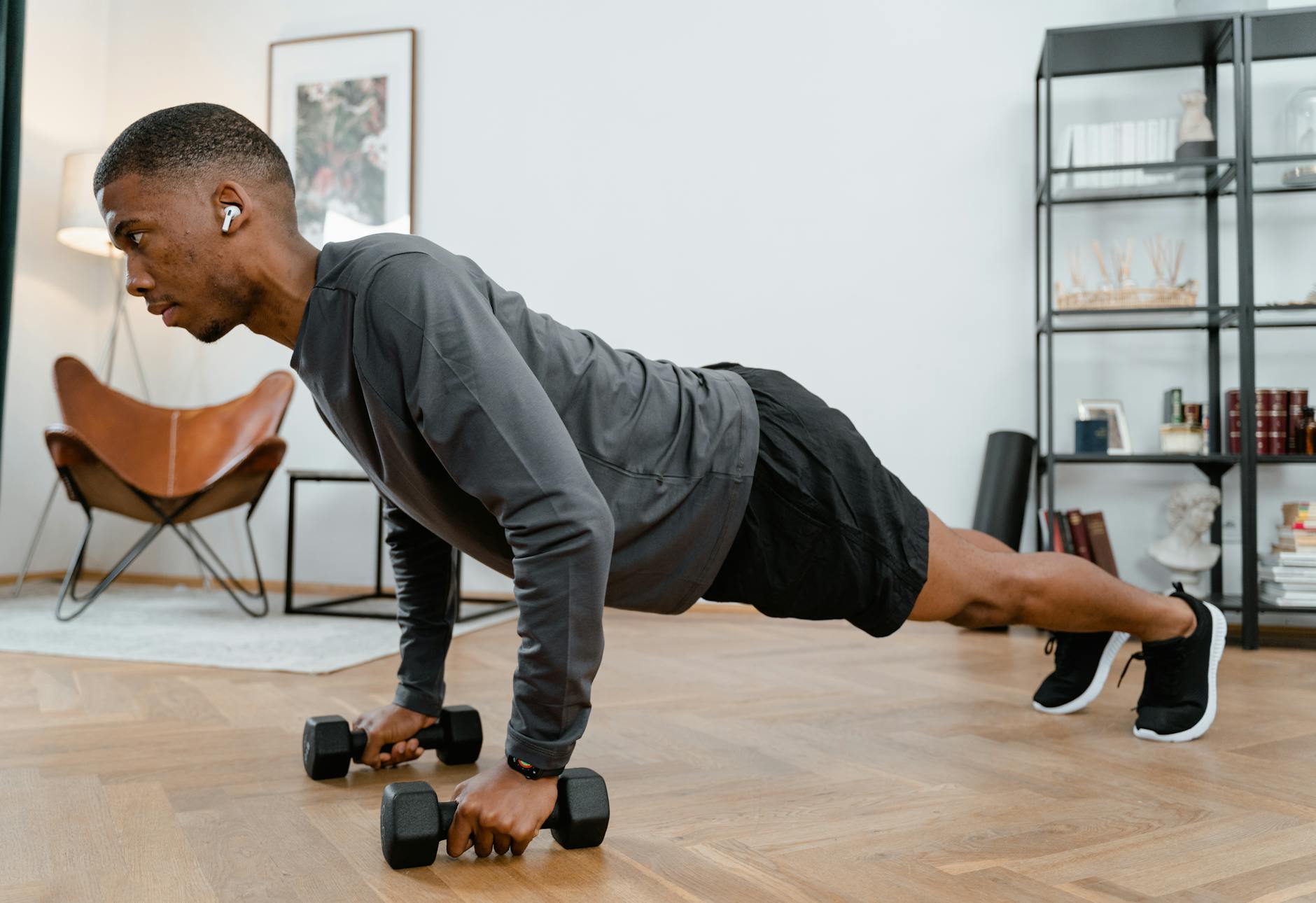
Plain Push-ups: Begin in a high plank position with hands slightly wider than shoulder width apart. Lower your body towards the ground, keeping your core tight and maintaining a straight line from head to heels. Push back up to the starting position. Aim for three sets of 10-12 reps.
Wall Angels: Stand with your back against a wall, feet hip-width apart. Raise your arms out to the sides at shoulder height and press your palms flat against the wall. Keeping your elbows slightly bent, lift your arms up towards the ceiling as if you’re trying to touch the ceiling. Lower them back down and repeat for three sets of 15 reps.
Precision and accuracy are vital when performing these exercises to build shoulder strength effectively and prevent injuries. Make sure to maintain proper form throughout each rep, focusing on engaging the target muscles while isolating unwanted muscle groups. Remember that progress takes time; be patient with yourself and focus on consistency rather than rushing for quick results.
Easy Workouts for People with Shoulder Problems

Impingement occurs when structures within the shoulder joint become compressed, often due to improper biomechanics during movement. This can lead to inflammation and irritation of the rotator cuff tendons and bursae, resulting in pain and reduced function. Rotator cuff tears are another common issue, typically caused by overuse, trauma, or degenerative changes with age. These tears can significantly impair shoulder strength and stability, making it difficult to perform activities that require overhead reaching or arm elevation.
Labral tears involve damage to the cartilaginous ring that surrounds the glenoid fossa of the scapula, providing stability to the shoulder joint. These tears can occur alongside rotator cuff injuries and may cause symptoms such as locking, catching, or instability in the joint. Arthritis, particularly osteoarthritis and rheumatoid arthritis, can also affect the shoulder, leading to pain, stiffness, and a decrease in range of motion over time.
To address these issues, individuals with shoulder problems should focus on exercises that improve joint stability, strengthen surrounding muscles, and enhance flexibility without exacerbating existing conditions. Gentle range-of-motion exercises can help maintain or regain mobility while reducing stiffness. Isometric exercises, such as wall push-ups and external rotation holds, can build muscle strength without placing significant stress on the joint. Low-impact resistance training with light weights or resistance bands can further enhance shoulder stability and function.
Incorporating scapular stabilization exercises is crucial for proper shoulder mechanics. Exercises like squeezing a therapy ball between the shoulder blades or performing retractors can help improve posture and reduce strain on the shoulder joint. Gentle stretches targeting the anterior shoulders, such as the doorway chest stretch or arm circles, can alleviate tension and promote flexibility.
Landmine Press Variations for Shoulder Health
The landmine press is a versatile exercise that can significantly enhance shoulder health and mobility when performed correctly. It involves placing one end of a barbell or specialty landmine attachment into a corner of a rack or other secure anchor point, allowing the user to perform various pressing movements with more control than traditional free-weight bench pressing. This variation places less stress on the wrists and elbows compared to standard barbell presses, making it ideal for those seeking shoulder health improvements without compromising joint integrity.
One fundamental adaptation suitable for beginners is the standing landmine press. This exercise requires minimal equipment, just a loaded barbell secured in a corner or anchored with a landmine attachment, and can be performed alone or as part of a full-body routine. Begin by assuming an athletic stance with feet shoulder-width apart, gripping the free end of the barbell at shoulder height. Press straight overhead while keeping the core engaged and maintaining a neutral spine to protect the lower back from undue strain. Lowering the weight back to the starting position under control minimizes risk to the rotator cuff muscles and surrounding ligaments, crucial for long-term shoulder health and mobility improvement.
For those with existing shouldering issues or looking to further enhance their training regimen, seated landmine presses offer an alternative stabilization challenge. Seated positions reduce lower body involvement, allowing greater focus on upper body mechanics. This variation also minimizes the risk of compensatory movements that might exacerbate shoulder dysfunction. The seated position encourages proper scapular engagement and full range of motion through both horizontal abduction (away from midline) and external rotation at the glenohumeral joint, which are key components of a healthy rotator cuff complex.
A progression often recommended for those ready to increase resistance involves using heavier weights while maintaining proper form. In this scenario, the landmine apparatus provides inherent stability through its fixed anchor point, enabling more controlled loading than free-weight movements where balance can shift unpredictably. This controlled environment allows individuals to gradually increase intensity without compromising safety, a critical factor when working with heavier loads that may stress already compromised shoulder structures.
Combining landmine presses with complementary movements targeting the opposing muscles in the posterior shoulder chain forms an effective training protocol. Exercises such as face pulls, reverse flyes, or bent-over rows can improve scapular stability and thoracic extension capacity, both of which play significant roles in maintaining healthy shoulder function. When paired systematically within a workout routine, these complementary movements create balanced muscular development around the shoulder girdle, preventing imbalances that often lead to pain or dysfunction over time.
It is essential to remember that regardless of which landmine variation an individual chooses, proper form remains paramount. Always begin with lighter weights while focusing on establishing ideal movement patterns before progressing to heavier loads. Adequate recovery between sessions, typically 48-72 hours depending on training intensity, allows damaged tissues time to heal and strengthens the surrounding connective structures through progressive adaptation processes.
For those experiencing persistent shoulder discomfort, incorporating landmine press variations into a supervised rehabilitation program under professional guidance offers additional benefits. Specialists can identify movement patterns requiring correction or specific muscle imbalances needing targeted strengthening before they develop into chronic issues. This proactive approach enables individuals to optimize their training outcomes while reducing the likelihood of future injury.
Good Shoulder Exercises for Beginners
One effective shoulder exercise for beginners is the seated dumbbell fly. This movement targets the deltoid muscles while engaging stabilizers like the rotator cuff and scapular muscles. To perform this exercise, sit upright on a bench with feet planted firmly on the ground, hold a light to moderate weight in each hand at shoulder level, and slowly raise the dumbbells outwards until they are parallel to the floor, then return them to the starting position. Proper form is essential to prevent strain on the shoulders; maintaining a neutral spine and avoiding excessive arching or rounding helps protect the joints while effectively working the target muscles.
Another beneficial exercise is the wall push-up, which not only strengthens the anterior deltoids but also enhances chest and triceps strength. By performing this movement against a wall, beginners can focus on proper technique without the added challenge of full-body weight, reducing the risk of injury. To execute a wall push-up, stand at arm’s length from a wall, place hands flat against it, and bend elbows to lower the body until the chest nearly touches the wall, then push back upright. This exercise promotes shoulder stability and is an excellent progression for those unable to perform traditional floor push-ups.
The lateral raise is another fundamental shoulder exercise that isolates the middle deltoid muscles effectively. Holding light dumbbells or resistance bands, stand with feet shoulder-width apart and slowly lift weights laterally until they are at head height, then return them to the starting position. Focusing on controlled movements ensures muscle engagement without placing undue stress on the joints. Incorporating lateral raises into a workout routine helps build balanced shoulder strength, crucial for activities such as overhead reaching or throwing motions.
To these exercises, incorporating rotational movements like the Y raise can further enhance shoulder functionality. Standing with feet hip-width apart and holding dumbbells at sides, twist the torso while simultaneously lifting weights diagonally towards the ceiling, engaging the core and scapular muscles in the process. This compound movement not only strengthens the shoulders but also improves rotational power, beneficial for sports like tennis or golf.
Shoulder Exercises for Women
In modern times, the focus on shoulder exercises has expanded to include a variety of goals, from injury prevention to aesthetic enhancement. For women, particularly those new to strength training, incorporating shoulder exercises into their routines can yield significant benefits. Exercises such as lateral raises, overhead presses, and rear delt flyes are commonly recommended for beginners due to their effectiveness in targeting different muscle groups within the shoulder area.
Rear delt flyes are another fundamental shoulder exercise that targets the posterior deltoid muscles, often overlooked in favor of more visible muscle groups. This exercise involves holding weights or using resistance bands and pulling them back towards the shoulders while keeping the elbows slightly bent. Incorporating these exercises into a regular workout regimen can help women build a strong foundation of upper body strength, improve posture, and reduce the risk of shoulder injuries.
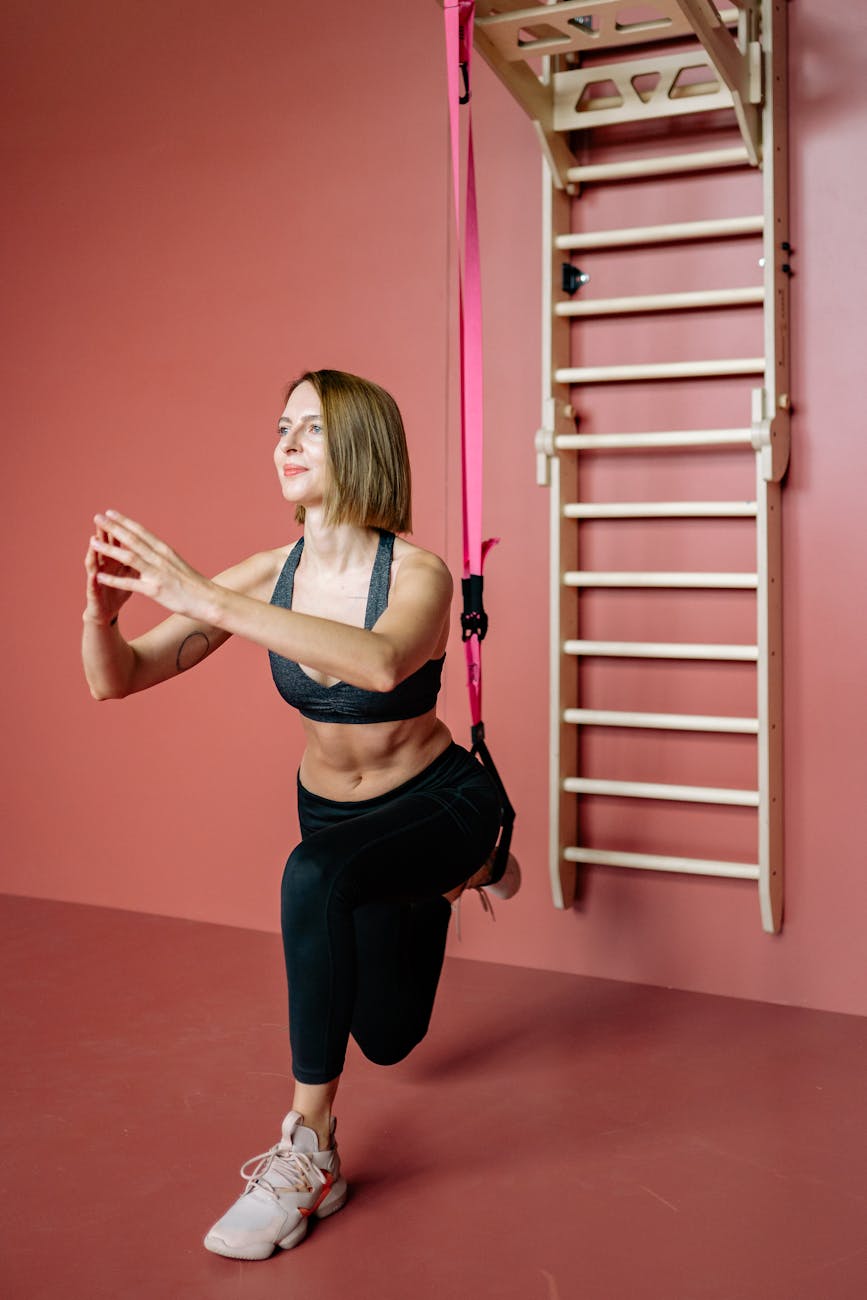
To traditional weight-based exercises, modern fitness trends have introduced innovative approaches to shoulder training, such as using resistance bands, suspension trenagers, and bodyweight movements. These alternatives offer versatility and accessibility, allowing individuals to perform effective shoulder workouts in various settings, from home gyms to outdoor environments.
It is important for women engaging in shoulder exercises to prioritize proper form and technique to maximize effectiveness and minimize the risk of injury. Consulting with a fitness professional or utilizing resources such as instructional videos can provide valuable guidance in mastering these exercises. Furthermore, incorporating flexibility and mobility work, such as dynamic stretching and foam rolling, can complement strength training efforts by enhancing range of motion and promoting recovery.


Good Workouts for Shoulder Pain Relief
Strengthening the shoulder girdle and surrounding musculature provides a solid foundation for pain relief and improved range of motion. Scapular stabilization exercises are often key, focusing on muscles like the trapezius (upper, middle, lower), rhomboids, and serratus anterior, which help control scapula positioning and contribute to optimal shoulder joint mechanics. The upward scaps with good posture, followed by a controlled downward retraction, can rebuild awareness of these movements. Serratus protraction exercises, where the upper back is pressed against a wall while rounding the shoulders forward and then pulling the shoulder blades around the ribs, are effective for improving that often-weakened serratus function. Resistance bands or light dumbbells generally work well here; consistency over time yields good results.
Rotator cuff strengthening is another cornerstone of shoulder pain management. The rotator cuff comprises four muscles – supraspinatus, infraspinatus, teres minor, and subscapularis – that stabilize the shoulder joint and assist in arm movement. External rotation exercises, using a light resistance band anchored to a doorframe, target the often-weakened external rotators (infraspinatus and teres minor). Internal rotation with a band addresses the subscapularis. Scaption, or the “thumb up” lift, works supraspinatus alongside deltoid muscles; keeping this motion controlled helps isolate it well. These exercises are often started in a pain-free range of motion and gradually progressed as strength increases.
Scaption exercises incorporating an element of scapular stabilization can be particularly effective for addressing common shoulder issues. The key here is to focus on good posture – shoulders relaxed and slightly back, chin tucked – and a controlled upward movement of the arm, engaging the trapezius and rhomboids as the arm rises. This helps build strength not just in the deltoid and supraspinatus but also reinforces proper scapular control.
Gentle stretching improves flexibility and can reduce stiffness. Cross-body shoulder stretches, where one arm is gently pulled across the body with the opposite hand, help to lengthen the posterior capsule of the shoulder joint. Sleeper stretches, done while lying on one’ a side, target the rotator cuff muscles and improve internal rotation. Consistent application of these exercises, often in conjunction with other treatment modalities, can contribute significantly to shoulder pain relief and improved function.
Best Workouts for People with Shoulder Pain

Before delving into the specific exercises, it is crucial to understand how to evaluate your shoulder build and identify any potential imbalances. The three major muscles groups in the rotator cuff – supraspinatus, infraspinatus, and teres minor – play a significant role in stabilizing the shoulder joint. A balanced shoulder involves equal strength and flexibility among these muscles, as well as the surrounding muscles like the deltoids, pectoralis major, and rhomboids.
To assess your shoulder build, you can perform simple tests to identify any weaknesses or imbalances. One such test is the empty can test, which evaluates external rotation strength. Stand with your affected arm bent at a 90-degree angle, with your elbow directly in front of you, and hold a light object like a can. Slowly rotate your forearm outward while keeping your upper arm still. If you cannot complete the full range of motion or experience significant pain, it may indicate weakness in the rotator cuff muscles.
Another test is the door frame test, which assesses internal rotation strength. Stand with your affected arm extended at a 90-degree angle and pressed against a doorframe. Try to touch the opposite shoulder with your hand. If you cannot reach it or experience pain during this movement, it may indicate weakness in the posterior muscles like the teres major and infraspinatus.
Pendulum Exercise: This gentle exercise helps stretch the muscles around the affected shoulder. Stand next to a chair or countertop for support. Lean forward slightly and let your affected arm hang straight down, with your palm facing inward. Gently swing your arm back and forth, side to side, and in small circles, allowing the weight of your arm to guide the movement. Perform this exercise for 30 seconds on each side.
Wall Angels: Stand with your back against a wall, feet hip-width apart, and press your buttocks and upper back against the wall. Raise your arms straight out to the sides at shoulder height and press them against the wall. Slide your arms up the wall as if doing an angel wing exercise while keeping contact with the wall. Lower your arms back to the starting position and repeat for 10-15 repetitions.
External Rotation: Sit on a chair or bench, holding a light dumbbell in your affected hand. Bend your elbow at a 90-degree angle, with your forearm resting on your thigh. Keeping your upper arm still, slowly rotate your forearm outward, then return to the starting position. Perform 10-15 repetitions and switch sides.
Banded Internal Rotation: Tie a resistance band around a sturdy object like a door or a pole at shoulder height. Hold one end of the band with each hand, keeping your arms bent at a 90-degree angle. Keeping your upper arms still, slowly pull the affected hand across your body toward your other hand while maintaining tension on the band. Perform 10-15 repetitions and switch sides.
These exercises can help alleviate shoulder pain, improve shoulder mobility, and restore balance to the muscles surrounding the joint. However, it is essential to remember that everyone’s situation is unique. If you experience persistent pain or discomfort during any of these workouts, consult a healthcare professional before continuing. Always perform these exercises with proper form and maintain good posture throughout each movement.
Quick Shoulder Exercises to Build Strength
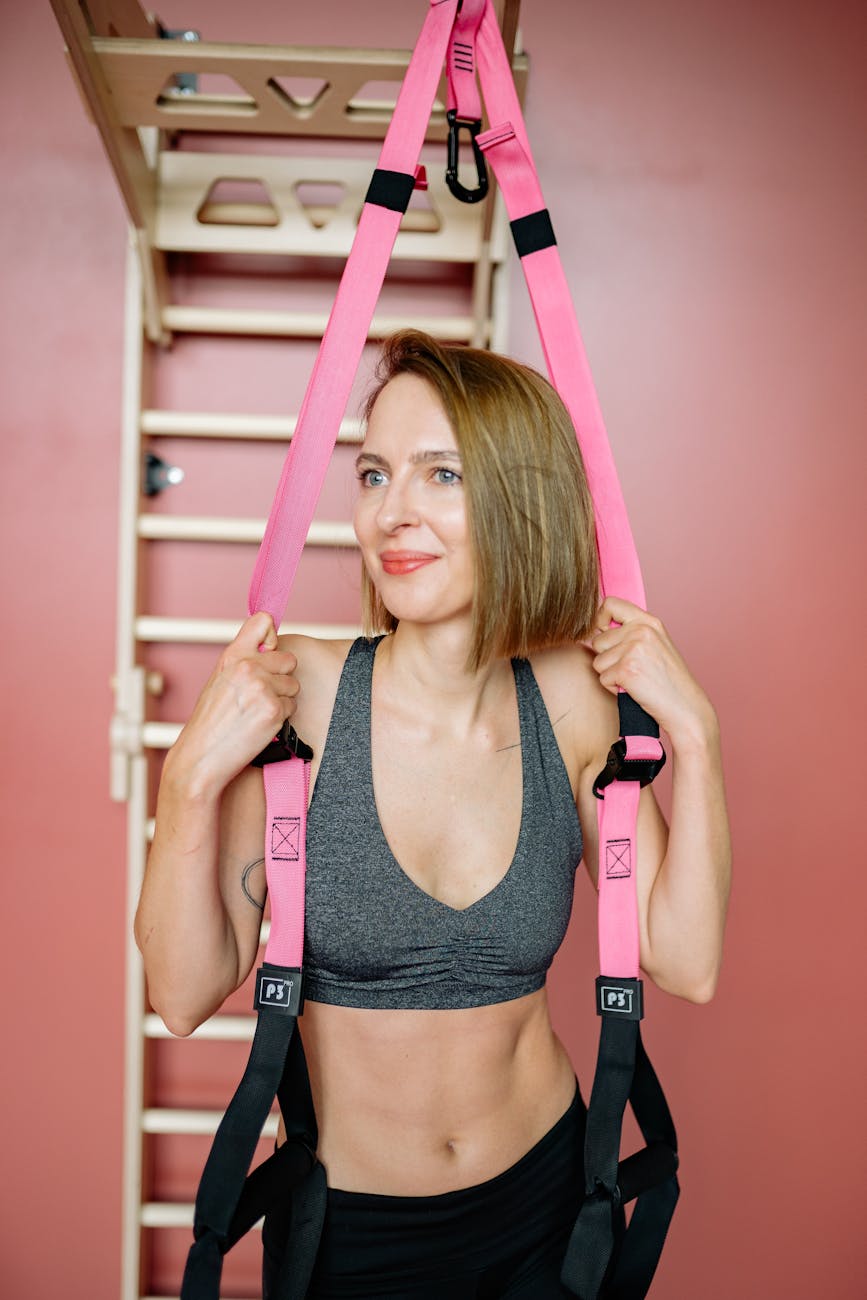
Another advancement lies in the development of wearable technology designed specifically for monitoring and optimizing shoulder exercises. Smart sensors embedded in athletic wear could track range of motion, joint angles, and muscle activation in real time, providing immediate feedback to users. This data-driven approach would allow individuals to adjust their form and technique on the spot, minimizing the risk of injury and maximizing the effectiveness of each exercise. Additionally, machine learning algorithms could analyze this data over time to personalize workout routines, tailoring exercises to an individual’s unique biomechanics and goals.
The future of shoulder training may also see the incorporation of artificial intelligence (AI) to create adaptive workout programs. AI-driven platforms could assess a user’s current level of strength, flexibility, and injury history, then generate customized exercise plans that progressively challenge the shoulders while preventing overuse injuries. These systems might even incorporate elements of gamification, motivating users through challenges and achievements within the training platform.
To technological advancements, there is potential for integrating neurofeedback technology into shoulder exercises. Neurofeedback devices monitor brain activity and provide real-time feedback, enabling users to learn how to better engage their muscles during exercise. This could help individuals develop stronger neuromuscular connections, leading to improved strength and control of the shoulders.
As research into muscle physiology and recovery continues to progress, future shoulder exercises may incorporate elements of periodization and recovery optimization. Understanding the latest insights into muscle adaptation and recovery could lead to more effective training cycles that balance workload and rest to achieve optimal strength gains while minimizing fatigue and injury risk.
Shoulder Pain Exercises to Improve Mobility
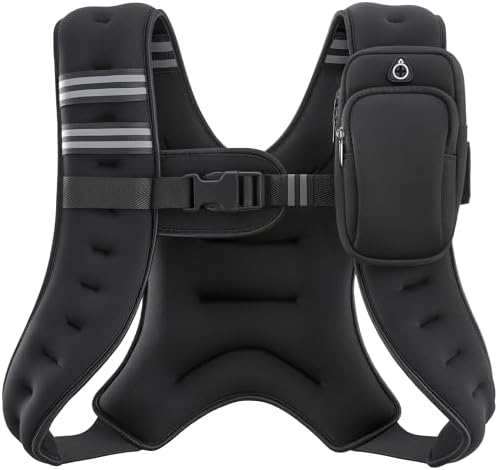
One effective exercise is the scapular retraction and protraction. This movement helps to strengthen the serratus anterior muscle, which stabilizes the shoulder blade and improves posture. To perform this exercise, stand with your feet shoulder-width apart and arms at your sides. Inhale as you retract your shoulder blades, pulling them down and back as if trying to touch your spine. Hold for a few seconds, then exhale as you protract the scapulae, moving them forward and up. Repeat this motion 10-15 times, focusing on controlled movement rather than speed.
Another crucial exercise is shoulder rotations. This helps to increase the range of motion in the shoulder joint and improve flexibility. Stand or sit with your arm extended to the side at a 90-degree angle, forearm parallel to the ground. Keeping your elbow steady, slowly rotate your hand in a circular motion, first forwards then backwards. Perform 10 rotations in each direction, maintaining a slow and controlled pace to avoid strain. Holding a light weight or resistance band can add challenge as strength improves.
The pendulum exercise is another valuable tool for enhancing shoulder mobility. Stand with your feet hip-width apart and hold a light weight or resistance band in one hand. Let your arm swing freely, allowing gravity to guide the movement. Slowly swing your arm in a smooth, pendulum motion from side to side, ensuring the arm moves through its full range of motion without forcing. Perform 10-15 repetitions on each side, focusing on maintaining a relaxed grip and allowing the shoulder to move naturally.
Wall angels are an excellent way to increase shoulder flexibility and open up the chest area. Stand facing a wall with your feet hip-width apart. Raise your arms out to the sides at shoulder height, palms pressed against the wall. Slowly walk your hands up the wall until your arms are fully extended overhead, then gradually lower them back down. Perform 10-15 repetitions, emphasizing the stretch felt in the shoulders and chest. This exercise can be modified by using a resistance band for added challenge.
Incorporating dynamic stretches into your routine can further improve shoulder mobility. The arm circle stretch involves standing with your arms extended to the sides at shoulder height. Slowly rotate your arms in large circles, first forwards then backwards. This gentle movement increases blood flow and loosens the shoulder joint, preparing it for more intense activities. Perform 10-15 circles in each direction, ensuring the motion is smooth and controlled.
Incorporating these exercises into a regular fitness regimen can significantly improve shoulder mobility and alleviate pain. It is essential to listen to your body and adjust the intensity of movements according to your comfort level. Beginners should start with fewer repetitions and gradually increase as strength and flexibility improve. Consistency is key, as regular practice will lead to enhanced joint health and reduced discomfort over time. Always consult with a healthcare professional before beginning any new exercise program, particularly if you have pre-existing shoulder conditions.
