
Cat-Cow Stretch: This flexible exercise helps to mobilize the spine, reducing tension in the lower back. Get on all fours with hands shoulder-width apart and wrists directly under your shoulders. Align knees hip-width apart and place shins under your hips. As you inhale, arch your back, lifting your chin towards the ceiling while pressing your palms into the mat. Exhale as you round your spine, tucking your chin to your chest and allowing your belly to sink towards the floor. Perform 5-10 repetitions for each direction.
Pelvic Tilts: This exercise focuses on strengthening the muscles responsible for maintaining a neutral spine. Lie flat on your back with your knees bent and feet shoulder-width apart. Keeping your lower back pressed into the mat, flatten your abdominal muscles towards your spine as you tilt your pelvis forward, tucking your chin slightly to maintain alignment. Hold this position for 5 seconds before releasing and returning to a neutral spine. Repeat 10 times for optimal results.
Bird Dog: This exercise targets multiple muscle groups to improve stability and balance, contributing to lower back pain relief. Start on all fours with hands under your shoulders and knees hip-width apart. Engage your core as you extend one leg behind you and the opposite arm forward, keeping both limbs parallel to the ground. Hold this position for 5 seconds before returning to the starting position. Repeat with the alternate limb, completing 2-3 repetitions per side.
Exercises for Lower Back Pain Relief
One of the most beneficial exercises for lower back pain is the pelvic tilt. This simple movement helps engage the deep abdominal muscles and stabilize the lumbar region. To perform a pelvic tilt, lie on your back with knees bent and feet flat on the floor. Tighten your abdominal muscles and press your lower back into the ground, lifting your pelvis slightly. Hold for a few seconds before relaxing. Repeating this exercise several times daily can enhance core strength and support the lower back.
Another effective exercise is the bird-dog stretch, which improves balance and strengthens both the abdominal and spinal muscles. Start on your hands and knees, then extend one arm forward and the opposite leg backward, keeping the body stable. Hold for a few seconds before switching sides. This exercise not only targets the core but also promotes better posture by engaging the stabilizing muscles around the spine.
The cat-cow stretch is another valuable movement for alleviating lower back pain. Begin on your hands and knees in a tabletop position. Inhale as you arch your back, lifting your chest towards the ceiling (cow pose), and exhale as you round your spine, tucking your chin to your chest (cat pose). This gentle flow helps increase spinal flexibility and reduce tension in the lower back muscles.
Bridging exercises can alleviate pressure on the lower spine by strengthening the glutes and hamstrings. Lie on your back with knees bent and feet flat on the floor. Lift your hips towards the ceiling, squeezing your glutes at the top before slowly lowering back down. This exercise not only builds strength but also enhances awareness of the muscles that stabilize the pelvis and lower back.
Incorporating these exercises into a regular routine can significantly reduce lower back pain by promoting muscle balance, improving flexibility, and enhancing core strength. It is essential to perform each exercise with proper form to avoid further strain on the spine. Consulting with a healthcare professional or physical therapist before starting any new exercise regimen is recommended, especially for individuals with pre-existing conditions or severe pain. By combining these exercises with good posture habits and ergonomic practices, individuals can achieve long-term relief from lower back pain and maintain a healthier, more active lifestyle.
The Best Exercises for Lower Back Strength
Bird Dog is an excellent starting point for building foundational lower back stability. It emphasizes core engagement without placing a large load on the spine. The key here is to maintain a neutral spine throughout the movement – imagine a line from your ear to your hip to your ankle, and focus on controlled extension and rotation of the arm/leg combination. This exercise recruits the erector spinae, gluteus maximus, and hamstrings for coordinated stability. Similarly, Dead Bug variations effectively target core strength by requiring precise control during limb movements while maintaining a stable pelvic position. A good dead bug emphasizes proper breathing to help with coordination.
Hip bridges offer a slightly more loaded option for strengthening the posterior chain, including the erector spinae and gluteus maximus. These muscles work in concert to extend the spine and keep it ready for movement. Ensuring full hip extension at the top of each bridge maximizes the activation of these key lower back stabilizers. A slight squeeze of the glutes at the top adds an extra layer of engagement, promoting good form and making sure that the posterior chain is doing the work.
Supermans, performed with controlled movements rather than a jerky upward thrust, can help to improve erector spinae endurance. The focus here should be on feeling the muscles lengthen and contract throughout the range of motion. A slight pelvic tilt can often indicate too much lumbar extension; so keeping the core engaged helps maintain good form. Bird Dog and Supermans are good starting points for those with a bit more stiffness or weakness in the lower back, as they’’, generally, fairly low impact.
Good Exercises for Lower Back Pain
The bird-dog exercise is another effective option, where one extends an arm and opposite leg simultaneously while maintaining core stability, thus engaging multiple muscle groups and promoting balanced strength. This movement requires precise control and coordination, ensuring that energy is directed effectively towards pain relief and muscular activation. Furthermore, the plank, particularly the side plank, strengthens the core and lower back by challenging the muscles to maintain a stable position, thereby enhancing posture and reducing lower back strain. These exercises not only alleviate pain but also improve energy transfer by fostering better body mechanics and muscle efficiency.
How to Ease Lower Back Pain with Exercise
Lower back pain is a common issue affecting many individuals, often due to sedentary lifestyles, poor posture, or muscle imbalances. Exercise plays a crucial role in alleviating lower back discomfort by strengthening the supporting muscles, improving flexibility, and enhancing spinal alignment. To effectively ease lower back pain through exercise, it is essential to focus on targeted exercises that address the core muscles, glutes, and hamstrings while maintaining proper form to prevent further injury.
One of the foundational exercises for lower back relief is the pelvic tilt. This simple movement helps activate the deep abdominal muscles and stabilize the spine. Lie on your back with knees bent and feet flat on the floor, then gently press your lower back into the mat while tilting your pelvis upward. Hold this position for a few seconds before relaxing and repeating for several repetitions. This exercise can be performed daily to strengthen the core and promote better spinal alignment.
Another effective exercise is the bird-dog stretch, which simultaneously improves flexibility and coordination in the core muscles. Start on your hands and knees, extending one arm forward and the opposite leg backward while maintaining a neutral spine. Hold for a few seconds before switching sides. This movement engages the obliques and helps to create balance in the trunk, reducing strain on the lower back.
The cat-cow stretch is a gentle yet powerful exercise for increasing spinal mobility and relieving tension in the lower back. Begin on your hands and knees, inhaling as you arch the spine (cow position) and exhaling as you round the spine (cat position). This fluid motion helps to release tightness in the vertebrae and adjacent muscles, promoting a more supple spine.
For individuals seeking to build strength in the lower back and core, the plank is an excellent choice. Start in a push-up position, engaging the abdominal muscles to lift the body off the floor, ensuring the hips do not sag or rise. Hold this position for as long as comfortable, focusing on maintaining proper alignment throughout the body. The plank strengthens the entire core, providing better support for the lower back and reducing the risk of pain.
The hip bridge is another valuable exercise for addressing lower back discomfort. Lie on your back with knees bent and feet flat on the floor, then lift the hips toward the ceiling while engaging the glutes and pressing into the heels. Hold for a few seconds before slowly lowering back down. This exercise targets the gluteal muscles and strengthens the lower back, improving posture and stability.
Incorporating yoga or Pilates into a regular routine can also provide significant relief for lower back pain. These disciplines emphasize controlled movements, breathing techniques, and core engagement, which collectively enhance spinal health and reduce tension in the muscles surrounding the lumbar region. Positions such as child’s pose, downward-facing dog, and seated forward bend offer gentle stretches that alleviate stiffness and promote relaxation.
Stretching is an essential component of any exercise regimen aimed at easing lower back pain. Gentle stretches of the hamstrings, hip flexors, and quadriceps can help to release tension in the surrounding muscles, thereby reducing pressure on the lower spine. Hold each stretch for 15-30 seconds, focusing on a comfortable yet challenging level of intensity.
It is crucial to consult with a healthcare professional or qualified trainer before beginning any new exercise program, especially if experiencing acute lower back pain. They can provide personalized guidance and ensure that exercises are performed with proper technique to maximize benefits and minimize the risk of injury. Additionally, maintaining consistent hydration, getting adequate rest, and practicing good posture throughout the day can complement exercise efforts in achieving lasting relief from lower back discomfort.

Easy Exercises to Fix Lower Back Pain
The core muscles, including the rectus abdominis, obliques, transverse abdominis, and multifidus, act as a natural brace for the lower back. By strengthening these muscles, you create stability in the spine and prevent excessive strain on the lower back. Moreover, strong core muscles help maintain proper posture, reducing the risk of developing lower back pain.
Another essential exercise is the bridge. Lie on your back with knees bent and feet hip-width apart. Lift your hips toward the ceiling, creating a straight line from your shoulders to your knees. Hold this position for 5-10 seconds before slowly lowering yourself back down. Repeat this movement several times to work your glutes and hamstrings, which indirectly support the lower back.
The bird dog is an effective exercise for improving posture and activating the core muscles. Begin on all fours with your hands directly under your shoulders and knees under your hips. Extend one leg and the opposite arm while keeping your core engaged. Hold this position for a few seconds before returning to the starting position and repeating on the other side. This exercise not only strengthens the back but also improves coordination and balance.
The cat-cow stretch is an excellent mobility exercise that can help alleviate lower back pain. Start on your hands and knees, ensuring that your wrists are directly under your shoulders and your knees are hip-width apart. As you inhale, arch your back and look up toward the ceiling, feeling a gentle stretch in your spine. Exhale as you round your spine, tucking your chin towards your chest. Repeat this movement several times to improve flexibility and reduce tension in the lower back.
Practicing good posture throughout the day can significantly reduce the risk of developing lower back pain. Sit with your feet flat on the floor, shoulders relaxed, and spine straight. Avoid slouching or hunching over your computer or phone for extended periods. Instead, take frequent breaks to stand up, stretch, and move around to keep your muscles active and your spine healthy.
Best Exercises for Lower Back Pain
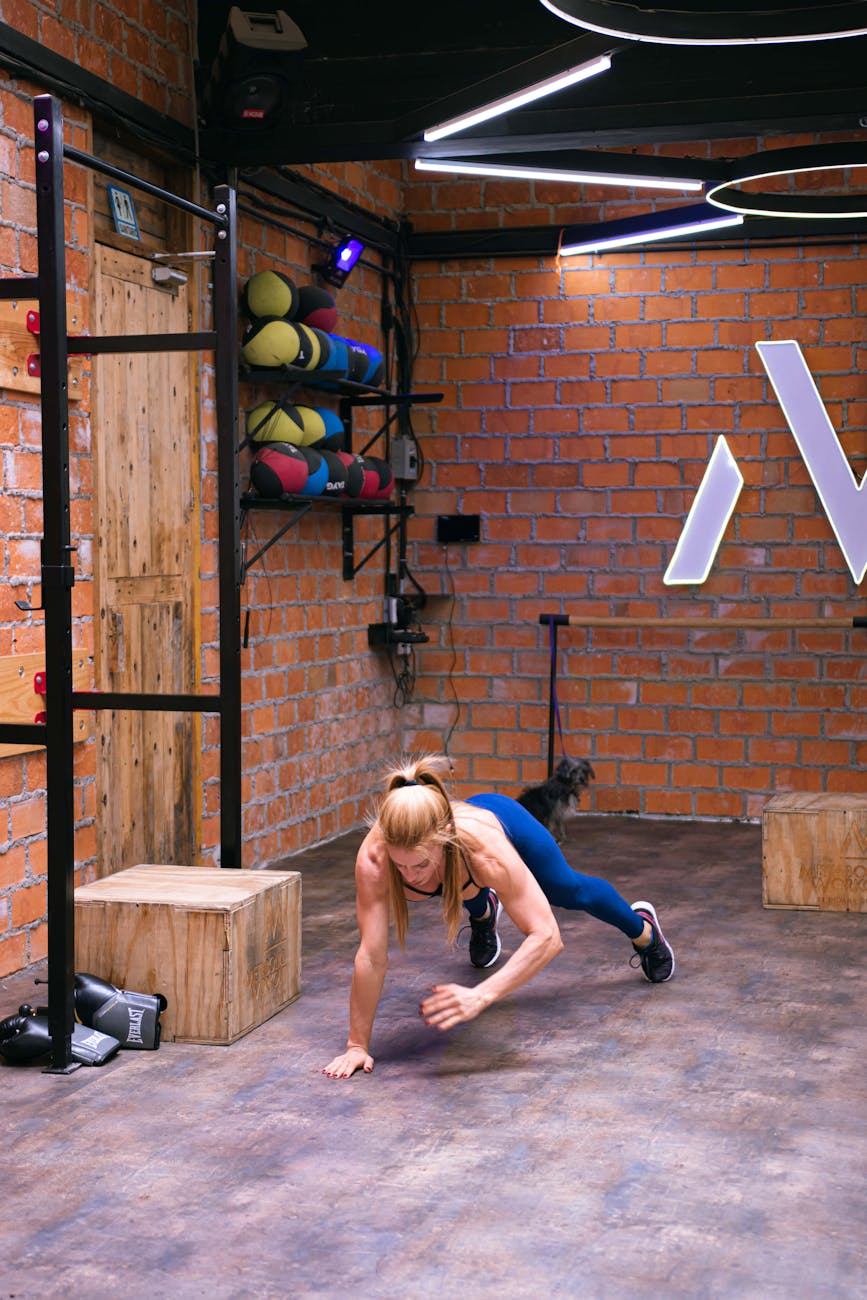
One highly recommended exercise for lower back pain is the plank. This exercise targets multiple areas of the core including the abdominal muscles, obliques, and lower back. To perform a plank, begin on your hands and knees, then extend your legs behind you so that you are balanced on your toes and forearms. Keep your body in a straight line from head to heels, engaging your core muscles to maintain this position. Hold for 30 seconds to one minute initially, gradually increasing the duration as strength improves. The plank works by enhancing spinal stability and reducing pressure on the lower back.
Another effective exercise is the bird dog. Start on all fours with wrists aligned under shoulders and knees beneath hips. Extend one arm forward while simultaneously extending the opposite leg backward, keeping your body in a straight line. Hold for 3-5 seconds before switching sides. This exercise improves coordination and strengthens the muscles responsible for stabilizing the lower back and pelvis. It also encourages better posture by strengthening the deep core muscles that support the spine.
The Superman is another beneficial exercise for addressing lower back pain. Lie face down with arms extended in front of you and legs straight. Simultaneously lift your chest, arms, and legs off the ground as high as possible without arching your lower back. Hold this position briefly before lowering back to the starting position. The Superman strengthens the muscles along the entire length of the spine, including the erector spinae, which are crucial for supporting the lower back.
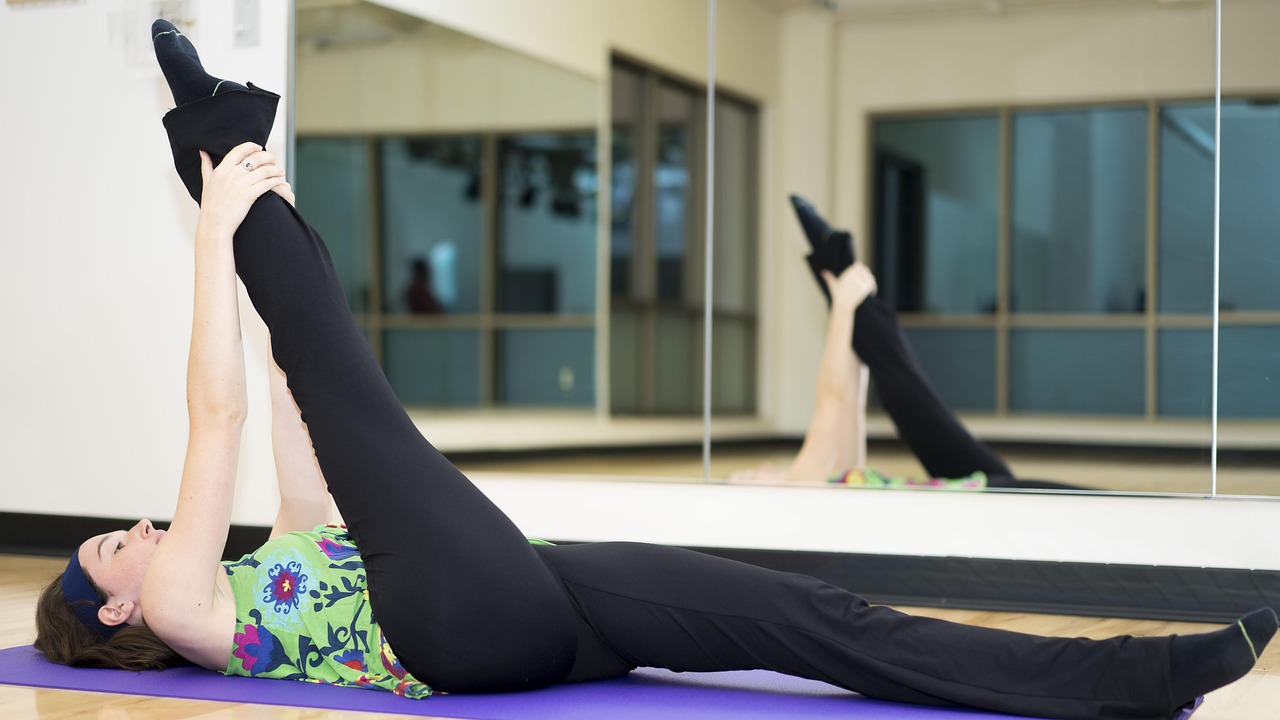
Knee-to-chest stretches provide immediate relief by gently pulling the knees toward the chest, stretching the lower back and hip flexors. Lie on your back with both knees bent and feet flat on the floor. Use your hands to gently pull one knee up toward your chest while keeping the opposite foot grounded. Hold for 20-30 seconds on each side before switching. This stretch can help reduce tension in the lower back muscles, promoting relaxation and improved mobility.
The cat-cow pose is a yoga-inspired movement that combines gentle arching and rounding of the spine. Start on all fours with wrists under shoulders and knees beneath hips. Inhale as you arch your back, lifting your head and tailbone toward the ceiling (cow position). Exhale as you round your spine, tucking your chin to your chest and drawing your belly button toward your spine (cat position). Perform this sequence for several rounds, focusing on smooth transitions between poses. The cat-cow pose increases flexibility in the spinal muscles and improves range of motion in the thoracic and lumbar regions of the back.
Dead bugs are an effective core exercise that can be done lying down, making them ideal for those with lower back pain. Lie flat on your back with arms extended toward the ceiling and legs bent at 90 degrees so knees form a right angle above hips. Slowly extend one leg outward while lowering the opposite arm to touch just above your ear. Return both to starting positions before switching sides. Dead bugs strengthen the transverse abdominis, deep core muscles that play an important role in spinal stability.
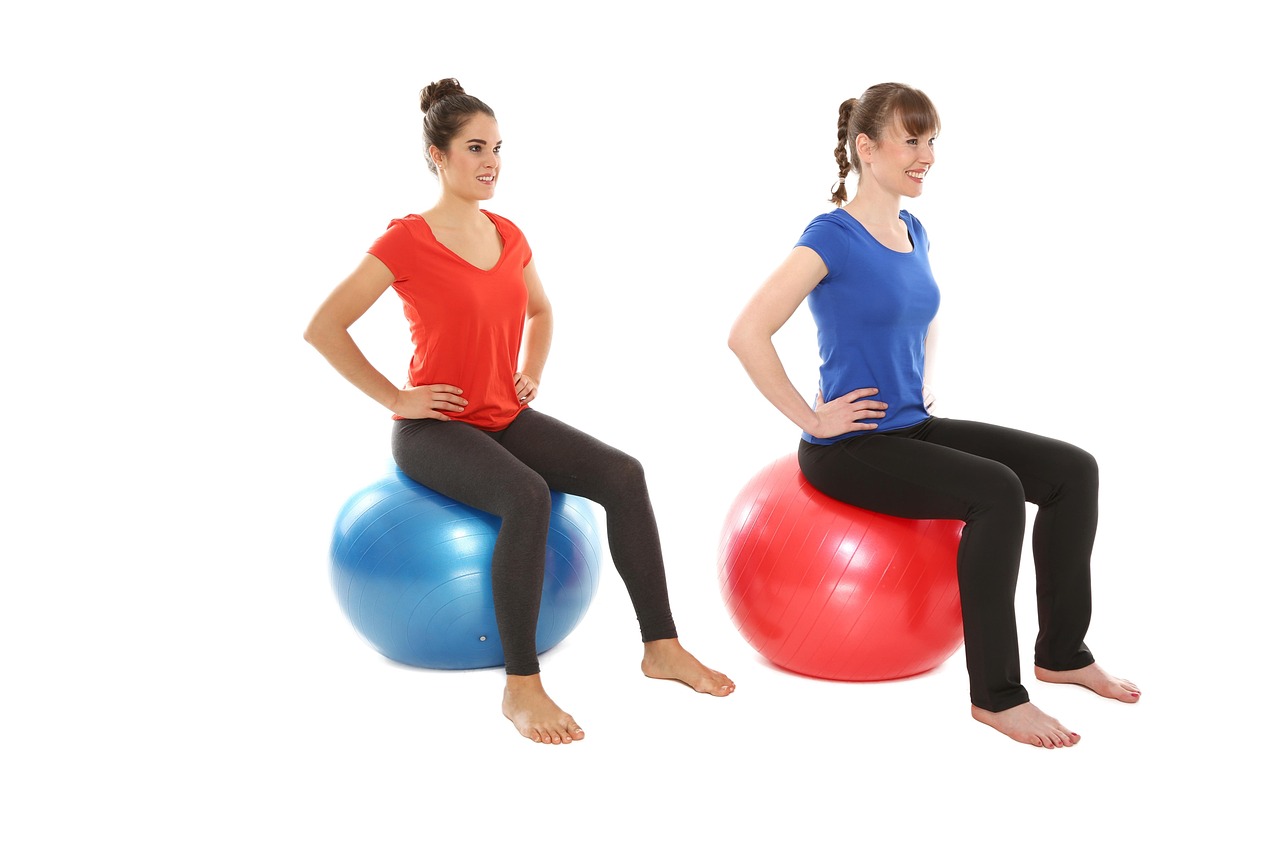
Swiss ball crunches are another great option for targeting the abdominal muscles without straining the lower back. Sit on a stability ball with feet flat on the floor and legs slightly wider than hip-width apart. Walk your feet forward until the ball supports your hips, then slowly roll backward so that your back is resting against the ball’s surface. Use your core to curl upward, bringing your ribs toward your pelvis while keeping your lower back in contact with the ball. Perform 10-15 repetitions. This exercise builds strength in the rectus abdominis without overloading the lower back.
Yoga’s child’s pose is a simple yet effective stretch for the lower back. Kneel on the floor with toes together and knees apart, then sit back onto your heels. Lower your chest forward toward the ground, extending arms in front of you or resting them alongside your body. Relax into this position for several breaths, allowing the muscles along your spine to release tension. Child’s pose helps lengthen the lower back muscles and promote relaxation after more strenuous exercises.
Pelvic tilts are a fundamental exercise that strengthens the transverse abdominis while improving posture and spinal alignment. Lie on your back with knees bent and feet flat on the floor. Flatten your lower back against the floor by pulling in your belly button toward your spine (engaging your core). Hold this position for a few seconds before releasing. Repeat 10
Best Core Exercises for Lower Back Health
The hip bridge is particularly beneficial for lower back health as it strengthens the gluteus maximus, hamstrings, and lower back muscles simultaneously. By lying on the back with knees bent and feet flat, lifting the hips towards the ceiling, and squeezing the glutes at the top, one can effectively engage the posterior chain, reducing pressure on the lumbar discs. This exercise also stretches the hip flexors, improving hip mobility and posture. For individuals experiencing lower back pain, modifications such as keeping feet closer together or using a foam roller under the knees can alleviate stress on the spine while maintaining core activation.
The pelvic tilt, performed while lying supine with knees bent, is a simple yet powerful exercise for reinforcing the natural curvature of the lower back. By gently arching the lower back towards the floor and engaging the abdominal muscles to prevent excessive movement, one can strengthen the erector spinae muscles, which support the lumbar curve. This exercise is particularly useful for individuals with flat or collapsed posture, as it encourages proper spinal alignment and reduces forward head posture.
Incorporating these exercises into a regular routine not only builds a robust core but also fosters resilience in the lower back muscles, reducing the risk of injury and promoting long-term spinal health. It is crucial to prioritize proper technique and gradual progression to avoid strain and ensure that all muscle groups are equally engaged. By integrating these exercises with stretching and mobility work, individuals can achieve a balanced, functional approach to lower back care, enhancing both performance and quality of life.

Effective Exercises for Lower Back Pain
Lower back pain is a common issue that affects many individuals, often due to poor posture, weak core muscles, or muscle imbalances. Effective exercises targeting the core can significantly alleviate this discomfort by strengthening the supporting muscles around the spine. The core encompasses not only the abdominal muscles but also the obliques, lower back muscles, glutes, and pelvic floor, all of which contribute to stabilizing the spine and maintaining proper alignment.
One fundamental exercise for addressing lower back pain is the plank, particularly the forearm plank, which engages the entire core without placing excessive strain on the lumbar region. By supporting the body weight on the forearms and toes while maintaining a straight line from head to heels, this exercise strengthens the deep stabilizing muscles. Another beneficial exercise is the bird-dog, performed lying on one’s side with the bottom knee bent at a 90-degree angle. Alternating reaching the opposite arm forward and the opposite leg back works the core muscles in a diagonal plane, enhancing balance and flexibility.
The pelvic tilt, done while lying supine with knees bent and feet flat on the floor, helps strengthen the lower back and glutes by gently arching the pelvis towards the ceiling. This exercise promotes better spinal alignment and reduces pressure on the lumbar vertebrae. Additionally, bridging exercises, where one lifts the hips off the floor while lying supine with knees bent, target the glutes and lower back, improving posture and reducing lower back pain.
Incorporating these exercises into a regular routine can provide substantial relief from lower back pain by enhancing core strength and stability. It is essential to perform each exercise with proper form to avoid injury and maximize effectiveness. Consulting with a physical therapist or fitness professional can ensure that the chosen exercises are appropriate for individual needs and limitations, leading to safer and more effective results in managing lower back pain.
How to Fix Lower Back Pain with Exercise

The importance of core strength in addressing lower back pain cannot be overstated. The core comprises multiple muscle groups, including the rectus abdominis, obliques, transverse abdominis, and multifidus. These muscles work together to stabilize the spine and provide the foundation for efficient movement. A strong core can help reduce the strain on the lower back muscles, allowing them to heal and function correctly.
One effective exercise for strengthening the entire core is called the plank. To perform this move, start in a push-up position with forearms resting on the ground, elbows directly under shoulders. Engage your abdominal muscles as if bracing for a punch, ensuring a straight line from head to heels. Hold this position for 30 seconds, then rest for 15 seconds before repeating. Perform three sets of planks three times per week.
Another exercise targeting the lower back and glutes is the bridge. Lie on your back with knees bent, feet hip-width apart, and arms resting at your sides. Press your heels into the ground as you lift your hips towards the ceiling, squeezing your glutes at the top. Lower yourself back down slowly, and repeat for three sets of 10 repetitions, performing three times per week.
A third exercise to consider is the bird dog. Begin on all fours with hands under shoulders and knees under hips. Engage your core and lift one arm and the opposite leg off the ground, holding for a few seconds before returning to the starting position. Perform this movement on the other side, then repeat for three sets of 10 repetitions on each side, performing three times per week.
Exercises That Help With Lower Back Pain

Lower back pain is a prevalent issue that can significantly impact daily life, and incorporating specific exercises targeting the core muscles can provide substantial relief. The core muscles, including the rectus abdominis, transverse abdominis, external obliques, internal obliques, erector spinae, and diaphragm, play a crucial role in stabilizing the spine and maintaining proper posture. Strengthening these muscles can enhance support for the lower back, reducing the risk of injury and alleviating existing pain.
One effective exercise is the plank, which engages multiple core muscle groups simultaneously. To perform a standard plank, assume a push-up position with forearms resting on the ground, elbows aligned beneath shoulders, and legs extended behind in a straight line. Hold this position for 20 to 30 seconds, focusing on maintaining a neutral spine and engaging the abdominal muscles to prevent sagging or arching. Variations such as side planks target oblique muscles, while bird-dog exercises improve flexibility and coordination by alternating arm and leg lifts in a tabletop position.
The bridging movement is another valuable exercise for lower back pain relief. Lie on your back with knees bent and feet flat on the ground, hip-width apart. Lift your hips towards the ceiling, squeezing gluteal muscles at the top of the movement before slowly lowering back down. This exercise strengthens the lower back extensors and glutes, providing support to the spine. Pelvic tilts, performed in a supine position with knees bent, involve arching the lower back towards the ceiling by engaging the abdominal muscles, followed by a gentle return to the neutral position.
Core stability can be quantified through various mathematical models that assess muscle activation and force production. Electromyography (EMG) measures electrical activity in muscles, providing data on muscle recruitment patterns during exercises. Isokinetic dynamometry evaluates muscle strength and endurance by measuring torque produced at constant angular velocities, offering insights into core muscle performance. Additionally, mathematical modeling of biomechanical movements can simulate spinal loading and muscle interactions, helping to optimize exercise protocols for individuals with lower back pain.
Incorporating these exercises into a regular routine, along with proper form and gradual progression, can enhance core strength and promote long-term relief from lower back pain. It is essential to consult with healthcare professionals or fitness experts to tailor an exercise program that addresses individual needs and limitations, ensuring safety and efficacy in managing lower back discomfort.
Quick Exercises for Lower Back Pain

Effective lower back pain relief often benefits from a combination of targeted exercises and general good posture, particularly useful for those experiencing stiffness after prolonged sitting. Cat-cow stretches provide gentle mobilization for the spine, encouraging flexibility in both vertebral segments and surrounding soft tissues. The cat position, where the spine rounds towards the ceiling, effectively stretches the lower back muscles while stimulating circulation to the kidneys. Conversely, cow pose allows a nice arching of the spine, stretching the abdominal muscles and promoting a sense of openness throughout the torso. Focusing on slow, controlled movements here helps engage the core stabilizers without straining the lumbar region.
Bird dog is another excellent option for strengthening the core and improving stability while minimizing lower back stress. This exercise involves starting on hands and knees, then extending one arm forward and the opposite leg backward simultaneously, maintaining a neutral spine. It’s key to avoid arching or sagging the back, a good cue is to imagine a line running from the ear to the front knee during each extension. The bird dog works well for building endurance in often-weak core muscles that help support the lower back. Variations include adding a slight hip dip, which increases the challenge and encourages deeper engagement of the core stabilizers.
Pelvic tilts are particularly useful for those experiencing lower back stiffness or who want to improve awareness of their pelvic position. Lying supine with knees bent and feet flat on the floor, gently tilt the pelvis forward then backward, feeling a subtle rocking motion in the lower back. This movement encourages mobility between the sacrum and the pelvis, which can often become somewhat “stuck” after prolonged sitting or sedentary habits. Paying close attention to the abdominal muscles helps ensure they’re engaging properly during each tilt.
Glute bridges are surprisingly effective for strengthening the glutes and hamstrings, two muscle groups that play a key role in supporting the lower back. Lying on the back with knees bent and feet flat on the floor, squeeze the glutes and lift the hips off the ground, forming a straight line from knees to shoulders. Holding the top position for a few seconds allows for good engagement of the gluteal muscles, often considered “lazy” if not specifically targeted. This is a common area of weakness in those with lower back pain, so consistent bridging can yield good results.
Knee-to-chest stretches provide a nice way to lengthen the hamstrings and gently stretch the lower back. Lying on the back, pull one or both knees towards the chest, holding for particular relief when muscles feel tight. This can be especially helpful after sitting for long periods or experiencing general stiffness. A good tip is to exhale as you draw the knees closer to the chest, this encourages relaxation and allows for a slightly deeper stretch. Consistent incorporation of these quick exercises into a daily routine often contributes to improved lower back mobility and reduced pain levels.
