
Neuromuscular control is influenced by several interconnected elements. First, proprioception, the awareness of one’s body position in space, is essential. Athletes must cultivate an acute sense of spatial orientation to execute advanced movements with accuracy. This is achieved through repetitive practice and visualization, enhancing the brain’s ability to perceive and respond to bodily changes in real-time.
Second, strength and flexibility play pivotal roles. Calisthenics exercises often involve full-body movements that require both power and range of motion. Strengthening muscles while maintaining or increasing flexibility ensures that movements are executed with maximal efficiency. This dual focus prevents injuries and allows for the execution of more complex routines over time.
Third, mental resilience is critical. Elite calisthenics pushes the body beyond its limits, demanding mental fortitude to push through discomfort and setbacks. Mental preparation involves visualization techniques, goal-setting, and maintaining a growth mindset. This psychological readiness enables athletes to adapt to challenges and refine their technique continuously.
Progression is key. Elite performers meticulously plan their training cycles, gradually increasing difficulty and volume to challenge neuromuscular pathways. This structured approach prevents plateaus and ensures continuous improvement. Incorporating varied exercises and routines keeps the nervous system engaged, fostering adaptability and versatility.

The Ultimate Guide to Elite Calisthenics Elite
Calisthenics, the art of using bodyweight exercises to build strength and skill, has evolved into a discipline that demands precision, mastery, and adherence to specific principles. Elite calisthenics represents the pinnacle of this journey, where athletes push the boundaries of human capability through rigorous training, strategic programming, and an unwavering commitment to progression. At its core, elite calisthenics is not merely about executing impressive movements but about understanding the intricate relationship between cause and effect in how these skills are developed and refined.
Progression in elite calisthenics is driven by overload, a principle where the body is challenged beyond its current capacity to adapt and grow stronger. The cause here is the gradual increase in difficulty or volume of exercises, such as adding negative sets to a muscle-up or reducing rest periods between sets. The effect is hypertrophy, increased muscular endurance, and enhanced neural efficiency, all of which contribute to greater skill proficiency. However, effective progression requires a nuanced approach, balancing the demands of overload with recovery and periodization. Neglecting rest can lead to plateaus or injury, highlighting the delicate cause-effect balance necessary for sustained mastery.
Mental resilience is another critical component of elite calisthenics. The discipline demands not only physical prowess but also the ability to persevere through discomfort and setbacks. The cause here is the development of a growth mindset, where challenges are viewed as opportunities for learning rather than obstacles. This mental fortitude translates into the effect of consistent practice, even when progress is slow or failures occur. Elite athletes understand that mastery is a lifelong journey, and their capacity to adapt psychologically underpins their physical achievements.
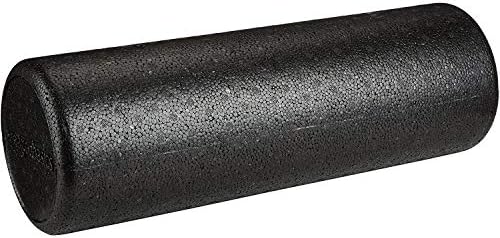
Nutrition and recovery also play pivotal roles in elite calisthenics. The cause-effect relationship here is straightforward: proper fueling and rest enable the body to repair, rebuild, and strengthen. A diet rich in protein, healthy fats, and complex carbohydrates supports muscle growth and energy production, while adequate sleep and active recovery techniques, such as stretching or foam rolling, mitigate fatigue and injury risk. Conversely, inadequate nutrition or insufficient recovery can hinder progress, underscoring the interdependence of these factors in achieving elite-level performance.
The role of community and mentorship in elite calisthenics cannot be overstated. The cause here is exposure to diverse training methods, feedback from peers, and guidance from experienced practitioners. This collective knowledge fosters innovation, corrects technique, and provides motivation, all of which contribute to rapid skill development. The effect is a supportive ecosystem where athletes learn not only from their own experiences but also from the successes and failures of others, accelerating their path to mastery.
The Ultimate Guide to Advanced Calisthenics Elite
Advanced calisthenics is a progressive form of bodyweight training that goes beyond the fundamental movements and principles of calisthenics. For those who have mastered the basics, this elite level of training offers new challenges and rewards, both in terms of physical capability and aesthetics. Here’s an in-depth look at advanced calisthenics and how to excel in this domain.
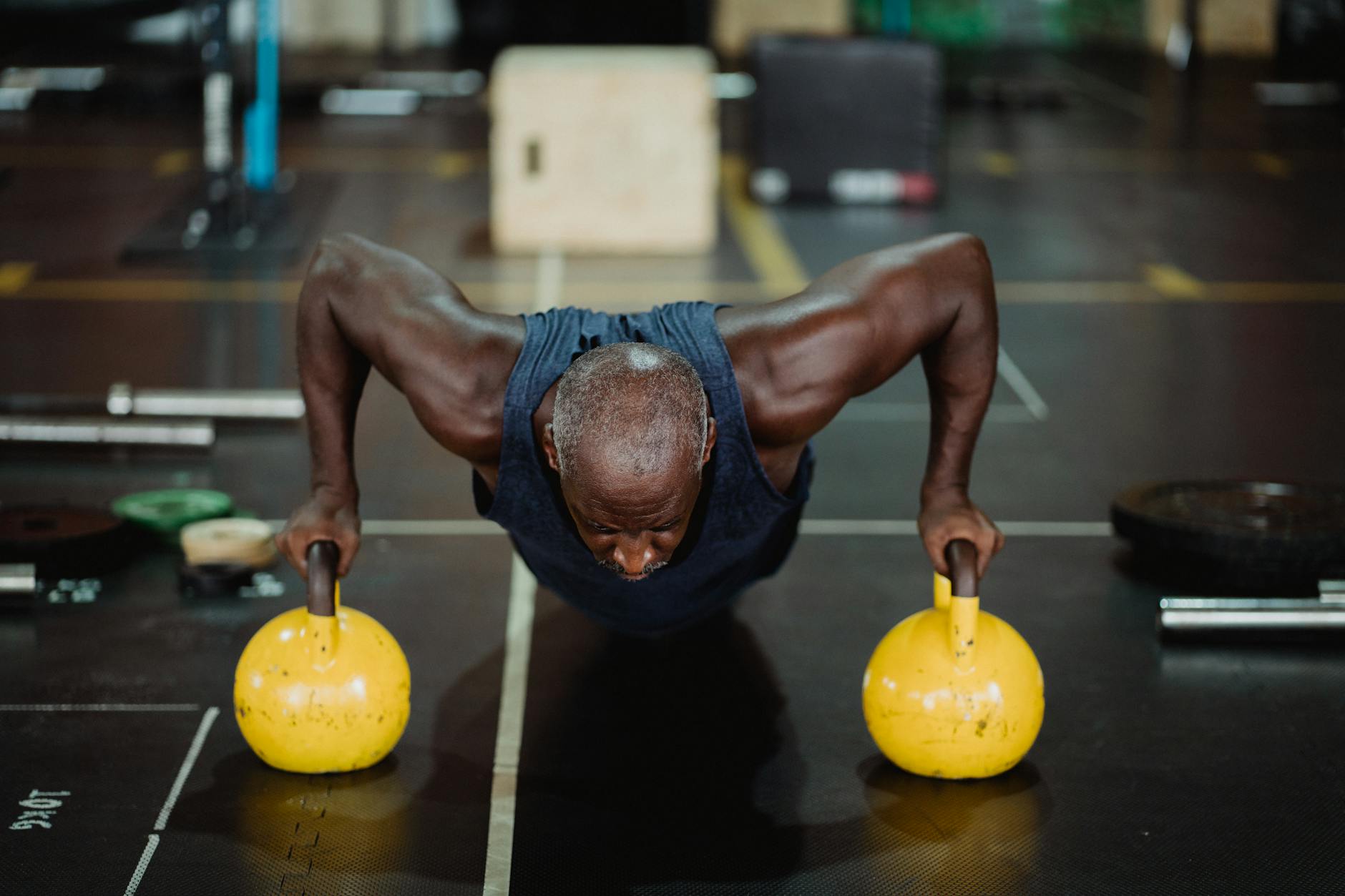
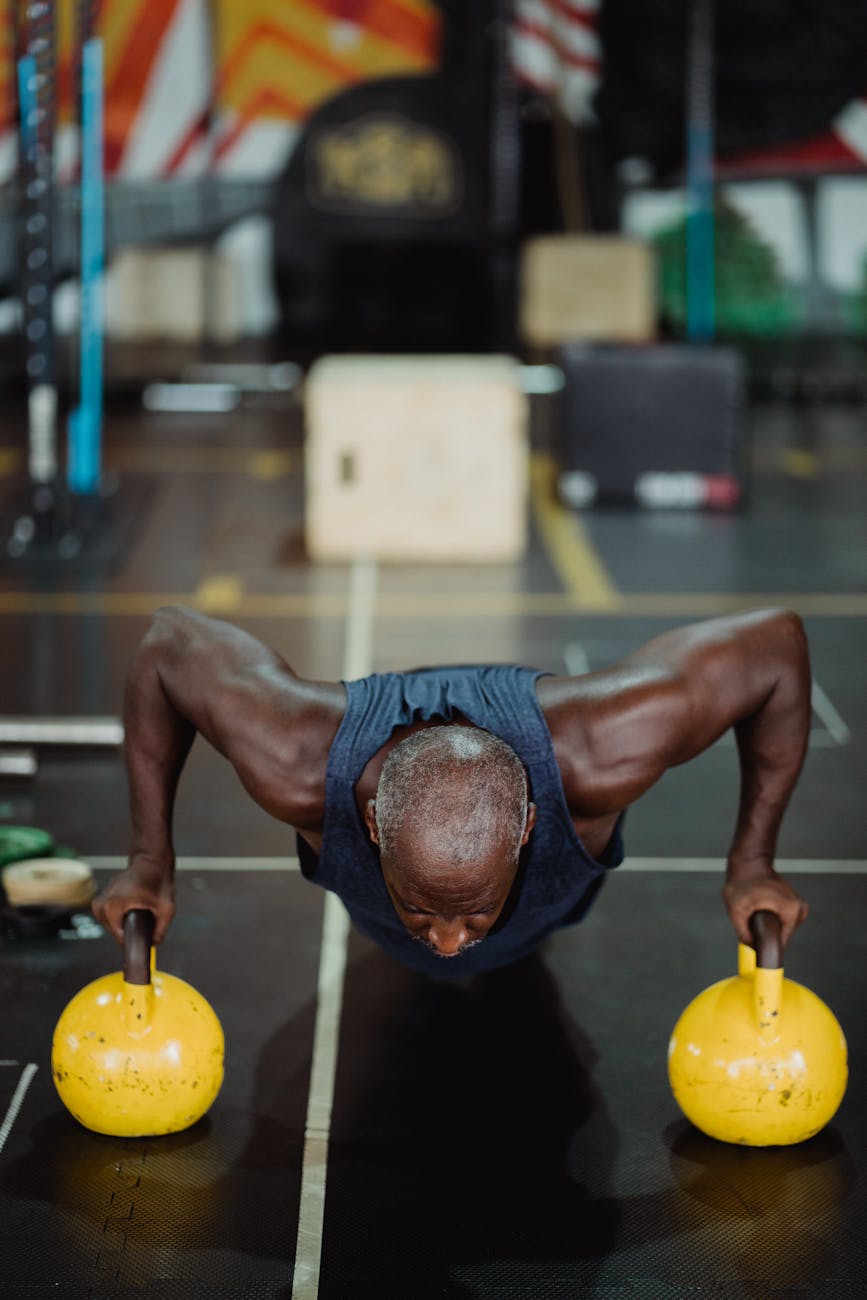
One essential aspect of advanced calisthenics is developing superior control and stability throughout your body. This is evident in exercises like planche push-ups, where you must maintain a plank position with your hands placed closer to your feet than shoulder width apart. Other challenging movements include the front lever and back lever, which require impressive core strength and upper body control.
To progress in advanced calisthenics, it’s crucial to adopt a disciplined approach and continuously refine your technique. This includes focusing on proper form, practicing consistently, and gradually increasing the difficulty of your workouts. Additionally, incorporating progressive overload – adding weight, resistance or complexity over time – is essential for continued growth.
While it might be tempting to rush into advanced calisthenics movements, it’s essential to remember that each person progresses at their own pace. Mastering the basics and building a strong foundation of strength and control is vital before attempting more complex exercises. Additionally, always prioritize safety over ambition when exploring new challenges in your training regimen.
How to Do Elite Calisthenics
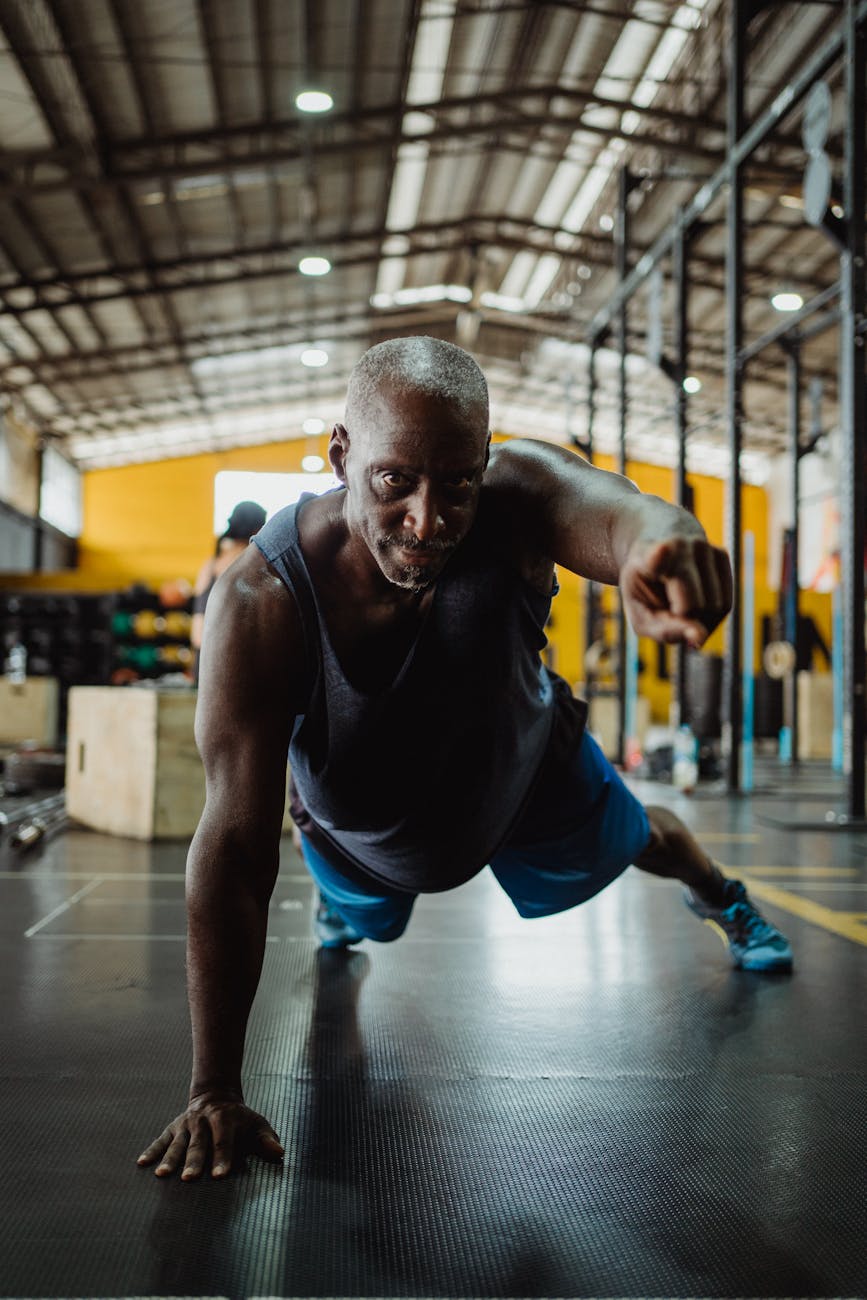
Elite calisthenics represents the pinnacle of human bodyweight mastery, a discipline often perceived as requiring near-superhuman strength and coordination. It’s more than just doing lots of pull-ups or push-ups; it’s about achieving fluidity, precision, and control over one’s own body using only its weight and environment for resistance. A key distinction from beginner calisthenics lies in the emphasis on time under tension – holding positions, controlling transitions, and maximizing the effectiveness of each movement’s range of motion. This often involves incorporating a greater degree of anatomical awareness; knowing exactly which muscles are firing at each point to ensure efficiency and maximize engagement.
Progression towards elite level generally involves mastering foundational movements first, pull-ups, push-ups, dips, squats, handstands, and then expanding the movement vocabulary with variations that increase difficulty or add an element of complexity. Think one-arm pull-up progressions using assisted grips, pistol squat drills incorporating hip flexor activation cues, or handstand holds focusing on scapular stability and core engagement. Elite calisthenics also embraces a greater degree of spatial awareness; often integrating movements into more dynamic flows that incorporate the entire body in three dimensions. This can include combining levers with presses to build strength and coordination effectively. “Flow” here isn’t just about linking moves together pretty, but about finding the most efficient way to move from A to B while maintaining control and maximizing time under tension.
Consider Koji Fit, a Japanese calisthenics athlete who routinely performs impressive feats of human geometry using only his bodyweight. His one-arm handstand push-up flow is particularly striking – he transitions seamlessly from a solid one-arm handstand into a controlled push-up, then back to the handstand, demonstrating exceptional core stability and arm strength. This kind of control comes from years of dedicated practice, paying close attention to details like limb positioning, scapular placement, and breath synchronization.
Elite calisthenics embraces consistency and mindful practice. It’ “good enough” can be the enemy of great here; focusing on perfect form and full range of motion during each repetition ensures maximal benefit. Tracking progress, whether through video analysis or simply noting improvements in endurance and control, helps maintain motivation and identify areas for refinement. The journey to elite calisthenics is a long one, but with dedication and mindful practice, it’s certainly achievable.
Calisthenics Elite – a Complete Guide

The first phase involves mastering fundamental bodyweight movements, such as push-ups, pull-ups, squats, planks, and lunges. These exercises establish the basis for progression, requiring precision in alignment and control to develop proper movement patterns. Beginners should start with modified versions of these moves, e.g., knee push-ups instead of full push-ups or assisted pull-ups, before gradually transitioning to their unassisted counterparts. This incremental approach minimizes injury risk and ensures muscle memory is formed correctly before adding complexity.
Skill advancement introduces dynamic movements requiring coordination and timing, such as muscle-ups, front levers, and planche variations. These require sustained focus on alignment, grip strength, and body tension. Beginners must prioritize drills to isolate components of these moves, e.g., strict pull-up progressions with ring rows or leg raises for the planche. Advanced learners might split sessions into concentration periods, dedicating hours to perfecting a single skill before integrating it into full routines.
Conditioning is crucial for sustaining prolonged effort and preventing plateaus. Calisthenics mastery demands cardiovascular stamina to power through circuits like AMRAPs (As Many Rounds As Possible) or sustained holds like L-sits or handstand walkouts. High-intensity interval training (HIIT) can be integrated with bodyweight complexes, alternating explosive movements with rest intervals to build both strength and endurance.
Performance refinement requires meticulous attention to detail. Elite calisthenics athletes focus on micro-adjustments: perfecting shoulder angle during handstands, optimizing leg alignment in pistol squats, or ensuring pelvic tilt consistency for back levers. This phase often involves video analysis of one’s form, comparing it against expert demonstrations to identify inefficiencies. Advanced practitioners might employ eccentric emphasis training, focusing on the lowering portion of exercises to enhance muscle control and hypertrophy.
Consistency is non-negotiable; daily practice (or frequent sessions) outperforms sporadic marathon workouts. Rest days are equally vital, allowing for recovery without stagnation. Nutrition must align with training demands, protein intake supports muscle repair, while adequate calories fuel intensity. Hydration and sleep quality also play roles in maximizing gains.
Mental fortitude separates masters from mere proficient practitioners. Mastery requires resilience to frustration during plateaus and patience as progress emerges slowly. Visualization techniques can help internalize correct movement mechanics, while goal-setting frameworks like SMART objectives (Specific, Measurable, Achievable, Relevant, Time-bound) provide direction.
The Ultimate Guide to Elite Calisthenics
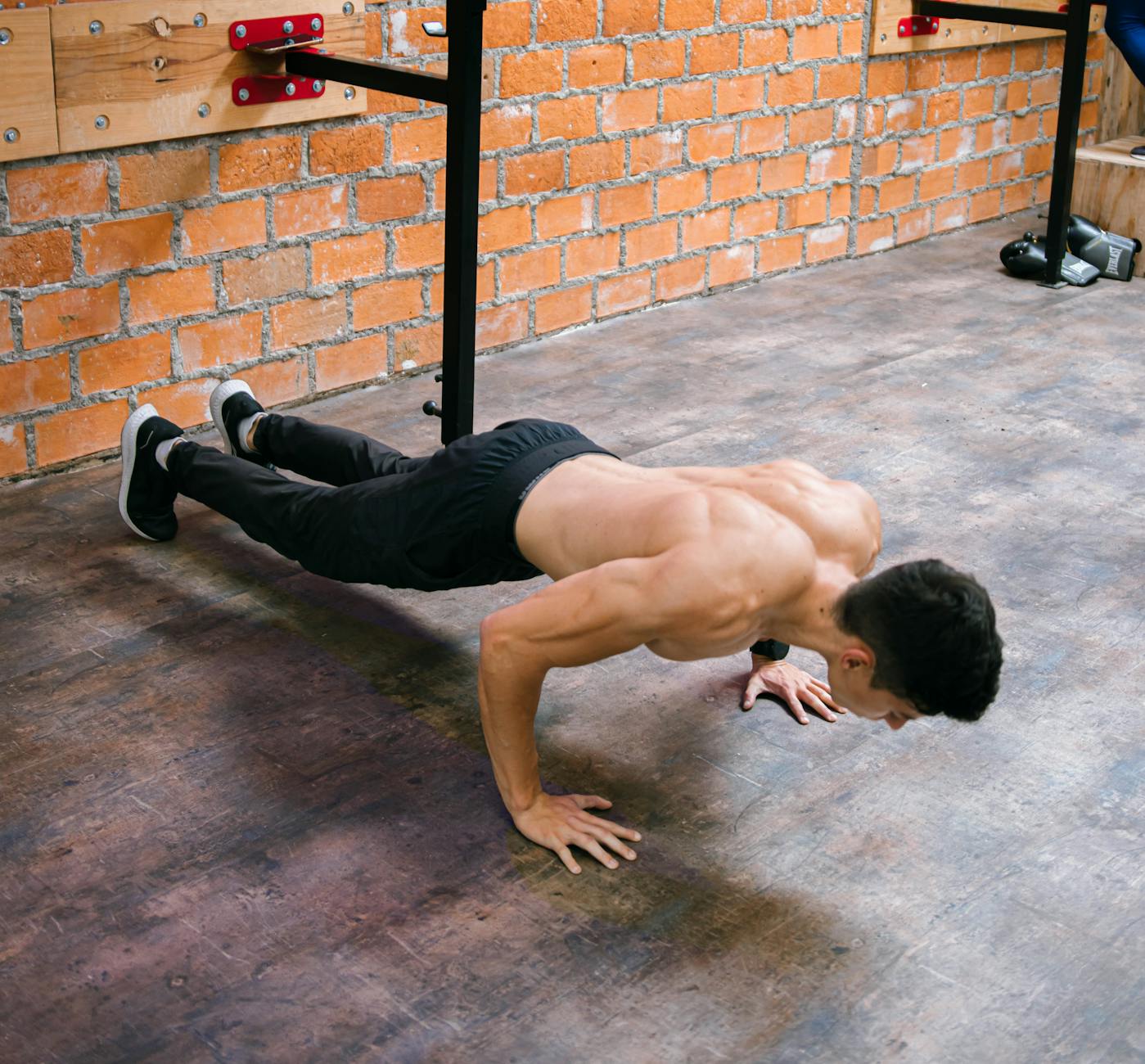
Elite calisthenics represents the pinnacle of bodyweight training, blending strength, flexibility, and precision to achieve dynamic movements with remarkable control. This guide delves into the essential principles for beginners aspiring to reach mastery in this discipline, while also addressing the advanced techniques that distinguish elite practitioners. Calisthenics is not merely a form of exercise but an art that harmonizes physical prowess with environmental sustainability, as it requires minimal equipment and can be practiced virtually anywhere, reducing its ecological footprint.
For beginners, the foundation lies in mastering basic movements such as push-ups, pull-ups, dips, squats, and planks. These exercises form the building blocks for more complex routines. Progression is key; starting with bodyweight variations and gradually incorporating advanced techniques like muscle-ups, planche, and handstands requires patience and a structured training plan. Consistency in practice ensures not only physical development but also mental fortitude, as calisthenics demands discipline and perseverance.
As practitioners advance, the focus shifts to enhancing technical skills and muscle activation. Isolation exercises such as eagle pulls and T-hangs improve grip strength and shoulder stability, crucial for high-level movements. Integrating plyometric drills like box jumps and clap push-ups boosts power output, essential for explosive feats such as one-arm push-ups or toe-to-bar pull-ups. Advanced techniques often involve manipulating body positioning to challenge stability and balance, such as in the case of a human flag or front lever.
Elite calisthenics emphasizes the importance of recovery and nutrition for sustaining performance at peak levels. Active recovery through mobility exercises and stretching prevents injury and maintains flexibility, while a balanced diet supports muscle repair and energy replenishment. Hydration is equally vital to optimize physical capabilities and cognitive function during training sessions.
The environmental aspect of elite calisthenics cannot be overlooked. By relying on bodyweight exercises, practitioners minimize their reliance on synthetic equipment, reducing waste and resource consumption. Outdoor training environments further align with sustainability, as they promote connection with nature and reduce the need for energy-intensive gym facilities. This eco-conscious approach not only benefits the individual but also contributes to a healthier planet, embodying the holistic ethos of calisthenics.

Advanced Elite Calisthenics Guide
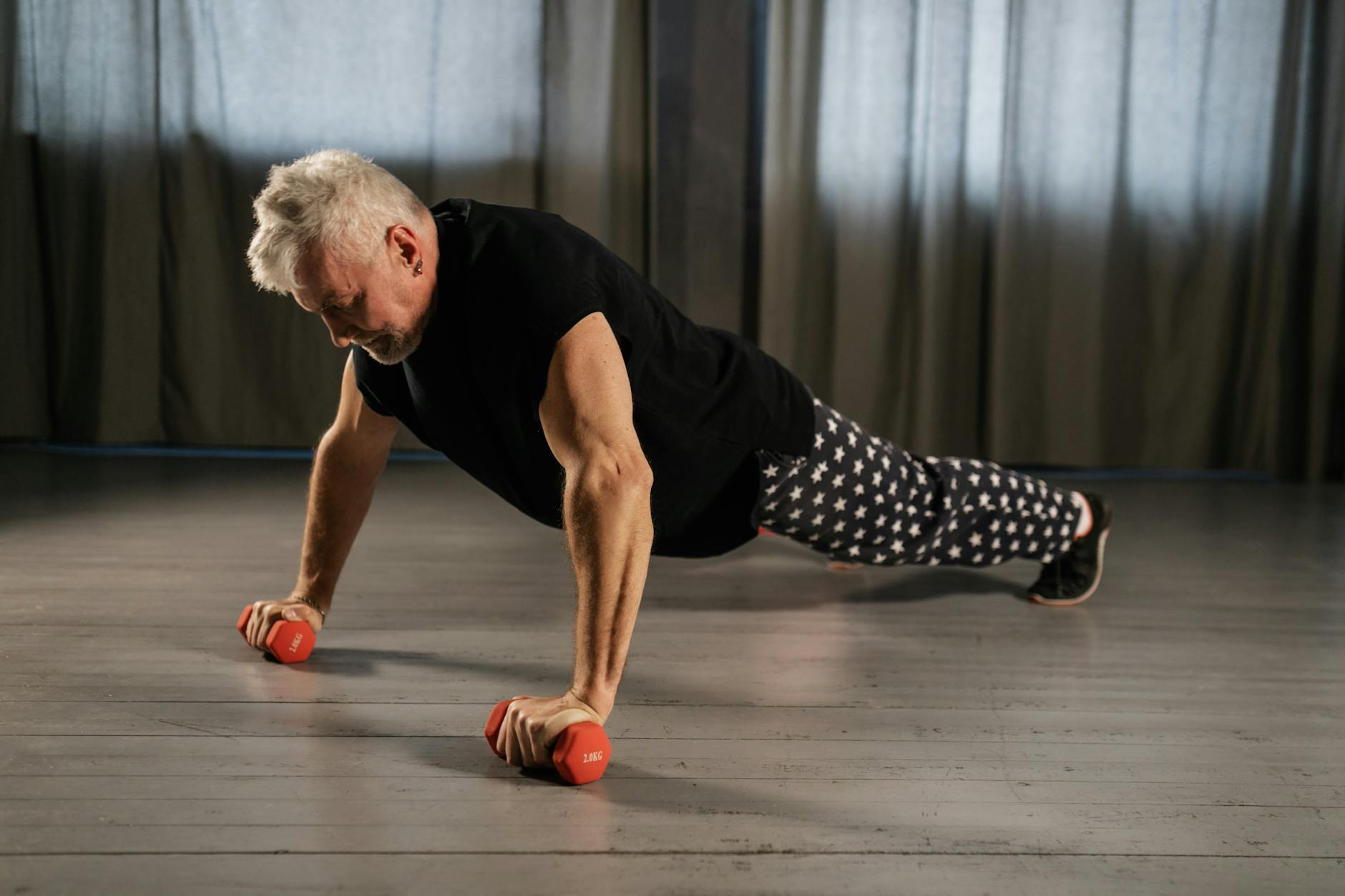
Mastering calisthenics goes beyond the basic level of fitness and opens up a world of advanced techniques and benefits. While beginners may focus on learning the foundational movements and building strength, mastery allows for greater control, precision, and complexity in executing exercises.
Calisthenics, meaning “beautiful skills,” originated as a military training regimen to improve agility, flexibility, and endurance. As the practice evolved, so did the techniques, leading to an extensive repertoire of advanced moves that require significant skill and proficiency. Mastering these techniques not only improves physical abilities but also enhances mental focus and discipline.
Another advantage of mastering calisthenics lies in the versatility and adaptability of the practice. With no need for external equipment, calisthenics can be practiced anywhere, making it an ideal fitness routine for those who travel frequently or have limited access to gym facilities. Advanced techniques also allow for creative variations and progressions, ensuring that workouts remain challenging and engaging.
Mastering calisthenics provides a sense of accomplishment and self-confidence. Achieving advanced moves requires dedication, perseverance, and patience, making the journey to mastery a rewarding one both physically and mentally. Furthermore, these skills can be showcased in performances or competitions, adding an element of excitement and motivation to the practice.
The Ultimate Guide to Elite Calisthenics Mastery
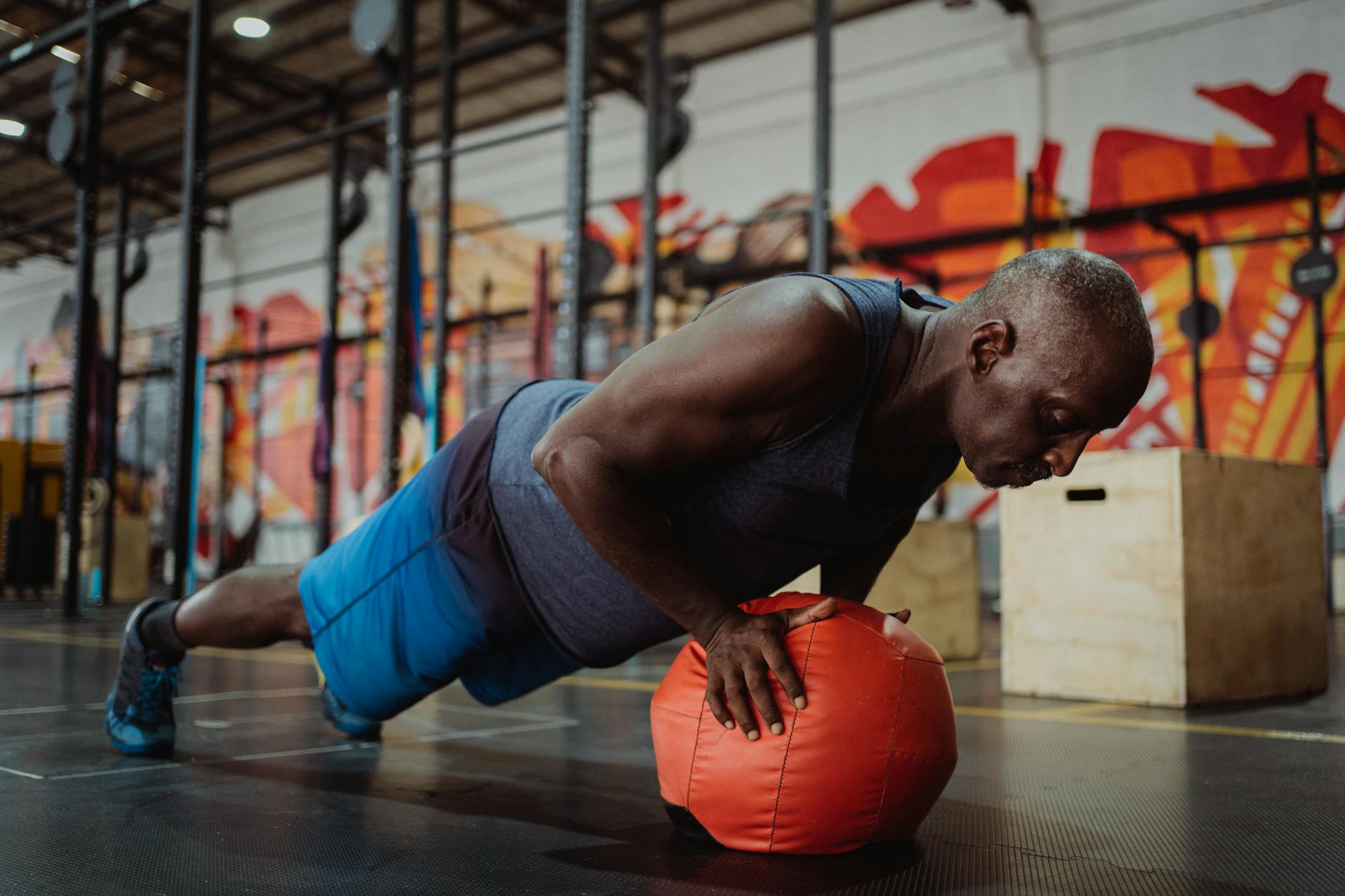
Elite calisthenics mastery is a multifaceted pursuit that demands dedication, technique, and an understanding of the intricate balance between advanced progression and elite-level execution. For beginners, the journey into calisthenics often starts with foundational movements such as push-ups, pull-ups, and squats. As one advances, the complexity increases, incorporating elements like muscle-up transitions, handstands, and planche holds. The transition from advanced to elite calisthenics is not merely about increasing difficulty but rather about refining execution, understanding biomechanics, and integrating dynamic flow with precision.
At the advanced level, practitioners focus on perfecting their form and control in more challenging movements such as one-arm push-ups, Tiger Takes Off (TTO), and L-sits. These exercises require a deep understanding of body positioning, muscle activation, and breath control to execute safely and efficiently. Mastery at this stage involves developing the ability to perform these movements with clean technique across a range of variations, ensuring that each movement is not only technically sound but also fluid and dynamic.
A dynamic example of advanced interacting with elite calisthenics is the execution of a “flag breakaway.” This involves performing a flag (a one-legged handstand with the body parallel to the ground) and then transitioning into a backflip or cartwheel. The advanced aspect lies in the ability to hold the flag position stably while maintaining core engagement, whereas the elite challenge is in the seamless transition from static hold to dynamic movement, requiring precise timing and spatial awareness.
To achieve elite mastery, one must cultivate a deep understanding of kinetic chain efficiency, which involves optimizing the sequence of muscle activation to generate power and control. This requires countless hours of practice, often involving drills that isolate specific movements or combinations thereof. Additionally, flexibility and mobility play crucial roles, as they allow for greater range of motion and reduce the risk of injury during complex routines.
Mental resilience is paramount at the elite level. The ability to perform under pressure, whether in competition or demonstration, necessitates a combination of confidence, focus, and the capacity to recover from setbacks. Elite calisthenics practitioners often train using visualization techniques and mental rehearsals to prepare for high-stakes performances, ensuring that their routines are not only technically proficient but also emotionally controlled.
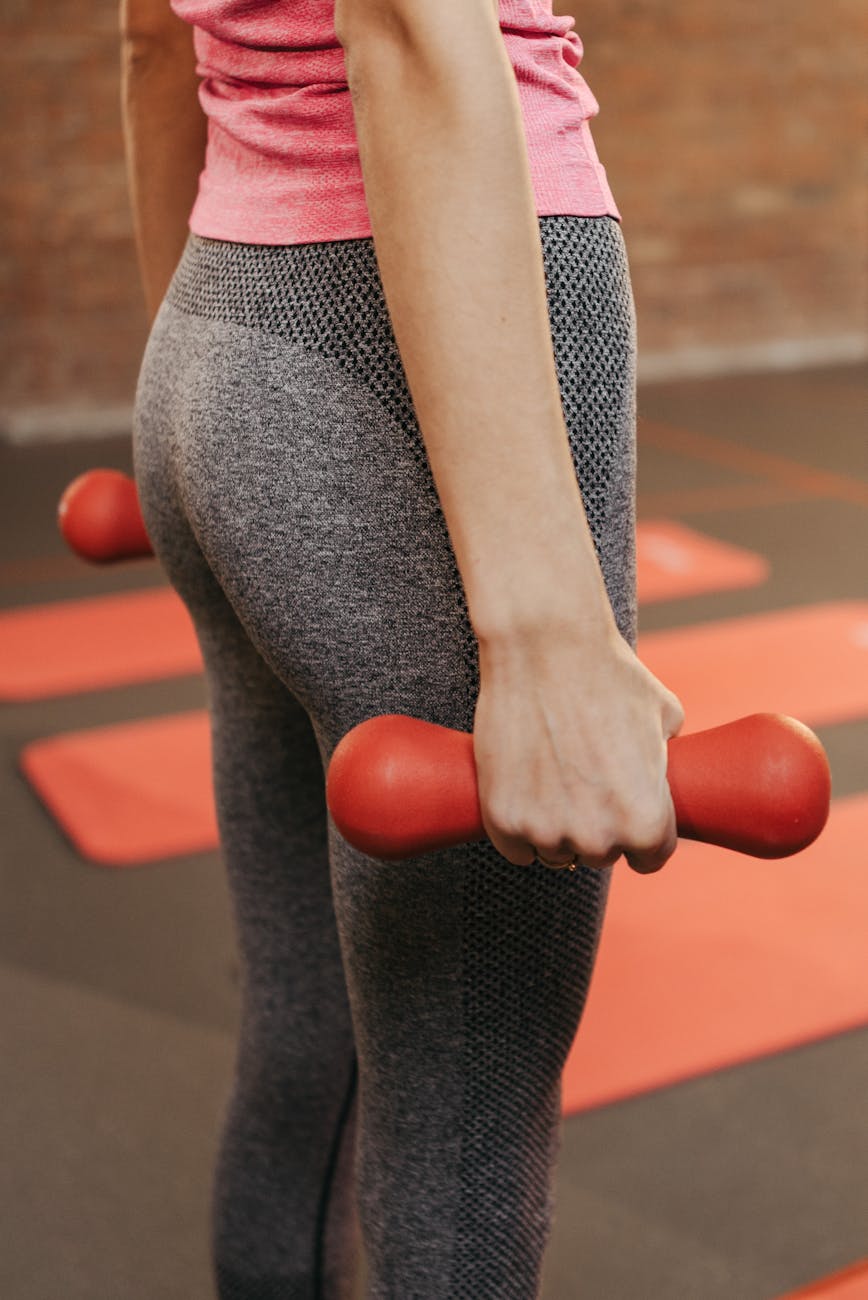
A Beginners Guide to Elite Calisthenics
Elite calisthenics is a dynamic and challenging form of exercise that relies on bodyweight movements to build strength, flexibility, and muscle. As one progresses from beginners to mastery in elite calisthenics, the guide scales with increasing complexity by integrating advanced techniques, methodologies, and training strategies designed to push the limits of physical capabilities. This evolution is marked by a shift from foundational exercises to more intricate movements that demand precision, control, and power.
For beginners, the focus is on building a strong foundation through basic calisthenics such as push-ups, pull-ups, squats, and planks. These exercises enhance muscle endurance, stability, and coordination while acclimating the body to the demands of calisthenic training. As proficiency increases, intermediate-level practitioners introduce variations and progressions of these movements, such as one-arm push-ups, muscle-ups, and handstand push-ups. These advanced exercises challenge the body’s strength and balance, requiring a deeper understanding of biomechanics and proper form to execute safely and effectively.
At the elite level, calisthenics transform into a sport of precision and artistry, where movements become fluid and dynamic. Athletes employ complex techniques such as giants, planche holds, and inverted human flag variations, which demand exceptional core strength, mobility, and technical skill. The guide for advanced practitioners emphasizes the integration of these advanced movements into cohesive routines that showcase both power and grace. It also incorporates elements of gymnastics, such as flips, tucks, and releases, to enhance performance and aesthetics.
Mastery in elite calisthenics is achieved through a meticulous approach to training, recovery, and nutrition. The guide for advanced practitioners includes detailed plans for periodization, progressive overload, and recovery strategies to prevent plateaus and injury. It also delves into mental preparation, visualization techniques, and mindfulness practices to cultivate focus and resilience during high-intensity workouts. As one ascends the calisthenics hierarchy, the guide evolves to address the intricacies of competition, performance coaching, and continuous improvement, ensuring that athletes remain at the forefront of this elite discipline.
