
Advanced calisthenics encompasses a diverse array of exercises that leverage body weight to enhance strength, flexibility, and muscle endurance. These movements transcend basic push-ups and pull-ups, incorporating complex freestyle routines designed for those seeking to elevate their fitness journey. The essence of advanced calisthenics lies in its fluidity and creativity, allowing practitioners to construct personalized workout plans that challenge the body in innovative ways.
To embark on an advanced calisthenics regimen, one must first establish a solid foundation through mastery of foundational exercises. This includes perfecting form for movements such as planche, muscle-ups, and one-arm push-ups, which serve as building blocks for more intricate routines. Flexibility and mobility are equally crucial, as they enable the full range of motion necessary for advanced techniques. Regular stretching and dynamic warm-ups are essential to prevent injury and optimize performance.
Advanced calisthenics also emphasizes the development of core stability and balance, which are fundamental to executing complex movements with precision. Exercises like planks, side planks, and inverted rows target deep stabilizer muscles, ensuring that force is generated efficiently from the center of the body outward. This foundational strength prevents compensatory movement patterns that could lead to injury during advanced routines.
Hydration and nutrition play critical roles in supporting an advanced calisthenics practice. Adequate protein intake is necessary for muscle repair and growth, while carbohydrates provide the energy required for high-intensity sessions. Post-workout recovery involves replenishing glycogen stores and electrolytes lost through sweat, ensuring readiness for subsequent training days.
Advanced calisthenics demands a strong mental framework, as pushing beyond physical limits often requires overcoming psychological barriers. Consistency, patience, and resilience are key virtues for those pursuing mastery in this discipline. By setting incremental goals and celebrating small victories, practitioners can maintain motivation and foster a lifelong commitment to fitness excellence.

The Ultimate Guide to Advanced Calisthenics Training
Advanced calisthenics training is a comprehensive approach to physical fitness that relies on bodyweight exercises performed with precision and control. Unlike traditional weightlifting, calisthenics emphasizes functional strength, flexibility, and coordination. This guide provides an in-depth exploration of advanced techniques, routines, and strategies for individuals seeking to elevate their calisthenics training to the next level.
To embark on advanced calisthenics, it is crucial to establish a strong foundation through mastery of fundamental movements such as push-ups, pull-ups, dips, squats, and planks. These exercises serve as building blocks for more complex maneuvers like muscle-ups, planche, handstands, and one-arm push-ups. Progression is key; athletes must gradually increase difficulty by reducing rest periods, decreasing set times, or incorporating dynamic movements such as jumps and spins into their routines.
Advanced calisthenics training often involves a blend of strength, power, and flexibility training. Strength focuses on maximizing muscle endurance through controlled repetitions and progressive overload. Power development is achieved by performing explosive movements with high intensity, such as clap push-ups or kipping pull-ups. Flexibility work enhances range of motion, allowing for more intricate exercises like backflips or handstand walks. Integrating these elements demands a well-structured plan that balances skill acquisition with recovery and nutrition.
A common misconception is that calisthenics training is limited to bodyweight exercises alone. While foundational movements rely on the body’s weight, advanced practitioners frequently incorporate external resistance bands or weights to challenge muscle groups further. This approach not only accelerates strength gains but also diversifies the training stimulus, preventing plateaus and promoting continuous progression.
When comparing calisthenics plans with traditional gym-based routines, several distinctions emerge. Calisthenics emphasizes freestyle movement patterns that mirror real-life activities, fostering holistic fitness. In contrast, gym-based training often focuses on isolated muscle groups using machines or free weights. While both approaches can yield impressive results, calisthenics offers a more integrated and dynamic approach to physical development.
To optimize advanced calisthenics training, athletes should prioritize consistency, proper technique, and progressive overload. Detailed journals or logs can track workouts, monitor progress, and identify areas for improvement. Additionally, incorporating cross-training activities such as yoga or Pilates can enhance flexibility and recovery, complementing the rigorous demands of calisthenics.
The 12-Week Beginner Calisthenics Program
The 12-Week Beginner Calisthenics Program is designed to provide a structured approach for individuals new to calisthenics, progressively building strength, flexibility, and endurance. This program emphasizes compound movements that engage multiple muscle groups, ensuring balanced development. The key elements of this program include consistency, proper technique, and progressive overload. Beginners must adhere strictly to the prescribed routines, focusing on mastering form before increasing intensity or volume.
The program is divided into three phases, each lasting four weeks, with a progressive increase in difficulty. Phase one focuses on foundational movements such as push-ups, pull-ups, squats, and planks, designed to establish a baseline of strength and control. Beginners start with bodyweight exercises at minimal intensity, gradually increasing reps or sets as comfort and proficiency improve. This phase prioritizes learning proper execution and building a habit of regular practice.
Phase three is dedicated to integrating dynamic movements and plyometrics, such as jump squats and clap push-ups, to improve power and explosiveness. This phase challenges beginners to apply the skills developed in previous phases to more advanced calisthenics routines. As fitness levels rise, participants can experiment with circuits and super-sets to maintain intensity and engagement. The program concludes by encouraging beginners to transition into a maintenance plan that incorporates progressively challenging routines.
Throughout the 12-week program, beginners interact closely with core principles of calisthenics training, such as bodyweight dependence, fluidity of movement, and functional efficiency. They learn to leverage their body weight as resistance, developing a deep understanding of muscular activation and joint stability. Interaction with other common elements, such as rest days and nutrition, is crucial for optimizing performance and recovery. By adhering to the program’s structure and principles, beginners can effectively transition from basic calisthenics to more advanced routines, setting a solid foundation for future progression in their training journey.
The Ultimate Advanced Calisthenics Program


In the realm of calisthenics, progression from beginner to advanced levels requires a strategic and well-structured training program. This hybrid approach merges fundamental calisthenic exercises for beginners with advanced techniques, fostering continuous growth and development.
Foundational movements serve as the bedrock of any calisthenics routine. Beginners’ exercises focus on developing strength in essential muscle groups, such as the chest, back, core, shoulders, hips, and legs. Push-ups, dips, squats, lunges, planks, and bridges form the cornerstone of a beginner’s regimen. These exercises can be modified to suit various fitness levels and abilities.
As strength and proficiency grow, it’s time to incorporate advanced calisthenics moves into the routine. Freestanding handstand push-ups, pistols (single-leg squats), planches, and L-sits are examples of more complex exercises that challenge both muscular endurance and stability. These moves require a higher level of strength, balance, and coordination compared to beginner exercises.
Incorporating advanced moves into a routine doesn’t mean abandoning foundational exercises entirely. Instead, they should coexist as complementary components of the training program. Foundational movements continue to serve as essential building blocks, while advanced techniques challenge and stimulate further growth.
To create an effective hybrid calisthenics program
Begin with a strong foundation by mastering beginner exercises. Aim for at least three sets of 10-12 repetitions for each movement before moving on to the next progression.
Introduce intermediate steps between foundational movements and advanced techniques as needed, allowing the body to adapt gradually.
Incorporate advanced moves into your routine sparingly and only when you’ve gained sufficient strength, stability, and control.
Focus on form and technique during each exercise, ensuring proper execution to minimize injury risk and maximize results.
Perform the workout 2-3 times per week, allowing for adequate rest between sessions to enable recovery and growth.
The Ultimate Guide to Calisthenics Progression
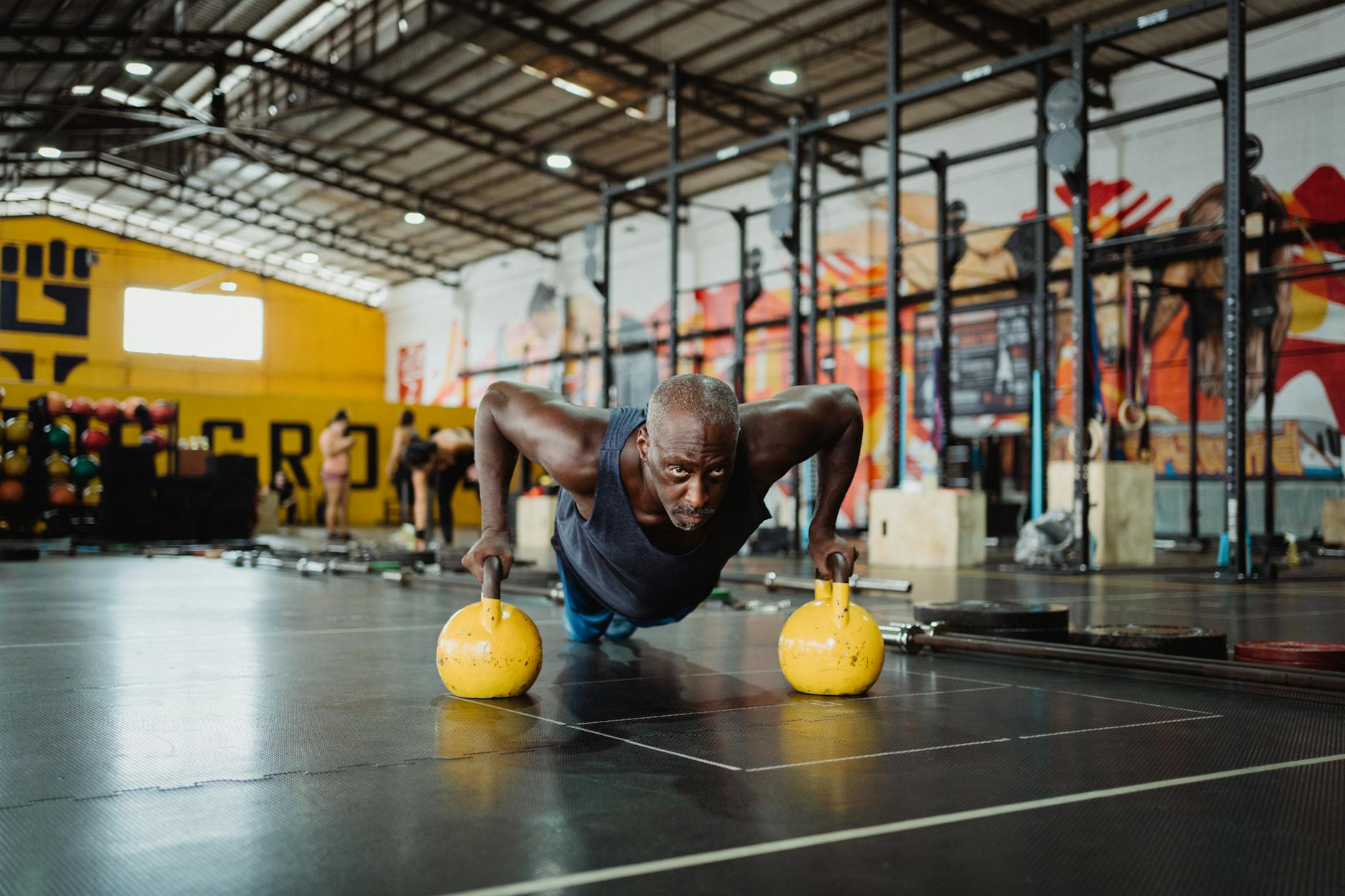
Calisthenics progression is a vital aspect of any workout routine, as it allows individuals to continually challenge their bodies and achieve continuous improvement. As you advance through the different stages of calisthenics training, understanding how to progress effectively becomes essential for maintaining motivation and achieving your fitness goals. This guide will explore the fundamental principles of calisthenics progression, from basic exercises to advanced techniques, and discuss potential future advancements in plan development.
As you advance to intermediate levels, it is time to introduce more complex movements that challenge your strength, flexibility, and control. Exercises such as muscle-ups, planche, and one-arm push-ups require a higher degree of skill and coordination. To progress effectively in these advanced exercises, focus on building the necessary strength and technique through targeted training. This may involve working on isolated muscle groups, improving mobility, or refining specific movements through drills and practice.
The incorporation of periodization strategies could further enhance calisthenics progression. Periodization involves structuring training cycles around specific goals, such as building strength or endurance, and varying the intensity, volume, and type of exercises throughout these cycles. This approach allows for targeted development in different areas while minimizing the risk of overtraining and injury.
The Ultimate Guide to Calisthenics Freestyle
Calisthenics freestyle, also known as “street workout” or “playground workout,” is a training methodology that emphasizes full-body workouts using only your bodyweight. This style goes beyond the structured exercises of traditional calisthenics by incorporating creativity, flow, and personal expression. Whether you are a beginner or an advanced trainee, freestyle offers a unique and rewarding approach to fitness.
The fundamental principles of calisthenics freestyle include mastery of various bodyweight movements, fluid transitions between exercises, and the continuous pursuit of new challenges. By focusing on these elements, you can create dynamic and engaging workout sessions that challenge both your physical abilities and your imagination.
Beginner’s Journey: Laying the Foundation
To embark on your calisthenics freestyle adventure, start by learning the basic movements. These exercises form the foundation for more complex maneuvers. Some essential beginner exercises include
Squats: A full range-of-motion squat targets your quadriceps, hamstrings, and glutes. Perform the movement with proper form to ensure maximum benefits.
Push-ups: This classic chest exercise engages multiple muscle groups, including your pectorals, triceps, and core. Begin with knee push-ups if necessary, gradually progressing to standard push-ups as your strength improves.
Dips: Dips primarily target your triceps and chest, making them a valuable addition to any calisthenics routine. Perform dips on parallel bars or bench edges, maintaining a controlled descent and ascent.
Planks: This core exercise strengthens your abdominal muscles while engaging your back and glutes. Hold the position for as long as you can, focusing on maintaining a straight line from head to heels.
As a beginner, dedicate time to practicing these movements daily or every other day. Consistency is crucial in building strength and confidence.
Advanced Explorations: Pushing Your Limits
Once you have a solid foundation in calisthenics freestyle, it’s time to explore more advanced techniques. Some challenging exercises for the intermediate and advanced trainee include
Planche: This advanced push-up variation requires a significant amount of core, shoulder, and back strength. To progress towards a planche, practice planche leans and tucks, gradually increasing your hold time and decreasing knee bend.
Handstands: A handstand is an impressive feat that engages multiple muscle groups, including your shoulders, core, and glutes. Use a wall or spotter for support when learning, then work on holding the position for longer durations.
Muscle-ups: This compound exercise combines a pull-up and a dip, targeting your back, arms, and core. Begin with pull-ups and dips separately, gradually working towards linking them together for a continuous muscle-up.
L-sits: An L-sit is an advanced abdominal exercise that requires significant core strength to hold your legs off the ground while keeping your back straight. Practice bridges, V-sits, and hollow body holds to build the necessary foundation before attempting this movement.
These advanced exercises represent just a few of the many possibilities within calisthenics freestyle. The key to progression is consistency and dedication to continuous improvement.
Additional Resources: Fueling Your Freestyle Journey
To enhance your calisthenics freestyle experience, explore various resources that can help you expand your knowledge and provide inspiration for new challenges. Some valuable resources include
Online tutorials: Websites like YouTube offer a wealth of information on calisthenics exercises, techniques, and training plans. Search for specific movements or workout routines to learn new skills and refine your form.
Training apps: Apps such as StrongLifts or JEFIT can help you track your progress and provide workout plans tailored to your fitness goals. Incorporate these tools into your routine to ensure consistency and structure.
Social media communities: Connect with other calisthenics enthusiasts through social media platforms like Instagram, Facebook, and Reddit. Share tips, ask questions, and be inspired by others’ progress and creativity.
Training partners: Partner workouts can add a new dimension to your training, offering opportunities for spotting, encouragement, and friendly competition. Find a local calisthenics group or seek out like-minded individuals in your community.
By utilizing these resources, you can expand your calisthenics freestyle knowledge and continue pushing yourself towards new challenges and achievements. Remember that the journey is as essential as the destination, so enjoy the process of learning and
The Ultimate Guide to Advanced Calisthenics Mastery
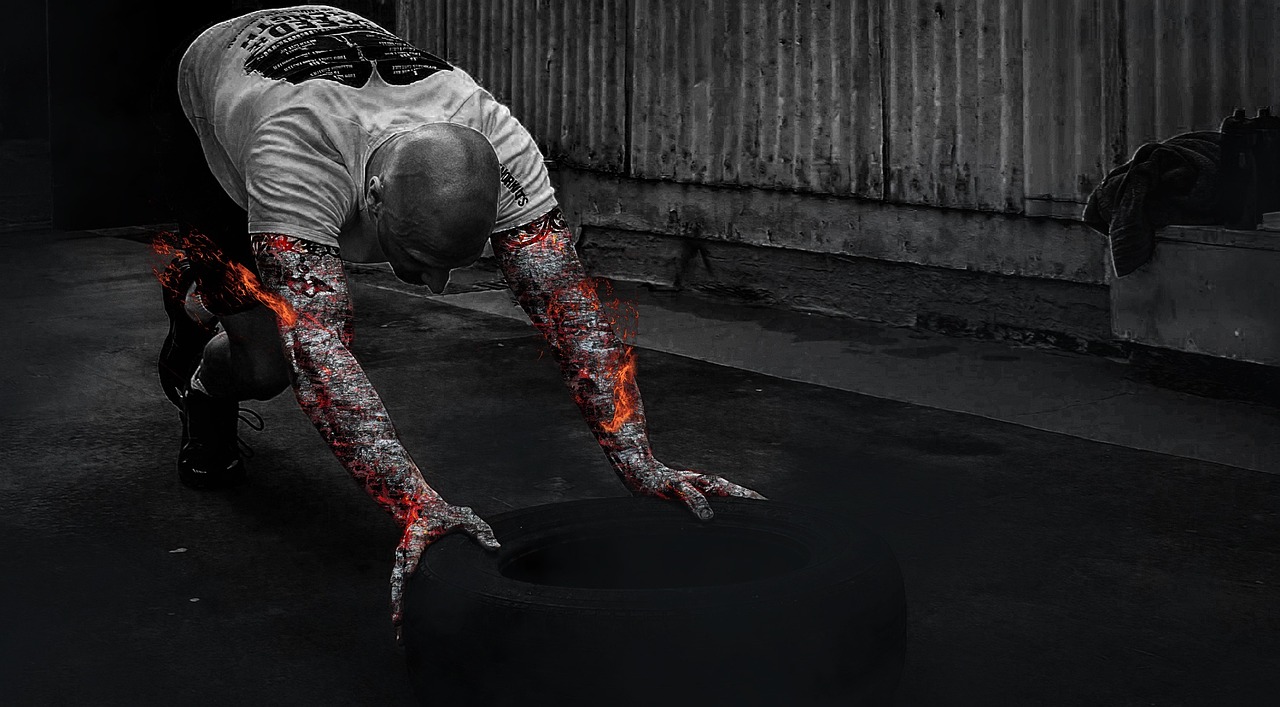
Freestyle calisthenics, the practice of performing bodyweight exercises without fixed routines or equipment, scales in complexity and size as practitioners progress through different stages. This progression ensures continuous development, challenging the body in new ways while maintaining a balance between skill acquisition and physical endurance.
At its foundation, freestyle calisthenics involves basic movements such as push-ups, pull-ups, dips, squats, and lunges. These foundational exercises serve as building blocks for more intricate routines. Beginners start with these fundamental moves, focusing on mastering proper form and control before advancing to variations or combinations of these exercises.
Once these foundational skills are firmly established, practitioners can incorporate compound movements into their routines. These multi-joint exercises combine elements of several basic moves, such as the muscle-up, a move that seamlessly transitions from a pull-up to an overhead dip. Muscle-ups demand exceptional coordination, strength, and timing, representing a significant leap in difficulty from the individual components.
Advanced practitioners often explore more complex freestyle routines that interweave multiple exercises seamlessly. This may include sequences of moves such as a planche push-up followed immediately by a front lever row or a muscle-up transitioning into an L-sit hold. Such routines demand superior strength, flexibility, and control, pushing the limits of what can be achieved with just bodyweight training.
Scalability also extends to intensity and duration. Practitioners may incorporate timed holds, such as holding a planche position for several seconds, or perform sets of increasingly complex sequences in rapid succession. Advanced calisthenics athletes might engage in fluid, continuous routines that flow from one move to another with minimal rest, showcasing mastery over both physical and mental endurance.
Freestyle calisthenics is not only about physical scaling but also about mental mastery. Practitioners must develop spatial awareness, timing, and rhythm to perform complex sequences smoothly. This requires advanced planning and practice, as well as a deep understanding of one’s body mechanics and limitations.
The scalability of freestyle calisthenics extends into creative expression. Experienced practitioners may invent entirely new routines or movements that draw from various disciplines, dance, gymnastics, martial arts, and adapt them to their own calisthenics style. This fusion of skills and creativity allows for a highly personalized approach to advanced training.

Calisthenics Workout Plan for Beginners

Calisthenics, a form of exercise that utilizes bodyweight resistance to improve strength and physical fitness, offers a versatile approach for individuals at all levels. For beginners embarking on their calisthenics journey, adopting an advanced workout plan can provide several key benefits over traditional beginner routines. This article explores the advantages of incorporating advanced elements into a calisthenics plan from the outset and how this approach can lead to more efficient progress and skill development.
Advanced calisthenics routines encourage the development of essential motor skills and body awareness. As beginners progress through more complex movements, they refine their neuromuscular coordination and proprioception, the sense of body position in space. These skills are crucial for maintaining proper form during exercises, reducing the risk of injury, and optimizing performance. By familiarizing themselves with advanced techniques early on, beginners can lay a solid foundation for long-term calisthenics success.
Another advantage of adopting an advanced plan is the psychological boost it provides. Mastering challenging movements fosters a sense of accomplishment and motivation, which are critical for maintaining consistent training habits. When beginners set lofty goals and work toward achieving them through advanced exercises, they experience a greater sense of purpose and progress. This positive reinforcement can counteract plateaus and discouragement, common obstacles in fitness journeys, by keeping the mind engaged and the body continually challenged.
Advanced calisthenics routines promote adaptability and creativity in movement execution. As individuals learn to perform complex exercises, they develop problem-solving skills that enable them to modify movements according to their current abilities while still progressing toward more advanced goals. This flexibility in training allows for personalized adjustments, ensuring that each workout remains engaging and effective without becoming repetitive or stagnant.
It is important to note that incorporating advanced elements into a calisthenics plan should be done progressively and with proper guidance. Beginners must prioritize safety by focusing on proper technique, gradually increasing the difficulty of exercises, and listening to their bodies. Working with a knowledgeable coach or following structured progression guides can help ensure that advancements are made in a sustainable manner, minimizing the risk of injury and maximizing benefits.
The Ultimate Guide to Calisthenics Mastery
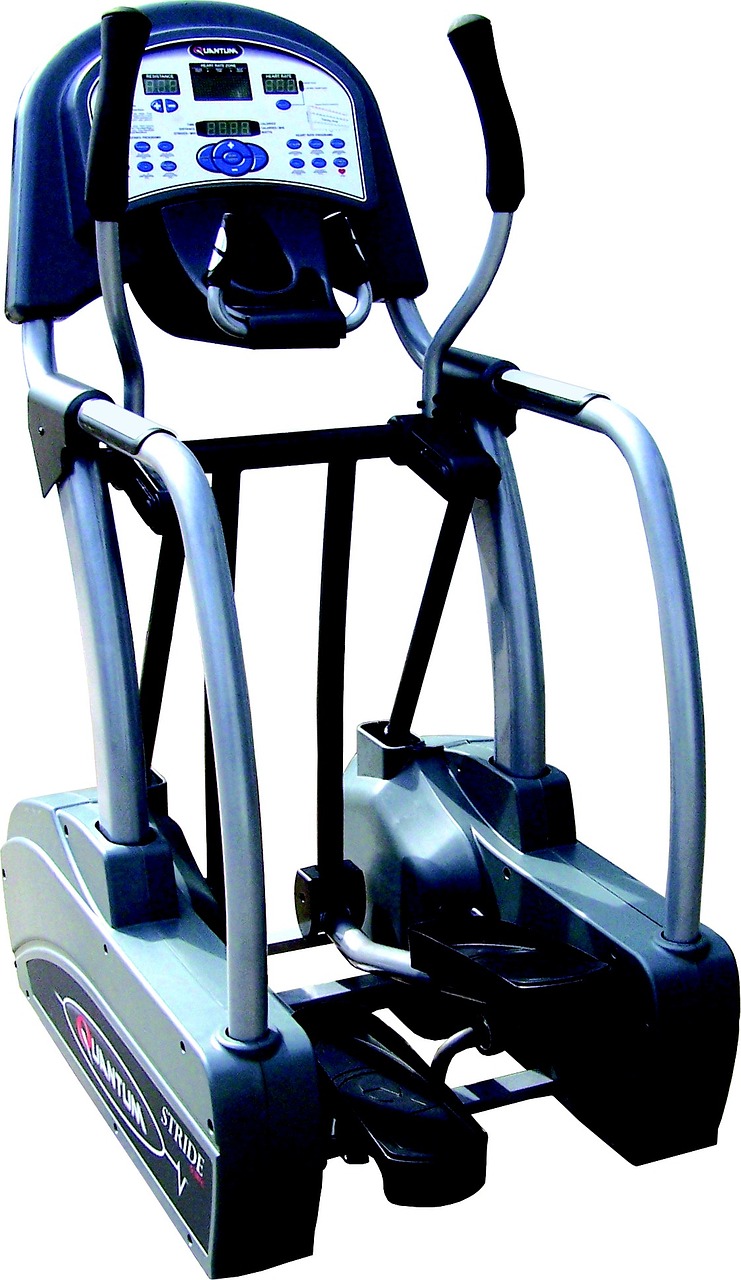
Under extreme conditions, beginners in calisthenics face unique challenges that test their physical and mental resilience. These conditions may include high-intensity workouts, limited rest periods, and demanding environments such as outdoor settings or unconventional training spaces. When pushed to their limits, beginners often experience physiological responses like increased heart rate, elevated core body temperature, and heightened lactic acid production, which can lead to muscle fatigue and reduced performance. Mentally, the pressure of performing under such conditions may induce stress, anxiety, or self-doubt, potentially affecting focus and technique.
Physiologically, the body adapts to extreme conditions through a process called supercompensation. Initially, intense workouts lead to muscle breakdown and tissue damage, known as the “overreaching” phase. As the body repairs itself during rest and recovery, it builds stronger and more efficient muscular tissues, entering the “supercompensation” phase where performance improves beyond pre-training levels. For beginners, navigating this process requires careful monitoring of workload, nutrition, and recovery to avoid overtraining syndrome, characterized by persistent fatigue, decreased immunity, and increased injury risk.
Mentally, building resilience under extreme conditions involves developing a growth mindset, where challenges are viewed as opportunities for learning rather than barriers to success. Techniques such as visualization, goal-setting, and positive self-talk can help beginners maintain motivation and focus during intense training sessions. Additionally, fostering a supportive training environment with peers or a coach can provide encouragement and accountability, mitigating feelings of isolation or discouragement that may arise under pressure.
To safely train in extreme conditions, beginners should prioritize proper warm-up routines to prepare the musculoskeletal system for stress, incorporate dynamic stretches to enhance flexibility, and ensure adequate hydration and nutrition to support energy demands and recovery. Gradual progression in training intensity, volume, and frequency is crucial to allow the body to adapt without compromising health. Monitoring symptoms like prolonged muscle soreness, unexplained fatigue, or persistent pain can help identify potential overtraining issues early, enabling timely adjustments to the training regimen.
The Ultimate Guide to Calisthenics Freestyle Mastery

Calisthenics freestyle, often referred to as bodyweight exercises or gymnastics-based workouts, is a versatile and dynamic form of physical training that emphasizes the use of one’s own body weight for resistance. The fundamental mechanism behind calisthenics freestyle lies in the principles of biomechanics, muscle activation, and coordination. This style of exercise integrates elements from various disciplines such as gymnastics, parkour, and traditional strength training to create a fluid, rhythmic, and expressive workout routine.
At its core, calisthenics freestyle relies on the body’s natural movements and leverage to generate force and enhance physical capabilities. The process involves a deep understanding of joint mechanics, muscle groups, and their interplay during movement. Exercises such as push-ups, pull-ups, dips, squats, and planks are foundational, but they are often modified or combined in creative ways to challenge the body’s stability, balance, and flexibility.
The fluidity inherent in calisthenics freestyle is achieved by transitioning seamlessly from one exercise to another, often without rest. This flow-like quality demands high levels of endurance, agility, and body awareness. Practitioners must constantly adjust their center of gravity, maintain proper form, and anticipate the next movement to execute a sequence smoothly. The ultimate goal is to create a choreographed routine that showcases technical skill, artistic expression, and physical prowess.
Advanced practitioners often incorporate elements of acrobatics, such as handstands, human flags, and backflips, into their routines. These movements require not only exceptional strength but also a deep understanding of body positioning and momentum. The process of mastering these skills involves breaking down complex movements into manageable components, building foundational strength and flexibility, and gradually integrating them into fluid sequences.
Calisthenics freestyle is also characterized by its adaptability to various environments and skill levels. Beginners can start with basic exercises and progressively increase the difficulty through variations in speed, tempo, or the addition of dynamic elements like jumps and spins. As practitioners advance, they may explore more challenging routines that emphasize speed, complexity, and artistic flair.
Beginner Calisthenics Routine

The journey from sedentary to proficient in calisthenics often benefits from a well-structured beginner routine, building foundational strength and body awareness. Historically, calisthenics – the art of graceful and strong movement using one’s own body weight – was a mainstay for military training and physical education across various cultures, predating widespread gym access. Ancient Greek athletes utilized it extensively, incorporating exercises like jumps, squats, and handstands to build all-around fitness. These movements, often performed with good form and emphasizing control, built solid foundations for more advanced feats of strength and flexibility. Modern calisthenics draws on this heritage, offering a versatile training system accessible without much equipment.
A beginner’s routine typically focuses on mastering fundamental exercises: squats, push-ups, rows (often using a table or bar), planks, and lunges. Squats build lower body strength and improve mobility – ensuring good form here is key for core engagement and knee stability. Push-ups target the chest, shoulders, and triceps; modifications like starting on the knees can lighten the load initially. Rows strengthen the back muscles to combat postural imbalances often caused by desk work or sedentary habits. Planks build core endurance, vital for a strong foundation in all exercises. Lunges improve balance and single-leg strength, important for everyday movement patterns.
Progression within this beginner phase relies on increasing repetitions and sets, ensuring good form is maintained throughout. A common starting point might be two to three sets of “as many reps as possible” (AMRAP) for each exercise, focusing on controlled movements rather than rushing through them. Volume can be increased gradually week by week, allowing the body to adapt and build strength effectively. Good core stability also contributes to a smoother progression; think about engaging the abdominal muscles throughout each movement.
Consistency is crucial; aiming for three to four sessions per week allows ample recovery time while maintaining momentum. Listen to the body – some days will feel great, others might require a lighter load or more rest. It’’s also beneficial to incorporate mobility drills into the routine to improve flexibility and range of motion, making movements even smoother and reducing the risk of injury. A well-rounded beginner calisthenics routine establishes these fundamentals, paving the way for continued progress and greater body control.
