
Gymnastics strength training is a multi-faceted discipline demanding exceptional power, endurance, and flexibility. Elite gymnasts utilize advanced methodologies to develop explosive force, precise control, and muscular resilience. Core principles include progressive overload, specificity, and periodization, ensuring continuous adaptation.
Upper body strength forms the foundation of gymnastics prowess. Gymnasts perform high-intensity upper body workouts targeting back, shoulder, arm, and core muscles. Pull-ups, muscle-ups, and ring dips are staples for developing raw power. Advanced variations like weighted pull-ups or one-arm ring pulls intensify training demands. Shoulder stability exercises, such as scapular depressions with resistance bands or single-arm shoulder presses, are critical for maintaining control during complex maneuvers.
Lower body strength development integrates explosive jumps and dynamic movements to generate power for vaults, floor routines, and rings. Squats, deadlifts, and box jumps build foundational strength, while plyometric exercises like depth jumps or medicine ball throws enhance reactive abilities. Balance-focused drills such as single-leg squats or pistols further refine neuromuscular coordination essential for elite execution.
Core training emphasizes rotational stability and anti-extension control through plank variations, hollow holds, and medicine ball twists. The cross-body carry exercise, carrying a weight across the body while maintaining spinal alignment, targets deep abdominal muscles crucial for maintaining rigid body lines during skills like handstands or vaults.
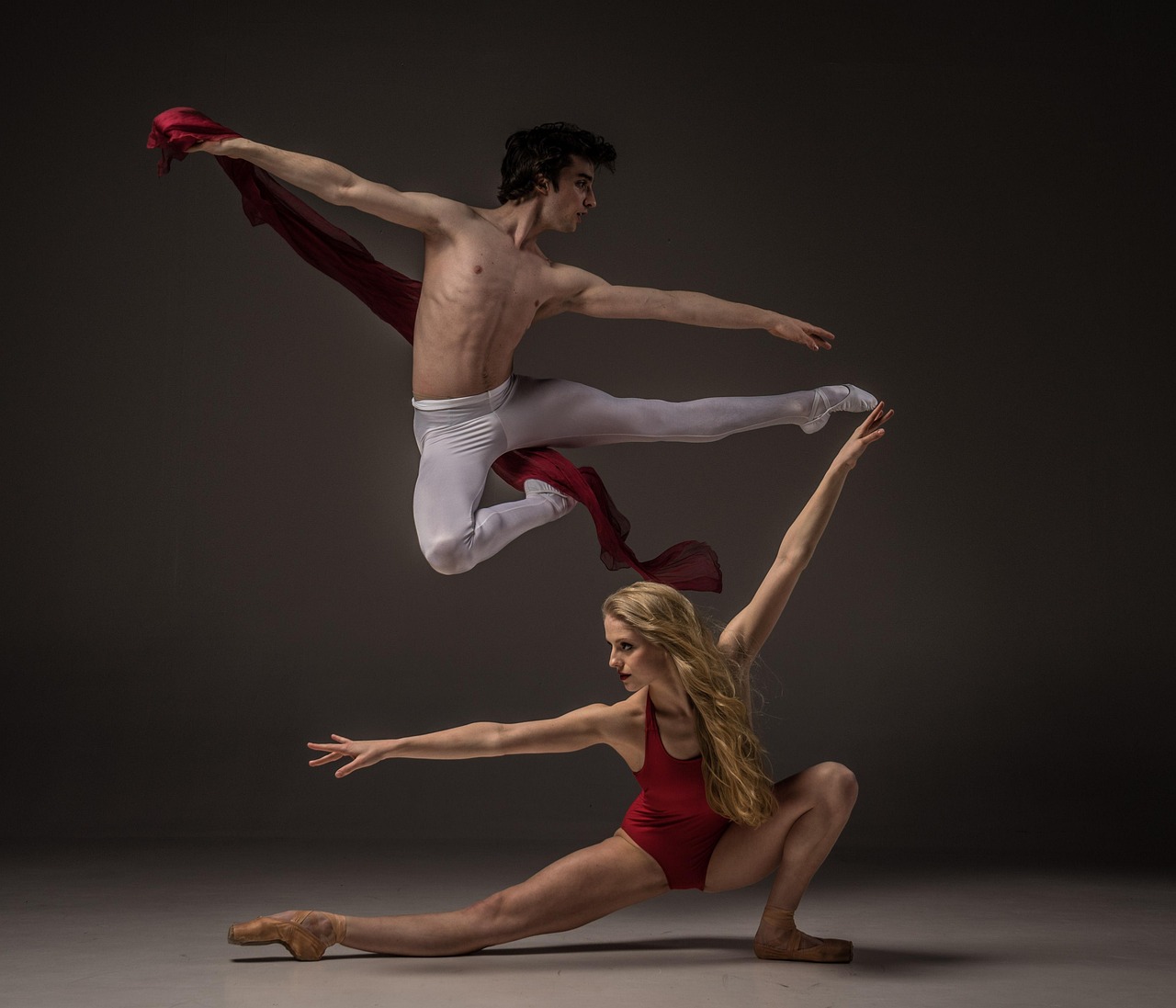
A notable subtype of gymnastics strength training is acrobatic conditioning, which merges athleticism with dance-like precision. This approach incorporates flexibility drills, dynamic stretching, and proprioceptive balance work. Acrobats often utilize stability balls, TRX straps, and BOSU boards to challenge equilibrium while enhancing core engagement. The unique feature of acrobatic conditioning lies in its integration of rhythmic patterns with strength demands, preparing athletes for complex floor routines requiring both explosive power and graceful fluidity.
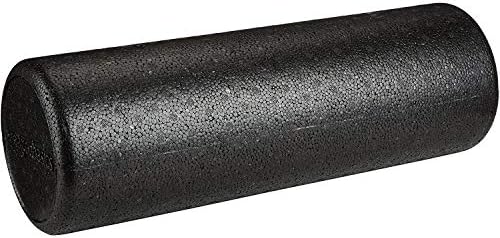
Advanced gymnasts employ periodized training cycles, emphasizing hypertrophy, strength endurance, or maximal strength at different phases. This systematic progression ensures peak performance during competitions. Recovery protocols include cryotherapy, foam rolling, and contrast baths to accelerate muscle repair and reduce inflammation.
Nutritional strategies align with training intensity. Protein intake supports muscle recovery while carbohydrate cycling fuels explosive efforts. Hydration management and electrolyte balance become paramount given the high-energy demands of gymnastics routines. Rest days integrate yoga or Pilates to maintain flexibility without compromising strength gains.
Safety considerations are non-negotiable. Proper equipment, such as grips, chalk, and landing mats, prevents injuries. Technique refinement through video analysis ensures alignment efficiency. Gymnasts regularly undergo assessments by physical therapists to identify muscle imbalances or joint vulnerabilities.
Injury prevention routines include proprioceptive neuromuscular facilitation (PNF) stretching, dynamic warm-ups with bands, and regular strength checks via manual muscle testing. Mental resilience training, such as visualization exercises or progressive muscle relaxation, complements physical preparation by fostering focus under pressure.
The convergence of strength, flexibility, and precision defines gymnastics excellence. Innovations in equipment, like magnetic resistance systems or anti-gravity treadmills, continue to push boundaries. Research into neuromuscular adaptations reveals how gymnasts achieve near-maximal force production with minimal muscle mass, underscoring the unique science behind elite performance.
By integrating advanced strength training methodologies with holistic conditioning approaches, gymnasts cultivate unparalleled physical capabilities. The discipline’s demands, requiring simultaneous control of explosive power and delicate balance, make it one of the most physically demanding sports. Mastery of these techniques requires dedication, scientific understanding, and relentless self-improvement.

Complete Gymnastics Strength Plan
Foundational strength training forms the backbone of the gymnastics strength plan, emphasizing compound movements that engage multiple muscle groups simultaneously. Exercises such as squats, deadlifts, and bench presses are staples, as they develop lower body power, upper body strength, and core stability. For advanced gymnasts, these exercises can be modified with additional resistance or unilateral variations to challenge muscular endurance and imbalances. Planks and hanging leg raises are integral for strengthening the core, which is crucial for maintaining proper form during skills like handstands and balances.
The plan incorporates periodization to avoid plateaus and overtraining, varying intensity, volume, and exercise selection across training cycles. This approach ensures continuous progress while allowing the body to adapt and grow stronger. Nutrition plays a critical role, with a diet rich in protein, complex carbohydrates, and healthy fats supporting muscle repair and energy levels. Hydration is equally important, as it influences performance and recovery.
Incorporating video analysis and feedback from coaches can refine technique and identify areas for improvement, ensuring that strength gains are reflected in skill execution. Cross-training with activities like swimming or cycling enhances cardiovascular fitness and provides a break from repetitive gymnastics movements. Mental preparation is also emphasized, with visualization techniques and goal-setting strategies to maintain focus and motivation.
The Complete Gymnastics Strength Plan is a dynamic and adaptable program that caters to gymnasts at all levels, from beginners to elite athletes. By systematically building strength, improving flexibility, and refining skills, this plan empowers gymnasts to reach their full potential, perform with precision, and excel in competitive settings. Through dedication and adherence to the structured approach outlined, gymnasts can achieve a balanced, powerful physique that supports their athletic aspirations.
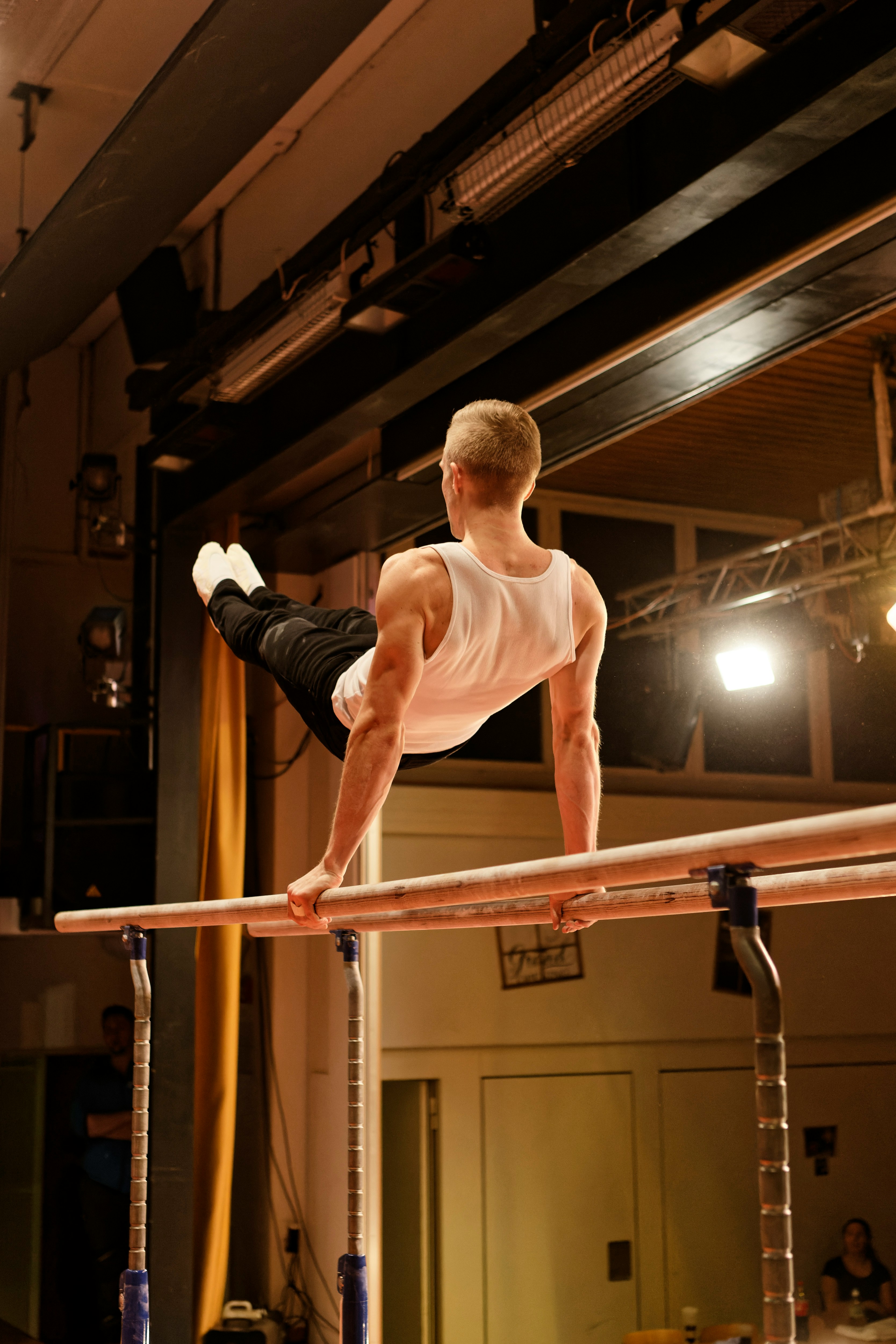
Gymnastics Strength and Conditioning
Gymnastics strength and conditioning is a specialized field that integrates the principles of traditional strength training with the unique demands of gymnastic performance. The dynamic nature of gymnastics requires athletes to possess not only raw strength but also power, flexibility, balance, and coordination. These elements are interwoven into a comprehensive training program designed to enhance an athlete’s capabilities across various disciplines within gymnastics, including artistic, rhythmic, trampoline, and tumbling.
Flexibility is another critical component of a gymnast’s training regimen. The range of motion required for elements such as handstands, splits, and backbends demands consistent stretching routines. Dynamic stretches are performed before workouts to warm up muscles and prevent injury, while static stretches are used to maintain and increase flexibility over time. Flexibility training often includes yoga and Pilates, which not only enhance range of motion but also improve core stability and body awareness.
Balance and proprioception are honed through exercises that challenge the vestibular system and require precise body control. Balance beams, wobble boards, and single-leg exercises are common tools in this aspect of conditioning. These activities help gymnasts develop the fine motor skills necessary for complex routines on apparatus such as the balance beam or uneven bars.
Cardiovascular endurance is also a significant focus, as gymnasts must maintain energy levels throughout their routines. Interval training and circuit workouts that combine strength, power, and flexibility elements are effective in improving cardiovascular fitness without overtaxing specific muscle groups. This holistic approach ensures that gymnasts can perform at peak levels for extended periods during competitions.
Injury prevention is paramount in gymnastics strength and conditioning. Athletes undergo regular assessments to identify any imbalances or areas of weakness that could lead to injury. Strength-training programs are tailored to address these concerns, often incorporating unilateral exercises to promote symmetry and reduce the risk of overuse injuries. Additionally, recovery strategies such as foam rolling, massage, and adequate rest are emphasized to support muscle repair and rehabilitation.
Elite gymnasts often engage in periodized training cycles that align with competition schedules. During off-seasons, emphasis is placed on building foundational strength and endurance, while pre-competition periods focus on fine-tuning skills and maximizing performance readiness. This strategic approach allows athletes to achieve optimal conditioning just in time for key events.
The Ultimate Guide to Gymnastics Strength Training
In the world of gymnastics, strength is a paramount factor that separates elite athletes from their peers. As the demands of the sport continue to evolve, so too must the training methods employed by top gymnasts. One potential future advancement in gymnastics strength training involves the integration of neuromuscular electrical stimulation (NMES) and biofeedback technology.
Biofeedback technology, on the other hand, is a method that allows individuals to gain real-time information about their physiological processes, enabling them to adjust their actions accordingly. In the context of gymnastics, this could involve monitoring muscle activation levels and providing instantaneous feedback to help athletes refine their form and technique during exercises.
Incorporating neuromuscular electrical stimulation into gymnastics routines could lead to quicker adaptations and reductions in training time. Elite athletes can benefit from maximizing their strength gains within a shorter period, freeing up more time for other aspects of their rigorous training regimens.
As research continues to explore the potential benefits of this innovative approach, it is essential that gymnastics programs at both the professional and amateur levels remain open to new advancements in strength training technology. By embracing cutting-edge techniques like neuromuscular electrical stimulation and biofeedback, elite gymnasts can maintain their competitive edge and set new standards for athletic excellence.
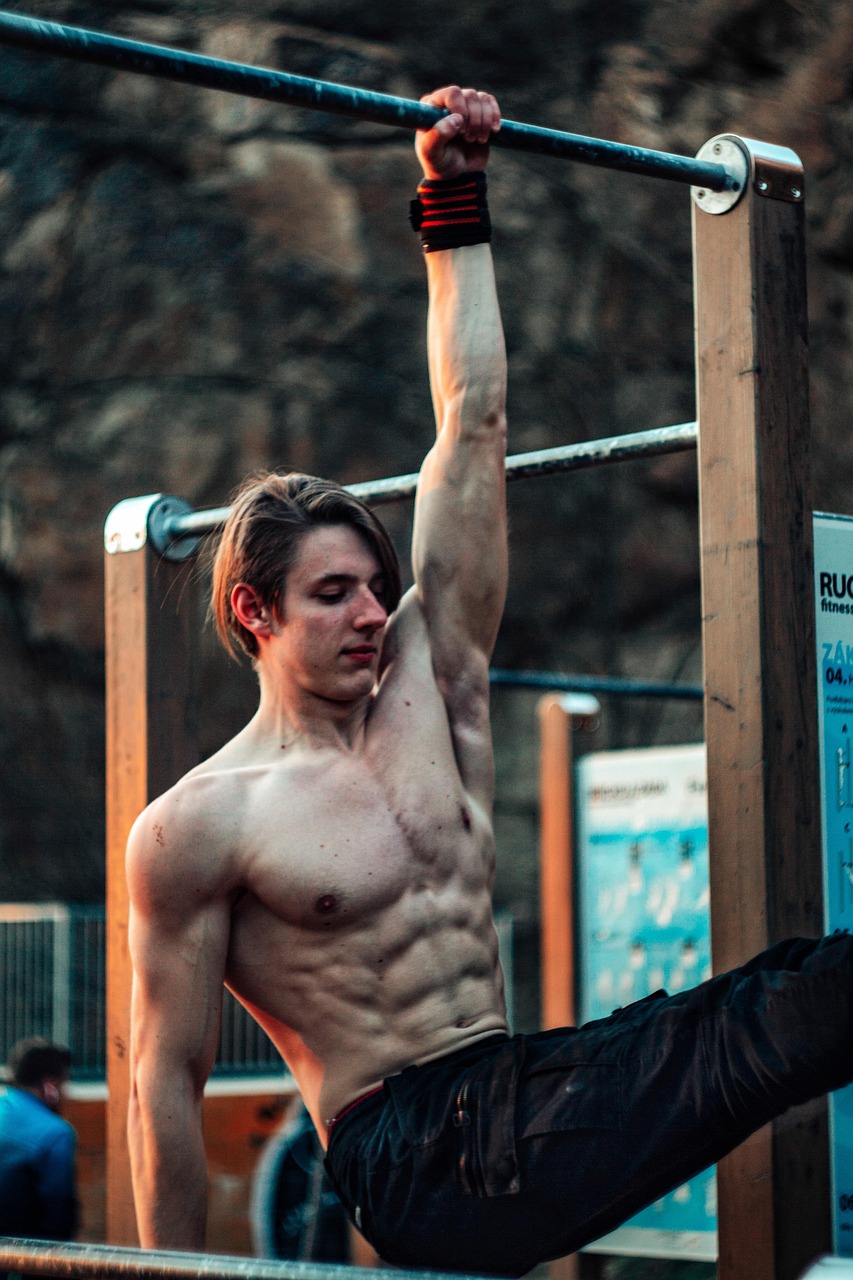
A Guide to Gymnastics Strength
Gymnastics strength is a fundamental component of elite gymnastic performance, encompassing the development of muscular power, endurance, and flexibility. The primary focus in gymnastics training revolves around building core stability, explosive lower body strength, and upper body strength to support complex movements such as handstands, backflips, and uneven bars routines. Gymnasts must possess a balanced approach to strength development, ensuring that no muscle group is neglected while maintaining the flexibility required for various poses and transitions.
Core stability is paramount in gymnastics, as it provides the foundation for all movements. Planks, Russian twists, and leg raises are common exercises that target the abdominal muscles, obliques, and lower back, crucial for maintaining proper form during dismounts, balances, and aerial maneuvers. Lower body strength is developed through squats, lunges, and calf raises, which contribute to the explosive power needed for takeoffs and landings. Upper body strength focuses on latissimus dorsi, triceps, and biceps, with exercises like pull-ups, dips, and inverted rows to support skills such as hangs, swings, and lifts.
Flexibility training is an integral part of gymnastics strength development, allowing athletes to achieve full range of motion necessary for splits, arches, and aerial positions. Stretching routines incorporate dynamic and static stretches, focusing on the hips, hamstrings, quadriceps, and shoulders. Balance beams and floor exercises particularly benefit from heightened flexibility, as they demand precise control over body alignment and movement.
Injury prevention is a critical aspect of gymnastics strength training, necessitating a well-rounded approach that includes warm-ups, cool-downs, and active recovery. Warm-up sessions typically involve light cardio, dynamic stretches, and sport-specific drills to prepare the muscles and joints for intense activity. Cool-down periods focus on reducing muscle tension through static stretches and gentle mobility exercises. Active recovery strategies, such as foam rolling and low-intensity activities, help prevent overuse injuries and promote muscle recovery.
Technological advancements have augmented gymnastics strength training, with the use of performance analysis tools, wearable sensors, and virtual reality to monitor progress and refine technique. Coaches leverage data from these technologies to tailor training programs that address individual athlete needs, optimizing strength development for maximum performance.
Best Gymnastics Strength Program
The most critical parameter in exercises within a gymnastics strength program is load management, which encompasses the selection and progression of resistance to ensure optimal development of muscular strength and power. Load management is essential for gymnasts because their sport demands a unique combination of strength, flexibility, and control, often performed with minimal external support. Properly managing load involves understanding the specific demands of each exercise and adjusting resistance to match the individual’s current capabilities while challenging them sufficiently to induce adaptation.
Load management begins with an accurate assessment of an athlete’s baseline strength levels using functional tests that mimic gymnastics movements, such as pull-ups, handstand push-ups, or isometric holds. This assessment informs the initial load selection, ensuring exercises are achievable yet challenging. As athletes progress, loads must be systematically increased to maintain overload, a principle essential for muscular hypertrophy and strength gains. Overloading occurs when the muscle fibers are subjected to greater resistance than they are accustomed to, triggering adaptive responses that enhance performance.
To progressive overload, load management also considers the volume and frequency of training sessions. Gymnasts must balance high-intensity strength work with recovery periods to avoid overtraining, which can lead to fatigue and increased injury risk. Effective load management integrates periodization, a strategy that cycles through phases of high intensity and low volume to optimize performance peaks and prevent plateaus.
The specificity of load management is crucial for gymnastics, where exercises must replicate the movements and demands of competitive routines. This means incorporating loads that mimic the forces experienced during skill execution, such as isometric holds for holds or plyometric drills for jumps. By aligning load progression with the technical requirements of gymnastics, athletes can enhance their performance on the apparatus while building a robust foundation of strength and power.
Ultimate Gymnastics Strength Workout
A common myth surrounding gymnastics training is the belief that excessive weightlifting will hinder flexibility and agility. However, this misconception stems from a misunderstanding of proper training techniques. In reality, incorporating strategic strength training with dynamic warm-ups, mobility exercises, and flexibility routines can significantly improve gymnasts’ performance without compromising their agility or range of motion. The key lies in utilizing compound movements that mimic gymnastics-specific actions, such as power cleans, thrusters, and Olympic lifts, which enhance both strength and functional movement patterns.
The Ultimate Gymnastics Strength Workout begins with a dynamic warm-up to prepare the body for intense activity. This phase includes exercises like high knees, butt kicks, and leg swings to elevate heart rate and increase blood flow to the muscles. Following the warm-up, gymnasts progress to strength-focused movements that target the primary muscle groups involved in gymnastics: the core, hips, glutes, quads, hamstrings, lats, triceps, biceps, and forearms. Exercises such as squats, deadlifts, pull-ups, dips, and planks are tailored to build foundational strength while maintaining flexibility and coordination.
To address the myth of inflexibility from weight training, the program integrates plyometric exercises that improve explosive power and reactive strength. Box jumps, broad jumps, and bounding enhance the elastic properties of muscle fibers, enabling gymnasts to generate greater force during takeoffs and landings. Additionally, incorporating balance-specific drills like single-leg squats and planks with arm lifts strengthens the stabilizer muscles responsible for maintaining control during dismounts and transitions.
Flexibility is a critical component of the Ultimate Gymnastics Strength Workout, achieved through static stretching, proprioceptive neuromuscular facilitation (PNF), and myofascial release techniques. These methods not only prevent muscle tightness but also improve joint mobility, allowing gymnasts to achieve deeper splits, wider arcs, and more controlled movements on the apparatus. The program emphasizes gradual stretching progressions to avoid injury while maximizing range of motion.
Gymnastics Strength Training Guide

Gymnastics strength training demands a sophisticated progression of exercise complexity and size to align with an athlete’s evolving capabilities, ensuring continuous development without compromising safety or effectiveness. This strategic scaling hinges on incremental adjustments in load, volume, intensity, and exercise difficulty, tailored to individual readiness and training objectives.
Complexity escalates as gymnasts refine technique and expand their repertoire of skills requiring greater stability, coordination, and precision. Advanced strength training integrates unilateral movements, multi-joint exercises, and dynamic stabilization drills. Single-arm presses, split squats with rotation, or kettlebell swings with complex grips demand heightened core engagement, proprioceptive awareness, and muscle synchronization. These exercises mimic the demands of elite gymnastics routines, where athletes must balance, rotate, and twist while under significant load.
Resistance selection becomes increasingly nuanced as training progresses. Beyond incremental weight increments, advanced lifters utilize techniques like forced repetitions, drop sets, or tempo variations to intensify stimuli. A set of back squats might transition from 3 seconds down/1 second up (lowering phase) to a 2-second pause at the bottom before ascending, thereby altering muscular engagement and metabolic stress. Such modifications challenge athletes to adapt their movement patterns while maximizing training efficacy.
Recovery protocols also evolve with complexity. While novices may recover quickly from high-volume sessions, elite gymnasts require more strategic recovery strategies, including active rest days, foam rolling, and cryotherapy to address microtrauma and inflammation. Periodized nutrition plans often accompany advanced scaling efforts, ensuring adequate protein intake for muscle repair alongside carbohydrates and fats to support energy demands during rigorous training cycles.
Gymnastics Strength Guide
In the world of gymnastics, strength is an essential component that enables athletes to perform complex and challenging routines with precision, power, and control. The demands of this sport require a high level of physical prowess, making strength training a crucial aspect of any gymnast’s regimen.
Gymnastics involves various dynamic movements, including swinging motions, vaults, jumps, and body weight exercises. These movements place significant stress on the musculoskeletal system, necessitating a solid foundation of strength to execute them effectively. A strong core is vital for maintaining balance and stability during acrobatic maneuvers, while upper body strength facilitates the execution of intricate bar routines and vaults. Lower body strength, particularly in the legs and hips, contributes to explosive power for jumps and landings.
Elite gymnasts often employ a variety of strength training methods to optimize their performance. These may include bodyweight exercises like push-ups, pull-ups, squats, lunges, and planks; weightlifting using dumbbells or barbells; plyometric drills for power development; and flexibility work to maintain range of motion and prevent muscle imbalances.
The importance of strength in gymnastics goes beyond just the physical aspect. Mental fortitude is also a crucial element in mastering difficult routines. The mental focus required to perform complex sequences, combined with the demands of maintaining strength throughout an entire competition, can be daunting. A strong foundation of physical strength can translate into increased confidence and resilience, allowing gymnasts to tackle their challenges with determination and poise.

Good Gymnastics Strength Exercises
Elite gymnastics strength exercises are meticulously designed and evaluated to ensure that athletes achieve peak performance levels. The measurement and evaluation of elite gymnasts involve a comprehensive approach that integrates both quantitative and qualitative assessments. These evaluations are crucial for identifying areas of strength, weaknesses, and potential improvements in an athlete’s training regimen.
One primary method of evaluation is through the use of performance metrics, which include tracking variables such as range of motion, joint stability, muscle endurance, and power output during exercises. These metrics are often collected using advanced technology, including motion capture systems, force platforms, and electromyography (EMG) to measure muscle activity. By analyzing these data points, coaches and trainers can gain insights into an athlete’s biomechanical efficiency and identify specific movements that require adjustments or enhancements.
Periodization and individualized training plans are essential components of elite gymnastics strength exercises. These plans are tailored to each athlete’s unique needs, taking into account their specific goals, skill levels, and physiological characteristics. Regular progress checks and adjustments to the training program ensure that athletes continuously improve and avoid plateaus or overtraining.
The Ultimate Guide to Gymnastics Strength Elite
Central to this regimen are exercises such as squats, deadlifts, and bench presses, which enhance lower and upper body strength, crucial for vaults, pommel horse routines, and balance beam performances. These compound movements not only build muscle endurance but also improve joint stability, reducing the risk of injury during complex gymnastic maneuvers. Additionally, plyometric exercises like box jumps and depth jumps are integral to developing explosive power, a key component in floor exercise jumps and vault launches.
Flexibility is another cornerstone of elite gymnastics training, achieved through dynamic stretching routines that mimic the range of motion required for specific events. Static stretches, incorporated into cool-down sessions, promote muscle relaxation and recovery, ensuring readiness for subsequent training sessions. The integration of Pilates and yoga further enhances core stability and body awareness, enabling gymnasts to perform intricate skills with greater control and finesse.
Recovery and nutrition play pivotal roles in sustaining the intensity of elite gymnastics training. Post-workout recovery involves active recovery days focused on low-impact activities like swimming or cycling, coupled with adequate hydration and protein intake to support muscle repair and growth. Nutritional strategies emphasize a balanced diet rich in carbohydrates for energy, lean proteins for muscle maintenance, and healthy fats for joint health, all tailored to meet the unique metabolic demands of high-performance gymnastics.
Mental resilience is equally vital, with elite gymnasts engaging in visualization techniques and mindfulness practices to enhance focus and reduce performance anxiety. Coaching plays a crucial role in this regard, providing structured feedback and strategic guidance to refine technique and build confidence.

Gymnastics Strength Building Routine
A foundational strength building routine for gymnasts often centers on a blend of bodyweight mastery and targeted hypertrophy, incorporating elements seen in elite training but adaptable for solid progress across skill levels. Core stability is paramount; think beyond simple crunches to include variations like hollow body holds – emphasizing lumbar spine pressure against the floor while maintaining distal limb lightness – and V-ups with controlled leg extension, often using a slight kick to initiate movement. These build a strong ‘brace’ for all other movements.
Upper body strength benefits from a mix of pushing and pulling exercises that address the unique demands of the discipline. Think pull-up variations: chin-ups with an underhand grip emphasize biceps more directly, while pronated pull-ups engage the lats more effectively. Progressions like elevated feet pull-ups or adding weight using a good ‘Grip’ system ensure continued challenge as strength increases. Push-up variations are equally useful; diamond push-ups target triceps and chest inner area well, while clap push-ups build explosive power – perfect for dynamic skills such as the handstand flatback. Dips on parallel bars or rings offer excellent shoulder and triceps development, a key asset for routines with lots of bar work.
Lower body strength is often overlooked but vitally important for leaps, jumps, and landings. Pistol squats – single-leg squats – build tremendous leg strength and balance; assisted pistol squats are good to start with if full range of motion initially proves challenging. Bulgarian split squats, where the rear foot rests on a bench or box, target quads and glutes effectively. Jump squats, performed explosively for height and distance, build power, while controlled lunges emphasize stability and hamstring strength. Ankle mobility and calf strength are often key limiting factors; therefore, incorporate heel raises and single-leg hops to address these areas.
For elite gymnasts, a good routine often includes plyometrics – jump training exercises performed with minimal ground contact time – to build explosive power. Box jumps, depth jumps (jumping down from a box then jumping up again), and bounding drills are all effective ways to improve the ‘pop’ needed for excellent routines. These are particularly useful for those needing extra height in their skills or wanting faster rotations on bars.
Rotational strength is also often an area of focus; Russian twists with a medicine ball, rotational core stability exercises using resistance bands, and good hip mobility work contribute here. Gymnasts need to be able to generate force from the hips and trunk effectively for optimal performance. Finally, remember that consistency in all areas – flexibility, coordination, and mental toughness – often proves key for long-term progress and injury prevention. A solid routine addresses all these aspects, adapting over time as skill and strength increases.

The Ultimate Guide to Gymnastics Strength Mastery
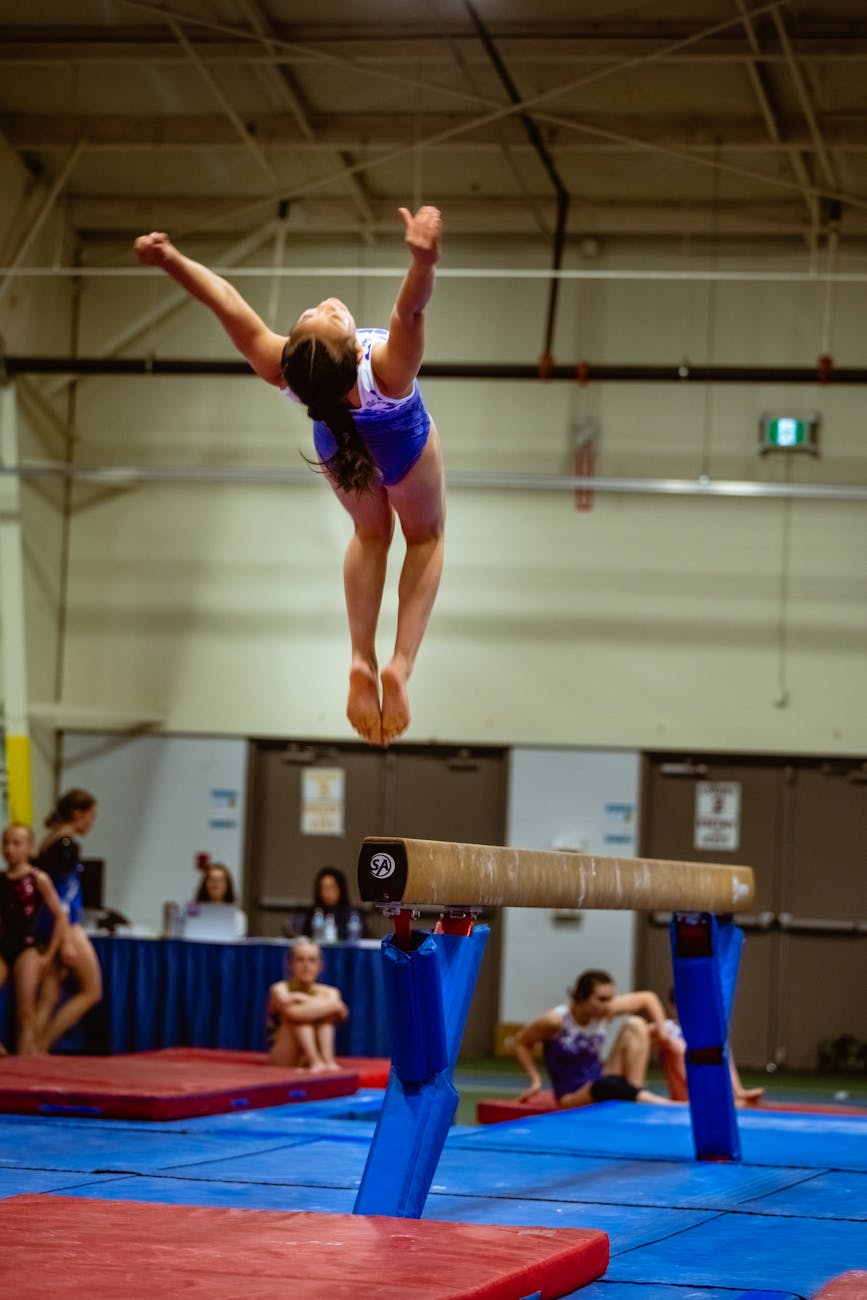
Understanding the main inputs and outputs of exercises is fundamental to designing an effective gymnastics strength training program. Inputs refer to the factors that athletes manipulate or provide during their workouts, such as intensity, volume, rest periods, and exercise selection. Outputs represent the measurable results of these efforts, primarily improved muscular strength, power, endurance, flexibility, and body composition.
Muscular strength is a primary output of many gymnastics exercises. It refers to the maximum amount of force a muscle or group of muscles can exert against resistance in a single effort. Developing muscular strength enables athletes to perform more challenging skills with greater control and efficiency. Strength training for gymnasts often incorporates compound movements like squats, deadlifts, and bench presses, which recruit multiple muscle groups simultaneously and promote functional strength essential for floor routines, uneven bars, vaults, and other events.
Power is another critical output derived from specific exercises tailored to the demands of gymnastics. Power combines strength with speed, requiring athletes to apply force rapidly. Plyometric exercises, Olympic lifts, and their variations are commonly used to develop explosive power in gymnasts. These movements mimic the dynamic nature of gymnastics skills, such as tumbling passes, vaults, and bar routines, enhancing performance while reducing injury risk.
Endurance is essential for maintaining high-level performance throughout a routine or competition. Gymnasts need muscular endurance to execute repeated skills with consistent quality and power without fatigue. Circuit training, circuit weightlifting, and metabolic conditioning workouts are effective methods to improve aerobic and anaerobic endurance. These routines involve performing multiple sets of exercises with minimal rest between sets, simulating the demands of competition where athletes perform numerous skills in quick succession.
Flexibility is a vital input that influences both performance quality and injury prevention in gymnastics. Greater flexibility allows athletes to achieve more extended ranges of motion during skills, enhancing execution and safety. Static stretching, dynamic stretching, and proprioceptive neuromuscular facilitation (PNF) techniques are commonly used to improve flexibility. Incorporating flexibility training into a workout routine helps maintain optimal muscle length-tension relationships, crucial for executing complex gymnastics maneuvers with precision and control.
Effective gymnastics strength training programs systematically manipulate these inputs through carefully designed workout structures, including sets, repetitions, rest periods, and exercise selection. The outputs of such programs manifest as improved performance metrics across various domains: greater strength capacity for more challenging skills; enhanced power output enabling faster transitions between maneuvers; sustained endurance necessary for maintaining consistent quality throughout routines; increased range of motion facilitating superior skill execution; and optimal body composition supporting peak performance while minimizing injury risks.
Through precise control over training variables and continuous monitoring of both inputs and outputs, gymnasts can optimize their strength development journey toward mastery in their chosen disciplines. This systematic approach ensures that every aspect of their athletic growth is addressed comprehensively, from foundational physical capacities to nuanced event-specific adaptations, ultimately leading them closer to achieving elite-level performance standards in gymnastics.
Beginner’s Guide to Gymnastics Strength
Gymnastics strength is a fundamental aspect of the sport, essential for performing complex movements with precision and control. Whether you are a beginner or an elite gymnast, building strength forms the cornerstone of your training regimen. In this guide, we will explore the foundational principles of gymnastics strength, focusing on basic techniques that can be gradually advanced to meet the demands of more complex routines.
The first step in developing gymnastics strength is understanding the core muscle groups involved. These include the abs, obliques, lower back, and glutes, which work together to maintain balance and stability during exercises. For beginners, simple planks and hollow body holds are effective for engaging these muscles. Over time, more advanced variations such as side planks and Russian twists can be introduced to increase challenge and further develop core endurance.
Lower body strength is equally crucial, as it provides the power necessary for jumps, landings, and dynamic movements. Squats, lunges, and leg presses are staple exercises that target the quadriceps, hamstrings, and glutes. For gymnasts, plyometric exercises like box jumps and depth jumps are particularly beneficial, as they mimic the explosive nature of many gymnastics skills. These exercises not only enhance strength but also improve reaction time and agility, which are vital for executing intricate routines.
Upper body strength is another critical component, focusing on the arms, shoulders, chest, and back. Parallel bars work, pull-ups, and inverted rows are excellent for building upper body strength. For beginners, bodyweight exercises such as push-ups and dips can serve as a foundation before progressing to more advanced equipment. Elite gymnasts often incorporate resistance bands and weighted exercises to further challenge their muscles and enhance performance.
Flexibility plays a significant role in gymnastics strength, as it allows for greater range of motion and reduces the risk of injury. Stretching routines should be an integral part of any training regimen, with particular emphasis on the hip flexors, hamstrings, and shoulders. Dynamic stretches performed before workouts can prepare the muscles for activity, while static stretches are ideal for cooling down and maintaining flexibility.
To strength and flexibility, gymnasts must also focus on technique to ensure efficient movement and optimal performance. Working with a qualified coach is invaluable for refining form and identifying areas for improvement. As gymnasts progress, they can incorporate more advanced drills and exercises that challenge their strength and technical skills, such as ring circuits or balance beam routines.
Recovery and nutrition are essential components of a successful gymnastics strength program. Adequate rest allows muscles to repair and grow stronger, while a balanced diet provides the necessary fuel for intense training sessions. Hydration, protein intake, and complex carbohydrates are particularly important for supporting muscle development and endurance.
Easy Gymnastics Strength Training
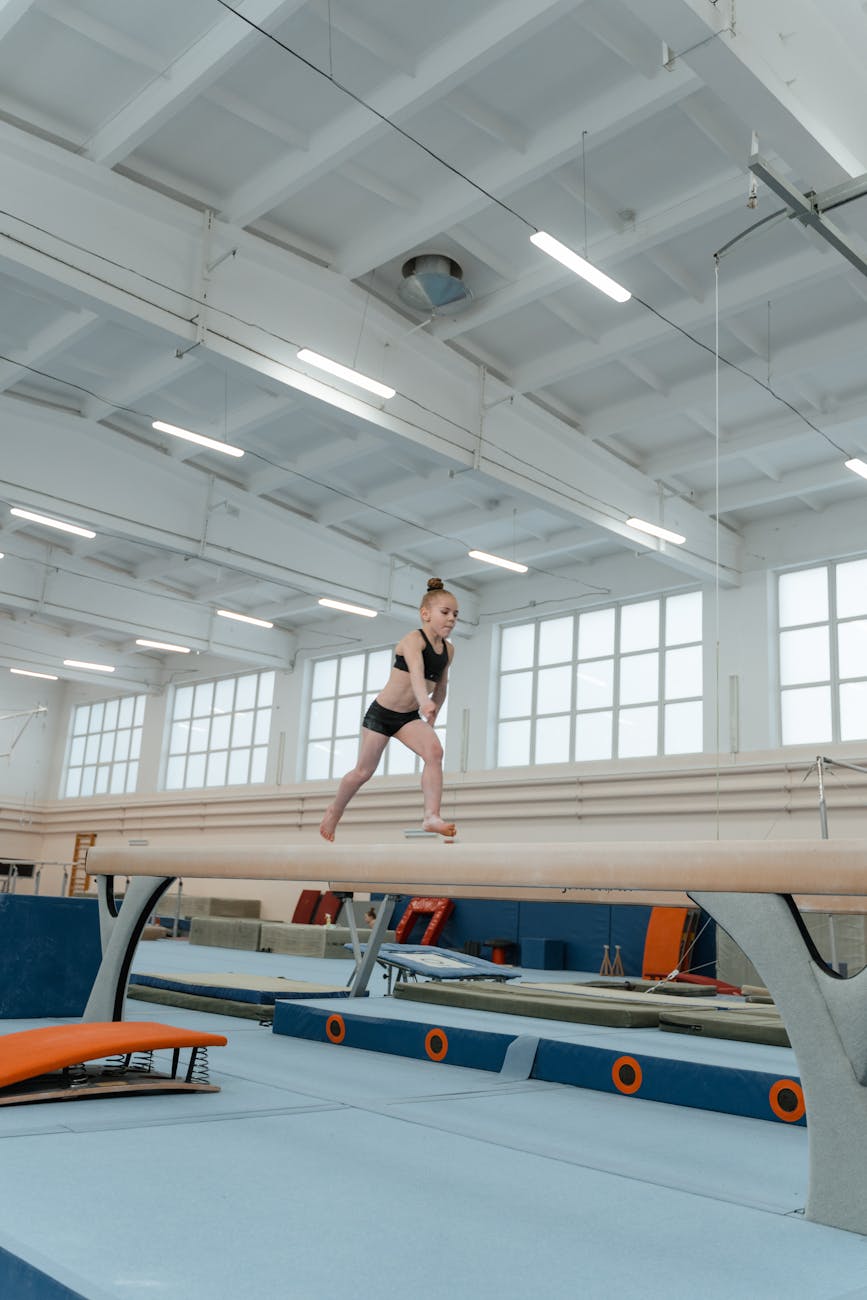
Elite gymnastics strength training involves progressively more complex and demanding exercises to build functional strength and power. As gymnasts advance in their skills and competition levels, they require a greater foundation of strength to execute challenging moves with precision and control.
Gymnastics is a multifaceted sport that demands an exceptional range of physical abilities, including explosive power, flexibility, balance, agility, coordination, and endurance. Elite gymnasts invest extensive time and effort into their strength training regimens to meet the rigorous requirements of their discipline.
Another essential element of elite gymnastics strength training is incorporating plyometric exercises into their routine. Plyometrics involves explosive movements that help build power and speed. Jumping exercises, like box jumps, depth jumps, and tuck jumps, are effective for enhancing a gymnast’s vertical jump height and explosiveness – vital components in performing impressive acrobatic moves.
Elite gymnasts also focus on improving their core strength through dedicated exercises, as a strong core provides essential stability and balance during complex movements. Exercises like Russian twists, planks, V-ups, and leg raises help build the necessary foundation for advanced skills such as handstands, backflips, and high-level balances.
The Ultimate Guide to Elite Gymnastics Strength
Elite gymnastics strength is a critical component of the sport, demanding a unique blend of power, agility, and precision. Gymnasts at the highest level must possess not only exceptional technical skills but also robust physical attributes that enable them to perform complex routines with ease and consistency. The development of elite gymnastics strength involves a multifaceted approach, integrating targeted exercises, strategic nutrition, and meticulous training methodologies tailored to the demands of competitive gymnastics.
Flexibility and mobility are equally vital in elite gymnastics, as they allow for greater range of motion and reduced risk of injury. Stretching routines and yoga-inspired practices are integral to training regimens, focusing on enhancing flexibility in the hips, shoulders, and spine, areas particularly crucial for vaults, balances, and uneven bars events. Additionally, core strength is paramount, as it provides stability during transitions and dismounts. Planks, leg raises, and Russian twists are common exercises that target the deep abdominal muscles, fostering the rigidity required for precise execution of skills.
Mental resilience is another dimension of elite gymnastics strength. The pressure to perform at the highest level necessitates a strong psychological foundation, fostered through visualization techniques, mindfulness practices, and mental toughness training. Elite gymnasts undergo rigorous conditioning to build confidence and focus, enabling them to perform consistently under high-pressure situations.
In the broader hierarchy of sports, elite gymnastics strength exemplifies the pinnacle of human physical achievement in gymnastics. It represents the culmination of years of dedicated training, technical refinement, and strategic development. Elite gymnasts serve as role models, inspiring athletes across disciplines with their precision, power, and artistry. Their achievements underscore the importance of a holistic approach to training, where physical prowess is complemented by mental fortitude and strategic planning.
The Ultimate Guide to Advanced Gymnastics Strength
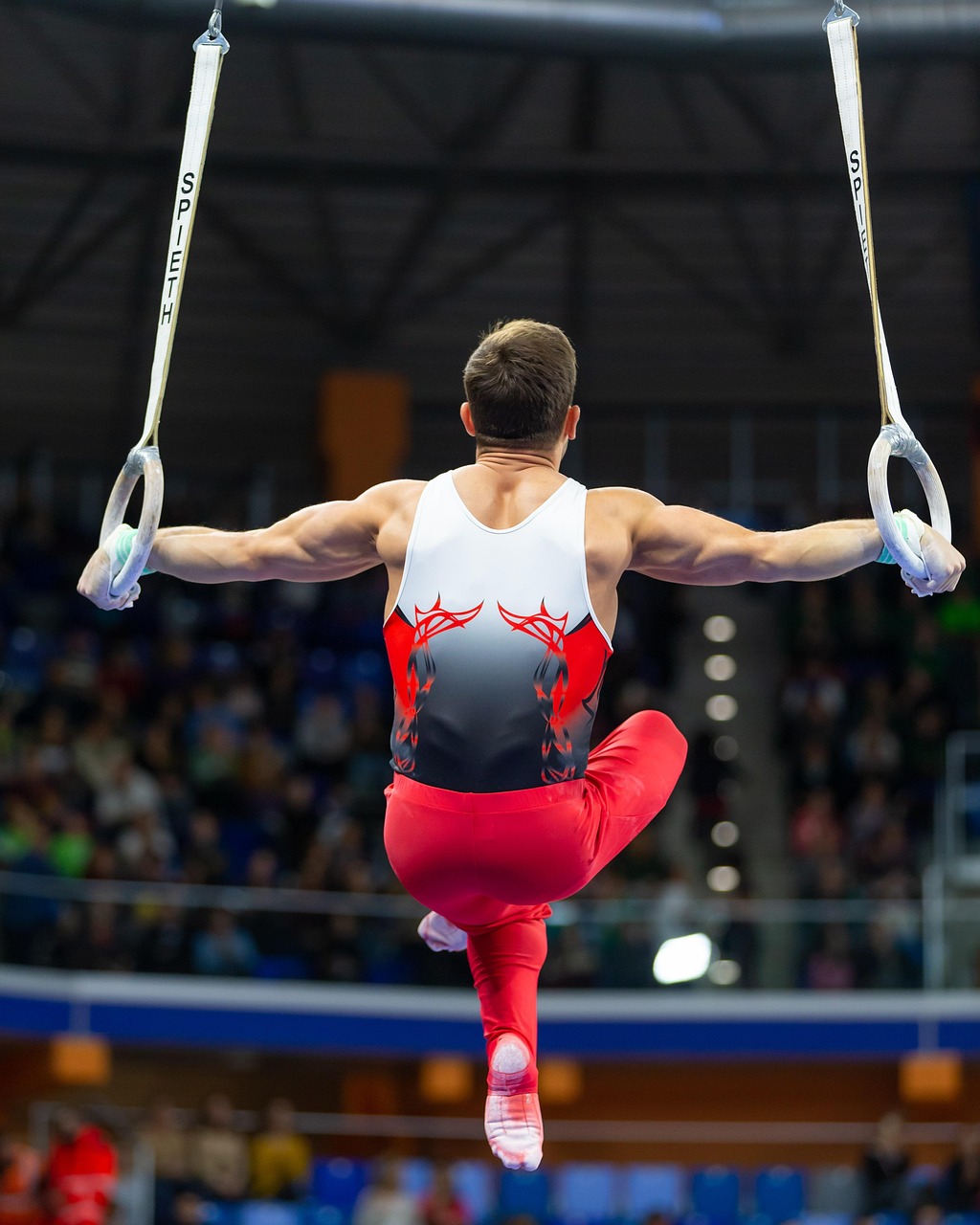
The interplay between gymnasts and energy consumption or transfer is a complex and intricate relationship that underpins the execution of advanced gymnastics strength. Gymnastics, as an athletic discipline, demands exceptional levels of power, agility, and precision, all of which are contingent upon efficient energy management. Elite gymnasts must master the art of transferring and utilizing energy in a manner that maximizes performance while minimizing fatigue. This intricate balance is achieved through a combination of physiological adaptations, technical skill refinement, and strategic training methodologies.
At the core of this relationship lies the metabolic demands placed on the body during gymnastics routines. Gymnasts engage in high-intensity, explosive movements that require rapid energy mobilization from both anaerobic and aerobic pathways. The transition between these systems is critical, as it allows gymnasts to sustain performance over extended periods without succumbing to muscle fatigue. Advanced training techniques, such as interval training and plyometric exercises, are employed to enhance the body’s ability to switch between these energy sources seamlessly.
Muscle fibers play a pivotal role in this energy transfer process. Fast-twitch muscle fibers, responsible for generating rapid, powerful contractions, are particularly crucial in gymnastics. Through targeted strength training and neuromuscular conditioning, gymnasts can enhance the recruitment and efficiency of these fibers, enabling them to produce greater force with less energy expenditure. Additionally, the development of connective tissue strength, such as tendons and ligaments, contributes to the effective transfer of energy from muscle contractions to the joints, thereby optimizing movement efficiency.
Strategic training methodologies further emphasize the importance of energy management in advanced gymnastics. Periodization plans are meticulously crafted to balance periods of high-intensity training with rest and recovery phases, ensuring that gymnasts remain at peak performance levels without experiencing burnout. Nutritional strategies also play a significant role, as optimizing fuel sources and hydration status can directly impact energy availability during training and competition.
Gymnastics Strength for Elite Gymnasts

Gymnastics, a dynamic and intricately choreographed sport, demands an exceptional level of strength, power, flexibility, and control from its athletes. Elite gymnasts push the boundaries of human capability, executing complex sequences with precision and grace. In this context, the role of gymnastics as a training regimen for enhancing gymnastic function merits close examination.
Gymnastics training develops functional strength in multiple planes of motion, essential for mastering various apparatus and navigating challenging routines. Elite gymnasts engage in regular training sessions, incorporating exercises that strengthen the core, upper body, lower body, and stabilizing muscles. These foundational strengths enable athletes to perform skillful movements with ease and efficiency.
One of the most critical aspects of gymnastics is developing a strong and stable core. Core strength is vital for maintaining proper posture during routines and generating force in movements like the hollow body hold, straddle press to handstand, or double pike dismount. A robust core also helps protect against injury by stabilizing the spine and supporting the entire upper body.
Stability muscles, including the glutes, hamstrings, and inner thighs, play a crucial role in maintaining proper alignment during gymnastics moves. Exercises like bridges, hip thrusts, and clamshells help strengthen these muscles, which are vital for executing complex skills with balance and control.
Incorporating plyometric exercises into the routine enhances explosive power and athleticism. Box jumps, depth jumps, and split jumps help develop the ability to generate maximum force in minimal time, crucial for explosive moves like the Yurchenko or Tsukahara vaults.
Flexibility training is an integral part of gymnastics, enabling gymnasts to perform movements with grace and control while reducing the risk of injury. Flexibility exercises like static stretches, dynamic stretches, and mobility work help maintain range of motion in joints and muscles, allowing gymnasts to execute movements with optimal form and fluidity.
