Mastery in elite gymnastics rings transcends mere performance; it is the pinnacle of functional athleticism. For athletes, achieving mastery equates to a profound enhancement in their physical capabilities, allowing them to execute complex skills with precision and control. This level of skill development hinges on an intricate interplay between strength, flexibility, coordination, and mental discipline. Through rigorous training regimens designed to push the boundaries of human potential, gymnasts refine their muscle memory, enabling muscles to respond instantaneously to commands from the brain. This refined motor control minimizes wasted energy during routines, maximizing efficiency and output while reducing the risk of injury.
The functional strength cultivated through mastery is unparalleled. Rings require a unique blend of grip endurance and upper body power. Gymnasts must maintain holds for extended periods without compromising form or technique. This necessitates an intense focus on developing grip strength, often achieved through specialized grips that reduce friction and allow athletes to hold rings for longer durations. Simultaneously, the upper body, particularly the shoulders, back, and arms, must be conditioned to handle substantial loads and execute explosive movements with stability. Such strength is not only beneficial during competitions but also translates into improved daily life activities where core stability and grip strength are pivotal.
Flexibility becomes a critical component of mastery, especially in routines involving dynamic swings and transitions. Rings demand a wide range of motion that allows athletes to execute moves like the kip, muscle-up, or front lever. These skills require an athlete’s body to adapt quickly to various positions, necessitating a flexibility that is both adaptive and consistent. Regular stretching and mobility work ensure that muscles remain supple and joints are well-lubricated, reducing stiffness and enhancing performance during rigorous routines.
Coordination in gymnastics rings is a sophisticated dance of timing and balance. Each movement must be executed with precision, from the initial grip to the final release or landing. This requires an acute sense of spatial awareness and body control. Mastery enables athletes to adjust their movements fluidly, responding to slight shifts in momentum or balance without losing form. Such coordination is not innate but developed through countless hours of deliberate practice, honing reflexes and reaction times to near perfection.
Mental discipline forms the bedrock of mastery. Gymnasts must maintain focus under immense pressure, managing both physical exertion and emotional stability. Mastery cultivates a mindset that embraces challenges as opportunities for growth rather than obstacles. This resilience is honed through visualization techniques and mental imagery, where athletes mentally rehearse routines to build confidence and familiarity with each move. It also involves developing strategies to cope with stress, such as deep breathing exercises or progressive muscle relaxation, ensuring peak performance under competitive conditions.
Enhanced functional capabilities achieved through mastery extend beyond the gymnasium. Improved grip strength supports daily tasks involving manual labor, while greater flexibility contributes to better posture and reduced risk of chronic pain. Enhanced coordination and balance improve athletic endeavors outside of gymnastics, whether it’s rock climbing, martial arts, or simply navigating complex environments with ease.
In elite gymnastics rings, mastery is not just about executing skills flawlessly; it embodies an athlete’s dedication to excellence. It represents a culmination of physical prowess, mental fortitude, and relentless pursuit of perfection. This journey fosters an individual who can adapt to any situation with composure, turning challenges into stepping stones for greater achievements. Thus, mastery in gymnastics rings is not merely about winning medals; it’s about transforming oneself into a paragon of functional athleticism capable of exceeding personal and professional boundaries.

The Ultimate Guide to Gymnastics Rings Mastery
Gymnastics rings mastery demands a rigorous training regimen that integrates strength, flexibility, and technical proficiency. Elite athletes dedicate thousands of hours to perfecting their skills on the rings, often starting with foundational exercises such as muscle-ups, giant swings, and leg raises. The journey to mastery is not linear; it requires consistent progression from basic movements to complex combinations. A typical training week for an advanced gymnast might involve daily sessions lasting 3-4 hours, focusing on specific elements like the iron x, giants, or dismounts.
Strength training is a cornerstone of rings development, with exercises like pull-ups, dips, and overhead presses forming the basis of upper body strength. Elite gymnasts often engage in powerlifting techniques to enhance their maximal strength, which translates into explosive movements on the rings. Flexibility work, including dynamic stretching and mobility drills, is crucial for achieving full range of motion during dismounts and transitions. Plyometric exercises, such as box jumps and clap push-ups, improve reactive strength and power, essential for dynamic ring routines.
Technical skill acquisition on the rings involves precise body positioning and momentum control. Athletes spend significant time practicing elements like the giant swing, where maintaining a straight body line and efficient hip movement are paramount. Drills such as partial swings and negatives help refine muscle memory and improve execution. Mental preparation is equally important; visualization techniques and video analysis aid in mastering complex sequences.
Recovery and nutrition play vital roles in the training cycle. Elite gymnasts often incorporate active recovery methods like yoga and foam rolling to maintain flexibility and reduce muscle soreness. A balanced diet rich in protein, carbohydrates, and fats supports muscle repair and energy replenishment. Hydration is critical, especially during prolonged training sessions, to optimize performance and prevent fatigue.
The path to mastering gymnastics rings requires years of dedication and perseverance. Elite athletes typically spend 8-10 years refining their skills to reach international competition standards. Continuous feedback from coaches and regular performance evaluations help identify areas for improvement. Embracing a growth mindset and maintaining focus on long-term goals are essential for overcoming setbacks and sustaining progress. Ultimately, mastery of the rings is achieved through relentless practice, technical precision, and a deep understanding of the biomechanics involved in each movement.
Ultimate Guide to Gymnastics Rings Skills
Gymnastics rings skills represent the pinnome of gymnastic prowess, requiring a harmonious blend of strength, flexibility, and technical precision. These skills demand an athlete’s ability to perform complex movements with controlled timing and fluidity. A common myth surrounding elite gymnasts is that their abilities are solely due to innate talent or genetics; however, the reality is far more nuanced. Mastery of rings skills stems from years of dedicated training, meticulous skill development, and a deep understanding of biomechanics.
The foundation of any successful rings routine begins with core strength and shoulder stability. Athletes must develop muscles that can support their body weight while maintaining full range of motion. Exercises such as inverted rows, planks, and scapular stabilization drills are integral to building the necessary endurance for sustained ring work. Additionally, flexibility plays a critical role, particularly in achieving full extensions and efficient transitions between skills.
One of the most fundamental skills on the rings is the muscle-up, which involves pulling oneself upward using pure upper body strength. This movement requires precise timing and coordination, as the athlete must transition from a hanging position to a fully extended arm stance. Mastering the muscle-up often serves as a gateway to more advanced skills like the giants, flying giant arabesque, and front flips. Each of these skills demands not only raw strength but also impeccable technique and body awareness.
A common misconception is that elite gymnasts perform these skills effortlessly, overlooking the countless hours spent perfecting form and refining execution. In reality, athletes constantly analyze their performances to identify areas for improvement, often working with coaches and utilizing video feedback to fine-tune their techniques. This iterative process is essential for achieving the precision required in high-level competitions.
Mental fortitude is equally vital as physical ability. The rings present a unique challenge due to the height and unstable nature of the apparatus, which can induce fear or hesitation in less experienced athletes. Overcoming this psychological barrier is crucial for unlocking full potential and executing complex skills with confidence.
Ultimate Guide to Gymnastics Rings Progressions
Elite performance, characterized by precision, agility, and grace under pressure, is quintessential for excelling in gymnastics. The sport demands a high degree of coordination and control over one’s body. Elite gymnasts often outperform their stronger counterparts due to their ability to execute complex sequences with minimal error.
Strength, on the other hand, is an essential foundation for advanced gymnastic maneuvers. The rings provide a unique training platform that engages multiple muscle groups simultaneously. Upper body strength, particularly in the shoulders and core, is crucial for executing various ring exercises, such as push-ups, dips, and planche transitions.
Comparatively, elite performers might have less apparent raw strength than their stronger counterparts but possess a superior ability to apply that strength efficiently during skill execution. The rings’ unstable surface adds an extra layer of challenge, necessitating both strength and control for successful progressions.
As an athlete progresses through the gymnastic rings progressions, the emphasis shifts from raw strength to refining technique and improving control. Elite performers excel in this phase by integrating their existing strength base with enhanced body awareness and precision. This synergy between strength and elite performance ultimately leads to a higher level of mastery over the gymnastics rings.
Ultimate Guide to Gymnastics Rings Strength Training
Neuromuscular coordination is another critical factor in the cause-effect relationship of gymnastics training. Repeated practice of specific movements reinforces neural pathways, enabling athletes to execute skills with greater precision and efficiency. This process, known as motor learning, leads to enhanced proprioception and muscle memory, allowing gymnasts to adapt quickly to varying ring heights or speeds without compromising technique. The cause here is the deliberate repetition of exercises designed to simulate performance scenarios, resulting in improved neuromuscular integration and skill mastery.
Progressive overload, a fundamental principle of strength training, involves systematically increasing the demands placed on muscles to stimulate continuous adaptation and growth. In gymnastics, this might involve adding weighted vests during ring exercises or incorporating plyometric drills to enhance explosive power. The cause-effect relationship here is evident: as athletes gradually increase the load or intensity of their training, they experience hypertrophy, increased muscle fiber recruitment, and improved force production capabilities, ultimately leading to greater performance on the rings.
Gymnastics Rings Guide for Elite Athletes
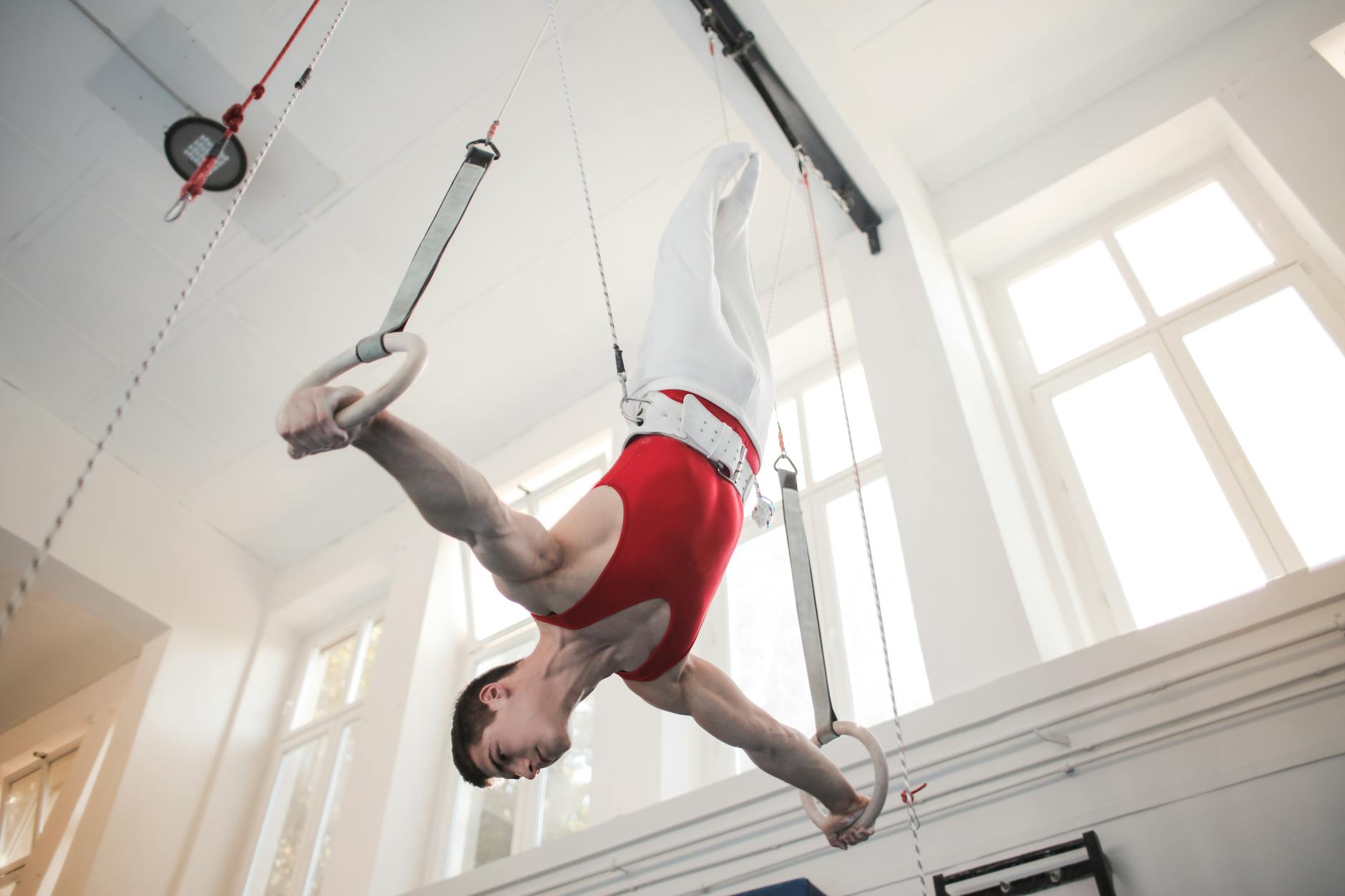
Gymnastics rings are a fundamental and challenging apparatus in the world of elite gymnastics, demanding exceptional strength, control, and technical skill. For athletes seeking mastery on this equipment, understanding the intricacies of training is essential to achieving peak performance. The main inputs and outputs of training for gymnastics rings can be categorized into physical conditioning, skill development, mental preparation, and recovery strategies.
Skill development on the rings involves mastering a variety of elements, from basic grips like the straight hang and overhand grip to advanced techniques such as the giants, iron x, and dismounts. Athletes must cultivate precise control over their body positioning, ensuring that movements are executed with efficiency and grace. Drills focused on specific skills, such as muscle-ups or leg lifts, help isolate and refine technique. Coaches often employ video analysis to identify areas for improvement, allowing athletes to make incremental adjustments in their approach.
Mental preparation is an indispensable component of training for gymnastics rings. The apparatus demands a high level of concentration and focus, as even minor lapses can result in loss of control or injury. Visualization techniques and mental rehearsals are employed to simulate performance scenarios, boosting confidence and reducing anxiety. Athletes must also develop resilience to handle the physical and emotional challenges posed by intense training sessions and competitions. A strong mindset, coupled with a growth mindset, enables athletes to persevere through setbacks and view failures as opportunities for learning.
A Complete Gymnastics Rings Mastery Guide
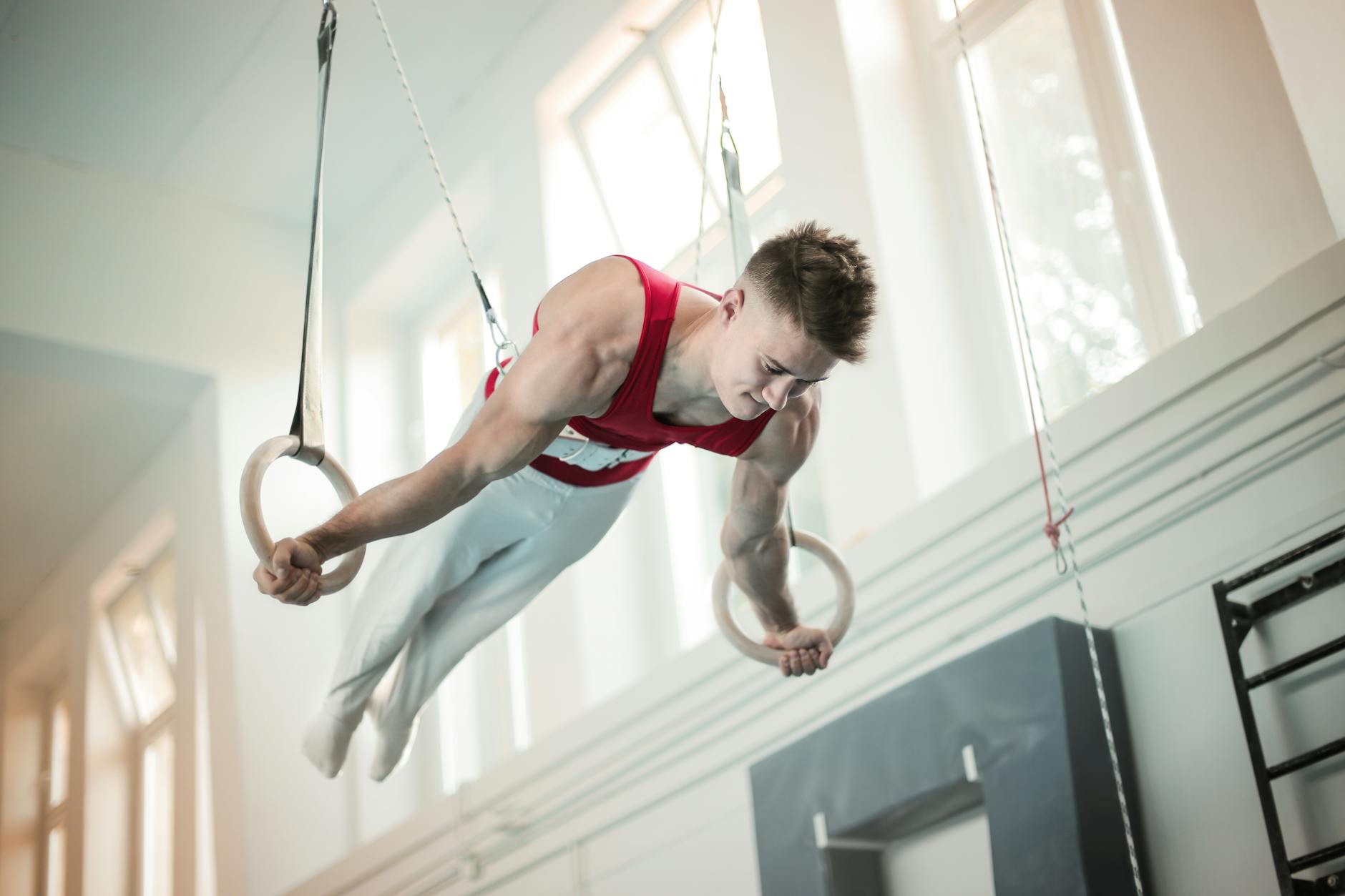
In the realm of gymnastics rings, mastery is a culmination of understanding and applying fundamental principles that govern the behavior of skills. These tenets are essential for any athlete striving for elite performance.
Proper alignment and body positioning are crucial for effective ring training. Maintaining correct posture not only optimizes the transfer of force but also reduces the risk of injury. Elite gymnasts understand that each exercise requires specific alignments tailored to their unique anatomy.
Control is paramount in mastering gymnastic rings. Athletes must learn how to initiate and terminate movements at precise moments, ensuring a smooth transition between skills. This control stems from a solid foundation of core strength and scapular stability.
Fourthly, progression is necessary for continued development. As an athlete advances in their ring training journey, they must gradually increase the difficulty of exercises to challenge their abilities and promote further growth. Carefully planned progressions allow gymnasts to build upon their existing skills while minimizing the risk of injury.
Fifthly, mental focus plays a significant role in executing complex movements on the rings. Elite athletes possess an unwavering concentration that enables them to tackle challenging sequences with confidence and precision. This mental fortitude is honed through dedicated practice and a relentless commitment to improvement.
Recovery is essential for optimal performance and injury prevention. Adequate rest allows the body time to repair and adapt, ensuring that gymnasts can return to training with renewed energy and improved strength. Proper nutrition and hydration further support the body’s recovery process.
The Ultimate Guide to Gymnastics Rings Training
Similarly, in strength training, understanding the relationship between cause and effect is crucial for progressive overload. Overloading muscles through specific types of resistance, whether it’s body weight on rings or added weights, creates a physiological stimulus that leads to muscle adaptation and growth. The cause here is consistent, incremental stress applied to the target muscle groups, and its effect is increased strength and endurance over time. However, if this stress is not properly balanced with adequate rest and nutrition, athletes risk overtraining syndrome, where the desired effects become counteracted by negative physiological consequences.
In elite athletic training programs, coaches often employ various methods to manipulate the cause-effect relationship for optimal performance gains. Periodization is one such strategy, where athletes cycle through different phases of training, like hypertrophy, strength, and power phases, to continually challenge their bodies in new ways. During each phase, the causes of stress are systematically adjusted to produce specific effects, like increased muscle size or improved neuromuscular coordination. This structured approach helps prevent plateaus and ensures steady progression towards elite-level performance.
Injury prevention is intricately linked to cause-effect understanding. By recognizing patterns in an athlete’s training history, such as overuse injuries resulting from repetitive stress on certain joints or muscles, coaches can modify the causes of load applied during sessions. This proactive adjustment leads to a reduction in negative effects like chronic pain or acute injuries, allowing athletes to maintain their training consistency and longevity.
The cause-effect relationship in gymnastics rings training extends beyond individual movements to encompass entire routines and competition strategies. Each element of a floor routine on rings requires precise timing and execution to maximize points while minimizing risk. The causes here are the athlete’s technical proficiency, mental sharpness, and physical conditioning, all working together to produce a seamless performance that elicits favorable effects like high scores from judges.
Understanding cause and effect is not only critical for skill development but also for long-term athletic sustainability. Athletes who grasp the nuances of how their bodies respond to training stimuli can make informed decisions about recovery, nutrition, and rest, all factors that influence the causes of growth and adaptation. This holistic approach ensures athletes remain injury-free and consistently progress in their pursuit of elite status.
The Ultimate Guide to Advanced Gymnastics Rings

Advanced gymnastics rings training demands unparalleled strength, precision, and mastery of complex movements. To achieve elite performance on the rings, athletes must develop a robust foundation in basic skills before progressing to more challenging routines. The ultimate guide to advanced gymnastics rings encompasses understanding the biomechanics involved, refining technique, and integrating strength training into regular practice.
The scale of difficulty in advanced ring exercises is typically measured on a subjective scale ranging from 6.0 to 10.0, with higher numbers indicating greater complexity. Skills such as the giant swing, iron x, and blind master are commonly found at the upper end of this spectrum. These movements require immense shoulder and arm strength, as well as exceptional core stability to maintain proper body alignment throughout execution.
Strength training plays an indispensable role in developing the power necessary to execute advanced ring skills. Exercises such as pull-ups, dips, and grip strengthening activities are essential for building the muscular endurance required to sustain complex routines. The order of magnitude in strength needed for elite-level performances is substantial; athletes often engage in progressive overload programs that gradually increase the difficulty and volume of their workouts.
Technique refinement is another pivotal component of mastering advanced ring gymnastics. Coaches emphasize the importance of maintaining proper form during every movement, even when fatigue sets in. This involves continuously analyzing performance footage to identify areas for improvement and adjusting training accordingly. Skills like the giant swing, which demands a high level of explosive power, require precise body positioning to ensure that momentum is effectively transferred from one hand to the other.
Mental resilience is a key factor in achieving mastery on the gymnastics rings. The order of magnitude in psychological fortitude required to execute advanced skills under pressure cannot be overstated. Athletes must cultivate a mindset that allows them to remain focused and confident, even when confronted with challenging or unfamiliar elements.
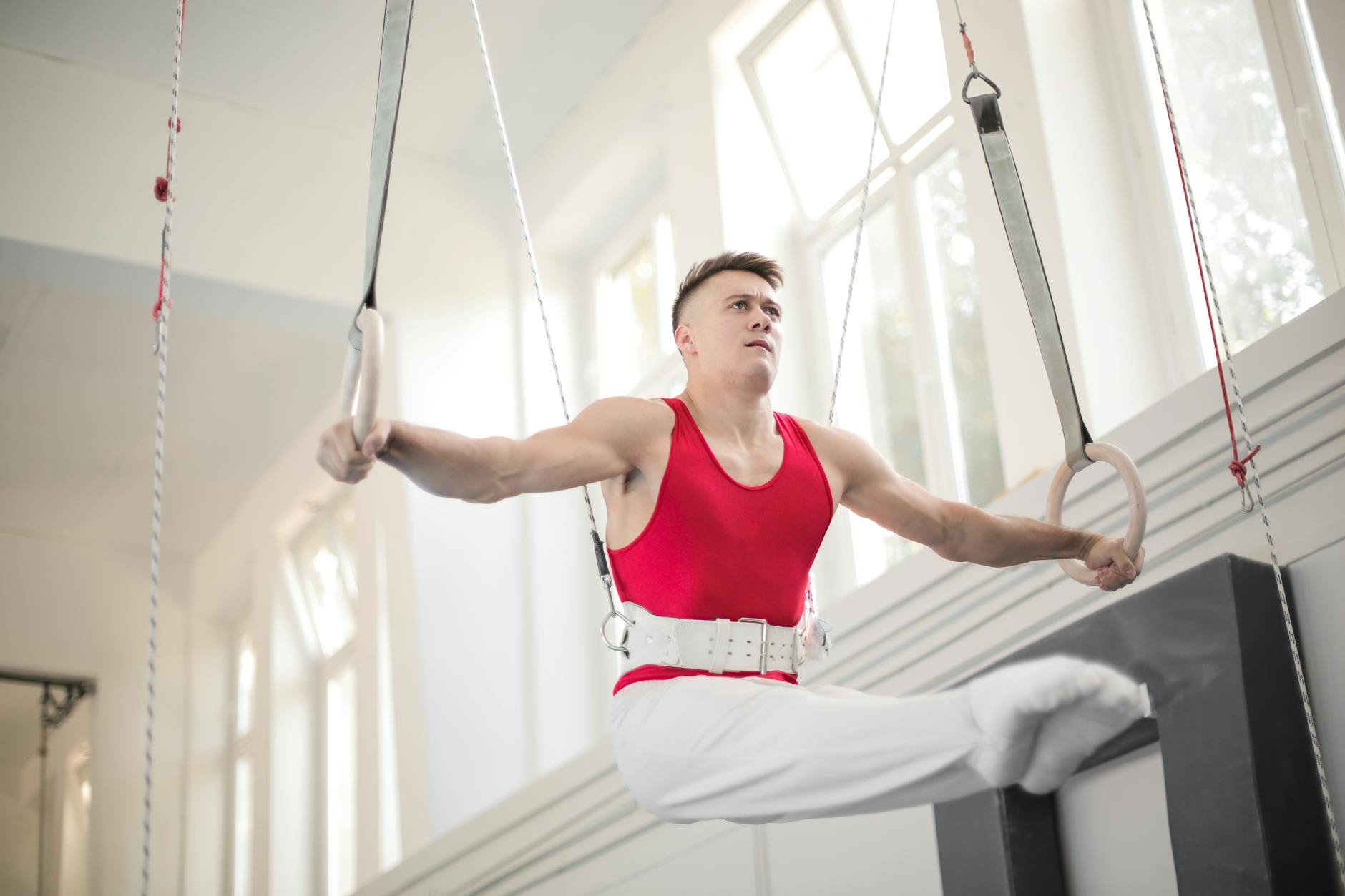
The Ultimate Gymnastics Rings Technique Guide
The ultimate mastery of gymnastic rings demands a nuanced understanding beyond simply hanging and pulling. Ring strength is often considered a measure, but true proficiency involves spatial awareness, scapular control, core stability, and an excellent base level of upper body power. The foundational hang, often overlooked, requires consistent practice to develop the grip strength necessary for longer holds and greater efficiency when progressing to more dynamic movements. Proper hand positioning – generally fingers facing forward – allows for optimal leverage and minimizes unnecessary wrist stress.
Ring dips exemplify a key challenge: achieving perfect concentric and eccentric control. Many athletes tend to push through the dip, often allowing shoulders to compensate. A good indicator of solid technique is a nice, clean vertical path during the movement; this requires core engagement and a strong scapular retraction at the top. Ring rows provide a versatile exercise for targeting back strength and offer a manageable entry point for those new to ring work, easily adjusted by changing body angle – more horizontal equals greater difficulty. Leaning the chest forward increases the range of motion and emphasizes the latissimus dorsi muscle group.
A great interdisciplinary connection can be seen when combining gymnastic ring training with yoga’s focus on core engagement and flexibility; often, a solid yoga practice improves range of motion around the shoulders and hips, which is beneficial for many ring skills. Ring muscle-ups are arguably one of the most satisfying ring movements to master, requiring a blend of strength, speed, and good technique – timing is key here; pulling up high enough and using a slight chest push helps with the transition over the rings.
Consistency in training is paramount. Short, regular sessions focused on building solid foundational strength often prove more effective than occasional longer workouts that can lead to soreness or minor injuries. Grip strength needs specific attention – incorporating exercises like dead hangs, farmer’s walks, and plate pinches into a routine will pay dividends. Paying close attention to scapular positioning throughout each movement ensures proper muscle activation and helps minimize the risk of shoulder impingement.
How to Master Gymnastics Rings – Ultimate Guide
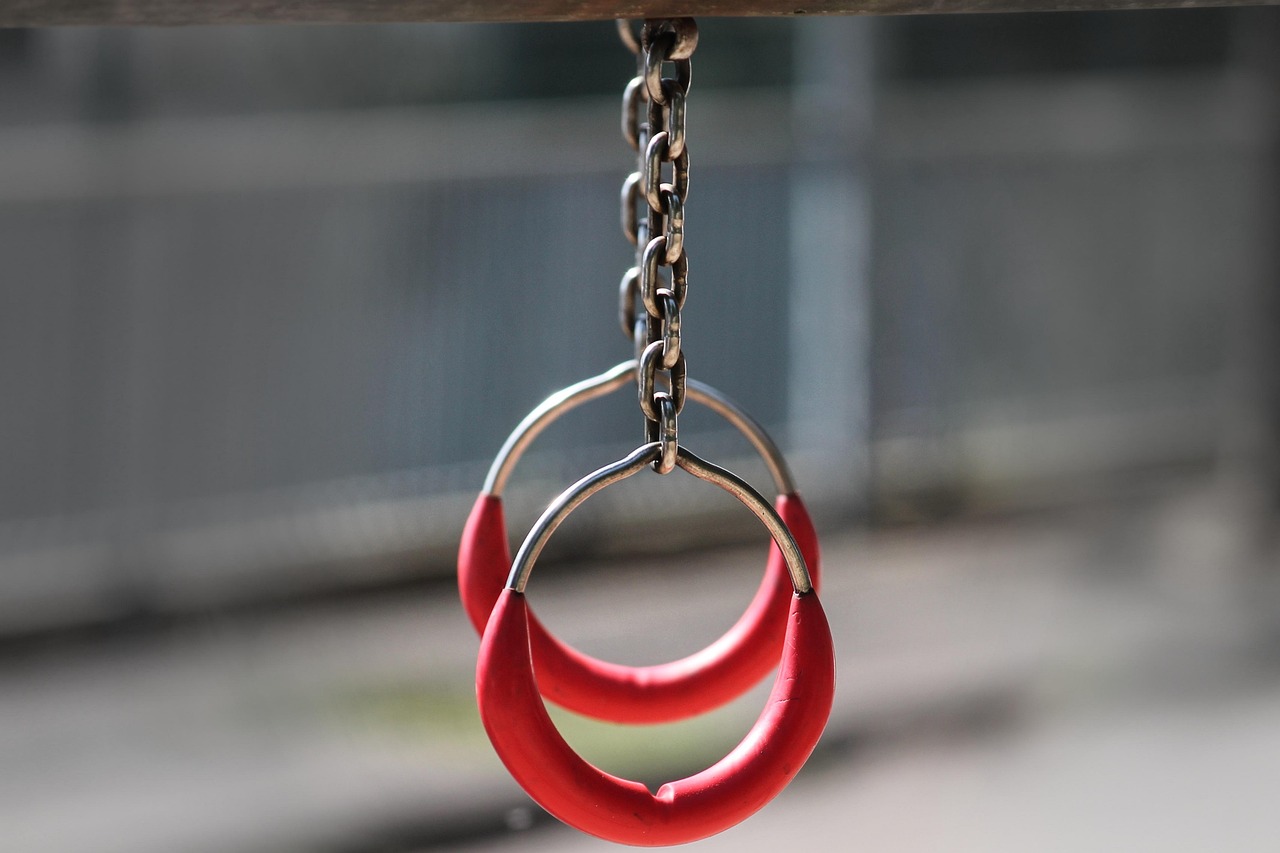
Mastering gymnastic rings requires a deep understanding of the techniques, skills, and strength required to perform various exercises effectively. For aspiring athletes or fitness enthusiasts seeking elite-level performance on the rings, a systematic approach to training is essential. In this guide, we delve into the standard methods for analyzing and studying gymnastics ring training, providing factual and informative insights to help you progress toward mastery.
Firstly, it’s crucial to understand the anatomical demands of rings exercises. The muscles engaged during ring workouts primarily target the shoulders, back, core, and upper body. By focusing on proper form and technique, gymnasts can develop a strong foundation for advanced skills. Analyzing movements through video recordings or observing experienced athletes can offer valuable insights into effective muscle recruitment and body positioning.
Incorporating a well-rounded training regimen that includes both strength and skill development is essential for gymnastics ring progression. Building a solid base of upper body strength through exercises like push-ups, pull-ups, and dips can provide the foundation needed to master more challenging skills. Additionally, practicing specific skills with targeted drills can help athletes refine their technique and increase their proficiency on the rings.
Fourthly, developing a mindset focused on perseverance and dedication is crucial for those seeking mastery in gymnastic ring training. Elite athletes consistently put in the time and effort required to hone their skills, often facing numerous setbacks and challenges along the way. Embracing this mindset can help you stay motivated during challenging moments and push through plateaus, ultimately leading to greater progress and improvement.
Seeking guidance from experienced coaches or trainers can significantly accelerate your gymnastic ring training journey. Their expertise and knowledge can provide invaluable insights into proper form, technique, and training strategies tailored to your individual needs and goals. By working closely with a coach, you’ll receive personalized feedback and guidance designed to help you reach new heights in your gymnastics ring training.
The Ultimate Guide to Gymnastic Rings Training
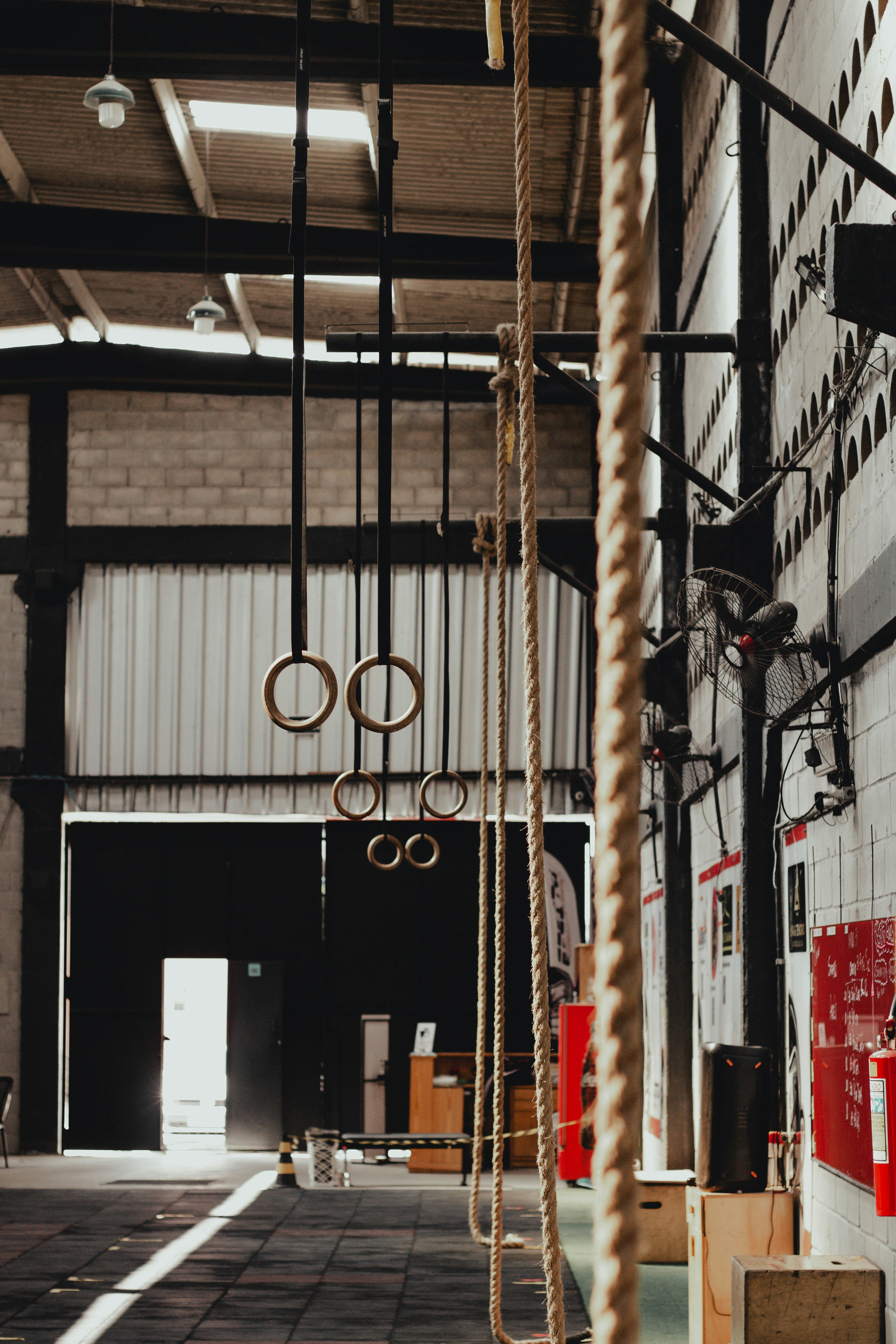
Elite gymnastic rings training demands a profound understanding of biomechanics, neuromuscular adaptations, and psychological resilience. To excel in this dynamic discipline, athletes must continuously adapt to the ever-changing environment of competition, equipment, and training methodologies. The ability to adjust effectively is rooted in a deep comprehension of one’s body mechanics, allowing for precise adjustments during routines or when encountering unforeseen challenges such as variations in ring diameter, length, or tension.
Neuromuscular adaptations are critical in honing gymnastic skills. Elite athletes engage in targeted strength and flexibility training to enhance their ability to perform complex movements with precision. This involves not only increasing muscle strength but also improving proprioception and motor control, which are essential for maintaining balance and executing transitions between elements on the rings. Advanced training techniques such as plyometrics and resistance band exercises help build explosive power and endurance necessary for extended routines or high-level competitions.
Psychological adaptability is equally vital in gymnastic rings training. The mental aspect of performance involves developing strategies to cope with the pressure of competition, managing fear of height or failure, and maintaining focus under varying conditions such as different ring setups or audience distractions. Mental preparation through visualization techniques, mindfulness, and positive self-talk empowers athletes to adapt mentally, ensuring consistency in their performance despite environmental changes.
Elite gymnasts continuously refine their technique by analyzing performance data, seeking feedback from coaches, and incorporating new training methodologies. This iterative process of assessment and adaptation ensures that athletes remain at the forefront of their sport. The integration of technology, such as motion capture systems and biomechanical analysis software, provides valuable insights into movement efficiency, enabling targeted adjustments to optimize performance on the rings.
Complete Guide to Advanced Gymnastics Rings

Mastery in advanced gymnastics rings scales with increasing complexity and size through a meticulous progression of skill development, technical refinement, and physical conditioning. As the difficulty level rises, athletes must adapt their movements to accommodate more intricate sequences, greater leverage points, and extended duration on the apparatus. This requires not only superior strength and flexibility but also advanced neuromuscular control and proprioceptive awareness. The integration of complex elements such as dismounts, swings, turns, and releases demands precise timing, balance, and spatial orientation, all of which are honed through repetitive practice and analytical feedback.
The relationship between complexity and mastery is evident in the transition from basic to advanced routines. Beginner gymnasts focus on foundational skills like hangs, grips, and simple swings, building a base of strength and comfort with the apparatus. As they progress, athletes incorporate more challenging elements such as giants, cat-faces, and flips, which necessitate greater power output, precise muscle activation, and mental focus. Advanced gymnasts then tackle multi-element combinations, requiring seamless transitions between dissimilar movements while maintaining control and execution quality.
Physical conditioning plays a crucial role in scaling mastery. Increased muscle strength, particularly in the core, shoulders, and forearms, is essential for supporting bodyweight over extended periods and generating the force needed for dynamic elements. Flexibility training enhances range of motion, enabling athletes to execute complex positions and movements with greater ease. Cardiovascular endurance is also vital, as longer routines demand sustained energy output without fatigue-induced compromise in technique.
Technical refinement involves a deep understanding of biomechanics and kinetic principles. Gymnasts must optimize their body positioning to maximize efficiency and minimize energy expenditure during complex sequences. This includes adjusting grip positions, aligning the body for optimal leverage, and synchronizing muscle groups for smooth transitions between elements. Coaches and athletes often employ video analysis and sensory feedback to identify areas for improvement, refining execution until it becomes second nature.
Mental resilience is another critical factor in scaling mastery. The psychological challenge of performing intricate routines under pressure requires confidence, focus, and the ability to adapt to unexpected situations. Advanced gymnasts develop a strong mental game by visualizing success, managing anxiety through controlled breathing and mindfulness techniques, and maintaining composure during high-stakes performances.
Mastery in advanced gymnastics rings is achieved through years of dedicated training, blending physical prowess with technical precision. As complexity increases, athletes must continuously reassess and adapt their approach, integrating new skills while preserving the integrity of established techniques. This evolving process fosters a lifelong journey of growth and refinement, driven by a passion for the sport and an unwavering commitment to excellence.
