
The first step in developing an effective home workout is to assess your current fitness level and set realistic goals. Whether you aim to lose weight, build muscle, or improve cardiovascular health, understanding your starting point is crucial. Begin by incorporating a mix of exercises that target different muscle groups, ensuring balanced development. Incorporate bodyweight exercises such as push-ups, squats, lunges, and planks, which require no equipment and can be performed in any space. These exercises engage multiple muscles simultaneously, offering a full-body workout in a short time.
To optimize your routine, consider incorporating high-intensity interval training (HIIT). HIIT involves short bursts of intense exercise followed by brief recovery periods, leading to increased calorie burn and improved cardiovascular fitness. A typical HIIT session might include 30 seconds of maximal effort on an exercise like burpees or jumping jacks, followed by 15 seconds of rest, repeated for several rounds. This approach not only saves time but also boosts metabolism, aiding in fat loss and muscle preservation.
Strength training is another essential component of any home workout regimen. Focus on compound movements that work multiple muscle groups at once, such as deadlifts (using a resistance band if no weights are available), bodyweight squats, and pull-ups or modified rows with a TRX suspension trainer. These exercises enhance muscle strength and endurance while improving posture and joint health. Incorporate two to three strength training sessions per week, allowing for adequate recovery time between workouts.
Hydration and nutrition play vital roles in supporting your home workouts. Ensure you drink adequate water before, during, and after exercise to maintain energy levels and optimize performance. A balanced diet rich in lean proteins, whole carbohydrates, and healthy fats provides the necessary fuel for intense workouts and aids in muscle recovery. Consider consulting with a nutritionist to tailor your dietary needs based on your fitness goals.
Prioritize rest and recovery to avoid burnout and injuries. Aim for at least seven hours of sleep per night to support muscle repair and hormonal balance. Schedule rest days into your workout schedule to allow your body to recuperate, ensuring sustained progress over time. By integrating these elements, efficiency, strength, flexibility, nutrition, and recovery, into your home workouts, you can effectively manage a busy schedule while maintaining a healthy, active lifestyle.

Fast and Easy Home Workouts

Strength training exercises are fundamental to building muscle mass and increasing metabolic rate. Bodyweight exercises such as push-ups, squats, lunges, and planks provide an accessible means of resistance training without requiring equipment. These exercises engage multiple muscle groups simultaneously, enhancing functional strength that translates to daily activities. For those with access to light weights or resistance bands, incorporating these tools can further diversify the workout, targeting specific muscles and progressively increasing intensity.
Cardiovascular exercises are essential for improving heart health and burning calories efficiently. High-intensity interval training (HIIT) is a time-efficient method that alternates between short bursts of intense activity and brief recovery periods, delivering significant cardiovascular benefits in minimal time. Simple movements like jumping jacks, burpees, or mountain climbers can be integrated into a workout routine to elevate the heart rate and boost metabolic function.
A well-planned workout schedule ensures consistency and progression. Starting with a realistic time commitment, such as 20-30 minutes per session, allows for easy integration into busy schedules. As fitness levels improve, gradually increasing the duration or intensity of workouts can sustain motivation and prevent plateaus. Including rest days is vital to allow muscles to recover and grow, thereby optimizing long-term results.
Hydration and nutrition play supporting roles in maximizing workout effectiveness. Staying adequately hydrated before, during, and after workouts supports energy levels and muscle function. A balanced diet rich in proteins, complex carbohydrates, and healthy fats provides the necessary fuel for workouts and aids in recovery.
Great Home Workouts for Busy Adults
Firstly, tracking physical metrics stands as a cornerstone in evaluating workout effectiveness. These metrics include weight, body mass index (BMI), body fat percentage, and waist circumference. Regular weighing and measuring can provide tangible evidence of changes over time, whether those changes are intended to be increases in muscle mass or reductions in body fat. Additionally, tracking these measurements helps individuals stay accountable and motivated by visualizing their progress against set goals.
Fitness assessments also play a significant role in evaluating workouts. These assessments might include tests for strength, flexibility, balance, and cardiovascular endurance. Strength tests can measure how much weight an individual can lift or the number of repetitions they can perform with specific weights. Flexibility is often assessed through range-of-motion exercises or specific stretches designed to test joint health. Balance assessments might involve standing on one leg or performing exercises that challenge stability. Cardiovascular endurance can be evaluated through activities like running, swimming, or cycling over a set distance or time, observing how well the body sustains effort over time.
Technological advancements have further enriched workout evaluation through wearable devices and specialized apps. These tools can track steps taken, calories burned, sleep patterns, and even recovery times between workouts. They provide real-time data and feedback that can be instrumental in making immediate adjustments to a workout plan. Moreover, they offer long-term trends and insights into an individual’s health and fitness journey, fostering a more proactive approach to maintaining optimal physical condition.
Full-body Workout Routine for Busy People
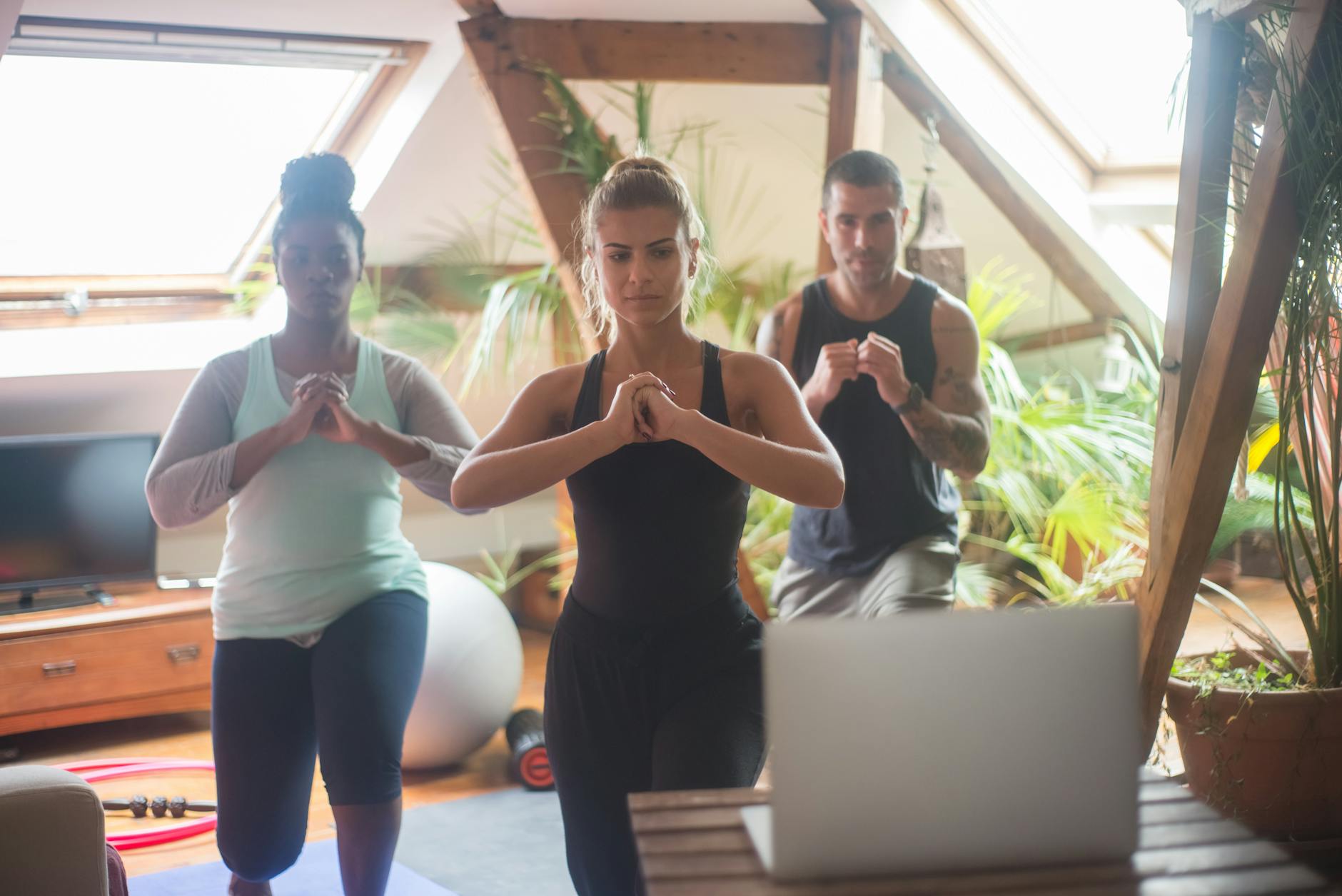
Optimizing exercise when time is limited often requires a full-body approach, ensuring major muscle groups receive attention in each session. This maximizes the metabolic benefit and generally allows for greater scheduling flexibility compared to split routines that require multiple sessions per week. A well-structured routine emphasizes compound movements – exercises engaging multiple joints and muscles simultaneously – to further boost efficiency. Squats, deadlifts (or variations), presses (bench or overhead), rows, and pulls are excellent foundational choices, offering a good balance of pushing, pulling, and leg work.
Varying exercise selection adds a nice element of interest to keep things from getting stale, alongside offering slightly different stimuli for muscular adaptation. Lunges or step-ups can replace squats occasionally; dumbbell rows can be swapped for pull-up variations (assisted if needed); and overhead presses can be modified with dumbbells or kettlebells. Paying attention to recovery is essential, too. Adequate sleep, proper nutrition – enough protein for muscle repair and carbohydrates to fuel workouts – and good hydration all contribute significantly to progress.
Consider incorporating core work into each session, planks, Russian twists, or bird dogs are solid choices that don’t require a lot of time. A full-body routine is ultimately adaptable; it’s about finding what works best for individual schedules and preferences while ensuring the key elements of good form, adequate volume, and sufficient recovery are all accounted for. Consistent effort over time yields consistent results, making this a solid strategy for busy people looking to integrate effective movement into their lifestyle.


Easy Home Workouts for Busy Schedules
The fundamental principles that govern the behavior of the body during exercise include energy expenditure, muscle activation, and cardiovascular health. When engaging in physical activity, the body consumes energy to fuel movement and maintain metabolic functions. This energy is primarily derived from carbohydrates and fats, with protein serving as a secondary source. Understanding these energy pathways is crucial for designing effective workouts that promote fat loss and muscle growth.
Muscle activation is another key principle in workout design. Targeting specific muscle groups through varied exercises ensures balanced development and prevents imbalances that can lead to injury. Home workouts for busy schedules often incorporate bodyweight exercises, such as push-ups, squats, and lunges, which engage multiple muscle groups simultaneously. These compound movements not only enhance strength but also improve functional fitness, allowing individuals to perform daily activities with ease.
Cardiovascular health is equally important in any exercise regimen. Incorporating interval training or high-intensity bursts within home workouts can significantly boost heart rate and improve endurance without requiring extensive time commitments. Activities like jumping jacks, burpees, or mountain climbers provide an efficient way to enhance cardiovascular fitness while engaging the entire body.
Hydration and nutrition also play vital roles in optimizing workout effectiveness. Staying adequately hydrated before, during, and after exercise supports energy levels and muscle function. A balanced diet, rich in lean proteins, complex carbohydrates, and healthy fats, fuels the body and facilitates recovery.
Effective Home Workouts for Busy Lives

In technical terms, routine workouts facilitate neural adaptations that optimize motor control and muscle memory, enabling individuals to perform exercises with greater efficiency and precision. This adaptation is particularly beneficial for busy individuals who may have limited time to dedicate to physical activity, as their bodies become more adept at utilizing energy efficiently and recovering quickly between sessions. Additionally, the repetitive nature of a workout routine stimulates the release of growth hormones and other anabolic agents that promote muscle repair and growth, even during periods of rest.
To maximize the effectiveness of home workouts, it is essential to design a program that incorporates a balanced mix of aerobic, strength, and flexibility exercises. Aerobic activities, such as jumping jacks or high knees, enhance cardiovascular fitness and burn calories efficiently. Strength training, through bodyweight exercises like push-ups and squats, builds muscular endurance and supports metabolic health by increasing lean mass. Flexibility routines, including static stretches and dynamic movements, improve joint mobility and reduce the likelihood of injury.
Adherence to a consistent schedule is paramount for achieving optimal results. Even short, daily workouts can yield significant benefits over time due to the cumulative effect of regular physical activity on the body. By scheduling workouts at convenient times, such as before or after completing essential tasks, individuals can maintain momentum and gradually develop a habit that aligns with their lifestyle.
Home Workouts for Busy Professionals

Home workouts have gained immense popularity in recent times, especially among busy professionals. With hectic schedules and long working hours, finding time to hit the gym can be a challenge. However, incorporating a simple yet effective workout routine at home is an achievable solution. In this article, we’ll discuss a step-by-step breakdown of an efficient body routine that can help you maintain fitness while balancing your professional commitments.
The core operation of our proposed routine consists of three essential elements: consistency, intensity, and variety. These principles will ensure that your workouts remain effective, engaging, and sustainable.
Firstly, consistency is key to seeing progress in your fitness journey. Aim to dedicate at least 20-30 minutes each day for your workout. Although it may seem like a small investment of time, the long-term benefits are significant. Regular physical activity has been proven to improve cardiovascular health, boost energy levels, and reduce stress.
Intensity is crucial for maximizing the impact of your workouts. Incorporate compound movements such as squats, lunges, push-ups, and sit-ups into your routine. These exercises engage multiple muscle groups simultaneously, ensuring a full-body workout that delivers results in less time.
Squats (3 sets x 12 reps): Stand with your feet hip-width apart and toes slightly turned out. Lower your hips as if sitting in a chair, keeping your chest lifted. Engage your core and squeeze your glutes to rise back up. Repeat for the desired number of repetitions and sets.
Lunges (3 sets x 10 reps per leg): Begin by stepping forward with one foot while bending both knees. Lower yourself until your front thigh is parallel to the ground, then push through your heel to return to standing. Repeat for the other leg.
Push-ups (3 sets x 12 reps): Assume a plank position with your hands slightly wider than shoulder-width apart and feet hip-distance apart. Lower your body towards the ground while keeping your core engaged, then push back up to the starting position.
Sit-ups (3 sets x 15 reps): Lie down on your back with your knees bent and feet flat on the floor. Place your hands behind your head for support. Engage your core to lift your upper body towards your knees, then lower yourself back down.
Plank (3 sets x 30 seconds): Start in a push-up position but rest on your forearms instead of your hands. Maintain a straight line from your head to your heels while engaging your core to keep your body stable.
Bridge (3 sets x 12 reps): Lie down on your back with your feet hip-width apart and your knees bent. Push through your heels to lift your hips off the ground, then lower yourself back down.
Incorporating this routine into your daily schedule is an excellent way to maintain a healthy body and lifestyle despite your busy professional commitments. Remember, consistency, intensity, and variety are the key principles that will help you reap the rewards of regular home workouts.
Best Home Workouts for Busy Schedules
Under extreme conditions for lifestyle, the body and mind undergo significant adaptations to cope with heightened demands. Incessant lack of sleep, excessive physical exertion, or sustained mental stress can lead to a cascade of physiological changes. The body prioritizes survival mechanisms, often at the expense of long-term health. Cortisol levels spike, leading to increased blood sugar and suppressed immune function, a condition that may contribute to chronic inflammation and disease susceptibility over time. Muscular endurance declines as energy reserves deplete, reducing the capacity for effective workouts and daily activities. Flexibility suffers due to prolonged sedentary periods or repetitive movements, raising the risk of strains and injuries. Cardiovascular efficiency diminishes as the heart struggles to meet oxygen demands without adequate rest.
Mental resilience is similarly affected. Chronic stress impairs cognitive function, reducing focus and decision-making ability, critical for maintaining consistency in workout routines. Emotional exhaustion may manifest as irritability or apathy, undermining motivation. Social isolation often accompanies extreme schedules, depriving individuals of emotional support systems essential for long-term adherence to healthy habits. The body’s regulatory systems become overwhelmed, potentially altering metabolic rates and energy expenditure patterns. This imbalance can lead to weight fluctuations or even metabolic disorders as the system struggles to maintain homeostasis.
The risk of injury escalates when workouts are forced into compressed timeframes without proper recovery. Muscles and joints operate beyond optimal ranges due to insufficient rest between sessions. Repetitive strain from monotonous movements compounds this issue, creating conditions ripe for overuse injuries. Nutritional intake often suffers as meal planning becomes a secondary priority, leading to deficiencies or imbalances. Hydration levels decline, impairing cellular function and athletic performance. The immune system weakens, making the body more susceptible to illnesses that could derail even the most disciplined schedule.
Psychological health deteriorates as routine disruption triggers anxiety or depression. The mind’s capacity for self-regulation diminishes under prolonged stress, increasing reliance on unhealthy coping mechanisms like substance abuse or emotional eating. Relationships suffer from reduced quality time with loved ones due to competing priorities. Financial strain may emerge from rushed meal preparation or lack of access to healthy food options, perpetuating a cycle of poor lifestyle choices. The cumulative effect is a fragile physiological state where one injury or illness can trigger a domino effect of health degradations.
Cognitive performance suffers as chronic stress impairs working memory and executive function. Decision fatigue becomes commonplace, making it harder to stick to structured routines or resist unhealthy temptations. The brain’s reward centers become less responsive to positive stimuli, reducing intrinsic motivation for self-care activities. Social skills atrophy from lack of interaction, impacting workplace relationships and community connections. The body’s hormonal balance shifts toward a more catabolic state, breaking down tissues rather than building them. This leads to accelerated aging markers even in young adults subjected to extreme lifestyle pressures.
The consequences extend beyond immediate health outcomes. Poor lifestyle choices accumulate into long-term conditions such as hypertension or diabetes, requiring medical intervention and reducing quality of life. Financial burdens from healthcare costs further strain limited resources. The mental health toll manifests in chronic stress disorders that require specialized treatment. Physical disabilities may emerge from unaddressed injuries, limiting occupational opportunities. Social isolation creates a feedback loop where poor health reduces capacity for social engagement, perpetuating loneliness and depression. This spiral of deterioration underscores the critical need for balance even under extreme scheduling demands.

Quick Home Workouts for Busy People

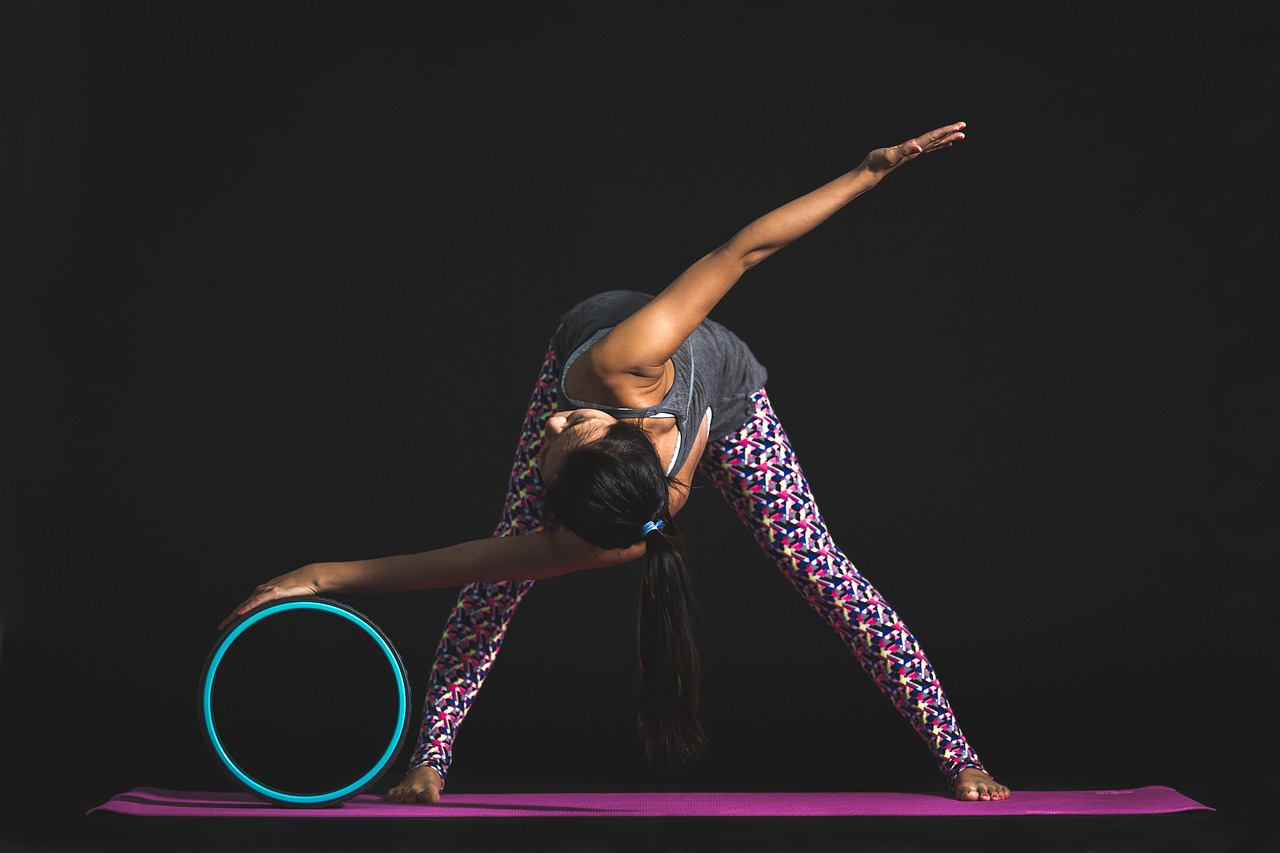
Quick home workouts are essential for busy individuals seeking to maintain a healthy lifestyle without sacrificing valuable time. In today’s fast-paced world, finding moments to exercise can be challenging, but incorporating short, efficient routines into your daily schedule is possible and beneficial. These workouts focus on high-intensity interval training (HIIT), bodyweight exercises, and functional movements that engage multiple muscle groups simultaneously, maximizing results in minimal time.
To begin, assess your current fitness level to tailor the intensity of your workouts. For beginners, start with simple bodyweight exercises such as push-ups, squats, lunges, planks, and burpees. These movements enhance strength, flexibility, and cardiovascular endurance. Advanced individuals can incorporate weighted exercises like kettlebell swings, dumbbell curls, or resistance band work to increase intensity and challenge specific muscle groups.
Remember to prioritize proper form and technique to avoid injury and ensure exercise effectiveness. If necessary, consult fitness resources online or hire a virtual trainer for guidance. Consistency is key; aim to complete workouts 3 to 5 times weekly to achieve sustainable results. By dedicating short bursts of time to exercise, busy individuals can effectively maintain physical health without compromising their schedules.
Good Home Workouts When Short on Time
Hydration and nutrition play crucial roles in optimizing performance and recovery. Staying adequately hydrated before, during, and after workouts ensures optimal physiological functions. Consuming a balanced meal rich in protein, complex carbohydrates, and healthy fats provides the necessary energy and supports muscle repair. Additionally, prioritizing sleep and stress management is essential to prevent burnout and maintain consistent progress. By adhering to these principles, individuals can achieve effective results even with limited time commitments.
Best Workouts for People Who Sit all Day

Seated leg raises: Sitting at a desk doesn’t mean you have to neglect lower body workouts entirely. Seated leg raises, both front and side, can be done discreetly under the table and help strengthen your core and legs. Make sure to keep your back straight and engage your abs during these movements for maximum effect.
Desk dips: Use your desk or a sturdy chair for support to perform tricep dips. This simple exercise can be done in the comfort of your own office and requires no additional equipment. Aim for 2-3 sets of 10-15 reps to build upper body strength.
Stretching: Regular stretching is essential for maintaining flexibility and reducing muscle tension. Incorporate simple stretches, like neck rolls, shoulder stretches, and hip openers into your routine throughout the day. These movements can help alleviate stress and improve circulation while sitting.
Yoga poses: Certain yoga poses are ideal for individuals with sedentary lifestyles as they can be done in a seated position. Poses like seated mountain pose, cat-cow stretch, and seated spinal twist can help improve posture, relieve tension, and boost energy levels.
When creating a workout routine for individuals who spend most of their day sitting, it’s essential to consider the tradeoffs between incorporating regular physical activity and maintaining productivity. Scheduling short exercise breaks throughout the day, such as 5-10 minute sessions, can help minimize disruptions while maximizing health benefits. Additionally, focusing on exercises that can be done discreetly at your desk or nearby area can make it easier to fit fitness into a busy work schedule. Remember, even small changes in your daily routine can lead to significant improvements in both your physical and mental well-being.
Top Home Workouts for a Busy Lifestyle
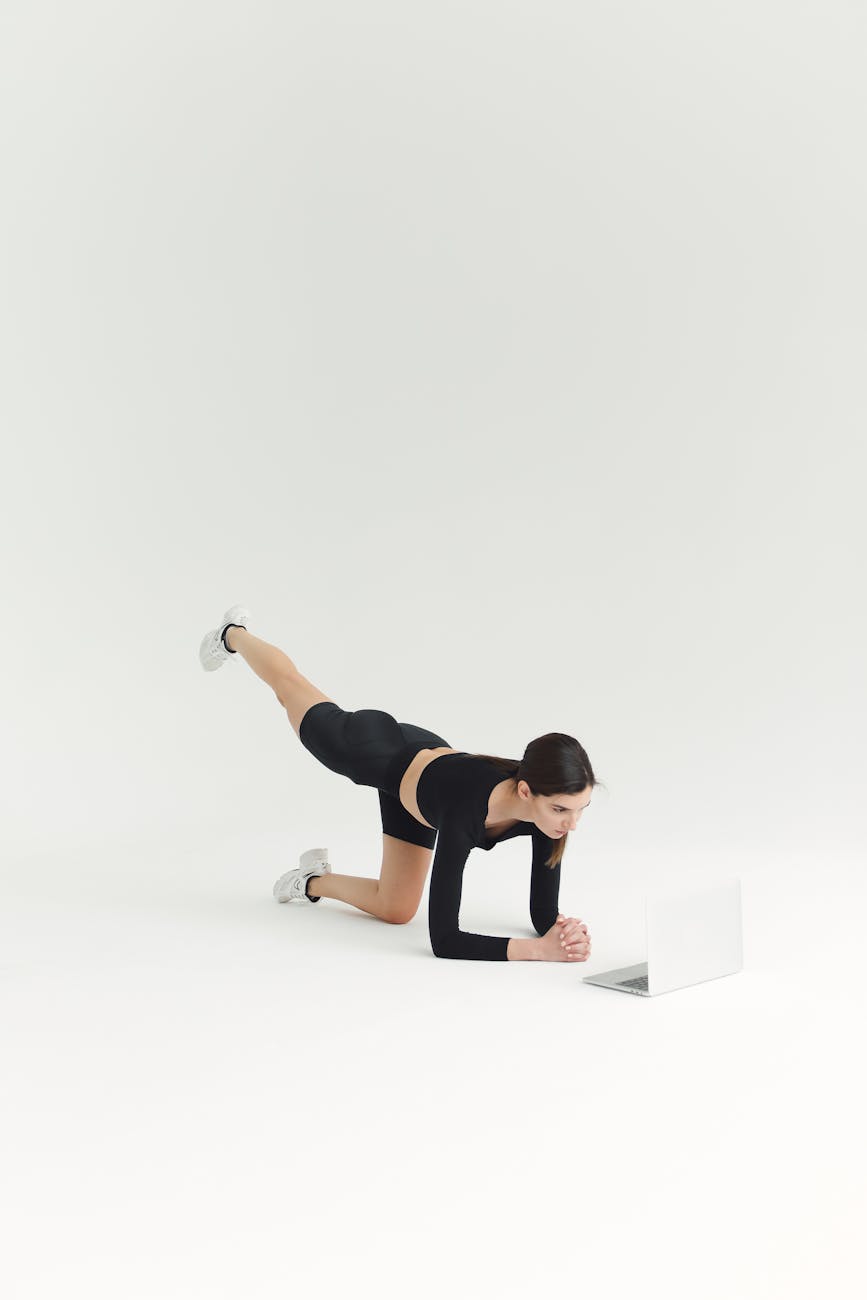
The first essential aspect of any home workout is setting clear goals. Whether the objective is weight loss, muscle gain, increased endurance, or general fitness, defining goals helps in selecting appropriate exercises. For busy individuals, short but intense workouts are ideal. High-Intensity Interval Training (HIIT) is particularly effective, combining cardiovascular exercise with strength training in brief, high-effort intervals separated by short rest periods. This approach not only saves time but also boosts metabolism, leading to continued calorie burn even after the workout.
For individuals with limited time but high energy levels, interval running or sprinting in place can provide an effective cardiovascular workout. This simple exercise requires no equipment and can be done indoors, making it ideal for inclement weather or time constraints. By alternating between sprinting and walking or jogging at a moderate pace, one can improve cardiovascular health and burn calories efficiently.
Incorporating resistance band workouts is another versatile option. Resistance bands offer adjustable levels of difficulty, allowing individuals to progress as they build strength. Exercises such as bicep curls, tricep extensions, shoulder presses, and leg presses can be performed using bands, targeting various muscle groups. This form of workout is particularly beneficial for those with busy schedules as it combines strength training with the convenience of portable equipment.
Integrating stretching and mobility exercises into a home workout routine is crucial. Dedicating 10-15 minutes to dynamic stretches and mobility drills can enhance flexibility, improve joint function, and prevent muscle imbalances. Activities such as arm circles, leg swings, hip rotations, and torso twists prepare the body for more intense workouts while aiding in recovery post-exercise.
Top 10 Home Workouts for Busy People
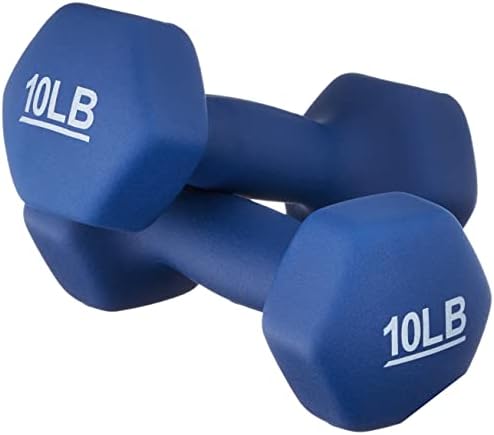
Effective home workouts often integrate seamlessly into a busy lifestyle, requiring minimal equipment and adaptable schedules. A solid foundation begins with the Bodyweight Blitz – a classic circuit combining squats, push-ups (modified on knees if needed), lunges, and plank holds. This routine tackles major muscle groups and requires only floor space, making it ideal for quick morning sessions or lunchtime boosts. Next comes the Chair Cardio Blast; utilizes a sturdy chair to add some variety with seated punches, dips, and triceps extensions – good for when mobility is limited or seeking a lower-impact option.
Yoga Flow is another excellent choice, emphasizing flexibility and mindful movement which can combat stiffness from desk work or long commutes. A twenty-minute flow focuses on key stretches like downward dog, sun salutations, and warrior poses, often improving posture and reducing stress. For those wanting to incorporate some core strength, the Core Crusher routine provides a good challenge with variations of crunches, leg raises, bicycle kicks, and bird dogs – all easily done in front of the television or during a favorite podcast episode. Consistency is key; even fifteen minutes daily proves more effective than one longer session per week.
The Tabata Tracker routine utilizes the popular 20 seconds work/10 seconds rest interval system allowing for a good cardio blast within a short timeframe; often works well with jumping jacks, high knees or mountain climbers. Fitball Focus incorporates an exercise ball for added stability and core engagement during squats, crunches and planks – a great option to add a little extra challenge. Finally, the Dance Party Workout combines favorite tunes with fun dance moves – perfect for boosting mood and burning calories without feeling like it’ for work. These routines can be easily customized depending on fitness level and music preferences. Often these are incorporated into an existing lifestyle already full of commitments.
