
Balance is heavily reliant on the coordination between the nervous system, muscles, and joints. Regular exercise strengthens these components by enhancing muscle tone, improving joint mobility, and refining proprioception, the body’s ability to perceive its position in space. When fitness levels drop, this complex interplay becomes less efficient, making it more challenging to maintain stability during movement or while standing still.
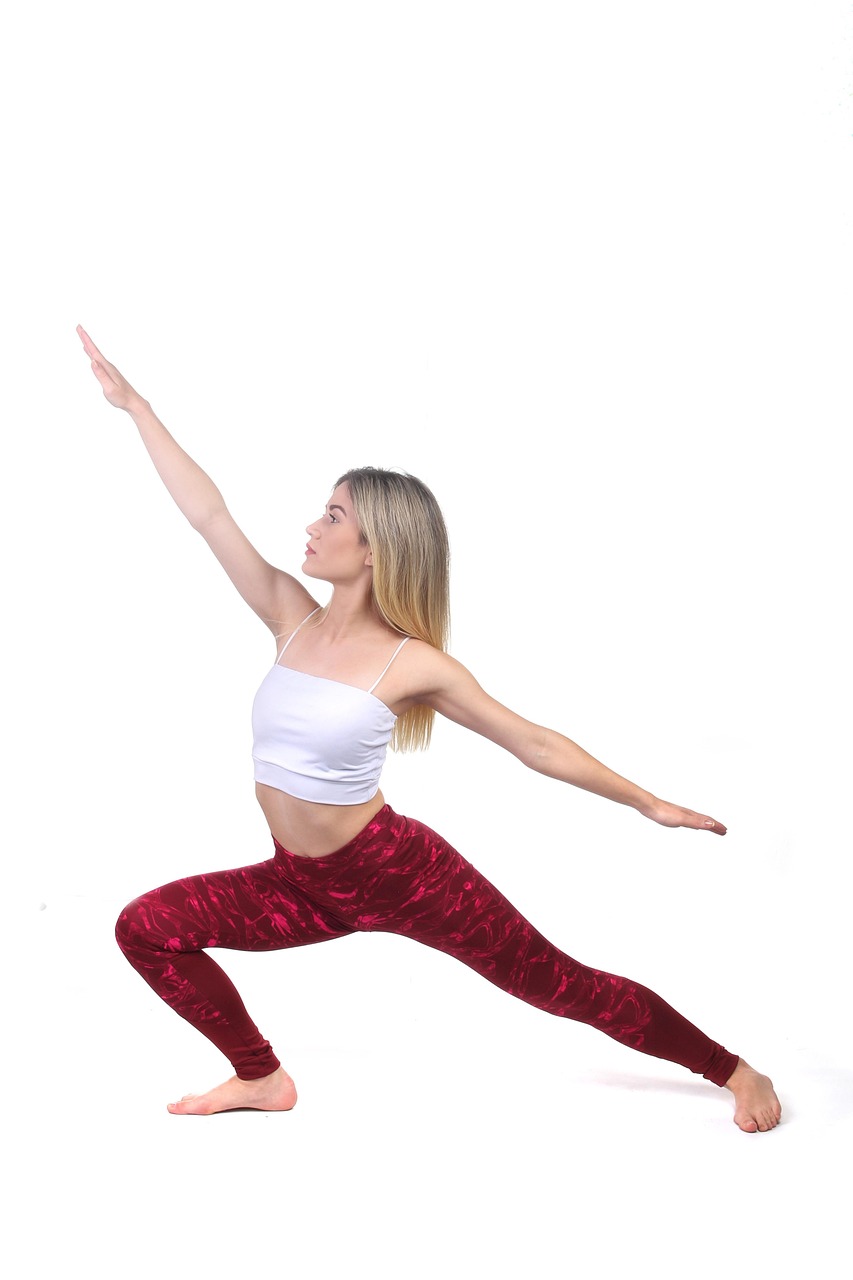
One of the primary benefits of exercise for better balance is the development of core strength. The core muscles act as a stabilizing force, supporting the spine and pelvis, which are central to maintaining balance. Exercises such as planks, bridges, and yoga poses like warrior or tree pose engage these muscles, fostering a stronger foundation that prevents imbalances. Without regular core workouts, the risk of postural issues and instability increases, particularly in older adults or those with pre-existing musculoskeletal conditions.
Flexibility is another critical factor influenced by exercise. Stretching routines and activities like yoga and Pilates improve the range of motion in joints, allowing for smoother and more controlled movements. Reduced flexibility due to a sedentary lifestyle can lead to tight muscles and restricted movement patterns, impairing balance. Incorporating dynamic stretches and mobility exercises into a fitness regimen helps maintain the elasticity needed for effective balance control.
Cardiovascular exercise also contributes to better balance by enhancing circulation and oxygen delivery to muscles. Activities such as swimming, walking, or cycling improve heart health and endurance, which supports sustained physical activity without fatigue-induced instability. Poor cardiovascular fitness can result in quicker exhaustion, reducing the ability to maintain balance during prolonged activities or emergencies.
To physical benefits, exercise influences mental aspects of balance. Engaging in mindful practices like tai chi or yoga promotes focus and concentration, which are vital for coordinating movements and responding to environmental changes. When fitness is neglected, cognitive functions related to balance may decline, leading to a higher likelihood of accidents.
Exercise helps in preventing age-related declines in balance by addressing sarcopenia, the loss of muscle mass associated with aging. Strength training and resistance exercises counteract this process by preserving muscle mass and function, ensuring that individuals remain balanced and independent as they age.

The Benefits of Yoga for Athletes
One of the primary benefits of incorporating yoga into a swimmer’s routine is the improvement in flexibility. Swimming requires a high degree of joint mobility, particularly in the shoulders, hips, and spine, to ensure efficient stroke mechanics. Yoga poses, such as Downward Dog and Warrior II, enhance range of motion by gently stretching and lengthening muscles, tendons, and ligaments. This increased flexibility not only aids in maintaining proper swimming technique but also reduces the risk of injury, which is essential for athletes who push their bodies to extreme limits during training and competition.
Strength is another critical component that yoga enhances for swimmers. Many yoga poses, such as Plank and Chair Pose, focus on building core strength, which is fundamental for generating power in swimming strokes. A strong core not only improves propulsion but also stabilizes the body, allowing swimmers to maintain proper alignment and reduce energy expenditure. Additionally, yoga targets the entire musculoskeletal system, promoting balanced muscle development. This balance is crucial for swimmers, who often engage in repetitive motions that can lead to muscle imbalances over time.
Beyond physical benefits, yoga offers significant mental advantages. The practice of mindfulness and meditation inherent in yoga fosters a state of mental clarity and focus, which are indispensable for athletes. Swimmers must concentrate intensely during races, managing technique, pace, and breathing. Yoga’s emphasis on breath control, or pranayama, helps swimmers manage their respiratory systems more effectively, enhancing endurance and performance in the water. Furthermore, yoga reduces stress and anxiety, which can be particularly beneficial for athletes dealing with the pressures of competition and high-performance training.
Another notable advantage of yoga for swimmers is its role in recovery and injury prevention. The dynamic stretching and gentle muscle activation in yoga promote blood flow to tissues, aiding in the removal of metabolic waste products such as lactic acid. This process accelerates recovery after intense workouts, allowing swimmers to train more frequently without compromising their health. Moreover, by improving posture and alignment, yoga mitigates the risk of overuse injuries that are common among athletes who engage in repetitive motions.

The Importance of Stretching After Workouts
The physiological benefits of stretching extend beyond immediate recovery; they contribute to long-term performance improvements. Regular stretching can enhance joint mobility, allowing for greater range of motion during workouts. This increased flexibility not only reduces the risk of injury but also enables athletes and fitness enthusiasts to perform exercises with better form, maximizing their effectiveness. Moreover, stretching can help prevent muscle imbalances by ensuring that all muscle groups are equally elastic, which is essential for maintaining proper posture and alignment.
Different types of stretches offer varying benefits, with static stretching being particularly effective after workouts. Static stretching involves holding a stretch at its full range for 15 to 30 seconds, allowing the muscle to gradually relax and lengthen. This form of stretching is ideal for post-workout recovery as it promotes muscle relaxation and can help alleviate delayed onset muscle soreness (DOMS). Dynamic stretches, which involve moving through a range of motion rather than holding a position, are more suitable before workouts to warm up the muscles and prepare them for activity.
To physical benefits, stretching after workouts fosters a sense of discipline and mindfulness, encouraging adherence to fitness goals. By dedicating time to cool down and stretch, individuals prioritize their recovery, setting the stage for improved performance in subsequent workouts. This consistent practice not only supports physical health but also cultivates a positive attitude toward exercise, reinforcing motivation and commitment to long-term fitness objectives.
The Benefits of Outdoor Workouts

Outdoor workouts offer a multitude of benefits that go beyond the physical aspects of exercise. The fusion of nature and fitness creates an immersive experience that can boost mental well-being, foster a deeper connection with one’s body, and even broaden horizons through interdisciplinary learning.
First and foremost, outdoor workouts provide a natural setting rich in fresh air and sunlight. This infusion of elements promotes better respiration, enhances mood, and boosts the production of serotonin – a neurotransmitter that contributes to feelings of happiness and well-being (National Institute of Mental Health, 2019).
The integration of yoga into outdoor workouts is another compelling advantage. Practicing yoga under the open sky allows individuals to deepen their connection with nature while reaping the benefits of this ancient practice. Yoga’s focus on mindfulness, flexibility, and balance translates beautifully in an outdoor setting (Saper RB et al., 2014). In fact, studies suggest that practicing yoga outdoors can enhance mental relaxation and stress reduction compared to indoor sessions (Berman MF et al., 2008).
Incorporating discipline into outdoor workouts is essential for achieving optimal results. Setting specific goals, creating a routine, and tracking progress are all crucial aspects of maintaining motivation and seeing improvements in fitness levels (American College of Sports Medicine, 2018). Additionally, the commitment required to adhere to an outdoor workout schedule instills a sense of accomplishment and self-discipline that extends beyond just exercise.
The Benefits of Exercise for Digestion
Regular physical activity exerts a beneficial influence on the entire gastrointestinal system, extending beyond simply aiding in weight management. Often overlooked is exercise’s capacity to improve gut motility – the muscular contractions that move food along the digestive tract. Moderate intensity aerobic exercises like brisk walking, swimming, or cycling can stimulate these peristaltic movements, helping to reduce transit time and minimizing instances of bloating and gas commonly associated with slower digestion. This effect is particularly valuable for individuals prone to constipation; increased blood flow to the gut muscles, a common result of exercise, enhances their efficiency.
Strength training, too, plays a role. While primarily known for its muscle-building benefits, strength training can improve core stability, which can positively impact posture and therefore optimize the space available for organs like the stomach and intestines to function efficiently. Increased abdominal pressure during exercises like squats or deadlifts can also gently massage the digestive system, helping to dislodge gas pockets and promote movement. The timing of exercise relative to meals is a key factor; moderate activity typically improves digestion when performed 1-2 hours after eating, allowing for some initial breakdown but avoiding potential discomfort.


The Benefits of Cold Showers After Exercise
Cold showers after exercise have gained attention for their potential physiological benefits, particularly in the realm of post-workout recovery. The practice involves exposing the body to cold water temperatures immediately following a workout session, often in the range of 14°C to 20°C (57°F to 68°F). This temperature contrast can induce vasoconstriction, reducing inflammation and promoting faster recovery times.
Cold showers also stimulate the cardiovascular system by causing blood vessels to constrict and then dilate upon returning to normal temperatures. This repeated cycle can improve circulation, potentially aiding in nutrient delivery to muscle tissues and waste removal from metabolic byproducts. Enhanced circulation is crucial for maintaining optimal muscle function and preventing fatigue during subsequent workouts.
Another advantage of incorporating cold showers into a post-exercise routine is their impact on mental resilience. The discomfort associated with exposure to cold temperatures can foster a sense of discipline and determination, reinforcing psychological strength. This mental fortitude can translate into improved performance during workouts by encouraging individuals to push through physical challenges more effectively.
While the benefits of cold showers are promising, it is essential to approach this practice with caution. Sudden exposure to extremely cold temperatures can shock the body, potentially leading to adverse effects such as hypothermia or exacerbating pre-existing cardiovascular conditions. It is advisable to gradually acclimate to colder water temperatures and consult with a healthcare professional before incorporating this routine into one’s regimen, especially for individuals with existing health concerns.
How Exercise Improves Digestion

A fundamental element in the analysis of swimming’s effects on digestion begins with understanding how water resistance impacts muscle movement. The act of moving through water requires coordinated use of various muscle groups, including those in the abdomen, back, and hips. This resistance not only enhances muscular strength and endurance but also stimulates blood flow to these regions. Increased circulation can promote efficient nutrient absorption and waste removal from the digestive tract by ensuring that digestive enzymes and other essential substances are delivered more effectively to intestinal walls and subsequently removed when necessary.
Swimming’s impact on the body’s hormonal balance plays a crucial role in digestion. Exercise in general, and swimming specifically, triggers the release of endorphins, which can help reduce stress levels. High-stress environments often inhibit digestive processes as they divert energy away from the gastrointestinal system to support fight or flight responses. By mitigating such stress through regular swimming sessions, individuals may experience enhanced gut motility and reduced symptoms of irritable bowel syndrome (IBS) or other functional gastrointestinal disorders.
Another key aspect of studying swimming’s effects on digestion is examining its influence on the autonomic nervous system. The parasympathetic nervous system, responsible for rest-and-digest functions, is activated during moderate exercise, including swimming. This activation can improve digestive efficiency by stimulating peristalsis and other smooth muscle contractions that move food through the intestines. Improved intestinal motility helps prevent issues such as constipation or bloating, which are common when this system is underactive due to sedentary lifestyles or chronic stress.
Swimming provides an opportunity for abdominal exercises that directly support digestion. The movement of arms and legs in water can engage core muscles like the transversus abdominis and obliques. Strengthening these areas not only improves posture but also enhances intra-abdominal pressure management during respiration, a factor linked to improved gastric emptying rates and reduced risk of acid reflux or heartburn.
Practical considerations when analyzing swimming’s effect on digestion include timing workouts relative to meals. Research suggests that moderate swimming sessions performed 30 minutes to an hour after eating may improve digestion by promoting blood flow toward the digestive organs during recovery periods rather than diverting it elsewhere in response to physical exertion. Moreover, swimming outdoors exposes individuals to sunlight, which aids vitamin D synthesis, a nutrient known for its role in maintaining intestinal integrity and function.
Environmental factors also play a part in this analysis. Freshwater environments rich in minerals like magnesium may offer additional digestive benefits compared to chlorinated pools; however, both settings require careful monitoring of hydration status given the body’s increased thermal regulation demands while submerged. Additionally, swimwear choice should be considered as tight-fitting garments could potentially restrict abdominal expansion during breathing exercises, a factor relevant especially for those participating in aquatic fitness classes or competitive swimming disciplines.
The Benefits of Exercise
Exercise also supports immune function by boosting the production of white blood cells and improving the body’s ability to fight infections. This is particularly important during periods of increased stress or illness. Furthermore, consistent physical activity regulates sleep patterns, leading to better quality rest and improved energy levels throughout the day. For individuals looking to manage chronic conditions such as diabetes or hypertension, exercise serves as a powerful tool in maintaining optimal health by regulating blood sugar levels and blood pressure.
The benefits of exercise extend beyond physical and mental health, influencing social well-being as well. Participating in group exercises or team sports fosters a sense of community and camaraderie, enhancing emotional support and motivation. Discipline is another key characteristic of regular exercise; adhering to a workout routine cultivates self-control, goal setting, and time management skills that positively impact various aspects of life.
The Benefits of Exercise for Better Motivation
Another challenge is the perception of discomfort versus actual pain. While gentle tension is normal during stretching, sharp or severe pain indicates that the stretch may be too intense. It is important to differentiate between these sensations by gradually increasing the range of motion and stopping at the point of comfort. Additionally, factors such as muscle tightness, previous injuries, or underlying conditions like arthritis can influence an individual’s stretching experience, necessitating a personalized approach.
Frequency and consistency in stretching also play significant roles in overcoming challenges. Infrequent stretching may lead to reduced flexibility over time, while adhering to a regular routine can promote long-term benefits. Incorporating stretching into both warm-up and cool-down routines ensures that muscles are properly prepared for activity and allowed to recover afterward. Furthermore, varying the types of stretches and targeting different muscle groups can prevent monotony and address diverse flexibility needs.
In cases where stretching issues persist despite proper technique and consistency, it may be beneficial to consult with a healthcare professional or fitness expert. They can provide tailored advice, address any biomechanical imbalances, and recommend alternative stretches or exercises that accommodate individual limitations. Incorporating tools such as foam rollers or resistance bands can also enhance the stretching process by targeting specific muscle groups more effectively.
The Benefits of Exercise for Better Energy

Regular physical activity improves cardiovascular health by strengthening the heart muscle, which pumps blood more effectively. This increased efficiency allows oxygen and nutrients to be delivered more rapidly to working tissues, supporting sustained energy levels. Additionally, exercise promotes better blood circulation, reducing the buildup of lactic acid and other waste products that can cause muscle fatigue.
Discipline plays a pivotal role in sustaining exercise habits over time. By setting realistic goals and gradually increasing the intensity or duration of workouts, individuals can avoid burnout and maintain progress. This steadfast commitment not only yields physical benefits but also fosters resilience and determination in other areas of life. In essence, the practice of exercise becomes a metaphorical training ground for cultivating discipline and harnessing one’s inner resources to achieve greater vitality and energy.
The Benefits of Exercise for Skin Health

Exercise has a profound impact on skin health, offering numerous benefits that extend beyond physical fitness. Regular physical activity enhances circulation, which is crucial for delivering oxygen and nutrients to the skin cells. This improved blood flow helps remove waste products and toxins through sweat, keeping pores clean and reducing the risk of breakouts. Moreover, exercise stimulates collagen production, a protein essential for maintaining skin elasticity and firmness. As we age, collagen levels naturally decrease, leading to wrinkles and sagging; however, consistent exercise can counteract these effects by promoting healthier, more resilient skin.
Hydration is another critical aspect of skin health that exercise positively influences. Physical activity increases the body’s need for water, encouraging individuals to drink more throughout the day. Proper hydration keeps the skin plump and supple, minimizing the appearance of fine lines and dryness. Additionally, exercise aids in regulating hormones such as cortisol, which can contribute to stress-related skin issues like acne or eczema when levels are chronically elevated. By reducing stress through physical activity, individuals may experience clearer, more balanced skin.
Exercise promotes better sleep quality, which is vital for skin repair and regeneration. During sleep, the body undergoes restorative processes that help maintain healthy skin function. Exercise not only aids in falling asleep but also improves the depth of sleep, ensuring that these restorative cycles occur more effectively. Consequently, well-rested individuals often exhibit improved complexion and reduced signs of fatigue, such as dark circles or pallor.
It is important to note that while exercise offers significant advantages for skin health, it should be combined with a balanced diet, adequate hydration, and proper skincare practices for optimal results. Sun protection is particularly crucial, as exposure to UV rays can negate the benefits of exercise by causing premature aging and damage. Incorporating sunscreen and protective clothing into outdoor workouts helps safeguard the skin while reaping the fitness benefits.
The Benefits of Exercise for Bone Health
Exercise significantly enhances bone health through multiple physiological mechanisms, primarily by stimulating bone-forming cells (osteoblasts) and reducing bone-resorbing cells (osteoclasts). This balance, known as bone remodeling, is crucial for maintaining bone density, strength, and architecture. Weight-bearing exercises such as walking, running, dancing, and resistance training are particularly effective because they create mechanical stress on bones, prompting them to adapt by becoming denser and stronger. These activities force the body to produce new bone tissue to counteract the stresses imposed, a process that is especially beneficial during youth and middle age when bone mass peaks.
Resistance exercises, including lifting weights and using resistance bands, directly stimulate osteoblast activity by applying tension to bones, which activates signaling pathways essential for bone formation. Studies have shown that regular resistance training can increase cortical bone thickness and trabecular bone density, reducing the risk of fractures and osteoporosis later in life. Similarly, high-impact activities like jumping and plyometrics generate significant forces on bones, further enhancing their strength and resilience.
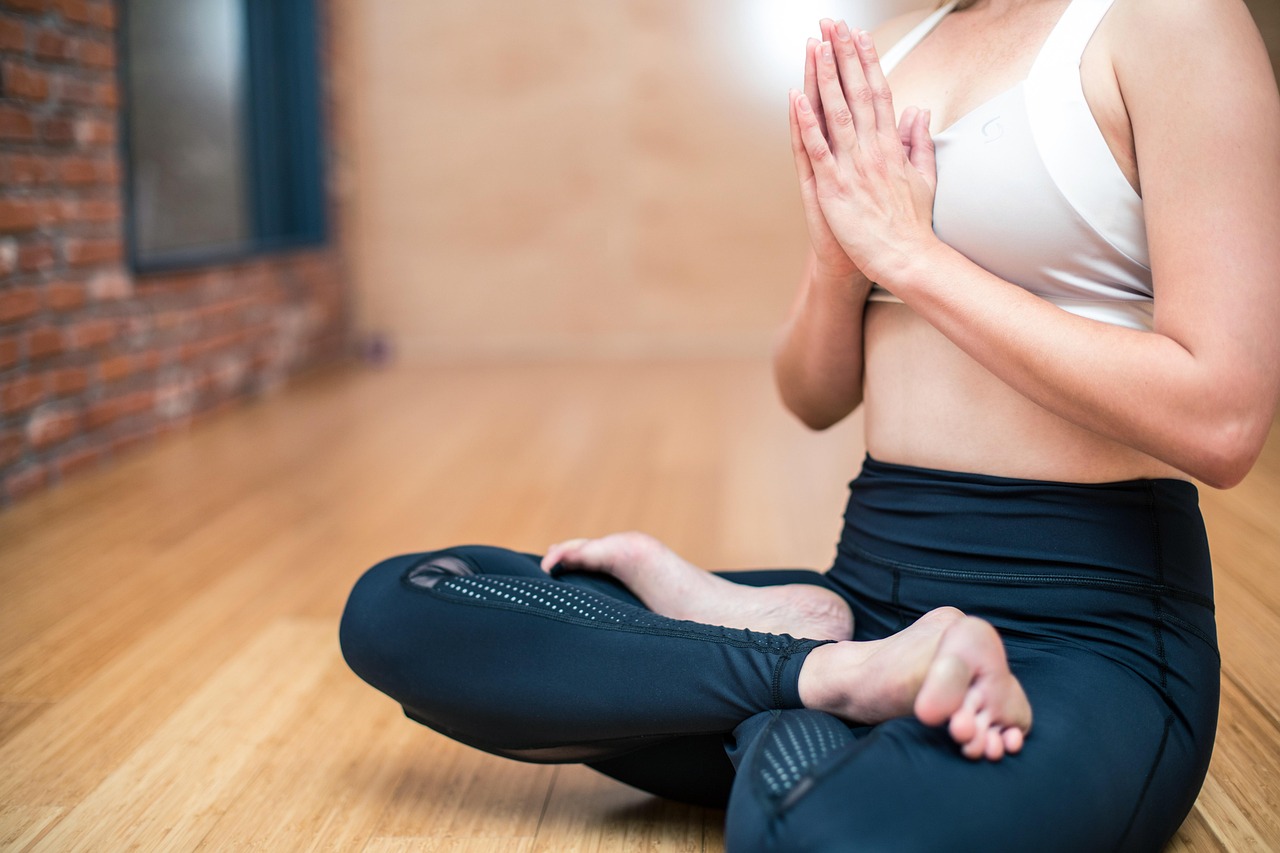
Yoga also enhances balance, coordination, and proprioception, which can reduce the risk of falls, a significant concern for bone health, especially among older adults. By improving muscle strength around joints and increasing flexibility, yoga helps maintain proper alignment and reduces the likelihood of accidental trauma to bones. This aspect is particularly relevant given that falls are a leading cause of fractures in individuals with low bone density or osteoporosis.
Yoga’s emphasis on mindfulness and stress reduction can indirectly support bone health. Chronic stress has been linked to decreased bone formation due to elevated cortisol levels, which inhibit osteoblast activity. Practices like meditation, deep breathing, and gentle movement in yoga can help mitigate this effect by lowering stress hormones and promoting relaxation.
The Benefits of Exercise for Better Discipline

One often underappreciated benefit is the strengthening of willpower. Exercise, especially those requiring focused effort like swimming or interval training, can improve executive function in the brain – the set of mental processes that allow us to plan, focus, and control impulses. This strengthened “mental muscle” makes it easier to resist distractions and stay on track with larger life goals. Consider also how exercise often requires prioritizing a workout over something more immediately pleasurable, a small victory that builds self-discipline. Many find the structured nature of fitness classes particularly helpful for building routine, offering accountability and a community aspect which can further boost adherence.
Yoga, in particular, provides an excellent example of this discipline-building benefit. The practice’s core components offer a holistic approach to physical and mental conditioning. Asana, or postures, form the foundational physical element – these are the familiar poses like Downward Dog or Tree Pose. They build strength, flexibility, and balance through mindful movement and often require sustained effort to hold effectively. Pranayama, commonly known as breathwork, is another key pillar; it involves conscious control of the breath to calm the mind and increase vitality. Different breathing techniques can be energizing or relaxing, offering a valuable tool for managing stress.
The third pillar focuses on meditation – cultivating a state of mental stillness and awareness. This can range from guided meditations to simply observing one’ often-noisy thoughts without judgment. Bandha, sometimes called “locks,” are subtle muscular contractions that help stabilize the body and direct energy during asana and pranayama; mastering them adds another layer of mindful control. Finally, Drishti – or gaze point – encourages focus by having practitioners anchor their eyes on a specific spot, often useful for maintaining balance and deepening concentration in more challenging poses. The combination of these five components builds not just physical fitness but also mental clarity, focus, and a sense of groundedness all contributing to improved self-discipline.
The Benefits of Exercise for Better Circulation
First and foremost, physical activity promotes increased blood flow by strengthening the heart. Regular workouts help the heart pump more efficiently, allowing it to deliver oxygen-rich blood to muscles and organs more effectively (2). Additionally, exercise stimulates the production of nitric oxide, a potent vasodilator that widens blood vessels, reducing resistance, and improving blood flow (3).
Stretching, a crucial component of any fitness regimen, plays an essential role in maintaining optimal circulation. Stretching enhances flexibility, range of motion, and reduces the risk of injury while exercising. The primary inputs and outputs of stretching are as follows
Inputs
Proper body alignment – ensuring that bones are correctly positioned during a stretch helps to avoid straining muscles or joints.
Relaxed muscles – allowing muscles to release tension before starting the stretch enables the muscle fibers to lengthen fully and safely.
Consistent breathing – maintaining steady, deep breaths throughout the stretching session facilitates proper oxygen delivery to the body and reduces stress.
Outputs
Increased range of motion – stretching allows for greater flexibility in joints and muscles, enabling a wider range of motion during workouts or daily activities.
Reduced muscle tension – regular stretching helps to alleviate muscle soreness and tension, ensuring better comfort and performance during exercise.
Improved circulation – the increased blood flow that results from proper stretching techniques facilitates the delivery of oxygen and nutrients to muscles, reducing recovery time between workouts (4).

Benefits of Swimming for Overall Fitness
Swimming also plays a crucial role in stress reduction and mental well-being. The rhythmic nature of swimming promotes relaxation and can serve as a form of meditation, helping to alleviate anxiety and improve mood. The social aspect of swimming, whether through group classes or participating in swim clubs, fosters a sense of community and motivation, which can enhance adherence to an exercise routine. Furthermore, the act of setting and achieving swimming goals, such as improving stroke technique or increasing distance, can boost self-confidence and discipline.
Discipline is intrinsically linked to the practice of swimming. Consistency in training requires dedication and a well-structured routine, which cultivates habits that extend beyond the pool. Regular swimming sessions demand time management and commitment, teaching individuals to prioritize fitness as part of their lifestyle. This discipline not only enhances performance but also translates into other areas of life, promoting goal-setting, persistence, and accountability.
Swimming offers adaptability for personalized workouts. Whether focusing on endurance, speed, or relaxation, swimmers can tailor their sessions to meet specific fitness objectives. Interval training, alternating between periods of intense effort and recovery, is a popular method for improving cardiovascular fitness and burning calories efficiently. Swimming also allows for easy progression as skill and confidence improve, ensuring that workouts remain challenging and engaging.
Top 10 Benefits of Regular Exercise

Regular exercise offers a multitude of benefits that extend beyond mere physical improvements, encompassing mental and emotional well-being. One of the most significant advantages is enhanced cardiovascular health. Engaging in consistent aerobic activities such as jogging, cycling, or swimming strengthens the heart muscle, improves blood circulation, and reduces the risk of heart diseases. This not only prolongs life but also enhances its quality by maintaining energy levels and vitality.
Muscular strength and endurance are another critical benefit of regular exercise. Workouts that incorporate resistance training, such as weightlifting or bodyweight exercises, help build and maintain muscle mass. This is essential for everyday activities and prevents age-related muscle loss, sarcopenia. Strong muscles also contribute to better posture and balance, reducing the likelihood of falls and injuries.
Flexibility and range of motion are improved through stretching and flexibility exercises like yoga or pilates. These practices help maintain healthy joints by increasing their mobility and reducing stiffness. Stretching can also alleviate muscle tension and soreness, which is particularly beneficial for those engaged in high-intensity workouts. However, it’s important to note the tradeoff when integrating stretching with fitness; while static stretching before a workout may not significantly enhance performance, dynamic stretching or incorporating flexibility exercises post-workout can aid recovery and prevent injuries.
Regular exercise also plays a crucial role in weight management. By increasing metabolic rate and burning calories, it helps maintain a healthy body weight and prevents obesity-related health issues such as diabetes and hypertension. Moreover, consistent physical activity enhances insulin sensitivity, which is vital for managing blood sugar levels.
Mental health benefits are another hallmark of regular exercise. Physical activity stimulates the release of endorphins, the body’s natural mood elevators, which can alleviate symptoms of depression and anxiety. Exercise also improves cognitive function by promoting the growth of new brain cells and enhancing neural connectivity, thus supporting memory and focus.
Sleep quality is significantly improved with regular exercise. Physical activity helps regulate the body’s internal clock, making it easier to fall asleep and stay asleep throughout the night. This restorative sleep is essential for physical recovery and mental rejuvenation.
Bone health is another area where exercise makes a substantial impact. Weight-bearing activities like running or jumping increase bone density, reducing the risk of osteoporosis. This is particularly important as we age, when bone loss naturally occurs.
Social interaction and community engagement are often facilitated through group fitness classes or sports teams, providing a sense of belonging and support. This social aspect can be a powerful motivator for maintaining an exercise routine.
