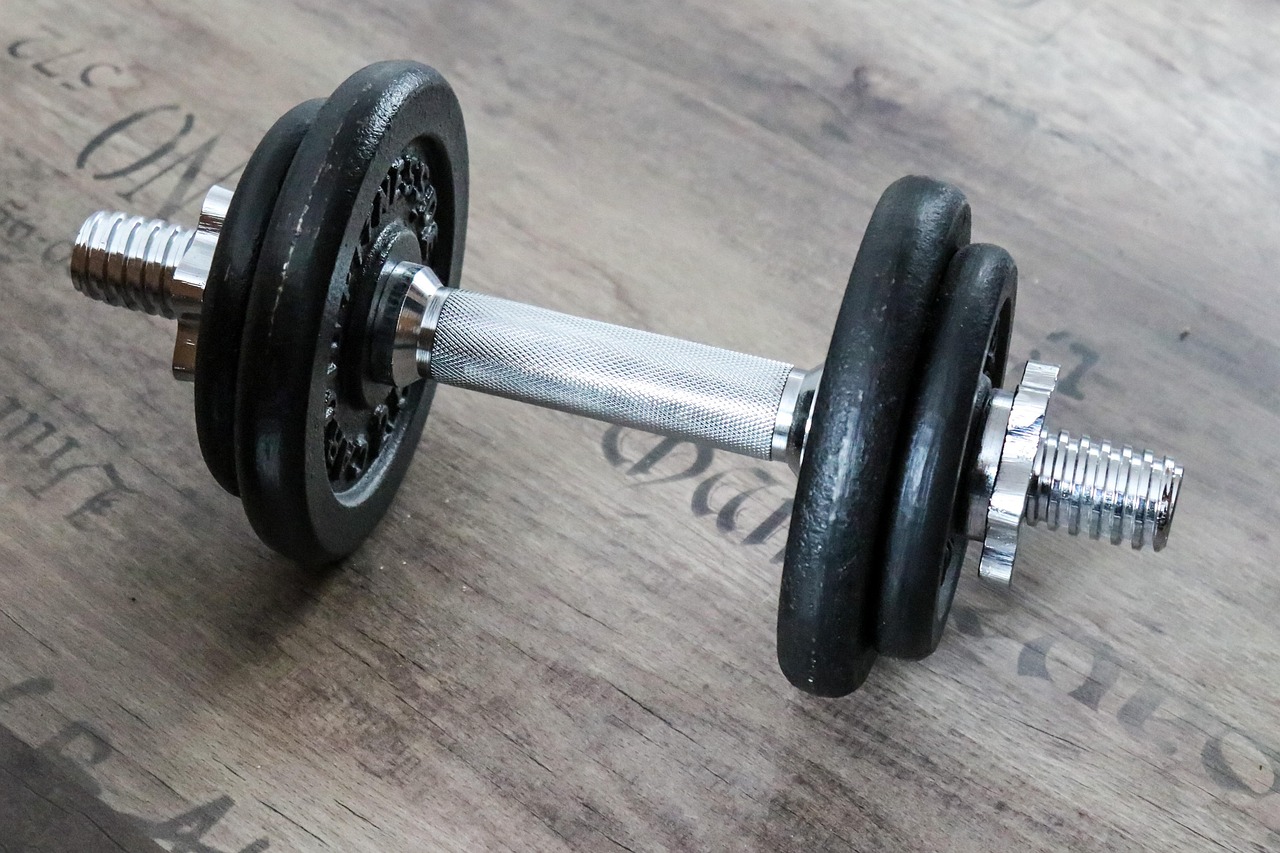
Cardio and weights are two fundamental components of any fitness regimen, often debated in the context of fat loss. Understanding their roles and interactions is crucial for optimizing results. Cardiovascular exercise, or cardio, involves activities that elevate heart rate, such as running, swimming, or cycling. It burns calories rapidly and improves aerobic capacity, making it effective for immediate calorie expenditure. However, the fat-burning effect of cardio is often overestimated because it primarily relies on carbohydrates during high-intensity sessions and shifts to fats during lower-intensity activities. This means that while cardio can contribute to caloric deficit, a prerequisite for fat loss, its impact may be limited without proper nutrition and session duration.
Strength training, or lifting weights, focuses on building muscle mass through resistance exercises like squats, deadlifts, and bench presses. Muscle tissue is metabolically active, meaning it burns more calories at rest compared to fat tissue. As muscle increases, so does the body’s basal metabolic rate (BMR), leading to greater calorie expenditure throughout the day. This effect, known as afterburn or excess post-exercise oxygen consumption (EPOC), means that muscles continue to burn calories even after the workout is finished. Strength training also enhances functional fitness, improves bone density, and supports better posture, offering long-term health benefits beyond fat loss.

Cardio Vs Weights for Women’s Fat Loss

When considering fat loss for women, the debate between cardio and weights often arises. While both forms of exercise can contribute to weight management, incorporating strength training into a fitness routine is frequently preferred due to its numerous advantages over traditional cardio exercises alone. Strength training, or resistance training, involves working against external forces such as free weights, bodyweight, or machine-based loads to increase muscle mass and improve functional strength. This type of exercise offers distinct benefits that can enhance fat loss outcomes more effectively than cardio in many cases.
Another critical factor favoring weights is the preservation and enhancement of lean muscle mass, which is essential for maintaining a healthy metabolism and body composition. Cardio exercises, particularly when performed at high intensity or for extended durations, can lead to muscle catabolism, the breakdown of muscle tissue for energy, if not paired with adequate protein intake and recovery. This muscle loss can reduce RMR and hinder long-term fat loss efforts. Strength training, on the other hand, promotes muscle hypertrophy and strength gains, which help sustain or increase lean mass over time. By preserving muscle, women can maintain a higher metabolic rate and more effectively burn fat.
Strength training can lead to more noticeable and sustainable changes in body composition. Women often seek to reduce fat while maintaining or increasing muscle mass to achieve a toned, sculpted appearance. Cardio-focused programs may result in weight loss through both fat and muscle reduction, leading to a less defined physique. In contrast, weights promote targeted fat loss alongside muscle development, resulting in a firmer, more contoured body. This aesthetic benefit is particularly appealing for those aiming to transform their physical appearance.
Research also indicates that strength training can improve hormonal balance, which plays a significant role in fat loss. Exercises like squats, deadlifts, and bench presses stimulate the production of anabolic hormones such as testosterone and growth hormone, both of which support muscle growth and fat oxidation. These hormonal changes can enhance metabolic efficiency and contribute to more effective fat loss over time. Cardio does not typically elicit the same hormonal responses, limiting its impact on hormonal balance in this regard.
Incorporating weights into a fat loss routine also allows for greater flexibility and personalization. Women can tailor their strength training program to focus on specific muscle groups or address individual fitness goals, such as improving posture, increasing mobility, or enhancing sport-specific performance. Cardio routines, while beneficial, often lack this level of customization and may become monotonous over time, potentially leading to reduced motivation and adherence.
Strength training can be more time-efficient for achieving fat loss goals. High-intensity interval training (HIIT) and resistance training both induce excess post-exercise oxygen consumption (EPOC), a phenomenon where the body continues to burn calories after exercise due to increased metabolic demand for recovery. Studies suggest that EPOC from strength training can last longer than that from cardio, resulting in sustained calorie burning beyond the workout itself. This means women can achieve effective fat loss with shorter, more intense workouts that prioritize weights.
The Role of Cardio in Fat Loss
A common and often beneficial approach involves integrating cardio with a well-structured strength training program. Strength training preserves lean muscle mass during a fat loss phase, which is crucial for maintaining a good metabolism and ensuring that weight lost isn’t just fat but also minimal muscle. Combining this with twice or three times weekly cardio sessions – perhaps two HIIT sessions and one steady-state session – can yield excellent results. A key advantage of this hybrid approach lies in its versatility; it allows individuals to tailor their cardio selection based on preference, time availability, and recovery needs. Consider incorporating a variety of modalities, like running, cycling, swimming, or rowing, to keep the routine engaging and target different muscle groups.
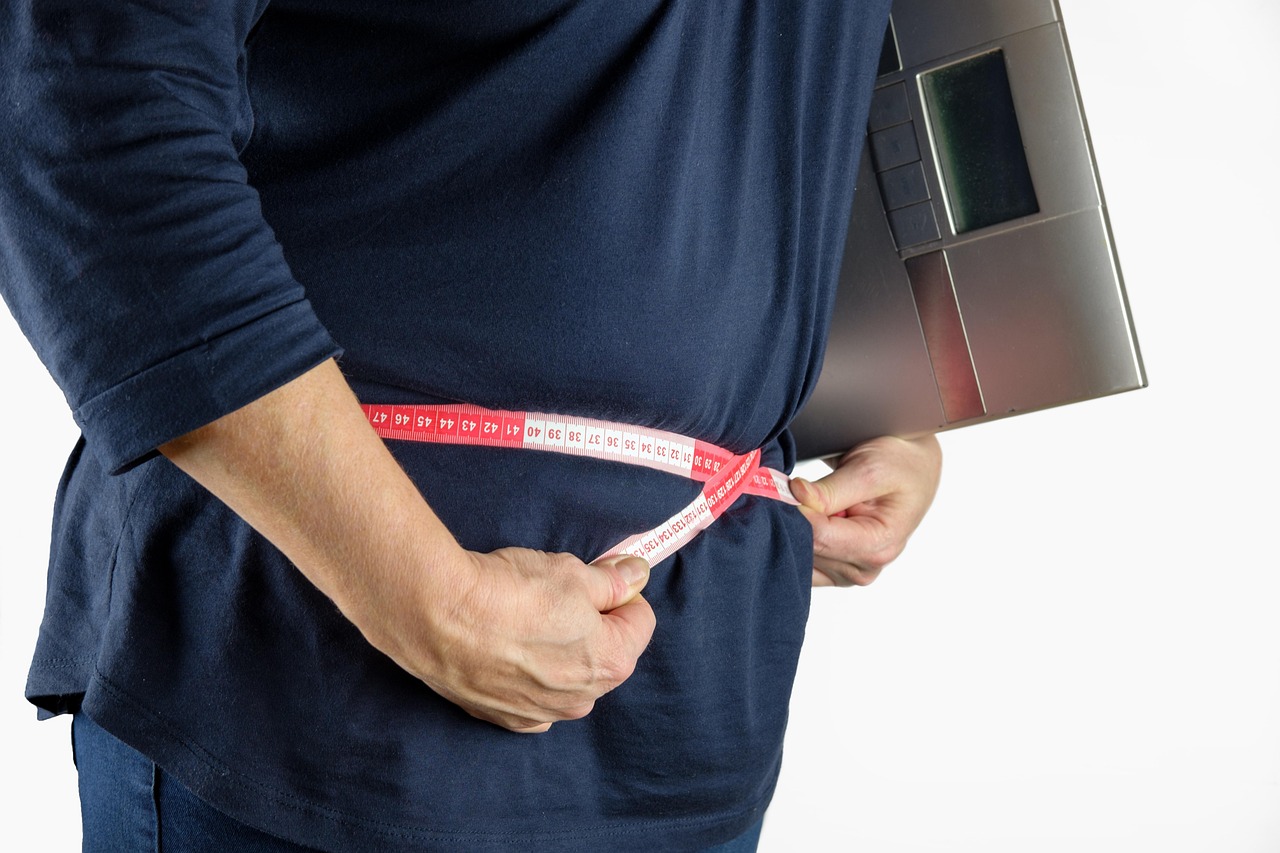
To maximize results, consider tracking progress beyond just the scale. Body composition measurements (e.g., using bioelectrical impedance analysis or skinfold calipers) provide a clearer picture of whether fat is being lost alongside water weight. Also, monitor heart rate during cardio sessions to ensure they’ the right intensity for the desired effect; a heart rate monitor can be a useful tool here. Consistency and patience are key, fat loss takes time and dedication, and incorporating cardio effectively into a balanced training program will contribute significantly to achieving those goals. Finally, don’t underestimate the importance of adequate hydration and recovery – both essential components for optimal performance and results.
Truth About Spot Reduction with Cardio

Cardio workouts contribute significantly to weight loss by increasing energy expenditure. Regular cardiovascular training enhances heart health, improves lung function, and burns calories (2). However, the impact of cardio on body composition is not limited to these benefits. The elevated metabolic rate post-exercise may lead to a slightly increased caloric deficit throughout the day. This results in a more significant fat loss over time compared to sedentary periods (3).
The Truth About Cardio Frequency for Good Results
For individuals focused on endurance sports like running or triathlons, a higher frequency of cardio sessions may be necessary, often involving 4-7 sessions per week. This increased volume helps build aerobic capacity and muscular endurance, crucial for sustained performance during long-duration events. It is essential to balance training intensity with adequate rest and recovery to prevent overtraining and injury.
A notable variation in cardio frequency targets those aiming for rapid fat loss through high-intensity interval training (HIIT). HIIT involves short bursts of intense exercise followed by periods of rest or low-intensity activity, typically structured into 20-30 minute sessions. This approach not only improves cardiovascular fitness but also stimulates a post-exercise oxygen consumption (EPOC) effect, where the body continues to burn calories at an elevated rate for hours after the session. Incorporating 2-3 HIIT sessions per week can yield significant fat loss results when combined with a calorie-deficient diet and strength training.
Regardless of the specific goal or variation in cardio frequency, it is crucial to listen to the body and adjust training volume and intensity as needed. Monitoring progress through performance metrics, such as improved endurance times or reduced body fat percentage, can help guide adjustments to cardio frequency and ensure continued progress toward desired outcomes. Proper nutrition, hydration, and recovery strategies are equally important components of an effective training program, working in tandem with cardio frequency to optimize results.
Cardio Vs. Strength Training: Which is Better?

Cardiovascular exercise, commonly referred to as cardio, involves activities that elevate heart rate and sustain it for extended periods. Running, swimming, cycling, and brisk walking are prime examples. These exercises primarily target the body’s aerobic system, enhancing oxygen delivery to muscles and improving endurance. Research indicates that sustained aerobic activity can contribute significantly to fat loss by burning calories both during and after the workout through excess post-exercise oxygen consumption (EPOC). Moreover, regular cardio is associated with improved cardiovascular health, reduced risk of chronic diseases like type 2 diabetes, and better mental well-being.
Strength training, on the other hand, focuses on building muscular strength and hypertrophy through resistance exercises such as weightlifting, bodyweight movements, or using resistance bands. It involves short bursts of intense effort, stimulating muscle adaptation and growth by creating microtears in the fibers that repair and strengthen over time. Strength training increases lean muscle mass, boosts metabolism, and enhances functional strength, which translates to improved performance in daily activities and reduced injury risk. It also contributes to bone density improvements, an essential factor in preventing osteoporosis as individuals age.
For endurance athletes or those aiming to improve athletic performance, cardio is typically prioritized. Activities like long-distance running or cycling develop cardiovascular capacity and muscular stamina. Conversely, strength training excels in enhancing explosive power, such as that needed for sprinting or weightlifting competitions. Individuals seeking a balance between the two may incorporate circuit training, which combines elements of both cardio and resistance workouts into single sessions.
In terms of muscle building, strength training is generally the superior choice due to its direct focus on increasing muscle size and strength. However, incorporating some light cardio post-workout can improve blood flow to muscles, facilitating nutrient delivery and removing waste products faster, which may aid in recovery. Fasted cardio, performing aerobic exercise without consuming food beforehand, has gained popularity among some fitness enthusiasts, claiming benefits such as enhanced fat oxidation. Yet, scientific evidence on its superiority remains mixed, with some studies suggesting potential advantages under specific conditions while others find no significant difference compared to fed workouts.
The choice between cardio and strength training depends on individual goals. For rapid weight loss or improved cardiovascular health, prioritizing cardio may be beneficial. Conversely, for those seeking enhanced muscle mass, functional strength, and a higher metabolic rate long-term, strength training should form the foundation of their regimen. A well-rounded approach combining both modalities often yields optimal results, allowing individuals to enjoy the benefits of increased endurance while simultaneously building and maintaining lean body tissue.
Truth About Cardio and Spot Fat Reduction

When embarking on a cardio and training regimen with the goal of reducing spot fat, it’s essential to understand that the human body does not respond to exercise in such a simplistic manner. The misconception that specific areas of fat can be targeted and eliminated through focused workouts stems from a lack of understanding about how our bodies store and lose fat.
When training fails to produce desired results or goes wrong, it could be attributed to several factors
Insufficient caloric deficit: To lose weight and reduce body fat, you must create a calorie deficit – consuming fewer calories than your body needs for maintenance. If the deficit is not large enough, you may not see noticeable changes in your body composition, despite regular cardio and strength training sessions.
Inadequate progressive overload: When it comes to building muscle or improving cardiovascular fitness, the body responds best to gradual increases in workload or resistance. Failing to progressively challenge yourself can result in plateaus and limited gains.
Improper exercise form: Performing exercises with incorrect form not only reduces their effectiveness but also increases the risk of injury. Proper form ensures that the intended muscles are engaged, maximizing the benefits of each workout session.
Lack of consistency: Consistency is key to achieving noticeable improvements in your cardio fitness and body composition. Skipping workouts or not sticking to a regular training schedule can hinder progress and make it challenging to see results.
Inadequate rest and recovery: Rest and recovery are crucial components of any training program. Insufficient rest can lead to overtraining, fatigue, and decreased performance. Prioritizing adequate rest between workouts allows the body to recover and adapt, ultimately leading to better results.

The Truth About Cardio and Fat Burning

Cardio and fat burning have been intertwined in fitness discussions for decades, often with misconceptions that persist despite scientific evidence. The truth is more nuanced than the simple belief that cardio alone will melt away fat. To understand this relationship, it’s essential to delve into metabolism, energy expenditure, and the role of different exercise modalities.
Consider how the body uses energy. During both rest and exercise, the body continuously burns calories through basal metabolic rate (BMR), which accounts for approximately 60-70% of daily energy expenditure. Cardio exercises, such as running or cycling, elevate heart rate and increase oxygen consumption, leading to higher calorie burn during the activity itself. However, the post-exercise effect, known as excess post-exercise oxygen consumption (EPOC), contributes only a small fraction of total calories burned in the hours following cardio sessions compared to resistance training or high-intensity interval training (HIIT).
Resistance training and strength exercises are often overlooked in discussions about fat burning. These activities build lean muscle mass, which increases BMR because muscle tissue requires more energy to maintain than fat does. As muscle mass grows, the body burns more calories at rest, creating a sustainable calorie deficit over time. This metabolic advantage makes resistance training a powerful tool for long-term fat loss, especially when combined with cardio.
Another critical factor is the energy source during exercise. At lower intensities, the body primarily uses fat as fuel, but this proportion diminishes as intensity increases. However, higher-intensity workouts stimulate a greater post-exercise calorie burn due to EPOC and increased muscle protein synthesis, which can lead to more total calories burned over 24 hours compared to steady-state cardio. This underscores the importance of varying exercise intensity to maximize fat burning efficiency.
Why Zone 2 Cardio is Exploding in Popularity
Another advantage of Zone 2 cardio is its accessibility and sustainability for a wide range of fitness levels. Unlike high-intensity interval training (HIIT) or other forms of intense cardio, Zone 2 exercise can be easily incorporated into daily routines without requiring advanced fitness capabilities or specialized equipment. This makes it an ideal choice for beginners, older adults, or those recovering from injuries, as it minimizes the risk of injury and allows for gradual progression in fitness levels.
Zone 2 cardio has been linked to mental health benefits, such as reduced stress, anxiety, and symptoms of depression. The release of endorphins during exercise, coupled with the meditative nature of steady-state activities like walking, cycling, or swimming, can promote relaxation and improve mood. This makes Zone 2 cardio not only a physical but also a mental health tool, appealing to those seeking holistic wellness solutions.
The practical implications of fasted state training, often combined with Zone 2 cardio, further enhance its effectiveness. Exercising in a fasted state, typically after an overnight fast or without consuming carbohydrates prior to the workout, can amplify fat burning and metabolic efficiency. In this state, the body is primed to utilize stored fat as its primary energy source, leading to increased fat oxidation and improved insulin sensitivity. This synergy between fasted training and Zone 2 cardio offers a powerful strategy for those aiming to optimize weight loss and metabolic health.
The Truth About Spot Reduction – Can You Lose Fat in One Area?
The concept of spot reduction, the idea that targeted exercise can eliminate fat from a specific area of the body, remains one of the most persistent myths in fitness. Despite extensive research and decades of counterevidence, many still believe they can “spot-train” their way to a leaner waistline, stronger arms, or tighter core. This belief stems from an intuitive understanding that we use certain muscles when performing activities like lifting weights, running, or doing crunches, yet the body’s fat distribution is not as selective as this logic suggests. The truth about spot reduction reveals why this method falls short and what science shows works for sustainable fat loss.
The role of hormones further complicates spot reduction efforts. Insulin resistance or imbalances can lead to increased fat storage, particularly around the abdomen. Cortisol, often referred to as the “stress hormone,” is associated with visceral fat accumulation when levels remain chronically elevated due to mental or physical stressors. These hormonal patterns are not influenced by localized exercise and require systemic interventions such as balanced nutrition, stress management, and adequate sleep to address effectively.
It’s also worth noting that rapid weight loss, often achieved through crash diets or excessive cardio, can lead to loose skin or uneven muscle definition due to the loss of elasticity in tissues rather than fat reduction itself. This underscores the importance of achieving results at a sustainable pace, allowing the body time to adapt and recover while maintaining lean mass.
The Truth About Fasted Cardio in 2026
The metabolic advantage of fasted cardio largely centers on increased fat mobilization. When glycogen stores are depleted overnight (or after a decent fast), the body leans more heavily on circulating fatty acids for fuel. This isn’ “fat burning” in the sense of losing body fat during the session itself – that’s a later process – but rather an indication that more stored fat is being pulled into the bloodstream to be used as fuel. The challenge then becomes ensuring the mitochondria are ready and willing to utilize these fatty acids efficiently, which often comes down to training adaptation. Studies show that consistent fasted cardio can improve mitochondrial density and enzyme activity involved in fat oxidation, boosting this efficiency over time.
When considering weight training, fasted cardio’s impact is interesting. For experienced lifters with solid nutrition habits already in place, it can be an effective tool to top off daily calorie expenditure without impacting muscle protein synthesis too much. The key here is keeping the session relatively moderate – not a sprint to exhaustion that’ll leave them depleted for their weights session. Novice or intermediate weightlifters might find fasted cardio leads to slightly more fatigue during their subsequent strength training, particularly with heavier basic sets of 5-8 reps; a small carb source pre-cardio can often help here. More advanced lifters using hypertrophy-focused techniques like drop sets and supersets will want to ensure adequate fueling for optimal performance.
