
The behavior of exercise is governed by a set of fundamental principles that dictate how muscles respond and adapt to physical activity. These principles are crucial for designing effective workout routines, especially when targeting specific muscle groups like the rear deltoids in women. Understanding these principles ensures optimal results while minimizing injury risk.
One key principle is overload, which involves challenging the muscles beyond their current capacity. This forces them to adapt and grow stronger over time. For rear delt exercises, this can be achieved by increasing resistance, using heavier dumbbells or bands, or performing more repetitions. The body responds to these demands by synthesizing new proteins in muscle fibers, leading to increased size and strength. However, overload must be progressive; sudden spikes in intensity without proper recovery can lead to overtraining.
Another essential principle is specificity. Exercises should closely mimic the movements required during daily activities or desired athletic performance. For rear delts, this means focusing on exercises that engage them through their full range of motion. Lateral raises with dumbbells are classic examples, as they isolate and strengthen the posterior deltoid while supporting shoulder stability. Variations like cable lateral raises or bent-over rows can further diversify training stimuli.
Rest and recovery are equally vital principles. Muscles repair and grow during downtime, not during workouts. Adequate sleep (7-9 hours nightly) and rest days between intense sessions allow for tissue regeneration. For rear delt exercises, this might mean taking one to two days off per week after heavy lifting or opting for active recovery on alternative days, such as yoga or swimming, to maintain circulation without overexertion.
Recovery also involves nutrition. Protein intake post-workout supports muscle repair, while carbohydrates and healthy fats provide energy for recovery processes. Hydration is critical, as dehydration can impair cellular function during repair periods. Women, in particular, should ensure adequate iron levels to support oxygen delivery to muscles during workouts.
Periodization is another advanced principle that organizes training into phases, such as hypertrophy, strength, and endurance, to maximize progress while avoiding plateaus. For rear delts, this might mean focusing on hypertrophy for 4-6 weeks, followed by a period emphasizing strength with heavier weights, and concluding with endurance-focused sessions at lower intensities.
Recovery optimization techniques like foam rolling or massage can enhance blood flow to targeted areas, accelerating nutrient delivery and waste removal. These practices complement the body’s natural healing processes without replacing proper rest and nutrition.
The principle of alignment ensures exercises are performed safely and effectively. For rear delt raises, this means maintaining a neutral spine, avoiding excessive arching in the lower back, and keeping elbows slightly behind the torso to isolate the target muscle. Faulty form can redirect stress to other muscles or joints, increasing injury risk.

How to Really Feel Your Rear Delts

To truly feel your rear deltoids during exercise, it is essential to understand their anatomy and role. The rear deltoids originate from the spinous processes of the thoracic vertebrae and insert into the humerus, specifically the greater tuberosity. This muscle group is responsible for shoulder abduction in the scapular plane, external rotation, and upward rotation. By isolating these actions, you can ensure that rear deltoids are the primary movers rather than relying on other muscles to compensate.
One effective exercise for targeting the rear deltoids is the reverse fly. This movement mimics the action of the muscle group by abducting the arm in the scapular plane while maintaining external rotation. To perform a reverse fly, stand with feet shoulder-width apart and hold dumbbells at your sides, palms facing backward. Keeping your elbows slightly bent and shoulders retracted and depressed, lift the weights out to the side until they are parallel to the floor, then slowly lower them back down. Focus on maintaining tension in the rear deltoids throughout the movement by engaging the muscles as if you were trying to pull your shoulder blades together.
Another exercise that effectively isolates the rear deltoids is the seated cable crossover. This exercise utilizes a cable machine to provide resistance and ensure controlled movements. Sit at the machine with your back against the pad, grab a rope handle with both hands, and position yourself so that the cable is taut but not stretched. Keeping your elbows slightly bent and your upper arms parallel to the floor, pull the handles toward your chest, crossing over your body as if you were doing a crisscross. Pause briefly at the top of the movement before slowly returning to the starting position. This exercise provides a high level of muscle isolation due to the fixed path of the cable, allowing for precise engagement of the rear deltoids.
To these exercises, incorporating overhead press variations can also help target the rear deltoids. When performing a military press or a seated dumbbell press, focus on initiating the movement from the elbows rather than the shoulders. This encourages the rear deltoids to work harder as they assist in elevating the weights above the head. Maintaining proper form is critical to prevent injury and ensure that the intended muscle group is being worked.
To enhance the effectiveness of these exercises, it is important to pay attention to breathing and mental focus. Inhale as you lower the weights and exhale as you lift them, creating a connection between breath and movement. Visualize your rear deltoids contracting and engaging throughout each repetition to deepen the muscle awareness.
Hanging Leg Raises Vs Rear Delts
Rear delt exercises, on the other hand, focus on the posterior fibers of the deltoid muscles located at the back of the shoulders. These muscles play a crucial role in stabilizing the shoulder joint and are often neglected compared to the front delts. Common rear delt exercises include lateral raises, reverse flys, and cable crossovers performed while seated or standing. Engaging these muscles is vital for maintaining proper posture and preventing imbalances that can lead to shoulder injuries.
When considering environmental or sustainability aspects of workout routines, both hanging leg raises and rear delt exercises offer eco-friendly benefits. These movements primarily utilize bodyweight, minimizing the need for equipment such as weights or machines, which often require energy-intensive manufacturing and transportation. By focusing on bodyweight exercises, individuals can reduce their carbon footprint associated with gym equipment production and energy consumption during workouts.
Performing these exercises at home or outdoors eliminates the need to commute to a gym, further reducing transportation-related emissions. Outdoor workouts in natural settings also provide mental health benefits by connecting individuals with nature, promoting a sense of well-being and environmental awareness. Incorporating bodyweight exercises into routines encourages a sustainable approach to fitness that prioritizes efficiency and resource conservation.

Good Rear Delt Exercises Without Face Pulls
Rear delt raises, a specific type of shoulder exercise, primarily target the muscles located at the back of your shoulders. These muscles play an essential role in supporting and stabilizing the joint during various movements. If you’re looking to build stronger rear delts without incorporating face pulls into your routine, consider trying out these exercises instead.
Visual inspection: Observe the development of your upper back and shoulder region through regular mirror checks or progress photos. A well-defined rear delt region will result in a visually appealing V-shape when viewed from the side.
Measuring muscle thickness: Use calipers or skinfold callipers to measure the thickness of the muscles at specific points, such as the midpoint between your shoulder blade and the spine or just above the upper arm. Incremental increases in muscle thickness indicate successful muscle growth over time.
Functional assessments: Perform various movements that rely on the rear delt muscles, like reverse flies or external rotations, and assess improvements in strength and control throughout the motion.
Seated Dumbbell Rear Delt Raise: Sit on a flat bench with a dumbbell in each hand, resting on your thighs. Keeping your back straight and chest lifted, lean forward slightly at the hips, bend your knees slightly, and lift the weights up to your sides as high as you can go without arching your back. Lower them slowly back down and repeat for desired reps.
Bent-Over Reverse Fly: Hold a pair of dumbbells in front of your thighs with a neutral grip (palms facing each other). Bend forward at the hips, keeping your back flat and core engaged. With your arms straight, lift the weights out to the sides until they’re level with your shoulders, then lower them back down slowly.
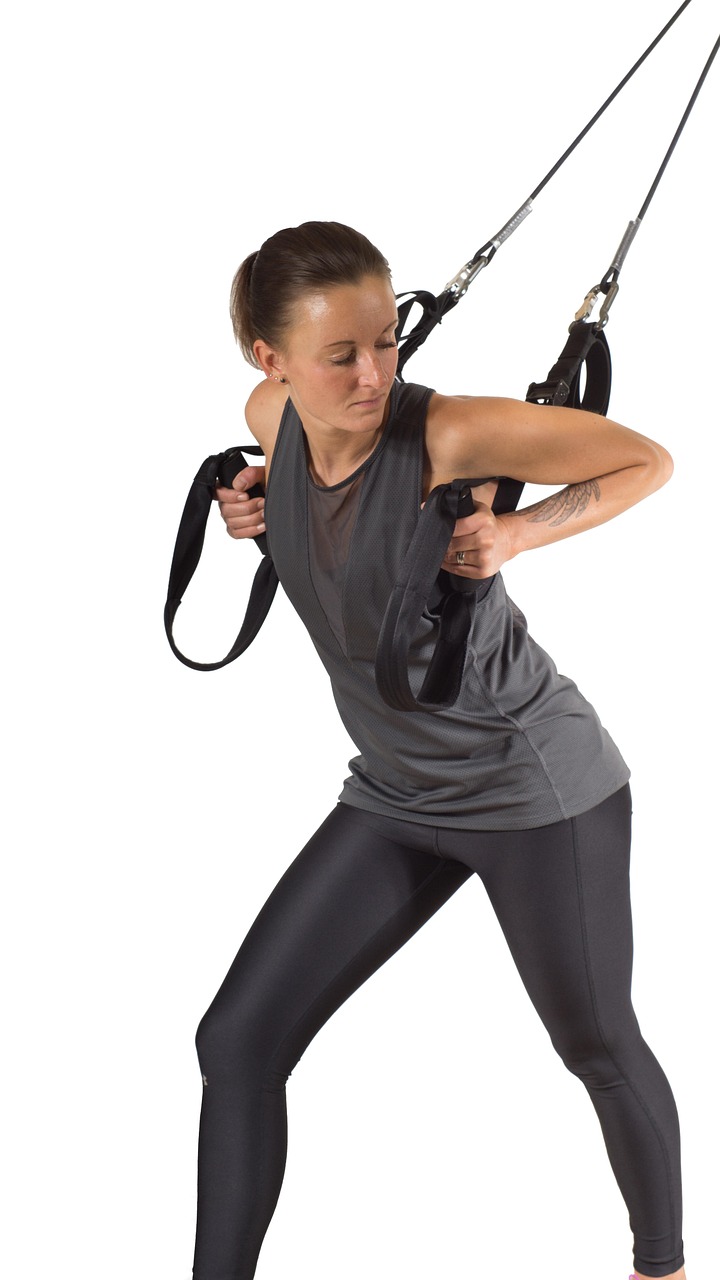
Inverted Rows: Using a TRX suspension trainer or resistance band, assume a plank position on the ground with your body extended in a diagonal line from head to heels. Engage your core and glutes, then pull yourself towards the anchor point while keeping your hips low. Focus on squeezing your shoulder blades together as you reach the top of the movement before returning to the starting position.
Standing Cable Rear Delt Fly: Attach a single handle to a high pulley on a cable machine, and grab it with an underhand grip. With your feet hip-width apart and core braced, lean slightly forward at the hips. Keeping your arms straight, pull the handle back towards your body while focusing on contracting your rear delts. Return slowly to the starting position and repeat for desired reps.
Reverse Dumbbell Fly: Stand with feet hip-width apart, a dumbbell in each hand. With a slight bend in your knees and a neutral spine, lean forward at the hips while keeping your core engaged. Without arching your back or bending your elbows, lift both arms out to the sides until they’re parallel to the floor. Lower them back down with control before repeating the movement.
By incorporating these exercises into your workout routine and utilizing proper measurement techniques, you’ll be able to effectively target your rear delt muscles without relying on face pulls.

Easy Rear Delt Exercises for Beginners
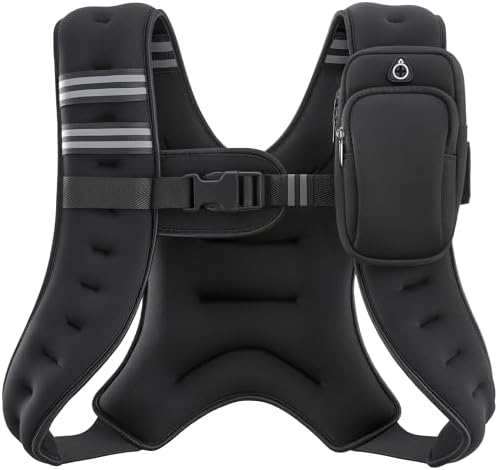
One excellent starting point is the seated dumbbell rear delt fly. The seated position offers stability allowing for a greater emphasis on the often-fatiguing rear deltoids. Here, dumbbells are held with slight elbow bend and pulled back and up, squeezing the shoulder blades together – think of drawing a line between them. Control here is key; avoiding momentum ensures the rear delts do most of the work. Another good option is the prone dumbbell rear delt row, often performed on an exercise bench. Lying face down allows for a slightly greater range of motion and targets the rear deltoids effectively when executed with controlled movements. , ensuring the dumbbells are pulled towards the chest while keeping the elbows relatively close to the body.
For those wanting to incorporate bodyweight movement, reverse pec deck flys using a sturdy bench or chair are effective. This exercise allows for good control and offers a nice challenge once mastered. Regularity in routine contributes to efficiency here; consistent effort, even with lighter weights, builds muscle memory and strengthens the often-underused rear deltoids. A well-rounded workout program benefits from incorporating these exercises alongside other shoulder and back movements to ensure balanced development. Starting with two or three sets of an exercise and aiming for eight to twelve repetitions is a good starting point, adjusting based on individual strength levels and recovery. Paying attention to proper form over load ensures the rear deltoids are getting enough focus during each set.
Best Rear Delt Isolation Moves
Seated Cable Raises: Utilizing cable machines allows for precise control and resistance adjustment, making it ideal for rear delt isolation. Sit facing a high pulley setup, grasp the cables with both hands, and keep your elbows tucked in close to your body. Pull the cables laterally until your arms are parallel to the floor, then slowly release them back down. This exercise provides consistent tension throughout the range of motion, ensuring that the rear delts remain engaged without relying on momentum or other muscle groups for assistance.
Single-Arm Cable Raises: For unilateral strength and balance, single-arm cable raises are invaluable. Attach a rope handle to a low pulley and grasp it with one hand, keeping your arm straight down by your side. Lift the weight laterally until your arm is parallel to the floor, then lower it back down. This movement challenges each side individually, promoting symmetry and muscle balance. It also incorporates the core and stabilizing muscles as you maintain proper form throughout the set.
Incorporating these exercises into a well-rounded workout routine not only enhances rear delt development but also supports better posture and functional movement. By focusing on proper form and controlled repetitions, individuals can maximize muscle engagement while minimizing the risk of strain or injury. Additionally, many of these exercises can be adapted for home workouts using minimal equipment, promoting accessibility and sustainability in fitness practices.
Rear Delt Isolation Exercise Variations
One common limitation or tradeoff of rear delt isolation exercises is the risk of overdevelopment if not balanced with adequate anterior and middle delt workouts. Overemphasis on rear delt development can result in a posture imbalance, where the shoulders are pulled excessively backward, leading to rounded shoulders and poor posture. To mitigate this, it is essential to incorporate a balanced training regimen that includes exercises targeting all aspects of the deltoid muscles.
Standing Reverse Fly: Begin by holding dumbbells at shoulder height with your palms facing backward. Keeping your elbows slightly bent, slowly raise the weights out to the sides until they are parallel to the floor, then lower them back down. This exercise effectively isolates the rear delts while minimizing involvement from other muscle groups.
Seated Cable Fly: Sit at a cable station with a high pulley set. Hold the cables in each hand and keep your arms slightly bent. Pull the cables out to the sides until your arms are parallel to the ground, then slowly return to the starting position. This variation provides resistance through the entire range of motion, ensuring maximum rear delt activation.
Single-Arm Cable Raise: Using a low pulley cable station, grasp one handle with one hand and step forward so that the cable is taut but not stretched. Keeping your arm straight, slowly raise the weight laterally until it is parallel to the floor, then lower it back down. Alternate arms for each repetition to ensure balanced development.
Face Pulls: Stand at a high pulley cable station with your face close to the stack. Grasp the handle and pull it toward your face, keeping your arm straight and elbows stable. This exercise targets the rear delts while also engaging the trapezius muscles for added stability.
Lying Lateral Raise: Lie on a bench with dumbbells in each hand at shoulder height. Keeping your arms slightly bent, raise the weights out to the sides until they are parallel to the floor, then lower them back down. This variation places additional emphasis on the rear delts due to the inclined position of the body.
By prioritizing rear delt development alongside other muscle groups, individuals can achieve a more balanced and functional physique. This not only enhances athletic performance but also contributes to better posture and reduced risk of injury associated with muscular imbalances. As with any exercise routine, it is essential to listen to the body, allow adequate recovery time, and consult with a fitness professional if necessary to optimize results and minimize the potential drawbacks of overdevelopment or improper form.
Top 3 Best Rear Delt Exercises
Barbell Rear Delt Raise
The barbell rear delt raise is a staple in strength training routines due to its effectiveness and accessibility. This exercise primarily targets the posterior deltoids, but also engages the trapezius and rhomboids for improved shoulder stability and posture. To perform this movement correctly, begin by standing upright with a barbell placed behind you on the floor or, if using dumbbells, hold them at arm’s length with palms facing inward towards your thighs. Maintaining a slight bend in the elbows, lift the weights laterally until they are parallel to the ground, then slowly lower back down. The key is to control the motion and avoid swinging or jerking to prevent injury and maximize muscle engagement. This exercise can be performed for sets of 8-12 repetitions, with heavier weights suitable for those seeking more intensity.
Seated Cable Rear Delt Fly
The seated cable rear delt fly is another excellent choice for isolating the rear deltoids while minimizing strain on other shoulder muscles. This exercise involves sitting at a pulley machine and pulling the cables backward, similar to a rowing motion but with the focus shifted to the rear shoulder region. Starting position typically includes adjusting the seat height so that the handles are at chest level when seated. Grasp the handles and lean forward slightly while keeping your back straight. Exhale as you pull the handles apart until they are level with your shoulders, then slowly return to the starting position. The controlled, deliberate movement pattern ensures maximal muscle fiber recruitment, making this exercise highly effective for building rear delt strength. For optimal results, perform 3-4 sets of 10-15 repetitions.
Bent-Over Rear Delt Raise
Comparative Insight: Workouts vs. Routines
Reverse Crunches for Rear Delt Activation

Reverse crunches involve lying on your back with your hands behind your head, knees bent, and feet elevated, then lifting your hips toward the ceiling while keeping your shoulders flat on the ground. This movement primarily targets the lower rectus abdominis and the hip flexors but also engages the glutes and hamstrings as stabilizers. The evolution of reverse crunches has seen adaptations to enhance their effectiveness for rear deltoid activation. By incorporating weighted equipment or performing the exercise in a suspended position, such as on a TRX bar or gymnastic rings, individuals can place greater emphasis on the posterior shoulder muscles. This adaptation leverages the biomechanics of the movement, where the rear deltoids work eccentrically to control the descent and stabilize the scapula during the lift.
The inclusion of reverse crunches in modern workout routines reflects a shift toward holistic core training that addresses not only the abdominal muscles but also the surrounding stabilizers. This evolution is driven by the recognition that a strong core encompasses multiple planes of movement and requires a balanced approach to develop functional strength. Incorporating reverse crunches for rear deltoid activation aligns with this philosophy, offering a dynamic exercise that challenges the posterior shoulder muscles while simultaneously engaging the core.

Rear Delt Workout Routine Ideas
Reverse Fly: Hinge forward at the hips, holding a barbell or smith machine with an overhand grip. Squeeze your shoulder blades together as you lift the weight up to chest height. Lower back down with control and repeat.
Face Pull: Attach a rope to a high pulley machine. Grab each end of the rope with both hands, palms facing away from your body. With a slight bend in your knees, lean slightly forward. Keeping your elbows at a 45-degree angle, pull the ropes towards your face as if you were trying to touch your ears. Release slowly and repeat.
When performing these rear delt exercises, it’s essential to maintain proper form to prevent injury and maximize muscle engagement. Failing to do so can result in a variety of issues
Form Issues: Incorrect form can lead to unnecessary stress on other muscles, such as the lower back or triceps, which can hinder rear delt development. Poor form may also result in reduced effectiveness of the exercise since the target muscle isn’t being fully engaged.
Risk of Shoulder Impingement: If you arch your back during a rear delt raise or reverse fly, you risk causing shoulder impingement. This condition occurs when the head of the humerus bone rubs against the acromion process in the shoulder joint. Impingement can be painful and may lead to long-term damage if not addressed.
Strain or Tear: Performing these exercises with too much weight, using incorrect form, or pushing through pain can lead to strain or even tear your rear delts. This injury may require rest, physical therapy, or, in severe cases, surgery to heal properly.
Posture Issues: Neglecting your rear delts can result in imbalanced upper body development. Weak rear delts may cause your shoulders to roll forward, leading to a hunchback appearance and potential postural problems.
Reverse Crunches Vs Hanging Leg Raises: Which Wins?

Reverse crunches and hanging leg raises are two popular exercises targeting the abdominal muscles, particularly the lower rectus abdominis. Both exercises engage multiple muscle groups but differ in execution and emphasis. To understand which exercise may be more beneficial for specific goals, it is crucial to analyze their mechanics, benefits, and potential drawbacks.
Reverse crunches are performed while lying flat on your back with your knees bent at a 90-degree angle and feet placed near your buttocks. Engaging your core, you lift your shoulders off the ground by contracting your abdominal muscles while keeping your lower back pressed to the floor. This movement isolates the rectus abdominis, providing a targeted abdominal burn. Reverse crunches are ideal for those seeking to strengthen their lower abs without placing undue stress on the lower back, as the positioning naturally supports the spine. However, this exercise may be less effective for building significant upper abdominal strength compared to other variations.
The Science of Deloading (When & How)

The timing of deload periods is essential for maximizing their benefits. Generally, athletes and exercisers should incorporate a planned deload every 7-10 days of intense training, depending on individual response and recovery capacity. This frequency allows the body to adapt to the stresses of exercise without accumulating fatigue that could impair performance or lead to injury. For leg exercises, which demand significant muscular effort and joint stability, adhering strictly to this schedule is crucial. Precision in timing ensures that muscle groups like the quadriceps, hamstrings, and glutes receive adequate recovery time, preventing overuse injuries such as patellar tendinitis or iliotibial band syndrome.
The how of deloading involves strategically altering training variables to reduce physiological strain while maintaining some level of activity. During a deload week, athletes typically decrease training volume by 30-50% and intensity by 20-40%, focusing on low-impact modalities such as walking, cycling, or swimming. For leg exercises specifically, precision is required in adjusting both load and repetition ranges. Instead of high-weight squats or deadlifts, exercises like lighter goblet squats, banded clamshells, or foam roller hip activations can be employed to maintain neuromuscular engagement without excessive stress. This precise modulation ensures that leg muscles remain active but not overworked, supporting tissue repair and metabolic recovery.
Incorporating mobility and flexibility exercises during deload periods is also vital for leg health. Dynamic stretches and myofascial release techniques can enhance joint range of motion and reduce muscle tightness, which are critical for maintaining proper form in future high-intensity leg exercises. Precision in these movements requires attention to detail, ensuring that stretches are held at the optimal tension without causing discomfort, thereby facilitating a more effective recovery process.
Deloading provides an opportunity to address any imbalances or weaknesses in leg mechanics. Through targeted exercises such as single-leg balances or core stabilization drills, athletes can refine their movement patterns, ensuring that when they return to heavier loads, their technique remains precise and efficient. This focus on biomechanical accuracy during deload weeks helps prevent compensatory movements that could lead to injury in the long term.
Best Rear Delt Exercises (That Aren’t Face Pulls)
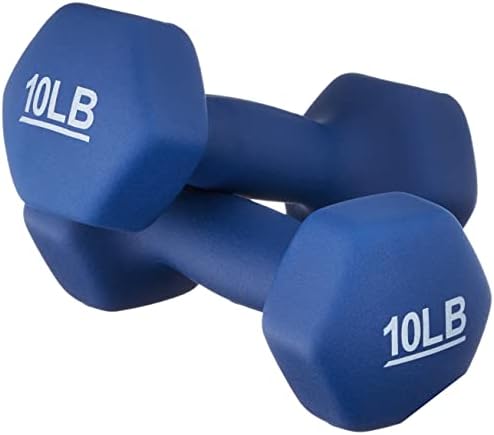
Rear delt exercises often receive less attention than their front or lateral counterparts, yet contribute significantly to shoulder stability and a well-rounded physique. While face pulls are frequently championed for rear delt activation, numerous excellent alternatives exist, offering variety and targeting slightly different muscle fiber recruitment patterns. Dumbbell Rear Delt Flyes represent a classic option, readily adaptable to varying fitness levels through selection of appropriate dumbbell weight. Performed supine on a bench or seated, the movement isolates the rear deltoids effectively by minimizing upper back involvement – a common challenge in standing variations. Good form emphasizes controlled descent and a slight upward reach at the top of the movement to maximize range of motion.
Cable Rear Delt Flyes provide a constant tension advantage throughout the full range of motion thanks to the cable’s consistent pull, often leading to good hypertrophy results. A seated position with chest supported can further isolate the rear deltoids, especially beneficial for those with stronger upper back muscles that might otherwise want to take over. Banded Rear Delt Flyes offer a lighter, more accessible entry point for beginners or useful as a finisher after heavier compound exercises. Bands also tend to be readily recyclable, offering a slightly greener option compared to some gym equipment. in this case, the band’s resistance increases throughout the range of motion, adding an element of progressive challenge.
Reverse Pec Deck Flyes provide another good seated isolation option, often allowing for a wider range of motion than dumbbells or bands allow. The padded handles provide solid support, which helps focus on rear delt activation without relying too much on core stability. Dumbbell Shrugs with Rear Delt Focus are an excellent compound movement that blends shoulder and upper back work. Here the key is to keep a slight bend in the knees and engage the glutes to maintain a stable base while raising the shoulders toward the ears, emphasizing the rear delt engagement during the upward phase of the shrug.
Lat Pulldown Rear Delt Extension combines two effective moves into one good compound exercise. After the pulldown, here the key is to keep a slight bend in the knees and engage the glutes to maintain a stable base while extending the arms back toward the ground, emphasizing rear delt engagement. One often overlooked option are single-arm Dumbbell Raises performed kneeling on a bench; this variation forces more core stability and can help identify strength imbalances between sides. It also tends to be good for feeling the muscle work – just make sure to keep that elbow relatively high. Good form is key for all rear delt exercises, focusing on controlled movements, proper scapular retraction, and feeling the muscles working rather than relying on momentum.
