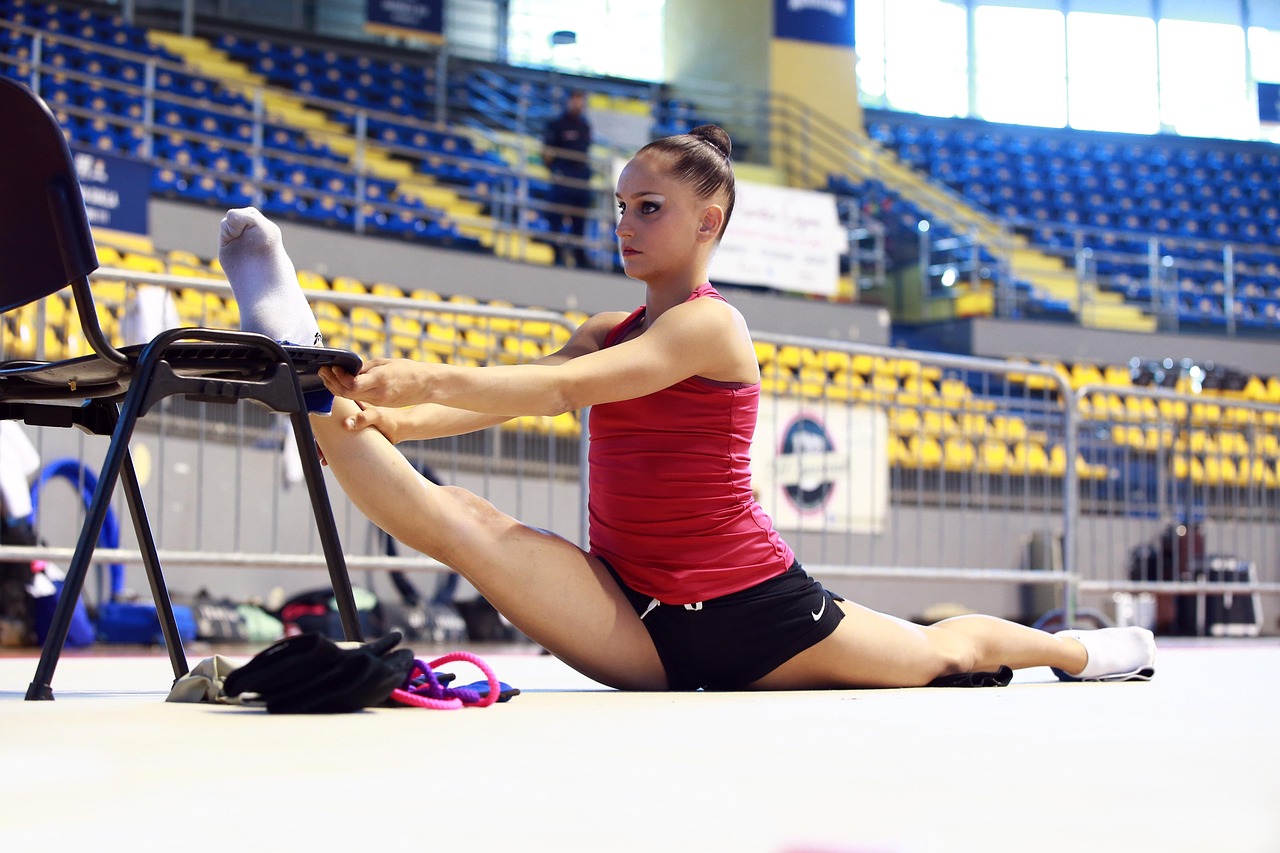
Mobility is distinct from flexibility, which pertains to the length and elasticity of muscles and connective tissues. While flexibility exercises aim to improve the extensibility of these soft tissues, mobility work focuses on joint articulation and control. Moreover, mobility training often incorporates dynamic movements that mimic actual physical activities, as opposed to the static stretches frequently used in flexibility regimens.
For beginners embarking on a mobility exercises routine, it’s vital to understand the importance of this foundational element. By prioritizing mobility work, individuals can lay the groundwork for effective training and reap numerous benefits. Some of these advantages include
Enhanced joint health: Regular mobility work helps maintain healthy joints by promoting synovial fluid production and lubrication, thereby reducing wear and tear.
Reduced injury risk: By improving joint ROM, individuals can reduce the likelihood of sustaining injuries during training or daily activities.
Increased performance: Greater joint mobility enables more efficient biomechanical functioning, translating to better athletic performance.
Improved posture: Mobility exercises can help correct imbalances and restore proper alignment, leading to improved posture and reduced back pain.
Boosted energy levels: Regular mobility work can also lead to increased energy, as it promotes blood flow and oxygenation to the muscles.
Some essential mobility exercises for beginners include hip circles, thoracic spine rotations, ankle rolls, wrist circles, and shoulder dislocation drills. These movements target various joints and help establish a solid foundation for further progress in training programs. Remember, it’s essential to perform these exercises with control and focus on proper form to maximize their benefits and minimize any potential risks.


Simple Exercises to Improve Mobility
Mobility impairments also have psychological implications, as reduced physical function can lead to feelings of frustration, depression, and social isolation. Maintaining an active lifestyle is vital for emotional well-being, and the inability to participate in meaningful activities may negatively impact mental health.
To address these challenges, incorporating simple exercises into daily routines can significantly improve mobility and flexibility. Gentle stretching, yoga, Pilates, and tai chi are effective methods for enhancing joint range of motion while promoting relaxation and stress reduction. Additionally, low-impact aerobic activities such as swimming or cycling can strengthen muscles without exacerbating joint pain.
Strength training is another essential component of a mobility-focused exercise regimen, as it helps maintain muscle tone and support joint stability. Beginners should start with bodyweight exercises or light resistance to gradually build strength and endurance. Proper warm-up and cool-down protocols are crucial for preventing injuries and optimizing flexibility gains.

Top Mobility Drills for Desk Workers
Improving mobility and flexibility has evolved significantly from a niche focus within physical therapy to an integral component of workplace health, athletic training, and general wellness routines. Historically, such practices were limited to specialized clinics or elite athletes seeking peak performance. However, the growing awareness of sedentary lifestyles as a major public health concern has transformed mobility drills into mainstream components of daily life for millions worldwide.
The evolution of mobility improvement begins with its roots in ancient cultures. Early civilizations recognized the importance of movement for physical vitality and longevity. The Chinese, Greeks, and Egyptians incorporated exercises targeting flexibility and joint function as part of their health regimens. These traditions emphasized dynamic stretching, postural alignment, and mindful movement practices to maintain functionality across lifespans.
In the early 20th century, advances in orthopedics and biomechanics provided a more scientific foundation for mobility training. Physical therapists developed protocols targeting muscle imbalances, joint stiffness, and chronic pain resulting from prolonged immobility, common among factory workers and office employees. This period saw the emergence of controlled stretching techniques, proprioceptive neuromuscular facilitation (PNF), and range-of-motion exercises as evidence-based interventions to enhance physical performance and reduce injury risk.
The late 20th century brought about a paradigm shift with the advent of fitness culture and corporate wellness programs. Gym owners, personal trainers, and ergonomics specialists began integrating mobility routines into mainstream exercise offerings, recognizing their benefits for reducing workplace injuries, improving posture, and boosting productivity. These developments led to standardized protocols tailored to various professions, including programming for desk workers whose jobs demanded prolonged sitting with limited movement opportunities.
The digital age has accelerated the integration of mobility work into daily life. The rise of remote work and virtual fitness platforms means more people than ever face similar physical challenges. This environment has fostered innovation in mobile-friendly routines, such as seated stretches, resistance band exercises, and balance drills designed for confined spaces. Online communities now share techniques, troubleshoot difficulties, and celebrate progress, creating shared knowledge bases that transcend geographic boundaries.
Today’s approaches to mobility improvement prioritize holistic wellness rather than isolated technique refinement. Practitioners emphasize the interplay between flexibility, strength, stability, and body awareness. They recognize that true mobility goes beyond joint range of motion; it requires functional integration into daily activities like sitting upright, reaching overhead, or bending at the waist without discomfort. This comprehensive outlook drives the development of personalized routines that align with individual goals and physical limitations.
Research supports these advances through studies linking regular mobility work to reduced injury rates, better sleep quality, increased energy levels, and enhanced cognitive function. Medical professionals increasingly recommend structured stretching programs alongside traditional exercise modalities to address chronic pain and prevent degenerative conditions associated with sedentarism. This scientific validation has transformed mobility improvement from an optional enhancement to a necessary component of comprehensive health strategies.
For beginners entering this field, the key lies in starting slowly, listening to their bodies’ cues, and building routines incrementally. Initial focus should include gentle dynamic stretching, postural correction exercises, and breath-based movements that prepare muscles for deeper work. Gradual progression allows individuals to identify comfort zones while minimizing injury risk during form refinement stages.
The evolution of mobility improvement demonstrates how cultural awareness, scientific advancement, and technological innovation can converge to address societal needs. From ancient philosophical reflections on movement’s importance to today’s data-driven personalization approaches, the journey reflects humanity’s ongoing quest for balance between physical activity and modern life constraints. This continuous refinement ensures that desk workers and others seeking enhanced mobility have access to evidence-based tools tailored to their unique circumstances.

The Ultimate Guide to Mobility Training

To physical evaluations, subjective feedback from beginners is invaluable. Encouraging individuals to rate their perceived flexibility or discomfort levels before and after mobility exercises can offer insights into how different drills affect their body. This approach allows for personalized adjustments in training programs, ensuring that exercises are both effective and comfortable for the individual.
Video analysis can be a powerful tool in studying beginners’ mobility. Recording movement patterns during exercises like lunges or squats can reveal compensatory strategies or biomechanical flaws that hinder flexibility. By reviewing these recordings, trainers can provide specific correction techniques to improve form and efficiency, ultimately enhancing mobility outcomes.
Considering the individual’s fitness level and goals is crucial in tailoring mobility training. A beginner with a sedentary lifestyle may require gentler approaches, such as static stretches or yoga-inspired routines, while someone with prior athletic experience might benefit from dynamic warm-ups or proprioceptive exercises that challenge balance and joint stability.
Easy Mobility Drills at Home

Drills are specific exercises designed to improve mobility and flexibility in various joints and muscle groups. They can be performed at home with minimal equipment, making them an accessible option for individuals looking to incorporate mobility work into their routine. These drills typically involve controlled movements that challenge the body’s range of motion, helping to reduce stiffness and increase flexibility over time.
Another popular drill for improving shoulder mobility is the doorway stretch. Stand in an open doorway with your arms extended out to the sides, pressing against the doorjambs. Step forward into the doorway, keeping your elbows bent at 90 degrees and your forearms parallel to the floor. Gently press your chest through the opening while maintaining a neutral spine. Hold for 20-30 seconds before repeating on the other side.
Spinal twists are an effective drill for increasing flexibility in the spine. Sit on the floor with both legs extended out in front of you, keeping your core engaged and back straight. Cross one leg over the other, placing your foot next to the opposite knee. Place your hand behind the bent knee, using it to gently guide the twist as you turn your torso towards that side. Repeat this movement on the other side.
Wrist circles are an easy drill for improving wrist mobility and flexibility. Sit at a table or desk with both hands resting palm-down on the surface. Keeping your forearms stationary, slowly make circular movements with your wrists – first clockwise, then counterclockwise. Perform 5-10 repetitions in each direction before moving on to the other hand.
Mobility Training for Beginners

For beginners, it is crucial to start with basic exercises that target major joints such as the shoulders, hips, knees, and ankles. These exercises should be performed regularly, ideally 2-3 times per week, to see gradual improvements in flexibility. A typical session might include a mix of static stretches, dynamic movements, and mobility drills designed to increase joint mobility without causing discomfort or strain.
One fundamental exercise is the shoulder circle, which helps improve shoulder joint mobility. To perform this exercise, stand with your feet shoulder-width apart and arms at your sides. Slowly move your shoulders in a circular motion, first forwards for 10-15 repetitions, then backwards for the same number. This movement enhances shoulder flexibility and prepares the joint for more complex movements.
Another essential exercise is hip openers, which target the hips and lower back. A common drill is the butterfly stretch, where you sit on the floor with your knees bent and feet touching, gradually pressing your knees down while keeping your back straight. Hold this position for 20-30 seconds, then release and repeat 3-4 times. This exercise increases hip flexor flexibility, which is vital for activities like running and jumping.
Knee mobility can be improved with exercises such as wall angels. Stand facing a wall, place your hands on the wall at shoulder height, and step one foot back, bending the knee to form a 90-degree angle. Keep the other leg straight behind you. Hold for 20-30 seconds, then switch legs. This drill strengthens the knee joint and surrounding muscles, enhancing stability and range of motion.
Incorporating these exercises into a routine with a typical session duration of 20-30 minutes can yield significant benefits over time. It is important to maintain proper form and avoid pushing beyond one’s comfort level to prevent injury. As flexibility improves, more advanced mobility drills can be introduced, such as pigeon poses for hip mobility or thoracic spine rotations for upper back flexibility.


Top Mobility Exercises for Flexibility
One foundational exercise is the hip flexor stretch, which targets the iliopsoas muscles. To perform this stretch, stand with one foot forward and bend at the knee, maintaining a straight back. Feel the stretch in your front hip and hold for 30 seconds before switching sides. This drill is particularly beneficial for individuals who spend long hours sitting, as it helps alleviate tightness and improve hip mobility.
Another vital exercise is the thoracic spine rotation, which enhances flexibility in the upper back. Sit or stand with your arms extended to the side at shoulder height, then rotate your torso towards one side, feeling the stretch in your ribcage. Hold for 20-30 seconds before switching directions. This movement not only increases spinal mobility but also promotes better posture and breathing efficiency.
The pigeon pose is an advanced yet powerful stretch for the hips, hamstrings, and lower back. To execute this pose, start on your hands and knees, then bring one knee forward towards your chest while the opposite foot extends back. Allow your torso to fold forward, resting your head between your arms. Hold for 1-2 minutes before switching sides. This drill is particularly effective for athletes looking to increase hip and pelvic flexibility.
The shoulder internal rotation stretch targets the muscles surrounding the shoulder joint, improving rotator cuff mobility. Extend one arm straight out in front at shoulder height, then use your other hand to gently pull your elbow towards your body. Hold for 20-30 seconds before switching sides. This exercise is crucial for maintaining healthy shoulder function and preventing injuries associated with overhead movements.
The ankle dorsiflexion stretch focuses on the calf muscles, enhancing flexibility in the lower leg. Stand facing a wall, place one foot forward, and lean into the wall while keeping your heel grounded. Feel the stretch in your front calf and hold for 30 seconds before switching legs. This drill is essential for runners and individuals prone to calf tightness, as it helps prevent injuries like plantar fasciitis.
The spine cat-cow exercise is a gentle yet effective way to mobilize the entire spine. Begin on your hands and knees in a tabletop position. Inhale as you arch your back (cow), lifting your head and tailbone skyward, then exhale as you round your spine (cat), tucking your chin towards your chest. Repeat for several cycles, focusing on smooth transitions between the movements. This drill enhances spinal flexibility and promotes mindful movement awareness.

A Beginner’s Guide to Mobility Work
Mobility work differs from flexibility, although the terms are often used interchangeably. Flexibility typically refers to the passive range of motion around a joint – how far a limb can be stretched with external force. Mobility, conversely, encompasses that same range but includes active control and stability within it, along with factors like muscle activation and joint capsule health. Beginners often exhibit good flexibility, perhaps touching their toes easily, but limited mobility; they might lack the core strength to maintain spinal alignment while doing so or the hip stability to keep their knees tracking well during a squat. Mobility work aims to bridge this gap, integrating range of motion with control for more efficient movement patterns and reduced injury risk.
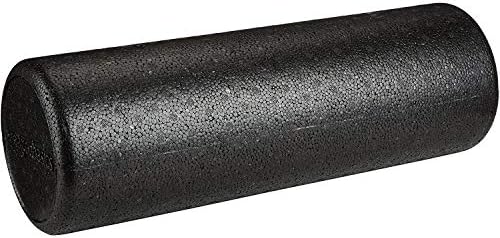
Effective mobility routines often incorporate three main categories: joint mobilization, dynamic stretching, and self-myofascial release. Joint mobilizations focus on restoring optimal movement between bones within a joint. These can be simple rotations or rocking motions performed slowly and deliberately to encourage good lubrication and a sense of fluidity. Dynamic stretches are moving stretches that mimic everyday movements, increasing blood flow and preparing muscles for activity; examples include leg swings, arm circles, and torso twists. Self-myofascial release, frequently done with foam rollers or lacrosse balls, targets soft tissues, muscles, ligaments, tendons, to reduce tightness and improve tissue extensibility. This can often reveal previously unknown areas of restriction, allowing for a greater range of motion to be achieved. a beginner’s focus should be on mastering the basics within each category before progressing to more complex drills.
Consistency is key for seeing improvements; even five to ten minutes of daily mobility work can yield noticeable results over time. Beginners should start with a few simple drills and gradually increase the duration or complexity as they feel comfortable. It’ and often beneficial to incorporate mobility work into a warm-up routine, particularly before activities that demand a good range of motion like running or yoga. Paying attention to how the body feels during each exercise, a nice stretch, not a pull or strain, helps refine the technique and ensures effective movement.
Exercises for Better Mobility
Temperature variations also play a critical role in mobility. Cold environments can stiffen muscles and tendons, limiting range of motion and increasing injury risk during stretching or dynamic movements. Gradual warm-ups are essential to elevate core body temperature and promote blood flow, which enhances elasticity in soft tissues. Beginners may find it helpful to incorporate light cardio, such as brisk walking or jumping jacks, before engaging in stretching routines to prepare joints and muscles for deeper flexibility work. Conversely, overly warm conditions can lead to overheating, dehydration, and reduced muscle endurance, which compromise the effectiveness of mobility drills.
Adaptability in mobility routines is key when external conditions change unpredictably. In hot climates, reducing rest intervals between sets or incorporating water breaks helps maintain core temperature and prevent overheating. In colder settings, layering clothing with moisture-wicking materials supports blood flow without compromising flexibility. Beginners should experiment with micro-adjustments, such as adjusting the angle of a lunge or the height of a yoga block, to accommodate environmental shifts while preserving proper joint alignment.
The synergy between internal focus and external factors underscores the importance of holistic mobility training. Beginners should view external conditions as opportunities to refine their understanding of body mechanics rather than barriers. By systematically addressing variables like temperature, surface texture, and equipment quality, individuals can create personalized routines that balance challenge with safety, fostering sustainable improvements in flexibility and stability over time.
