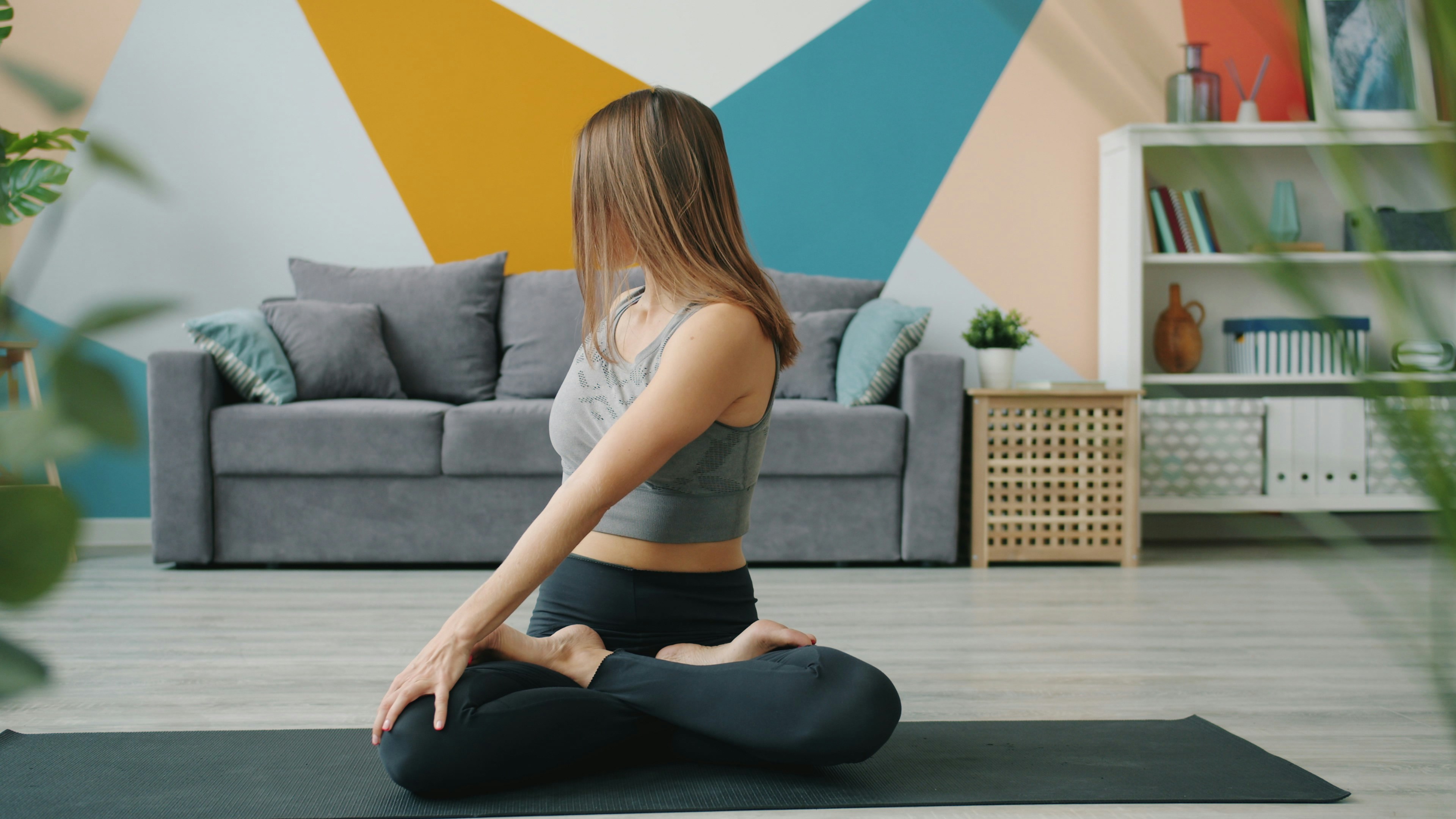
Optimal posture often hinges on a balanced interplay between core strength, flexible hamstrings and hip flexors, and strong upper back muscles. Many individuals find themselves habitually rounded forward, a common result of prolonged sitting or inefficient lifting habits. This rounding tends to lengthen the muscles along the chest and front of the hips while weakening those that pull the shoulders back and keep the pelvis stable. A cornerstone of postural improvement involves addressing these imbalances through targeted exercises focusing on both lengthening the often-tight areas and strengthening the typically weak ones.
Strengthening the core, beyond just abdominal crunches, is vital for spinal stability. Think plank variations – forearm planks or those with hip dips – to engage the transverse abdominis, a key stabilizer of the lower back. Bird dog exercises, performed on hands and knees while extending an arm and opposite leg, improve core coordination and balance, which translate well to better posture during everyday movements. A good bridge exercise, engaging the glutes and hamstrings, helps to fire up the posterior chain muscles that support the spine and often get a little lazy after long periods of sitting.
For upper back strength, rows are excellent – using resistance bands or dumbbells allows for adjustable challenge levels. Face pulls, utilizing a cable machine or band, target the often-underworked rear deltoids and rhomboid muscles, key players in pulling the shoulders back and down. Scapular retractions, simply squeezing the shoulder blades together while sitting or standing tall, are a simple but effective way to build awareness of good upper back positioning.
Consistency is key; even five to ten minutes of these exercises daily can yield noticeable results over time. Incorporating mindful movement throughout the day – consciously thinking about lengthening the spine and pulling shoulders down when sitting or walking – reinforces the postural benefits gained from the workout routine. Paying attention to ergonomics in workspaces, ensuring a monitor height that minimizes neck strain and a supportive chair that encourages good spinal alignment, offers another valuable layer of support for improved posture. Finally, remember to listen to the body; slight modifications may be needed based on individual flexibility and strength levels.

Simple Workouts for Better Posture
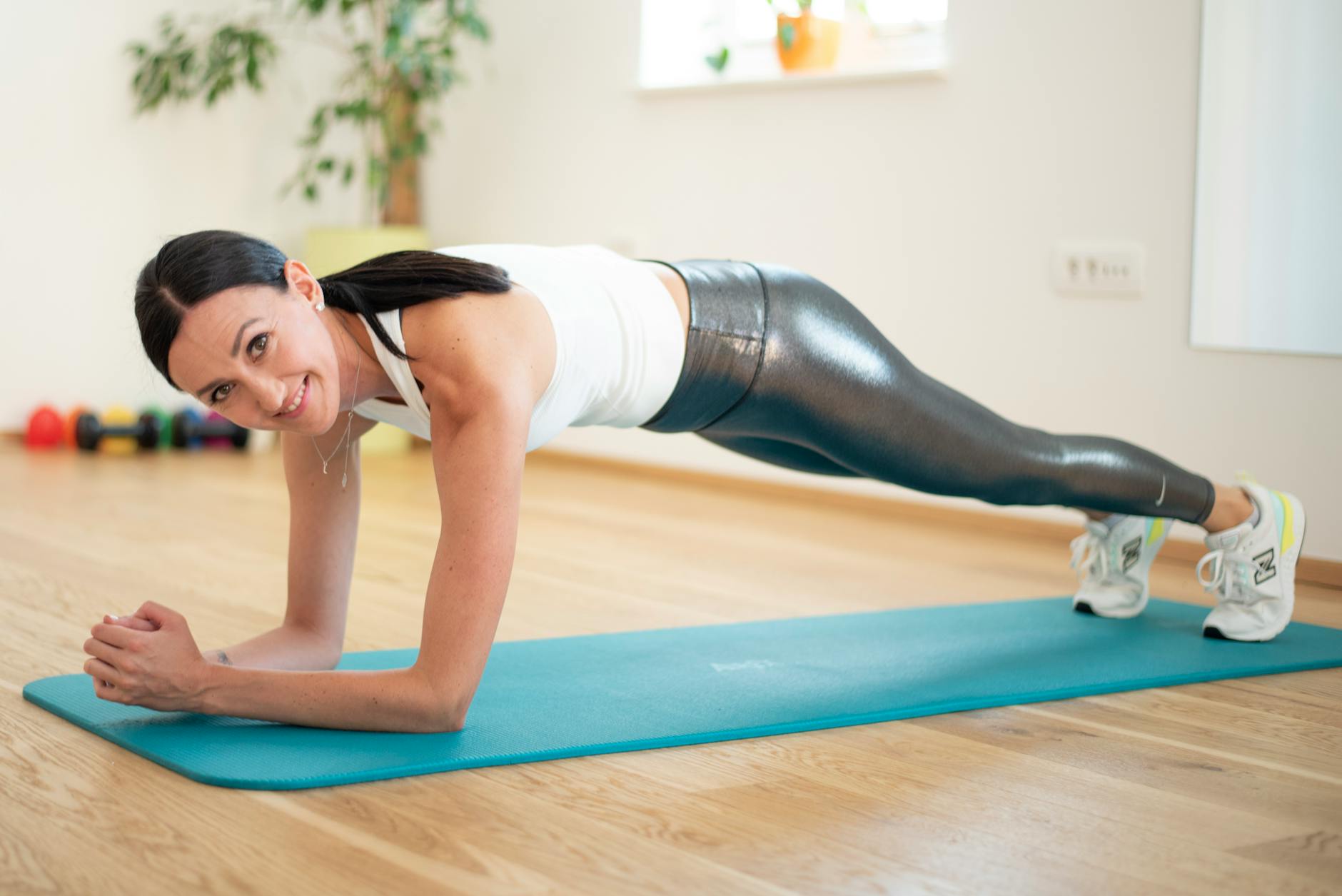
One fundamental exercise is the plank, which engages the entire core, helping to stabilize the spine. To perform a basic plank, start in a push-up position, then lower your body so your forearms rest on the ground, keeping your hips lifted and your body in a straight line from head to heels. Hold for 20-30 seconds, gradually increasing duration as strength improves. The bird-dog exercise is another effective posture-enhancing move that targets the core and hip muscles. Lie on one side with your hips stacked, then lift your opposite arm and leg simultaneously, maintaining alignment before returning to the starting position and switching sides.
Upper body strengthening is crucial for posture, as weak or imbalanced muscles can pull the spine out of alignment. Wall push-ups are an accessible variation that supports full chest engagement while reducing strain on the wrists. Place your hands against a wall at shoulder height, step back about two feet, and push away from the wall, keeping your elbows close to your body. For added resistance, use a resistance band in a doorway for pulling exercises, which help strengthen the upper back and shoulders. Stand with the band overhead, grasp the handles, and pull it down towards your hips while maintaining a neutral spine.
Flexibility plays a significant role in posture, as tight muscles can limit range of motion and contribute to poor alignment. Gentle stretches like cat-cow, which alternates between arching and rounding the spine, help release tension in the back and neck. Sit on your heels with your hands on your knees, inhale to lift your chest and tailbone, and exhale to round forward, gently moving between positions. The forward bend stretch, where you stand with feet hip-width apart and reach towards the ground, can also alleviate tension in the hamstrings and lower back.
Incorporating these exercises into a regular routine can lead to noticeable improvements in posture over time. It is important to maintain proper form during each movement to ensure effectiveness and prevent injury. Additionally, integrating mindfulness practices, such as focusing on breath and body awareness during workouts, can further enhance postural control by promoting relaxation and reducing stress-induced muscle tension. By combining strength, flexibility, and awareness, individuals can achieve better posture and the associated benefits of reduced pain, improved mobility, and increased confidence.
Good Workouts for Posture Alignment
Firstly, let us examine the connection between fitness and posture. As our lives become increasingly sedentary, with extended hours spent in front of computers or in vehicles, our posture can suffer. Conversely, regular physical activity helps maintain a strong and balanced body. A well-designed workout regimen not only builds muscle strength but also enhances flexibility and mobility, which are crucial for optimal posture.
One such effective workout is the Bridge exercise. This simple yet powerful move targets the glutes and lower back muscles, promoting better spine alignment. To perform a Bridge, lie on your back with knees bent and feet flat on the floor hip-width apart. Pushing through your heels, lift your hips off the ground until your shoulders, hips, and knees form a straight line. Hold for a few seconds before slowly lowering your hips back down. Repeat for several repetitions.
When incorporating these exercises into your daily routine, remember that consistency is key. It’s recommended to perform each workout two to three times per week with at least one rest day in between. Additionally, consider pairing these exercises with others targeting the core and lower body to create a well-rounded fitness regimen.
Great Exercises for Good Posture
Another crucial exercise is the bird-dog stretch, which enhances core stability and coordination between upper and lower body movements. This exercise involves lying on one’s stomach with arms extended forward and legs straight back, then alternating reaching one arm forward and extending the opposite leg while maintaining a neutral spine. The scapular wall push-up is also beneficial for strengthening the muscles around the shoulder blades, promoting better alignment of the upper body, and reducing rounding of the shoulders. Performed against a wall with hands placed slightly wider than shoulder-width apart, this variation emphasizes proper scapular engagement.
Looking to the future, advancements in technology are poised to revolutionize fitness and posture improvement. Wearable devices equipped with sensors and artificial intelligence could monitor an individual’s posture in real-time, providing instant feedback and personalized correction techniques. These devices might integrate with mobile applications that offer tailored exercise recommendations based on specific postural needs, ensuring individuals receive precise guidance to address imbalances effectively.
Virtual reality (VR) technology could transform the way people engage in posture-focused exercises by immersing them in interactive environments that require maintaining proper alignment to complete tasks or achieve goals. This immersive approach might increase motivation and adherence to posture improvement routines by making exercise more engaging and enjoyable. Additionally, advancements in biomechanics research could lead to the development of smart clothing and footwear that provide real-time feedback on posture, offering haptic or visual cues to correct alignment as users move throughout their daily activities.
Good Exercises for Better Posture
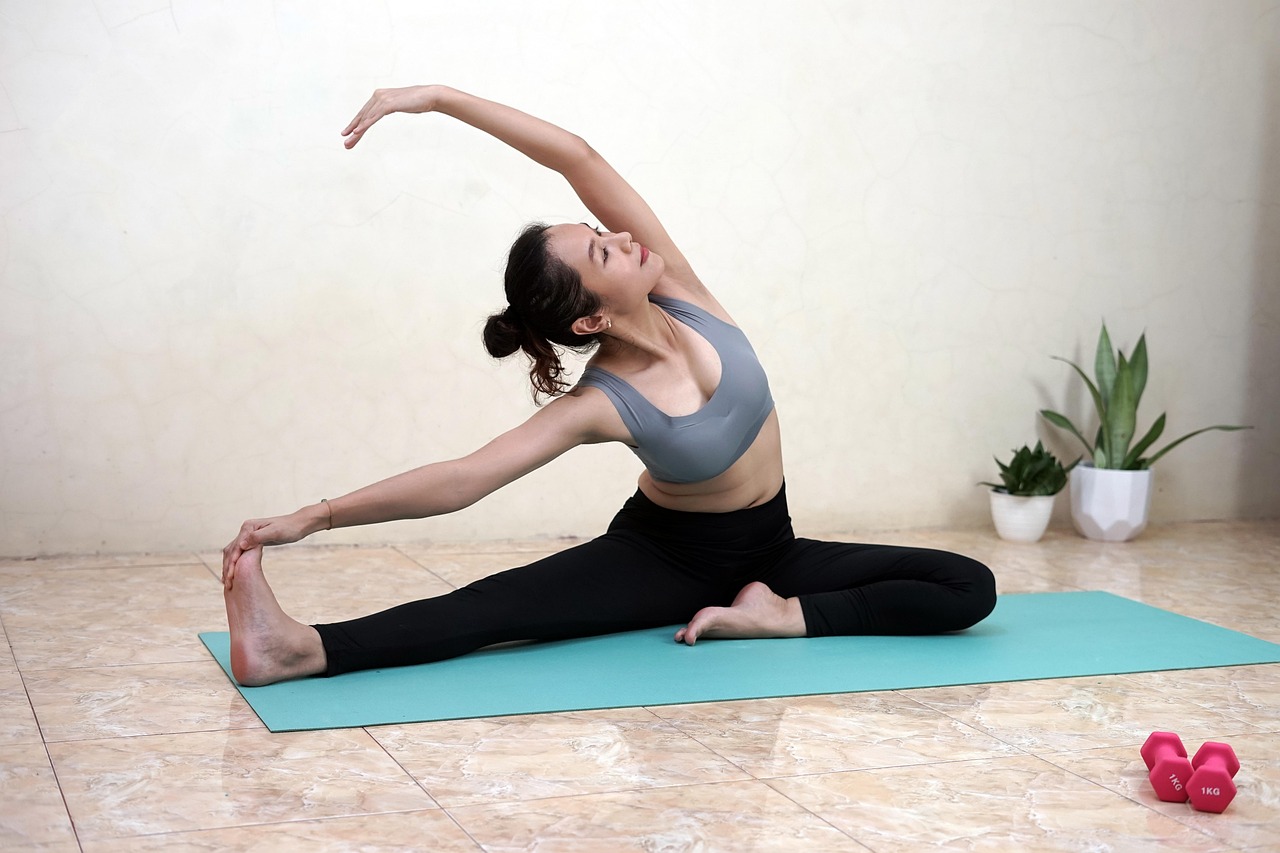
A hybrid approach to improving posture integrates targeted exercises with practical lifestyle adjustments, focusing on both physical strength and habitual changes. This method addresses the root causes of poor posture, muscle imbalances, weak core stability, and prolonged sedentary behavior, while fostering awareness through mindfulness. The goal is to build endurance in supportive muscles (like the deep core) and reduce reliance on compensatory mechanisms (such as slouching).
Exercise Selection for Posture Optimization
Strengthening key muscle groups is critical. Rows target the upper back, which often weakens from desk work, while plank variations engage the transverse abdominals and glutes to stabilize the pelvis. Wall angels strengthen the rhomboids and rotator cuffs, counteracting rounded shoulders. Side planks emphasize the obliques, improving lateral stability. Yoga poses like Downward Dog or Cat-Cow enhance spinal flexibility and range of motion.
Core Stability as the Foundation
A strong core prevents excessive arching or rounding of the spine. The dead bug exercise involves lying on your back with limbs extended upward, lowering opposite arms and legs to activate the transverse abdominals without straining the lower back. Bird dogs, performed on all fours, synchronize arm-leg movement with spinal extension/flexion, improving coordination.
Posture-Specific Training
Wall slides reinforce proper alignment by pressing the back into a wall while sliding arms upward. This dynamic stretch counteracts forward head posture. Resistance band pull-aparts target the rear shoulder muscles to correct rounded shoulders and winged scapulae. Seated pelvic tilts at a desk help maintain neutral spinal curves during prolonged sitting.
Lifestyle Modifications for Lasting Change
Ergonomic adjustments reduce physical strain. Adjust desk chairs so feet rest flat, knees at 90 degrees, and monitors eye level to avoid neck strain. Use lumbar support cushions to encourage natural spinal curvature. Break up sedentary time with standing intervals or walking meetings. Every hour spent upright strengthens postural muscles.
Mindfulness and Environmental Cues
Posture checks throughout the day prevent muscle fatigue. Set phone alarms every 30 minutes to remind yourself of alignment: ears aligned over shoulders, shoulders retracted, and abdominals engaged. Wear posture-conscious clothing that subtly reminds you to stand taller.
Progressive Overload for Longevity
Gradually increase exercise intensity to avoid plateaus. For rows, add weight or perform more repetitions; for planks, hold longer or try side variations. Incorporate instability tools like stability balls during workouts to challenge core muscles further. Maintain a consistent routine, 2 to 3 weekly sessions focusing on strength and mobility yield measurable results in 6 to 8 weeks.
Benefits Beyond Aesthetics
Correct posture reduces chronic pain by minimizing stress on joints, ligaments, and discs. Improved circulation and digestion result from unobstructed abdominal space. Enhanced breathing efficiency allows deeper inhalations, oxygenating tissues better. Posture-related benefits include increased confidence, reduced fatigue, and lower risk of injuries like hernias or rotator cuff strains linked to poor alignment.
This hybrid strategy emphasizes that posture improvement is not a one-time fix but an evolving process. Pairing structured exercises with daily habits ensures lasting results. By strengthening supportive muscles, stabilizing joints, and fostering mindful movement, individuals cultivate resilience against modern sedentary lifestyles, achieving better health and self-awareness in the process.
Best Exercises for Posture at Home

Improving posture at home is achievable through a series of targeted exercises that strengthen the muscles responsible for maintaining proper alignment. These exercises focus on enhancing muscle balance and flexibility, which are crucial for supporting the spine and preventing slouching or forward head posture. The key to effective posture training lies in regular practice and proper technique execution.
One foundational exercise is the plank, which engages the core muscles, including the rectus abdominis, transverse abdominis, and obliques, as well as the glutes and shoulder stabilizers. By holding a forearm or high plank position for 30 seconds to a minute, individuals can strengthen their core, which is essential for maintaining an upright posture. The bird-dog exercise targets the core and hip muscles simultaneously by alternating arm and leg lifts on all fours; this movement improves stability and coordination while lengthening the spine.
Upper back strengthening is vital for preventing rounded shoulders and forward head posture. The scapular retractor, performed by squeezing the shoulder blades together against resistance bands or during a superman position on the floor, enhances scapular stability and strengthens the rhomboids and middle trapezius muscles. This exercise helps retract the shoulders, aligning them over the hips and reducing neck strain from prolonged sitting or poor posture habits.
Flexibility plays a significant role in maintaining good posture, as tight muscles can pull the body out of alignment. The cat-cow stretch, derived from yoga, alternates between arching and rounding the spine to gently mobilize the vertebrae and stretch the thoracic spine, hip flexors, and hamstrings. This exercise promotes spinal mobility and reduces tension in the upper back and neck.
For lower body posture support, the clamshell exercise targets the glutes and hip abductors, which stabilize the pelvis and prevent one side from tilting. Performed lying on the side with a knee-to-knee alignment, this movement strengthens the hip muscles, ensuring a level pelvis that supports proper spinal alignment. The bridge exercise engages the glutes and hamstrings while lifting the hips off the floor, creating a straight line from the knees to the shoulders. This strengthens the posterior chain, crucial for maintaining an upright posture throughout daily activities.
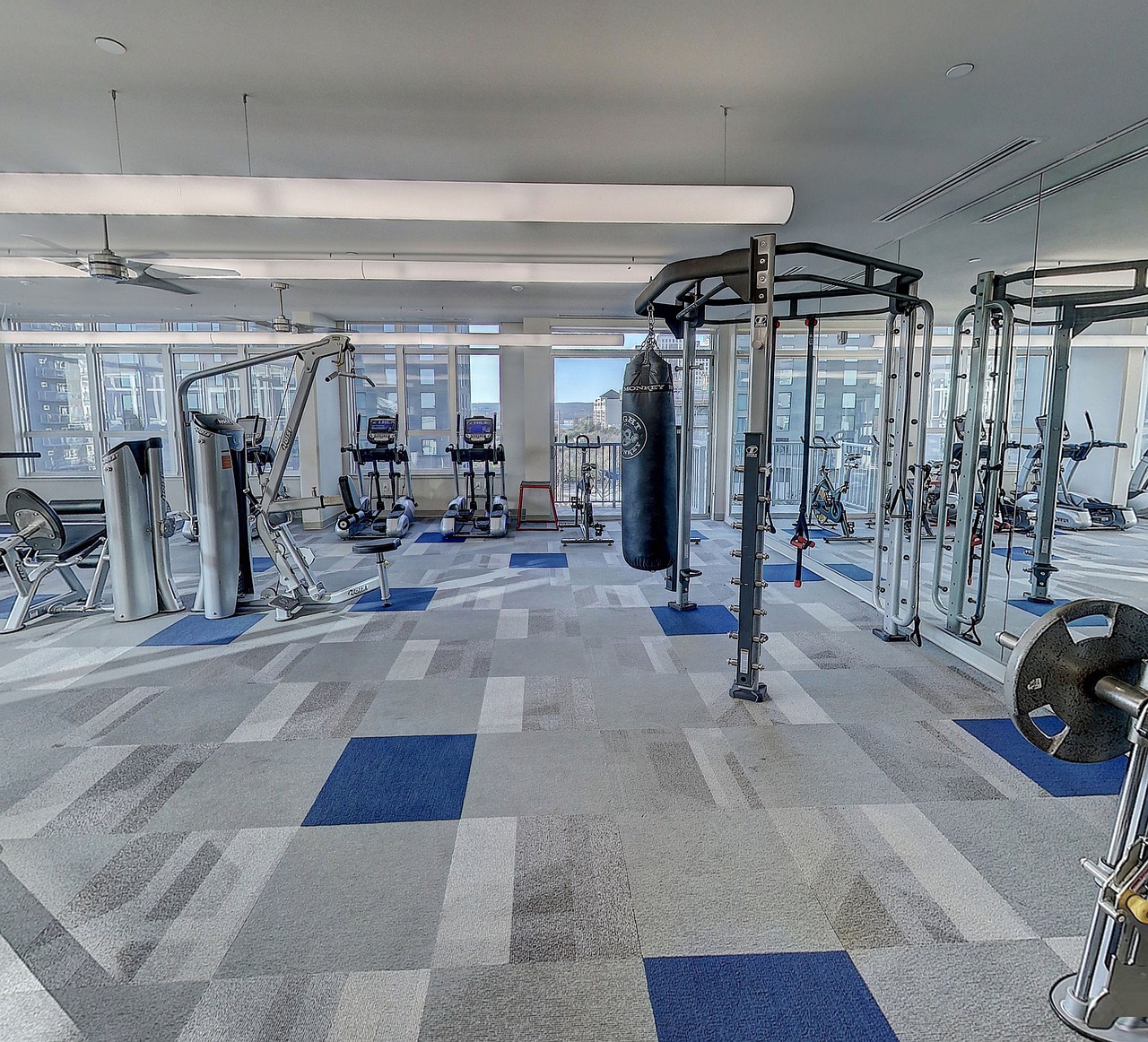
Effective Exercises for Posture
Improving posture through exercise requires a focus on strengthening the muscles that support the spine and maintaining proper alignment. The most critical parameter in achieving effective posture improvement is consistency, which encompasses both regularity of exercise and adherence to correct form. Consistency ensures that the muscular changes necessary for better posture are sustained over time rather than being temporary fixes.
The core muscles, including the transverse abdominis, internal obliques, rectus abdominis, pelvic floor, and multifidus, play a pivotal role in maintaining spinal stability and alignment. Engaging these muscles through targeted exercises like planks, bird-dogs, bridges, and pelvic tilts helps to create a strong supportive framework for the spine. These exercises should be performed regularly, ideally several times per week, to build endurance and strength in these stabilizing muscles.
To core strengthening, exercises that improve flexibility and mobility are essential for posture enhancement. Tightness in the hips, chest, and shoulders can lead to forward head posture and slouching. Incorporating stretches such as chest opens, hip flexor stretches, and shoulder rolls into a routine helps to alleviate these tensions. Yoga and Pilates are particularly effective modalities for integrating strength, flexibility, and mindfulness, which can lead to more sustainable posture improvements.
Proper form is another critical aspect of consistency in posture-improving exercises. Misalignment during movements can not only negate the benefits but also lead to injury. It is crucial to focus on maintaining a neutral spine, engaging the core, and avoiding excessive rounding or arching of the back. Working with a qualified fitness professional can provide guidance on correct technique and ensure that exercises are performed safely and effectively.
Beyond the gym, integrating posture-friendly habits into daily life is vital for long-term improvement. This includes ergonomic adjustments at work or home, such as proper chair height and screen placement, and taking frequent breaks to stand and stretch if sedentary work is involved. Mindfulness practices like body scans can also help individuals become more aware of their posture throughout the day, promoting corrective habits without relying solely on exercise.
Easy Exercises for Posture Fix
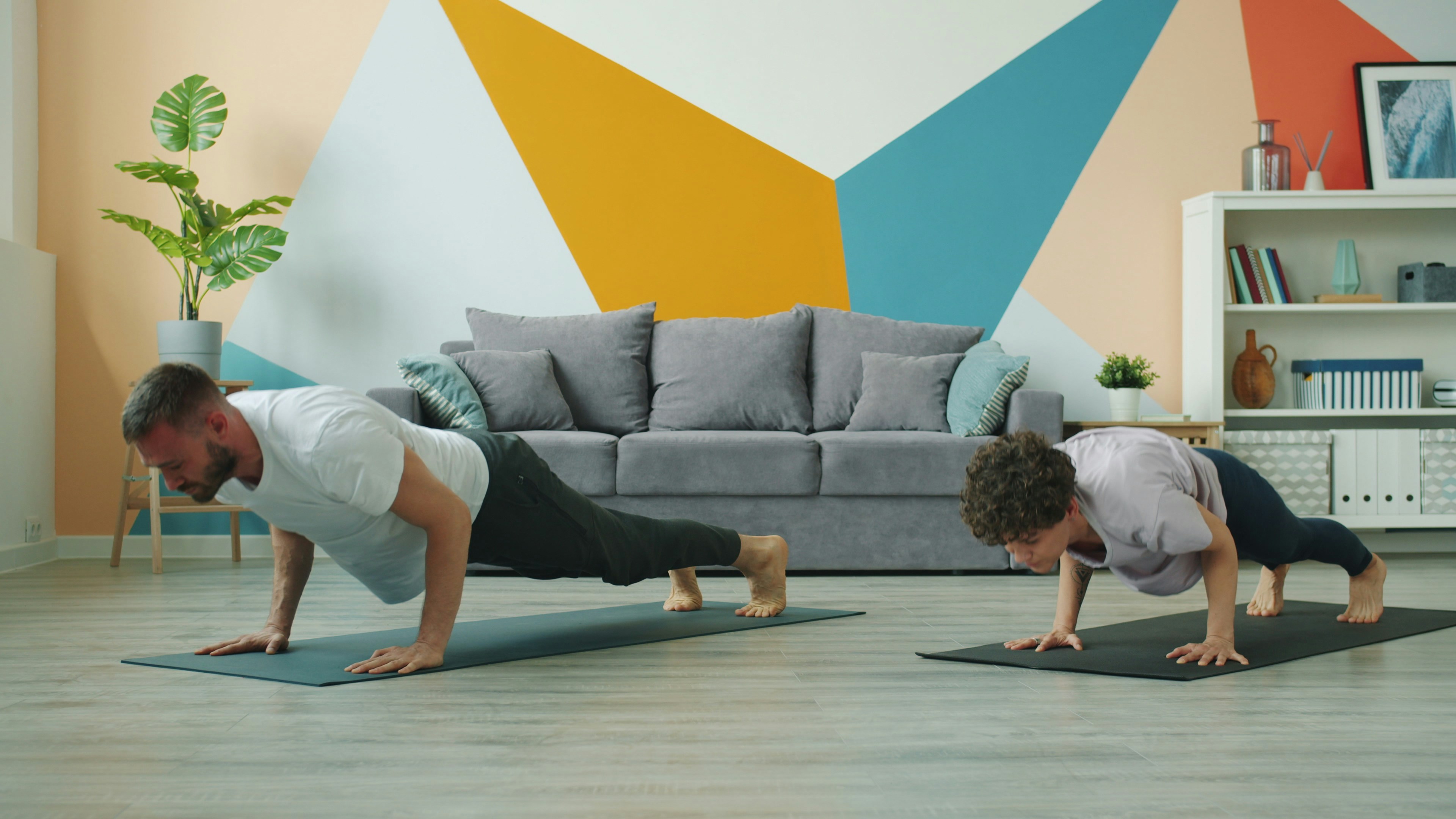
The first exercise is the Bridge. Lie on your back with knees bent and feet hip-width apart. Place arms at your sides, palms down. Lift your hips off the floor while keeping your shoulders pressed into the surface. Hold for a few seconds before slowly lowering yourself back down. Repeat this movement 10-12 times for two sets. This exercise targets the glutes and hamstrings, which can help improve pelvic tilt and lower back alignment.
Another effective exercise is the Plank. Begin in a push-up position with forearms on the ground, elbows directly under your shoulders. Engage your core muscles and keep your body straight from head to heels. Hold for 30 seconds before resting. Repeat this process 2-3 times. The plank strengthens the entire core, including the abdominals and lower back muscles, which are crucial for maintaining proper posture throughout the day.
The Cat-Cow Stretch is a gentle yoga pose that can help improve thoracic spine mobility. Get on all fours with hands under your shoulders and knees under your hips. Arch your back while rounding your spine and looking up towards the ceiling (cat position). Then, tuck your chin to your chest and arch your spine in the opposite direction (cow position). Repeat this flow 10 times for two sets. This stretch helps maintain flexibility in the spine and can help alleviate lower back pain.
The Shoulder Blade Squeeze is a simple yet effective exercise that targets the muscles between your shoulder blades. Sit or stand with arms at your sides. Squeeze your shoulder blades together while keeping your chest lifted. Hold for 5-10 seconds before releasing and repeating the process. Do this exercise 10-12 times for two sets. A strong upper back can help prevent rounding of the shoulders, which is a common cause of poor posture.
Best Exercises for Better Posture
Planks are a fundamental exercise that engage the entire core, including the rectus abdominis, obliques, and lower back muscles. By holding a static position with the body in a straight line from head to heels, planks improve core stability, which is crucial for maintaining proper alignment during daily activities. This exercise can be modified by varying the hand or feet positions to target different muscle groups effectively.
Supermans, performed lying face down with arms and legs elevated, focus on strengthening the back muscles, particularly the latissimus dorsi and lower back extensors. This exercise not only improves posture but also helps correct rounded shoulder and upper back positions commonly seen in individuals who spend prolonged periods sitting or slouching. By regularly incorporating supermans into a fitness routine, one can achieve a straighter posture and reduced strain on the spine.
Chin-ups are an excellent exercise for strengthening the muscles that pull the scapulae back and down, including the latissimus dorsi and rhomboids. Proper scapular movement is vital for maintaining an upright posture, as weak or imbalanced muscles can lead to shoulder protraction and slouching. Chin-ups not only enhance posture but also contribute to a more robust upper body structure.
Wall angels, performed by leaning against a wall with feet hip-width apart, involve rotating the shoulders back and down while maintaining a neutral spine. This exercise targets the rotator cuff muscles and reinforces proper scapular positioning, which is essential for preventing forward head posture and slouching. Wall angels are particularly beneficial for individuals who spend long hours at a desk or engaged in repetitive motions that strain the upper body.

Quick Exercises for Better Posture
It is essential to understand the key muscles responsible for maintaining a strong and balanced posture. The primary muscle groups include the core (abdominals and lower back), glutes, chest, and upper back. Regularly engaging these muscles through targeted exercises helps strengthen the supportive structures and promote better alignment.
Plank: Begin in a push-up position with forearms on the ground, directly under shoulders. Engage your core, glutes, and quads to maintain a straight line from head to heels. Hold for 30 seconds, rest for 15 seconds, and repeat two to three times. This exercise strengthens the entire core, improving stability and supporting proper posture.
Bridge: Lie on your back with knees bent and feet hip-width apart. Engage your glutes and hamstrings to lift your hips off the ground, creating a straight line from shoulders to knees. Hold for five seconds before lowering back down. Perform three sets of ten repetitions. A strong posterior chain is crucial in maintaining optimal posture throughout the day.
Shoulder Blade Squeeze: Sit up tall with feet flat on the floor and arms at your sides. Engage your upper back muscles by squeezing your shoulder blades together, keeping your chest lifted. Hold for ten seconds, then release. Perform three sets of ten repetitions throughout the day to promote better upper back alignment and posture.
Chest Opener: Stand against a wall with feet hip-width apart and arms outstretched at a 90-degree angle, palms facing forward. Lean in towards the wall, feeling a stretch across your chest. Hold for fifteen seconds before releasing. Repeat this stretch three times to counteract the effects of hunching over a computer or phone.

Best Workouts for Posture Correction
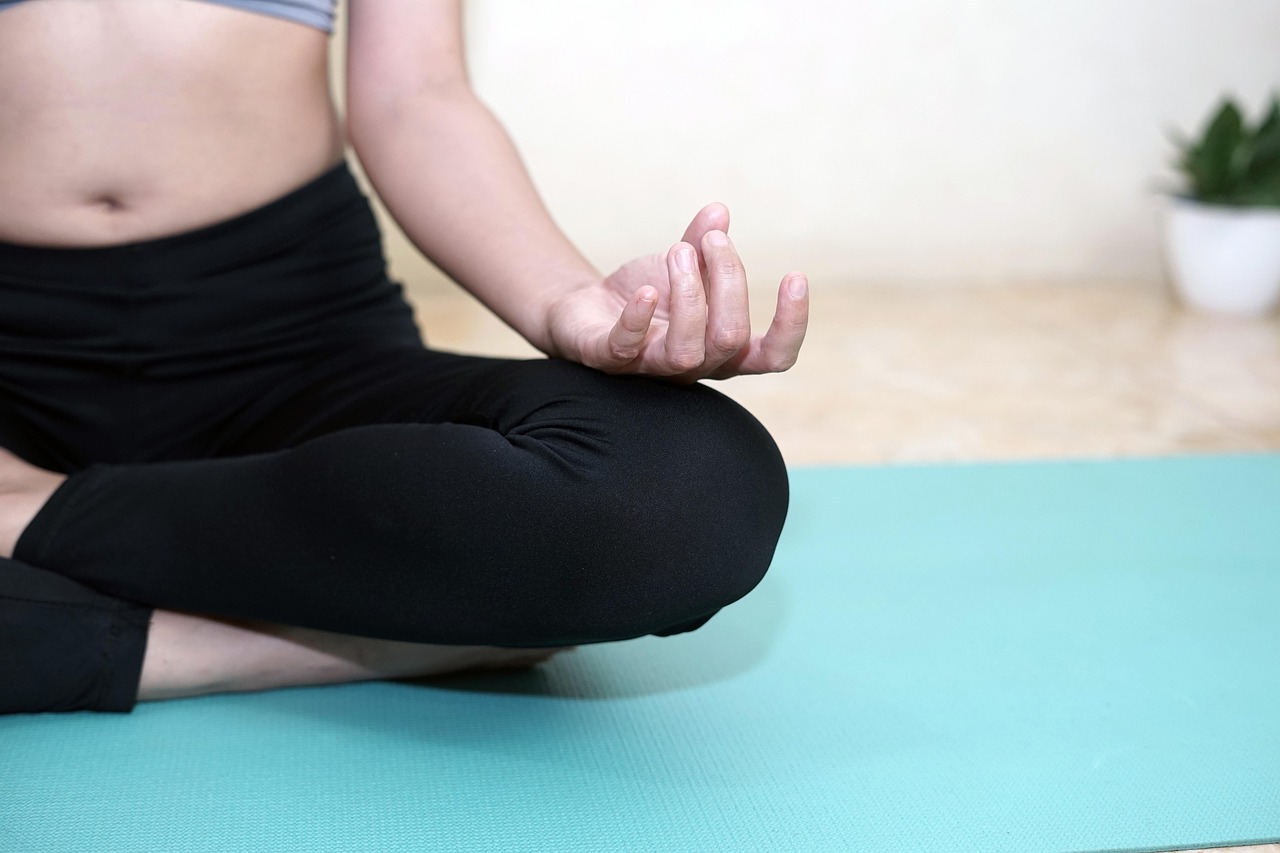
Posture correction workouts focus on strengthening key muscle groups, improving flexibility, and developing body awareness to counteract the effects of prolonged sitting or poor ergonomic habits. The core foundation lies in addressing imbalances between front-body muscles, such as those responsible for forward head posture and rounded shoulders, and back-body muscles that support spinal alignment. Effective exercises typically emphasize both strength and mobility, targeting areas like the upper traps, rhomboids, mid and lower trapezius, serratus anterior, rotator cuff muscles, latissimus dorsi, and core stabilizers. These muscle groups work synergistically to maintain proper posture by pulling the shoulders back, lifting the chest, and supporting the spine’s natural curves.
A fundamental aspect of posture-focused workouts is building strength in the posterior chain, the group of muscles on the back side of the body that includes the erector spinae, glutes, hamstrings, and calves. Weakness or tightness in these areas can contribute to slouching and excessive arching of the lower back. Strengthening exercises such as rows, pull-ups, deadlifts, and glute bridges help counterbalance imbalances caused by daily activities like sitting at a desk or driving. Progressive resistance training ensures muscles adapt to increased demands, promoting endurance and stability over time.
Flexibility in the front of the body is equally critical. Tightness in the pectoralis minor, anterior deltoids, and hip flexors often pulls the shoulders forward and flattens the natural thoracic curve. Stretching routines incorporating yoga poses like cat-cow, downward dog, cow face arms, and seated forward folds can alleviate tension and improve mobility. Dynamic stretching before workouts prepares these muscles for movement, while static holds during cooldown sessions help maintain lengthened positions. Proprioceptive neuromuscular facilitation (PNF) techniques, such as contracting a stretched muscle followed by relaxation, may also enhance flexibility gains.
Core stability exercises form the backbone of posture correction routines. The transverse abdominis and multifidus, deep muscles responsible for maintaining intra-abdominal pressure and spinal alignment, require targeted activation to prevent excessive arching or swaying of the lower back. Movements like planks, side planks, dead bugs, and bird dogs strengthen these stabilizers without compromising neutral spine positioning. Integrating core work into everyday tasks, such as engaging the transversus abdominis during lifting or sitting, reinforces proper muscle memory.
Body awareness exercises develop proprioceptive sensitivity, enabling individuals to recognize and correct suboptimal alignment throughout daily activities. Isolated movements like shoulder circles, shoulder blade squeezes, chest openers, and chin tucks help retrain movement patterns and reinforce correct positions. Functional mobility drills, such as wall angels or thoracic spine rotations, simulate real-life motions while refining spinal control. Mindfulness practices like yoga or meditation can further enhance body awareness by encouraging present-moment attention to posture cues.
Incorporating resistance bands, stability balls, or foam rollers adds variety and challenge to workouts. Resistance bands facilitate controlled eccentric loading of muscles during exercises like rows or presses, enhancing strength gains. Stability ball exercises, such as seated rows or overhead presses, improve core engagement by requiring balance and stabilization. Foam rolling targets myofascial restrictions in tight areas like the upper back, quadratus lumborum, or iliotibial band to relieve tension and restore mobility.
A well-rounded posture correction program typically includes two to three weekly sessions, with each session lasting 30-60 minutes. Progression should follow principles of specificity, overload, and recovery, gradually increasing resistance, volume, or complexity while allowing adequate rest between workouts. Monitoring subjective improvements such as reduced neck/shoulder pain, improved breathing capacity, or greater confidence in standing/sitting can provide motivation and guide adjustments to the routine.
How to Improve Your Posture Fast
Optimal posture is more than just standing up straight; it’s a dynamic alignment of the body’s joints, muscles, and ligaments allowing for efficient movement and reduced strain. Poor posture, often a product of modern habits like prolonged sitting and screen time, can contribute to back pain, headaches, breathing difficulties, and even digestive issues. A fast improvement in posture generally involves addressing both flexibility limitations and strength imbalances across key muscle groups. Strengthening the postural muscles – those that keep the spine aligned – is crucial for long-term stability. These include the core muscles (transversus abdominis, rectus abdominis, obliques), often considered the body’s central stabilizer; the back extensors along the spine; and the scapular stabilizers around the shoulder blades, like the rhomboids and trapezius. Flexibility plays a key role too – tight hamstrings can pull the pelvis into a tilted position, leading to increased lumbar curve, while tight chest muscles often contribute to rounded shoulders.
A well-rounded approach incorporates three main components of exercise: strength training, flexibility work, and mobility drills. Strength training focuses on building endurance in those postural muscle groups mentioned earlier. Think of exercises like bird dogs – excellent for core stability and coordination – or variations of rows using dumbbells or resistance bands, which target the back extensors and scapular stabilizers. Planking variations also provide great core engagement, key for a solid foundation to good posture. Flexibility work aims to lengthen those often-tight muscles; hamstring stretches (standing or seated), chest stretches (using a doorway or foam roller), and hip flexor stretches are all useful here. Regular stretching improves range of motion and reduces the likelihood of postural compensations.
Often overlooked is the element of awareness. Simple cues like imagining a string pulling you upward from the crown of your head, or slightly tucking the chin to find a neutral neck position, can help maintain good posture throughout the day. Ergonomic adjustments also play a large role; ensuring a monitor sits at eye level when sitting and using a supportive chair helps minimize strain on the spine. Small changes in daily habits, combined with a consistent exercise routine, allows for relatively fast improvement of posture. Finally, core engagement should be thought of as an ongoing process rather than just something done during a workout – conscious effort to keep the core “braced” throughout everyday activities can lead to a more sustained postural benefit.
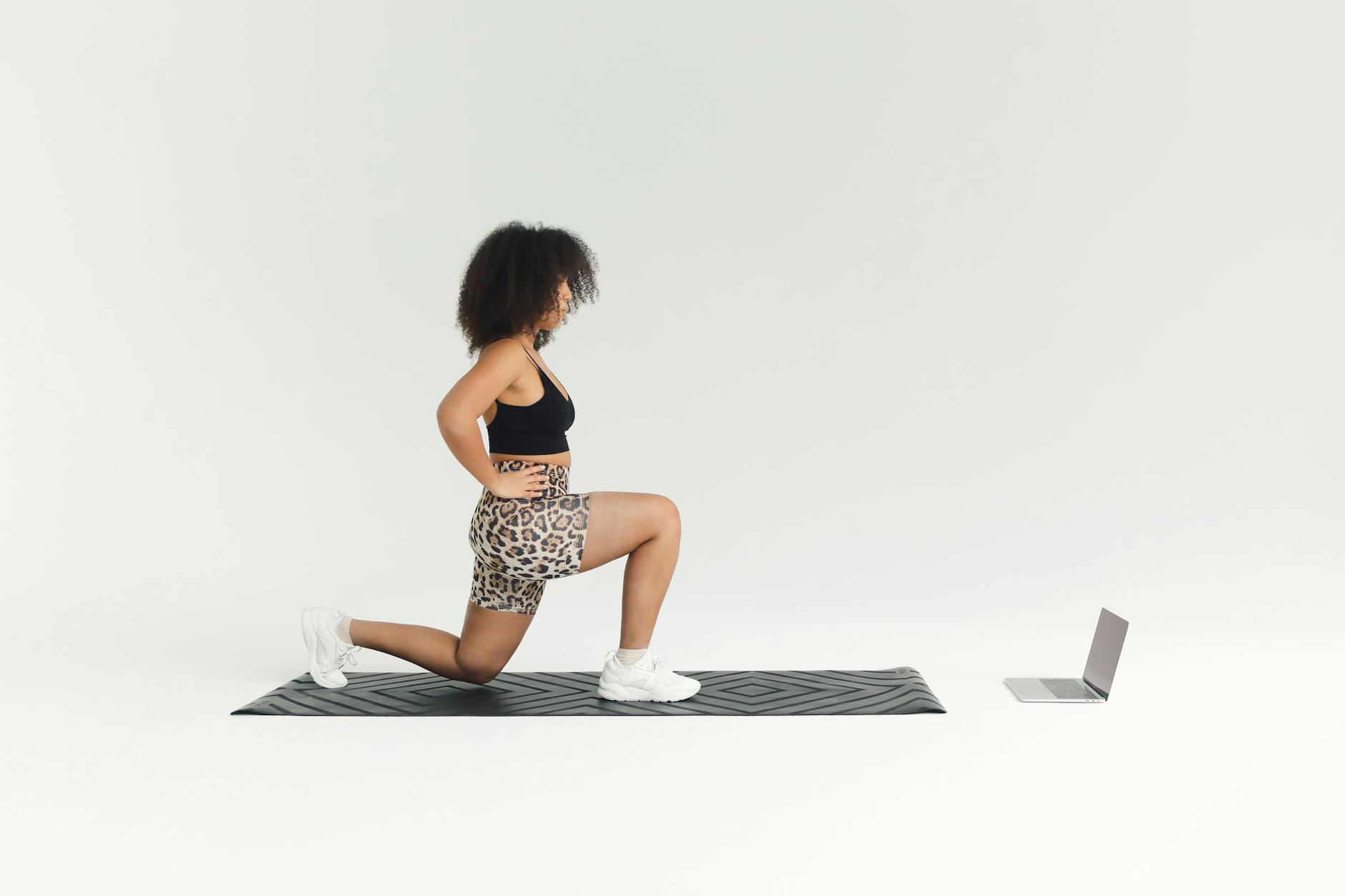
The Benefits of Exercise for Better Posture
Flexibility is another critical factor influenced by exercise, particularly stretching and mobility exercises. Improved flexibility allows for greater range of motion in the joints, facilitating smoother movement patterns and reducing tension in the muscles. Activities such as yoga or Pilates integrate both strength and flexibility training, promoting a balanced approach to postural improvement. These practices also encourage mindful movement, fostering an increased sense of body awareness that can lead to more deliberate posture choices throughout the day.
Apart from physical benefits, exercise positively impacts mental health, which indirectly supports better posture. Reduced stress and anxiety, often achieved through aerobic exercises like running or swimming, can alleviate muscle tension and promote relaxation. This mental clarity allows individuals to adopt more upright postures, as they are less likely to be influenced by stress-induced slouching. Furthermore, the release of endorphins during exercise enhances mood and motivation, encouraging consistent participation in posture-enhancing activities.
Consistency in exercise is key to achieving and maintaining improved posture. Incorporating a mix of strength training, flexibility exercises, and aerobic activities into a regular routine ensures a comprehensive approach to postural health. It is also important to address any existing imbalances or weaknesses through targeted exercises, as these can perpetuate poor posture if left unaddressed. Additionally, integrating ergonomic principles into daily life, such as maintaining proper sitting posture and using supportive footwear, complements the benefits gained from exercise.
Exercises for Posture Improvement
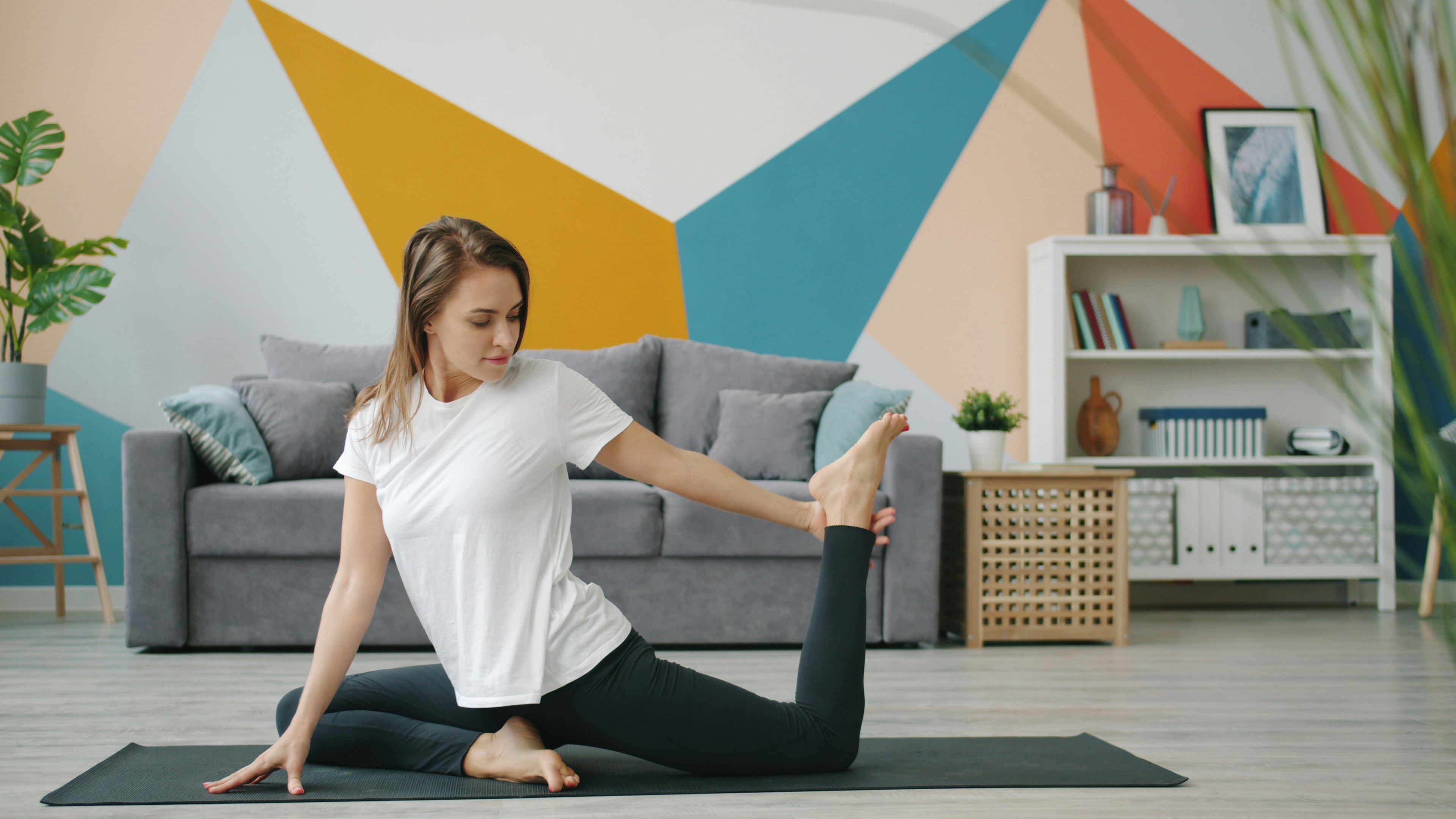
The first exercise is the Plank, a foundational move that engages the entire core. To perform a Plank, start by assuming a push-up position with forearms on the ground, elbows aligned beneath shoulders. Engage the abdominal muscles to lift the hips off the ground, ensuring the body forms a straight line from head to heels. Hold this position for 20-30 seconds, gradually increasing duration as strength improves. The Plank strengthens the core muscles, which support the spine and help maintain an upright posture throughout daily activities.
Another effective exercise is the Bird-Dog, which simultaneously works the core and shoulder stability. Lie on one side with legs stacked and arms extended in line with the shoulders. Lift the upper arm and opposite leg off the ground, keeping them parallel to the floor. Hold for a few seconds before switching sides. This exercise strengthens the obliques and scapular stabilizers, improving balance and posture by enhancing the muscles that keep the spine aligned during movement.
The Superman is a simple yet powerful exercise for the back muscles. Lie face down with arms extended above the head and legs straight behind. Lift the arms and legs off the ground simultaneously, engaging the glutes and lower back muscles to support the lift. Hold for a few seconds before lowering back down. This exercise strengthens the erector spinae muscles along the spine, crucial for maintaining an upright posture and preventing slouching.
For improved shoulder and upper back alignment, the Seated Forward Fold is beneficial. Sit with legs extended in front, feet hip-width apart. Inhale to lift the arms overhead, then exhale to hinge forward at the hips, reaching toward the toes. Keep the spine long and avoid rounding the back. This stretch lengthens the upper back muscles, promoting better posture by reducing tension and encouraging an upright stance.
The Bridge is another essential exercise for posture improvement, targeting the glutes and lower back. Lie on the back with knees bent and feet flat on the ground, hip-width apart. Lift the hips toward the ceiling, engaging the glutes to support the lift. Hold for a few seconds before slowly lowering back down. This move strengthens the posterior chain, which is vital for maintaining pelvic alignment and preventing forward lean.
Incorporating these exercises into a regular routine can significantly enhance posture over time. By focusing on core strength, spinal stability, and muscle balance, individuals can experience reduced pain, improved breathing, and increased confidence in their daily lives. It is important to maintain proper form during each exercise to maximize benefits and avoid injury. As with any fitness program, consulting a professional can ensure exercises are performed safely and effectively for individual needs.
Fitness Tips for Better Posture
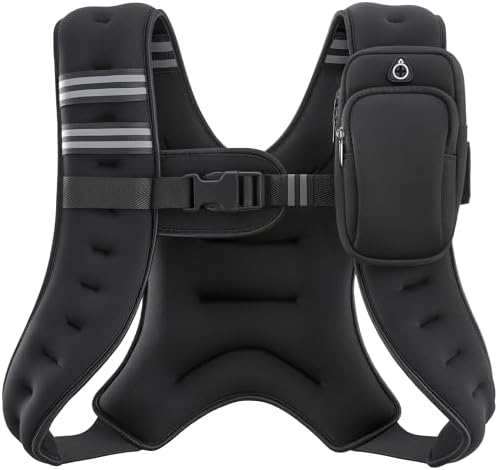
Firstly, understanding the basic postural muscles is essential. These include the deep muscles in your core (transversus abdominis, multifidus), rhomboids, trapezius, and the muscles in your glutes and pelvic floor. These muscles work together to maintain an upright position.
The following exercises can help strengthen these muscles, leading to improved posture
Bridge: Lie on your back with knees bent and feet hip-width apart. Lift your hips off the ground, keeping your shoulders flat against the floor. Squeeze your glutes at the top and lower slowly, repeating for 2 sets of 10 reps.
Plank: Start in a push-up position but rest on your forearms instead of hands. Engage your core, glutes, and quad muscles while keeping a straight line from head to heels. Hold the position for 30 seconds, resting before repeating for 2 sets.
Chin Tucks: Sit up straight with your shoulders rolled back. Tuck your chin slightly toward your chest, feeling a stretch in the back of your neck. Perform 3 sets of 15 reps.
Bird Dog: Get on all fours and extend one arm and the opposite leg out straight. Hold for 5 seconds before returning to the starting position. Repeat with the other limb, doing 2 sets of 5 reps for each side.
Regular practice of these exercises can lead to increased muscle strength and endurance, improving your ability to maintain good posture throughout the day.
Adopting specific habits can also contribute to better posture
Maintain an ergonomic workspace: Ensure your monitor is at eye level, and your chair supports a neutral spine position.
Stand up straight: Avoid slouching or crossing legs while sitting. Keep your weight evenly distributed on both feet.
Sleep on a supportive mattress: Choose one that aligns with the natural curve of your spine.
Stay hydrated: Dehydration can lead to muscle cramps and poor posture.
