
Pull-ups and chin-ups are classic exercises that effectively target the lats, traps, rhomboids, and biceps. Variations in grip width can shift emphasis to different areas; a wider grip targets the lats more, while a narrower grip emphasizes the biceps and upper back. Beginners may use assisted pull-up machines or resistance bands to build up strength before attempting unassisted repetitions. Consistent practice with these exercises leads to noticeable improvements in back thickness and width over time.
Rows are another staple for developing back strength, with bent-over rows and seated cable rows being two effective variations. Bent-over rows require proper body alignment to prevent back strain, while seated cable rows provide controlled resistance through the range of motion. These exercises help build muscle mass and improve posture by strengthening the muscles responsible for pulling the shoulders back.
Lat pulldowns are versatile machines that allow users to adjust weight and resistance levels, making them suitable for all fitness levels. This exercise targets the lats specifically but also engages other surrounding muscles. Proper form ensures effective use of the machine and minimizes risk of injury; beginners should focus on controlled movements rather than lifting heavy weights initially.
Plank rows combine core stability with back strengthening by incorporating a plank position while performing rowing motions with each arm. This exercise not only works the back muscles but also strengthens the abs, obliques, and shoulders. It requires significant core engagement to maintain balance during each repetition, making it an excellent addition to advanced workouts seeking functional strength improvements.
Isolation exercises like lateral raises for the rear delts or face pulls for the upper back can help address muscle imbalances often present in novice lifters. These smaller movements focus on specific areas that might otherwise be overlooked during compound workouts, leading to more symmetrical development and reduced risk of injury over time.
One frequent source of confusion among beginners involves understanding proper form and execution of these exercises. Without adequate guidance or practice, improper technique can lead to strain or even long-term damage. It’s essential for newcomers to seek instruction from qualified trainers who can demonstrate correct posture, grip widths, range-of-motion guidelines, and breathing patterns, all critical components for safe and effective execution.
Incorporating rest days into any strength training regimen allows muscles time to recover and grow stronger. Overtraining increases injury risk while stalling progress; allowing adequate recovery between workouts ensures continued improvements in back strength without compromising safety or performance quality.
As individuals progress through their back workouts, they may find themselves needing more advanced equipment or additional stimulus to continue seeing results. This progression often involves increasing weights, incorporating new exercises, adjusting rest periods between sets, or changing grip positions and angles to continually challenge the muscles in different ways.

Effective Exercises for a Stronger Back
One of the most effective exercises for a stronger back is the pull-up. Pull-ups engage multiple muscle groups simultaneously, focusing on the lats, biceps, and forearms. For beginners who cannot perform a full pull-up, a lat pulldown or assisted chin-up can serve as an initial alternative. As strength improves, aim to progress toward performing three sets of eight to twelve reps per week. Over time, with consistent training, many individuals can expect to see significant improvements in their pull-up capacity within six to eight weeks.
Another critical exercise is the row. Barbell rows or cable rows target the lats and upper back muscles effectively. These exercises should be performed with a focus on maintaining proper form to maximize muscle engagement and minimize the risk of injury. Aim for three sets of eight to twelve repetitions, performing this exercise twice weekly. With dedication, individuals can typically observe noticeable strength gains in the row movement within four to six weeks.
The deadlift is a compound exercise that not only strengthens the back but also engages the glutes, hamstrings, and core muscles. Proper technique is paramount to avoid strain on the lower back. Beginners should start with lighter weights and focus on mastering the movement before increasing load. Incorporating deadlifts into a routine two to three times weekly can lead to measurable strength improvements within eight to twelve weeks.
For those seeking alternatives or additional challenges, inverted rows offer an effective posterior deltoid and upper back workout. Using a low pulley or resistance band, this exercise targets the muscles responsible for shoulder extension. Aim for three sets of ten to fifteen reps, progressing as strength allows. Many find that inverted rows yield visible improvements in upper back strength within six to eight weeks of consistent practice.
Incorporating these exercises into a well-rounded workout plan, alongside progressive overload, gradually increasing weight or intensity, ensures continuous development of a stronger back. It’s important to allow for adequate rest and recovery, as muscle growth occurs during periods of rest. By adhering to a structured training regimen and maintaining consistent effort, individuals can achieve significant strength gains in their back muscles over several months.
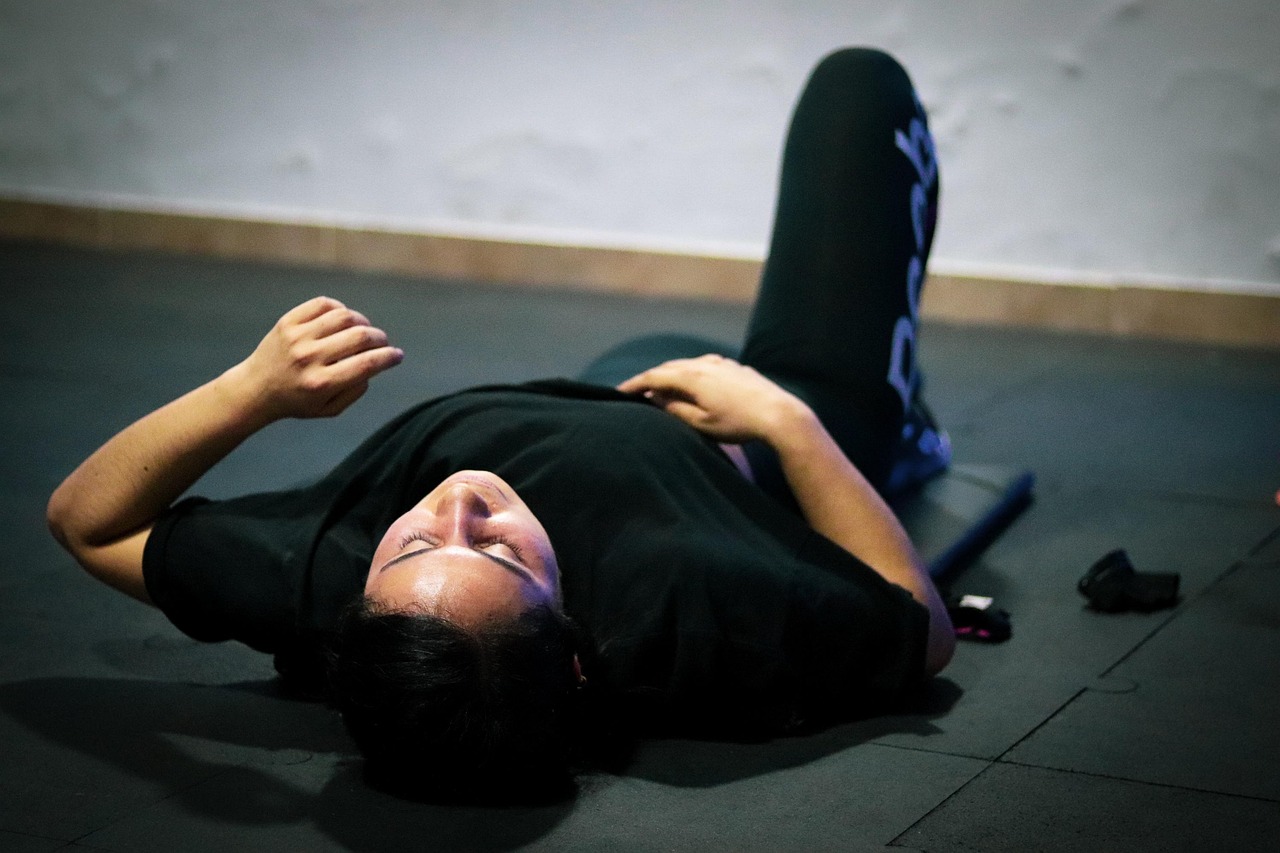
Good Back Exercises for Strength
One of the most fundamental and effective back exercises is the pull-up. This compound movement targets multiple muscle groups, including the latissimus dorsi, biceps brachii, and posterior deltoids. To perform a pull-up, grasp a bar with an overhand grip wider than shoulder width, engage the core, and lift the body upward until the chin clears the bar. For those unable to perform full pull-ups initially, bodyweight-assisted pull-ups or lat pulldowns can serve as effective alternatives while building strength.
The row is another cornerstone exercise for back development. Barbell rows and cable rows are particularly impactful, engaging the lats, rhomboids, and upper trapezius muscles. To execute a barbell row, stand with feet hip-width apart, hinge at the hips, maintain a neutral spine, and pull the bar to the chest with an overhand grip. Controlling the movement during both the concentric and eccentric phases ensures proper muscle activation and reduces injury risk.
Plank rows offer a unique approach to targeting the back muscles, particularly the lats and rhomboids. Begin in a forearm plank position, engage the core, and lift one arm toward the ceiling while keeping the body stable. This isolation movement enhances muscle endurance and stability. Incorporating plank rows into a routine can complement traditional rowing exercises by focusing on different muscle fibers.
Strength interacts with other common elements such as flexibility and mobility. A flexible and mobile back allows for greater range of motion in exercises, reducing the likelihood of injury and improving performance. Incorporating stretching and mobility work into a routine can enhance the effectiveness of back exercises by ensuring proper alignment and muscle activation.
Simple Top Back Exercises for Strength

Firstly, we introduce the Seated Row – an exercise that primarily targets the rhomboids, upper back muscles, and biceps. As a beginner, performing this movement with correct form is essential for reaping its full benefits while minimizing the risk of injury. To execute the Seated Row, grasp a bar or machine handle with an overhand grip, keeping the knees slightly bent and feet firmly planted on the floor. Leaning back slightly, pull the bar towards your chest while contracting the upper back muscles. Release slowly to complete one rep. During this exercise, energy is transferred from the large muscle groups in the legs to the smaller muscles in the upper back, allowing for a more efficient workout.
We discuss the Bridge Row – an alternative exercise suitable for those who may not have access to gym equipment. This movement primarily engages the rear deltoids, rhomboids, and mid-back muscles. To begin, lie face down on a bench or stability ball, holding dumbbells in each hand. Keeping your core engaged, lift your chest and upper body off the surface while simultaneously pulling the dumbbells towards your torso. Lower yourself back down to complete one rep. In this exercise, the energy produced during the lifting phase is transferred from the legs and glutes to the upper back muscles, creating a more effective workout for beginners.
We explore the Prone Superman – an exercise designed to strengthen the entire upper back, as well as the lower back and core muscles. Begin by lying face down on a mat with arms stretched out in front of you and legs extended behind you. Synchronously lifting your arms, chest, and legs off the floor, hold for a brief moment before returning to the starting position. This movement targets the erector spinae, rhomboids, and other muscles running along the upper and lower back. When performing this exercise, beginners can focus on maintaining proper form and controlled movements while minimizing energy expenditure, ensuring an effective workout that sets the foundation for further strength gains.
Best Exercises for a Stronger Back
Inadequate strength assessment is another critical issue. Without properly evaluating one’s current strength levels, it becomes difficult to design an effective training program. This oversight can result in inefficient workouts, where exercises are either too easy (yielding minimal progress) or too challenging (increasing injury risk). Proper assessment ensures that the exercise regimen is tailored to individual needs, promoting safe and effective strength development.
To mitigate these risks, it is essential to incorporate comprehensive back-strengthening exercises into a workout routine. Movements such as pull-ups, rows, deadlifts, and planks target various muscle groups in the back, enhancing both strength and stability. Gradual progression in weight and intensity, combined with proper technique coaching, helps prevent injuries and optimize results. Additionally, focusing on mobility and flexibility alongside strength training can further reduce the risk of injury by ensuring a full range of motion and balanced muscle tension.
How to Build a Bulletproof Lower Back
To achieve this, it is crucial to incorporate exercises that target the entire core region, including the transverse abdominis, rectus abdominis, obliques, and erector spinae muscles. These muscles work synergistically to stabilize the spine and support the torso during movements. One of the most effective exercises for building a strong lower back is the deadlift, which engages multiple muscle groups simultaneously while promoting proper spinal mechanics. Performing deadlifts with proper form ensures that the lower back bears minimal strain, allowing the muscles to adapt and strengthen over time.
To compound movements like the deadlift, isolation exercises such as hip bridges and bird-dogs are beneficial for enhancing specific muscle groups that contribute to spinal stability. Hip bridges target the glutes and lower back, while bird-dogs improve coordination and balance between the upper and lower body. Incorporating these exercises into a well-rounded routine helps create a balanced muscular profile, reducing the risk of imbalances that can lead to injury.
Proper nutrition and hydration also play significant roles in strengthening the lower back. Consuming a diet rich in proteins, vitamins, and minerals supports muscle repair and growth, while staying adequately hydrated maintains the elasticity of connective tissues such as tendons and ligaments. These factors contribute to the resilience of the lower back, enabling it to withstand the demands of physical activity without sustaining damage.
Rest and recovery are essential for building a stronger lower back. Allowing adequate time for muscle recovery between workouts prevents overtraining, which can lead to fatigue and increased injury risk. Prioritizing sleep and incorporating stress-management techniques further support the body’s natural healing processes, ensuring that the lower back remains resilient and capable of handling the physical challenges encountered daily.
Easy Exercises to Strengthen Your Back

Bird dogs are an excellent example of a low-impact exercise that targets core stability and back extensor strength. Essentially, they involve starting in a quadruped position (hands and knees) then extending one arm forward and the opposite leg backward while maintaining a neutral spine – key to preventing lower back sagging or arching. Cat cow stretches offer gentle spinal mobility and improve coordination for good posture; the “cat” pose involves rounding the spine and drawing the belly button toward the spine, while the “cow” pose encourages a lengthening of the spine with shoulders relaxed. These movements increase blood flow and flexibility to often-stiff areas of the back.
The Superman exercise also focuses on the erector spinae, helping to build endurance in these muscles which are vital for maintaining an upright posture. Performed by lying face down with arms extended overhead and legs straight, a slight lift of the arms and legs off the ground engages the lower back muscles without requiring too much core stability initially. Modified rows using resistance bands provide a great way to work the latissimus dorsi and rhomboids – often weaker areas that benefit from targeted strengthening. A good grip on the band is key here, keeping elbows close to the body as they are pulled toward the ribs.
Scapular squeezes, often overlooked, offer an easy entry point for strengthening the muscles around the shoulder blades (rhomboids and trapezius). Simply sitting or standing tall, one can imagine squeezing a pencil between their shoulder blades, drawing them slightly together – focusing on that feeling of engagement without overly tucking the shoulders. Proper form is key to ensuring good biomechanics during all exercises; slight variations in technique often lead to greater muscle activation and better results. Consistency in training, generally 2-3 times per week, allows for sufficient recovery time between workouts, essential for optimal muscle growth and strength gains.
Top 5 Exercises for a Stronger Back
Superman: Begin by lying face-down with arms extended overhead and legs stretched out behind you. Raise your chest, arms, and legs off the ground while keeping your core engaged. Hold for a few seconds before lowering back down. Repeat for multiple repetitions to build strength in your upper and lower back muscles.
Russian Twists: Sit on the floor with your knees bent and feet flat on the ground. Lean back slightly, engage your core, and hold a weight or medicine ball in both hands. Twist your torso from side to side while keeping your feet anchored. Perform several repetitions for each side. This exercise targets the obliques and transverse abdominis, which support your lower back.
Plank: Begin in a push-up position with forearms on the ground and elbows directly under shoulders. Engage your core muscles and keep your body straight from head to heels as if you were bridging a gap. Hold for at least 30 seconds before resting and repeating multiple times. Planks strengthen the entire back, including the muscles between the shoulder blades.
Bent-Over Row: Stand with feet hip-width apart, holding a barbell or dumbbells in an overhand grip. Hinge forward at your hips while keeping your spine neutral and core engaged. Pull the weights towards your chest, squeezing your shoulder blades together at the top of the movement. Lower back down and repeat for several repetitions. This exercise targets the rhomboids and erector spinae muscles in your upper back.

Top 10 Exercises to Strengthen Your Back
The top 10 exercises for strengthening the back include a combination of compound and isolation movements that engage multiple muscle fibers, promoting balanced development. Pull-ups are a foundational exercise that primarily target the latissimus dorsi, biceps brachii, and brachialis. By pulling the body upward using a parallel bar or pull-up bar, individuals activate their back muscles to control the descent and ascent phases of the movement. This exercise improves upper back strength and contributes to better grip endurance.
Lat pulldowns target the latissimus dorsi, rhomboids, and trapezius, focusing on the external rotation of the shoulder joint. By gripping a pulley cable with an overhand grip and pulling it downward, individuals isolate the back muscles while maintaining proper form to avoid excessive strain on the wrists and elbows. This exercise is particularly effective for those with limited mobility or specific rehabilitation needs.
Chin-ups, similar to pull-ups, target the latissimus dorsi, pectoralis major, and anterior deltoids. By pulling the body upward using a chin-up bar with an underhand grip, individuals strengthen their back muscles while also engaging their biceps brachii. This exercise is particularly beneficial for those looking to improve upper body strength and enhance their pull capabilities in other movements.
Superman exercises target the erector spinae and lower trapezius by extending the arms and legs off a raised surface, such as a bench or elevated platform. By maintaining a neutral spine and engaging the core muscles, individuals strengthen the posterior muscles responsible for spinal extension and support. This exercise is particularly effective for those seeking to improve posture and alleviate lower back pain.
Inverted rows, performed on a pull-up bar or resistance band, engage the lats, rhomboids, and trapezius while isolating the back muscles during inversion. By pulling the body upward with an overhand grip, individuals focus on scapular depression and strengthen the posterior shoulder muscles. This exercise is advantageous for those with limited mobility or specific rehabilitation requirements.
Bent-over rows utilize a barbell or dumbbells to target the lats, teres major, and erector spinae while maintaining proper form to prevent excessive strain on the lower back. By hinging at the hips and pulling the weight toward the chest, individuals engage their back muscles effectively while also activating their biceps brachii and forearms.
Incorporating these exercises into a well-rounded training program not only strengthens the back but also promotes balanced muscle development across the upper body. Proper technique, consistent progression, and adequate recovery are crucial components for achieving optimal results and minimizing the risk of injury
Excellent Exercises for a Stronger Back

Pull-ups are another powerful exercise for building a robust back. This compound movement primarily targets the latissimus dorsi but also involves the rhomboids, trapezius, and biceps. There are several variations of pull-ups to suit various fitness levels
Standard Pull-Ups: The classic version uses a bar with hands slightly wider than shoulder-width apart. It builds foundational strength in the back muscles.
Narrow-Grip Pull-Ups: A more challenging variant that reduces bicep involvement, placing greater emphasis on the lats and upper back.
Wide-Grip Pull-Ups: This variation increases the range of motion and targets the outer portion of the latissimus dorsi, providing a distinct stimulus for growth.
Chin-Ups: Similar to pull-ups but with palms facing inward. They place more emphasis on the biceps and brachialis, offering a balanced development of the upper body muscles.
Assisted Pull-Ups or Negative Pull-Ups: Ideal for beginners, these variations use bands or assistance machines to gradually increase difficulty, helping build strength before attempting unassisted pull-ups.
Rows are essential for strengthening the middle and lower back, as well as the shoulders and arms. Different row exercises target specific muscles and areas of the back
Dumbbell Rows: Performed with one arm at a time, this exercise provides greater flexibility in terms of grip width and hand position, allowing for varied muscle activation.
T-Bar Rows: Using a T-bar machine, this exercise isolates the lats by pulling the weight towards the chest while keeping the torso stable. It is particularly effective for building back thickness and definition.
Seated Cable Rows: Utilizing a cable machine with an underhand grip, seated rows focus on the mid-back muscles and improve muscular endurance through controlled repetitions.
Bent-Over Barbell Rows are another critical exercise for strengthening the middle back and posterior chain. This movement involves hinging at the hips while keeping a flat back to pull a weighted barbell towards the abdomen. It targets the latissimus dorsi, rhomboids, and traps, promoting balanced development of the upper body muscles. Proper form is crucial when performing bent-over rows to avoid rounding the lower back or excessive arching, which can lead to injury.
Plank Rows offer a unique variation by combining core stability with row movements. This exercise involves holding a plank position while simultaneously pulling one arm towards the opposite ribcage. Plank rows improve shoulder stability and engage the back muscles in an isometric contraction, adding variety to traditional back workouts. They are particularly beneficial for those looking to enhance their functional strength and stability.
Yoga poses such as Downward Dog and Upward Dog are excellent for flexibility and mobility in the back. These poses stretch the muscles and ligaments while building strength through controlled movements. Incorporating yoga into a workout routine can improve range of motion, prevent stiffness, and enhance posture.
Top Exercises for a Stronger Back at Home

The pull-up is a foundational exercise that engages multiple back muscles simultaneously. By gripping a bar with an overhand or underhand grip, one pulls the body upward until the chin clears the bar. For beginners, resistance bands or a lat pulldown machine can assist in performing pull-ups if body weight is too challenging. This movement primarily works the lats and biceps, promoting upper back strength.
Planks and supermans are excellent for strengthening the erector spinae, which run along the spine, ensuring stability and support. A basic plank involves supporting the body on forearms and toes while maintaining a straight line from head to heels. To target the back specifically, supermans can be added by lifting one arm and the opposite leg simultaneously, then switching sides. These exercises enhance core and spinal strength, preventing slouching and reducing lower back pain.
Incorporating these exercises into a consistent workout routine can significantly enhance back strength. Progression through increased reps, sets, or resistance is key to continuous improvement. Additionally, focusing on proper form ensures muscle activation and minimizes the risk of injury. Strengthening the back not only supports daily activities but also lays a foundation for more advanced exercises and athletic performance.
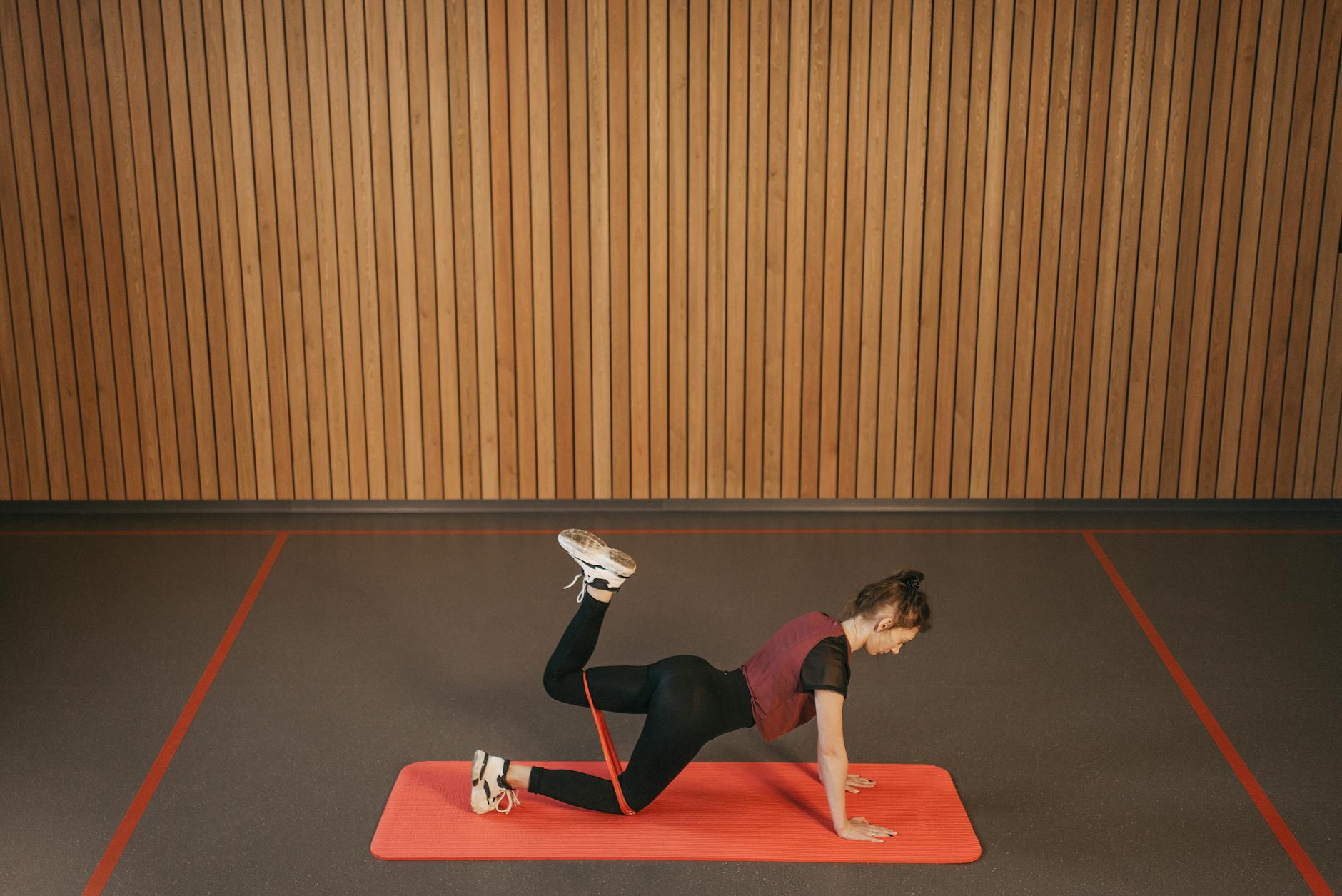
How to Build a Thicker Upper Back
Building a thicker upper back requires a focused approach that emphasizes compound movements, progressive overload, and proper technique. The primary muscles targeted in this area include the latissimus dorsi, teres major, rhomboids, and serratus anterior. To achieve significant development, it is crucial to incorporate exercises that engage these muscle groups effectively while minimizing strain on the lower back and shoulders.
Compound movements are foundational for upper body strength and hypertrophy. Pull-ups, rows, and deadlifts demand multijoint actions, stimulating muscle growth through coordinated effort. For individuals with limited mobility or grip strength, assisted variations such as machine-assisted rows or band-assisted pull-ups can serve as effective alternatives until progressing to free weights.
Proper technique is non-negotiable to prevent injury and maximize muscle engagement. During pull-ups, maintaining a neutral spine and scapular retraction ensures that the lats and rhomboids bear the majority of the work, while the biceps act as assistors. In rows, hinge from the hips and keep the chest up to engage the serratus anterior effectively. Avoid swinging or cheating by utilizing momentum, as this diminishes muscle activation and increases injury risk.
Incorporating a variety of grip widths and angles can target different portions of the upper back. Wide grip rows emphasize the lats, while neutral grip variations engage the rhomboids more intensely. Changing hand positions, such as alternating between pronated and supinated grips, can also promote balanced development.
Flexibility and mobility should not be overlooked, as tightness in the upper back or shoulders can limit range of motion and hinder progress. Incorporating stretches and mobility exercises, such as thoracic spine rotations or scapular retractions, can improve joint health and prevent compensatory movements during lifts.
Nutrition and recovery are integral components of muscle growth. Adequate protein intake supports muscle repair and synthesis, while sufficient calories ensure energy availability for training. Prioritizing sleep and managing stress through techniques such as meditation or deep breathing can optimize hormonal balance and reduce catabolic effects on muscle tissue.
Best Back Strengthening Exercises

The process of strengthening the back muscles involves a complex interplay of various physiological mechanisms. These mechanisms, collectively referred to as feedback loops or cycles, work together to promote muscle growth and improvement in strength over time.
Firstly, during an exercise designed to target the back muscles, such as a pull-up or a row, the muscles experience tension and microtrauma. This stimulates the production of myosatin, a protein that plays a crucial role in muscle growth and repair (1). Myosatin accumulates within the muscle fibers, signaling to the body that more muscle tissue is needed to handle the increased demand.
As the muscle fibers grow, they become thicker and stronger. This process is known as hypertrophy. The new muscle fibers also form new motor units, which allow for greater recruitment of muscle fibers during an exercise (2). This means that the back muscles are now capable of generating more force and enduring more tension than before.
Another important feedback mechanism comes from the nervous system. When a muscle contracts, nerve impulses travel to the brain, signaling the successful completion of the contraction. The brain then sends a message back to the muscle, instructing it to relax (3). This process is known as agonist-antagonist coordination. By ensuring proper sequencing and timing of muscle contractions and relaxations, the body can optimize its strength and efficiency during exercises.
The connective tissue surrounding the back muscles also plays a role in the feedback loops inherent to strengthening. As the muscles grow, they exert pressure on the tendons and ligaments, which respond by becoming stronger and more flexible (5). This adaptability allows for optimal force transmission between the muscle fibers and bones, ensuring that the back remains strong and resilient during everyday activities and strenuous workouts.
Phillips SJ, et al. Myostatin signaling: from negative regulator of muscle mass to potential therapeutic target in muscular dystrophies. Journal of Cachexia, Sarcopenia and Muscle (2015) 6, 485 to 494.
Schobel G, et al. Motor unit recruitment strategies during muscle fatigue: a systematic review. European Journal of Applied Physiology (2013) 113, 1789 to 1803.
Henneman E. The size principle: an explanation for the number and order of motor units recruited by human muscles. Journal of Neurophysiology (1993) 69, 2697-2711.
Karaviris M, et al. Motor unit recruitment in response to progressive resistance training: a systematic review. European Journal of Applied Physiology (2015) 115, 2345 to 2358.
Jones D. Tendon and ligament properties: the importance of collagen fibril orientation and molecular organization in function. European Journal of Applied Physiology (2007) 99, 1-17.
Best Beginner Exercises for a Stronger Back
Supermans are another excellent entry-level exercise focusing on erector spinae strength; they’re performed by lying face down with arms and legs extended, then lifting them off the ground, engaging the back muscles, beginners might start with two sets of 10-12 repetitions, holding each lift for a couple of seconds. Dumbbell Rows are a classic for a reason, working the lats and upper back while allowing for relatively easy progression in weight; starting with lighter dumbbells (around five to ten pounds) and focusing on good form is generally ideal, two to three sets of 8-12 repetitions per arm works well initially. Seated Cable Rows offer similar benefits to dumbbell rows but with a more consistent pulling force, often useful if one prefers the feel or needs a little more support when starting out; two to three sets of 10-15 reps are common here.
Scapular Retractions, sometimes called Scap Pulls, are valuable for improving shoulder blade control and upper back posture, they involve squeezing the shoulder blades together while sitting or standing tall, often good for building awareness of these key areas; two to three sets of –12 reps can be a useful starting point. Wall Slides are particularly helpful for beginners who tend to round their shoulders forward – it encourages proper scapular movement and strengthens the back muscles needed for upward rotation, beginners find two to three sets of 8-10 repetitions, focusing on feeling the shoulder blades move, quite beneficial.
Beginner programs generally focus on mastering good form before increasing weight or reps. Two to three sessions per week with a day of rest between allows adequate recovery and adaptation. Consistency is key; starting with manageable goals and gradually increasing intensity often leads to solid progress. A typical beginner might start with two sets of each exercise, aiming for 10-12 repetitions, and then increase to three sets as the exercise feels easier, a good way to track progression. Remember to prioritize core engagement throughout all exercises to maintain a stable spine and maximize back muscle activation.

Top Back Exercises for Strength
Nutrition and recovery also play significant roles in diagnostic troubleshooting. Adequate protein intake is essential for muscle repair and growth, while insufficient recovery time can lead to overtraining syndrome, characterized by fatigue, reduced performance, and increased injury risk. Tracking dietary habits and sleep patterns can help identify nutritional deficiencies or inadequate rest that may be hindering strength progress. Additionally, incorporating active recovery techniques such as foam rolling, stretching, and hydration can enhance recovery processes and optimize muscle function.
Incorporating strength testing into the diagnostic process provides quantitative data to objectively evaluate progress and pinpoint areas needing improvement. Regularly benchmarking key exercises like squats, bench presses, and deadlifts allows individuals to track improvements or declines in strength over time. This data can inform adjustments to training programs, such as targeting weaker muscle groups or revisiting foundational movement patterns.
Mental factors such as motivation, focus, and stress management should not be overlooked in diagnostic troubleshooting. Psychological barriers can significantly impact performance and adherence to training plans. Techniques like mindfulness, goal-setting, and progressive overload, gradually increasing the demands on the body through incremental weight increases or reduced rest periods, can help overcome mental plateaus and foster a growth mindset.
Top 10 Exercises for Stronger Back

Deadlifts: A compound exercise that strengthens the entire posterior chain, deadlifts effectively target the erector spinae, glutes, and hamstrings. Stand with feet hip-width apart, grasp a barbell or dumbbells, and lift by hinging at the hips while keeping the back straight. Lower the weight to the ground before returning to the start position. Proper form is crucial to prevent injury and maximize muscle activation.
Rowing: Rowing machines or cable rows mimic the motion of rowing a boat, engaging the lats, upper trapezius, and biceps. Sit on a rowing machine or grasp a cable handle with an overhand grip, lean forward at the hips, and pull the handle toward your chest. Extend the arms back slowly to complete one repetition. Rowing improves not only back strength but also cardiovascular endurance.
Inverted Rows: This exercise targets the upper back and strengthens grip strength. Use a low bar or resistance band attached to a doorframe. Grasp the bar with an overhand grip, position your body so that your hips are below the bar, and pull yourself upward until your chest touches the bar. Slowly lower back down to the starting position. Inverted rows are particularly effective for individuals with limited mobility or those recovering from injury.
Superman: A simple yet effective exercise for strengthening the erector spinae and glutes, Superman is performed lying face down on the ground. Extend arms and legs straight, then lift them off the floor while keeping the core engaged. Hold for a few seconds before lowering back to the ground. This exercise enhances posture and reduces lower back pain by strengthening the stabilizing muscles.
Plank Rows: Combining plank and rowing movements, this exercise engages multiple muscle groups simultaneously. Start in a forearm plank position, then lift one arm toward your hip, engaging the lats and rotating the torso. Return to the starting position and repeat on the opposite side. Plank rows improve core stability and back strength while challenging balance and coordination.
Barbell Bent-Over Rows: Utilizing a barbell, this exercise focuses on the lats and lower back. Hold a barbell with an overhand grip, bend slightly at the hips to form a neutral spine, and pull the bar toward your chest. Lower the bar slowly and repeat. Variations like dumbbell rows or cable rows offer alternative grips and angles for targeting different muscle fibers.
Bird-Dog: A dynamic exercise that enhances core stability and back strength, Bird-dog targets the erector spinae, glutes, and obliques. Start on hands and knees, extend one arm forward and the opposite leg backward while keeping the body aligned. Return to the starting position and switch sides. Bird-dogs improve balance, coordination, and postural alignment.
Seal Rocks: This plyometric exercise strengthens the entire back and core. Perform a high plank position, then jump one foot forward as if crawling on your hands and feet. Alternate sides quickly to simulate movement similar to seals rocking between surfaces. Seal rocks enhance explosive power and endurance in the back muscles while improving cardiovascular fitness.
Prone Y-Holds: Effective for strengthening the erector spinae and improving posture, Prone Y-Holds are performed lying face down with arms extended forward. Lift the arms and legs off the ground, forming a “Y” shape, and hold for several seconds. Lower back to the floor and repeat
