
Strength training for beginners is a transformative journey that requires understanding the fundamental principles governing physical development. At its core, strength training revolves around progressive overload, which involves gradually increasing the demands placed on the musculoskeletal system to stimulate adaptation and growth. For novices, this principle manifests as incrementally adding weight, reducing rest periods, or increasing the number of repetitions and sets. It is crucial to approach these adjustments with patience and a focus on proper form to prevent injury and ensure sustainable progress.
Recovery is equally vital in the journey of a beginner. Muscles grow and strengthen during periods of rest as the body repairs microscopic tears in muscle fibers. Adequate sleep, nutrition, and active recovery practices like stretching and light mobility exercises facilitate this process. It is essential to listen to the body and allow sufficient time for recovery between intense workouts to avoid overtraining syndrome, which can lead to plateaus or injuries.
Hydration and nutrition play supporting roles in optimizing performance and recovery. Staying hydrated maintains cellular function and joint lubrication, while a diet rich in proteins, complex carbohydrates, and healthy fats provides the necessary fuel and building blocks for muscle repair and growth. Beginners should focus on whole foods and avoid excessive reliance on supplements, ensuring that their nutritional needs are met through balanced meal planning.
Mental preparation is a key component of successful strength training. Setting realistic goals, maintaining consistency, and adapting to new challenges require psychological resilience. Beginners should cultivate a growth mindset, viewing setbacks as opportunities for learning rather than obstacles. Engaging with a supportive community, whether through personal trainers, fitness groups, or online forums, can provide motivation and accountability.

Beginner Guide to Resistance Training

The primary purpose of resistance training for beginners is to establish a strong foundation for future strength gains while promoting metabolic health. By engaging in regular sessions of progressive overload, gradually increasing the load or intensity of exercises, individuals can effectively stimulate muscle growth and improve functional capacity. This approach not only aids in achieving aesthetic goals but also enhances daily living capabilities, such as carrying groceries or climbing stairs with ease. Furthermore, resistance training contributes to better posture and joint stability by strengthening the muscles surrounding key articulations, thereby reducing the likelihood of injury.
Incorporating compound movements, exercises that target multiple muscle groups simultaneously, such as squats, deadlifts, and bench presses, is essential for beginners aiming to maximize strength gains efficiently. These exercises not only promote balanced muscle development but also facilitate greater hormonal responses, including increased testosterone production, which supports muscle synthesis. It is important for newcomers to prioritize proper form and technique to ensure safety and effectiveness, potentially working with a certified trainer during initial stages.
Resistance training also offers psychological benefits, including reduced stress, improved mood, and increased self-confidence. The sense of accomplishment derived from progressively lifting heavier loads or achieving personal bests can serve as a powerful motivator for continued participation in physical activity. Moreover, the social aspects of training, whether in a gym setting or with a workout partner, can foster a supportive environment that encourages adherence to fitness goals.
The Best 5×5 Programs Compared (2026)

Resistance training, whether in the form of powerlifting or cardio exercises like cycling and rowing, relies heavily on feedback loops to optimize performance and adaptability. These cycles are fundamental to understanding how the body responds to stress and progressively overloads to achieve hypertrophy or improved endurance. In powerlifting, a 5×5 program emphasizes volume through repetitions rather than heavy weights, fostering strength gains while maintaining cardiovascular health. This approach leverages the muscle’s ability to recruit additional motor units as fatigue sets in, ensuring continuous tension and stimulus for growth.
The neural drive component of resistance training involves the central nervous system (CNS) adapting to repeated lifting patterns. Initially, the CNS recruits more muscle fibers with each repetition, leading to immediate strength gains even before muscular adaptations occur. Over time, these neural adjustments stabilize, and further improvements depend on structural changes within the muscle itself. The 5×5 method capitalizes on this by maintaining a consistent load across sets, allowing the CNS to refine its coordination without overwhelming the lifter with excessive weight.
Muscular hypertrophy is another critical feedback loop in resistance training. When muscle fibers are subjected to tension beyond their typical range, microtears occur, prompting the body to repair and strengthen these tissues. The 5×5 program’s emphasis on volume increases the frequency of this stress, encouraging protein synthesis and growth. However, unlike high-intensity, low-volume training, the 5×5 approach prioritizes endurance within sets, which also enhances capillary density within muscle fibers. This adaptation improves oxygen delivery and nutrient transport, supporting both strength and stamina.
Cardiovascular endurance, as seen in exercises like cycling or rowing, benefits from similar feedback mechanisms. Repeated bouts of aerobic activity strengthen the heart muscle, expand blood vessels, and optimize mitochondrial function for efficient energy production. Incorporating resistance training into cardio routines, such as plyometric jumps during a rowing session, creates cross-adaptive effects. These include improved power output and faster recovery times due to enhanced muscle fiber recruitment and lactate clearance capabilities.
The Ultimate Guide to Home Strength Training

Endurance is the ability of an organism or system to perform sustained physical activity at a given level of intensity without undergoing undue fatigue or suffering significant deterioration in performance. In simpler terms, it’s your body’s capacity to maintain a certain level of effort over an extended period.
At a cellular level, the primary determinant of endurance lies within the cardiorespiratory system. The heart pumps blood, supplying oxygen and nutrients to muscles, while lungs exchange carbon dioxide for fresh oxygen. Effective utilization of this oxygen occurs through an intricate process called oxidative phosphorylation in mitochondria – the powerhouses of cells. This process efficiently converts food energy into adenosine triphosphate (ATP), the primary energy currency for muscle contraction.
During endurance activities such as long-distance running, cycling, or swimming, muscles rely on oxidative metabolism to produce ATP. In contrast, powerlifting primarily employs anaerobic metabolism, where ATP is generated through more rapid yet less efficient processes like the creatine phosphate system or glycolysis.
Endurance training plays a crucial role in bolstering immune function, promoting mental well-being, and even extending lifespan. However, for beginners embarking on their fitness journey, incorporating both powerlifting and endurance training into their routine can strike a delicate balance between strength and stamina development.
Powerlifting primarily targets muscle growth and strength by subjecting the body to heavy loads during compound movements like squats, deadlifts, and bench presses. Meanwhile, cardio-based activities such as running, cycling, or swimming, focus on endurance by elevating heart rate while maintaining consistent movement over prolonged periods.
Combining both modalities can yield significant benefits for those seeking comprehensive fitness improvements. Properly sequenced workouts enable individuals to build a solid foundation of strength while simultaneously increasing their cardiovascular capacity – ensuring they’re well-equipped to tackle various physical challenges and adapt to everyday life demands.

The 8-Week Beginner Strength Program
Powerlifting primarily engages anaerobic energy pathways, where ATP is rapidly produced through phosphocreatine and glycogen breakdown. These exercises demand short bursts of intense effort, relying on immediate energy sources to fuel muscle contractions. In contrast, cardio exercises predominantly utilize aerobic metabolism, which involves the oxidation of carbohydrates and fats to generate ATP over extended periods. This dual approach ensures that both muscular strength and cardiovascular endurance are developed simultaneously.
During powerlifting sessions, the body prioritizes energy transfer through phosphocreatine systems for the first few seconds of exertion. As these reserves deplete, glycogen stored in muscles and the liver is metabolized via glycolysis to sustain activity. Concurrently, cardio workouts enhance mitochondrial efficiency, improving the body’s capacity to utilize oxygen and fat for sustained energy production. This synergy between anaerobic and aerobic pathways optimizes energy consumption, allowing beginners to progressively increase workout intensity without exhausting their energy reserves.
Recovery is another critical aspect of the 8-Week Beginner Strength Program. Adequate rest allows the body to repair muscle tissue damaged during resistance training and replenish glycogen stores. Insufficient recovery can lead to energy deficits, impairing performance in both powerlifting and cardio sessions. Incorporating active recovery strategies, such as light stretching or yoga, can enhance blood flow and nutrient delivery to muscles, facilitating faster recovery and improved energy transfer during subsequent workouts.
Hydration plays a pivotal role in optimizing energy consumption and transfer. Water regulates body temperature, lubricates joints, and transports nutrients and oxygen to cells, ensuring that metabolic processes function efficiently. Dehydration can impair both strength and endurance performance, as it reduces blood volume and increases the risk of muscle fatigue. Maintaining proper hydration status throughout the program supports optimal energy systems and prevents premature exhaustion.

The Beginner’s Guide to Powerlifting
Starting with the squat, athletes must lower themselves until their thighs are parallel or below parallel to the ground while maintaining an upright torso. Any deviation from this form, such as allowing the knees to cave inward or rounding the back, can lead to injury. It’s crucial for beginners to focus on proper alignment and engage core muscles effectively before attempting heavier weights.
The bench press demands a grip width that varies based on individual comfort but typically falls within shoulder-width apart. The lifter must lower the barbell to touch the chest, pause momentarily, and then press it back up until arms are fully extended without locking out at the top. Shoulders should remain retracted throughout the movement to prevent undue strain. Incorrect positioning of shoulders or elbows can result in rotator cuff injuries or shoulder dislocations.
The deadlift is perhaps one of the most technical lifts due to its complexity involving multiple joints and muscle groups. Beginners must ensure they start with a flat back, hips elevated slightly higher than knees, and hands placed correctly on the barbell. Proper warm-ups are essential as this lift places significant stress on lower back muscles; improper execution could lead to herniated discs or spinal injuries.
Safety considerations extend beyond just technique. Weightlifting platforms should always be used, they provide stability and prevent slipping hazards. Ensuring equipment is properly maintained, such as checking lifting belts for wear or ensuring bars are free from defects, also plays a vital role in preventing accidents. Additionally, beginners should work with experienced coaches who can identify improper form early on and correct it before habits become ingrained.
Another safety consideration relates to the progression of weight lifted during training sessions. Incremental increases in load are standard practice but must be carefully managed; pushing too hard too soon raises injury risks significantly. Gradual increments allow muscles time to adapt, reducing strain on joints and connective tissues. Rest periods between sets should also follow recommended guidelines based on individual goals, strength enhancement versus endurance development often dictate different rest durations.
Hydration levels during workouts cannot be overlooked; dehydration affects performance negatively while excessive thirst indicates imminent risk of heat exhaustion or cramps. Proper nutrition pre-workout ensures adequate fuel supply for muscles, whereas post-workout recovery meals aid in muscle repair and glycogen replenishment.

How to Use Resistance Bands Effectively
In the realm of physical fitness, cardio and powerlifting serve distinct yet complementary purposes. While powerlifting focuses on building maximum strength through compound movements like squats, deadlifts, and bench presses, cardio training prioritizes endurance and improving the body’s ability to transport and utilize oxygen. The two modalities can be integrated effectively through the understanding of feedback loops or cycles inherent to each.
Resistance bands can be an effective tool in both powerlifting and cardio training. When used for powerlifting-style exercises, resistance bands provide additional resistance, helping to increase the load on the muscles and ultimately boosting strength gains. This can be particularly beneficial for beginners or those looking to target specific muscle groups with added resistance but minimal weight.
When using resistance bands effectively for either powerlifting or cardio workouts, it is crucial to maintain proper form and technique to prevent injury and maximize the intended benefits. Begin by selecting an appropriate resistance level based on your fitness level and goals. Progressively increase the band tension as you become stronger or more conditioned. Remember, consistency and dedication to your training regimen will yield noticeable improvements in both strength and endurance over time.

How Strength Training Changes Your Body
Beyond physical changes, strength training positively impacts bone health. Resistance exercises stimulate bone formation, increasing bone density and reducing the risk of osteoporosis, particularly in older adults. Additionally, strength training enhances joint stability and flexibility by strengthening surrounding muscles and tendons, which can mitigate the risk of injuries during cardio or other forms of exercise.
Strength training also plays a crucial role in improving cardiovascular health. While high-intensity cardio exercises are traditionally associated with heart health, strength training contributes to lower resting heart rates and improved blood pressure regulation. This dual approach, combining resistance training with cardio, optimizes cardiovascular efficiency by strengthening the heart muscle itself and enhancing vascular function.
The psychological benefits of strength training are significant. Consistent engagement in powerlifting or resistance exercises can boost self-esteem, reduce stress, and alleviate symptoms of anxiety and depression. The sense of accomplishment derived from progressively lifting heavier weights fosters a positive mindset and resilience, which can translate into other areas of life.
For beginners, the initial stages of strength training focus on building foundational strength and proper form to prevent injuries. As one advances, the body adapts to the increased demands, leading to greater endurance and the ability to handle heavier loads. This progressive overload is essential for continuous improvement in strength and muscle development.

Endurance and Strength Training for Beginners

Movement assessments provide another layer of diagnostic insight. Observe the body’s range of motion during common exercises. Limited hip mobility might necessitate incorporating dynamic stretches like leg swings or hip circles into warm-ups to improve squat depth and reduce lower back strain. Similarly, shoulder mobility impacts bench press form; a slight rotation often improves bar path efficiency. These assessments can be done independently or with the help of a coach or physical therapist who can identify subtle imbalances.
How to Incorporate Cardio Into Strength Training

To integrate cardio effectively with strength training, timing is crucial. Beginners should prioritize strength sessions to allow muscles to recover adequately before engaging in cardiovascular exercise. This means scheduling strength training at least 24-48 hours apart from high-intensity or long-duration cardio workouts. The intensity and duration of the cardio can vary depending on the individual’s goals, fitness level, and schedule.
Low-impact aerobic exercises are ideal for beginners. Activities such as walking, cycling, swimming, or using an elliptical machine provide a good cardiovascular base without excessive strain on the muscles targeted during strength training. Beginners should aim for at least 150 minutes of moderate-intensity aerobic activity weekly or 75 minutes of vigorous-intensity aerobic activity, as recommended by health guidelines. These sessions can be distributed across three to five days per week, ensuring rest days are included to prevent overtraining and injury.
Moderate-intensity activities generally involve working at a pace where you can still hold a conversation but feel somewhat out of breath. Vigorous-intensity exercises make it difficult to carry on a conversation without frequent pauses for breath. Beginners should start with shorter sessions, around 10-20 minutes initially, and gradually increase the duration and intensity as fitness improves. This progressive overload ensures steady improvement in both strength and cardiovascular endurance.
Strength training sessions themselves can incorporate light cardio elements, such as jumping jacks or dynamic stretches at the beginning of a workout to elevate heart rate slightly before transitioning into resistance exercises. Post-strength training cardio might include low-intensity activities like walking or stationary biking to enhance blood flow and aid in recovery. These sessions should remain short, around 10-15 minutes, to avoid excessive fatigue that could interfere with subsequent strength workouts.
Hydration is another key factor that must not be overlooked. Proper fluid intake helps maintain performance during both strength training and cardio workouts and aids in the recovery process. Beginners should aim to drink water regularly throughout the day, increasing intake before, during, and after exercise sessions.
Tracking progress becomes essential when integrating cardio with strength training. Keeping a workout journal or using fitness apps can help monitor improvements in strength metrics like lift weights and endurance measures such as running distance or time. This data allows for adjustments to training intensity and duration, ensuring continued progress toward fitness goals without overexertion.
The 5×5 Strength Training Program Explained
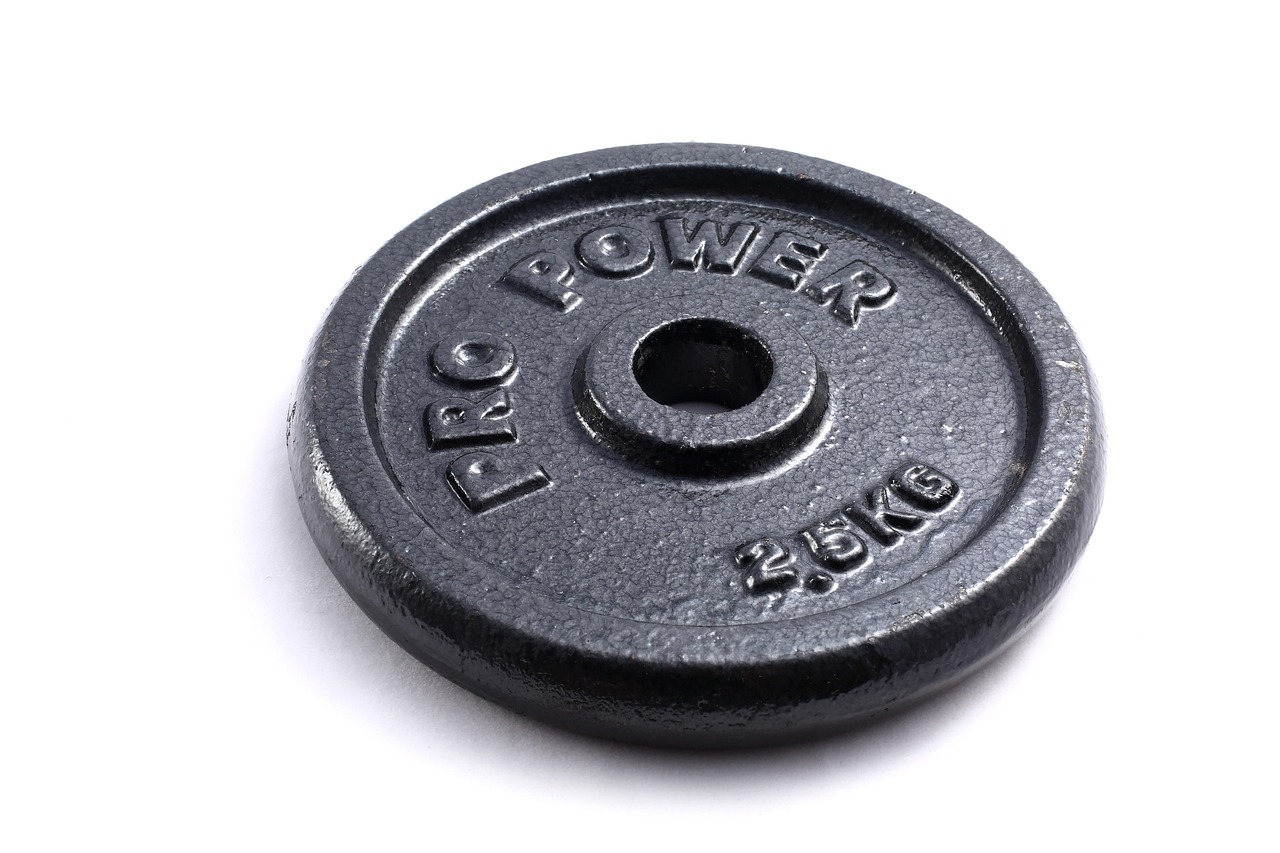
To implement the 5×5 program effectively, it is crucial to choose compound exercises that target multiple muscle groups. Exercises such as squats, deadlifts, bench presses, pull-ups, and rows are ideal as they promote balanced strength development. Each exercise should be performed once per week, allowing adequate recovery time while maintaining consistent progress. The program’s structure allows for progressive overload by gradually increasing the weight used each week, provided proper form is maintained and recovery is prioritized.
Endurance, a critical component of this program, refers to the ability of muscles and the cardiovascular system to withstand prolonged or repetitive efforts. In the context of the 5×5 program, endurance is developed through the repeated lifting of moderate weights over five sets. This approach enhances muscular endurance by increasing the capacity of muscle fibers to generate force over time. Additionally, the program indirectly improves cardiovascular endurance as the increased workload places demands on the heart and circulatory system, leading to improved efficiency over time.
For beginners, starting with a weight that allows for five clean repetitions is essential. As strength improves, the weight can be incrementally increased, typically by 5-10% every few weeks. It is important to maintain proper form throughout each set to prevent injury and ensure maximum effectiveness. Rest periods between sets should be around one to two minutes, allowing sufficient recovery without allowing muscle fatigue to negate the benefits of the workout.
The 5×5 program’s versatility extends beyond strength gains; it also fosters mental resilience and discipline. The repetitive nature of the program teaches consistency and the importance of adhering to a training regimen. Over time, this mental fortitude translates into improved performance across all aspects of physical activity.
In terms of endurance scale, typical improvements in muscular endurance can be observed within four to six weeks of consistent training. Participants may notice an increase in the number of repetitions they can perform with the same weight or a decrease in perceived effort during workouts. Cardiovascular endurance improvements are often more gradual, with noticeable changes occurring over several months of regular training.
The Ultimate Guide to Strength Training

Cardio training, on the other hand, focuses on elevating heart rate and improving oxygen consumption through various forms of aerobic activities such as running, cycling, or swimming. This type of exercise is essential for boosting endurance and enhancing the cardiovascular system’s efficiency. The primary benefit of cardio training lies in its ability to improve the body’s ability to transport and utilize oxygen more effectively. Enhanced cardiovascular health can lead to increased stamina, improved recovery time between bouts of physical activity, and a reduced risk for various health issues such as heart disease and diabetes.
