
Cardiovascular exercises such as brisk walking, jogging, or cycling are excellent for boosting confidence. They increase heart rate, improve circulation, and release endorphins, which are natural mood elevators. Regular cardio not only enhances physical fitness but also instills a sense of control and discipline, both of which contribute to increased self-assurance. Strength training, through activities like bodyweight exercises or weightlifting, helps in building muscle mass and improving posture. A stronger physique can significantly impact one’s confidence by altering body perception and enhancing physical capabilities.
The psychological benefits of exercise are equally significant. Regular physical activity reduces symptoms of anxiety and depression, enhances cognitive function, and improves sleep quality. These improvements in mental health directly correlate with increased confidence, as individuals who feel better psychologically are more likely to approach challenges with assurance. Moreover, setting and achieving fitness goals within a workout routine provides a sense of accomplishment that strengthens self-belief.
Incorporating social elements into workouts, such as group classes or team sports, can further bolster confidence. Interacting with others in a supportive environment fosters camaraderie and accountability, which can motivate individuals to push beyond their limits. However, it is essential to acknowledge that external factors like peer pressure or competition may have varying influences on confidence levels. Therefore, it is crucial to tailor workout routines to personal preferences and comfort zones to ensure a positive experience.
The consistency of workouts is paramount in building and maintaining confidence. Irregular schedules or prolonged breaks can lead to setbacks, diminishing the previously achieved benefits. To counteract this, establishing a realistic and sustainable workout routine is essential. This might involve setting achievable goals, incorporating rest days to prevent burnout, and listening to one’s body to avoid injury. By doing so, individuals can ensure that their workouts remain a stable and reliable source of confidence enhancement.

How Exercise Boosts Confidence

Physiologically, exercise stimulates the release of endorphins, neurotransmitters that act as natural mood elevators, reducing feelings of anxiety and depression while promoting a sense of well-being. This psychological boost can translate into increased self-assurance in both personal and professional settings. Moreover, exercise encourages discipline and persistence, qualities that extend beyond the gym and influence one’s approach to life challenges.
Socially, participating in group exercises or fitness classes provides opportunities for interaction and camaraderie, fostering a supportive environment that reinforces self-esteem. Sharing experiences and achievements with like-minded individuals can cultivate a sense of belonging and mutual encouragement, further enhancing confidence. Additionally, the visible progress made through exercise often leads to positive feedback from others, which can validate one’s efforts and reinforce self-worth.
The patterns and symmetries exhibited in exercise routines, such as repetitive movements or structured workout plans, also contribute to confidence building. These consistent structures provide a sense of predictability and control, which can alleviate anxiety associated with uncertainty. By adhering to a well-planned routine, individuals develop a reliable framework for achieving their fitness objectives, instilling a belief in their ability to manage and overcome obstacles.
The symmetrical nature of many exercises, such as performing the same movement on both sides of the body, promotes balance and coordination, reflecting internal harmony that can manifest externally as poise and self-assurance. The repetition inherent in exercise routines also reinforces cognitive patterns, strengthening memory and focus, which are essential for maintaining motivation and achieving long-term fitness goals.
Workouts That Improve Your Confidence
Another vital parameter is intensity, maintaining an appropriate level of effort during workouts. Exercises that challenge the body within its capacity to adapt promote physiological adaptations, such as increased muscle mass, enhanced cardiovascular function, and improved metabolic efficiency. Achieving optimal intensity allows individuals to push beyond their perceived limits, fostering a sense of accomplishment and resilience. This mastery of physical challenges can translate into greater confidence in other areas of life, as it demonstrates the ability to overcome obstacles and persevere through difficulties.
The duration and frequency of workouts are also important parameters to consider. Engaging in regular exercise, ideally on a daily or multi-day basis, allows for the accumulation of benefits that enhance confidence. Short, intense workouts can be just as effective as longer sessions, provided they are performed consistently. The key is to find a balance that suits individual lifestyle constraints while ensuring sufficient stimulus for progress. Over time, the discipline required to maintain a consistent workout routine can instill a sense of pride and self-efficacy, further bolstering confidence.

Great Workouts for Increasing Confidence
Another effective workout for increasing confidence is resistance training. By challenging your muscles with weights or resistance bands, you build strength and definition while also improving posture. Good posture plays a significant role in projecting confidence – standing tall and proud exudes self-assurance. Furthermore, achieving personal bests during resistance training sessions can lead to feelings of accomplishment and pride.
Practicing yoga or Pilates is an excellent way to increase confidence through mindfulness and body awareness. These low-impact workouts focus on controlled movements, deep breathing, and mental focus. By consistently dedicating time to these practices, individuals develop a stronger connection with their bodies and learn to quiet the inner critic. This newfound self-awareness translates into increased self-confidence in various aspects of life.
The Best Workouts for Building Confidence
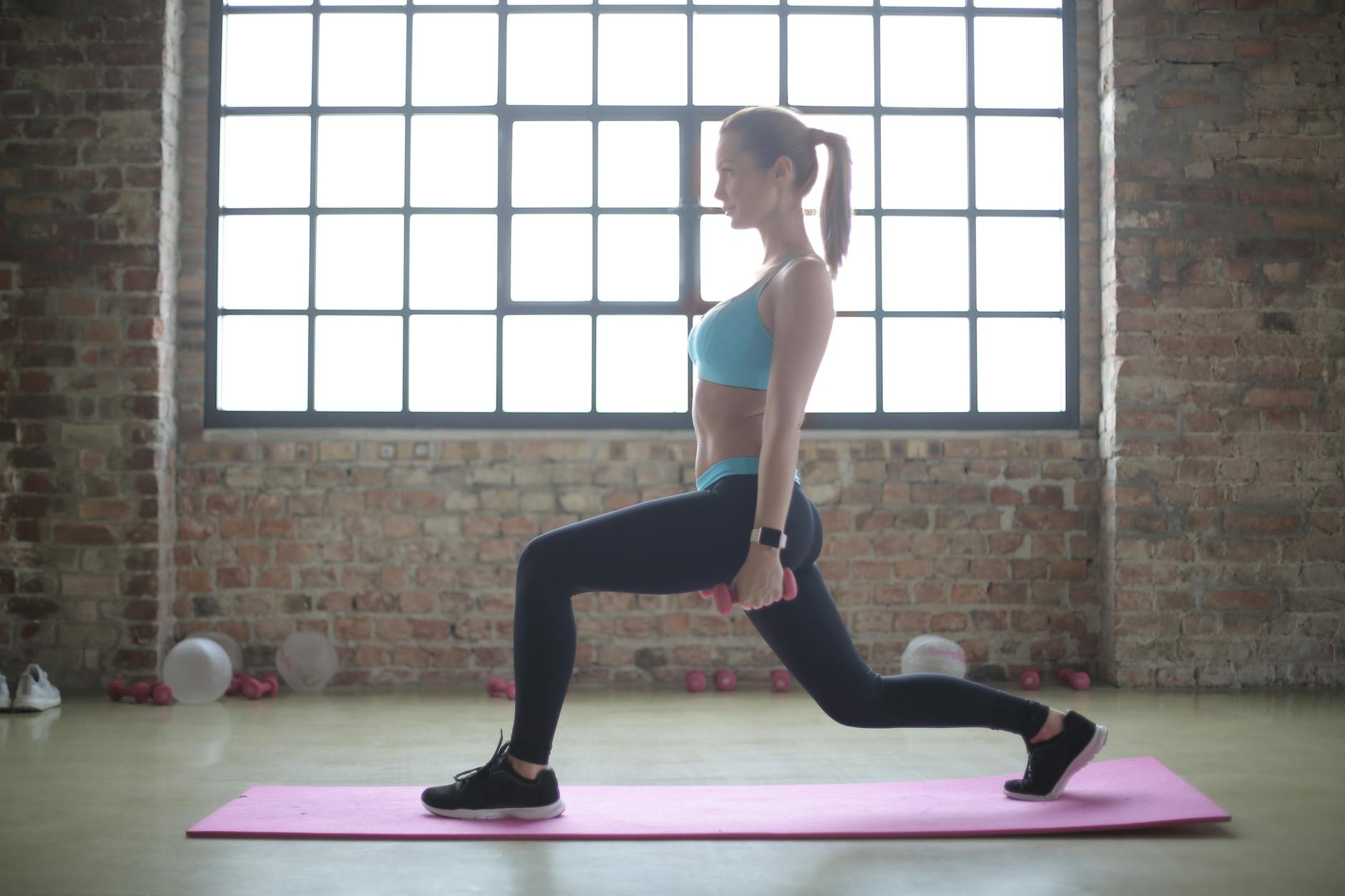
Building confidence through workouts has a rich history intertwined with the evolution of fitness science. One pivotal moment in this journey was the recognition of the psychological benefits of exercise, which began to gain significant attention in the mid-20th century. Researchers like Hans Selye, who studied stress and the body’s response, laid the groundwork for understanding how physical activity can alleviate anxiety and improve mood. This insight led to a paradigm shift in viewing workouts not just as means to build strength or endurance but also as tools for mental well-being.
The best workouts for building confidence often incorporate elements of strength training, cardiovascular exercise, and mindfulness practices. Strength training, with its emphasis on progressively overcoming challenges, fosters a sense of achievement that translates into greater self-assurance in daily life. Activities such as weightlifting or bodyweight exercises like push-ups and squats provide clear metrics for improvement, allowing individuals to track their growth and celebrate milestones. This tangible progress cultivates confidence by demonstrating personal capability and resilience.
Cardiovascular workouts, such as running, swimming, or cycling, enhance not only physical fitness but also mental clarity and emotional stability. The release of endorphins during these activities creates a natural mood boost, reducing stress and anxiety. Regular cardio routines also improve sleep quality and cognitive function, which are essential for maintaining a positive outlook and boosting self-esteem.
Incorporating mindfulness practices like yoga or meditation into workout routines can further enhance confidence. These disciplines emphasize awareness, control of breath, and relaxation, teaching individuals to manage stress effectively. By focusing on the present moment, practitioners develop a greater sense of control over their thoughts and emotions, leading to increased self-assurance in challenging situations.
Historically, the integration of such practices into fitness regimens has been a gradual process. The early 1980s saw the rise of aerobics classes, which combined cardiovascular exercise with music and group dynamics, promoting social interaction and fun. This era marked a shift towards viewing workouts as more than just physical exertion; they became a means of self-expression and community building.
Today, the best workouts for building confidence draw from these historical developments, blending scientifically proven methods with holistic approaches. Whether through structured gym routines or spontaneous outdoor activities, the key lies in consistency and variety to prevent burnout and maintain motivation. By setting realistic goals and celebrating incremental progress, individuals can harness the full potential of workouts to enhance not only their physical health but also their mental resilience and self-confidence.
Effective Workouts for Building Confidence
Effective workouts for building confidence are centered on achieving measurable progress, enhancing physical capabilities, and fostering a sense of accomplishment. Confidence in fitness is not solely about physical strength but also includes mental resilience, discipline, and the ability to push through challenges. To build this kind of confidence, it’s essential to design workout routines that are challenging yet achievable, allowing individuals to see consistent improvements over time.
One critical factor influencing performance boosts is consistency. Regular workouts establish a routine that trains not only the body but also the mind to adapt and improve. Consistency helps in developing better habits, ensuring that workouts become an integral part of one’s lifestyle rather than a sporadic activity. This regularity allows for gradual increases in strength, endurance, and skill, which directly correlate with increased confidence.
Progression is another vital element in effective workouts. Gradually increasing the intensity, duration, or weight lifted challenges the body to adapt and grow stronger. Tracking progress, whether through measurements, personal records, or perceived effort, provides tangible evidence of improvement. This tracking reinforces confidence by demonstrating that hard work leads to visible results.
Mental preparation is equally important as physical preparation. Setting clear, achievable goals, both short-term and long-term, provides a roadmap for progress and serves as a motivator. Visualization techniques, positive self-talk, and mindfulness practices can enhance mental resilience, helping individuals overcome obstacles and maintain confidence even during challenging workouts.
Nutrition and recovery also play significant roles in boosting performance and confidence. Proper fueling with balanced diets provides the energy needed for intense workouts, while adequate rest and recovery ensure that the body has time to repair and adapt. When individuals feel physically well-supported, their confidence in their abilities is bolstered.
Social support and community engagement can significantly impact confidence. Training with others or joining fitness groups fosters accountability, encouragement, and a sense of belonging. Sharing achievements and learning from others’ experiences can inspire and motivate, further enhancing confidence in one’s fitness journey.
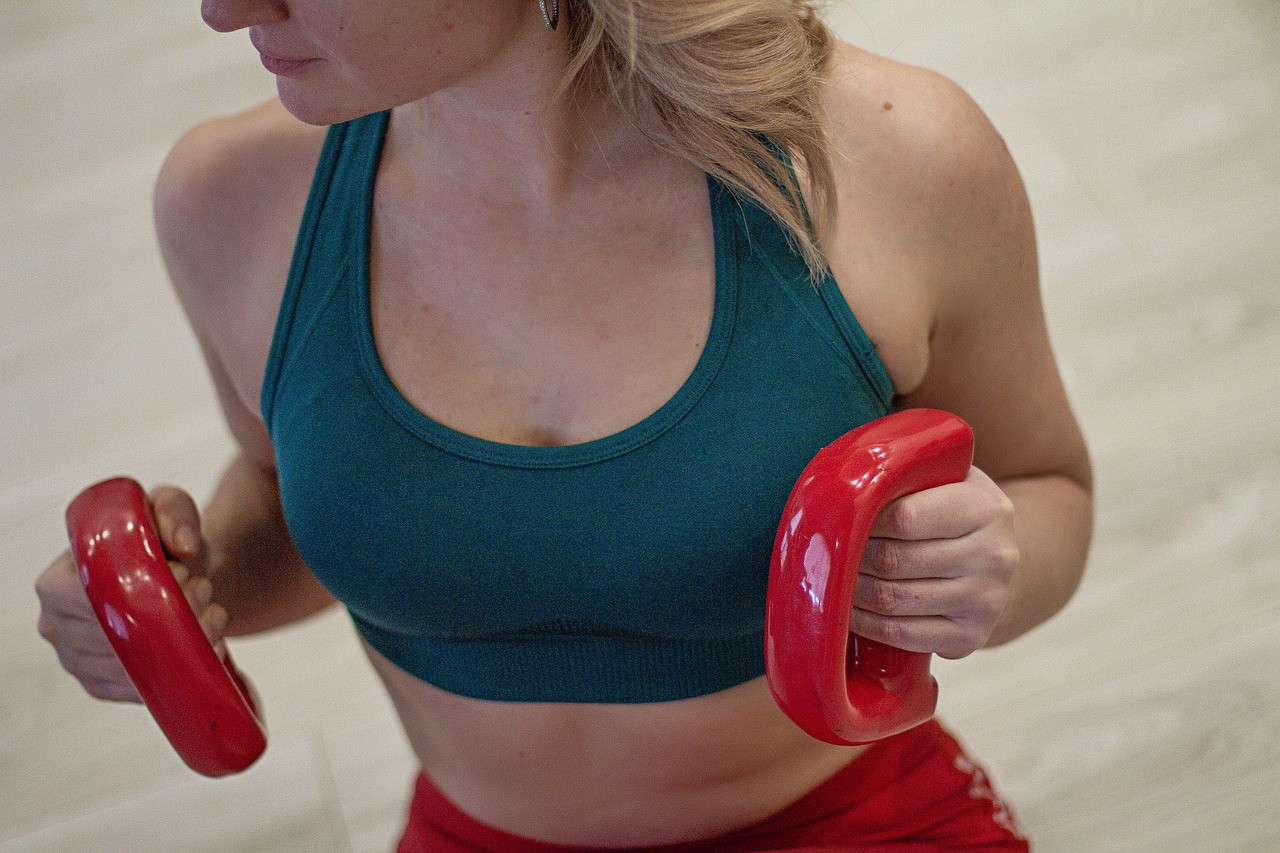
Best Exercises to Increase Confidence
Data collection forms the backbone of any workout analysis. This involves tracking various parameters depending on the focus area. For cardiovascular fitness, metrics such as VO2 max, resting heart rate, and recovery times post-exercise provide insight into endurance and aerobic capacity. Strength gains are often monitored through repetitions with increasing weights or by measuring increases in one-repetition maximum (1RM). Body composition analysis, including body fat percentage, lean muscle mass, and hydration levels, offers a more holistic view of physical transformation. Technology has significantly enhanced data collection accuracy, with wearable devices like fitness trackers and smartwatches continuously monitoring metrics such as steps taken, calories burned, heart rate zones during workouts, and sleep quality, all contributing to a detailed profile of an individual’s health and performance trends.
Beyond raw numbers, qualitative feedback from participants provides valuable context. Interviews or surveys can uncover motivations behind workout choices, obstacles faced during routines, and subjective perceptions of progress, such as increased energy levels or improved confidence. This subjective dimension complements objective data by revealing psychological impacts that may not be immediately apparent through physical metrics alone.
Specialized assessments refine approaches for athletes aiming to enhance performance in specific disciplines. Functional Movement Screenings (FMS) identify compensatory patterns that might lead to injury, guiding targeted corrective exercises. Sports-specific tests like agility drills or vertical jump measurements provide benchmarks against peers within a discipline, offering concrete targets for improvement.
Technological integration further streamlines analysis processes. AI-powered apps can automatically process data from wearables and translate it into personalized recommendations, such as suggesting optimal rest intervals between sets based on recovery metrics. Virtual reality environments allow for immersive assessments of balance, coordination, and reaction times, critical components in sports requiring precision and agility.
Effective analysis requires balancing quantitative rigor with qualitative insight to craft sustainable, enjoyable routines that maximize confidence-building outcomes. By leveraging technology, personalized feedback, and iterative refinement, individuals and professionals alike can continuously optimize workout practices for lasting health improvements and self-assured performance in all endeavors.
Easy Workouts for More Confidence
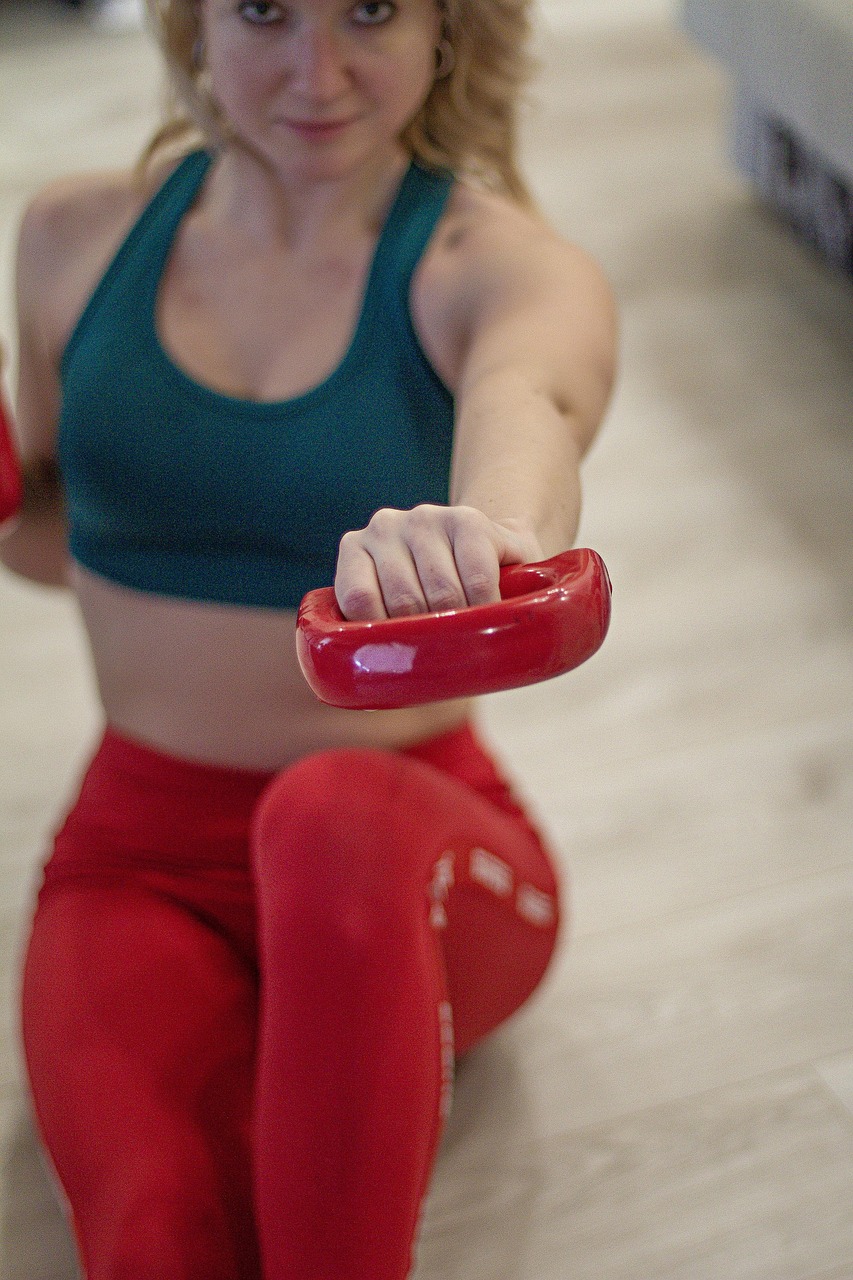
In the realm of workouts and fitness, measuring the progress and effectiveness of a routine is an essential aspect for those seeking to improve their confidence through regular exercise. By evaluating the results of your workout regimen, you can identify areas for improvement, celebrate milestones, and maintain motivation. Here’s how measurement and evaluation are typically carried out in various aspects of your fitness journey.
Fitness tests offer another valuable method for evaluating workout progress. By performing standardized assessments of strength, endurance, flexibility, and agility, you can objectively determine how your fitness level is improving over time. Common tests include push-ups, sit-and-reach, 1.5-mile run, or various types of dynamic flexibility assessments.
Tracking workout statistics can also provide an informative view into the effectiveness of your routine. Recording the number of sets, reps, and weights used during each exercise session allows you to monitor progress in strength gains, as well as identify areas for improvement by revealing imbalances or plateaus.
Best Workouts for Building Confidence
Consistent physical activity often yields benefits that extend far beyond improved cardiovascular health and increased muscle mass; a significant boost in self-confidence frequently accompanies a solid workout routine. This stems from the sense of control over one’s body, the mastery of new skills, and the general feeling of accomplishment derived from seeing progress over time. For those seeking to cultivate greater confidence, compound exercises like squats, deadlifts, bench presses, overhead presses, and rows prove particularly effective. These movements engage multiple muscle groups simultaneously, leading to a larger hormonal response that contributes to feelings of strength and competence, both valuable for tackling challenges beyond the gym.
Strength training provides a solid foundation but can be coupled with other disciplines for a more rounded approach. High-intensity interval training (HIIT) offers a great example; its shorter duration often appeals to those who find longer cardio sessions daunting, and the bursts of effort deliver measurable fitness improvements relatively quickly. This rapid progress can be quite motivating, fostering a sense of “if I can tackle this workout, I can conquer other things too.” Similarly, yoga and Pilates emphasize body awareness and control, improving posture and coordination while also promoting mindfulness – key components for feeling more grounded and confident in social situations or professional settings. These disciplines often require good balance and flexibility, adding another layer of physicality that contributes to a sense of embodied confidence.
The benefits of swimming are often overlooked when considering confidence-boosting workouts. The full-body engagement required, along with the inherent challenge of mastering breath control and technique, can be incredibly rewarding. It’ (an excellent low-impact option too, making it accessible for many fitness levels. Boxing or kickboxing offer a particularly fun way to improve coordination, build strength, and release some pent-up energy – perfect for boosting self-assurance through the physicality of the sport itself. The “boosts” in confidence often seen with these kinds of workouts exhibits patterns related to mastery; each successful round, each new combination learned, adds to a feeling of competency that extends outwards.
How Exercise Helps With Confidence
Exercise plays a pivotal role in enhancing confidence through multiple interconnected mechanisms. Engaging in regular physical activity stimulates the release of endorphins, which are neurotransmitters that alleviate stress and promote feelings of happiness and euphoria. This biological response not only improves mood but also fosters a positive self-image, as individuals experience a sense of accomplishment from adhering to their workout routines. Moreover, exercise induces physiological changes that can lead to improved body composition and increased muscle mass, both of which contribute to a more confident appearance. As individuals observe these physical transformations, they often develop a heightened sense of self-worth and attractiveness, further bolstering their confidence in social and professional settings.
To the psychological and physiological benefits, exercise cultivates discipline and resilience, qualities that extend beyond the gym and into daily life. Consistently meeting workout goals requires commitment and perseverance, traits that empower individuals to tackle challenges with greater assurance. This newfound resilience translates into increased self-efficacy, as people become more confident in their ability to overcome obstacles and achieve their objectives. Furthermore, the structured nature of exercise routines provides a sense of control and predictability, which can alleviate anxiety and reinforce a belief in one’s capacity to manage stress effectively.
Social interactions also play a significant role in the confidence-boosting effects of exercise. Group workouts or participating in sports create opportunities for individuals to connect with others who share similar interests, fostering a sense of community and belonging. These social bonds can enhance self-esteem by providing supportive networks that reinforce positive self-perceptions. Additionally, friendly competition within workout environments can motivate individuals to push beyond their limits, thereby developing a stronger belief in their capabilities.

Confidence Boosting Workout Ideas
Another important method is physiological analysis, which focuses on the internal responses of the body during exercise. This involves monitoring heart rate variability, oxygen consumption, lactate threshold, and blood lactate levels to assess cardiovascular fitness, metabolic efficiency, and anaerobic capacity. These measurements help in determining the intensity and duration of workouts that are optimal for specific fitness goals, such as improving endurance, strength, or fat loss.
Psychological analysis complements the physical assessments by exploring how different exercises influence mood, motivation, stress levels, and confidence. Studies often employ self-report surveys, mood tracking, and physiological markers like cortisol levels to evaluate the emotional and mental benefits of regular exercise. This holistic approach ensures that workout routines not only improve physical health but also enhance psychological well-being.
To these methods, performance analysis is conducted to track progress over time. This involves setting specific goals, such as increasing strength or improving speed, and using metrics like one-rep max, sprint times, or distance covered to measure improvements. Periodization, a structured planning approach that varies workout intensity, volume, and type across training cycles, is often employed to optimize performance and prevent plateaus.
Good Workouts to Build Self Confidence
Building self-confidence through workouts is a multifaceted process that involves both physiological and psychological benefits. Regular exercise has been shown to enhance self-esteem, improve mood, and foster a sense of achievement, all of which contribute to increased confidence. The relationship between physical activity and self-confidence can be quantified by examining the biochemical changes that occur during exercise and their impact on mental health.
One key factor is the release of endorphins, neurotransmitters often referred to as “feel-good” chemicals. These are released in response to sustained physical activity, such as running or cycling, and help alleviate stress and anxiety. The mathematical model underlying this process involves understanding that endorphin production increases linearly with the duration and intensity of exercise, up to a threshold where diminishing returns may occur. This can be represented by an equation where E (endorphins) is proportional to t (time exercised) multiplied by i (intensity level), until a maximum plateau is reached: E ∝ ti until Emax.
The sense of accomplishment derived from completing a challenging workout routine or achieving personal bests in exercises like bench presses or squats can significantly boost self-confidence. This can be modeled by assessing the number of repetitions, weight lifted, or time spent on each exercise over a training period, with improvements indicating increased confidence levels.
Social interactions within workout communities, such as group classes or sports teams, provide opportunities for interpersonal growth and validation, further enhancing self-confidence. While less quantifiable than physiological metrics, these interactions can be measured indirectly through surveys assessing perceived social support and sense of belonging.

The Benefits of Exercise for Better Confidence
Measurement or evaluation of boosts in confidence following exercise typically involves a multifaceted approach to quantify the psychological and emotional impacts. The process often begins with self-assessment tools, such as standardized questionnaires designed to measure self-esteem and perceived competence. These instruments may include scales like the Rosenberg Self-Esteem Scale or the Coopersmith Self-Esteem Inventory, which ask respondents to rate their agreement with statements about themselves. Such evaluations provide baseline data against which post-exercise changes can be compared.
Physiological indicators also play a role in assessing exercise-induced confidence boosts. Hormonal responses to physical activity, particularly the release of endorphins and adrenaline during workouts, have been linked to feelings of well-being and empowerment. Monitoring changes in hormone levels through blood tests or saliva samples can offer objective data on the physiological impact of regular exercise routines. Additionally, tracking improvements in physical health metrics, such as increased stamina, strength, or flexibility, can serve as indirect indicators of enhanced confidence derived from a more capable body image.
Psychological assessments extended beyond initial questionnaires might incorporate more nuanced measures of confidence. The Body Image Functioning Scale evaluates how individuals perceive and interact with their bodies, providing information about any shifts in body image satisfaction or distortion that often accompany regular physical activity. Similarly, the Social Physique Anxiety Scale assesses distress related to appearance evaluations in social settings, which may decrease as exercise becomes an established routine.
Longitudinal studies comparing pre-exercise and post-exercise confidence levels across time offer valuable data on sustained benefits. These studies typically employ repeated measures designs where participants complete confidence assessments at multiple points before and after beginning a structured exercise program. Analyzing changes over several months or even years helps determine whether initial boosts in self-confidence persist or diminish, offering insight into the durability of exercise’s positive effects.
Peer evaluations and feedback mechanisms can also contribute to this assessment. When individuals participate in group exercise classes or sports teams, observers may provide unbiased reports on changes in participation levels, risk-taking behaviors, or assertiveness during interactions with others. These external perspectives complement self-reported data by offering alternative viewpoints on confidence transformations.
Neurobiological measures through functional magnetic resonance imaging (fMRI) or electroencephalography (EEG) provide insight into the underlying neural mechanisms of exercise-induced confidence changes. Studies utilizing these advanced technologies have begun to identify specific brain regions and networks associated with increased self-perception and emotional regulation following regular physical activity, offering a biological basis for observed psychological benefits.
Each of these methods contributes uniquely to understanding how exercise fosters better confidence, creating a comprehensive picture that spans subjective experiences, measurable physiological changes, behavioral adaptations, and underlying neurobiological processes. This multifaceted approach ensures confidence boosts are not simply dismissed as “feel-good” outcomes but recognized as complex psychological phenomena with objective foundations.
Exercise Workouts for Confidence Boost
One practical implication of improved confidence through exercise is enhanced social interactions. As individuals become more comfortable in their bodies, they may feel more inclined to engage with others socially, whether at the gym or in daily life. This increased sociability can lead to new friendships and professional opportunities, further boosting self-assurance.
Consistent workout routines instill a sense of discipline and achievement, as individuals set and meet fitness goals. This process fosters resilience, enabling people to handle stress more effectively and approach challenges with renewed vigor. The ability to overcome physical obstacles during workouts can translate into improved problem-solving skills in other areas of life, reinforcing a growth mindset.
In the workplace, individuals who prioritize exercise often exhibit higher energy levels and productivity. Confidence gained from maintaining a fitness routine can lead to better communication skills and assertiveness, which are valuable assets in professional settings. Additionally, taking time for self-care through exercise demonstrates a commitment to personal well-being, influencing colleagues positively and setting a healthy example.
Physical activity enhances cognitive function by increasing blood flow to the brain, improving memory and focus. This mental clarity can contribute to greater confidence in decision-making and multitasking abilities, both of which are crucial in both personal and professional contexts. As individuals experience these benefits, their self-image improves, leading to a more optimistic outlook on life.
Exercise Routine for Better Confidence
Exercise routines can significantly enhance confidence by influencing both physical and psychological aspects. Physically, regular workouts improve body composition through muscle growth and fat reduction, leading to a more toned and aesthetically pleasing physique. This change in appearance can boost self-esteem as individuals often feel more attractive and confident when they are physically fit. Additionally, exercise releases endorphins, neurotransmitters that act as natural mood lifters, reducing stress and anxiety while promoting a sense of well-being.
Engaging in regular physical activity also enhances cognitive function by increasing blood flow to the brain, which supports better memory, focus, and mental clarity. This improved mental performance can contribute to increased confidence in both personal and professional settings, as individuals feel more capable of handling challenges and making decisions. Furthermore, exercise fosters a sense of accomplishment as one meets fitness goals, such as running longer distances or lifting heavier weights, reinforcing the belief in one’s abilities.
Consistent workout routines establish discipline and routine, qualities that extend beyond the gym and into daily life. This structured approach to physical fitness can translate into improved time management and goal-setting skills, further bolstering confidence as individuals learn to prioritize tasks and achieve personal objectives. Social aspects of exercise, such as joining a fitness class or team sport, also contribute to confidence by providing opportunities for social interaction and building a supportive community.
