
Improving power and coordination requires a structured approach that integrates targeted exercises, consistent practice, and strategic planning. Power is the ability to generate force quickly, while coordination involves the efficient integration of movement patterns across different muscle groups. To enhance both, it is essential to focus on compound movements, plyometrics, and balance drills, which collectively challenge and refine motor skills.
Plyometric exercises, including box jumps and broad jumps, are critical for developing explosive power. By stretching muscles eccentrically before quickly contracting them, these drills improve the rate of force development essential for activities like jumping or sprinting. Pairing plyometrics with strength training optimizes power outputs while refining coordination through dynamic movements.
Balance and proprioception are foundational for coordinated movement. Exercises performed on unstable surfaces, such as BOSU balls or wobble boards, challenge the body’s ability to maintain stability, thereby enhancing neuromuscular control. Single-leg exercises, like lunges or calf raises, also improve balance and coordination by isolating muscle groups and requiring precise joint stabilization.
Incorporating agility drills, such as ladder exercises or cone drills, refines coordination by demanding quick directional changes and rapid footwork. These drills enhance neuromuscular efficiency, enabling smoother, more synchronized movements during complex tasks. Timing and rhythm are crucial; practicing these drills at varying speeds ensures adaptability to different scenarios.
Stretching and mobility work are integral to preventing injuries and optimizing performance. Dynamic stretches before training prepare muscles for activity, while static or PNF stretches post-workout improve flexibility and recovery. Mobility exercises, focusing on joint range of motion, ensure that movements are performed with full efficiency, reducing the risk of imbalances that can hinder coordination.
Rest and recovery are equally important in the pursuit of improved power and coordination. Adequate sleep supports muscle repair and neural adaptation, while strategies like foam rolling or massage alleviate muscle tension, maintaining flexibility and joint mobility. Nutrition plays a pivotal role as well; a diet rich in protein, complex carbohydrates, and healthy fats fuels muscle growth and energy production.
Tracking progress through performance metrics, such as repetition maxima or agility times, provides objective feedback on improvement. Adjusting training programs based on these insights ensures that workouts remain challenging yet achievable, preventing plateaus and sustaining progress. Consistency in practice is key; regular, well-planned sessions create lasting neurological pathways that underpin enhanced power and coordination.
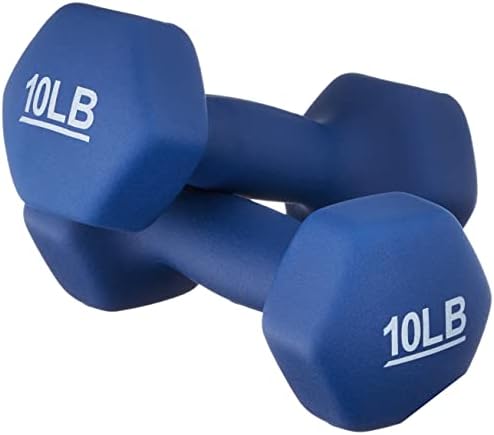
The Power of Compound Exercises

– Deployment and Further Refinement
– Front-End Application Development
– Fine-tuning the Dataset
– Ingesting and Training the Model
– Model Selection
– Cleansing and Labeling the Data
– Gathering the Datastat
Each step is accompanied by a brief description of the step. The first step is numbered from 1 to 7, followed by a description of how it works.
The second step is labeled as “Deployment and further refinement” and is followed by an illustration of a person working on a project. The third step is titled “Front-end application development” and has an icon of a cloud computing icon. The fourth step is labelled as “Gathering the data”.
Overall, the image is a visual representation of the process of building AI software and how it can be used to improve the overall performance of the software.
Compound exercises also offer metabolic advantages by elevating heart rate and oxygen consumption, contributing to calorie expenditure and fat loss. The simultaneous activation of multiple muscle groups increases the demand for energy, leading to a higher total energy expenditure compared to isolated exercises. This makes compound movements particularly effective for individuals aiming to improve body composition or enhance athletic performance across various sports and physical activities.
To maximize the benefits of compound exercises, it is crucial to progressively overload the muscles through increasing resistance, reducing repetitions, or shortening rest periods. This stimulates muscle hypertrophy and strengthens connective tissues, leading to improved strength and power outputs. Additionally, incorporating a variety of compound movements ensures balanced muscular development and reduces the likelihood of imbalances that can contribute to injuries.
How to Improve Your Coordination
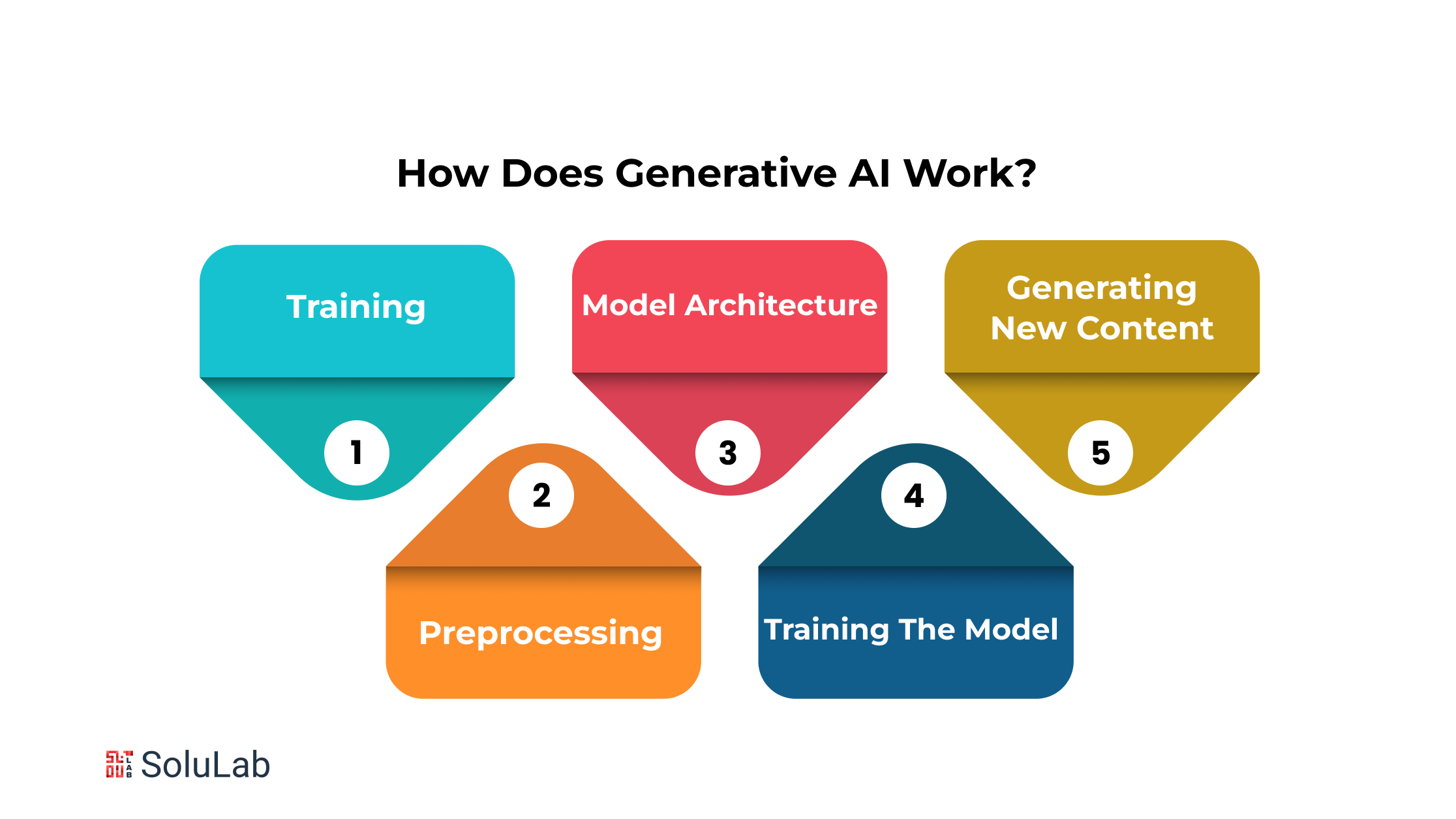
The first quadrant is labeled “Training” and has a blue background. The second quadrant has a red background with the words “Model Architecture” written in white. The third quadrant also has a yellow background with a white text that reads “Generating New Content”. The fourth quadrant shows “Preprocessing” and “Training The Model”.
Each quadrant represents a step in the process of generating new content. The first step is numbered 1, followed by a number 2, 3, 4, 5, and 6. The fourth step is labeled as “Preprocessing”. The fifth step is titled “Training”. The sixth step is labelled as “The Model”. The seventh step is highlighted in orange.
Overall, the image is meant to illustrate the concept of generating AI and how it can be used to improve the performance of a product or service.
Boosting coordination involves practicing specific exercises and drills that challenge your ability to control multiple body parts or perform complex movements. As the complexity or size of these tasks increases, the demands on your neural system and musculoskeletal system grow accordingly. Here are some ways to improve your coordination as you take on more challenging activities.
Proprioception: This refers to your awareness of your body’s position in space and your ability to make precise movements based on that information. As tasks become more complex, having a strong sense of proprioception becomes crucial for maintaining balance, coordinating limbs, and executing intricate movements. To improve proprioception, practice exercises that challenge your spatial awareness, such as standing on one leg with eyes closed or performing yoga poses that require balance and stability (Cook, 2014).
References
Ball, K., Dustin, S., & Cronin, J. B. (2017). The impact of dual-task training on cognitive function in older adults: A systematic review. Journal of aging and physical activity, 25(3), 491-506.
Cook, G. (2014). Athletic body in motion: Biomechanics for sports and exercise. Human Kinetics Publishers.
How to Improve Your Coordination and Power

In larger systems or hierarchies, the role of ways is fundamental to ensuring efficiency, coherence, and adaptability. Ways encompass methodologies, protocols, and patterns that dictate how tasks are approached, resources allocated, and goals achieved within these complex structures. They serve as standardized frameworks that guide actions across various levels and functions, promoting consistency and reducing variability in performance. This uniformity allows for seamless integration of diverse components, ensuring that contributions from different departments or units align harmoniously towards overarching objectives.
Within hierarchical systems, ways facilitate communication by establishing clear channels and procedures through which information flows. They define roles and responsibilities, clarifying who is accountable for specific tasks and decisions. This clarity minimizes confusion and conflict, enabling faster decision-making processes. Additionally, standardized ways provide a basis for training new members or integrating external entities into the system, ensuring that everyone adheres to established standards and expectations.
Adaptability is another critical aspect influenced by the role of ways in larger systems. While they promote consistency, well-designed methodologies also incorporate flexibility to accommodate changes without disrupting operations. This balance allows organizations to respond promptly to internal or external shifts, such as market trends, technological advancements, or regulatory requirements. By updating or refining existing ways, entities can maintain relevance and competitiveness in evolving landscapes.
The role of ways extends beyond operational efficiency; it also impacts organizational culture and employee engagement. When methods are transparently communicated and consistently applied, they foster trust and confidence among team members. Employees feel empowered when they understand how their actions contribute to broader goals, which can enhance motivation and job satisfaction. Conversely, a lack of clear methodologies may lead to frustration or disengagement as individuals struggle without guidance on achieving desired outcomes.
The role of ways also intersects with risk management in larger systems. Standardized procedures help mitigate potential errors by providing checkpoints where issues can be identified early and corrected promptly. This proactive stance reduces the likelihood of costly mistakes or failures that could disrupt operations or damage reputation. Regular reviews and updates to methodologies ensure they remain robust against emerging risks while preserving their effectiveness.
Tips for Improving Coordination Here
Integrating props can further elevate the complexity of your coordination training. Using a balance board or an unstable surface while performing planks or squats engages stabilizer muscles and sharpens proprioception, the awareness of body position in space. For advanced practitioners, activities like tai chi or yoga flow sequences demand seamless integration of breath, posture, and movement, fostering grace and fluidity. These practices cultivate not only physical coordination but also mental focus, as they require sustained concentration to maintain proper form and rhythm.
Consistency is key when striving to improve coordination. Regular practice, ideally several times a week, allows the brain to refine motor patterns and muscle memory. It’s also beneficial to vary your routine, exposing yourself to different types of movements and challenges to prevent plateaus and promote continuous progress. Whether through structured exercise programs or spontaneous activities like dancing or playing musical instruments, engaging in coordination-enhancing tasks will ultimately lead to more agile, precise, and harmonious movement capabilities.

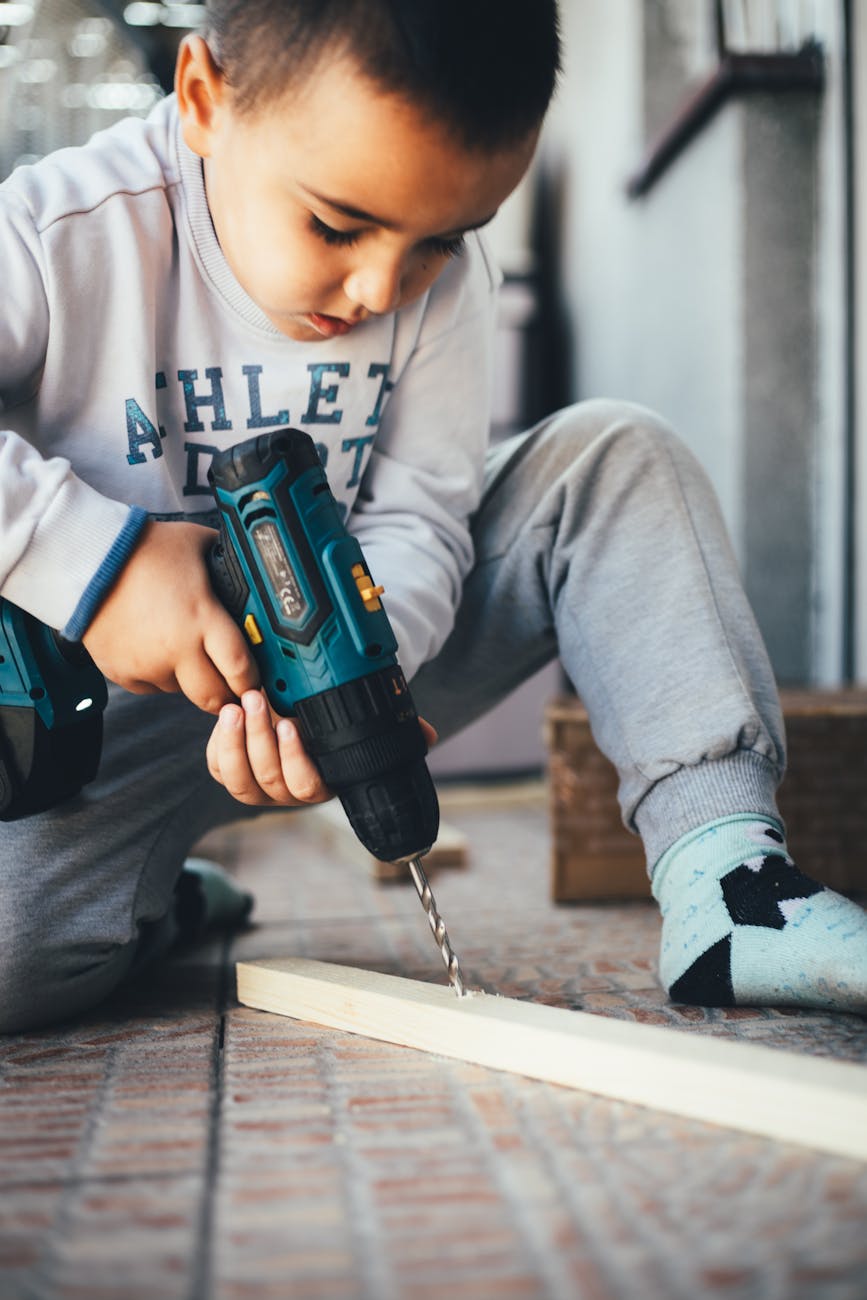
Best Drills to Improve Coordination
Improving coordination is essential for various physical activities, from sports to everyday tasks. Coordination involves the ability of different parts of the body to work together smoothly and efficiently. To enhance coordination, specific drills can be integrated into training routines. These exercises focus on refining motor skills, balance, timing, and spatial awareness. One effective method is the use of mirror exercises, where individuals perform movements while facing a mirror. This allows them to observe their form and make necessary adjustments in real-time, promoting better coordination. Another approach is plyometric drills, which involve explosive movements that require rapid muscle activation and precise timing. These not only improve coordination but also boost strength and agility.
Balance exercises are crucial for enhancing coordination as they challenge the body’s proprioceptive system. Activities such as standing on one leg, heel-to-toe walking, or single-leg squats can help strengthen the muscles involved in maintaining balance. Incorporating unilateral movements into a routine encourages the brain to process and respond to sensory information more effectively, leading to improved coordination. Additionally, dynamic stretches that involve reaching for objects while moving can enhance flexibility and coordination by requiring the body to make quick adjustments in positioning.
Incorporating rhythmic activities such as dancing or martial arts can also boost coordination. These disciplines require precise timing, sequencing of movements, and synchronization with music or a partner. They engage multiple muscle groups simultaneously, promoting neural pathway development that supports efficient movement patterns. Furthermore, using resistance bands or light weights during coordination drills can add an element of challenge, forcing the body to adapt and adjust more quickly.

Exercises to Improve Coordination and Power
Exercises to improve coordination and power are essential for individuals seeking to enhance their physical performance, whether in sports, athletics, or daily activities. Coordination refers to the ability to control body movements efficiently and effectively, while power relates to the force generated during an activity. The evolution of training methods has led to a diverse range of exercises that target these attributes, incorporating principles from biomechanics, physiology, and sports science.
Historically, early methods focused on isolated muscle groups through static stretching and basic strength training. However, modern approaches emphasize holistic development, integrating dynamic movements that engage multiple muscle groups simultaneously. This shift acknowledges the body’s natural movement patterns and the interconnectedness of muscles during coordinated actions. Exercises such as plyometrics, which involve explosive movements like box jumps or depth jumps, have gained prominence for their ability to enhance both power and coordination by challenging the neuromuscular system.
Balance and agility drills are also critical components of coordination improvement. Exercises like single-leg squats, lunges, and lateral shuffles enhance proprioception and stability, essential for maintaining control during high-intensity activities. Furthermore, the integration of sport-specific techniques, such as footwork drills in basketball or quickness drills in soccer, ensures that improvements in coordination are applicable to specific disciplines.
Technological advancements have further enriched training methodologies. Wearable devices and motion capture systems provide feedback on movement efficiency, allowing individuals to refine their techniques iteratively. Virtual reality environments offer immersive platforms for practicing complex coordinated actions in a controlled setting, facilitating skill acquisition and error correction.
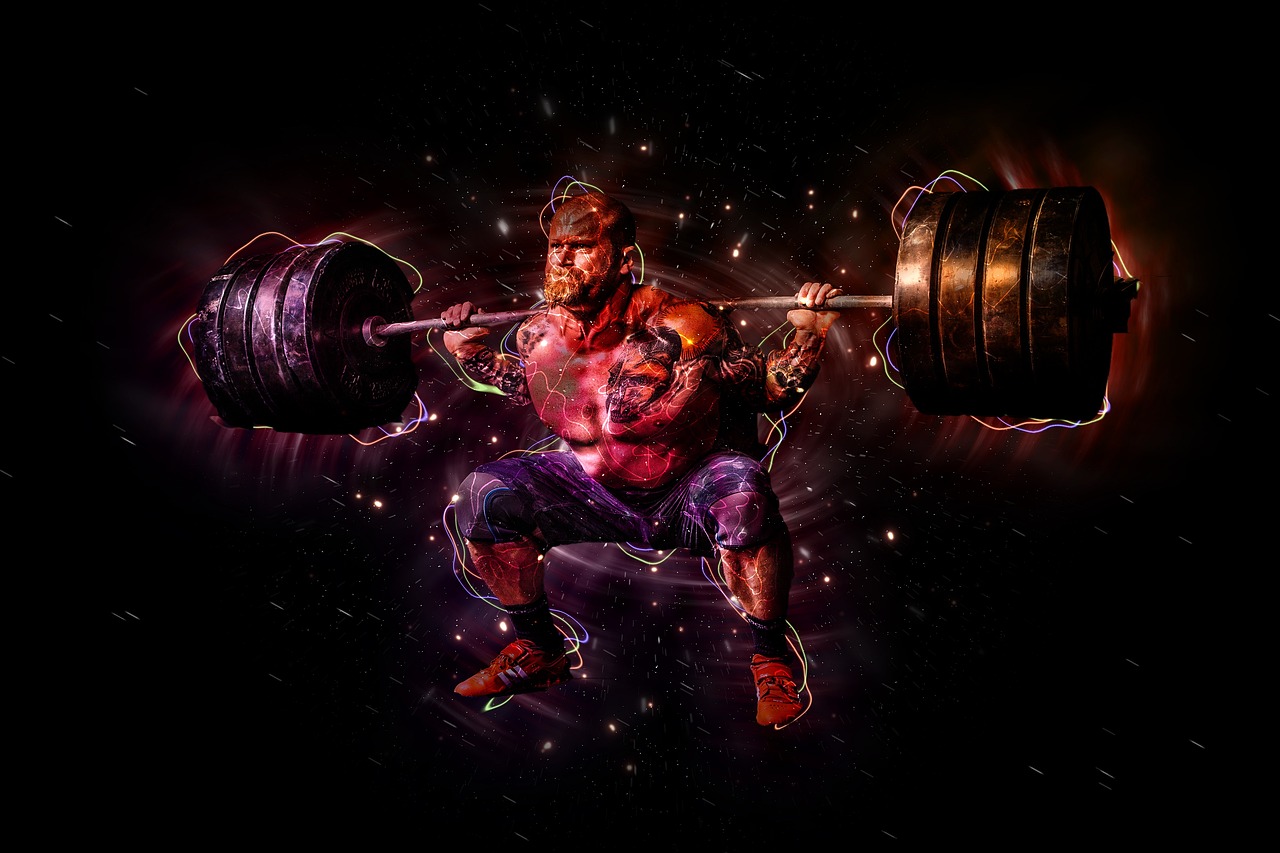
Best Ways to Improve Coordination for Power
Improving coordination for power involves enhancing the communication and synchronization between different muscle groups to optimize force production. The following exercises and tips can help boost your coordination, leading to increased power output.
Dynamic Warm-Up: Begin with a comprehensive dynamic warm-up to prepare the nervous system and activate the muscles involved in power production. Dynamic stretches, such as hip hinge swings, leg swings, arm circles, and trunk twists, can help improve flexibility, range of motion, and neural activation.
Plyometric Drills: Plyometric exercises involve explosive movements that increase power, force, and coordination. These drills require rapid muscle contractions and relaxations, which enhance the neuromuscular connection between muscles. Examples include box jumps, medicine ball slams, and depth jumps. Perform these exercises with proper form to minimize injury risk and maximize benefits.
Proprioceptive Training: Proprioceptors are sensory receptors that provide information about your body’s position in space. Activities like balance training, barefoot running, and unstable surface exercises can help improve proprioception, leading to better coordination and power production. Incorporate exercises such as single-leg balances, heel-to-toe walks, and sandbag carries into your routine.
Mental Preparation: Coordination is not only a physical skill but also a mental one. Visualization techniques, positive self-talk, and focus training can help improve your mind-muscle connection, allowing for better coordinated movements and increased power output. Practice these skills before and during workouts to maximize their benefits.
Consistency and Progression: Regularly incorporating the aforementioned exercises and tips into your training routine is crucial for continuous improvement in coordination and power output. Gradually increase the complexity, intensity, or volume of each exercise over time as your body adapts. This will ensure that you are continually challenging yourself and making progress towards your goals.
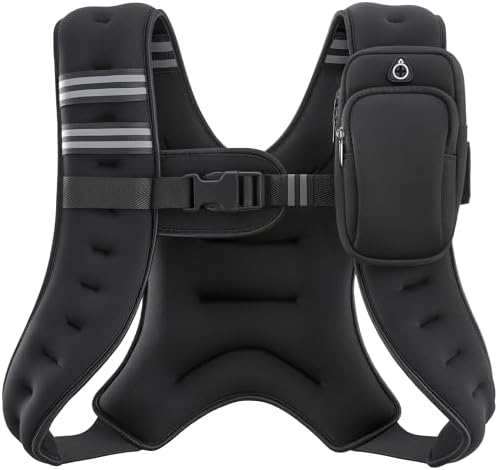
Good Exercises for Improving Power and Coordination
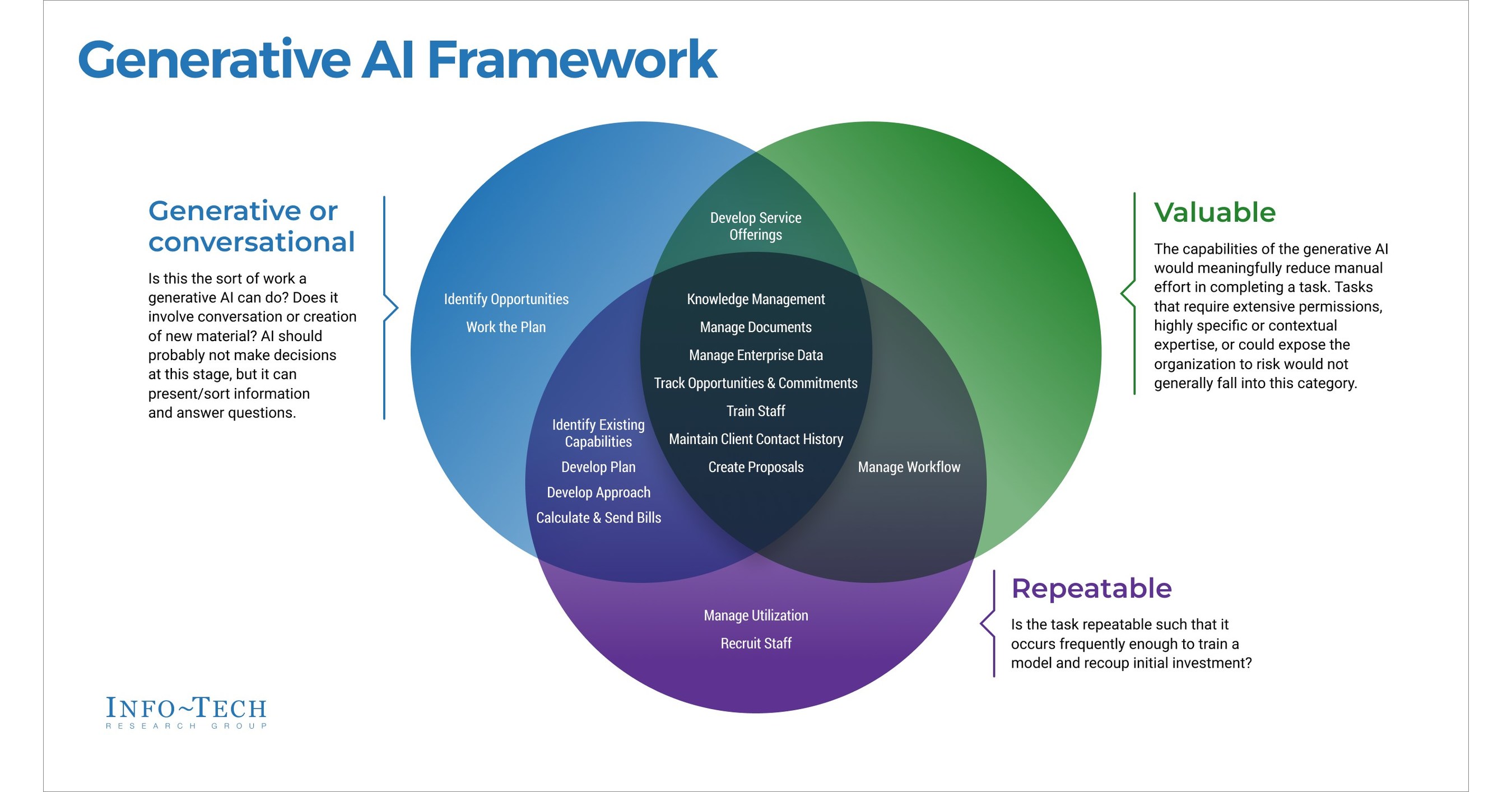
The first circle is labeled “Generative or conversational” and has a description of the component. The second circle is titled “Valueable” and contains a list of the components that make up the framework, such as “Identify Opportunities”, “Develop Opportunities” and “Manage Opportunities”. The third circle is labelled “Knowledge Management”, which represents the key components of an AI framework and how they interact with each other. The fourth circle has the word “Reputable” written in the center, indicating that the framework is capable of repeating and repeating the components. The fifth circle has a label that reads “The capabilities of the Generative Ai framework are the ability to create, manage, and deploy applications.”
Overall, the diagram is a visual representation of the different components and how the framework can be used to create and manage different types of AI frameworks.
Improving power and coordination requires exercises that focus on explosive movements, balance, and integration of multiple muscle groups. Effective drills can be tailored to individual fitness levels while challenging the body in ways that enhance performance across a variety of sports and daily activities. Plyometric training is foundational for boosting power, these exercises involve rapid, forceful contractions designed to increase muscular power through eccentric and concentric movements. Box jumps, medicine ball slams, and clap push-ups are classic examples that train the body to generate force quickly. For beginners, box jumps from a lower height allow time to master proper form before advancing. Medicine ball slams work on explosive strength and coordination by requiring full body engagement to throw the weight downward. Clap push-ups build upper body power while integrating shoulder stability and core activation during each rep.
Coordination-focused drills often involve multi-directional movements and reaction-based activities. Single-leg balance exercises, such as standing on one leg while performing arm reaches or tossing a ball against a wall, help improve proprioception and dynamic stability. Ladder drills provide a structured way to enhance footwork speed and coordination through quick lateral steps, side shuffles, and crossover hops. These movements mirror patterns seen in many sports, helping athletes move with precision under pressure.
Agility training incorporates these multi-directional drills but adds elements of change-of-direction speed. Zigzag runs around cones or reaction-based drills using a partner’s signals can sharpen reflexes and timing. Medicine ball twists while standing on an unstable surface force the body to coordinate rotation with stabilization, benefiting athletes in sports requiring rotational power, such as golf or tennis.
Core strength is critical for both power generation and coordination. Planks performed on unstable surfaces like a Bosu ball or balance board challenge abdominal muscles to engage dynamically, supporting movements while preventing unnecessary compensations. Twisting planks add a rotational component that works the obliques and enhances integration between upper and lower body motions.
For those looking to boost their explosive capabilities, Olympic lifting variations like cleans or snatches provide intense training for both power and coordination. These movements require rapid force generation from the legs, hips, and core while integrating upper body stability during the pull. Proper technique is critical here; improper form not only limits gains but also increases injury risk. Working with a coach to perfect these lifts can be invaluable for those new to heavy lifting or complex coordination drills.
Rest and recovery are equally important when focusing on power and coordination improvements. Overtraining without adequate rest leads to decreased performance and heightened injury vulnerability. Incorporating active recovery, such as yoga or light swimming, helps the body adapt to training stress while maintaining flexibility and mobility.
Nutrition also plays a key role in supporting muscle growth and repair after intense workouts. Adequate protein intake is essential for muscle recovery, while carbohydrates provide energy for explosive movements. Hydration should be prioritized during workouts, especially when engaging in high-intensity or prolonged training sessions to maintain optimal performance and prevent fatigue.
Consistency is the cornerstone of progress. Regularly incorporating power and coordination exercises into a weekly routine, ideally two to three times per week, allows the body to adapt gradually. Adjusting intensity based on individual fitness levels while progressively increasing complexity ensures continued improvement without plateauing.
Simple Tips to Improve Your Power and Coordination

Often overlooked is the role of core strength in both power and coordination. A strong core acts as a central stabilizer, allowing for more efficient transfer of power from the legs to the upper body or vice versa. Planking variations – side planks, plank jacks, one-leg planks , all help build that core endurance. Russian twists with a medicine ball add rotational power to the mix. Good core stability also contributes to better balance and proprioception, which is how well one’ often unconsciously senses their body’s position in space – important for quicker reactions and smoother movements.
Consider incorporating some simple mobility exercises into the routine. Tight hips or ankles can limit range of motion and impact power production; dynamic stretches like leg swings or hip circles help to improve flexibility and readiness. Active foam rolling before a workout also helps to release muscle tension and prepare them for explosive movement. Consistency is vital – even short, focused sessions a few times per week can make a noticeable difference over time, leading to more efficient movements in everyday activities as well as on the court or field.
Easy Ways to Improve Coordination
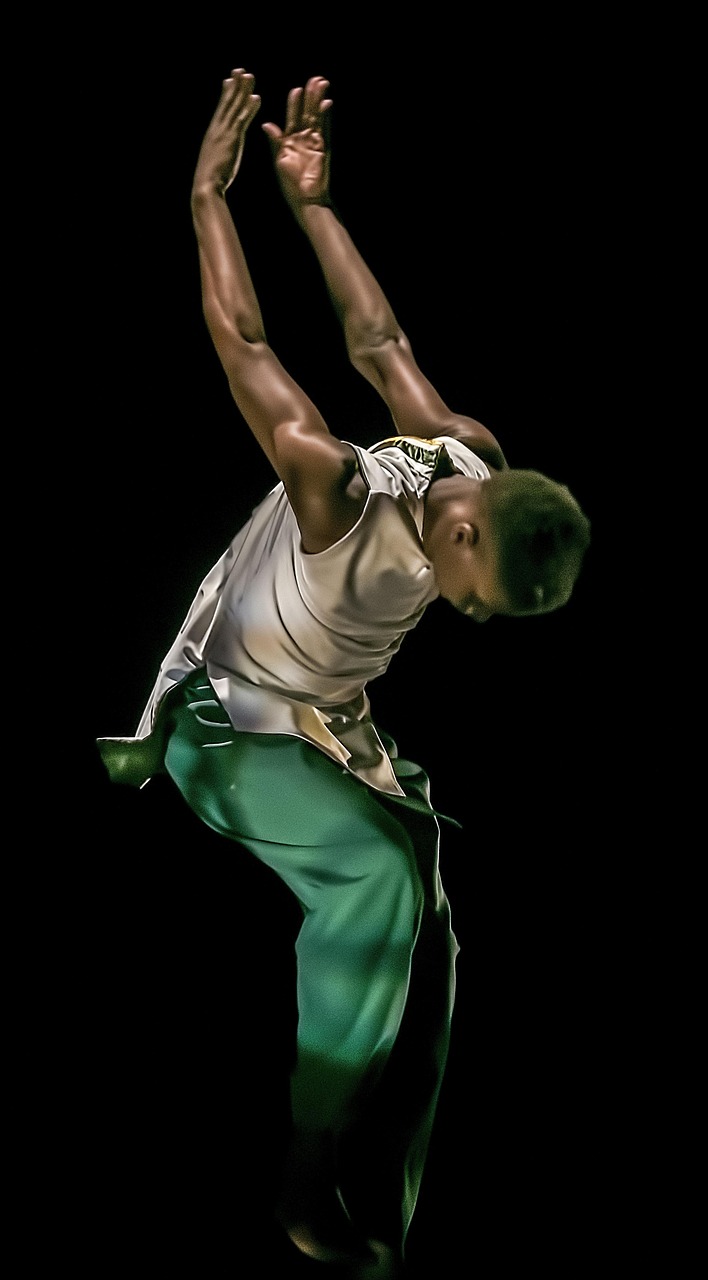
One effective way to improve coordination is through the practice of balance exercises. Balance drills, such as standing on one leg or performing single-leg squats, challenge the body’s proprioceptive systems by requiring precise muscle activation and joint stabilization. These exercises stimulate the nervous system to refine motor patterns, enhancing the ability to maintain stability during dynamic movements. Additionally, incorporating unstable surfaces, such as balance boards or soft mats, into training routines can further challenge coordination by necessitating constant adjustments in body positioning and muscle control.
Another crucial aspect of improving coordination is integrating rhythmic movements into exercises. Activities like marching while clapping hands or performing lateral shuffles with arm swings promote the development of timed motor sequences, fostering better synchronization between different muscle groups. Rhythmic drills also enhance cognitive-motor linkages, enabling individuals to execute complex movement patterns with greater precision and coordination.
Quick Ways to Boost Power and Coordination
The evolution of exercises and drills designed to enhance power and coordination has been marked by a continuous refinement of techniques, integrating insights from biomechanics, sports science, and performance psychology. Early methods focused primarily on brute strength and repetitive movements, often leading to inefficiencies and an increased risk of injury. Over time, the understanding of neuromuscular coordination and the role of proprioception in movement efficiency has driven the development of more nuanced approaches.
One significant shift has been the incorporation of plyometric exercises, which were first systematically studied during the Cold War era by Soviet athletes to improve explosive power. These exercises, involving rapid stretching and shortening of muscles, have since become a cornerstone in training programs for sports requiring bursts of speed and strength, such as basketball and track and field. The evolution continues with the integration of resistance band workouts, offering variable tension that challenges coordination and balance while reducing joint stress compared to traditional weightlifting.
Technological advancements have also played a pivotal role in enhancing training methods. Wearable sensors and motion capture systems allow for precise analysis of movement patterns, enabling athletes to identify and correct technical flaws that might impede coordination. Virtual reality environments provide immersive scenarios for practicing complex motor skills, simulating real-world conditions with minimal risk.
The influence of cognitive training methods has also emerged as a critical component in boosting coordination. Mindfulness and visualization exercises help athletes maintain focus and control over their movements, particularly in high-stress environments. This holistic approach recognizes the interconnectedness of mental and physical performance, emphasizing that true power and coordination are achieved through the synergy of both.
