Crafting an effective workout routine requires careful planning and a solid understanding of fitness principles. Here’s how to create your own personalized regime, using proven strategies and essential resources.
Once your objectives are clear, select a well-rounded workout plan encompassing three primary components: cardio, strength training, and flexibility work. The American Heart Association recommends at least 150 minutes of moderate-intensity aerobic activity or 75 minutes of vigorous-intensity cardio per week. Incorporate these sessions into your routine, ensuring a mix of both types for optimal health benefits.
Strength training is essential for building lean muscle mass and boosting metabolism. Aim for two to three weekly sessions, focusing on compound movements that engage multiple muscle groups simultaneously. Examples include squats, deadlifts, bench presses, and pull-ups. Perform 8-12 repetitions of 3-4 sets for each exercise.
Flexibility work is crucial for maintaining range of motion and preventing injuries. Incorporate stretches targeting all major muscle groups before or after your workouts, holding each stretch for 20-30 seconds while breathing deeply.
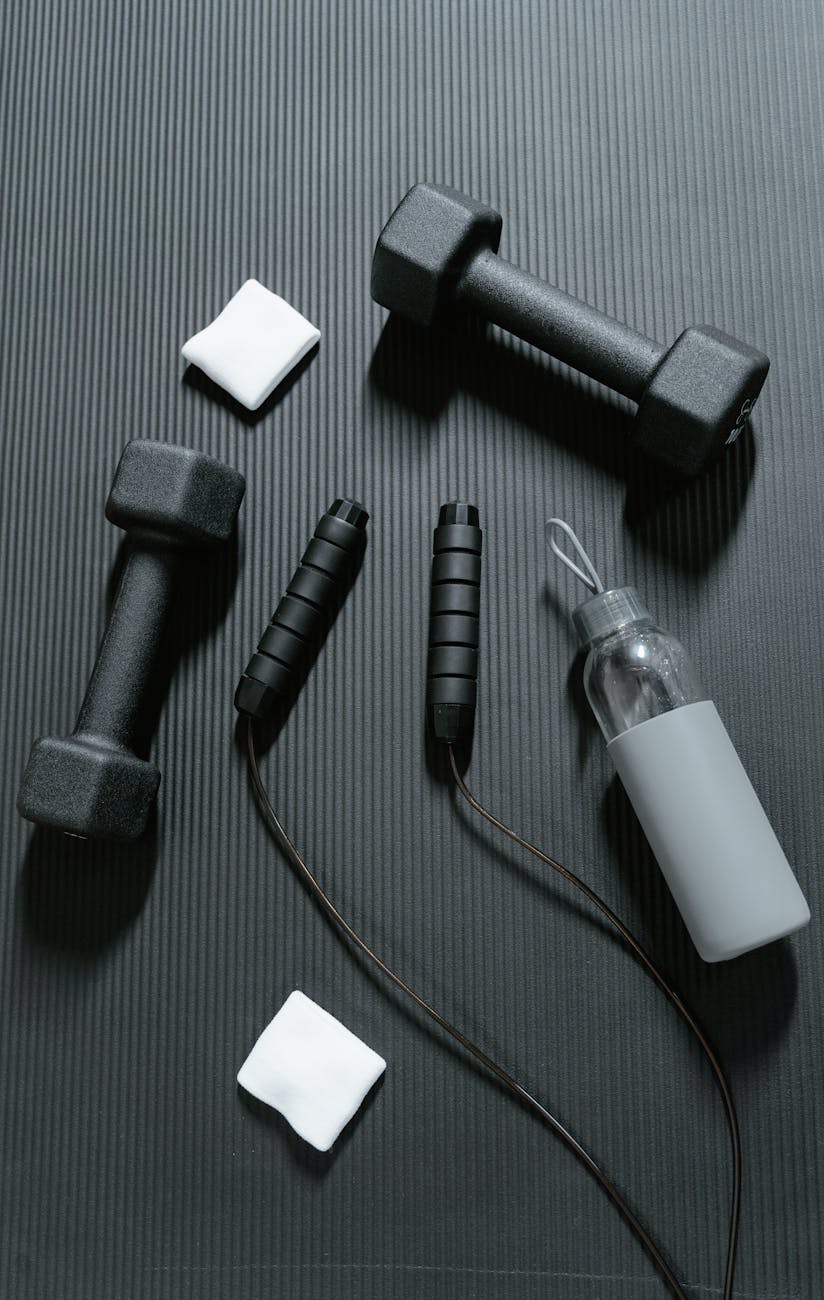
Equipment resources may include a gym membership, home gym setup, or bodyweight exercises. Ensure access to essential tools like dumbbells, resistance bands, and a yoga mat. Additionally, explore free workout apps and online resources for motivation and customized routines tailored to your goals.
As you progress, gradually increase the intensity and complexity of your workouts. Monitor your fitness level through regular assessments using body measurements, weight, or functional tests like push-ups, pull-ups, or sit-and-reach. Adjust your routine accordingly to ensure continuous improvement and prevent plateaus.

A Beginner’s Guide to Designing Workout Routines

A well-structured workout routine typically includes a balance of cardiovascular exercises, strength training, flexibility work, and rest periods. Cardiovascular activities like running, cycling, or swimming help improve heart health and burn calories, while strength training with weights or bodyweight exercises builds muscle and increases metabolic rate. Flexibility exercises such as stretching or yoga prevent injuries and enhance range of motion. Incorporating rest days is essential to allow muscles to recover and adapt, thereby preventing overtraining and plateaus in progress.
The frequency, duration, and intensity of workouts should be progressively increased over time to challenge the body and promote continued improvement. Monitoring progress through measurements, fitness tests, or workout logs helps adjust the routine as needed. Incorporating variety into the routine by rotating exercises or changing the order of movements can also prevent boredom and stimulate different muscle fibers.
Hydration, nutrition, and sleep are integral components of an effective workout routine. Adequate hydration supports performance and recovery, while a balanced diet provides the necessary nutrients for muscle repair and energy production. Prioritizing sleep ensures that the body has ample time to recover and adapt to the demands of training.
How to Design a Workout Plan for Beginners
Designing an effective workout plan for beginners involves understanding and adhering to fundamental principles that govern the behavior of routines. The primary goal is to create a structured program that promotes progress, minimizes injury risk, and fosters long-term adherence. To achieve this, it is crucial to incorporate key elements such as progressive overload, variation, rest, and nutrition.
Progressive overload is the cornerstone of any workout plan. It refers to systematically increasing the demand on the body through variations in weight, volume, intensity, or frequency. For beginners, starting with light weights and gradually increasing resistance ensures that muscle fibers are challenged without overwhelming the musculoskeletal system. Similarly, progressively adding sets or reps allows for continuous improvement while preventing stagnation.
Rest is a critical yet often overlooked component. Allowing adequate recovery time between workouts enables muscles to repair and grow. Beginners should aim for 48-72 hours of rest between training the same muscle group, incorporating active recovery days like yoga or light walking to enhance circulation and flexibility. Additionally, ensuring sufficient sleep, 7-9 hours per night, supports hormonal balance and recovery processes.
Nutrition complements the workout plan by providing the energy and building blocks necessary for adaptation. A balanced diet rich in lean proteins, complex carbohydrates, and healthy fats fuels workouts and aids recovery. Hydration is equally vital, as even mild dehydration can impair performance and recovery.
To implement these principles effectively, a beginner’s workout plan should be structured around three to four sessions per week, focusing on full-body exercises in the initial stages. As strength and familiarity increase, incorporating split routines that target specific muscle groups can further enhance focus and progression. It is also advisable to set clear, measurable goals, such as increasing bench press weight by a certain amount within a specified timeframe, to provide motivation and track progress.
Monitoring form and breathing during exercises is essential to ensure safety and efficacy. Beginners should prioritize proper technique over heavy weights, potentially working with a trainer or using spotters initially. Consistency in adherence to the plan, coupled with patience and flexibility to adjust as needed, will ultimately yield sustainable fitness outcomes. By grounding the routine in these foundational principles, beginners can establish a solid foundation for long-term fitness success.

Simple Guide to Creating Effective Workouts
Creating an effective workout routine hinges on a nuanced understanding of your fitness goals, body’s capabilities, and recovery needs. The most frequent use case for such routines is weight management or achieving a lean physique through consistent caloric expenditure balanced by muscle maintenance or growth. This objective demands a structured approach to exercise selection, intensity, frequency, and progression over time.
Firstly, identify your primary goal. If your aim is muscular hypertrophy, building larger muscles, you’ll prioritize compound exercises that engage multiple joints and muscle groups simultaneously. These include squats, deadlifts, bench presses, rows, and overhead presses. Isolation movements like bicep curls or tricep extensions may supplement these to target specific areas but should not dominate the routine.
For weight loss or toning, focus on high-intensity interval training (HIIT) or steady-state cardio combined with resistance exercises. HIIT involves alternating periods of intense effort with recovery intervals, optimizing calorie burn both during and after exercise due to its impact on the post-exercise oxygen consumption effect. Steady-state activities like running, cycling, or swimming maintain a moderate intensity for extended durations, fostering sustained fat oxidation when paired with a balanced diet.
When structuring your routine, allocate training days appropriately. Beginners might work all major muscle groups twice weekly, while intermediate to advanced lifters could split them into upper/lower body splits or push/pull/legs routines. Each session should include warm-up sets (5 to 10 minutes of dynamic stretching or light cardio) followed by compound movements at 70 to 85% of one-rep max (for strength purposes) or at moderate intensity for other goals. Afterward, include isolation exercises and finishing with core work to enhance stability and posture.
Progression is critical, gradually increasing weight, volume, or difficulty over time stimulates continued adaptations. This principle applies to resistance training as well as cardiovascular workouts; adjust your HIIT intervals or running pace incrementally. Rest days are equally vital; they allow muscles to repair and grow stronger, preventing overtraining and injury.
Hydration and recovery practices also affect performance outcomes. Ensure adequate water intake throughout the day, especially before, during, and after workouts to maintain fluid balance. Recovery strategies like foam rolling, stretching, massage, or cold therapy can reduce muscle soreness and accelerate healing. Sleep quality directly impacts hormone regulation, growth hormone secretion peaks during deep sleep, aiding recovery from exercise-induced damage.
Account for variability in your routine to avoid plateaus or burnout. Introduce new exercises every 4 to 8 weeks to challenge the body differently. Track progress through objective measurements like strength gains, body composition changes (via skinfold calipers or DEXA scans), and subjective feelings of energy levels and recovery times. Regularly revisit your goals to ensure alignment with evolving priorities and capabilities.
How to Create a Personalized Workout Plan


Intensity: The level of effort put into each workout plays a significant role in its effectiveness. For aerobic exercise, the ACSM suggests working at 50-85% of your heart rate reserve (HRR) for moderate-intensity workouts or above 85% HRR for vigorous sessions. For resistance training, aim for 8-12 repetitions per set with a weight that challenges you by the last rep.
Duration: The length of each workout session and total weekly time spent exercising is crucial to seeing improvements. Aim for at least 150 minutes per week of moderate-intensity aerobic activity or 75 minutes per week of vigorous-intensity workouts, as well as two or more days of resistance training.
Variation: Mixing up your workouts keeps things interesting and helps prevent plateaus. Incorporate different types of exercises such as cardio (running, cycling), resistance training (bodyweight exercises, weightlifting), and flexibility work (yoga, stretching). Aim for a balanced approach to ensure all muscle groups are addressed.
Progression: Gradually increasing the challenge over time is essential for continued progress and avoiding boredom. For aerobic exercise, you can increase duration or intensity. For resistance training, aim for progressive overload by gradually increasing weight or reps.
Consistency: Sticking to your workout plan consistently is key to seeing results. Make fitness a priority and schedule regular sessions into your routine. Find a workout buddy or accountability partner to help keep you motivated.
Personalization: Tailor your workout plan to suit your individual goals, fitness level, and schedule. Adjust the frequency, intensity, duration, variation, progression, and consistency components based on your specific needs.
Incorporating these fundamental principles into your personalized workout plan will help ensure that you’re making the most of your time in the gym or during at-home workouts. Remember, everyone’s fitness journey is unique, so be patient with yourself and stay committed to your goals.
How to Create a Balanced Workout Routine
The first step in developing a balanced workout routine is to establish clear objectives. These could range from building muscle mass, improving cardiovascular health, increasing flexibility, or losing weight. Once you have defined your goals, it’s important to incorporate different types of exercises that target various aspects of fitness. Strength training is foundational, as it builds muscle and increases metabolic rate, aiding in fat loss and maintaining lean tissue. Aim for compound movements such as squats, deadlifts, and bench presses, which engage multiple muscle groups simultaneously. Incorporate isolation exercises like bicep curls or tricep extensions to target specific muscles further.
Flexibility and mobility exercises are often overlooked but are vital for preventing injuries and maintaining a healthy range of motion. Stretching routines should include dynamic movements before workouts to warm up muscles and static stretches afterward to enhance flexibility. Yoga and Pilates are excellent modalities that combine strength, flexibility, and balance, contributing to a holistic fitness approach.
Incorporating rest and recovery into your routine is equally important. Muscles grow and adapt during periods of rest, so it’s essential to allow sufficient time between high-intensity workouts. Active recovery strategies such as light cardio, foam rolling, or gentle stretching can aid in muscle recovery without expending excessive energy. Additionally, prioritize sleep and nutrition, as these factors significantly influence physical performance and recovery.
To structure your routine effectively, consider a cyclical approach that alternates between different types of exercises to avoid monotony and overtraining. A sample weekly schedule might include two to three strength training sessions, two cardiovascular sessions, and one or two flexibility/mobility classes. Gradually increase the intensity, duration, or frequency of exercises as your fitness level improves, ensuring continuous progress.
Monitoring your progress is crucial for maintaining motivation and adjusting your routine as needed. Track metrics such as weight lifted, distance covered, or time spent exercising to gauge improvements. Listen to your body and make adjustments if you experience fatigue, discomfort, or plateaus in performance. Consulting with a fitness professional can provide personalized guidance and help optimize your workout plan.
How to Customize Your Perfect Workout Routine
Customizing your perfect workout routine is essential to achieve optimal fitness results, enhance performance, and maintain long-term motivation. The primary purpose of tailoring a workout plan lies in addressing individual physiological needs, fitness goals, and lifestyle constraints. By understanding the unique demands of each person’s body and objectives, customization ensures that workouts are efficient, safe, and sustainable over time. This approach minimizes the risk of injury by considering factors such as biomechanics, muscle imbalances, and recovery capacities. Furthermore, personalized routines maximize energy expenditure and metabolic efficiency, leading to more effective calorie burning and fat loss. They also support hypertrophy or strength gains through periodization and progressive overload, tailored to an individual’s genetic predispositions and training history. Additionally, customization fosters psychological engagement by incorporating preferred exercises, modalities, and environments, which enhances adherence and satisfaction. Ultimately, a well-designed personalized routine optimizes time investment, delivering measurable progress aligned with specific health and fitness aspirations while accommodating real-world constraints such as schedule flexibility and equipment availability.

Creating a Workout Program That Works for You
Creating a workout program that works for you involves a systematic approach to understanding your fitness goals, assessing your current physical condition, and designing a routine that challenges your body while minimizing the risk of injury. The first step in this process is to define clear and measurable objectives. Whether your goal is weight loss, muscle gain, improving cardiovascular health, or enhancing flexibility, having specific targets will guide the development of your workout plan. It’s essential to set realistic expectations based on your current fitness level and available time commitment.
The next step involves selecting the appropriate types of exercises that align with your goals. A well-rounded program typically includes a mix of cardiovascular exercise, strength training, flexibility work, and balance activities. Cardio exercises such as running, swimming, or cycling improve heart health and burn calories, while strength training with weights or bodyweight exercises builds muscle and boosts metabolism. Flexibility exercises like stretching and yoga enhance range of motion and prevent injuries, and balance exercises help maintain stability and coordination.
Programming your workouts requires consideration of key principles such as frequency, intensity, volume, and rest. The frequency refers to how often you train each muscle group per week; generally, major muscle groups can be trained 2-3 times a week. Intensity is about the effort you put into each set, which should challenge but not overwhelm you. Volume relates to the total amount of work done during a session, calculated by multiplying sets, reps, and weight. Rest periods between sets are vital for recovery and allow for increased performance in subsequent sets.
Monitoring your progress is an integral part of maintaining an effective workout program. Keeping a fitness journal or using tracking apps can help record workouts, setbacks, and improvements. Regularly reassessing your goals and adjusting your program as needed ensures that you stay on track and continue to challenge yourself. It’s also important to listen to your body and make modifications if you experience signs of overtraining, such as persistent fatigue or decreased performance.
How to Create Your own Workout Program

Frequency of sessions is another critical factor. Beginners often benefit from three weekly workouts targeting all major muscle groups, while advanced individuals may require four or more to accommodate progressive overload. This schedule must account for recovery days, which allow muscles to repair and adapt. Listening to the body’s signals, such as reduced range of motion or persistent soreness, signals the need to adjust intensity or take a temporary break, avoiding overtraining injuries that can derail progress.
Nutrition plays an equally pivotal role in workout effectiveness. A hybrid approach emphasizes macronutrient timing: consuming protein within 30 minutes post-workout to maximize muscle synthesis and carbohydrates shortly before training to fuel performance. Hydration strategies also require customization, athletes should weigh themselves pre- and post-exercise, replacing every pound lost with 16 to 24 ounces of water to maintain fluid balance.
Progression models are tailored to individual capabilities. The “percent of 1RM” method scales resistance based on peak strength for advanced lifters, while beginners might use bodyweight exercises or light dumbbells before transitioning to heavier loads. Supplemental techniques like drop sets or forced reps can add variety but require proper supervision to avoid strain, underscoring the importance of learning from qualified professionals when venturing into unfamiliar territory.
Recovery protocols must be integrated holistically. Beyond sleep, foam rolling and static stretching enhance flexibility, reducing injury risk during dynamic movements. Cold water immersion or contrast therapy (alternating hot and cold baths) can accelerate recovery by improving circulation and removing metabolic waste. Mindfulness practices such as deep breathing or meditation also support mental resilience, aiding adherence through stress reduction.
Equipment utilization varies widely based on available resources and personal preference. Free weights remain foundational for strength gains, but resistance bands or kettlebells offer portable alternatives. Bodyweight exercises like push-ups and squats build functional strength, requiring minimal equipment and adaptable to varying difficulty levels. The hybrid model integrates these tools judiciously, prioritizing compound movements that engage multiple joints for maximal efficiency.
Accountability mechanisms reinforce consistency. Tracking workouts in a journal or app provides measurable feedback, while finding an accountability partner or joining a fitness class fosters community and motivation. Setting incremental milestones, such as completing a 10K race or improving bench press numbers, creates tangible goals that sustain engagement beyond initial enthusiasm.
Safety protocols must be non-negotiable. Proper warm-ups (dynamic stretching, light cardio) activate muscles and elevate heart rate gradually. Correct form takes precedence over lifting heavy loads, as poor technique increases injury risk. Emergencies should be planned for, including access to first aid kits or emergency contacts, ensuring readiness for unforeseen circumstances.
The 21-Day No-Excuse Workout Challenge
To maximize the impact of this workout challenge, it is crucial to adhere strictly to its guidelines. The regimen consists of three weekly workouts, each comprising seven exercises that target various muscle groups. Perform each exercise for three sets of 12-15 repetitions, with a brief rest period between sets and exercises. Ensure that you maintain proper form throughout the entirety of your sessions to prevent injury and optimize results.
The first workout focuses on building lower body strength, with moves like bodyweight squats, lunges, and bridge variations. The second session targets upper body muscles, featuring exercises such as push-ups, rows, and shoulder presses. Lastly, the third workout concentrates on core development, incorporating planks, Russian twists, and leg raises.
While the physical demands of this challenge are significant, it is essential to remember that consistency is key. By committing to a regular workout schedule, you not only strengthen your muscles but also establish a new habit that can positively influence other aspects of your life. Furthermore, the short duration of this challenge makes it an ideal starting point for individuals who may be intimidated by lengthier programs or those looking to reintroduce exercise into their daily routine after an extended hiatus.
How to Start a Fitness Routine
Consistency is the cornerstone of any effective fitness routine, and often the biggest challenge lies in establishing that habit. A logical starting point involves assessing current fitness levels honestly; are there existing mobility limitations or cardiovascular endurance concerns? A simple resting heart rate measurement, alongside a short walk test measuring distance covered in five minutes, can provide useful baseline data. For individuals relatively new to exercise, beginning with shorter, more frequent sessions generally proves advantageous over longer, less often occurrences. Aiming for fifteen to twenty minute blocks of movement three times per week is a reasonable initial goal, easily expandable as fitness improves.
Consider incorporating a mix of cardiovascular and strength training exercises for well-rounded conditioning. Cardiovascular work doesn’t require fancy equipment – brisk walking, jogging, cycling, or even dancing are all excellent choices. Strength training can be bodyweight focused initially; squats, push-ups (modified on the knees if needed), lunges, and planks build a solid foundation of strength and core stability. A good rule of thumb is to focus on major muscle groups – legs, chest, back, shoulders, arms, and core – ensuring balanced development. Incorporating some flexibility work through stretching or yoga rounds out the routine nicely.
Progression should be gradual and tailored to individual needs. Increasing duration for cardiovascular workouts by five minutes each week provides a good benchmark. For strength training, aim to increase either repetitions or sets as exercises become more comfortable. Proper form always takes precedence over quantity; a slightly shorter workout performed with perfect technique is generally better than a longer one where form starts to breakdown. Don’t underestimate the value of rest days – they allow muscles time to recover and rebuild, vital for progress.
Nutrition plays an equally important role alongside exercise. A balanced diet emphasizing whole foods – fruits, vegetables, lean protein, and complex carbohydrates – provides the fuel needed for workouts and supports recovery afterward. Adequate hydration is also key; water should be a constant companion throughout the day. Tracking food intake can be useful in identifying areas for improvement, though it’ commonly best to start with mindful eating habits rather than overly meticulous tracking.
Looking ahead, personalized workout routines driven by real-time biofeedback hold exciting potential. Imagine wearable sensors that track not just heart rate and steps, but also muscle fatigue, oxygen saturation levels, and even hydration status during a workout. This data could then be fed into an algorithm that adjusts the intensity or duration of exercises in real time to optimize performance and minimize risk of injury, essentially creating a dynamic, self-adapting fitness routine for each individual. It’s a shift from one-size-fits-all programs to truly customized experiences, potentially unlocking greater levels of effectiveness and enjoyment for all who participate.
Best Tips for Creating a Great Workout Plan
Creating a great workout plan involves meticulous planning and understanding of individual fitness goals, capabilities, and progress over time. To ensure effectiveness, it is crucial to begin by assessing current fitness levels through various methods that provide insight into different aspects of physical health. One common approach is the use of body mass index (BMI), which calculates an individual’s weight in relation to their height, offering a basic indicator of whether one is underweight, normal, overweight, or obese. However, BMI has limitations as it does not distinguish between muscle and fat mass, making it insufficient for athletes or individuals with high muscle mass.
Another essential measurement is body composition analysis, which determines the percentage of fat, muscle, bone, and water in the body. Methods such as bioelectrical impedance analysis (BIA), dual-energy X-ray absorptiometry (DXA), and hydrostatic weighing provide more accurate assessments than BMI alone. These tools are particularly valuable for tracking changes in fat loss or muscle gain over time, offering a clearer picture of fitness progress.
Cardiovascular fitness is typically evaluated using aerobic capacity tests, such as the maximal oxygen uptake (VO2 max) test, which measures how much oxygen the body can utilize during intense exercise. This can be estimated through field tests like the one-mile walk/run test or the beep test, providing a practical way to monitor improvements in endurance and stamina. Strength assessments are often conducted using standardized exercises such as push-ups, sit-ups, or squats, with repetitions and weights lifted serving as indicators of muscular strength and power.
Flexibility is another critical component of fitness, measured by range of motion in joints. Simple tests like the sit-and-reach test can assess hamstring flexibility, while other exercises evaluate shoulder, hip, and spinal mobility. Regular evaluation of these metrics helps identify areas for improvement and ensures that workout plans remain balanced and effective.
To create a comprehensive workout plan, it is essential to integrate these measurements into a structured program that progressively challenges the body while allowing for adequate recovery. This involves setting specific goals, such as increasing VO2 max by 10% in three months or reducing body fat percentage by 5%, and designing workouts that target these objectives through a combination of aerobic exercises, strength training, flexibility routines, and recovery activities like yoga or Pilates.
Incorporating periodization into the workout plan ensures that the body adapts to increased demands without overtraining. This involves cycling through phases of high intensity and volume, followed by periods of reduced stress to facilitate recovery and prevent plateaus. Monitoring progress regularly allows for adjustments in exercise frequency, duration, and intensity, ensuring that the workout plan remains effective and tailored to individual needs.
How to Create Effective Workout Routines

When a workout routine fails or goes wrong, several consequences can arise that impact both physical performance and motivation. One primary issue is the risk of injury due to improper form, excessive intensity, or inadequate rest. Incorrect execution of exercises places undue stress on joints, muscles, and connective tissues, potentially leading to strains, sprains, or chronic injuries such as tendinitis. Additionally, pushing too hard without sufficient recovery can exacerbate existing issues or contribute to overtraining syndrome, characterized by fatigue, decreased performance, and an increased susceptibility to illnesses.
Another consequence of a flawed routine is stagnation in progress. Without proper variation in exercise selection, volume, intensity, or frequency, the body adapts to the stress placed upon it, leading to plateaus in strength gains, muscle hypertrophy, or fat loss. This can be particularly frustrating for individuals seeking measurable improvements, as their efforts may not yield the expected results over time. Moreover, a lack of progress can diminish motivation and commitment to the workout regimen, ultimately resulting in abandonment of the routine altogether.
Inadequate nutrition and recovery strategies can undermine the effectiveness of any workout routine. Without proper fueling through balanced diets rich in macronutrients and micronutrients, the body lacks the energy required for optimal performance and muscle repair. Insufficient sleep or rest days also impair recovery, leading to fatigue, muscle soreness, and a higher likelihood of burnout.
To mitigate these issues, it is crucial to design workout routines with careful consideration of individual factors such as fitness level, experience, goals, and any pre-existing conditions. Collaborating with qualified professionals like personal trainers or sports coaches can help ensure that exercise techniques are correct, workouts are appropriately structured, and progress is monitored effectively. Regularly reassessing and adjusting routines to accommodate changes in ability, interests, or objectives can also maintain engagement and promote long-term success in fitness endeavors.
How to Make a Personalized Workout Schedule

In the realm of physical well-being, both fitness and routines play pivotal roles in shaping an individual’s health and vitality. While they share some similarities, their respective efficiencies hinge on distinct aspects when applied to workout contexts.
Here are some effective steps for creating a personalized workout schedule that integrates both aspects
Establish baseline fitness levels: Before designing a routine, assess current fitness levels through various assessments like body composition analysis, flexibility tests, and muscular strength evaluations. This foundational understanding will inform the selection of appropriate exercises and intensities.
Set clear goals: Identify specific objectives for your training regimen, such as weight loss, muscle gain, improved cardiovascular health, or enhanced functional capacity. Clearly defined targets provide direction and motivation.
Prioritize flexibility and mobility: Include stretching and mobility work within your routine to maintain optimal range of motion and prevent injury. Regularly reassess your flexibility and adjust your routine accordingly.
Schedule regularly: Allocate specific times in your week for training sessions, ensuring consistency and regularity. Be mindful of other commitments and adapt your schedule as needed.
Monitor progress: Regularly assess your fitness levels and track improvements in strength, endurance, and body composition. Adjust your routine as necessary to ensure continuous progress towards your goals.
Stay adaptable: Embrace flexibility in your routine by incorporating modifications or alternative exercises when required. Listen to your body and adjust accordingly to maintain optimal performance and prevent stagnation.
