The Nordic hamstring curl is a potent bodyweight exercise primarily targeting the hamstrings, with secondary engagement from the glutes and calves. Considered a more advanced movement pattern, mastering a modified version offers excellent entry for beginners often struggling with full-range control or core stability. The key differentiator compared to seated hamstring curls relies on the dynamic nature; here, gravity provides the resistance, allowing for progressive overload through variations in leverage and tempo. Generally, this translates to more effective hamstring strength development, particularly beneficial for athletes needing a blend of eccentric and concentric power, like sprinters or soccer players.
Beginner friendly modifications often involve a partner assisted version where someone holds your ankles, providing just enough support to allow for decent control on the descent. Here, a slight core engagement keeps the spine neutral, preventing excessive lumbar rounding during the descent – a common beginner trap that can limit hamstring activation and increase lower back strain. Observe how this simple assist allows an individual with relatively weak hamstrings to experience the full range of motion without relying solely on sheer hamstring power for upward return. A good starting point involves a slow, controlled lowering phase – three seconds down, two seconds up – feeling the hamstring stretch well at the top and the contraction near the bottom of the movement. This tempo helps build mind-muscle connection, a key element in optimizing activation.
Another helpful modification utilizes a light resistance band looped around the ankles, providing a gentle upward assist, particularly useful when starting out or returning from an injury. This allows for increased focus on hamstring recruitment without feeling overwhelmed by gravity’ an ideal scenario to ensure proper form and technique. Pay attention to hip alignment; often beginners tend to let their hips drift outwards which can shift some of the workload to the adductors. A slight squeeze of the glutes helps keep those hips nice and stable, maximizing hamstring engagement.


Hamstring Curl Alternatives at Home
The hamstring curl is an effective exercise for targeting the posterior chain, particularly focusing on the hamstrings. However, there are instances where performing traditional hamstring curls at a gym may not be feasible due to limited access to equipment or personal preference. Fortunately, several alternatives can be executed at home using bodyweight and minimal equipment, ensuring continued progress in strengthening the hamstrings while maintaining spinal health.
One primary alternative is the standing calf raise with ankle weights. This exercise engages the posterior chain by activating the gastrocnemius and soleus muscles while also challenging the hamstrings as stabilizers. To perform this exercise, stand with feet shoulder-width apart and distribute bodyweight evenly across both feet. Slowly rise onto the balls of the feet, pushing upward as high as possible before lowering back down to the starting position. Ankle weights can be added for increased resistance, but careful control is essential to prevent excessive strain on the spine or ankles.
Another effective alternative is the seated leg curls using a sturdy chair or ottoman. Sit on the edge of a stable seat with feet flat on the floor, knees bent at a 90-degree angle. Extend one leg forward and place the sole of the foot against an elevated surface such as a chair or ottoman. Keeping the knee straight, slowly lower the heel toward the ground before lifting it back to the starting position. This movement targets the hamstrings through a controlled range of motion, promoting muscle engagement without placing undue stress on the spine.
For beginners or those seeking a more dynamic approach, bodyweight lunges with a hold can serve as an alternative. Start in a standing position with feet hip-width apart. Take a large step forward with one leg, bending the knee to lower the body until the front thigh is parallel to the ground. Pause momentarily before pushing back to the starting position and repeating on the opposite side. Holding light dumbbells or a medicine ball can add resistance while also improving balance and core stability. This exercise not only strengthens the hamstrings but also enhances lower body coordination and flexibility.
The standing hip extensions with a resistance band provide an accessible option for targeting the hamstrings. Secure the band around a sturdy anchor point at waist height and position one end around the ankles. Stand with feet shoulder-width apart and maintain a slight bend in the knees to engage the core. Slowly step back with one leg, extending it until the knee is nearly straight before returning to the starting position. This movement effectively isolates the hamstrings while maintaining spinal neutrality, making it suitable for individuals at various fitness levels.
Best Hamstring Curl Alternatives (no Machine)
Firstly, bodyweight exercises like the dead bug and glute bridge are excellent choices for engaging the hamstrings. The dead bug involves lying on your back with both legs extended toward the ceiling. Keeping your core tight, lower one leg while keeping the other leg straight. Return to the starting position and repeat with the opposite leg. This movement targets not only the hamstrings but also the lower back and core muscles.
Another bodyweight exercise is the glute bridge. Begin by lying on your back with bent knees and feet hip-width apart. Push through your heels to lift your hips off the ground, keeping your core engaged and shoulders pressed into the mat. Squeeze your glutes at the top of the movement before lowering back down. While primarily targeting the glutes, this exercise also engages the hamstrings as secondary muscles.
Consider using resistance bands for hamstring curls. Loop a resistance band around both feet and lie on your stomach with the band’s other end anchored under a sturdy object or your bed. Bend your knees to curl the band toward your glutes while keeping your core engaged. Slowly release the tension by straightening your legs. This exercise increases resistance as you bend further, making it an effective alternative to machine curls for those looking for a challenge.
Nordic hamstring curls – also known as Swiss ball hamstring curls – are another excellent alternative. To perform this exercise, place a cushion under your toes and extend your body out on the floor with your hips resting on a Swiss ball. Keeping your core engaged, lift your body up by bending at the knees while keeping your hips in contact with the ball. Lower yourself back down slowly to complete one repetition. This exercise targets the hamstrings through an eccentric movement, which can help improve their strength and endurance.
Incorporating these exercises into your routine will provide a comprehensive workout for your hamstrings without requiring access to gym equipment or machines. Remember that proper form is essential in all exercises to prevent injury and ensure maximum benefit. Happy training!


Nordic Hamstring Curl Progression
The Nordic Hamstring Curl Progression is a structured approach to enhancing the strength and flexibility of the hamstring muscles, focusing on gradual progression through various bodyweight exercises. This progression is designed for individuals at different fitness levels, from beginners to advanced exercisers, aiming to optimize muscle engagement while minimizing the risk of injury. The key aspect of this progression is the scaling of bodyweight, which involves adjusting the difficulty level based on an individual’s strength and flexibility.
For beginners, the foundational Nordic Hamstring Curl starts with a controlled movement using bodyweight alone. This exercise involves lying face down on a mat, lifting the legs off the ground while keeping the hips in contact with the surface, and then slowly lowering the legs back down. As strength improves, progression can be achieved by incorporating additional challenges such as holding the lifted position for longer durations or adding light resistance bands to increase tension on the hamstrings.
As individuals advance, more complex variations can be introduced to further challenge the hamstring muscles. One such variation involves performing the curl with one leg at a time, which enhances unilateral strength and stability. Another progression is incorporating dynamic elements, such as rapid contractions or slow negative phases, to increase metabolic demand and muscular endurance. These modifications not only target the hamstrings but also engage surrounding muscles, promoting balanced muscle development.
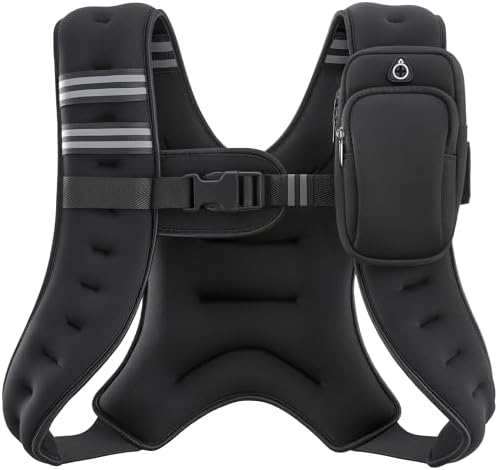
For those seeking greater intensity, external weights can be integrated into the Nordic Hamstring Curl Progression. Adding ankle weights or a weighted vest allows for increased resistance, pushing the hamstrings to work harder and adapt to the new load. This scaling is particularly effective for individuals looking to build significant muscle mass or improve power output in sports that require explosive leg movements.
The spine plays a crucial role in maintaining proper form throughout the Nordic Hamstring Curl Progression. Maintaining a neutral spinal alignment prevents unnecessary strain on the lower back, ensuring that the primary focus remains on the hamstrings. As bodyweight scales with increased complexity, it is essential to prioritize technique over weight, as poor form can lead to injury and diminished results.
Flexibility also becomes a critical factor in scaling bodyweight during this progression. Greater flexibility in the hip and ankle joints allows for more extensive range of motion, enabling deeper muscle engagement. Stretching exercises targeting the hamstrings, hip flexors, and calves can complement the Nordic Hamstring Curl Progression, facilitating easier transitions between more advanced variations.
Best Bodyweight Hamstring Exercises Ranked
Good Morning: Another hip hinge exercise, the good morning targets the hamstrings while also engaging the glutes and lower back muscles. Stand with feethip-width apart, hold a barbell across the upper traps or use a dumbbell in each hand. Keeping the back flat and eyes forward, hinge at the hips to lower into a flexed-forward position, then return to the upright stance. The bodyweight version can be executed with a kettlebell or a weight vest for added resistance.
Leg Curl: A classic hamstring exercise, the leg curl focuses on the posterior thigh muscles. Lie face up on a bench or an elevated surface with knees bent at a 90-degree angle. Extend one leg straight while keeping the foot flexed, then slowly lower it back to the starting position. Repeat with the other leg. For a bodyweight alternative, perform single-leg leg curls by extending one leg upward from a lying position and controlling the descent.
Hip Thrust: Primarily a glute-targeting exercise, the hip thrust also engages the hamstrings as a secondary muscle group. Lie on your back with knees bent at a 90-degree angle and feet flat on the floor. Lift your hips upward while squeezing the glutes at the top of the movement, then lower back to the starting position. To increase hamstring involvement, focus on extending the knees slightly during the lift. Bodyweight hip thrusts can be performed with or without additional resistance, such as a weight vest or dumbbells held across the chest.
Standing Calf Raise with Hamstring Focus: While primarily targeting the calves, this exercise also engages the hamstrings as stabilizers. Stand with feet hip-width apart and rise onto your toes, then slowly lower back down. To enhance hamstring activation, perform the exercise on an elevated surface or add a slight bend in the knees during the lift. This movement is particularly beneficial for beginners seeking to build foundational strength in the hamstrings.
When integrating these exercises into a routine, it is crucial to prioritize proper form to prevent injury and maximize effectiveness. For beginners, starting with bodyweight variations allows for mastery of technique before progressing to additional resistance. Incorporating these exercises twice weekly, along with dynamic stretching and mobility work, will yield optimal results in hamstring strength and flexibility. Remember that consistency and progressive overload are key to achieving significant improvements in this muscle group.
Hamstring Curl Alternatives for Beginners
Hamstring curls are a staple exercise in any lower body workout regimen. They primarily engage the hamstrings, but also work the glutes and hips. However, there are alternatives to traditional hamstring curls that can be beneficial for beginners or those looking to add variety to their routine. In this text, we will explore several hamstring curl alternatives and provide tips on proper form and environmental considerations.
Let us discuss bodyweight exercises. Bodyweight movements require no equipment and can be performed anywhere. One such alternative is the Bridge. Lying on your back with your knees bent and feet hip-width apart, lift your hips towards the ceiling while keeping your shoulders and head in contact with the ground. Squeeze your glutes at the top of the movement before lowering yourself back down. This exercise not only strengthens the hamstrings but also engages the core and improves posture.
Consider using resistance bands for hamstring curls. Resistance bands provide constant tension throughout the entire range of motion. They can be an excellent option for beginners or those recovering from injuries as they minimize the impact on the spine compared to machine-assisted exercises. To perform banded hamstring curls, loop a resistance band around both feet and lie face down on a mat. Grab the ends of the band with both hands and extend your legs behind you. Bend at the knees and curl the band towards your body, focusing on contracting the hamstrings before releasing and returning to the starting position.
Another alternative is the Glute Bridge with Leg Curl. This exercise effectively targets the hamstrings while also engaging the glutes and core. Begin by lying face-up on a mat with your knees bent and feet hip-width apart. Lift your hips towards the ceiling, squeezing your glutes at the top. Lower your hips back down while simultaneously straightening one leg and bending the other knee further, bringing your heel closer to your buttocks. Perform repetitions on one side before switching legs.
Consider incorporating Nordic Curls into your routine. These exercises require a partner or resistance equipment and involve starting in a standing position with your heels elevated on a bench or step. Bend at the hips while keeping your back straight, lowering your body towards the ground. Use your hamstrings to pull yourself back up to the starting position. Performing Nordic Curls not only targets the hamstrings but also engages the core and glutes for an effective full-body workout.
When implementing these alternatives into your routine, remember proper form is crucial for injury prevention and optimal results. Maintain a neutral spine throughout all movements to protect your back. For bodyweight exercises like bridges, ensure that your shoulders remain in contact with the ground, and for resistance band exercises, keep your core engaged to maintain stability.
As we strive for fitness gains, it is essential not only to focus on our physical health but also consider the environmental impact of our choices. Incorporating bodyweight movements like Bridge into our routine allows us to exercise without additional equipment, reducing the carbon footprint associated with purchasing and transporting gym equipment. Additionally, choosing resistance bands made from recycled materials can further minimize our ecological footprint while still providing an effective workout.
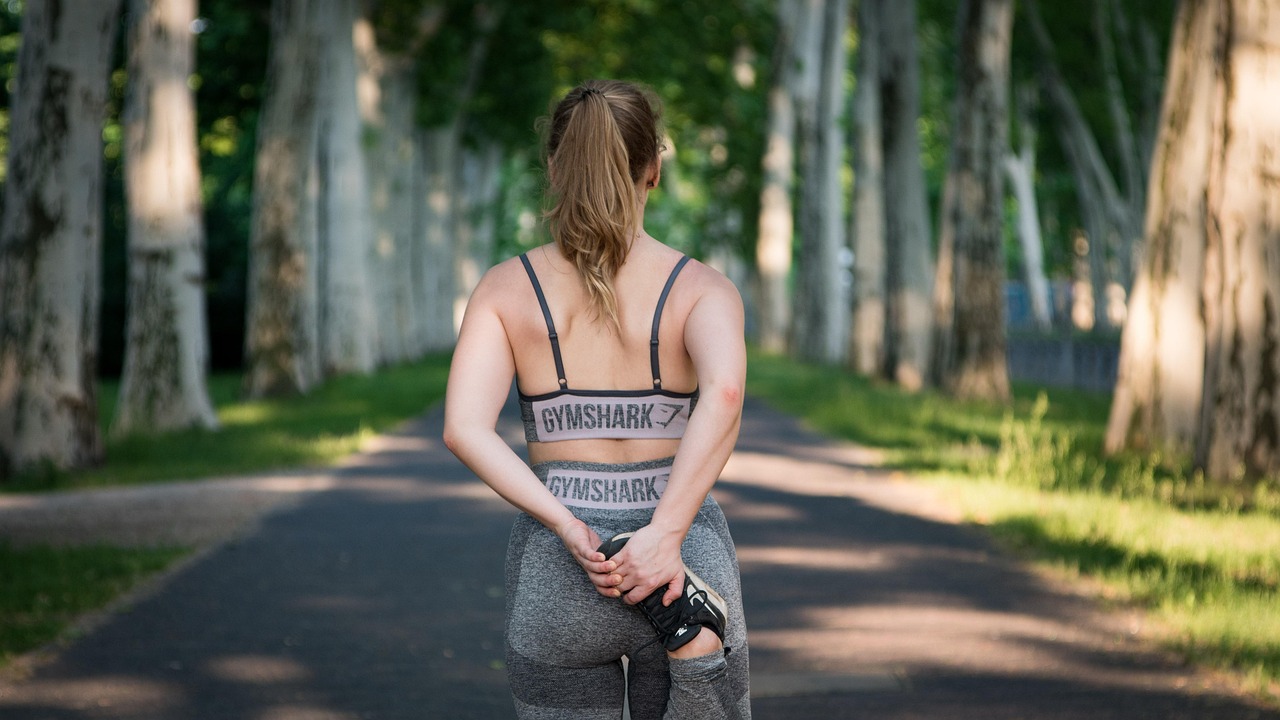
Nordic Hamstring Curl Form Tips
In diagrams depicting the Nordic Hamstring Curl, the exercise is typically illustrated with the individual positioned on their knees and a stable base such as a yoga mat or padded surface. The lower legs are often shown securely anchored at the ankles to a sturdy object like a heavy weight plate, barbell, or specially designed apparatus that prevents lower leg movement during execution. This setup is crucial for maintaining proper alignment and safety throughout the range of motion.
The diagram usually features the upper body in two distinct phases: the eccentric phase where the person lowers themselves slowly toward the floor and the concentric phase where resistance is used to return to the starting position. The athlete’s back remains neutral, with a slight arch maintained through the thoracic region but avoiding excessive curvature at the lumbar spine, which could place undue strain on the lower back.
The knees are prominently shown as the pivot point for movement, remaining in close proximity to the chest throughout the exercise. This ensures that the hamstrings bear the majority of the load rather than allowing other muscle groups or the lower back to compensate. The legs are often displayed in a slightly externally rotated position to optimize activation of the hamstring muscles.
The diagram may also show the progression from initial learning to advanced execution. Beginners might be shown with hands placed on their thighs or held behind their head for balance, while more experienced individuals are depicted performing the exercise without assistance, relying solely on hamstring strength. This visual evolution helps users understand the developmental stages of mastering the Nordic Hamstring Curl and sets realistic expectations for their own progress.
The representation of the feet in diagrams varies depending on whether a person is using additional support or attempting the exercise independently. For those needing extra stability, the diagram might show the ankles secured to an anchor point with straps or bands. Advanced practitioners are illustrated without such support, highlighting the full range of motion and independence required for proper execution.
Arrows in the diagrams often indicate the direction of movement, clearly showing both descent toward the floor and return to starting position. These directional indicators help users visualize the smooth, controlled nature of each repetition, crucial for maximizing muscle engagement and minimizing injury risk. The use of color coding can also be helpful, with warm colors highlighting active muscles like the hamstrings and cooler tones used to indicate areas needing protection or adjustment.
Some advanced diagrams might include additional anatomical details, such as cross-sections showing tendon attachment points or detailed views of muscle activation patterns. These visual aids are particularly useful for those interested in understanding the biomechanics behind each movement phase, providing a deeper appreciation of how the Nordic Hamstring Curl works at a physiological level.
Diagrams often incorporate text annotations to explain specific techniques or modifications for different body types or fitness levels. This information might include cues about foot positioning, grip width on the anchor point, or strategies for increasing difficulty as strength improves. The combination of visual representation and written instruction in these diagrams ensures a comprehensive learning experience for users at all stages of their hamstring development journey.
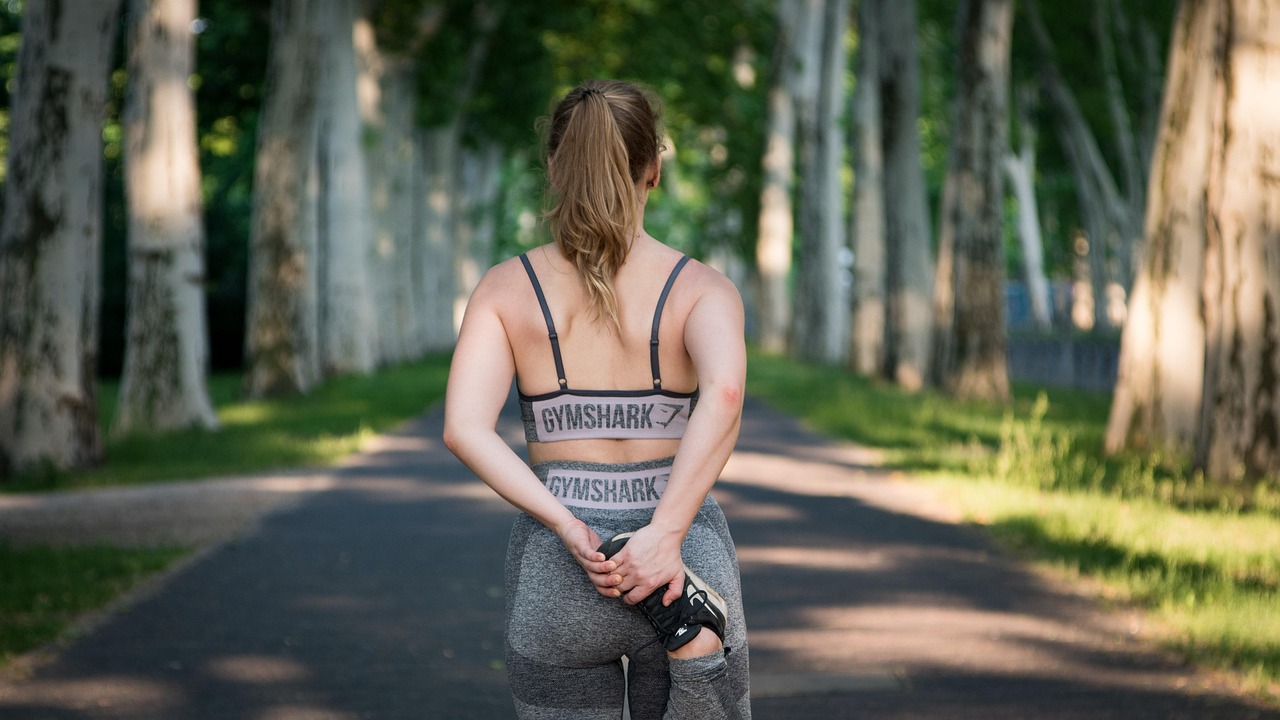
Spine-safe Nordic Hamstring Curl Guide
The Nordic Hamstring Curl is a specialized exercise designed to target the hamstring muscles while prioritizing spinal safety. Understanding the relationship between cause and effect in this curl is essential for maximizing its benefits and minimizing potential risks. The primary cause-and-effect dynamic in the Nordic Hamstring Curl revolves around the biomechanics of the movement, which directly influence muscle activation and spinal alignment.
When performing a Nordic Hamstring Curl, the initial cause is the positioning of the body, particularly the spine, to ensure neutral alignment. This involves maintaining a flat back with the hips elevated slightly above the knees, creating an inverted V-shape with the torso and thighs. The effect of this positioning is a reduction in spinal compression, which minimizes stress on the intervertebral discs and protects the lower back from excessive strain. This cause-and-effect relationship is critical for individuals with pre-existing spinal issues or those seeking to prevent future injuries.
The next causal factor is the engagement of the gluteus maximus and the hip adductors, which work synergistically to stabilize the pelvis during the curl. By activating these muscles, the effect is a transfer of force through the core, allowing for a more controlled and powerful execution of the curl. This stabilization prevents excessive forward leaning or arching of the spine, further safeguarding the lumbar region from injury.
The primary cause in the Nordic Hamstring Curl is the concentric action of the hamstrings as the knees are flexed toward the hips. The effect of this action is a targeted contraction of the hamstring muscles, particularly the biceps femoris, semitendinosus, and semimembranosus. This targeted activation promotes muscle hypertrophy and strength gains specifically in the hamstrings, which are crucial for activities such as walking, running, and jumping.
To these biomechanical relationships, proper breathing techniques play a role in the cause-and-effect dynamics of the Nordic Hamstring Curl. Inhaling during the eccentric phase and exhaling during the concentric phase creates an intrathoracic pressure that stabilizes the spine and enhances core engagement. This effect ensures that the movement is performed with optimal control and reduces the likelihood of compensatory movements that could compromise spinal integrity.
For beginners, understanding these cause-and-effect relationships is essential for developing proper form and technique. Incorrect execution, such as rounding the back or allowing the hips to sag, can negate the spine-safe benefits of the exercise. By focusing on the causes, proper alignment, muscle activation, and breathing, one can achieve the desired effects: a safe, effective hamstring workout that supports spinal health.

How to Do Nordic Hamstring Curls Correctly
The Nordic hamstring curl, a potent exercise for strengthening the hamstrings and improving hip hinge mechanics, often presents a technical challenge for beginners. The fundamental movement involves a slow, controlled descent from a standing position into a seated position, using primarily hamstring strength to control the body’s momentum. A key element is finding a good anchor point; typically this happens with two partners who hold the ankles or a slightly modified version utilizing a padded bar held firmly between the feet. The starting posture involves a slight bend in the knees to reduce initial hip stiffness and allow for optimal hamstring recruitment. Often, beginners tend to over-straighten at the top which increases the degree of difficulty considerably.
Proper execution emphasizes core stability throughout the movement pattern. A common mistake is letting the lower back arch or hips rotate during the descent, engaging the core helps maintain a relatively neutral spine and ensures that the hamstrings are doing most of the work. The ideal anchor point allows for comfortable, full hip flexion – allowing a nice stretch in the hamstrings at the bottom part of the movement. This can often be adjusted by having partners slightly vary their grip on the ankles. A good cue is to think about keeping the hips ‘under’ the shoulders throughout the descent and ascent.
For those new to the exercise, assisted versions are common and highly beneficial. Partners provide just enough upward pull to allow a controlled descent, gradually reducing assistance as hamstring strength increases. Another variation involves using a light band looped around the feet for a similar effect; this adds a bit of resistance at the top and encourages good hip engagement. The ascent requires significant hamstring effort – it’ and generally slower than the decent. Think about ‘pulling’ with your hamstrings to draw yourself back up to the starting position, keeping that core engaged to minimize lower back sway.
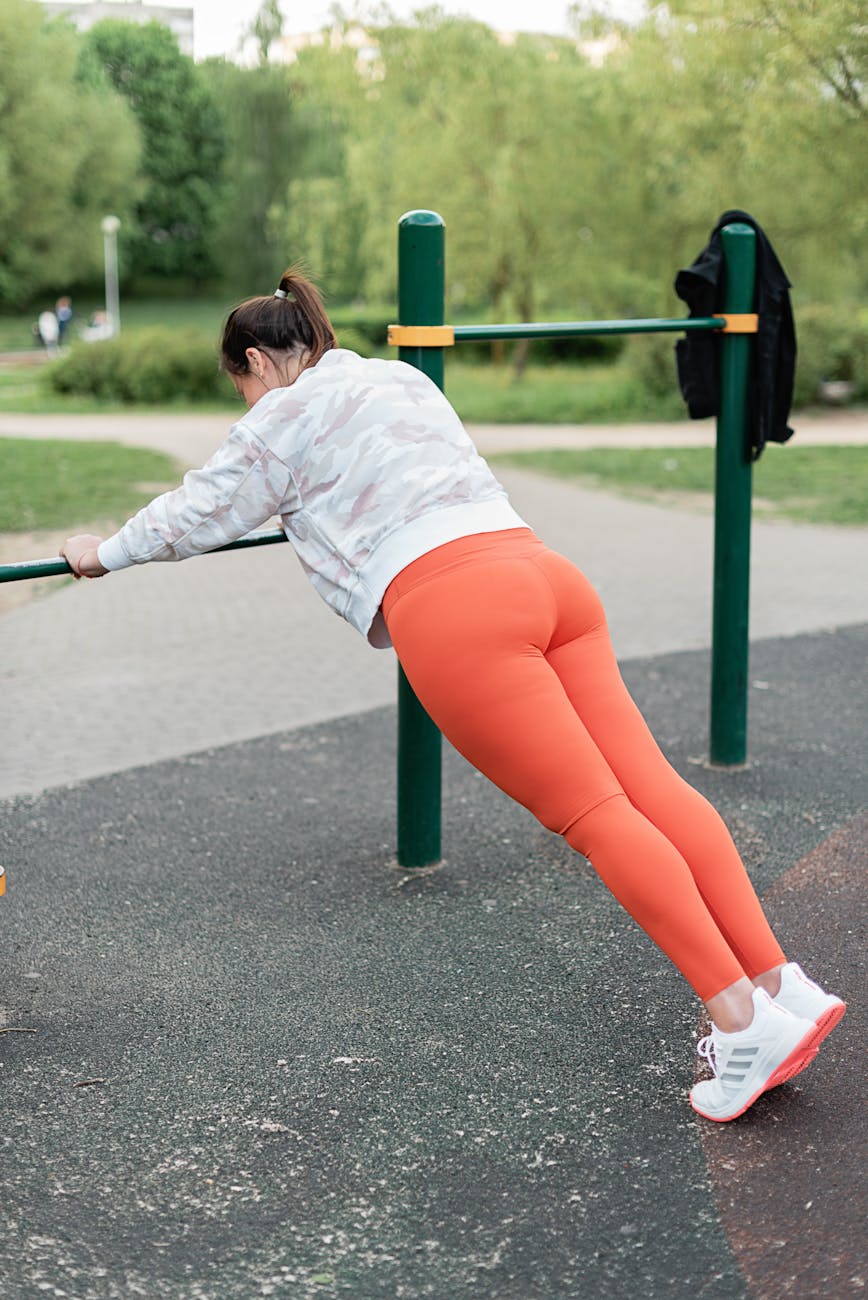
Good Hamstring Curl Variations Without Machine
The hamstring muscles, comprising the biceps femoris, semitendinosus, and semimembranosus, play a crucial role in knee flexion and hip extension. Understanding the most critical parameter for effective hamstring curls without machines is essential for maximizing strength gains and injury prevention. This parameter is the range of motion (ROM). The ROM refers to the full extent of movement through which a joint or muscle group can comfortably move. In hamstring curls, maintaining an appropriate ROM ensures that the targeted muscles are adequately stretched and contracted, leading to optimal hypertrophy and functional improvements.
To achieve the correct ROM in hamstring curls without machines, it is vital to focus on proper form and alignment. Begin by positioning yourself on a stable surface with your knees slightly bent and feet hip-width apart. Keep your back neutral, avoiding excessive arching or rounding of the spine, as this can compromise joint stability and increase the risk of injury. As you hinge forward at the hips, maintain control over your movement to ensure that your hamstrings are the primary movers. The ideal ROM involves bending the knees to a point where the torso is parallel to the ground or slightly below, depending on flexibility and mobility levels. This depth allows for maximal stretch of the hamstring muscles while preserving spinal integrity.
Another critical aspect of effective hamstring curls is the tempo of execution. Controlling the eccentric phase, the descent back to the starting position, is particularly important, as it places significant stress on the muscles and connective tissues. By slowing down the lowering movement, you enhance time under tension, which promotes muscle growth and strength development. Additionally, incorporating pauses at the bottom of the curl can further emphasize the hamstring activation and contribute to neuromuscular recruitment.
For beginners or individuals with limited flexibility, starting with a reduced ROM may be beneficial to build foundational strength before progressing to deeper curls. This approach allows for gradual adaptation to the exercise without compromising form or risking injury. As mobility improves, gradually increasing the ROM will challenge the hamstrings more effectively and stimulate further progression.
Incorporating variations such as single-leg curls or using resistance bands can also target the hamstrings while addressing imbalances and enhancing stability. These modifications require greater control and engagement of stabilizing muscles, contributing to a more comprehensive hamstring workout. However, it is essential to maintain proper alignment and ROM during these variations to ensure that the intended muscles are worked without overloading other joints or tissues.
