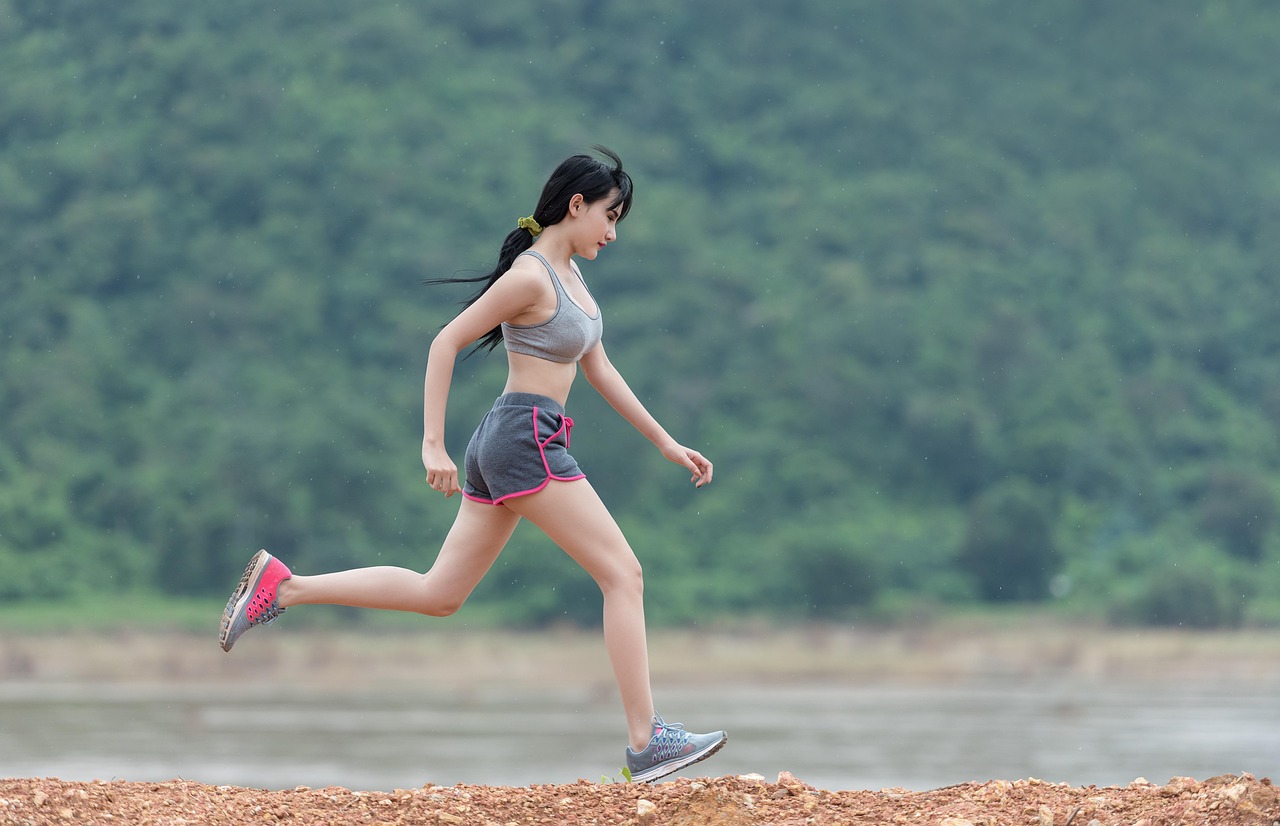
The glutes, comprising the gluteus maximus, medius, and minimus, play a crucial role in maintaining posture, stabilizing the pelvis, and enabling movements such as climbing stairs, walking, and running. To achieve toned legs, focusing on exercises that target these muscles is essential. One of the most effective ways to engage the glutes is through squats, which not only work the glutes but also the quadriceps and hamstrings. When performing a squat, maintaining proper form is vital; keeping the chest upright and the weight distributed evenly across the feet ensures that the glutes are activated optimally.
Another fundamental exercise for toning the legs is lunges, which can be performed forward, backward, or sideways to target different aspects of the glutes and surrounding muscles. By stepping forward with one leg and lowering the body until the front knee forms a 90-degree angle, the gluteus maximus is engaged as it works to stabilize the pelvis and drive the movement forward. Repeating this on the other side creates a balanced workout that enhances muscle tone and strength.
Bridges are another excellent exercise for toning the glutes, focusing primarily on the gluteus maximus and minimus while also engaging the lower back and hamstrings. Lying on the back with knees bent at a 90-degree angle and feet flat on the floor, lifting the hips toward the ceiling isolates the glutes, promoting muscle growth and firmness. Holding the position for a few seconds before slowly lowering back down increases the effectiveness of the exercise by placing sustained tension on the muscles.
Calf raises are often overlooked but are essential for achieving toned legs, as they engage the gastrocnemius and soleus muscles in the calves. Standing with feet hip-width apart, rising onto the toes and then slowly lowering back down works these muscles, improving both tone and endurance. This exercise can be performed with or without additional weight to increase difficulty over time.

Quick Workouts for Toned Legs
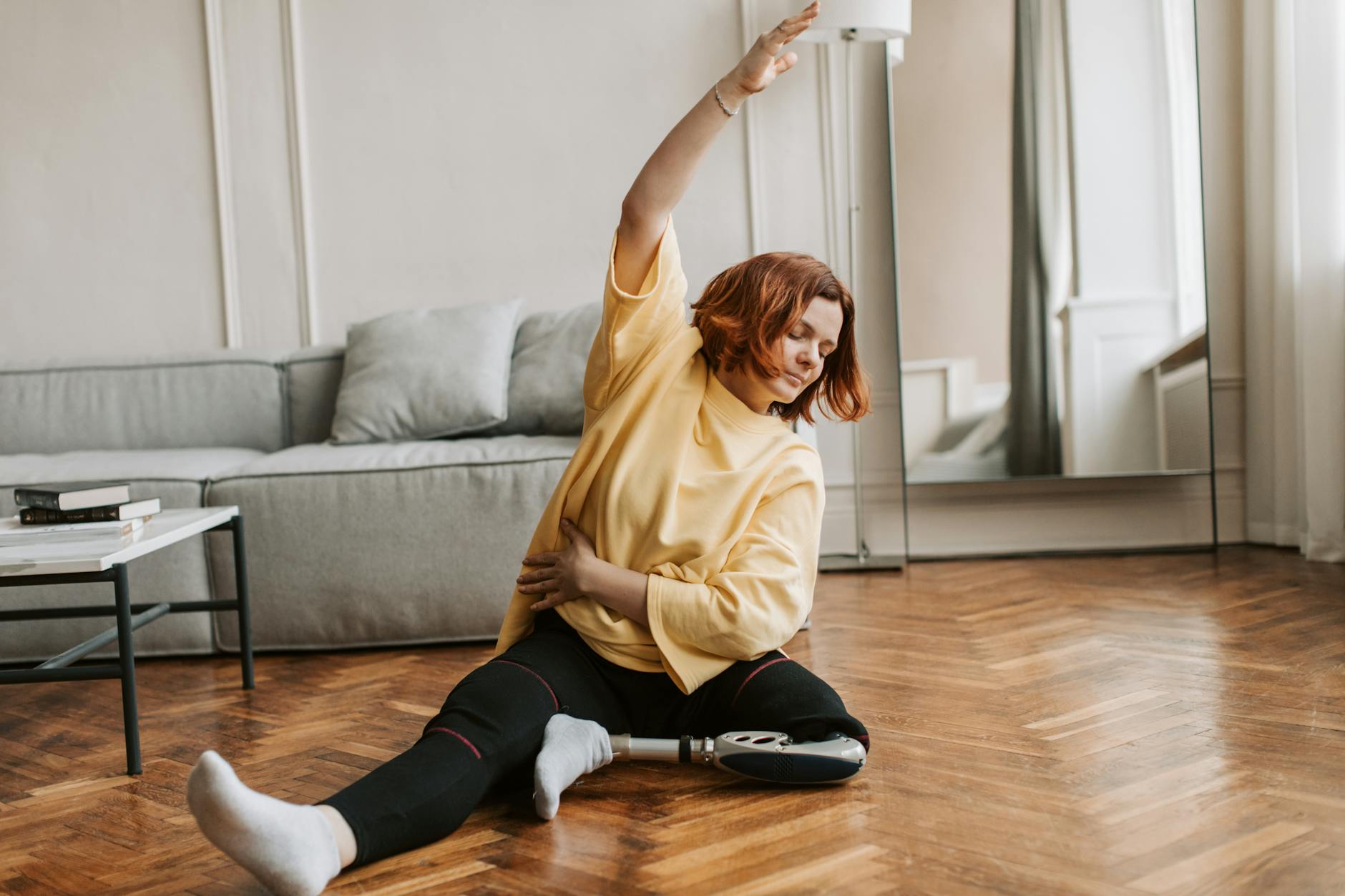
Strength training is fundamental for building muscle mass and enhancing leg tone. Squats are an excellent exercise that engage multiple muscle groups simultaneously. Begin by standing with feet shoulder-width apart, toes slightly angled outward. Lower your hips as if sitting back into a chair, keeping your chest upright and knees over your ankles. Pause at the bottom, then push through your heels to return to the starting position. Lunges are another effective exercise; step forward with one leg, bending both knees to form a 90-degree angle, then push off the front foot to stand upright. Repeat on the other side.
Hamstring curls target the back of your thighs. Lie face down on a bench or stability ball, lift your legs straight behind you, and slowly lower them until just before they touch the ground, then push up to complete the rep. Glutes are engaged through exercises like bridge lifts; lying on your back with knees bent, lift your hips toward the ceiling, squeezing your glutes at the top before lowering back down. Calf raises strengthen the lower leg muscles; stand behind a chair for support, rise onto your toes, then slowly lower back to the floor.
For beginners, start with two to three sessions per week, focusing on compound movements that engage multiple muscle groups. Progressively increase weight or resistance as strength improves. Proper form is critical to avoid strain and maximize results. Hydration, nutrition, and adequate rest are essential components for muscle recovery and growth. By consistently following a well-rounded exercise program, individuals can achieve toned legs, improved strength, and enhanced physical performance.
Leg Exercises for Beginners

Calf Raises: This simple yet effective exercise is crucial for building stronger calves. Stand on the edge of a step or elevated surface with your heels hanging off. Slowly raise yourself onto your tiptoes, then lower back down, focusing on the contraction in your calves. Perform 2-3 sets of 12-15 repetitions.
Bridges: This exercise primarily targets your glutes and hamstrings. Lie flat on your back with your knees bent and feet hip-width apart. Lift your hips off the ground, keeping your shoulders and head pressed into the floor. Squeeze your glutes at the top, then slowly lower yourself back down. Perform 2-3 sets of 10-15 repetitions.
Leg Presses: Using a leg press machine at the gym can be an excellent starting point for beginners seeking to target their legs and glutes. Sit in the machine with your feet hip-width apart on the footplate, knees at a 90-degree angle. Push the platform away from you by extending your legs, then slowly return to the starting position. Perform 2-3 sets of 8-12 repetitions.
As we strive for toned and shaped legs, it’s essential to consider our impact on the environment. One sustainable way to approach fitness is by reducing our carbon footprint through efficient transportation methods or choosing eco-friendly gyms that utilize renewable energy sources. Additionally, opting for bodyweight exercises like squats, bridges, and lunges instead of always relying on gym equipment can help minimize your environmental impact while still providing a comprehensive lower body workout.
Good Exercises for Toned Legs

A hybrid approach to toning legs that bridges beginner-level adaptability with advanced shaping techniques requires a strategic integration of fundamental exercises, progressive overload, and targeted muscle engagement. This method prioritizes foundational strength gains while progressively introducing complexity to sculpt the legs into defined contours. Central to this approach is understanding the interplay between endurance, hypertrophy, and functional mobility, ensuring both beginners and intermediate practitioners can advance safely without plateauing or risking injury.
As proficiency grows, integrating compound movements becomes crucial for shaping muscle definition. Romanian deadlifts (RDLs) target the posterior chain, hamstrings and glutes, while emphasizing hip hinging, a motion critical for daily activities and athletic performance. Single-leg RDLs further challenge balance and stability, stimulating unilateral growth that corrects imbalances common in beginners. Leg presses with partial range-of-motion reps allow hypertrophy progression without spinal compression risks. Beginners might start at 45 degrees to focus on the glutes and hamstrings before advancing to full extension, which enhances quadriceps recruitment.
The hybrid approach also incorporates isometric holds to enhance muscle tone. Wall sits, maintaining a seated position against a wall for 30-60 seconds, activate all quadriceps fibers and improve endurance. Pistol squats (single-leg deep squats) require extreme core stabilization and glute activation, offering a challenging progression from traditional lunges. Hip thrusts with bands around the thighs intensify glute engagement by adding resistance during eccentric contractions.
Flexibility and mobility work interwoven throughout the routine prevent adhesions that hinder muscle definition. Static holds of 30-60 seconds in positions like deep pigeon or seated hamstring stretches enhance joint range, allowing deeper squats or lunges without discomfort. Yoga poses such as warrior II and Tree Pose improve balance and proprioception, critical for advanced movements like single-leg deadlifts.
Nutritional support remains pivotal in this approach. Beginners require protein intake to repair microtears from workouts, while intermediates benefit from a higher calorie surplus to fuel muscle growth without excessive fat gain. A balanced diet rich in complex carbs (for energy), healthy fats (for hormone production), and micronutrients (e.g., magnesium for muscle function) ensures optimal recovery.
Rest periods between sessions must be tailored. Beginners thrive on 48-72 hours of recovery to adapt, while intermediates can tolerate shorter intervals with adequate protein intake. Progress tracking via measurements or progress photos helps adjust volume and intensity without overtraining. This hybrid model balances foundational strength with targeted hypertrophy, ensuring legs remain toned, functional, and aesthetically balanced as practitioners advance.
Best Leg Workouts for Women
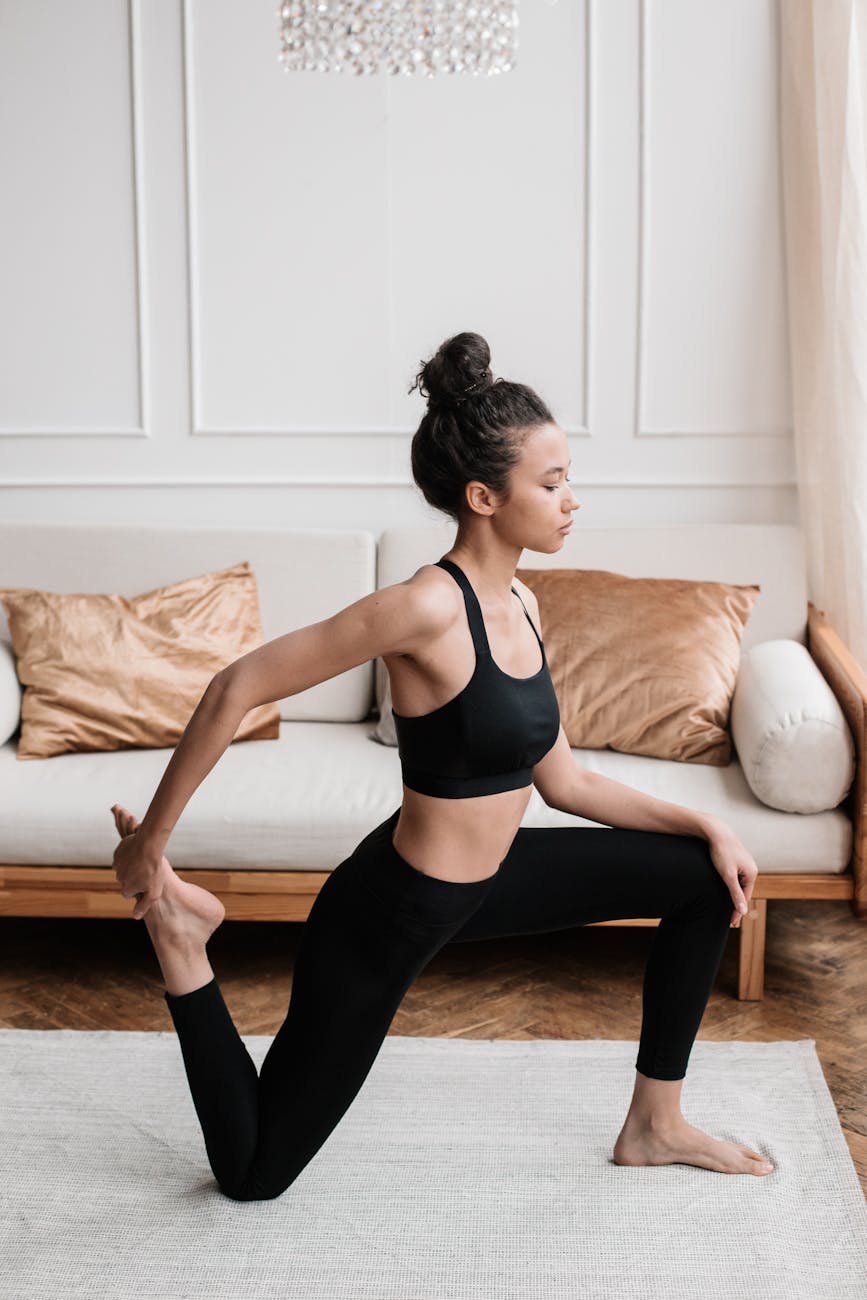
Leg workouts for women under extreme conditions require a meticulous approach to ensure safety, effectiveness, and adaptability. Understanding the unique physiological responses of women is crucial when designing these routines. Extreme conditions can refer to high-intensity environments, limited access to equipment, or specialized goals such as endurance training for sports like running or cycling. Women’s leg muscles, including the quadriceps, hamstrings, glutes, and calves, require targeted exercises that enhance strength, flexibility, and toning.
When resources are limited, bodyweight circuits become invaluable. A circuit combining jump squats, single-leg deadlifts, and calf raises can be performed in a short space, targeting all major leg muscles. This approach not only builds strength but also enhances cardiovascular endurance, which is vital for activities like running or hiking in challenging terrains. Incorporating plyometric exercises, such as box jumps, can improve explosive power and agility, attributes crucial for sports performance.
For women focusing on toning and shaping their legs, isolating specific muscle groups is necessary. Glute bridges and hip thrusts are excellent for sculpting the glutes, while calf raises and leg extensions target the lower leg muscles. Under extreme conditions, such as training outdoors in varying terrains, adjustments must be made to account for uneven surfaces or inclement weather. Modifying exercises like walking lunges on an incline or performing step-ups on a stable outdoor object can maintain effectiveness while adapting to the environment.
Hydration and nutrition play significant roles in extreme conditions. Proper hydration maintains muscle function and prevents cramping during intense workouts. A balanced diet rich in protein, carbohydrates, and healthy fats supports muscle repair and energy production. For women training under extreme circumstances, such as high altitudes or extreme temperatures, adjustments to nutrition and hydration plans are necessary to optimize performance and recovery.
Best Exercises for Toned Glutes
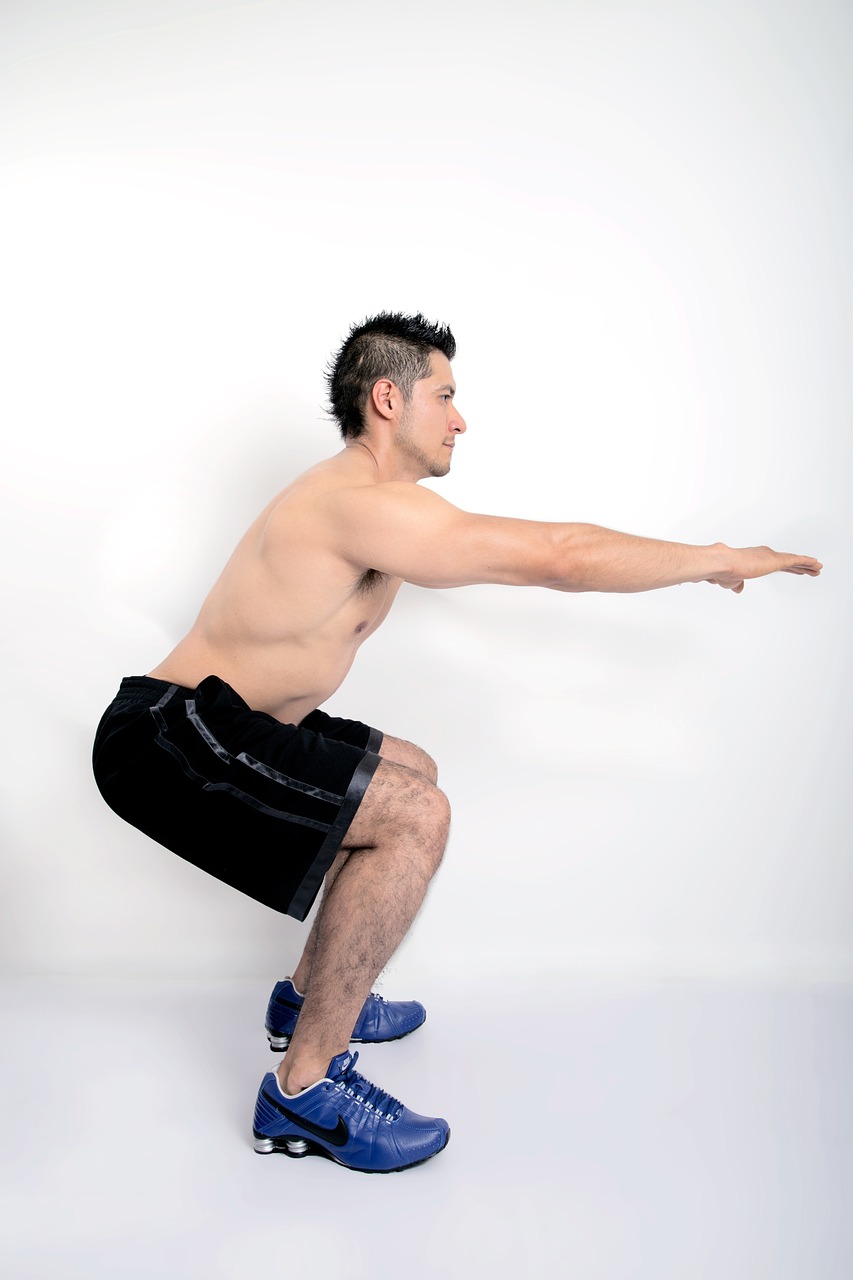
The glutes, the largest and most powerful muscles in the human body, play a crucial role in various movements such as walking, running, and even sitting. Strengthening these muscles not only enhances athletic performance but also contributes to a desirable shape and tone. Here are some effective exercises for beginners looking to target their glutes and achieve toned legs.
Squats are a fundamental exercise for strengthening the glutes. Stand with feet hip-width apart, toes pointing slightly outwards. Lower your body as if sitting in a chair, keeping your chest lifted and core engaged. Push through your heels to return to the starting position. Perform three sets of 12 repetitions.
Another effective exercise is the Bridge. Lie on your back with your knees bent and feet hip-width apart, close to your buttocks. Pressing into your heels, lift your hips off the ground, forming a straight line from shoulders to knees. Squeeze your glutes at the top of the movement before slowly lowering yourself back down. Aim for three sets of 15 repetitions.
Lunges are another excellent exercise for targeting the glutes. Begin with feet hip-width apart, taking a large step forward with one leg. Lower your body until both knees form 90-degree angles, keeping your front knee aligned over your toes. Push through your heel to return to the starting position and repeat on the opposite side. Complete three sets of 12 repetitions per leg.
Consider incorporating hip thrusts into your routine. Sit on the floor with a loaded barbell or a weighted plate across your hips. Keeping your back against the bench or wall, lift your hips upwards as if performing a bridge. Lower yourself down and repeat for three sets of 12-15 repetitions.
Beginners should start with bodyweight variations of these exercises before gradually incorporating resistance to challenge their muscles further. Remember that consistency and proper form are key components in seeing results, so be patient and dedicated to your glute workout routine. Additionally, always consult a fitness professional if you have any concerns or questions regarding these exercises.
Best Workouts for Toned Legs
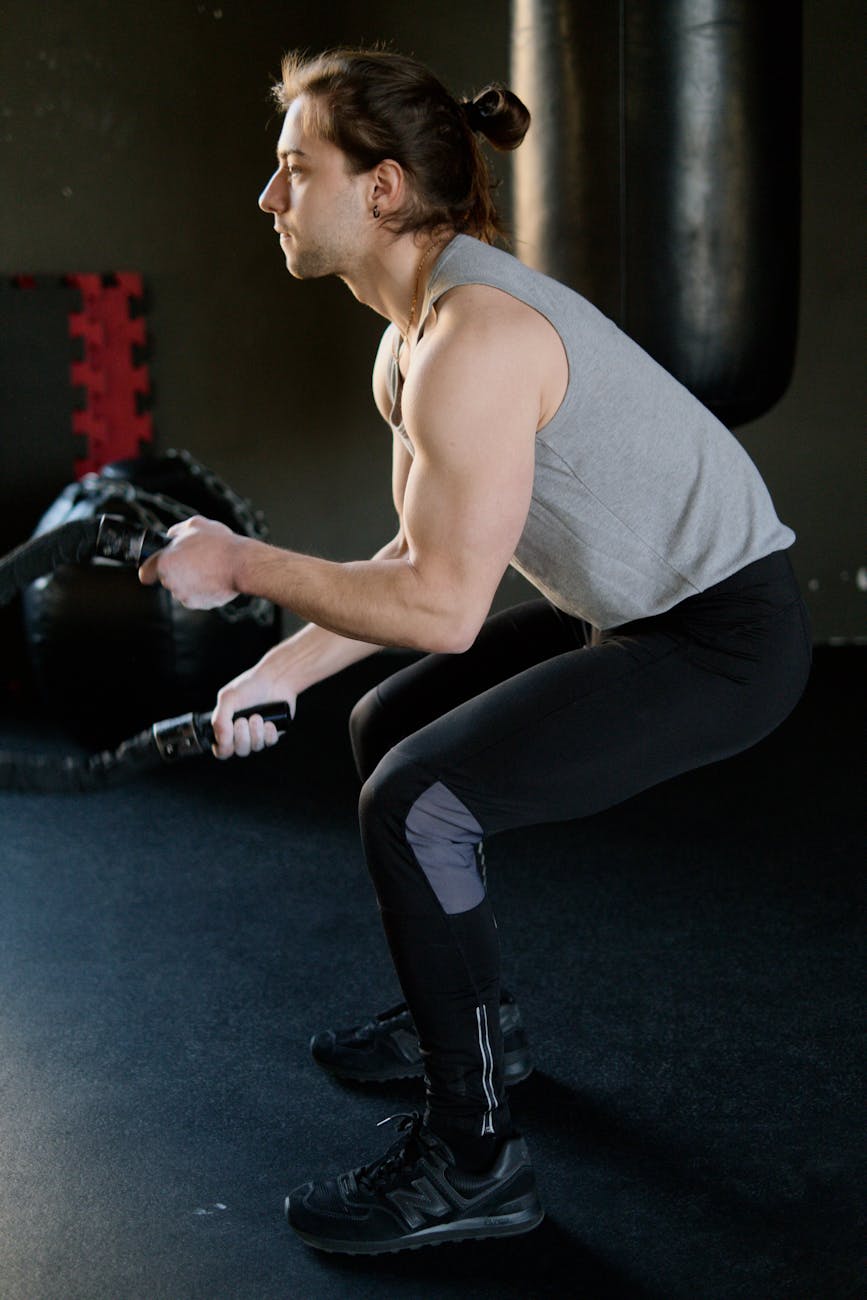
Building well-shaped legs requires a comprehensive approach, incorporating exercises that target the quadriceps, hamstrings, glutes, and calves. Beginners often benefit from starting with bodyweight exercises to build foundational strength before progressing to weighted variations. Squats are a cornerstone of leg workouts, engaging all major muscle groups; proper form involves maintaining a straight back and core engagement while pushing hips back as if sitting in a chair. Lunges, whether forward, reverse, or lateral, add another dimension by targeting the glutes and hamstrings effectively, improving balance and coordination along the way. Glute bridges are excellent for isolating the glutes, commonly benefiting from 3 sets of 12-15 repetitions, often performed with a tempo of two seconds up and three seconds down to maximize time under tension.
Intermediate and advanced exercisers can incorporate compound exercises like barbell squats and hip thrusts to increase the load and stimulate greater muscle hypertrophy. Hip thrusts are often considered a superior glute builder, allowing for heavier weight than standard squats while emphasizing the posterior chain. Glutes generally respond well to higher rep ranges (8-12) with moderate weight or lower reps (6-8) with heavier weight; consistency over “spotting” days is key here. Goblet squats, performed by holding a dumbbell or kettlebell close to the chest, are another good option for building strength and improving squat depth.
Variety helps prevent plateaus and keeps workouts engaging. Consider incorporating plyometric exercises like jump squats or box jumps to build explosive power in the legs. These can also improve cardiovascular fitness. Single-leg variations of many exercises, such as single-leg squats or lunges, challenge balance and coordination while increasing the load on each leg individually. A well-rounded leg workout typically lasts between 45-60 minutes, allowing adequate time for warm-up, exercise sets, and a cool down. Consistency is vital; aiming for two to three leg workouts per week generally yields good results, with rest days allowing muscles to recover and rebuild. For noticeable toning effects, consistent effort over several weeks or months is often needed.

Toned Legs Exercises at Home
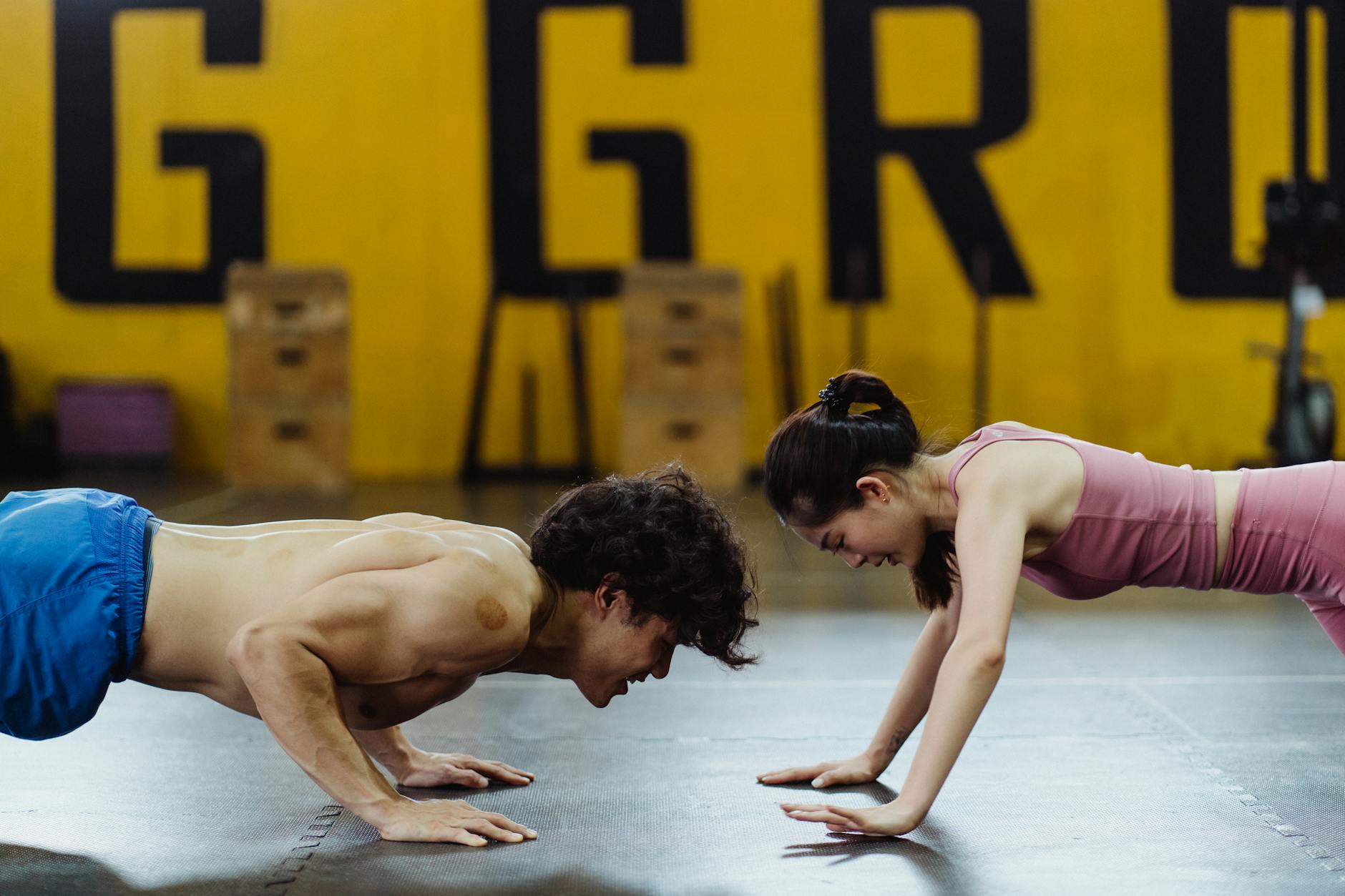
Achieving toned legs involves a combination of targeted exercises, consistent training, and proper nutrition. The primary muscles in the legs include the quadriceps (front thighs), hamstrings (back thighs), glutes (buttocks), calves, and inner/outer thighs. To effectively tone these areas at home, focus on compound movements that engage multiple muscle groups simultaneously alongside isolation exercises for specific targets. Squats, lunges, leg presses, calf raises, and glute bridges are foundational exercises that build strength and definition. Incorporating resistance bands or household items like water bottles as weights can enhance intensity and progression. For beginners, starting with bodyweight exercises and gradually incorporating light external loads is crucial to building muscle without overtaxing the joints. A balanced approach includes two to three workout days per week, allowing muscles time to recover and grow. Nutritional support, particularly adequate protein intake, aids in muscle repair and maintenance. Consistency and patience are key, as visible toning requires time and dedication to the training regimen.
Best Exercises for a Nice Leg Shape
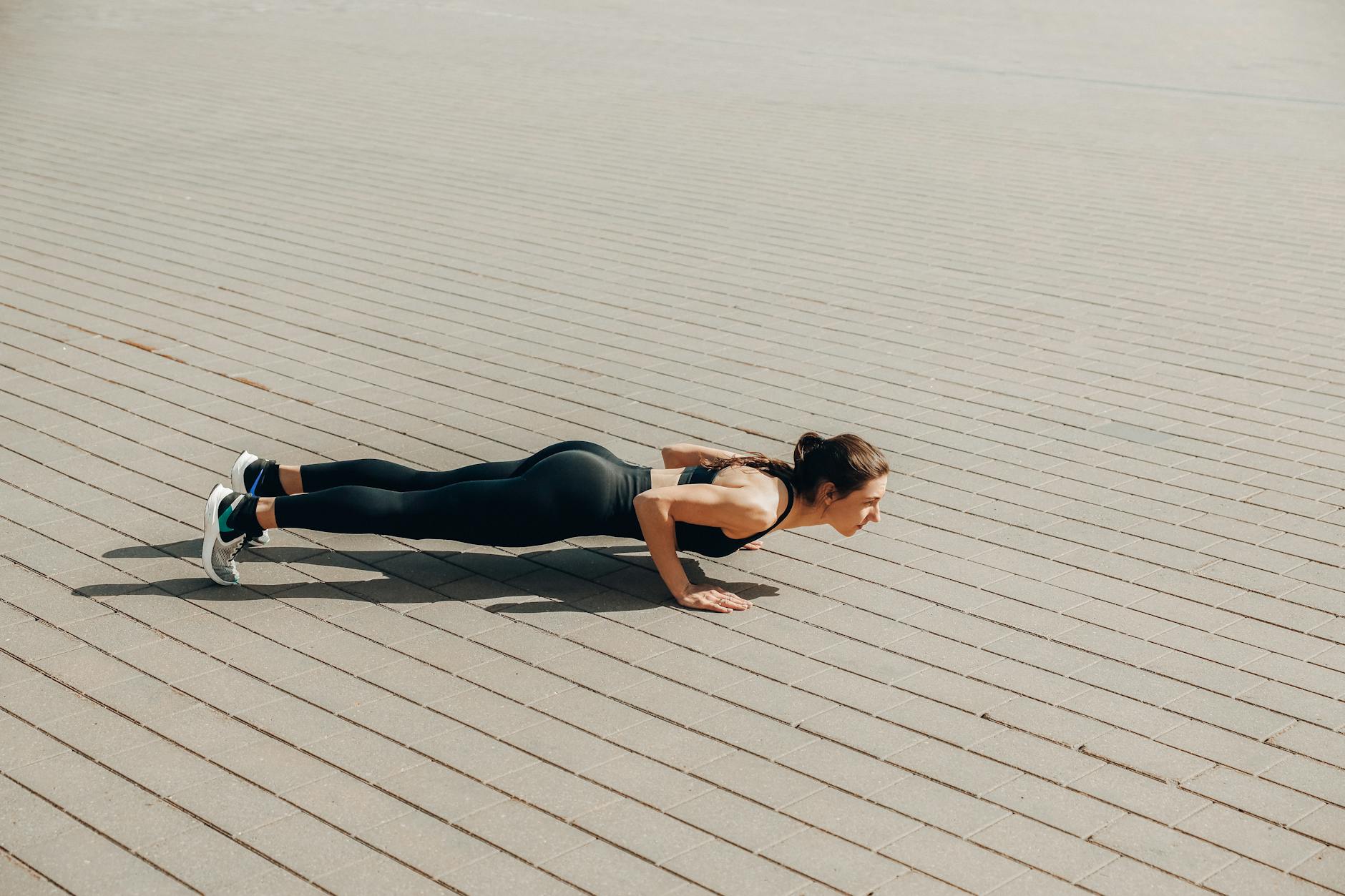
Incorporating calf raises into your routine is vital for achieving a well-proportioned leg shape, as they focus on the lower leg muscles often overlooked in full-body workouts. For those looking to refine their glutes, hip thrusts are an excellent choice, effectively isolating and strengthening this muscle group. Adding exercises like leg curls and leg extensions can help build muscle mass in the quads and hamstrings, respectively, contributing to a more defined leg contour. It’s important to note that integrating these exercises into a broader workout routine is essential for balancing muscle development across the body.
When designing a leg-focused workout, consider alternating between compound and isolation exercises to stimulate different muscle fibers and prevent overtraining. Incorporating cardiovascular activities such as running or cycling can enhance leg endurance and contribute to a slimmer appearance by burning fat. However, it’s crucial to maintain a balanced approach, ensuring that strength training is prioritized for toning and shaping rather than solely focusing on calorie expenditure. Rest and recovery are equally important in achieving the desired leg shape; allowing muscles time to repair and grow ensures long-term progress and minimizes the risk of injury.
For beginners, starting with two to three leg workout sessions per week is sufficient, gradually increasing frequency as strength and endurance improve. Progressive overload, gradually increasing the weight or resistance used in exercises, is key to continuous development and achieving a more defined leg shape. It’s also beneficial to vary the intensity and type of exercises to keep the muscles challenged and prevent plateaus. Remember that genetics play a role in leg shape, but consistent, targeted training can significantly influence muscle tone and definition. By focusing on proper technique, gradual progression, and a balanced approach to fitness, individuals can achieve a nicely shaped and functional lower body.
Best Leg Day Exercises for Massive Quads

To compound lifts, isolation exercises can be integrated into a leg day routine to specifically target the quads for hypertrophy and definition. Leg presses, particularly the seated and inclined variations, allow for high volume and progressive overload, stimulating muscle growth. Leg extensions, performed on machines or with resistance bands, focus on the quads’ rectus femoris and vastus intermedius while minimizing strain on the knees. Including a mix of compound and isolation exercises ensures that all quad muscle heads are adequately challenged, leading to comprehensive development.
Proper technique and progressive overload are critical components of an effective leg workout regimen. Ensuring proper form during each exercise not only prevents injury but also maximizes muscle activation. Gradually increasing the weight or resistance used in workouts stimulates muscle adaptation and growth. It is also essential to incorporate adequate rest periods, allowing muscles to recover and grow between training sessions. A well-structured leg day routine, combined with a balanced diet rich in protein and carbohydrates, supports optimal muscle repair and hypertrophy.
Best Single-Leg Exercises for Balance & Size
The gluteal muscles, specifically the gluteus maximus, are the largest and most powerful muscles in the body. They extend, abduct, and externally rotate the hip joint, making them crucial for various daily activities, including climbing stairs, sitting down and standing up from a chair, and walking. Incorporating single-leg exercises into your routine can help strengthen these muscles, leading to better balance, improved posture, and a toned, shapely lower body.
One essential factor that significantly impacts glutes performance is hip mobility. Limited hip mobility can hinder the ability to effectively engage the glutes during exercises, ultimately reducing their potential benefits. Regularly incorporating stretches for the hip flexors, such as the pigeon pose and the butterfly stretch, can help improve hip flexibility and allow for better glute activation during workouts.
Bulgarian Split Squat: Begin by standing in front of a bench or chair with one foot placed firmly on it and the other foot forward, about 2 to 3 feet away. Lower your hips until both knees form 90-degree angles. Push yourself back up, repeating for desired reps before switching legs.
Single-Leg Deadlift: Stand straight with feet hip-width apart, then lift one leg off the ground behind you. Keeping a slight bend in the standing leg’s knee, hinge forward at the hips while extending the raised leg backward. Return to standing position and repeat for desired reps before switching legs.
Calf Raise with Knee Lift: Stand on the edge of a step with your heels hanging off the edge, feet hip-width apart. Lift one knee up as you raise up onto your tiptoes. Lower back down and repeat before performing the same movement on the other leg.
Glute Bridge: Lie faceup on the ground with knees bent and feet hip-distance apart. Pressing through your heels, lift your hips off the ground while keeping your shoulders flat against the floor. Hold for a brief moment before lowering back down to the starting position.
Single-Leg Hip Thrust: Sit on the edge of a bench with one leg extended out in front of you and the other leg bent at the knee, resting on the ground behind you. Position your shoulders against the bench’s edge and place your hands behind your head or on your chest. Engage your core, then push through your heels to lift your hips off the bench while keeping the extended leg off the ground. Lower back down and repeat for desired reps before switching legs.
