
Tennis elbow, medically known as lateral epicondylitis, is a common overuse injury affecting the outer elbow. It results from repeated strain or microtrauma to the tendons that connect the forearm muscles to the elbow bone. For individuals unable to attend physical therapy sessions or access professional tennis courts, home workouts can offer effective relief and prevention methods. In this context, we will discuss five evidence-supported exercises that target the affected area and incorporate environmental sustainability aspects.
Firstly, Forearm Flexor and Extensor Stretches are essential for enhancing the flexibility of the forearm muscles and promoting a balanced elbow condition. Sit on a chair with your affected arm extended in front of you, resting your hand on a wall or a resistance band. For the flexor stretch, gently pull the wrist backward until you feel a comfortable stretch in the anterior forearm muscles. Hold for 15-30 seconds and repeat twice. Reverse the position to perform the extensor stretch, extending your wrist backward against a resistance band or your hand on the wall. Perform two sets of ten repetitions daily.
Wrist Curls with a Sustainable Water Bottle can help strengthen the forearm muscles and contribute to tennis elbow recovery. Fill a reusable water bottle halfway with water and position it on the edge of a table or your lap. Using your affected hand, perform wrist curls by extending and flexing your wrist over the bottle’s edge. Perform two sets of ten repetitions daily for each wrist.
Reverse Wrist Extensions can be performed using a sustainable resistance band to enhance elbow extension strength. Sit on a chair with the affected arm extended out in front of you, holding one end of the resistance band with your hand. Loop the other end around a stable object and slowly extend your wrist backward while keeping your forearm still. Perform two sets of ten repetitions daily for each wrist.
Fourthly, Isometric Wrist Curls can help reduce tension in the affected area and improve grip strength using household items. Place a hand towel or a small, sustainable weight (e.g., a water bottle filled with sand) in your hand and squeeze it tightly for ten seconds. Relax and repeat the process eight more times. Perform two sets daily for each hand.
Wrist Rotations can be performed using a sustainably sourced or repurposed item like an old tennis ball or a scarf. Sit on a chair with your affected arm extended out in front of you and hold the object between your hands. Perform ten full rotations in each direction (clockwise and counterclockwise) to help improve wrist mobility and reduce stiffness.
Incorporating these exercises into a daily routine can significantly contribute to tennis elbow prevention and recovery. Moreover, using sustainable and eco-friendly items in place of traditional gym equipment or therapy tools offers an additional environmental benefit. Always consult with your healthcare professional before beginning any new exercise program.

Top Exercises for Tennis Elbow Recovery

Tennis elbow, medically known as lateral epicondylitis, is a common condition that affects the forearm and elbow, often due to repetitive motions like those in tennis or other overhead activities. Effective recovery from tennis elbow involves a combination of rest, proper ergonomics, and targeted exercises designed to alleviate pain, restore range of motion, and strengthen the affected muscles. Stretches play a crucial role in this process by improving flexibility, reducing muscle tension, and enhancing blood flow to the injured area.
In the context of tennis elbow recovery, stretches are integral to a comprehensive rehabilitation plan. They help maintain or regain the full range of motion in the elbow and forearm, which is often limited due to pain and inflammation. Flexibility exercises also promote relaxation of the affected muscles, such as the extensor muscles of the forearm, reducing discomfort and preventing secondary issues like muscle imbalances. Moreover, stretches facilitate better neuromuscular coordination, enabling patients to gradually return to their sport or activities with improved biomechanics.
One key stretch for tennis elbow recovery is the forearm flexor stretch. This involves extending the affected arm in front of you, palm down, and gently pulling the fingers toward the wrist using the opposite hand until a stretch is felt in the forearm. Holding this position for 15-30 seconds and repeating it several times can alleviate tension in the flexor muscles, which may be compressed or overworked during repetitive motions.
Another essential stretch is the wrist extensors stretch, performed by extending the affected hand as if pouring water from a cup, resisting with the opposite hand to increase the stretch in the forearm extensors. This stretch targets the muscles responsible for wrist extension, which are often implicated in tennis elbow due to repetitive strain. Holding this stretch for 15-30 seconds and performing it multiple times can enhance flexibility and reduce pain.
To static stretches, dynamic stretches like wrist circles and forearm rotations can enhance recovery by gently mobilizing the joints and promoting blood flow. These movements should be performed slowly and carefully to avoid exacerbating pain. Incorporating these stretches into a daily routine can help maintain flexibility, support muscle healing, and prevent the recurrence of symptoms.
Stretching should ideally be combined with other therapeutic modalities such as ice therapy, compression, elevation (ICE protocol), and low-impact exercises to optimize recovery from tennis elbow. It is crucial to consult with a healthcare professional or physical therapist to tailor a stretching regimen that aligns with the individual’s condition and progression in rehabilitation. By integrating stretches into a holistic approach, patients can effectively manage tennis elbow, accelerate recovery, and return to their activities with improved functionality and reduced risk of reinjury.
Exercises to Fix Tennis Elbow
Tennis elbow, medically known as lateral epicondylitis, is a common overuse injury affecting the forearm and elbow region. It occurs due to repetitive gripping and wrist movements, which strain the tendons attaching to the lateral epicondyle of the humerus. Effective rehabilitation through targeted exercises can alleviate pain, restore function, and prevent future injuries. A key factor influencing tennis performance is the strength and flexibility of the forearm muscles, particularly the extensor carpi radialis brevis, which plays a crucial role in stabilizing the elbow during overhead strokes like serves and volleys.
To address tennis elbow, a focused exercise regimen should incorporate strengthening, stretching, and neuromuscular re-education. Isometric forearm exercises are foundational, as they promote muscle activation without placing undue stress on the inflamed tendons. Holding a static grip against resistance for 5-10 seconds, followed by a 30-second rest, can gradually increase forearm strength over time. Progressive resistance bands or light weights can be used to enhance challenge as symptoms improve.
Eccentric exercises are equally vital in managing lateral epicondylitis, as they stimulate collagen synthesis and tendon healing. Controlled, slow-motion wrist extensions with resistance bands or light dumbbells help recondition the affected muscles and tendons. Performing 10-15 repetitions at a controlled pace, with a focus on technique rather than speed, can reduce inflammation and improve elasticity. Pairing eccentric exercises with isometric holds ensures a balanced approach to muscle development.
To targeted exercises, neuromuscular re-education plays a critical role in preventing re-injury. Drills focusing on proper grip, swing mechanics, and weight transfer can optimize movement patterns and reduce strain on the elbow. Working with a sports medicine professional or certified trainer ensures that technique is corrected and individualized programs are tailored to specific playing styles.
Recovery strategies complement exercise regimens by facilitating healing and reducing inflammation. Ice therapy applied immediately post-injury, followed by gentle heat and massage, can alleviate discomfort. Compression sleeves or bracewear may provide additional support during high-intensity activities. Adequate rest and activity modification, such as switching to a softer racket string tension, are also crucial in managing symptoms and promoting recovery.
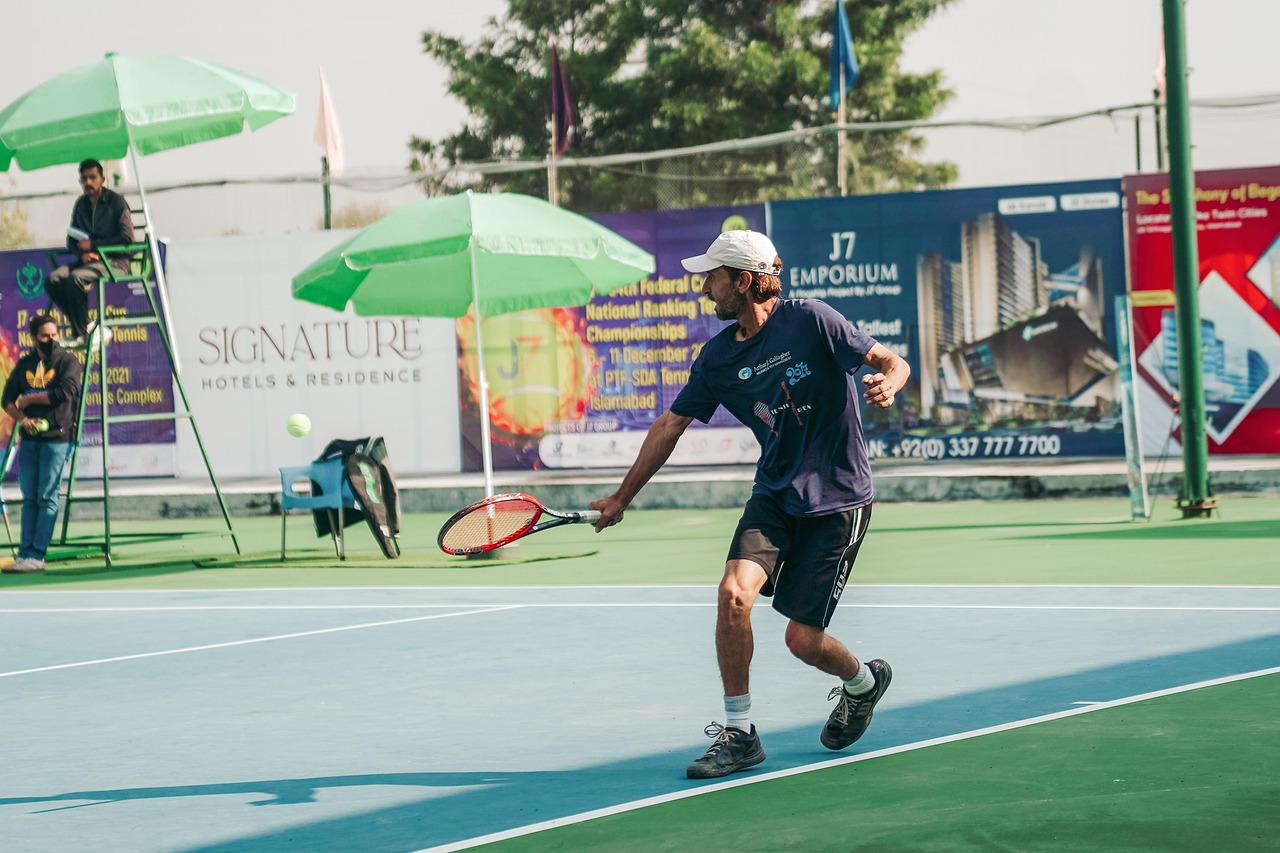
Tennis Player Workout Routine
The risk of infection also increases when the body is not given adequate rest to mount an effective immune response. Overtraining weakens the immune system, making players more susceptible to illnesses that can sideline them from practice or competition. This downtime due to illness further delays recovery efforts and perpetuates a cycle of poor performance and increased risk of injury.
Easy Exercises for Tennis Elbow


Tennis elbow, also known as lateral epicondylitis, is a common overuse injury among tennis players and others who repeatedly engage their forearms in forceful, twisting motions. The condition causes pain and inflammation on the outer elbow, making everyday activities such as shaking hands or lifting objects challenging. To alleviate symptoms and promote healing, incorporating specific exercises into your daily routine can be effective.
The primary goal of exercises for tennis elbow is to improve forearm strength, flexibility, and range of motion while reducing pain. These movements stimulate the production of synovial fluid in the affected area, which helps lubricate the tendons and reduce friction. Moreover, stronger muscles better support the elbow joint, preventing further injury.
One effective exercise is the Wrist Extension with a Light Weight. Sit at a table with your affected arm resting on it, and hold a light dumbbell (starting weight: 1-2 lbs) in your hand. Keeping your upper arm still, lift the weight by extending your wrist as high as comfortable. Lower slowly to complete one repetition, then perform 3 sets of 10-15 reps daily.
Another beneficial exercise is the Wrist Flexor Stretch. Sit at a table and place your forearms on it, with your palms facing down and fingers hanging over the edge. Bend forward from the hips while keeping your arms straight, allowing your head to rest below the table. Hold this position for 15-30 seconds before returning to an upright position. Repeat 2-3 times daily.
The Forearm Supinator with a Medium Ball is an excellent exercise for improving forearm rotational strength and reducing tennis elbow symptoms. Sit on a chair with a medium-sized ball (a tennis ball or larger) in your hand. Extend your arm in front of you, keeping it straight. Rotate your forearm so that the back of your hand faces up, then roll the ball along the length of your forearm, applying gentle pressure. Perform 3 sets of 10-15 reps daily on each forearm.
These exercises should be performed consistently for optimal results. It is essential to remember that recovery from tennis elbow takes time, so be patient with the healing process. If pain persists or worsens, consult a healthcare professional for further evaluation and treatment options.
Effective Exercises for Tennis Elbow

Tennis elbow, medically known as lateral epicondylitis, is an overuse injury characterized by pain and inflammation on the outer side of the elbow. It primarily affects individuals who engage in repetitive motions involving the forearm, such as tennis players or those performing tasks requiring gripping and twisting. Effective exercises for managing tennis elbow focus on strengthening the muscles surrounding the elbow joint, particularly the extensor muscles of the forearm, while also addressing flexibility and posture to alleviate stress on the affected area.
The feedback loops inherent in exercises play a crucial role in the management and recovery from tennis elbow. These cycles involve the interplay between muscle activation, joint mechanics, and neural adaptation. When an individual performs specific strengthening exercises, such as wrist extensions or finger curls, the muscles are subjected to controlled loading, which stimulates muscle hypertrophy and increased strength. This process is facilitated by the nervous system’s ability to recruit more muscle fibers and enhance neuromuscular coordination over time, a phenomenon known as neural adaptation.
Concurrently, improved muscle strength leads to better joint stability, reducing excessive strain on the lateral epicondyle and surrounding tissues. This mechanical adjustment alters the feedback loop by decreasing pain signals originating from the inflamed area, thereby promoting a more favorable environment for healing. Additionally, flexibility exercises targeting the forearm and upper arm muscles help maintain or restore optimal range of motion, which is essential for maintaining proper biomechanics during activities that may exacerbate tennis elbow.
Workouts for Elbow Pain Relief
Recovery evaluation in the context of elbow pain relief is crucial to ensure that exercises are effective and do not exacerbate existing conditions. The process typically involves a combination of subjective and objective measures, both of which provide valuable insights into an individual’s progress and response to targeted workouts. Subjectively, individuals often assess recovery through self-reported pain levels, functional capacity, and comfort during daily activities. Commonly used tools for this purpose include the Visual Analog Scale (VAS) or Numerical Rating Scale (NRS), which allow individuals to rate their pain on a scale from 0 to 10, with 0 indicating no pain and 10 representing severe pain. Additionally, self-assessment of range of motion, grip strength, and the ability to perform specific tasks without discomfort can offer insights into recovery progress.
Incorporating wearable technology has also become increasingly popular in evaluating recovery. Devices such as activity trackers and smartwatches can monitor physical activity levels, sleep quality, and other biometrics that indirectly reflect the body’s recovery process. These devices provide continuous data, allowing for real-time adjustments to exercise routines if necessary. Additionally, bioelectrical impedance analysis (BIA) can be used to assess changes in body composition, which may influence recovery outcomes by indicating improvements in muscle mass or reductions in inflammation.
To ensure the effectiveness of recovery evaluation, it is essential to maintain consistent records and compare data across different time periods. This longitudinal approach allows for the identification of trends and patterns that can inform modifications to exercise routines. Healthcare providers often work collaboratively with physical therapists and fitness experts to integrate these evaluative tools into comprehensive rehabilitation plans. By combining subjective feedback with objective measurements, individuals can tailor their workouts to optimize elbow pain relief while minimizing the risk of re-injury or setbacks in recovery. Regular reassessment is key to adapting exercise programs as needed, ensuring that they remain aligned with the individual’s evolving needs and goals throughout the recovery process.

Good Tennis Elbow Exercises and Stretches
A common starting point for tennis elbow stretches involves wrist flexor stretches which can help balance out the generally tight extensor muscles. These might involve extending the arm forward, palm facing up, and gently pulling the hand back towards the body using the opposite hand, feeling a stretch on the underside of the forearm. Variations include incorporating slight rotations of the forearm during the pull to target different parts of the flexor muscle group. Another useful stretch targets the wrist extensor muscles themselves; here, the arm is extended forward, palm facing down, and the hand is gently pressed back towards the elbow, feeling a good stretch on the top of the forearm.
Strengthening exercises often build upon flexibility gains to provide stability and endurance for everyday activities. Eccentric exercises are particularly valuable because they emphasize the lengthening phase of muscle contraction – a common weakness in tennis elbow sufferers. A classic example involves grasping a light dumbbell or soup can with the palm facing down, then slowly letting the hand lower towards the floor, controlling the movement with just the wrist and forearm muscles. This slow, controlled descent really targets those often-weakened extensor muscles.
Grip strengthening also forms a core component of many routines. Using a stress ball or hand grip strengthener allows for good control over resistance, particularly useful when returning to activity after a period of rest. Finger extensions – using a rubber band placed around the thumb and fingers – can help improve wrist stability and fine motor control. These exercises are often relatively low impact and great for building baseline strength without too much strain on the elbow joint itself.
The Best Exercises for Tennis Elbow

When a routine designed to address tennis elbow fails or goes wrong, several adverse consequences can arise. Initially, inadequate progression in the exercise regimen can lead to persistent pain and inflammation, as the body may not receive sufficient stimulus to heal and strengthen the affected tissues. This lack of progressive overload often results in plateauing symptoms, where pain levels do not improve over time despite continued efforts. Insufficient loading of the tendon tissue due to overly conservative exercises or failure to increase intensity can exacerbate the condition rather than alleviate it, causing further deterioration of tendon integrity and increasing the risk of chronic pathology.
Inappropriate choice or combination of exercises can also contribute to setbacks in a tennis elbow workout routine. Some individuals may focus solely on strengthening exercises while neglecting flexibility and mobility work, leading to restricted range of motion and increased stiffness around the elbow joint. Conversely, overly aggressive stretching routines without proper warm-up can cause acute pain and microtears in already inflamed tissues. A balanced approach incorporating both strengthening and flexibility components is essential for addressing the multifaceted nature of tennis elbow pathology.
Lack of individualized adaptation in an exercise routine is a significant oversight that often leads to setbacks. A one-size-fits-all approach may not account for variations in injury severity, anatomical differences, or specific functional demands placed on the affected limb. Without tailored modifications, exercises may either be too demanding or insufficiently challenging, both of which can hinder recovery and prolong symptoms.

Great Workout Routine for Tennis Elbow

Tennis elbow, medically known as lateral epicondylitis, is a common condition affecting the tendons and muscles around the lateral epicondyle of the humerus bone in the elbow. It often results from repetitive motions such as those performed during tennis or other activities involving gripping and twisting. An effective workout routine for managing and preventing tennis elbow focuses on strengthening the forearm muscles, particularly the extensor muscles, while also addressing flexibility and proper recovery practices to alleviate pain and promote healing.
The core of an effective workout routine begins with targeted strength exercises. The first exercise is the wrist extension using a resistance band or weight. To perform this, secure the band around a stable object at shoulder height and grasp the free end with the affected hand, keeping the elbow straight but not locked. Slowly extend the wrist while maintaining control throughout the movement for 10-15 repetitions, followed by a brief rest before repeating. Another crucial exercise is the dumbbell wrist extension, which involves holding a light dumbbell in the affected hand and extending the wrist against resistance. Perform 3 sets of 12-15 reps for each hand, ensuring proper form to avoid strain.
To wrist extensions, incorporating finger extensions can further strengthen the forearm muscles. Using a small resistance band or grip strengthener, squeeze the band or device as if shaking hands, then slowly release. Perform 3 sets of 15-20 repetitions, focusing on controlled movements rather than speed. These exercises help stabilize the elbow joint and reduce stress on the tendons affected by tennis elbow.
Flexibility is another critical component of a successful workout routine for tennis elbow. Stretching the elbow flexors and adductors can alleviate tension and improve range of motion. To stretch the elbow flexors, extend the arm in front of you at shoulder height with the palm facing down, then gently pull the fingers toward the wrist using the opposite hand until a stretch is felt in the forearm. Hold for 15-30 seconds before releasing and repeating on the other side. Stretching the elbow adductors involves extending one arm out to the side at shoulder height with the palm facing up, then gently pulling the fingers toward the body using the opposite hand until a stretch is felt in the inner forearm. Hold for 15-30 seconds and switch sides.
Recovery is often misunderstood as a passive process, but active recovery plays a significant role in managing tennis elbow. Incorporating gentle activities such as swimming or cycling can maintain muscle tone without placing excessive stress on the affected elbow. Ice therapy is also beneficial for reducing inflammation; applying ice packs for 15-20 minutes after workouts or periods of activity can help alleviate pain and swelling.
A common misconception about recovery is that rest alone is sufficient to heal tennis elbow. While rest is important, incorporating targeted exercises and stretches as outlined above ensures that the muscles remain strong and flexible, reducing the risk of re-injury. It is also crucial to listen to the body and adjust the routine as needed, seeking professional advice if pain persists or worsens.
Best Workouts for People with Elbow Pain
Firstly, it’s essential to understand that not all workouts are suitable for those with elbow pain. It’s crucial to avoid exercises that put excessive stress on the elbow joint, such as triceps extensions using weights or bench dips. Instead, focus on low-impact exercises and stretches that can strengthen the surrounding muscles and promote healing.
One of the most effective workouts for people with elbow pain is a forearm and wrist flexor and extensor routine. These muscles support the elbow joint and help reduce strain. To perform this workout, start by sitting in a chair with your forearms resting on a table or a rolled-up towel. With your palms facing down, extend your wrists backward for ten repetitions. Next, turn your hands over so that your palms face up and repeat the extension exercise for another ten reps. Perform this routine twice daily for best results.
Another workout to consider is a gentle resistance band routine. This low-impact exercise can help strengthen the muscles surrounding the elbow joint while minimizing stress on the joint itself. Begin by tying a resistance band around a sturdy object at waist height. Stand facing it, and grab one end of the band with each hand. Keeping your elbows bent at a 90-degree angle, perform small bicep curls for ten repetitions. Repeat this exercise with the palms facing down to work your triceps. Perform this routine three times per week.
Stretches are also an essential component of any workout regimen for those with elbow pain. A effective stretch is the wrist extensor and flexor stretch. Begin by sitting on a chair, keeping your forearm extended over a table with your hand hanging off the edge. Gently pull your fingers toward you to feel a stretch in your wrist extensors. Hold this position for 15-30 seconds before releasing. Next, repeat the stretch with your palm facing up to target the wrist flexors. Perform each stretch three times on both hands.
Recovery is crucial when dealing with elbow pain. Incorporate rest days into your workout routine and avoid overtraining. Apply ice packs to the affected area for 15 minutes at a time, three to four times daily, to reduce inflammation. Additionally, consider using compression bands or braces to provide additional support and stabilization to the elbow joint during workouts and daily activities.
A safety consideration when dealing with elbow pain is to avoid exercises that cause discomfort or worsen symptoms. It’s important to listen to your body and consult a healthcare professional if symptoms persist despite following a gentle workout routine. Remember, the goal is to promote healing and reduce pain, not to exacerbate it.

Simple Exercises for People with Tennis Elbow
Tennis elbow, medically known as lateral epicondylitis, is a common condition characterized by pain and inflammation on the outside of the elbow. It often results from repetitive motions such as those used in playing tennis or other activities that require frequent wrist extension and forearm rotation. To manage and alleviate symptoms, incorporating targeted exercises into your routine can be highly effective. These exercises focus on strengthening the muscles surrounding the affected area while promoting flexibility and reducing stress on the tendons.
The first step in addressing tennis elbow is to incorporate gentle wrist flexion and extension exercises. Begin by sitting comfortably with your arm extended at shoulder height, palm facing down. Slowly lift your hand upward, bending your wrist until you feel a mild stretch in the forearm muscles. Hold this position for a few seconds before lowering your hand back to the starting point. Repeat this movement 10-15 times, ensuring not to push beyond your comfort level. This exercise helps to strengthen the wrist extensors, which are often weakened in individuals with tennis elbow.
Incorporate resistance band exercises to further target the affected muscles. Use a light resistance band and hold it with the affected hand, keeping your arm slightly bent at the elbow. Gently pull the band until your forearm is fully extended, then slowly return to the starting position. Perform 10-15 repetitions, focusing on controlled movements rather than speed. This exercise enhances muscle strength and endurance in the forearm, reducing strain on the tendons.
Stretching plays a vital role in recovery from tennis elbow. Begin with a gentle wrist flexor stretch by interlacing your fingers and gently pulling your affected hand toward your body until you feel a stretch in the forearm. Hold this position for 15-30 seconds, releasing and repeating on the other side if necessary. Incorporate a tricep stretch to alleviate tension in the upper arm; grasp your affected elbow with your other hand and gently pull it back until you feel a stretch in the rear of the arm. Hold for 15-30 seconds before releasing.
Incorporating these exercises into a regular routine can significantly aid in managing tennis elbow symptoms. It is essential to start slowly and gradually increase intensity as comfort permits. Consult with a healthcare professional or physical therapist before beginning any new exercise regimen, especially if pain persists or worsens. By combining targeted strengthening and stretching exercises with proper technique and patience, individuals can experience improved function and reduced discomfort associated with tennis elbow.
Good Exercises for Tennis Players

Core stability is fundamental to maintaining balance and transferring energy efficiently during strokes. Planks, both static and dynamic, are effective for building a strong core. The plank engages multiple muscle groups, including the rectus abdominis, obliques, and lower back, while challenging endurance. Variations such as side planks target lateral stability, crucial for rapid directional changes on the court. Russian twists provide rotational strength, mimicking the motion of a serve or forehand swing.
Leg strength is vital for explosive movements like sprints and jumps. Squats, particularly variations like front squats and Bulgarian split squats, enhance quadriceps and hamstring strength while improving balance. Lunges, done laterally and forward, strengthen the legs and promote flexibility in the hips and ankles. Calf raises build endurance in the lower leg muscles, essential for quick footwork and preventing injuries. Plyometric exercises, such as box jumps and bounding, improve power and speed by training muscles to contract rapidly.
Upper body power is developed through exercises that mimic tennis strokes. Dumbbell or barbell bench presses and push-ups strengthen the pectorals and triceps, crucial for powerful serves and forehands. Bicep curls and tricep extensions enhance grip strength and arm endurance. Rotational exercises like cable woodchops target the obliques and upper back, contributing to effective swing mechanics. Including resistance band exercises allows for controlled practice of strokes, improving technique and muscle memory.
Recovery is an integral component of any tennis player’s routine. Active recovery techniques, such as light jogging or swimming, promote blood circulation without placing excessive strain on the muscles. Hydration and nutrition play critical roles in recovery, with a focus on balanced diets rich in protein, carbohydrates, and healthy fats to support muscle repair and energy replenishment. Adequate sleep is necessary for physical and mental restoration, allowing the body to recover fully between training sessions.
Incorporating these exercises into a tennis-specific workout routine can significantly enhance a player’s performance on the court. By focusing on core stability, leg strength, upper body power, flexibility, and recovery, tennis players can optimize their athletic abilities while minimizing the risk of injury. Consistency and progression in training are key, ensuring that workouts remain challenging and effective over time.
Best Exercises for Tennis Players
Shoulder stability is critical given the repetitive overhead motions in tennis, making it an area ripe for injury if neglected. External rotation exercises using light dumbbells or resistance bands target the rotator cuff muscles, helping to keep the shoulder joint healthy and mobile. Scaption raises, performed with a slight upward angle from the arm’ for more natural movement, strengthen the often-underused supraspinatus muscle. Band pull aparts increase upper back strength and improve posture, counteracting common rounding that can occur during match play. Face pulls also work well to improve postural balance by strengthening the rear deltoids and rhomboid muscles.
