Effective workout routines for strengthening legs rely on fundamental principles that ensure progressive overload, muscular adaptation, and optimal recovery. Progressive overload is central to sustained improvement, demanding increased resistance or intensity over time to stimulate muscle growth and strength gains. This principle requires careful planning; increments in weight, repetitions, sets, or exercise complexity should occur incrementally, allowing muscles adequate time to adapt before further challenges are introduced. Overloading too quickly risks injury and stalls progress, underscoring the importance of structured progression within a workout cycle.
Muscular adaptation occurs when targeted muscle groups respond to stimuli by increasing fiber recruitment, enhancing endurance, or growing in size. For leg exercises like squats, lunges, or leg presses, this involves breaking down muscle tissue during intense sessions and rebuilding it stronger during rest periods, a process governed by the body’s repair mechanisms. The principle of specificity dictates that exercises must align with specific fitness goals. To build quad dominance, focus on compound movements such as front squats; for glute strength, prioritize hip-dominant lifts like Romanian deadlifts or hip thrusts. Isolating muscle groups through isolation exercises can supplement this specificity but should complement rather than replace compound workouts.
Rest and recovery are non-negotiable components of leg workout routines. Leg muscles endure significant stress during high-intensity sessions, requiring 48 to 72 hours between training the same muscle groups to recover fully. Insufficient rest can lead to overtraining syndrome, characterized by fatigue, reduced performance, and increased injury risk. Strategies like active recovery, low-impact activities such as walking or stretching, can enhance blood flow without taxing muscles further. Adequate sleep (7-9 hours nightly) and hydration also support muscle repair and hormone regulation, particularly testosterone and growth hormone, critical for strength gains.
Recovery extends beyond physical rest to include nutrition and recovery practices. Protein intake post-workout aids muscle repair, while carbs replenish glycogen stores depleted during resistance training. Antioxidant-rich foods like berries combat oxidative stress from intense leg workouts. Recovery techniques such as foam rolling or massage can alleviate muscle tension, improving range of motion and reducing soreness. Periodization, cycling between high-intensity phases (e.g., hypertrophy focus) and low-intensity maintenance phases, ensures continued progress while mitigating plateaus.
Variability is another key principle for maintaining effectiveness. Repetition ranges can shift between 3-12 sets per exercise to optimize muscle activation, with lower reps favoring strength gains and higher reps emphasizing endurance. Tempo adjustments (e.g., slowing eccentric or concentric phases) introduce metabolic stress, enhancing hypertrophy. Intensity is modulated through techniques like forced reps, drop sets, or supersets to challenge muscles from multiple angles without excessive fatigue.
Injury prevention hinges on proper form and progressive adaptation. Beginners should prioritize mastering foundational movements before advancing to complex variations. Exercises targeting the posterior chain, hamstrings, glutes, lower back, require particular attention due to their role in leg function and injury susceptibility. Using tools like resistance bands or cables can introduce variability while maintaining control. Injury history must guide exercise selection; avoiding exercises that exacerbate prior issues (e.g., high-bar squats for knee instability) ensures safe progression.
Long-term progress demands consistency and adaptability. Workouts should be adjusted every 4-6 weeks to continue challenging muscles without overtraining. Monitoring indicators like strength gains, endurance improvements, or muscle soreness can guide adjustments. Tracking sets, reps, weights lifted, and recovery metrics provides objective data for refining routines. Periodic breaks (e.g., deload weeks with reduced volume) prevent burnout and maintain enthusiasm.

Best Leg Workouts for Stronger Thighs
One of the most effective exercises for strengthening the quadriceps is the squat. Squats engage the front thigh muscles while also working the glutes and core, making them a versatile compound movement. To maximize their effectiveness, maintain proper form by keeping your chest upright, your knees aligned with your toes, and your weight distributed evenly across your feet. Variations such as low bar squats or front squats can further challenge different muscle fibers and promote greater strength gains.
Lunges are another powerful exercise for targeting the thighs, particularly the quadriceps and hamstrings. By performing lunges with weight or resistance bands, you increase the demand on your muscles, leading to faster strength improvements. Holding a dumbbell or kettlebell in each hand can add additional resistance, while using a cable machine allows for controlled eccentric movements that enhance muscle activation. Incorporating reverse lunges or walking lunges into your routine provides variety and ensures continuous progression.
Calf raises are often overlooked but are vital for balanced leg development. Standing calf raises, seated calf raises, or using a calf machine can target the gastrocnemius and soleus muscles effectively. To maximize results, perform sets with varying speeds, slow eccentric phases followed by explosive concentric movements, to challenge different muscle fibers and promote hypertrophy.
Incorporating plyometric exercises like box jumps or jump squats into your leg workout routine can also enhance power and explosiveness. These high-intensity movements improve neuromuscular coordination and increase the rate of force production, which is beneficial for activities such as jumping, running, or quick directional changes in sports.
Top Leg Exercises to Try
The vastus lateralis, one of the quadriceps components, is often visually distinguished due to its larger size compared to other quad muscles within this group. This muscle spans from the iliac crest to the tibial tuberosity, forming a prominent bulge when activated during exercise. In visual representations, it is frequently emphasized to illustrate its role in stabilizing the knee and generating power during dynamic movements.
The hamstring tendons, connecting these posterior thigh muscles to the bones of the leg, are also featured prominently in anatomical diagrams. These tendons are critical for transmitting force from the muscle fibers to the skeletal system, enabling efficient movement execution. Their elongated structure and attachment points along the femur and tibia are often highlighted to underscore their importance in lower body biomechanics.


Simple Exercises for Stronger Legs
Embarking on a mission to fortify your legs with effective exercises? Look no further than compound movements, which engage multiple muscle groups simultaneously. In this article, we delve into simple yet potent exercises designed to strengthen your thighs and legs.
Squats: This foundational exercise primarily targets the quadriceps, hamstrings, glutes, and core muscles. Stand with feet hip-width apart, toes pointing slightly outward. Lower your hips as if sitting on an invisible chair, keeping your back straight and core engaged. Pause briefly at the bottom before pushing yourself back to the starting position.
Lunges: Lunges address various leg muscles, especially the quads, hamstrings, glutes, and calves. Begin by taking a large step forward with one foot, then bend both knees to form a right angle. Ensure your front knee does not extend beyond your toes. Maintain an upright torso while returning to the starting position before repeating with the other leg.
Deadlifts: By engaging the entire lower body, quads, hamstrings, glutes, and calves, deadlifts contribute significantly to leg strength. Position a barbell in front of you, feet hip-width apart and shoulders’ width apart. Hinge at your hips while keeping your back flat, grasp the bar with an overhand grip, and lift it by extending your hips and knees. Lower the weight with control before repeating the process.
Leg Press: A gym staple, leg presses work the quads, hamstrings, glutes, and calves when performed correctly. Sit in the machine with your feet hip-width apart on the platform, adjusting the resistance as needed. Extend your legs fully before bending them back to the starting position.
Step-Ups: This versatile exercise targets various leg muscles, primarily the quads and glutes. Place one foot on a raised platform or bench, then lift your body up using only that leg. Return to the starting position before repeating with the other leg. Incorporating weights can amplify the challenge.
By integrating these exercises into your weekly routine, you’ll be on the path to stronger legs, enhanced functionality, and improved athletic performance. Remember, consistency is key, strive for progression by increasing resistance or reps over time. Happy lifting!

Great Workouts for Stronger Legs
Legs are a fundamental component of the human body, serving as both a means of locomotion and a primary source of strength. The evolution of effective leg workouts has been shaped by numerous historical milestones that have contributed to our modern understanding of muscle development and physiology. One such milestone occurred in the early 20th century when scientists began to systematically study human movement and muscle function, leading to the establishment of foundational principles in exercise physiology. This period marked the beginning of structured workout routines aimed at enhancing leg strength and endurance.
Throughout history, various cultures have recognized the importance of strong legs for survival, warfare, and athletic performance. Ancient Greeks and Romans engaged in rigorous physical training to develop muscular power, including exercises that targeted the thighs and calves. However, it was not until the 19th century that scientific methods began to influence workout design, with the advent of weightlifting and resistance training. The development of barbells and dumbbells allowed for more controlled and targeted workouts, paving the way for modern leg exercises such as squats, lunges, and deadlifts.
The integration of technology in modern fitness has also influenced leg workout design. Wearable devices and training apps offer insights into performance metrics such as range of motion, joint stability, and muscle activation patterns. This data-driven approach allows individuals to tailor their workouts to specific goals, whether it be increasing muscle mass, improving explosive power, or preventing injury.
How to Get More Explosive Legs
To achieve more explosive legs, it is essential to incorporate a combination of strength training and plyometric exercises into your workout routine. The development of explosive power in the lower body primarily relies on the rapid force generation capability of muscle fibers, particularly type IIx (fast-twitch) fibers. These fibers are responsible for generating maximum force quickly but fatigue rapidly. Therefore, focusing on exercises that recruit these fibers is crucial for enhancing leg explosiveness.
Strength training exercises such as squats, deadlifts, and lunges are foundational in building the base strength necessary for explosive movements. These compound exercises engage multiple muscle groups simultaneously, including the quadriceps, hamstrings, glutes, and calves, ensuring a balanced development of lower body strength. Progressive overload, achieved by increasing the weight lifted or reducing rest periods between sets, stimulates hypertrophy and neural adaptations that contribute to greater force production.
Incorporating plyometric exercises into your routine can significantly enhance explosive power. Plyometrics involve rapid eccentric and concentric muscle contractions, which improve the stretch-shortening cycle of muscles. Exercises like box jumps, depth jumps, and bounding are effective in this regard. These movements simulate real-world actions such as jumping, sprinting, or changing direction quickly, thereby improving neuromuscular coordination and rate of force development.
Proper technique is paramount in maintaining stability and maximizing the benefits of explosive leg workouts. Inadequate form can lead to muscle imbalances, increased risk of injury, and diminished results. It is crucial to focus on maintaining proper alignment throughout movements, engaging core muscles for stabilization, and ensuring that joints are mobile yet stable during dynamic actions.
Recovery and nutrition also play significant roles in achieving explosive legs. Adequate rest allows muscles to recover and adapt from the stress placed upon them during training. Incorporating active recovery strategies such as light stretching, foam rolling, or low-intensity aerobic activity can aid in this process. Nutritionally, a balanced diet rich in proteins for muscle repair, carbohydrates for energy replenishment, and healthy fats for hormonal balance is essential for supporting training efforts and recovery.
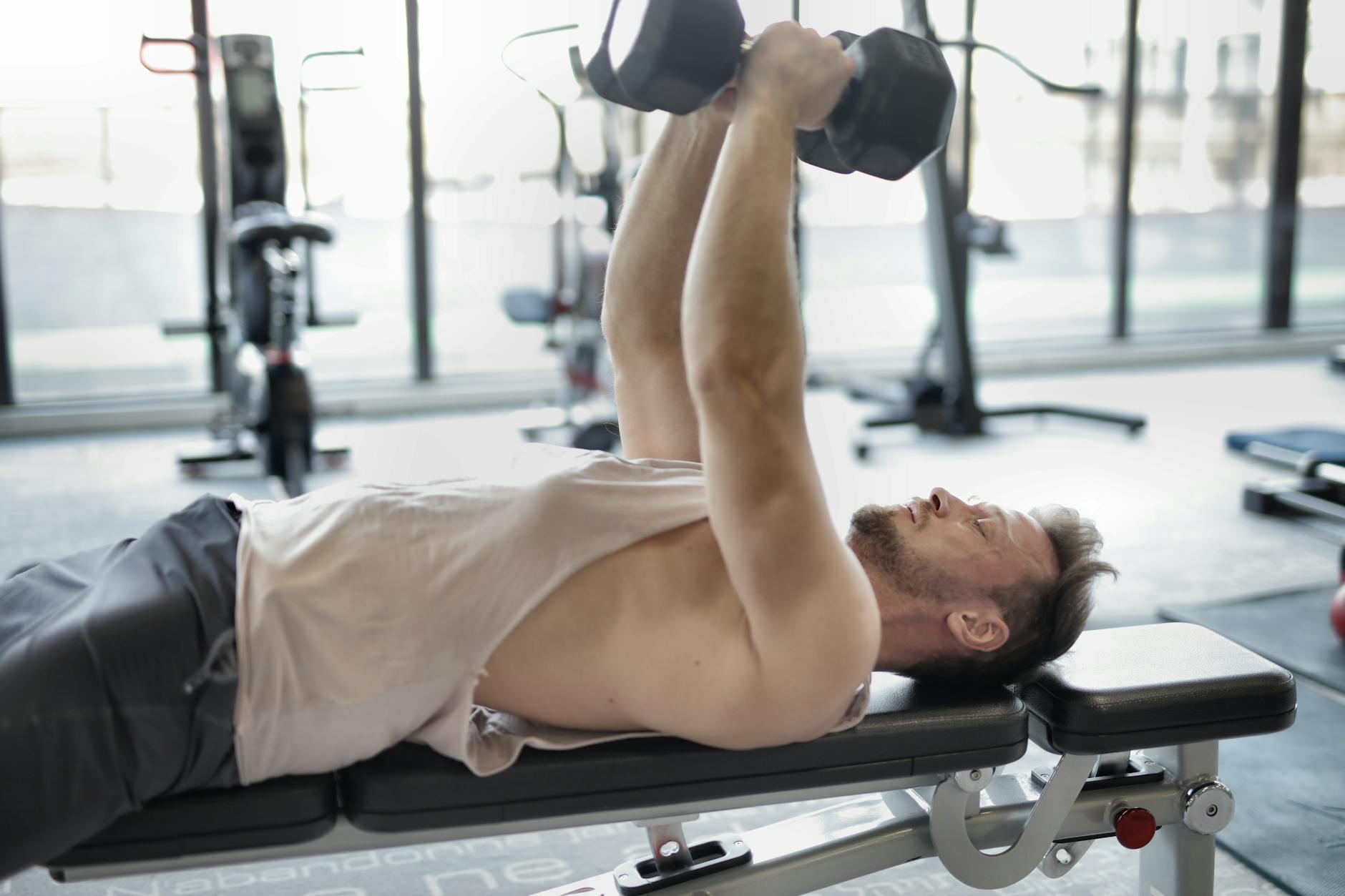
Top Exercises for Stronger Legs
Glute strength is critical for hip extension and pelvic stability, commonly developed through hip thrusts, glute bridges, and variations of the walking lunge. Glute size often scales nicely with consistent hypertrophy training, particularly when incorporating good time under tension. The calves, two muscles – gastrocnemius and soleus – contribute to ankle movement, thriving on dedicated calf raises performed both seated (soleus emphasis) and standing (gastrocnemius emphasis). Thighs, a common area of focus for many looking to build leg strength, tend to scale well with increasing complexity or size. Smaller-framed individuals might see good thigh definition with relatively moderate loads and higher rep ranges, whereas those with naturally larger frames often benefit from heavier weights and sometimes slightly lower reps to maximize hypertrophy.

Effective Exercises for Stronger Legs
Lunges represent another versatile exercise for leg development. Forward lunges isolate each limb, placing greater emphasis on the quadriceps of the front leg and the hamstrings/glutes of the back leg. Reverse lunges shift focus slightly more toward the glutes while reducing knee strain. For progressive overload, adding weights or resistance bands increases demand without compromising technique. Lunges also enhance balance and proprioception by challenging stability during weight transfer.
Hamstring-dominant exercises, such as Romanian deadlifts, target these muscles through controlled hip hinging movements. The hamstrings act as the primary eccentric stabilizers while the glutes and core provide power and form integrity. A common error is rounding the lower back; maintaining a neutral spine ensures targeted engagement of the posterior chain. Progression can involve adding kettlebells or increasing load incrementally to stimulate adaptation without injury.
Calf strengthening, vital for activities like jumping or sprinting, involves both plantarflexors (gastrocnemius and soleus) and dorsiflexors. Calf raises, standing on a step with heels hanging off the edge, are classic exercises that isolate these muscles. Eccentric calf raises, lowering the heel slowly below the step level, build tendon strength, reducing injury risk in sports requiring explosive power. For variety, try seated or single-leg calf raises to challenge stability and muscle balance.
Leg-specific workouts should integrate compound movements (e.g., deadlifts, squats) with isolation drills (e.g., leg curls, calf raises). Frequency depends on individual goals: strength-focused routines may train legs 2 to 3 times weekly, while endurance athletes might perform lower-intensity sessions more frequently. Rest periods between sets should be long enough to allow full recovery without compromising intensity.
Leg training’s impact extends beyond aesthetics. Stronger legs improve posture, reduce injury risk, and enhance athletic performance in sports requiring explosive power or endurance. Proper form, gradual progression, and attention to muscle balance mitigate common issues like knee pain or hamstring strains. By prioritizing compound and isolation movements with controlled progressions, practitioners can develop robust, functional legs capable of meeting physical demands efficiently.

Simple Glute Activation Exercises for Stronger Legs
One effective exercise is the hip thrust, which primarily targets the glutes while also engaging the hamstrings and lower back muscles. To perform a hip thrust, lie on your back with knees bent at a 90-degree angle, feet flat on the floor, and hips in line with your knees. Lifting your hips towards the ceiling, squeeze the glutes at the top of the movement before slowly lowering back down. Using resistance bands or dumbbells can increase the challenge as fitness levels improve.
Another beneficial exercise is the clamshell, which focuses on strengthening the glute medius and minimus muscles. Lie on your side with knees bent at a 45-degree angle, supporting your head with one hand. Lifting the top knee towards the ceiling while keeping the feet together, then slowly lowering back down. Repeat on the opposite side to ensure balanced development of both gluteal muscles. This exercise can be modified using resistance bands for added difficulty.
Squats are a fundamental movement that engage multiple muscle groups, including the glutes, quads, and hamstrings. Stand with feet shoulder-width apart, toes slightly outward, and perform a deep squat by bending the knees and pushing the hips back as if sitting into a chair. Maintain balance by keeping the chest upright and weight over the heels. Progressively increase the intensity by incorporating weights or variations such as sumo squats and pistol squats for advanced individuals.
Lunges are another versatile exercise that targets gluteal muscles while improving leg strength and flexibility. Step forward with one foot, bending both knees to form a 90-degree angle at the hip and knee joints. Push through the front heel to return to the starting position before switching sides. For added resistance, hold dumbbells or use bodyweight adjustments like reverse lunges or walking lunges to challenge different muscle fibers.
Bridges are a simple yet effective way to activate the glutes and strengthen the lower back. Lie on your back with knees bent at a 90-degree angle and feet flat on the floor. Lifting the hips towards the ceiling, squeeze the glutes at the top before slowly releasing back down. Incorporating single-leg bridges or incorporating resistance bands can progressively increase the difficulty as strength improves.

Top 10 Exercises for Stronger Legs

Next up is the deadlift – an exercise that engages nearly every muscle group in the body, with significant emphasis on the hamstrings, glutes, and lower back. With feet hip-width apart and a barbell or dumbbells in hand, hinge at your hips while keeping your back flat and core engaged. Bend your knees slightly, then extend your hips to lift the weight back up to the starting position.
Consider the lunge – an unilateral exercise that isolates each leg, allowing for greater focus on individual muscle groups. Starting from a standing position, take a large step forward and lower your body until both knees form 90-degree angles. Ensure your front knee does not extend beyond your toes and keep your upper body upright. Push through your front heel to return to the starting position before repeating with the opposite leg.
The fourth exercise is the calf raise – a simple yet effective movement that primarily targets the calves, specifically the gastrocnemius and soleus muscles. Stand on the edge of a step or elevated surface, then rise onto your tiptoes while keeping your heels off the floor. Lower back down with control before repeating for desired reps.
Number five is the leg press – a machine-based exercise that targets various muscle groups in the legs, including the quadriceps, hamstrings, and glutes. Sit on the machine with your feet shoulder-width apart on the platform and adjust the seat to ensure proper alignment with your knees. Press the platform away from you by extending your legs, then slowly return to the starting position.
Sixth is the step-up – an exercise that strengthens both your quadriceps and glutes as you step up onto a raised platform or bench. Start by standing in front of a step with one foot on it and the other foot firmly planted on the ground. Push through your working leg to lift your body up, bringing your other foot to meet you at the top before stepping back down to repeat with the opposite leg.
Seventh is the hip thrust – an exercise that focuses primarily on the glutes and hamstrings. Sit on a bench or stability ball with your feet shoulder-width apart and your back resting against the surface behind you. Brace your core, then push through your heels to extend your hips, squeezing your glutes at the top before lowering back down.
Eighth is the leg extension – a machine-based exercise that specifically targets the quadriceps muscles. Sit on the leg extension machine with your legs extended in front of you and your feet secured under the pad. Press the weight away from your body by extending your legs, then slowly return to the starting position.
Ninth is the box jump – a plyometric exercise that builds explosive power in the quadriceps, glutes, and calves. Stand in front of a box or bench with your feet shoulder-width apart. Swing your arms back and then forward as you jump up onto the box, landing softly with both feet before stepping down to repeat.
Don’t forget about clamshells – an exercise that targets the gluteus medius muscle, which plays a crucial role in hip stability and pelvic alignment. Lie on your side with one knee bent at 90 degrees, while keeping the other leg straight. Keeping your feet together, lift the top knee towards the ceiling before lowering it back down to complete one rep. Repeat for desired reps before switching sides.
By incorporating these ten exercises into your workout routine, you’ll be well on your way to stronger legs that will serve you well in various aspects of life.
