
One of the most effective exercises for building stronger forearms is wrist curls. This exercise targets the flexor muscles of the forearm. To perform wrist curls, hold a light weight in each hand with palms facing down. Slowly curl your wrists upward, bringing your hands toward your forearms, then lower them back to the starting position. Performing three sets of 15 repetitions enhances grip strength and muscle endurance.
Another essential exercise is wrist extensions, which strengthen the extensor muscles. Hold a light weight in each hand with palms facing up, then slowly lower your wrists toward the ground before returning to the starting position. This movement not only builds forearm strength but also improves stability during activities like pushing or lifting. Incorporating three sets of 15 repetitions into your routine effectively targets these muscles.
By integrating these exercises into a consistent workout routine, individuals can achieve stronger forearms, enabling them to perform daily tasks with greater ease and preventing common injuries associated with weak forearm muscles. Regular training not only improves physical capabilities but also supports better performance in various activities requiring hand and wrist strength.

Top 5 Exercises for Stronger Forearms
- Reverse Wrist Curls: Complementing wrist curls, reverse wrist curls strengthen the extensor muscles on the back of the forearm. Hold a dumbbell in one hand with the palm up and elbow steady. Slowly lower the weight towards the floor by extending the wrist, then lift back to the starting position. This exercise is particularly beneficial for activities requiring a strong overhead grip, such as climbing or gymnastics. Performing reverse curls on an incline bench can add variation and challenge.
- Hanging Pronated Grip Pull-Ups: Utilizing a pronated grip (palms facing away) during pull-ups engages the forearm extensors more effectively. Hang from a bar with a wide grip, ensuring the arms are fully extended. Pull the body upward by flexing the elbows and retracting the scapulae, maintaining a straight line from head to heels. Lower controlledly to the starting position. This exercise not only strengthens the forearms but also targets the lats and biceps, offering a compound movement benefit.
- Plank with Progressive Grip Variations: Planks are essential for core stability but can also be modified to challenge the forearms. Start in a forearm plank position, ensuring elbows are directly under the shoulders. To increase difficulty, progress to a handstand plank or incorporate grip variations such as placing hands on an unstable surface or using weights. Hold each position for specified durations, focusing on maintaining proper form and engaging the core to prevent compensation from the forearms.
- Farmer’s Carry with Dumbbells: This functional exercise enhances grip strength and forearm endurance. Hold a dumbbell in each hand at shoulder level, palms facing forward. Walk or jog while maintaining balance and control. The weight of the dumbbells and the distance carried determine the intensity. Farmer’s carry is particularly useful for activities requiring prolonged gripping, such as construction work or gardening. Incorporating uneven weights or carrying objects like kettlebells can further challenge the forearms.
- To troubleshoot issues with a forearm routine, assess form integrity first. Poor technique can lead to inefficiency or injury. Ensure elbows are stable during curls and planks, and maintain a straight body line in pull-ups. Gradual progression in weight or duration prevents plateaus. If specific muscles underperform, incorporate supplemental exercises like wrist rolls or grip strengthening with tools like grip bands. Consulting a fitness professional can provide personalized adjustments to optimize results and prevent overtraining.
How to Build Forearm Mass Easily
Building forearm mass requires a focused approach that targets the intricate muscles of the forearms, including the flexor and extensor groups. To achieve significant gains, it is essential to incorporate compound movements and isolation exercises into your routine, ensuring a balanced development of both strength and size. Start by understanding the anatomy of the forearm, which includes the brachioradialis, flexor carpi radialis, flexor carpi ulnaris, palmaris longus, extensor carpi radialis longus and brevis, and extensor carpi ulnaris. These muscles work in opposition to each other, making it crucial to address both groups equally.
Incorporate progressive overload into your training regimen by gradually increasing the weight or resistance used in exercises such as wrist curls, wrist extensions, hammer curls, and forearm reversals. Progressive overload stimulates muscle growth by challenging the muscles beyond their current capacity, leading to hypertrophy. Additionally, focus on proper form to maximize muscle engagement and minimize the risk of injury. Isolation exercises like reverse wrist curls and pronation/supination holds can further emphasize specific muscle groups within the forearm.
Rest and recovery are critical components of building forearm mass. Allow adequate time for the muscles to recover between workouts, typically 48 to 72 hours, to facilitate muscle repair and growth. Inadequate rest can lead to overtraining syndrome, which hinders progress and increases injury risk. Furthermore, ensure a balanced diet that supports muscle growth by consuming sufficient protein, carbohydrates, and healthy fats. Hydration is also vital for maintaining optimal muscle function and recovery.
Be patient and consistent in your training approach. Building noticeable forearm mass takes time and dedication, requiring regular adjustments to your routine to continue challenging the muscles. By adhering to these principles and maintaining a disciplined training regimen, you can achieve stronger, more defined forearms that support both functional strength and aesthetic goals.

Top 5 Best Forearm Building Exercises
- Hammer Curl: Focusing on the brachialis and brachioradialis, the hammer curl is executed with a neutral grip (palms facing forward). Start with elbows close to the body and slowly lift the weight by bending at the wrists. Squeeze the forearm muscles at the top before controlling the weight back down. This movement isolates the brachialis more effectively than traditional bicep curls, providing a targeted forearm workout.
- Pronated Wrist Curl: Targeting the brachioradialis and flexor carpi ulnaris, this exercise is performed with a pronated grip (palms facing behind). Using a barbell or dumbbell, start with forearms perpendicular to the ground and curl the weight upward by supinating the wrists. Lower back down slowly to maintain muscle tension throughout the set. This movement enhances grip strength and supports upper body exercises requiring overhead movements.
- Reverse Wrist Curl: Primarily engaging the extensor muscles, such as the extensor carpi radialis longus and brevis, reverse wrist curls are executed with an underhand grip. Begin with forearms parallel to the ground and slowly lift the weight by extending at the wrists until fully locked. Control the descent to prevent momentum and ensure muscle engagement. This exercise is essential for balancing forearm strength, as many daily activities involve wrist extension.
- Plate Pinch: Focusing on grip strength and finger strength, the plate pinch involves gripping a barbell plate with both hands and squeezing while maintaining a neutral wrist position. Hold the squeeze for several seconds before releasing. This exercise simulates real-world scenarios like holding heavy objects or performing chins. Incorporating variations such as single-arm plate pinches or using progressively heavier plates can further challenge the forearm muscles.
- Incorporating these exercises into a workout routine promotes balanced forearm development, preventing imbalances and reducing injury risk. Proper form is critical to avoid strain on the wrists and elbows. Pairing these movements with upper body workouts ensures synergistic muscle activation, leading to stronger, more functional forearms.
Best Exercises for Stronger Wrists
One effective exercise is the wrist curl, which primarily targets the flexor muscles. Hold a light dumbbell in one hand with the palm facing down. Keeping the forearm stationary by resting it on a stable surface, slowly rotate the hand to bring the palm upwards towards the ceiling. Pause briefly at the top of the movement before returning to the starting position. Repeat for a set number of repetitions and then switch hands. This exercise can be progressively overloaded by increasing the weight or reducing the rest time between sets.
Another crucial exercise is the wrist extension, which strengthens the extensor muscles. Begin with the same setup as the wrist curl but start with the palm facing upwards. Slowly lower the dumbbell towards the floor while maintaining control over the movement. Pause at the bottom before lifting back to the starting position. This exercise helps improve grip strength, particularly beneficial for activities requiring a strong pinch or hold.
For those engaging in sports or activities that demand explosive wrist movements, plyometric exercises can be advantageous. One such exercise involves snapping a wrist weight or a light resistance band towards a target, simulating rapid extension and flexion. The quick, powerful movements stimulate muscle fibers to adapt, leading to increased strength and speed.
Energy consumption during these exercises is primarily derived from the anaerobic energy system, particularly ATP-PCr pathway, as wrist strengthening activities typically involve short bursts of intense effort. As workouts progress, the body may shift towards utilizing glycolysis for sustained energy production, especially if sets are performed with minimal rest. Proper technique is crucial to ensure energy is efficiently transferred into muscle contractions without compromising joint integrity.
Top 5 Exercises for Stronger Forearms

Hammer Grips: Incorporating hammer grips into planks or push-ups engages the forearm flexors dynamically. Start in a plank position with your hands positioned slightly wider than shoulder-width apart, then rotate your wrists so your palms face forward. Maintain this grip while performing a standard plank or push-up. This modification challenges the muscles stabilizing the wrist, leading to greater forearm strength over time.
Pull-Ups and Chin-Ups: These upper body exercises place significant demand on the forearms due to the grip required. Perform pull-ups by hanging from a bar with an overhand grip and pulling your body up until your chin clears the bar. For chin-ups, use a narrower grip with palms facing you. Both movements engage the biceps and lats but also challenge the forearm muscles to maintain a strong grip throughout the movement. Progressive overload can be achieved by increasing the number of repetitions or adding weight.
Top Exercises for Strong Forearm Muscles
To develop strong forearm muscles, it is essential to incorporate a variety of exercises that target different aspects of the forearm’s musculature. The primary muscles involved in forearm strength are the flexors and extensors, which control hand and wrist movements. A well-rounded routine should include both basic and advanced versions of these exercises to progressively challenge and strengthen the forearms.
One foundational exercise is the wrist curl, which primarily engages the flexor muscles. To perform a wrist curl, hold a light dumbbell or resistance band with the palm facing down. Keep the elbow steady on a support surface, such as a table, and slowly lift the weight by bending the wrist upward. Lower the weight back to the starting position and repeat for the desired number of repetitions. For advanced variation, increase the weight or perform the exercise with both hands simultaneously to enhance the challenge.
Another critical exercise is the wrist extension, which targets the extensor muscles. Begin in a similar position as the wrist curl but start with the palm facing up. Slowly lower the weight by extending the wrist downward, then lift back to the starting position. This movement strengthens the muscles responsible for straightening the wrist, crucial for activities like pushing or lifting. Advanced practitioners can incorporate wrist extensions using heavier weights or a cable machine for increased resistance.
Pull-ups and chin-ups are compound exercises that also engage the forearm muscles, particularly the flexors, as they require grip strength to maintain control of the bar. Perform these exercises by hanging from a pull-up bar with an overhand grip and pulling the chest toward the bar. Slowly lower back down and repeat. To advance, experiment with different grip widths or incorporate negative pulls, where you focus on slowly lowering the weight for added difficulty.
Planks and holds, such as the forearm plank, are effective for building static forearm strength. In a forearm plank, support your body weight on your forearms and toes, ensuring your body forms a straight line from head to heels. Hold this position for the desired time, focusing on maintaining proper form. Advanced variations include adding rotations or holding the position with one arm at a time to increase difficulty and challenge muscle stability.
Incorporating these exercises into a consistent workout routine will lead to stronger forearm muscles over time. It is important to allow for adequate rest and recovery between sessions to prevent injury and promote muscle growth. By progressively increasing resistance or altering exercise variations, individuals can continually challenge their forearms and achieve their strength goals.
How to Build Forearm Mass Easily
Forearms are an essential yet often overlooked part of the body when it comes to building a well-rounded physique. Strong forearms not only enhance the aesthetic appeal of your arms but also improve your grip strength, making everyday activities easier and providing an edge in various sports and fitness pursuits. This article will outline effective exercises and techniques to build forearm mass and provide essential safety considerations for these workouts.
Begin by understanding the musculature of the forearms. The primary muscles are the brachioradialis, which runs from the elbow to the wrist and creates the prominent bump on the outer side of the forearm, and the pronator teres and pronator quadratus, responsible for turning the hand and forearm over.
Another effective exercise is the Hammer Curl using an EZ bar or dumbbells. Stand with feet hip-width apart, a weight in each hand, and palms facing inward. Keeping your elbows close to your sides, curl the weights towards your shoulders while keeping your wrists straight. Perform 3 sets of 10-12 repetitions for best results.
Another effective exercise is Reverse Wrist Rolls. Fill a bucket or container with water, get into an seated position with both feet planted on the floor and one forearm submerged in the water. Roll the water-filled forearm backward and forward for 3 sets of 10-12 repetitions before switching to the other arm.
Safety considerations are crucial when performing any workout, including those targeting the forearms. Always ensure proper form and technique when executing exercises to prevent injury and maximize results. Additionally, be aware of the risk of developing carpal tunnel syndrome, a condition characterized by pressure on the median nerve in the wrist. Perform wrist stretches before and after workouts, and avoid overtraining the forearms to minimize this risk.

Effective At-Home Arm Workout Routine

Visualizations frequently highlight the muscles of the forearm, which can be categorized into superficial, intermediate, and deep layers. The superficial layer includes prominent muscles such as the pronator teres, flexor carpi radialis, palmaris longus, flexor carpi ulnaris, and the extensor muscles (e.g., extensor digitorum, extensor carpi radialis longus, and extensor carpi ulnaris). These muscles are depicted with their origins, insertions, and actions, providing insight into how they contribute to wrist and finger movements.
Intermediate layer muscles, which are less commonly visible in superficial diagrams, include the flexor digitorum sublimis and the flexor pollicis longus. Their roles in flexing the fingers and thumb are emphasized through their anatomical relationships and functional interactions with other forearm muscles.
The deep layer of forearm muscles includes pronator quadratus, flexor pollicis brevis, adductor pollicis brevis, and opponens pollicis. These smaller but crucial muscles are responsible for precise movements of the thumb and fingers, often depicted in detailed cross-sectional diagrams to show their insertion points on the carpal bones or metacarpals.
Blood vessels and nerves that traverse the forearm are also integral parts of such visualizations. The radial artery and ulnar artery are commonly highlighted to illustrate their courses along the anterior and posterior aspects of the forearm, respectively. Their relationships with the median nerve, which is represented as a white or red line in diagrams, are emphasized to show how they supply blood and innervate the muscles and skin of the hand.
Diagrams may also incorporate color-coding systems to differentiate between bones (typically light gray or white), muscles (various shades of red or pink), blood vessels (blue for veins, red for arteries), and nerves (often a different shade of blue). These visual aids enhance comprehension and retention of the anatomical information.
Diagrams often include labels that point out specific anatomical landmarks, such as the olecranon process of the ulna, which forms the bony prominence at the elbow, or the styloid processes of the radius and ulna, which provide attachment points for ligaments and tendons. These annotations are crucial for identifying and discussing the forearm’s structure in more detail during physical examinations or training sessions.
The Best Exercises for Stronger Biceps
The best exercises for stronger biceps focus on targeting the biceps brachii, a primary muscle group in the upper arm responsible for flexion at the elbow joint. To achieve maximum hypertrophy and strength gains, it is essential to incorporate compound movements that isolate and stress the biceps effectively while maintaining proper form to prevent injury. The Barbell Curl is a foundational exercise that engages the biceps brachii directly by flexing the elbow against resistance. Performed with a standard barbell, this movement allows for heavy loading, promoting muscle growth. Eccentric overload, achieved through controlled lowering of the weight, can be implemented to enhance muscle fiber damage and subsequent recovery, leading to increased strength and size.
The Hammer Curl is another effective exercise that targets the biceps while minimizing involvement from other muscle groups like the brachialis or brachioradialis. By using a neutral grip with palms facing forward, the hammer curl emphasizes the biceps brachii’s peak contraction, providing a unique stretch and squeeze that promotes hypertrophy. Variations in grip width and speed can be manipulated to alter the emphasis on different parts of the muscle, ensuring a well-rounded development.
For those seeking to increase muscle endurance and vascularity, the Concentration Curl is an excellent choice. Performed unilaterally with a dumbbell, this exercise allows for greater control and isolation of the biceps, targeting weaker arms and promoting muscular balance. By focusing on proper technique and maintaining a steady pace, individuals can induce a pump that enhances blood flow to the muscles, facilitating nutrient delivery and recovery.
Incorporating progressive overload through increased weight, reduced rest periods, or altered reps and sets is crucial for continuous adaptation of the biceps. Additionally, integrating supersets or circuit training can increase time under tension and metabolic stress, further stimulating muscle growth. However, it is imperative to allow adequate recovery time between sessions to prevent overtraining and ensure optimal performance. By combining these exercises with a balanced diet and consistent training regimen, individuals can achieve stronger, more defined biceps through targeted muscular development.
Best Exercises for Bigger Forearms and Grip
Achieving bigger, stronger forearms requires a targeted approach that combines compound movements with isolated exercises to stimulate muscle growth and enhance grip strength. The key is to integrate both hypertrophy-focused and endurance-building exercises into your routine, ensuring balanced development of the forearm muscles.
To begin, incorporate wrist curls and reverse wrist curls into your training regimen. These movements isolate the flexor and extensor muscles of the forearm, promoting muscle growth. Perform wrist curls by holding a barbell or dumbbell with an overhand grip, keeping your wrists in a neutral position, and slowly lowering the weight until your wrists are fully extended before explosively curling the weights back up. Reverse wrist curls, done with an underhand grip, target the extensor muscles, which are responsible for wrist extension. These exercises should be performed in sets of 8-12 reps, using enough resistance to induce muscle fatigue but allowing proper form.
To isolation exercises, compound movements such as deadhangs and hangs can significantly improve forearm endurance and grip strength. Deadhangs involve holding a weighted object, like a barbell or dumbbell, with a pronated grip (palms facing away from you) for as long as possible. This exercise challenges the forearm muscles to maintain a static position, building endurance crucial for activities requiring sustained grip pressure. Similarly, hangs on a pull-up bar or resistance band can enhance grip strength by resisting downward movements. These exercises should be performed in timed sets, focusing on maximizing duration without sacrificing form.
A hybrid approach combining these exercises allows for comprehensive forearm development. A typical weekly routine might include two to three sessions dedicated to wrist curls, reverse wrist curls, and deadhangs, supplemented by compound lifts like pull-ups or chin-ups to engage the forearms as secondary movers. Incorporate plank variations and isometric holds on non-consecutive days to allow for adequate recovery. Progressively increase resistance or reduce rest periods between sets to continuously challenge the muscles and stimulate growth.
Remember, consistent progression and proper technique are essential for avoiding injury and maximizing results. Gradually increase the weight or duration of exercises over time, ensuring that form is maintained at all times. By combining hypertrophy-focused isolation exercises with endurance-building compound movements, you can achieve stronger, more visibly developed forearms capable of handling increased demands in both training and daily activities.
Effective At-Home Arm Workout Routine
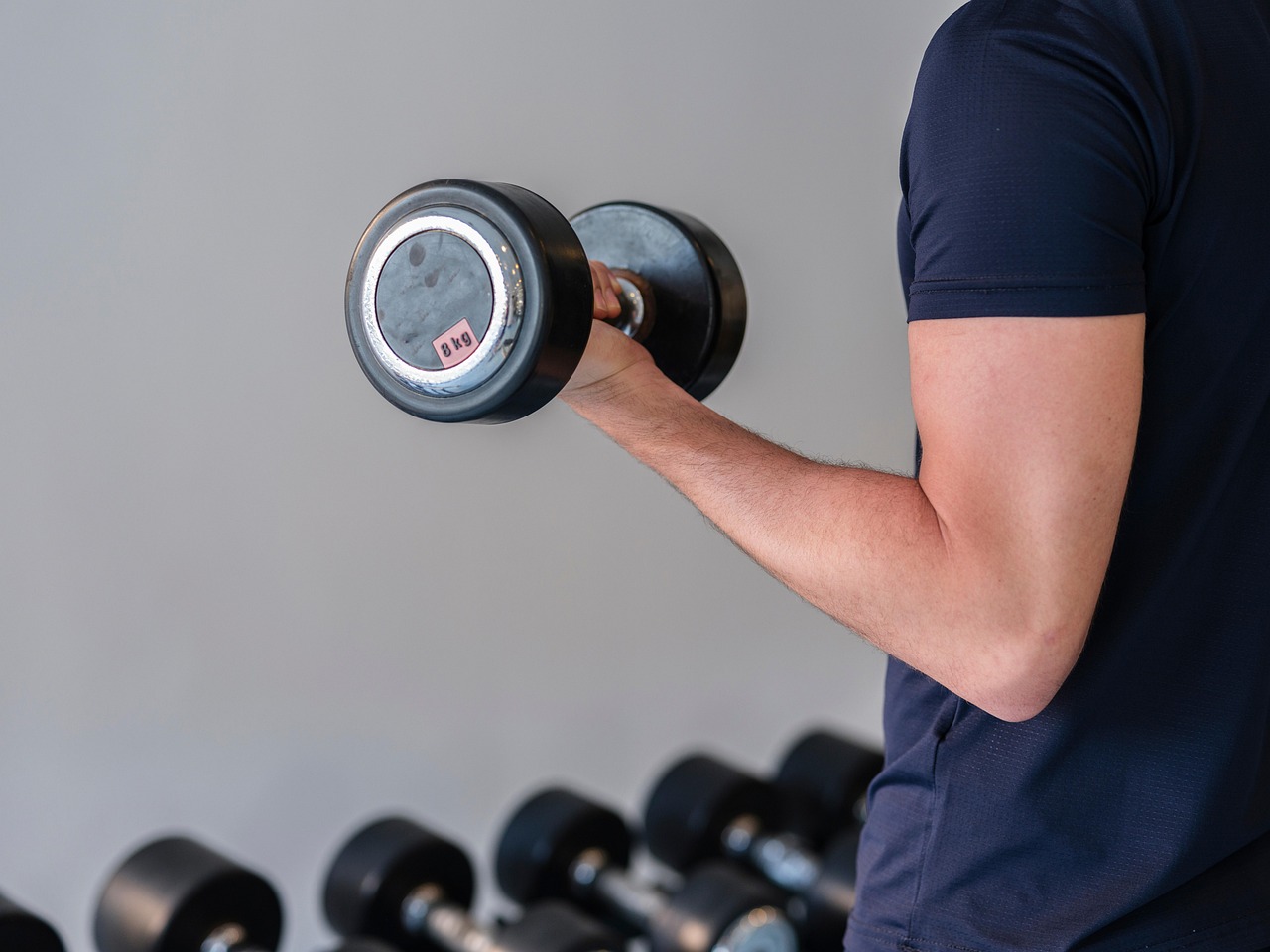
A well-structured arm workout routine should consist of three to four sessions per week, allowing adequate rest and recovery time between workouts to prevent injury and promote muscle repair. Each session should begin with a dynamic warm-up, including light cardio and mobility exercises, to prepare the muscles and joints for activity. The main portion of the workout can include exercises such as push-ups, chin-ups, plank holds, and resistance band curls, performed in sets of 8 to 12 repetitions with controlled form to ensure maximum effectiveness.
Incorporating supersets or circuit training can increase intensity and efficiency, particularly for those with limited time or space. Supersets involve performing two exercises back-to-back with minimal rest, targeting opposing muscle groups such as biceps and triceps. Circuit training combines multiple exercises into a continuous flow, engaging different muscle groups in rapid succession to elevate heart rate and improve cardiovascular endurance alongside muscular strength.
Proper nutrition and hydration are equally important for supporting arm workouts, providing the necessary fuel and nutrients for energy production and recovery. Consuming a balanced diet rich in protein, healthy fats, and complex carbohydrates helps maintain muscle mass and replenish glycogen stores, while staying hydrated aids in nutrient delivery and waste removal.
Best Way to Get Bigger Forearms
To achieve bigger forearms, a well-structured training program focusing on progressive overload is essential. Forearm development requires targeted exercises that engage the muscles responsible for gripping and wrist movements. The brachioradialis, flexor carpi radialis, flexor carpi ulnaris, and palmaris longus are primary muscles involved in forearm strength and size.
A key historical milestone in the evolution of training for stronger forearms dates back to the early 20th century when gymnasts and strongmen began emphasizing grip strength as part of their routines. This period saw the introduction of specialized grips and hangs, which laid the foundation for modern forearm training techniques.
Incorporating compound movements such as deadlifts and chin-ups can indirectly strengthen the forearms by requiring a strong grip. However, isolation exercises are more effective for targeting specific forearm muscles. Wrist curls, wrist extensions, farmer’s walks, and hanging grips are staples in any forearm training regimen.
To maximize hypertrophy, it is crucial to vary the grip width and speed of execution across different exercises. A progressive overload approach involves gradually increasing resistance or reducing rest periods between sets to challenge the muscles continually. Including eccentric contractions, such as slow negative phases in wrist extensions, can further stimulate muscle growth.
Rest and recovery are equally important for forearm development. Given their smaller size compared to other muscle groups, forearms recover quickly, allowing for frequent training sessions. However, overtraining can lead to fatigue and increased injury risk. Balancing intensity with adequate rest ensures sustained progress.
Incorporating a diverse range of grips, such as hammer, pronated, and supinated, engages different muscle fibers, promoting balanced development. Additionally, integrating activities that demand strong grip strength, such as rock climbing or using a grip trainer, can enhance real-world applications of forearm strength.
Achieving bigger forearms requires consistent training, technical precision, and a commitment to progressive overload. By understanding the historical context of forearm development and applying modern training principles, individuals can effectively build stronger, more defined forearms.
Forearm Workout Routine Without Wrist Pain
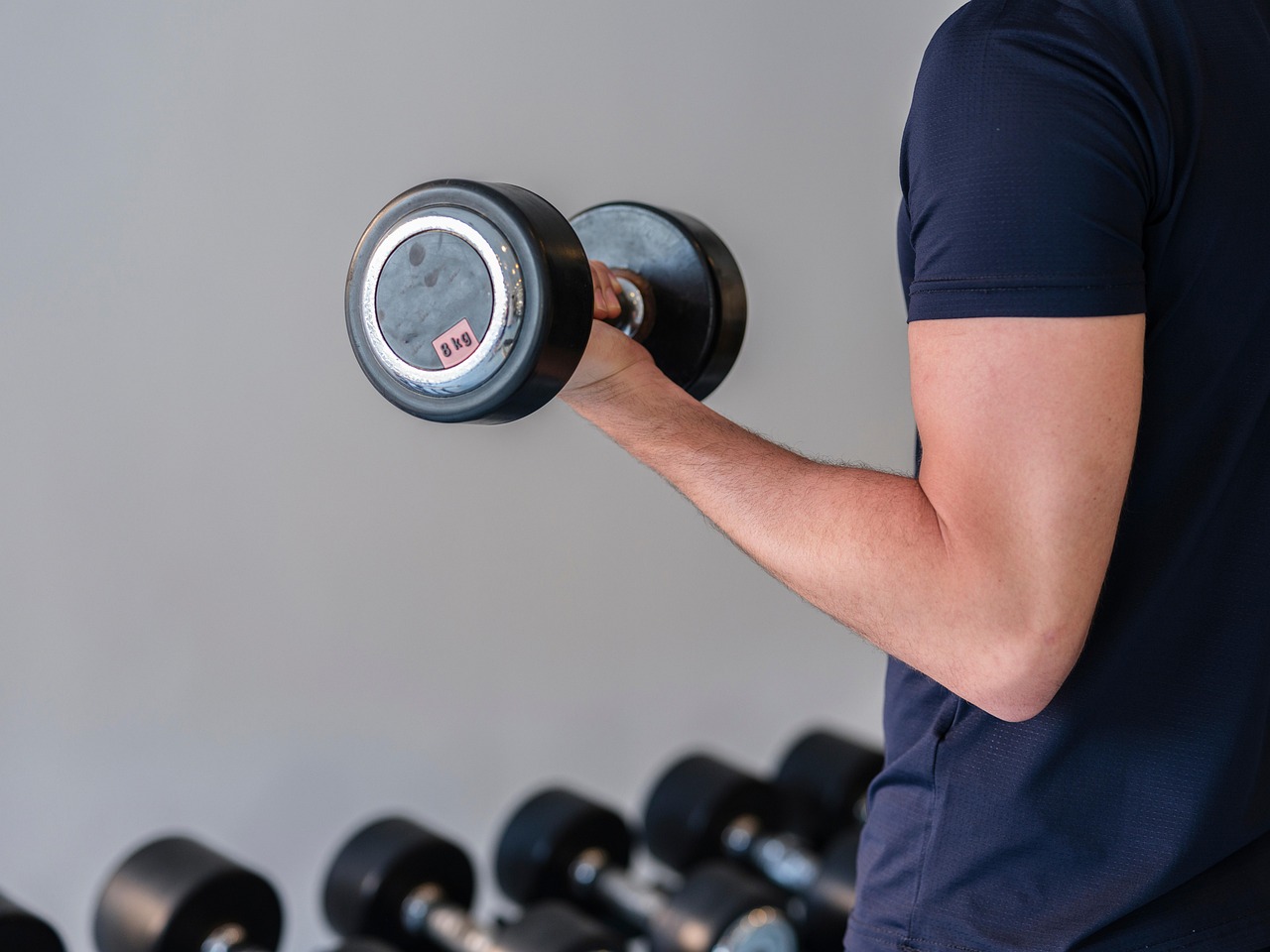
The flexor muscles, such as the flexor carpi radialis, flexor carpi ulnaris, palmaris longus, and the deep and superficial flexor digitorum profundus, are responsible for bending the wrist and fingers. To strengthen these muscles without strain, exercises like wrist curls and reverse wrist curls can be performed using light weights or resistance bands. It’s important to control the movement and avoid sudden jerks that could lead to injury.
The extensor muscles, including the extensor carpi radialis longus and brevis, extensor carpi ulnaris, and the superficial and deep extensors of the fingers, extend the wrist and fingers. Including exercises like wrist extensions with a weight or resistance band can help build strength in these muscles. Maintaining a neutral wrist position throughout the exercise is crucial to prevent overuse injuries.
Pronation and supination are movements that rotate the forearm. The pronator teres and quadratus are responsible for pronation, while the supinator muscle facilitates supination. Exercises like pronation and supination curls with a gripper or resistance bands can target these muscles effectively. These exercises should be performed slowly and deliberately to ensure proper engagement of the targeted muscles.
Proper technique is paramount in any forearm workout to prevent wrist pain. Ensuring that wrists remain aligned with the rest of the arm during exercises minimizes stress on the joints. Using appropriate equipment, such as adjustable grip weights or ergonomic hand grips, can also help reduce strain. Gradual progression in weight or resistance is essential to challenge the muscles without compromising their integrity.
To strength training, flexibility and mobility exercises should be included in the routine to enhance range of motion and prevent stiffness. Gentle stretches for the forearm muscles, such as wrist flexor and extensor stretches, can be performed before and after workouts to promote recovery and reduce the risk of injury.
Hydration and nutrition play a supporting role in forearm muscle development. Adequate protein intake supports muscle repair and growth, while electrolytes help maintain fluid balance and muscle function. Rest and recovery are equally important, as they allow the muscles to adapt and grow stronger over time.
By integrating these elements into a forearm workout routine, individuals can achieve stronger, more resilient forearms with minimal risk of wrist pain. Focusing on technique, progressive overload, and holistic muscle development ensures that the forearms are not only stronger but also more functional in daily activities.
Top 5 Best Forearm Building Exercises
Reverse Wrist Curls: This exercise targets the opposite muscles (extensors) found on the backside of the forearms. Sit in a similar position as you would for wrist curls, but this time place your hands on a table or bench with your palms facing down and your wrists hanging over the edge. Hold a light dumbbell in each hand, allowing your wrists to extend off the side of the bench. Keeping your upper arms still, lift the weights by flexing just your wrists, then lower them back down. Perform 3 sets of 12-15 repetitions for each arm.
Farmer’s Walk: This full-body exercise also engages the forearms significantly when carrying heavy objects. Grab a pair of dumbbells or kettlebells and stand up straight with your feet shoulder-width apart. Bend at the hips and knees slightly, then grip the weights with both hands and walk as far as you can while maintaining proper form. Perform 3 sets, walking as far as possible each time. Rest for a minute between sets.
Plate Pinch: This simple yet effective exercise works the intrinsic muscles of the forearms. Place two small plates (around 5-10 pounds) on a table or bench with enough space between them to comfortably grip them. Pinch the plates together using just your thumb and first finger, keeping your wrist straight and your other fingers curled around the back of your hand for support. Squeeze the plates as hard as you can, then release and repeat for 3 sets of 10-12 repetitions per hand.
Reverse Wrist Rolls: This dynamic exercise improves forearm flexibility and endurance. Sit on a chair or kneel on the ground with your forearms resting on a soft surface like a foam roller or a towel. Extend your thumbs outward, then roll the weights (or a single dumbbell) from one wrist to the other while keeping your elbows steady and your wrists in a neutral position. Perform 3 sets of continuous rolling for 15-30 seconds per set.
These five exercises offer a well-rounded approach to building stronger, more defined forearms. Aim to incorporate them into your workout routine two to three times per week, and you’ll see progress in no time. Remember that consistency is key – focus on performing each exercise with proper form and gradually increasing the weight or resistance as your strength improves.
How to Build Bigger Forearms Without Wrist Pain
The evolution of effective forearm training has shifted from simple grips and curls to more advanced techniques that emphasize compound movements and progressive overload. Early methods often involved repetitive wrist curls or reverse curls, which, when performed incorrectly, could lead to chronic pain and discomfort. Modern approaches advocate for a blend of isometric holds, dynamic exercises, and mobility work to enhance both size and functionality.
One foundational exercise for forearm development is the plank. This static hold engages the forearm flexors and extensors simultaneously, promoting balanced strength. By holding the position for increasing durations, individuals can progressively challenge their endurance and muscle fibers. Variations such as side planks or forearm planks target specific muscles while improving core stability, which indirectly supports wrist health by maintaining proper alignment during other exercises.
Incorporating dynamic movements like pull-ups, chin-ups, and dead hangs can also contribute to stronger forearms. These compound lifts require a sustained grip, activating the forearm muscles as they stabilize the bodyweight. By focusing on controlled execution rather than sheer force, individuals can build strength without overloading the wrists. Additionally, supplementary exercises such as wrist rolls and pronation/supination holds can enhance muscle flexibility and range of motion, reducing the risk of injury.
Flexibility and mobility work are equally important in the evolution of stronger forearms. Stretching exercises targeting the forearm muscles, such as wrist flexor and extensor stretches, can improve muscle elasticity and reduce tension. Incorporating foam rolling or massage into the routine can alleviate muscle tightness and promote blood flow, aiding recovery and performance.
Best Exercises for Bigger Forearms and Grip
The pursuit of stronger and more defined forearms has driven the evolution of workouts over time, with athletes and fitness enthusiasts continually exploring new methods to enhance grip strength and forearm musculature. Historically, early workouts focused primarily on basic exercises like wrist curls and hanging grips, which were effective but limited in their ability to target specific muscle groups within the forearm. As knowledge of anatomy and physiology advanced, so too did the complexity and diversity of forearm-targeted exercises.
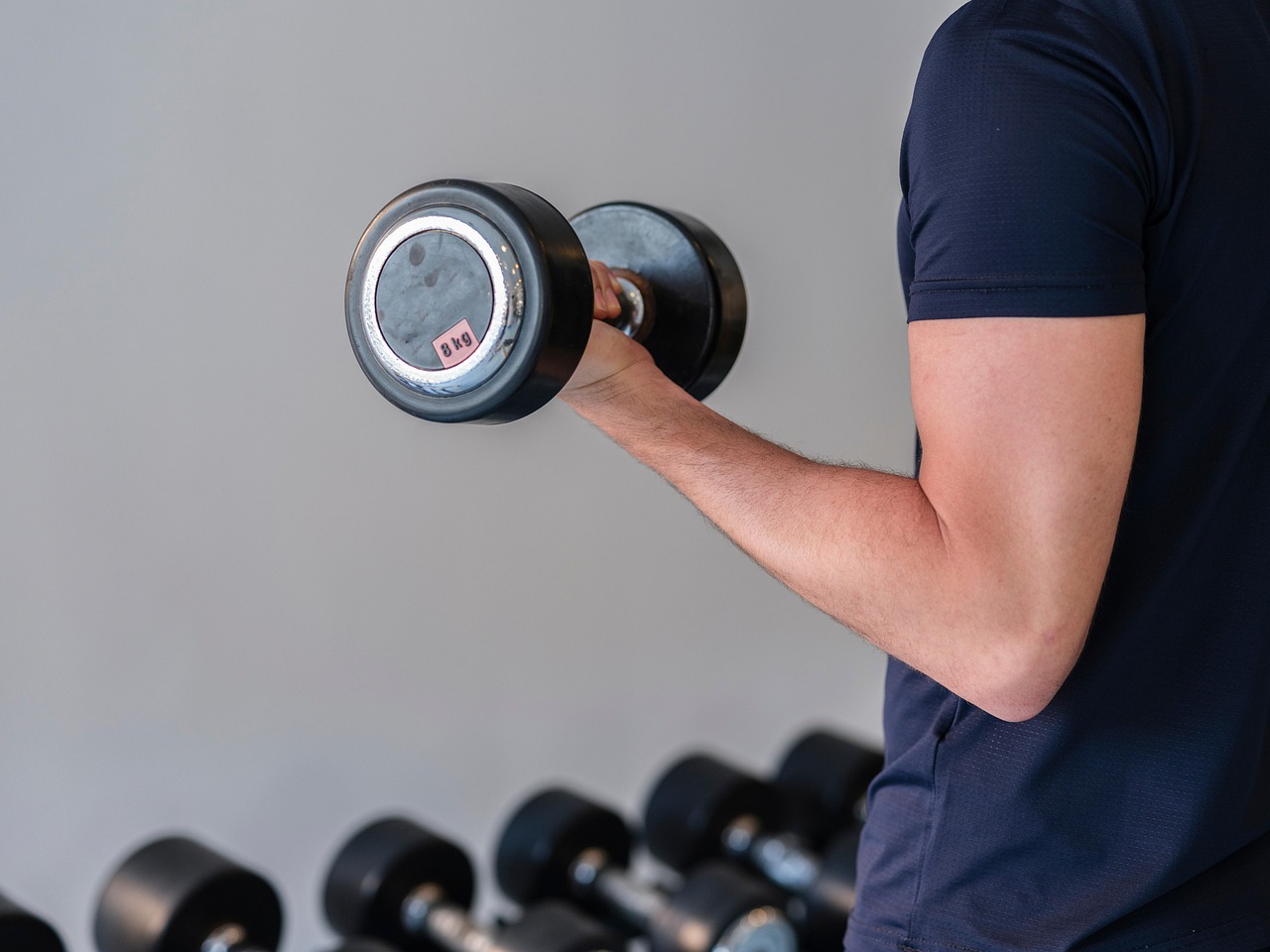
Modern workouts for bigger forearms and a stronger grip incorporate a blend of traditional and innovative techniques. Progressive overload remains a cornerstone, with athletes gradually increasing resistance or reducing rest periods to challenge their forearms continually. Exercises like chin-ups, pull-ups, and inverted rows have been refined to place greater emphasis on forearm engagement by using thicker grips or resistance bands.
Advancements in technology have also influenced the evolution of forearm workouts. Wearable devices track grip strength and provide feedback on technique, allowing individuals to optimize their training. Virtual reality platforms offer immersive experiences that simulate real-world challenges, such as climbing or wrestling, providing a new dimension to forearm development.
The integration of plyometric exercises, like clap push-ups and gymnastics skills such as handstands, has emerged as a effective way to build explosive power in the forearms. These movements not only increase muscle size but also improve tendon health and flexibility, which are crucial for long-term strength gains.
In recent years, there has been a growing interest in holistic approaches to forearm training, incorporating elements of yoga and Pilates to enhance flexibility and balance. These disciplines complement traditional workouts by addressing the often-neglected connective tissues that support forearm muscles.
The evolution of workouts for bigger forearms and a stronger grip reflects a broader trend towards personalized and science-driven training. By understanding the unique demands of each muscle group and incorporating a diverse array of exercises, individuals can achieve more robust and well-rounded forearm development. As research continues to uncover new insights into muscle physiology, it is likely that future workouts will become even more tailored and effective, pushing the boundaries of what is possible in terms of grip strength and forearm size.
How to Train Forearms for Grip & Aesthetics
Training forearms for grip strength and aesthetics requires a comprehensive approach that integrates both functional exercises to enhance performance and compound movements to promote muscle growth. The interplay between workout and energy consumption is crucial in this context, as it directly influences the efficiency of training and the subsequent development of forearm muscles. Understanding this relationship can help optimize workouts for better results.
Forearm training typically involves a combination of isolation exercises and compound movements that target the flexor and extensor muscles. Isolation exercises, such as wrist curls and reverse curls, focus on specific muscle groups to increase strength and size. These exercises demand high precision and control, which require significant energy expenditure at the muscular and neural levels. The energy consumption during these movements is primarily derived from anaerobic pathways, particularly ATP-PCr systems, due to the short duration and high intensity of the workouts.
The efficiency of energy consumption during forearm training can be enhanced by incorporating adequate rest periods and progressive overload. Rest intervals allow for the replenishment of energy stores, particularly ATP and glycogen, which are critical for sustained performance. Progressive overload, achieved through increasing resistance or reducing repetition times, challenges the muscles to adapt, leading to hypertrophy and increased strength. This cyclical process of stress and recovery is fundamental to muscle growth and functional improvement.
To energy management, proper nutrition plays a vital role in optimizing forearm training. Adequate protein intake supports muscle repair and growth, while carbohydrates and fats provide the necessary fuel for high-intensity workouts. Hydration is also crucial, as it maintains cellular function and energy transfer efficiency. By aligning nutrition with training goals, individuals can enhance their energy consumption patterns and achieve better outcomes in grip strength and forearm aesthetics.

The Best Exercises for Stronger Biceps
Forearm development, often overlooked, complements bicep growth through exercises like wrist curls (both reverse and standard), grippers, and farmer’s walks. Reverse wrist curls emphasize the brachioradialis and extensor digitorum, while standard curls target the flexors. Grip strengtheners, such as pinch grips or plate pinches, enhance muscular endurance in the forearm flexor complex and intrinsic hand muscles, which support grip stability and dexterity. Farmer’s walks require holding heavy loads for extended periods, forcing the entire forearm complex to stabilize and contract isometrically, fostering robustness. Integrating these exercises into a structured routine, alternating bicep and forearm days or supersetting them, ensures balanced muscular development without overloading any single muscle group.
For advanced trainees seeking maximal hypertrophy, periodization strategies can optimize results. Mesocycles of high-volume training (12 to 15 reps) followed by lower-rep, higher-intensity phases (6 to 8 reps) promote progressive overload while mitigating fatigue. Nutritional support, adequate protein intake and strategic carbohydrate consumption for glycogen replenishment, further augments training adaptations. Monitoring recovery indicators such as muscle soreness, sleep quality, and mood can guide adjustments to training volume or intensity. Ultimately, a holistic approach addressing both bicep hypertrophy and forearm resilience ensures functional strength that transcends isolation, empowering individuals to perform movements efficiently across diverse activities.
Best Way to Get Bigger Biceps at Home
Firstly, it is essential to understand the anatomy of the biceps muscle. The biceps brachii is a two-headed muscle located in the upper arm, responsible for elbow flexion and supination (turning the palm upwards). To grow larger biceps, we must challenge these muscles with progressive overload, which can be achieved through various exercises performed at home without equipment.
One critical factor to consider when designing a home bicep workout routine is muscle fiber recruitment. While it’s common to believe that forearm workouts contribute significantly to bicep growth due to their proximity, the truth is that forearms and biceps are distinct muscles with separate functions. Forearms primarily help in wrist extension and flexion, whereas biceps focus on elbow flexion. Therefore, incorporating exercises that specifically target biceps fibers will yield better results in terms of size and strength gains.
Chin-ups or Bodyweight Rows: These compound movements engage multiple muscle groups, including the biceps, back, and core. Hang from a sturdy door frame or a pull-up bar with an underhand grip (palms facing towards you) and pull yourself up until your chin reaches the bar. Aim for 2-4 sets of 8-12 repetitions.
Hammer Curls: This isolation exercise targets both heads of the biceps muscles effectively. Hold a dumbbell in each hand with a neutral grip (palms facing each other) and curl the weights up, keeping your elbows close to your sides throughout the movement. Perform 3 sets of 12-15 repetitions.
Concentration Curls: This exercise isolates the biceps by performing the curl in a seated position with one arm resting on a stable surface like a bench or chair. Pick up a dumbbell with your opposite hand and curl it up slowly, focusing on the contraction of the biceps throughout the movement. Perform 3 sets for each arm, doing 12-15 repetitions per set.
Incline Push-ups: Although not directly targeting the biceps, incline push-ups can help build stronger shoulders and chest muscles, which will enable better bicep engagement during other exercises. Place your hands on a bench or an elevated surface, keeping them shoulder-width apart. Lower your body towards the floor by bending your elbows, then push back up to complete one repetition. Aim for 3 sets of 12-15 reps.
Incorporating these exercises into your home workout routine will provide a comprehensive training stimulus for your biceps muscles, helping you achieve noticeable growth over time. Remember that consistency and progressive overload are crucial factors in building muscle; therefore, aim to perform these workouts 2-3 times per week with a gradual increase in resistance or volume as your strength improves.
Simple Exercises for Stronger Forearms
The primary muscles involved in forearm strength are the flexors, extensors, and pronators/supinators. Flexor muscles, such as the flexor carpi radialis and flexor digitorum superficialis, are responsible for bending the wrist and fingers. Extensor muscles, including the extensor carpi radialis and extensor digitorum, oppose this action by extending the wrist and fingers. Pronator and supinator muscles enable rotation of the forearm.
To develop a balanced forearm strength routine, it is essential to target all these muscle groups. One effective exercise is wrist curls, which primarily engage the flexor muscles. Hold a dumbbell in one hand with the palm facing down, wrist extended. Slowly curl the weight towards the shoulder by bending the wrist, then lower it back to the starting position. Repeat for several sets on each arm.
Wrist extensions offer a complementary exercise, focusing on the extensor muscles. Start with a dumbbell in the same hand position but with the palm up. Extend the wrist by pushing the weight away from the body, then return to the starting position. This movement mimics activities like lifting or pushing objects, making it highly functional for everyday tasks.
Incorporating these exercises into a regular workout routine can lead to noticeable improvements in forearm strength over time. The cause-effect relationship in such workouts is straightforward: consistent stimulation of the forearm muscles through targeted exercises results in muscle hypertrophy and increased strength. As the muscles adapt to the stress placed upon them, they grow stronger, allowing for better performance in tasks that demand grip strength and wrist stability.
Best Exercises for Stronger Wrists
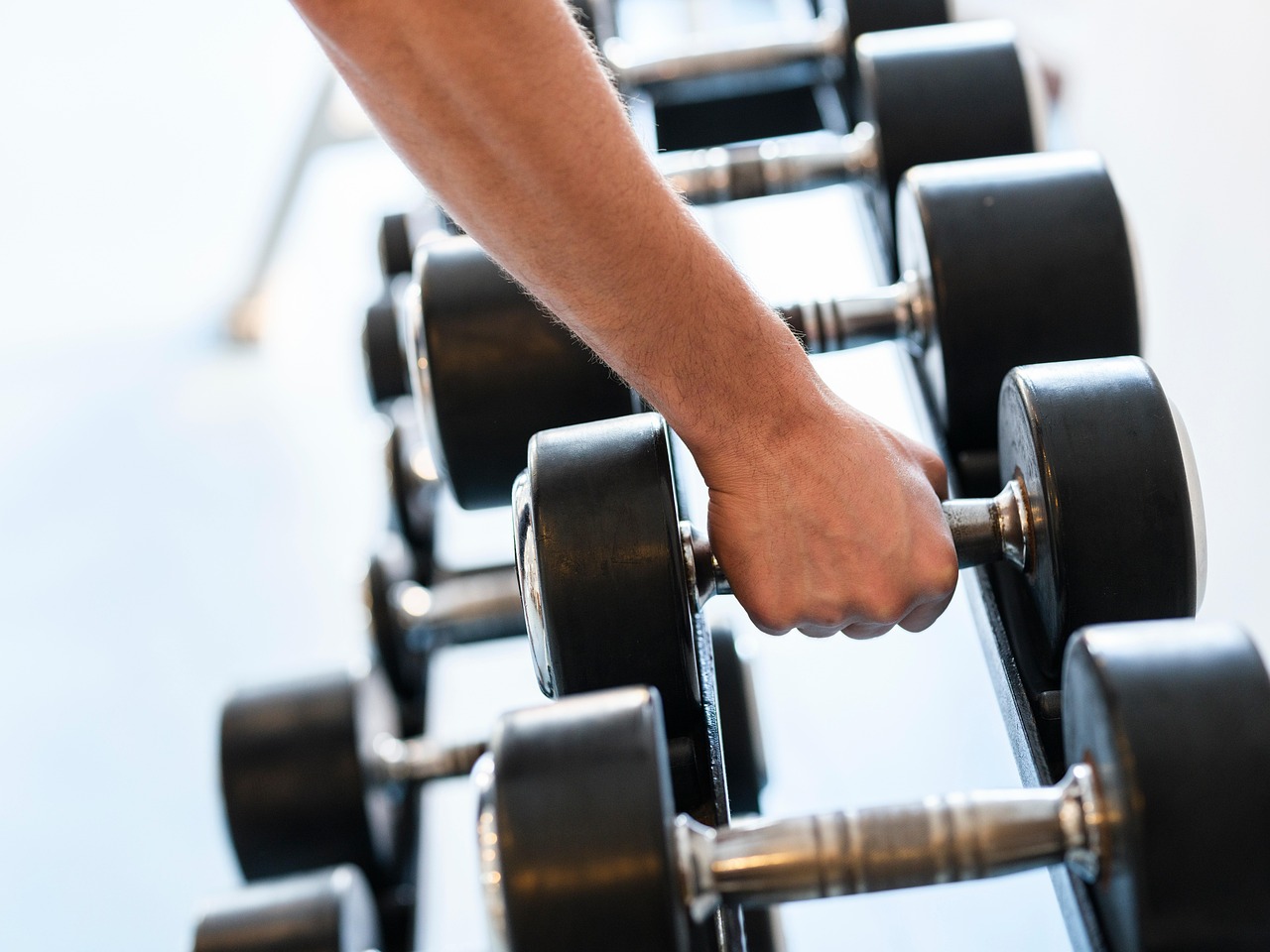
Muscle failure or dysfunction can occur in various ways, impacting the ability to perform exercises effectively. Understanding these scenarios is crucial for maintaining a safe and efficient workout routine. Muscle failure typically occurs when a muscle group is unable to generate sufficient force to complete repetitions of an exercise, often due to fatigue, insufficient strength, or inadequate technique. When muscles fail during training, it can lead to decreased performance, increased risk of injury, and hindered progress towards fitness goals.
In the context of wrist exercises aimed at strengthening the forearms and wrists, muscle failure may manifest as difficulty in maintaining grip strength, reduced ability to control hand movements, or an inability to complete the full range of motion during specific exercises like wrist curls or finger push-ups. This can be attributed to factors such as overtraining, poor form, or inadequate recovery between sessions.
Muscle dysfunction, on the other hand, refers to a more persistent issue where muscles do not function properly due to structural or neural impairments. In the case of wrist and forearm muscles, dysfunction might arise from conditions like tendinitis, carpal tunnel syndrome, or nerve compression, which can significantly impact one’s ability to perform exercises effectively. These issues often require professional medical attention and targeted rehabilitation to restore normal function.
Top 10 Exercises for Stronger Arms
The arms, a key area for aesthetic and functional strength, benefit from a well-rounded approach to training. Focusing on both the biceps and triceps, as well as often-overlooked forearm muscles, builds a solid foundation for pushing and pulling movements throughout daily life and in more complex exercises like bench presses or pull-ups. Here’s a look at ten excellent choices for building arm strength and size.
Bicep Curls, often considered the staple bicep exercise, effectively targets the biceps brachii’s long and short heads when performed with good form – that is, keeping the elbows relatively stable near the body and focusing on squeezing the bicep at the peak contraction. Hammer Curls hit both the biceps and the brachioradialis, a forearm muscle contributing to grip strength. The neutral grip helps isolate the muscles and offers a slightly different feel than standard curls. Concentration Curls are excellent for isolating the biceps with minimal cheating; good form here means really focusing on squeezing that bicep at the top of the movement!
Looking ahead, personalized exercise prescription based on real-time muscle fatigue data could be a significant advancement in arm training. Imagine a system utilizing bioimpedance sensors integrated into workout gear to monitor muscle hydration and electrolyte levels during a set. This data, combined with electromyography (EMG) readings for more precise motor unit recruitment tracking, would allow the system to dynamically adjust weight or rep ranges based on individual muscle fatigue. Essentially, optimizing each set for maximal hypertrophy and strength gains by ensuring the arm muscles are being pushed just right – not too easy, not too hard. This personalized feedback loop could really unlock some efficient gains.
How to Build Bigger Arms in 8 Weeks
Building bigger arms in 8 weeks requires a structured approach that combines progressive overload, targeted exercises, and proper recovery. To achieve noticeable growth, it is essential to focus on exercises that engage the biceps, triceps, and forearms efficiently. The key factor affecting workout performance is progressive overload, which involves gradually increasing the demands placed on the muscles through weight, volume, or intensity. This principle ensures continuous adaptation and muscle growth.
A well-designed 8-week arm workout plan should include compound movements that work multiple muscle groups simultaneously, along with isolation exercises to specifically target each muscle group. For the biceps, exercises such as barbell curls, hammer curls, and concentration curls are effective in stimulating hypertrophy. Triceps development can be achieved through dips, close-grip bench presses, and skull crushers, which emphasize full range of motion and eccentric contractions. Forearm strength and size can be improved with wrist curls, reverse curls, and farmer’s walks, which engage the brachioradialis and other forearm muscles.
Recovery is equally important in this 8-week program. Adequate sleep, nutrition, and active recovery techniques such as stretching, foam rolling, and massage support muscle repair and growth. Consuming protein-rich foods, essential amino acids, and complex carbohydrates fuels the body and aids in recovery. Hydration is also crucial, as it maintains cellular function and nutrient delivery to the muscles.
To track progress and ensure continued overload, it is beneficial to maintain a workout journal. Recording sets, reps, weights, and perceived effort allows for adjustments in training volume or intensity as needed. Regularly reassessing goals and making modifications based on progress can prevent overtraining and injury. By adhering to these principles, progressive overload, targeted exercises, varied movements, proper recovery, and consistent tracking, one can effectively build bigger arms within an 8-week timeframe.
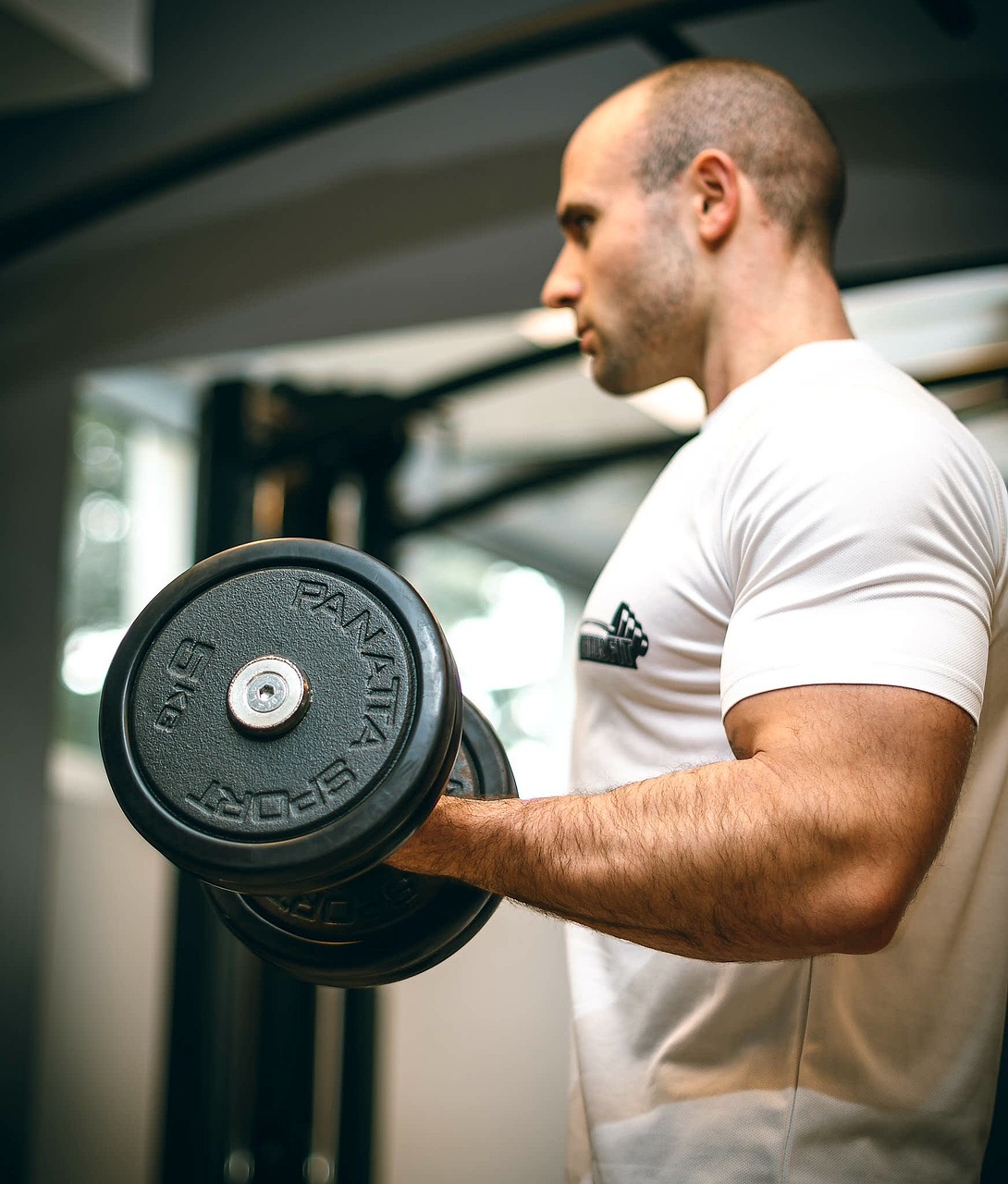
Good Exercises for Stronger Forearms at Home
One effective exercise for strengthening the forearms is wrist curls. Wrist curls target the flexor muscles in the forearm, which are responsible for bending the wrist. To perform wrist curls, hold a light dumbbell in each hand with palms facing down. Slowly lift the weights towards your wrists by contracting the flexor muscles, then lower them back down. Repeat this movement for several sets to build endurance and strength in the forearms. Progressive overload can be achieved by gradually increasing the weight used over time.
Another beneficial exercise is wrist extensions, which focus on the extensor muscles of the forearm. These muscles are responsible for straightening the wrist and are crucial for activities like pulling motions or carrying heavy objects. To perform wrist extensions, hold a dumbbell in each hand with palms facing up. Slowly lower the weights away from your wrists by contracting the extensor muscles, then bring them back up. This exercise helps to balance forearm strength and prevent imbalances that can lead to strain or injury.
Plank holds are versatile exercises that engage multiple muscle groups, including the forearms. By supporting body weight on the forearms and toes, planks challenge the stabilizing muscles in the wrists and hands. To perform a standard plank, start in a push-up position, then lower the chest towards the floor while maintaining support on the forearms. Hold this position for as long as possible, focusing on breathing and core stability. Modifications, such as knee planks or side planks, can be used to adjust the difficulty level.
Best Workouts for People with Wrist Pain
The most critical parameter in forearm exercises, particularly for individuals with wrist pain, is grip strength. Grip strength directly influences the efficiency and effectiveness of many forearm muscles, including those responsible for flexion, extension, pronation, and supination of the wrist and hand. The force generated by gripping objects or equipment activates several key muscle groups such as the flexor carpi radialis, palmaris longus, flexor carpi ulnaris, and various finger flexors and extensors. These muscles not only facilitate everyday activities like holding utensils, lifting groceries, or opening jars but also play a vital role in stabilizing the wrist during high-intensity workouts.
For those seeking targeted forearm training without exacerbating wrist pain, specialized tools such as grip trainers designed for gentle resistance and minimal strain on the joints are highly effective. These devices allow individuals to gradually increase their grip strength over time while maintaining control and safety in their movements.
Incorporating a balanced routine that includes both grip-focused exercises and those targeting other aspects of forearm development, such as supination/pronation, wrist flexion/extension, and finger isolation moves, provides comprehensive benefits for individuals with wrist pain. This holistic approach ensures that all contributing muscle groups are strengthened without overloading the already compromised joint structure, promoting long-term stability and functional improvement in daily life and athletic endeavors alike.
How to Get Stronger Forearms Fast
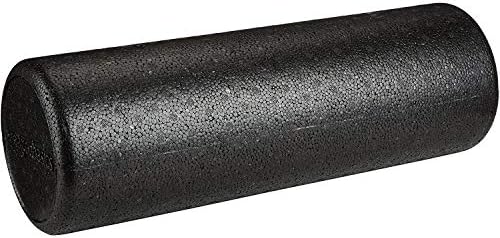
One popular dynamic forearm exercise is the Wrist Curl. To perform this exercise: 1) Sit at the edge of a bench or chair with your hands hanging off the side, palms facing up and wrists overhanging the edge; 2) Hold a dumbbell in each hand with an underhand grip; 3) Lower the weights towards your forearms by bending at the wrist, then curl them back up to the starting position. Perform this motion slowly and deliberately, focusing on the contraction of the forearm muscles during the upward movement. Repeat for desired reps and sets.
Another dynamic exercise is the Reverse Wrist Curl. This time, use an overhand grip with the palms facing down. Lower the weights towards the floor by extending the wrists, then curl them back up to the starting position.
For static forearm exercises, consider the Plate or Dumbbell Hold. Choose a heavy plate or dumbbell that you can comfortably hold in one hand. Rest your palm on top with your fingers draped over the edge for support. Hold the weight out in front of you at waist level for as long as possible without letting go. Repeat with the other hand.
Another static exercise is the Farmer’s Walk. Pick up two heavy weights (can be kettlebells, dumbbells, or even heavy objects) and walk a short distance holding them in each hand at your sides, maintaining a neutral wrist position throughout the movement. This exercise engages the forearms isometrically as you hold the weights and keeps the muscles contracted for an extended period.
Incorporating these exercises into your workout routine 2-3 times per week should help strengthen your forearms significantly. Remember to start with lighter weights or lower reps, gradually increasing the load and volume over time as your strength improves. Proper technique is crucial, so consider seeking guidance from a qualified trainer if necessary.
Don’t forget about the importance of recovery and proper nutrition for muscle growth. Adequate rest between workouts and well-balanced meals with sufficient protein intake will support the development and repair of your forearm muscles.
