
- Plank
- The plank engages nearly every muscle in the body, focusing on the abdominals, lower back, and glutes. To perform a standard plank, assume a push-up position but lift your hips off the ground, supporting yourself on your forearms and toes. Hold this position for 30 seconds to a minute, maintaining a straight line from head to heels. Variations like side planks or forearm planks can add additional challenge and target specific areas.
- Russian Twists
- This exercise primarily works the obliques, the muscles on the sides of the core. Sit on the floor with your knees bent, feet flat on the ground, and back straight. Lean slightly back to engage your core, then lift your feet off the ground. Hold a weight or medicine ball in front of you and twist your torso from side to side, touching the floor with the weight as you rotate. Perform 12-15 reps on each side for maximum effectiveness.
- Dead Bug
- The dead bug targets the rectus abdominis (the “six-pack” muscles) and helps improve flexibility in the hips and lower back. Lie on your back with your hands behind your head, legs raised to a 90-degree angle, and knees bent. Extend one arm toward the floor while bringing the opposite knee down toward your chest, then return to the starting position. Alternate sides for 12 reps per side, ensuring controlled movements to avoid strain.
- Bicycle Crunches
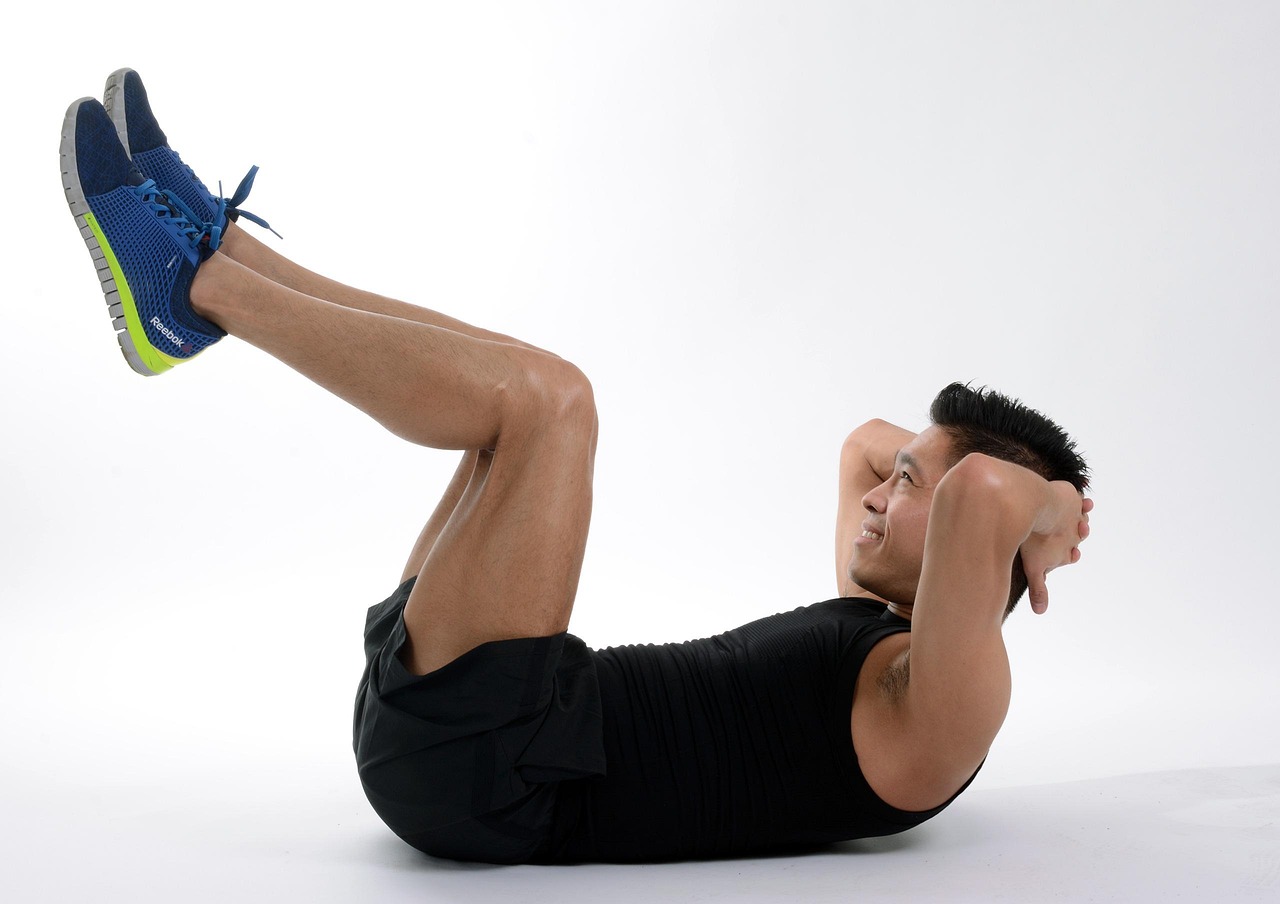
- Bicycle crunches engage the rectus abdominis and obliques simultaneously. Lie on your back with your hands behind your head, legs raised at a 90-degree angle, and knees bent. Bring one knee toward your chest while extending the opposite arm toward the knee, then switch sides. Maintain a controlled pace to keep the movement focused on the core muscles. Aim for 15-20 reps per side.
- Hanging Leg Raises
- This exercise strengthens the lower abs and hip flexors. Use a pull-up bar or resistance band anchored at waist height. Grasp the bar with an overhand grip, then lift your legs straight out in front of you, holding them parallel to the floor. Slowly raise your legs toward the ceiling, keeping them straight until they are perpendicular to the ground, then lower them back down. Perform 10-15 reps, focusing on controlled lifting and lowering.
- Squat with Overhead Press
- Pilates Roll-Up
- The Pilates roll-up strengthens the entire core, from the lower back to the obliques. Lie on your back with your arms extended along the floor and knees bent, feet flat. Inhale as you slowly arch your upper back off the floor, then exhale as you roll up into a sitting position, keeping your arms straight and legs together. Lower back down while inhaling, repeating for 10-12 controlled reps to build endurance.
- Side Plank with Hip Dips
- This variation targets the obliques and strengthens the hip muscles. Start in a side plank position on your forearm, with your body forming a straight line from head to heels. Engage your core to prevent any sagging or lifting of the hips. Perform small dips by lowering your hips toward the floor, then returning to the starting position. Aim for 10-12 reps per side, maintaining proper form to avoid injury.
- Superman
- Superman exercises primarily work the lower back and glutes while also engaging the upper back and shoulders. Lie face down on the floor with your arms extended in front of you and legs straight behind
Best Core Exercises for Beginners
To Pilates, incorporating compound movements from traditional workouts can further enhance core engagement. Exercises like deadlifts, squats, and plank jacks require the core muscles to stabilize the spine and maintain balance, providing a full-body challenge. These exercises not only strengthen the core but also improve functional fitness, enabling better performance in daily activities and sports.
To create an effective hybrid routine, start with a warm-up that includes Pilates-inspired stretches such as cat-cow and spinal twists to increase flexibility and prepare the core muscles for activity. Follow this with a series of Pilates exercises targeting different core muscle groups, focusing on maintaining proper form and controlled breathing throughout each movement.
After completing the Pilates segment, transition into dynamic workout exercises that engage the core during high-intensity movements. Include activities such as mountain climbers, bicycle crunches, and Russian twists to challenge the core muscles in new ways and promote cardiovascular endurance. By alternating between static Pilates holds and explosive workout moves, beginners can achieve a balanced training experience that builds both strength and flexibility.

How to Train Your Core Without Crunches
Training your core without crunches involves focusing on exercises that engage the muscles stabilizing the spine and pelvis, while avoiding repetitive motions that can lead to strain or imbalance. The core consists of multiple muscle groups, including the rectus abdominis, transverse abdominis, obliques, erector spinae, and pelvic floor muscles, each contributing to different functions such as flexion, extension, rotation, and stabilization. Overtraining any single muscle group can lead to fatigue, reduced performance, and increased risk of injury, necessitating a balanced approach that integrates various exercises targeting the entire core.
One effective method is Pilates, which emphasizes controlled movements, breath control, and precision to strengthen the deep core muscles without overloading them. Exercises like the hollow hold, single-leg raises, and spine rolls engage the transverse abdominis and erector spinae, promoting better posture and spinal alignment. Unlike crunches, Pilates movements prioritize proper form and avoid excessive compression on the spine, reducing the risk of injury associated with repetitive crunching.
Another approach is to incorporate planks and side planks, which challenge the entire core by requiring sustained isometric contractions. Planks engage the rectus abdominis, obliques, and erector spinae simultaneously, while side planks target the lateral muscles and improve rotational stability. These exercises demand endurance and proper alignment, preventing overtraining by engaging multiple muscle groups in a functional manner.
To illustrate the dynamic interaction between overtraining and workouts, consider an individual who performs crunches daily for months. Over time, the rectus abdominis may become overdeveloped relative to the supporting muscles, leading to imbalances that compromise spinal health and posture. In contrast, a well-rounded core routine that includes Pilates, planks, and other stabilization exercises ensures balanced strength development, reducing the risk of overtraining and promoting long-term core health.
Rest and recovery are equally important in preventing overtraining. The core muscles, like all others, require adequate time to repair and adapt after exertion. Incorporating rest days or low-intensity activities such as yoga or stretching into the routine allows the muscles to recover, ensuring sustained progress and minimizing the risk of injury.
Exercises for Better Core Stability
Core stability is fundamental to maintaining proper posture, enhancing athletic performance, and preventing injuries. The core muscles, including the rectus abdominis, transverse abdominis, internal and external obliques, erector spinae, and diaphragm, work synergistically to stabilize the spine and pelvis during movement. To build a strong and resilient core, it is essential to incorporate exercises that progressively challenge these muscles from basic to advanced levels.
Begin with foundational exercises such as planks, bird-dogs, and bridges. Planks engage the entire core by maintaining a straight line from head to heels while supporting body weight on forearms and toes. Variations like side planks target oblique stability. Bird-dogs enhance coordination and balance by alternating arm and leg lifts while on hands and knees. Bridges focus on hip and glute activation, with single-leg bridges adding complexity for greater core engagement.
As strength improves, introduce dynamic movements like Russian twists, cable crunches, and medicine ball slams. Russian twists involve rotating the torso with a resistance band or weight while seated, challenging oblique endurance. Cable crunches engage the rectus abdominis by twisting the trunk toward an anchor point while holding handles. Medicine ball slams combine power and core control, requiring stabilization of the spine during explosive throws.
Advanced exercises such as hanging leg raises, pallof presses, and yoga poses like boat pose further refine core stability. Hanging leg raises isolate the lower rectus abdominis by lifting straight legs toward the ceiling while suspended from a bar. Pallof presses target the obliques and erector spinae by resisting a resistance band or cable while standing sideways to an anchor. Boat pose demands isometric endurance, engaging the entire core to maintain a vertical position from the hips while balanced on the sitz bones.
Incorporating a variety of exercises ensures balanced development of core muscles. It is crucial to listen to the body and avoid overtraining, which can lead to muscle imbalances or injuries. A well-rounded core workout should include both static holds for endurance and dynamic movements for strength and flexibility. Consistency and proper form are key to achieving a toned, stable core capable of supporting daily activities and athletic pursuits.
The 7-Minute Workout Science Says Actually Works
Another critical aspect of Pilates’ feedback loops is the emphasis on breath integration. The method incorporates synchronized breathing patterns with movement, ensuring adequate oxygen supply to working muscles and facilitating deeper engagement of the core. This integration enhances respiratory efficiency and promotes a calmer, more focused state of mind, which in turn supports better control over body movements. As practitioners become more adept at coordinating breath with action, they experience improved endurance and reduced fatigue, further reinforcing the feedback loop that links proper technique to optimal results.
Pilates encourages a holistic approach to physical conditioning by addressing not only muscular strength but also flexibility, balance, and mental clarity. The system’s emphasis on mindfulness and self-awareness fosters an intrinsic feedback mechanism, where individuals learn to listen to their bodies and adjust movements accordingly. This self-regulation helps prevent overtraining and promotes long-term adherence to the practice by ensuring that exercises are performed at an intensity suitable for each individual’s current capabilities.

Best Core Exercises for Beginners
For beginners seeking toned muscles, establishing foundational core exercises is crucial. Core training improves balance, posture, and injury prevention while forming the base for advanced movements. Starting with low-intensity routines prevents overtraining and allows gradual adaptation. Fundamental exercises like planks emphasize control and engage multiple muscle groups simultaneously. Side planks develop lateral stability, while bird dogs enhance coordination by integrating opposing limb movements.
The dead bug exercise targets trunk stabilization by performing controlled leg and arm extensions while lying supine. Modified crunches on an exercise ball increase spinal mobility while reducing lumbar stress compared to traditional floor-based crunches. Hollow body holds build endurance through sustained muscle engagement, promoting core integrity during dynamic activities. Mountain climbers incorporate cardiovascular intensity with functional strength demands, challenging the entire torso.
Glute bridges activate the posterior chain and hip extensors, crucial for lower body power transfer. Bird dogs paired with leg extensions integrate upper and lower body coordination while maintaining neutral spine alignment. The cat-cow stretch in yoga fosters spinal flexibility and contributes to core resilience through dynamic range of motion exercises.
Toned muscles require progressive overload and variety to maintain adaptability. Beginners should start with 2-3 sessions weekly, gradually increasing sets and duration as endurance improves. Rest days between workouts allow muscle recovery, reducing injury risk while optimizing toning outcomes. Proper nutrition supports fat loss and muscular development by maintaining a slight caloric deficit or balanced intake according to activity level.
Avoid common pitfalls like improper form during exercises such as crunches, which can strain the lower back. Instead, prioritize controlled movements with full range of motion while engaging core muscles actively. Introducing instability tools like stability balls or balance boards challenges the neuromuscular system and enhances muscle activation patterns.
Tracking progress through measurements like waist circumference or strength improvements provides motivation and objective evidence of toning benefits. Gradually increasing weights in resistance training sessions stimulates continued muscle adaptation without overtraining. Maintaining hydration supports nutrient transport to working muscles, optimizing recovery and performance during workouts.
Core exercises for beginners should focus on quality over quantity. Start with 1-2 sets per exercise initially, building up to 3-4 sets as endurance develops. Rest intervals between sets ideally last 60-90 seconds to maintain metabolic intensity without excessive fatigue. Core-centric workouts like Pilates emphasize controlled breath and fluid movement sequences that enhance muscular definition while promoting flexibility and joint health.
Consistency in training frequency, proper form, and balanced nutrition are the cornerstones of achieving toned muscles. Beginners should prioritize foundational exercises before progressing to advanced variations. Listening to the body’s feedback, such as pain or excessive soreness, and adjusting routines accordingly prevents overtraining injuries and supports sustainable progress toward toning goals.
How to Build a Stronger Core Without Crunches
One foundational exercise is the plank, which activates the entire core while engaging the glutes and shoulders. To perform a basic plank, assume a push-up position but rest on your forearms rather than your hands, ensuring your body forms a straight line from head to heels. Hold this position for 30 seconds to a minute, gradually increasing the duration as strength improves. Variations such as side planks, forearm planks, and dynamic plank movements like shoulder taps enhance core engagement and prevent overtraining.
Another effective exercise is the bird-dog, which simultaneously strengthens and lengthens the core muscles while improving coordination. Lie on your stomach with your arms extended in front and legs straight behind. Lift one arm and the opposite leg off the floor, maintaining a neutral spine and engaging the core to hold the position for a few seconds before switching sides. This exercise targets the obliques and deep stabilizers, promoting balanced strength.
The hollow body hold is another powerful movement that activates the entire core. Lie on your back with knees bent at a 90-degree angle, feet flat on the floor, and hands tucked under the pelvis. Lift the head, shoulders, and legs off the ground, pressing the lower back into the floor to create a hollow sensation in the abdomen. Hold for 15 to 30 seconds, focusing on maintaining proper form to avoid arching the back or lifting excessively.
Incorporating Pilates exercises, such as the roll-up and single leg stretch, can further enhance core strength and flexibility. The roll-up involves sitting with knees bent and feet flat, rolling up to a seated position while extending the arms forward, then returning to the starting position. This movement engages the entire core and improves spinal alignment. The single leg stretch, performed lying on the back with one leg lifted and straight, strengthens the obliques and stabilizes the pelvis.
A safety consideration when building core strength is to avoid overtraining, which can lead to muscle imbalances or injury. It is essential to allow adequate recovery time between sessions and listen to the body’s signals of fatigue or discomfort. Proper form is also crucial; if an exercise causes pain or strain, it may be necessary to modify the movement or consult a fitness professional for guidance. By incorporating these exercises into a well-rounded workout routine and prioritizing technique over intensity, individuals can develop a stronger, more resilient core without relying on crunches.
Best Ab Workouts for a Toned Midsection
In the quest for a toned midsection, many individuals turn to ab workouts as a primary focus. However, it’s essential to understand that having strong abs is just one component of a well-defined midsection. A hybrid approach combining both strength training and targeted ab workouts can yield optimal results.
Strength training builds the foundation for a solid core, engaging muscles beyond just the rectus abdominis. Exercises such as plank variations, Russian twists, and weighted carries activate multiple muscle groups in the core, leading to improved functional strength and stability. Furthermore, these exercises help prevent overtraining of the abs, allowing them to recover effectively between workouts.
A toned midsection is not only about visible abs but also about having a strong, stable core. The core muscles, including the rectus abdominis, obliques, transverse abdominis, and the muscles in the lower back, work together to support the spine and facilitate efficient movement. A well-rounded strength training routine that engages these muscles will provide a solid foundation for toning the midsection.
Targeted ab workouts help develop the visible definition desired by many individuals. Exercises like leg raises, bicycle crunches, and reverse crunches can effectively target the rectus abdominis and obliques. Proper form and consistency are crucial when performing these exercises to ensure that they effectively engage the intended muscles while minimizing strain on the lower back.
To further optimize the results of this hybrid approach, consider implementing progressive overload in your workouts. Progressive overload involves gradually increasing resistance or intensity to challenge the body and promote muscle growth. This can be achieved through increasing weight, reps, sets, or workout frequency, depending on the specific exercise and individual fitness level.
To maximize the potential of this approach, ensure that you’re performing a balanced strength training routine that engages all muscles in the core effectively. Additionally, focus on proper form and technique when executing both strength training exercises and targeted ab workouts. Remember to allow adequate recovery time between workouts, as overtraining can hinder progress rather than enhance it. With dedication, consistency, and a well-designed workout plan, you’ll be on your way to achieving a toned midsection.
Core Exercises for a Flat Stomach
The transverse abdominal muscles are arguably the key to a flatter stomach; these act like a natural corset around the midsection, drawing the abdomen inward when engaged. Think of them as the core’s “inner unit.” Pilates-inspired exercises, such as the hundred or roll-down variations, excel at targeting this often overlooked muscle layer. Proper breathing technique is crucial here – exhaling to draw the belly button toward the spine helps maximize transverse abdominal activation. The obliques, responsible for rotational movement and lateral stability, benefit from exercises like bicycle crunches, Russian twists (often incorporating a weight), or side planks. These movements require good core control to avoid excessive hip sway.
Hip flexor strength is another important factor, as tightness can pull the pelvis out of alignment and hinder core engagement. Exercises like Pilates leg circles or controlled hip drops help improve flexibility and strengthen these often-overlooked muscles. A key element in most effective routines is incorporating anti-rotation exercises – moves that challenge the core’s stability to prevent rotational movement. Bird dog, plank variations (forearm plank, single-leg plank), and dead bug are good examples of this.
Overtraining the core can occur if volume or intensity increases too quickly; it’s generally a good idea to start with fewer repetitions and gradually increase as strength improves. Pay particular attention to proper form – sloppy technique often leads to compensation patterns that negate the benefits. A well-rounded approach combines cardio for fat loss, a balanced diet for nutrient intake, and consistent core strengthening exercises for a leaner, more toned midsection. Integrating these building blocks creates an effective workout foundation for most people.
Best Core Exercises for Beginners
Overtraining occurs when an individual exceeds the body’s ability to recover from training stress. This state results from a combination of excessive physical exertion, inadequate rest, and insufficient nutrition. The process begins with repeated high-intensity workouts that place significant strain on the muscles, joints, and energy systems. Initially, these sessions may lead to adaptive responses such as increased muscle strength and endurance. However, when training volume or intensity surpasses the body’s capacity for recovery, a series of negative physiological changes ensue.
The underlying mechanism involves a breakdown in hormonal balance. Endocrine disruption occurs as elevated cortisol levels remain chronically high due to persistent stress from overtraining. This glucocorticoid hormone suppresses immune function and promotes protein catabolism, breaking down muscle tissue for energy instead of synthesizing new ones. Simultaneously, testosterone production declines, which is essential for lean muscle mass development and maintenance. The body enters a state where it prioritizes survival over athletic performance, redirecting resources away from repair processes to basic metabolic functions.
Central nervous system fatigue represents another critical component. Overstimulation of neural pathways during intensive training exhausts neurotransmitters like serotonin and dopamine. These chemicals regulate mood and motivation; their depletion leads to irritability, decreased concentration, and diminished enjoyment of workouts. The resulting psychological burnout often precedes physical overtraining symptoms, creating a vicious cycle where avoidance of exercise exacerbates the problem.
Musculoskeletal adaptation fails under prolonged overload conditions. Collagen synthesis rates decrease while breakdown accelerates, weakening connective tissues like tendons and ligaments. This structural vulnerability increases injury risk during subsequent workouts. Joint inflammation becomes chronic due to persistent microtrauma from repetitive movements performed without adequate recovery phases. Bone density may also diminish as estrogen levels fall in response to hormonal imbalance, compromising skeletal integrity.
Cardiovascular stress accumulates beyond compensatory limits. Persistent elevation of heart rate and blood pressure strains the cardiovascular system. Reduced plasma volume impairs thermoregulation during exercise, increasing risk of heat illness or hypothermia if environmental conditions aren’t properly managed. Endothelial dysfunction from chronic inflammation may elevate atherosclerosis risk factors over time.
Metabolic adaptations further compound issues. Insulin sensitivity diminishes as the body attempts to conserve energy stores through decreased glucose utilization. This shift promotes fat accumulation while impairing muscle glycogen replenishment, leading to persistent fatigue and poor workout performance. Glycogen depletion becomes more frequent despite normal caloric intake due to altered storage pathways.
The cumulative effect of these disruptions creates a feedback loop where physical deterioration outpaces compensatory gains. Performance plateaus or declines occur as the body struggles to maintain basic function amidst ongoing stressors. Recovery times lengthen and become inconsistent, as hormonal imbalances interfere with normal repair processes. This state of perpetual underrecovery sets the stage for more severe overtraining syndrome when unaddressed.
Prevention relies on maintaining a balance between training stimulus and recovery capacity. Individualized progression plans that incorporate adequate rest days and tapering periods are crucial. Nutritional strategies must support tissue repair while managing energy availability to prevent metabolic disturbances. Monitoring subjective feelings of fatigue alongside objective measures becomes essential for detecting early signs of overtraining before full-blown syndrome develops. The key lies in recognizing the body’s signals rather than pushing through pain or persistent exhaustion.
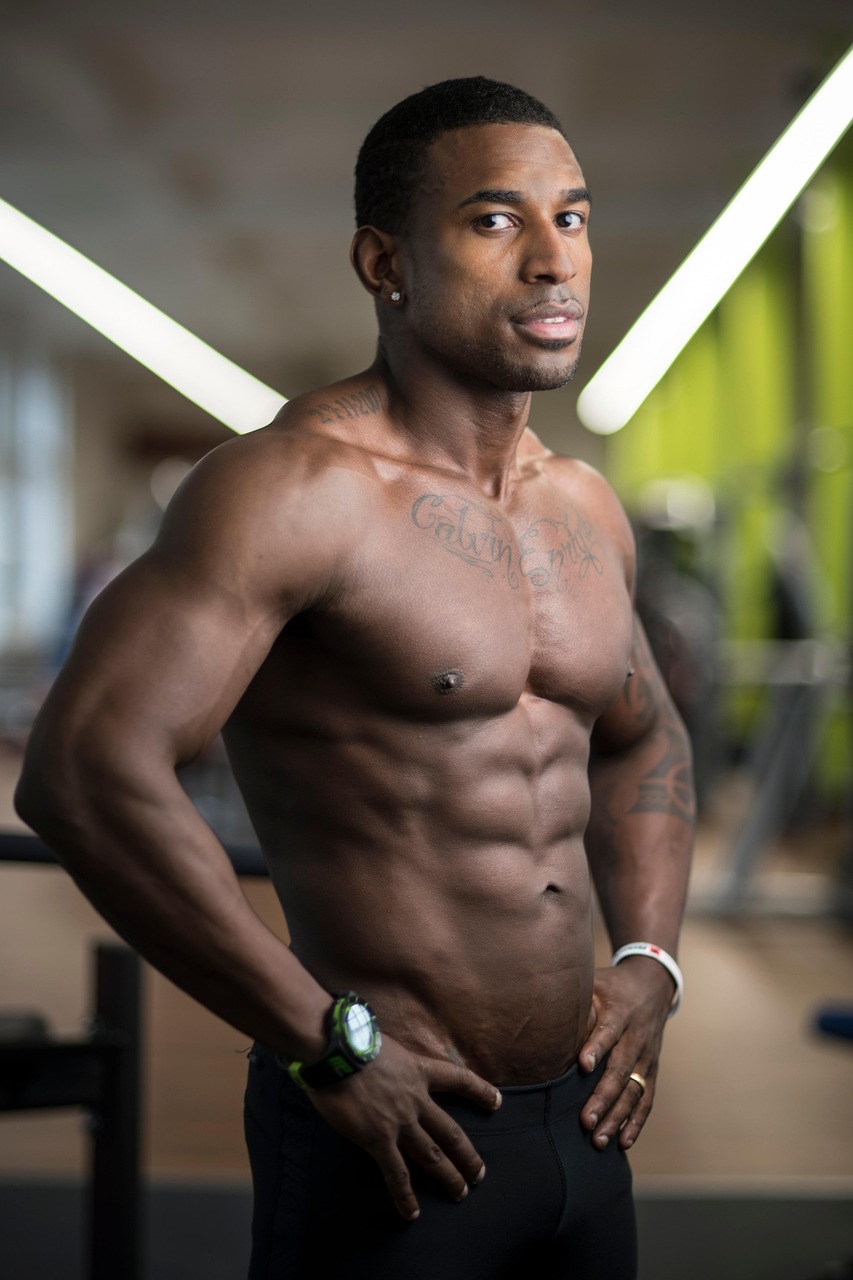
How to Build a Stronger Core Without Crunches
The cyclical nature of Pilates exercises also contributes to muscle toning and endurance. Movements are often repeated with careful attention to form, ensuring that the targeted muscles work efficiently without overtraining. This repetition creates a feedback loop where the body adapts to the demands of each exercise, gradually increasing strength and flexibility. Over time, this process leads to a more toned and resilient core.
Best Ab Workouts for a Toned Midsection
Another issue that can hinder progress in ab workouts is overtraining. Overdoing it with too many repetitions or excessive frequency can lead to muscle fatigue, decreased performance, and even potential injury. Incorporating rest days and varying exercise routines is crucial for allowing muscles to recover and grow stronger.
Incorporating exercises like the plank, bicycle crunch, Russian twist, leg raise, and bridge into your routine can create a solid foundation for developing a toned midsection. These moves not only engage various abdominal muscles but also challenge other supporting muscles, ensuring comprehensive core strength.
Bicycle crunches engage both the rectus abdominis and obliques while adding resistance to each rep. To perform this exercise, lie down with hands behind the head and alternate bringing each elbow toward the opposite knee as you lift your shoulders off the ground. Keeping a controlled pace is essential to maintain proper form and effectively target the intended muscles.
Russian twists involve sitting on the floor with knees bent or lifted and holding a weight or medicine ball, then twisting the torso from side to side while keeping a stable core. This movement targets the oblique muscles, promoting a defined waistline.
Leg raises primarily focus on the lower abs by engaging the hip flexors to lift one leg off the ground while maintaining a straight back and holding each leg up for several seconds before lowering it back down. Performing this exercise with proper form ensures effective targeting of the lower abs, reducing the risk of injury and ensuring optimal results.
Core Exercises for a Flat Stomach
V-ups are a more dynamic option that effectively targets the upper and lower rectus abdominis, but require greater coordination and can be modified with bent knees for easier entry. Bicycle crunches add an oblique component to the standard crunch movement, encouraging rotational core strength. Dead bugs are excellent for building anti-gravity core stability, requiring mindful control to prevent lumbar arching during leg and arm extensions, a common area where beginners tend to lose form. Russian twists, often performed with a weight or medicine ball, provide another good option for oblique engagement, particularly when focused on rotating from the ribs rather than simply using momentum.
The key to achieving consistent results lies in consistency and mindful execution; focusing on proper form over quantity is often beneficial to avoid common pitfalls like lower back strain. Many individuals tend to “overtrain” the rectus abdominis – the “six-pack” muscle, and neglect the transverse abdominis and obliques, leading to a somewhat one-dimensional core strength profile. Incorporating a variety of exercises targeting all these areas helps ensure well-rounded core stability and function.
A potential future advancement in workout technology involves personalized neuro-muscular feedback systems. Imagine a system that uses electromyography (EMG) sensors combined with augmented reality, providing real-time visual cues on how to properly engage the transverse abdominis during a plank or V-up. This could potentially accelerate learning and improve core activation for all levels of fitness enthusiasts, ultimately leading to more efficient and effective workouts.
Top 10 Exercises for Stronger Core
- Russian Twists: This exercise targets the obliques and enhances rotational strength. Sit on the floor with knees bent, feet flat, and arms extended out in front of you at chest height. Lean back slightly while keeping your core tight, then twist to one side, touching the floor or ankle before returning to the center and twisting to the other side. Aim for 3 sets of 12-15 reps per side.
- Bicycle Crunches: Bicycle crunches work the rectus abdominis and obliques by combining hip rotation with trunk flexion. Lie on your back with hands behind your head, legs extended, and feet off the floor. Bring one knee toward your chest while twisting your torso to touch the opposite elbow to your knee, then switch sides. Perform 3 sets of 15-20 reps per side.
- Deadbugs: Deadbugs engage the entire core by isolating and contracting individual muscle groups. Lie on your back with knees bent at a 90-degree angle and feet flat on the floor. Lift your arms straight up to shoulder height, then slowly lower one arm and the opposite leg toward the ground while keeping the core tight. Return to the starting position and repeat on the other side. Aim for 3 sets of 12 reps per side.
- Leg Raises: Leg raises strengthen the lower abs and hip flexors. Lie on your back with hands at your sides, legs extended, and feet off the floor. Slowly lift your legs upward until they are perpendicular to the ground, then lower them back down without touching the floor. Focus on maintaining control throughout the movement. Perform 3 sets of 15-20 reps.
- Side Plank: Side planks target the obliques and improve lateral stability. Start on your side with your forearm supporting your weight, legs stacked one on top of the other, and feet shoulder-width apart. Hold this position for 30 seconds to one minute per side, focusing on keeping your hips and shoulders aligned.
- Cable Woodchops: Cable woodchops engage the obliques and improve rotational power. Stand sideways to a cable machine with a high pulley set, hold the handle with both hands, and keep your core tight. Rotate your torso to one side while resisting the pull of the cable, then return to the starting position and repeat on the other side. Aim for 3 sets of 12-15 reps per side.
- Superman: Superman strengthens the lower back and glutes while improving posture. Lie face down with arms extended in front and legs straight behind you. Lift your arms, chest, and legs off the floor simultaneously, holding for a few seconds before lowering back to the start. Perform 3 sets of 10-12 reps.
- Pilates Mat Exercises: Pilates integrates strength, flexibility, and control into core training. Classic Pilates moves like the hollow hold, spine stretch, and roll-up engage the entire core while promoting breath awareness and alignment. Typical Pilates sessions last 45-60 minutes, combining a series of controlled movements that emphasize precision and form.
- Weighted Russian Twists: Adding weight to Russian twists increases resistance and challenges the core further. Sit on the floor with knees bent and hold a medicine ball or dumbbell between your legs. Lean back slightly, engage your core, and twist to one side before returning to the center and twisting to the other side. Aim for 3 sets of 12-15 reps per side.
- Incorporating these exercises into a consistent workout routine will lead to a stronger, more resilient core. To avoid overtraining, allow at least 48 hours of rest between core-focused workouts and pair these exercises with
Best Ab Exercises for a Strong Core
Functional tests are crucial for evaluating core strength. Exercises like the hanging leg raise, Russian twist, and bicycle crunch assess not only abdominal endurance but also stabilization and rotational power, which are essential components of a strong core. These tests provide quantitative data on performance improvements, such as the number of repetitions or seconds maintained during holds, allowing for an objective comparison of progress.
Incorporating these methods into a training regimen enables a holistic approach to monitoring muscle development. It is important to note that overtraining can lead to diminished results and increased risk of injury, so balancing intensity with rest and proper nutrition is crucial for sustainable muscle growth and core strength. By combining visual assessments with objective measurements and functional testing, individuals can effectively track their progress and tailor their workouts to achieve a toned, strong core.
Good Workouts Before a Run
Begin with a dynamic warm-up to prepare the body for the workout. Exercises such as high knees, butt kicks, and leg swings help increase blood flow to the muscles and elevate heart rate. A 5-10 minute warm-up is sufficient to prime the body without causing fatigue.
Transition into Pilates mat exercises that target the deep core muscles. The hollow hold is an effective exercise for engaging the transverse abdominis, which is crucial for stabilizing the spine during running. Lie supine with knees bent and feet flat on the floor, then lift the head, shoulders, and legs while contracting the core to form a hollow space between the lower back and mat. Hold for 30-60 seconds, maintaining controlled breathing.
The hundred exercise is another foundational Pilates move that enhances core endurance. Lie supine with arms extended overhead and legs straight, then lift your head and shoulders while inhaling and rapidly alternate raising one leg at a time as you exhale. Perform for 1-2 minutes, focusing on controlled, fluid movements.
The side leg raise targets the obliques, which are vital for rotational stability during running strides. Lie on your side with bottom elbow extended and top arm resting on the hip. Lift the top leg to a height equal to the torso, then lower controlly. Repeat for 10-15 reps on each side, ensuring the hips do not sag or lift excessively.
Finish with coil and unfold, a spinal mobilization exercise that increases flexibility and range of motion. Sit on the edge of a reformer or chair, then hinge forward at the hips while extending the spine, allowing the head and arms to hang loosely. Inhale to lengthen the spine, then exhale to roll up vertebra by vertebra, maintaining engagement in the core muscles.
Complement Pilates with bodyweight exercises that mimic running movements. Single-leg deadlifts improve hamstring flexibility and glute strength, which are crucial for efficient running form. Stand on one leg with the other knee bent, hinging at the hips to lower the torso while maintaining a neutral spine. Pause briefly before returning to start, repeating 10-15 times per leg.
Wall sit exercises enhance hip stability and endurance. Position yourself with your back against a wall, sliding down until knees are at or above hip height. Hold for 30-60 seconds, maintaining proper posture without collapsing the spine or allowing heels to lift.
Integrate these exercises into a pre-run routine 2-3 times weekly, ensuring adequate rest to prevent overtraining. A well-balanced workout that combines Pilates, mobility drills, and strength-building exercises will optimize performance, reduce injury risk, and contribute to a more efficient, toned physique.
Top Core Workouts for Stability
Bird-Dog Exercise: This exercise strengthens the core while improving coordination and balance. Begin on all fours with wrists aligned under shoulders and knees under hips. Extend the opposite arm and leg simultaneously, maintaining a neutral spine and engaging the core muscles to stabilize the body. Return to the starting position and repeat on the other side for repetitions. To increase difficulty, hold each extension for 2-3 seconds or use light weights on the arm and leg.
Russian Twists: Russian twists are effective for targeting the obliques and enhancing rotational stability. Sit on the floor with knees bent at a 90-degree angle, feet flat on the ground, and torso upright. Lean back slightly while keeping the core engaged to maintain balance. Hold a light weight or medicine ball between hands and twist the torso to one side, then the other, completing repetitions. For advanced variations, increase the range of motion or use a heavier weight to intensify the workout.
Dead Bug: This exercise strengthens the lower abdominals and improves scapular stability. Lie on your back with arms extended overhead and knees bent at a 90-degree angle. Engage the core muscles to lift the shoulder blades off the floor while slowly extending one arm and the opposite leg toward the ground. Return to the starting position and repeat with the other arm and leg. To progress, increase the number of repetitions or perform full arm and leg lifts without touching the ground.
Pilates Mat Exercises: Pilates emphasizes core stability through controlled movements and precise alignment. The Hundred is a classic Pilates exercise that enhances breath control and core endurance. Lie on your back with arms extended overhead, palms facing down. Engage the core to lift the head, shoulders, and feet slightly off the floor while performing rapid, shallow breathing for 100 counts. Control and precision are key; avoid rushing through repetitions to maintain effectiveness.
Bicycle Crunches: This exercise targets the rectus abdominis and obliques while promoting rotational control. Lie on your back with hands behind the head, elbows open wide, and knees bent at a 90-degree angle. Engage the core to lift the shoulders slightly off the floor, then alternate bringing the right elbow to the left knee and vice versa. Maintain a steady pace and focus on engaging the obliques during each rotation to maximize effectiveness.
Side Plank with Hip Dips: Side planks challenge lateral stability and engage the obliques and glutes. Begin in a side plank position, supporting on one forearm and the corresponding foot. Engage the core to maintain a straight line from head to heels. Perform hip dips by lowering the hips toward the floor and then lifting back up, ensuring the body remains stable throughout the movement. Alternate sides for balanced development and increase duration as strength improves.
Top 10 Exercises for Stronger Core
Russian Twists: Effective for developing oblique strength and endurance, this exercise involves sitting on the floor with knees bent and feet flat, leaning back slightly while holding a weighted object or medicine ball. Rotate the torso rapidly from side to side, completing sets of repetitions that emphasize speed and control over form.
Bicycle Crunches: This classic abdominal exercise mimics the motion of cycling, engaging the rectus abdominis and obliques. Lie on your back with hands behind the head, feet elevated, and knees bent. Alternate bringing opposite elbows to knees while straightening the corresponding leg, maintaining a steady rhythm for the desired number of repetitions.
Leg Raises: Focused primarily on the lower abs, leg raises involve lying flat on your back with arms extended alongside the body. Slowly lift both legs off the floor, keeping them straight, and then slowly lower them back down without touching the ground. Maintaining control throughout the movement ensures maximum muscle engagement.
Dead Bug: This exercise targets multiple core muscles simultaneously, including the rectus abdominis, obliques, and lower back. Lie on your back with arms extended above you and knees bent at a 90-degree angle. Slowly extend one arm outward while straightening the opposite leg, then return to the starting position before repeating on the other side.
V-Ups: A dynamic movement that engages the upper abs and lower back, V-ups require lying flat on your back with hands behind the head and legs elevated at a 90-degree angle. Quickly bring knees to chest while simultaneously lifting the upper body off the floor, then slowly return to the starting position. The speed of repetitions helps build endurance in the core muscles.
Superman: Primarily targeting the lower back and glutes, this exercise involves lying face down with arms extended forward and legs straight behind you. Simultaneously lift arms and legs off the floor, holding for a brief moment before slowly lowering back to the ground. Maintaining a neutral spine is crucial to avoid strain on the back muscles.
Hanging Leg Raises: Utilizing bodyweight and gravity, hanging leg raises focus on the lower abs and hip flexors. Using a pull-up bar or resistance band, hang with arms fully extended and slowly bring knees toward the chest, then control the descent back to the starting position.
Cable Woodchops: This lateral rotation exercise targets the obliques and helps improve core stability. Hold a cable machine handle with both hands at chest height, keeping your body perpendicular to the machine. Rotate your torso outward against the resistance, then return to the starting position before completing the desired number of repetitions on each side.
Mountain Climbers: A full-body exercise that engages the core while improving cardiovascular fitness, mountain climbers involve starting in a plank position and alternately bringing knees toward the chest. The rapid pace of this movement challenges both endurance and core strength, making it an effective addition to any workout routine.
Good Workouts Before a Run
Integrating plyometric exercises before a run can improve power and speed. Box jumps or bounding mimic the explosive nature of running, enhancing the ability to generate force with each stride. However, it is crucial to balance intensity to avoid overtraining, which can lead to fatigue and increased injury risk. A gradual progression in workout intensity and volume ensures that the body adapts without compromising performance or health.
Core Workouts That Actually Work

Pilates is an excellent method for building a robust core foundation. It emphasizes controlled movements, precise alignment, and breath control to engage the deep stabilizing muscles. Exercises like the hundred, single leg stretch, and spine twist work synergistically to strengthen the entire core. Pilates also promotes flexibility and body awareness, which are crucial for maintaining core integrity during more dynamic workouts.
Planks are a staple in core routines due to their effectiveness in engaging multiple muscle groups simultaneously. The basic plank targets the rectus abdominis, obliques, and lower back while also activating the glutes and shoulders. Advanced variations, such as side planks or forearm planks, increase difficulty by challenging stability and balance. Planks can be modified to suit different fitness levels, making them accessible for both beginners and advanced practitioners.
Russian twists are another versatile exercise that focuses on oblique strength and rotation. Performed sitting with knees bent and feet elevated, this movement involves rotating the torso while holding a weight or medicine ball. Basic Russian twists can be executed without additional weights to focus solely on core activation. Advanced versions incorporate a weight for increased resistance and challenge.
Bicycle crunches are a classic exercise that targets the rectus abdominis through alternating leg and arm movements mimicking cycling. This movement enhances flexibility in the hips while engaging the core dynamically. For advanced variations, add weights or perform slow, controlled repetitions to increase intensity and muscle engagement.
Leg raises are an effective way to strengthen the lower abs and hip flexors. Performed lying flat on the back with legs raised towards the ceiling, this exercise isolates the rectus abdominis and promotes full range of motion. Advanced versions include hanging leg raises or adding weights for greater challenge.
10 Must-Try Exercises for a Stronger Core
Planks form an excellent foundation for building core strength. This exercise targets multiple muscle groups simultaneously, including the abdominals, obliques, lower back, and shoulders. Begin in a push-up position, but instead of lowering yourself, hold your body in a straight line from head to heels. Aim to maintain this position for 30 seconds or longer, gradually increasing the duration as you build endurance. Overtraining planks can lead to fatigue and compromised form, potentially causing lower back pain if performed excessively without proper rest.
Russian twists are effective for engaging the obliques and improving rotational strength. Sit on the floor with your knees bent and feet lifted slightly off the ground. Lean back slightly, keeping your core engaged and torso stable. Hold a weight or medicine ball in front of your chest, then rotate your torso to the right, bringing the object beside your hip. Return to center and repeat on the left side. This exercise should be performed with controlled movements to prevent strain on the lower back.
Bicycle crunches specifically target the rectus abdominis and obliques. Lie flat on your back, bring your knees up to a 90-degree angle, and place your hands behind your head. Lift your shoulders off the ground and twist your torso, bringing your left elbow towards your right knee while extending your opposite leg. Alternate sides in a pedaling motion. Overtraining bicycle crunches can lead to neck strain due to excessive pulling on the head with the elbows.
Dead bugs are a low-impact exercise that focuses on core stability and control. Lie flat on your back with arms extended towards the ceiling and legs raised at 90 degrees, knees bent. Slowly lower one arm behind your head while simultaneously lowering the opposite leg towards the floor. Return to the starting position and repeat with the other side. Overdoing this exercise can result in overstretched muscles or discomfort if performed without proper form.
Side planks are ideal for targeting the oblique muscles on each side of the torso. Begin in a standard plank position, then shift your weight onto one forearm while stacking your feet. Maintain a straight line from head to heels and hold for 30 seconds or longer before switching sides. Overtraining this variation can cause imbalance in muscle strength if not paired with regular workouts on both sides of the body.
Mountain climbers simulate running movements while maintaining core stability. Start in a high plank position, then bring one knee towards your chest, quickly alternating sides in a fast-paced rhythm. This dynamic exercise challenges endurance and coordination but must be performed at a controlled pace to avoid strain on the lower back or shoulders.
Hollow holds require active engagement of the abdominals by pulling the belly button towards the spine while lying flat on your back with arms extended overhead. Lift your hips off the ground, maintaining a straight line from knees to shoulders. This exercise helps improve posterior chain strength and spinal stabilization when performed correctly but can lead to overtraining if done too frequently without adequate rest periods between sets.
Leg raises strengthen both the lower abdominals and hip flexors. Lie flat on your back with arms extended by your sides, then lift both legs towards the ceiling until they form a 90-degree angle with your body. Lower them slowly without allowing them to touch the floor before repeating. Overdoing this exercise may cause tension or discomfort in the lower back due to excessive strain on those areas during movement.
Superman holds focus on improving spinal extension and strengthening posterior chain muscles such as glutes, hamstrings, and erector spinae. Lie face down with arms extended overhead while lifting your legs off the ground simultaneously; maintain this position for 30 seconds or longer before lowering back down carefully. Overtraining Superman holds can lead to stiffness in the lower back if performed without proper warm-up routines beforehand.
Captain’s chair exercises enhance upper abdominal strength by stabilizing yourself on a chair-like structure without actually sitting down. Stand facing forward with your back against the padded support of the machine; grasp handles attached above shoulder level before lifting knees towards chest until they reach hip height before lowering again slowly under control. Overtraining this exercise might result in tightness around shoulder joints if performed excessively without sufficient stretching routines afterward.
Core Workouts That Actually Work
Planks are another cornerstone of effective core workouts, targeting not only the abs but also the glutes, shoulders, and forearms. Diagrams highlighting proper plank form emphasize hip alignment, shoulder stability, and neck positioning to ensure full core engagement. A side plank diagram might illustrate how rotating the hips outward engages the obliques more effectively, while maintaining a straight line from head to heels strengthens the entire core.
To avoid overtraining, these workouts often incorporate rest periods or alternate exercises that engage different muscle groups, ensuring balanced development. Diagrams can also illustrate how to integrate rest effectively, such as holding positions with controlled breathing to enhance relaxation without sacrificing form.
Core Exercises for a Flat Stomach
Begin your core workout with a dynamic warm-up to prepare the body for exercise. This might include movements like hip circles, arm swings, and torso twists, which increase blood flow to the muscles and improve flexibility. A good warm-up should last about 5-10 minutes.
The first exercise to focus on is planks, as they engage the entire core simultaneously while also working the glutes and shoulders. To perform a standard plank, start in a push-up position but rest on your forearms instead of hands, keeping your body in a straight line from head to heels. Hold for 30-60 seconds, gradually increasing the duration as strength improves. Variations like side planks, forearm planks, and dynamic plank movements can add challenge and prevent overtraining.
Incorporate leg raises, which target the lower abs and help create a flatter stomach appearance. Lie on your back with hands at your sides or behind your head, and lift your legs straight up to a 60-degree angle, then slowly lower them without touching the ground. Perform 12-15 repetitions in sets of three. For an advanced variation, try hanging leg raises at a pull-up bar for increased difficulty.
Bicycle crunches are another effective exercise for engaging the obliques and rectus abdominis. Lie on your back with hands behind your head, and perform alternating leg lifts while twisting your torso to touch the opposite elbow to the opposite knee. Aim for 15-20 repetitions per side in sets of three.
Reverse crunches target the lower abs by engaging the hip flexors. Lie on your back with your feet hip-width apart, knees bent, and hands behind your head. Lift your shoulders and upper back off the ground while pulling your knees towards your chest, squeezing the lower abs at the top of the movement before slowly returning to the starting position. Complete 12-15 repetitions in sets of three.
To enhance core stability and engage the transverse abdominis, try the bird-dog exercise. Start on your hands and knees, and extend one arm forward and the opposite leg back, keeping the body stable. Alternate sides for 10-12 repetitions per side in sets of two. This movement strengthens the core’s deep stabilizing muscles, which are crucial for maintaining posture and preventing lower back pain.
Incorporate a superman exercise to work the lower back and glutes, which support the core. Lie face down with arms extended above your head and legs straight behind you. Lift your arms, chest, and legs off the ground simultaneously, holding for a few seconds before lowering back down. Perform 12-15 repetitions in sets of three.
Top 10 Exercises for Stronger Abs
The journey to achieving stronger abs involves a combination of targeted exercises, proper form, and consistent training. Overtraining is a common pitfall that can hinder progress; it’s essential to balance workouts with adequate rest to prevent muscle fatigue and injury. Below are ten effective exercises for building a strong core, each offering unique benefits while minimizing the risk of overtraining when incorporated into a well-rounded routine.
1. Plank: This exercise engages the entire core, including the rectus abdominis, obliques, and lower back muscles. To perform a plank, start in a push-up position but elevate the hips off the ground, holding the position for 30 seconds to a minute. Varying the plank, such as side planks or forearm planks, can target different muscle groups and prevent monotony.
2. Russian Twists: Focused on developing oblique strength and rotation power, Russian twists are performed while sitting with knees bent and feet flat on the floor. Hold a weight or medicine ball, lean back slightly, and twist from side to side for 30-60 seconds per set. This movement enhances core stability and can be modified by adjusting the incline of the torso.
3. Cable Crunches: Utilizing resistance bands or cable machines, cable crunches target the upper abs while providing external resistance. Sit on a bench with your back against the cable machine, grasp the handles, and slowly crunch forward, engaging the abs to bring the handles toward your chest before returning to the starting position.
4. Bicycle Crunches: This classic ab exercise mimics the motion of riding a bike, working both the upper abs and obliques. Lie on your back with hands behind the head, lift legs off the ground, and alternate bringing each knee toward the opposite elbow while extending the other leg. Maintain a steady pace for 1-2 minutes per set.
5. Hanging Leg Raises: For a challenging lower abs workout, hang from a bar or pull-up station and slowly lift straight legs toward the ceiling, then lower them back down with control. This exercise intensifies ab engagement by isolating the lower rectus abdominis muscles.
6. Reverse Crunch: Focused on the lower abs, reverse crunches involve lying flat on your back and pulling your knees toward your head while keeping the lower back pressed to the floor. This movement targets the lower abs effectively without straining the neck or shoulders.
7. Bird Dogs: A Pilates-inspired exercise, bird dogs improve core strength and balance. Start on hands and knees, extend one arm forward and the opposite leg backward, maintaining a straight line from head to toe before switching sides. The movement enhances coordination and engages multiple core muscles simultaneously.
8. Cable Wood Chops: Using a cable machine or resistance band, stand sideways to the machine, grasp the handle, and chop your arms in a circular motion away from your body. This exercise works the obliques and enhances rotational power, essential for sports and daily activities.
9. Russian Deadlifts: A dynamic movement that combines strength and flexibility, Russian deadlifts target the entire core. Stand with feet shoulder-width apart, hinge at the hips to lower the torso parallel to the ground, then explosively return to standing while engaging the abs for stability.
10. Plank Jacks: Combining plank and jumping jacks, this exercise challenges the core’s endurance and strength. Begin in a high plank position, quickly jump feet wide as if doing a jumping jack, then return to plank before repeating. This plyometric movement builds power and agility in the abs.
Incorporating these exercises into a balanced routine, with rest days to prevent overtraining, ensures steady progress toward a stronger, more toned core. It’s crucial to listen to the body, adjust intensity as needed, and prioritize proper form to maximize results while minimizing the risk of injury.
Pilates Exercises for Core Strength
At its core, Pilates involves a series of controlled movements that engage the deep abdominal muscles, back muscles, and pelvic floor, collectively known as the “core.” These exercises are designed to improve strength, stability, and flexibility, which can lead to better posture, reduced risk of injury, and enhanced athletic performance. Mathematically, one could consider the Pilates repertoire as a set of geometric transformations applied to the human body, with each exercise representing a specific movement pattern that alters the body’s position in space while maintaining control and alignment.
In terms of muscle activation, Pilates exercises can be modeled using electromyography (EMG) to measure the electrical activity of muscles during movement. This data can help quantify which muscles are engaged more intensely during specific exercises and how effectively they contribute to core stability. Such analysis can inform exercise prescription, ensuring that individuals are targeting their core muscles appropriately and avoiding overtraining or imbalances.
How to Train Your Core Without Crunches
Training your core without crunches involves a comprehensive approach that targets all the muscles in the core area, including the rectus abdominis, obliques, transverse abdominis, and lower back muscles. Crunches are often criticized for their limited effectiveness and potential to overemphasize the front of the core while neglecting other essential muscles. To achieve a balanced and functional core, consider incorporating exercises that engage multiple muscle groups simultaneously and promote stability and control.
One effective method is plank variations, which challenge the entire core by maintaining a static position. The classic plank engages the rectus abdominis, obliques, and transverse abdominis while also working the glutes and shoulders for support. Progressions such as side planks target the obliques, while forearm planks increase demand on the wrists and lower back. Another variation is the hollow body hold, which emphasizes the deep core muscles by retracting the shoulder blades and tucking the pelvis under. This exercise strengthens the transverse abdominis, providing stability to the spine.
Pilates exercises are another excellent choice for core training, focusing on controlled movements and breath coordination. The Pilates “hundred” works the entire core by performing rapid, small spinal extensions while maintaining a stable pelvis. The leg raise, performed with both legs extended or one at a time, targets the rectus abdominis without placing excessive strain on the lower back. Single-leg stretches further challenge balance and stability, engaging the obliques and deep core muscles to maintain control.
Bridge exercises, such as glute bridges and hip bridges, also contribute to core strength by emphasizing the posterior chain. These movements engage the glutes, hamstrings, and lower back muscles while requiring the core to stabilize the pelvis and spine. Variations like side hip bridges add oblique activation, promoting a well-rounded core workout.
Dynamic exercises such as Russian twists and cable rotations provide resistance training for the obliques, enhancing rotational strength and flexibility. These movements demand core engagement to maintain posture and control during the rotation, challenging the muscles to work eccentrically and concentrically.
To avoid overtraining, incorporate rest days and focus on progressively increasing the difficulty of exercises through tempo control or resistance adjustments. Utilize props like stability balls or resistance bands to enhance muscle activation and promote full-body engagement. By diversifying core training with these exercises, individuals can achieve a stronger, more functional core without relying on traditional crunches.
The Best Core Exercises for Runners
Plank variations remain staples for good reason, effectively engaging the transverse abdominis for spinal stabilization. The standard plank focuses on endurance, but adding variations like hip dips (controlled drops of the hips to increase challenge) or knee taps increases the stability demands and builds strength. Bird dog exercises are excellent for improving core stability while incorporating arm and leg coordination; here, the key is maintaining a neutral spine and engaging the glutes as the opposite arm and leg extend. Dead bugs, often incorporated into Pilates routines, offer another good option to build core endurance, requiring focused control during limb extensions while keeping the lower back pressed against the floor. and these are great for those needing some extra pelvic stability.
Russian twists, with or without a medicine ball, target the obliques – important for rotational power in running. Correct form involves leaning slightly backward from the hips, engaging the core to rotate the torso side to side, rather than relying on momentum. For a more advanced challenge, consider adding a weight or light dumbbell. Bicycle crunches offer a good way to engage both the rectus abdominis and obliques; here, focus on really rotating the torso toward the knee for optimal oblique activation.
Don’t overlook anti-rotation exercises. These often get overlooked but are particularly beneficial for runners who tend to have some degree of rotational asymmetry. Cable rotations or using resistance bands anchored low can help build core stability against rotational forces which is good for improving the efficiency of running form. Consistent and well-executed core work contributes significantly to a more efficient, injury-resistant runner.
Why Most Core Workouts are a Waste of Time
Most core workouts are a waste of time because they focus on isolated, superficial movements that fail to address the complex interplay of muscles and stabilizing forces required for true functional strength. The human core is not just a set of abdominal muscles; it encompasses the entire kinetic chain from the diaphragm to the pelvic floor, involving the lower back, hips, and glutes. Isolating these components through traditional crunches, sit-ups, or planks does little to enhance the body’s ability to generate power, stability, or endurance in real-world scenarios.
External conditions further complicate the effectiveness of traditional core workouts. Environmental factors such as uneven surfaces, dynamic movements, or external loads demand that the core muscles adapt and stabilize in real-time. Most gym-based exercises fail to replicate these variables, rendering them inadequate for improving functional performance. Pilates, with its emphasis on controlled movement and breath coordination, offers a more holistic approach by integrating stability and mobility. However, even Pilates can become ineffective if not executed properly, as it requires a deep understanding of biomechanics and proper alignment.
The focus on repetitive, low-intensity movements in many core routines fails to stimulate neural adaptations necessary for power and coordination. High-intensity functional training (HIFT) and plyometric exercises, which demand rapid muscle contractions and precise timing, offer a more effective means of enhancing core performance. These methods not only strengthen the muscles but also improve proprioception and neuromuscular efficiency, enabling the body to respond quickly and efficiently to changing conditions.
Why Most People Overtrain Their Abs
Overtraining the abs is a common issue among individuals pursuing fitness goals, primarily due to misconceptions about how muscles develop and recover. The abdominal muscles, like all muscle groups, require rest and recovery to adapt and grow stronger. When overtrained, these muscles become fatigued, leading to diminished performance and an increased risk of injury. One critical factor affecting strength performance is the nervous system’s role in muscle activation. The abs are heavily relied upon in daily activities and many exercises, making them prone to overuse if not given adequate rest.
A primary reason for overtraining the abs is the frequent assumption that more is better. Many people believe that daily ab workouts will lead to quicker results, without considering the necessary recovery period. However, intense ab workouts demand significant energy and neural resources, and without sufficient rest, the muscles cannot repair and strengthen effectively. Over time, this can result in muscle imbalances, reduced core stability, and increased susceptibility to injuries such as strains or herniations.
Another factor contributing to overtraining is the lack of proper technique and progression in exercise routines. Individuals often repeat the same exercises without variation, placing consistent stress on the abs without allowing for different muscle fibers to recover. Additionally, inadequate warm-ups and cool-downs can exacerbate fatigue and hinder recovery. Proper form and gradual progression are essential to challenge the muscles effectively while minimizing the risk of overtraining.
To avoid overtraining the abs, it is crucial to incorporate rest days and vary exercise routines to allow for recovery and adaptive growth. Listening to the body’s signals of fatigue or discomfort is essential in adjusting workout intensity and frequency. By understanding the physiological demands on the abdominal muscles and prioritizing recovery, individuals can achieve stronger, more resilient abs while minimizing the risk of overtraining-related issues.
The Best Core Exercises for Runners

One of the best core exercises for runners is the plank, which engages multiple muscle groups simultaneously while improving core endurance. To perform a plank, assume a push-up position with forearms on the ground and legs extended behind, holding the position for 30 seconds to a minute, focusing on maintaining a straight line from head to heels. This exercise strengthens the entire core, providing stability during running.
Another effective exercise is the Russian twist, which targets the obliques and improves rotational strength. Sit on the floor with knees bent and feet flat, lean back slightly while keeping the back straight, and lift your feet off the ground. Holding a weight or medicine ball, twist your torso to one side, touching the ground beside you, then return to the center and twist to the other side. Perform 12-15 reps on each side to enhance core rotation and coordination.
The bicycle crunch is another valuable exercise for runners, as it strengthens the rectus abdominis and obliques while improving flexibility. Lie on your back with hands behind the head, bring knees to a 90-degree angle, and lift shoulders off the ground. Bring one elbow toward the opposite knee, switching sides with each repetition. Aim for 15-20 reps on each side to increase core strength and agility.
Pilates exercises, such as the hollow body hold, are also beneficial for runners, focusing on deep muscle engagement and spinal stability. Lie on your back with knees bent and feet flat, lift legs to a 90-degree angle, and tuck the tailbone under while engaging the core. Lift the head, neck, and shoulders off the ground, reaching arms forward. Hold for 30 seconds to a minute, focusing on breath control and muscle activation.
Top 10 Exercises for Stronger Glutes
- Deadlifts: This compound lift targets the glutes while also working the posterior chain. Stand with feet hip-width apart under a barbell, hinge at the hips and knees to lift the bar up to thigh height, squeezing the glutes at the top before lowering back down. Focus on maintaining a neutral spine and controlled movement.
- Glute Bridges: An isolation exercise that effectively targets the glutes. Lie on your back with knees bent and feet flat on the floor, lift your hips towards the ceiling by squeezing the glutes, then slowly lower back down. For an advanced variation, perform single-leg bridges to increase difficulty.
- Lunges: A unilateral exercise that strengthens the glutes while improving balance and mobility. Step forward with one foot, lowering your hips until both knees form 90-degree angles, then push through the front heel to return to standing. Alternate legs for each repetition.
- Romanian Deadlifts: Similar to traditional deadlifts but focusing more on hinging at the hips. Hold a barbell with a neutral grip, hinge forward at the hips while keeping the bar close to the body, then return to standing by extending through the hips. This movement emphasizes glute activation.
- Hip Thrusts: A glute-specific exercise that can be performed with or without resistance. Lie on your back with knees bent and feet flat on the floor, lift your hips by pushing through your heels, then lower back down. Add a weight plate or barbell for increased intensity.
- Step-Ups: Engage the glutes by stepping onto a bench or platform. Step up with one foot, driving through that heel to lift your body onto the elevated surface, then step down with the other leg. Perform on both sides for balanced strength development.
- Clamshells: An isolation exercise that targets the lateral glutes. Lie on your side with knees bent, lift the top knee and press the foot into the ground to keep it stable, then lift the bottom leg while keeping it straight. Slowly lower back down for each repetition.
- Glute Kickbacks: Stand on all fours, lift one leg behind you while keeping it straight, squeeze at the top before returning to the starting position. This exercise targets the glutes and hamstrings, improving hip extension strength.
- Band Pull-Apart: Use resistance bands to enhance glute activation. Anchor the band around a stable object at hip height, stand facing away with knees bent, pull the band outward while squeezing the glutes, then return to the starting position. This exercise strengthens the glutes and improves core stability.
Why Most Core Workouts are a Waste of Time
Most core workouts are often perceived as essential for achieving a strong, toned physique; however, many of these routines fail to deliver the desired results due to a lack of understanding about the true nature of core strength and its development. The core is not merely a collection of visible muscles like the rectus abdominis (the “six-pack” muscle) or obliques but encompasses a complex network of muscles, ligaments, and tendons that work together to stabilize and support the spine, pelvis, and ribcage. Effective core training should focus on improving both the strength and resilience of these deep stabilizing muscles rather than solely on surface-level aesthetics.
Many core workouts neglect the importance of proper form and technique. Without correct execution, even seemingly simple exercises like sit-ups can place undue strain on the spine, leading to poor posture and injury risk. A well-rounded core program should prioritize quality over quantity, incorporating a variety of movements that challenge different muscle groups while ensuring biomechanical efficiency.
Top 10 Exercises for Stronger Glutes
The squat is a foundational exercise that engages the glutes alongside the hamstrings and quads. Barbell back squats demand full hip extension and knee flexion, challenging the glutes to stabilize the body during descent and ascent. Front squats shift the load to the front of the shoulders, forcing the glutes to work harder to maintain balance. Both variations promote muscle activation and adaptability, preventing overtraining by alternating emphasis on different muscle fibers.
Lunges offer a unilateral challenge, improving balance and activating the gluteus medius and minimus on each side. Romanian deadlifts focus on hip hinge mechanics, isolating the glutes while maintaining an upright posture. These exercises enhance mobility and strength in the lower back and hips, crucial for daily activities and athletic performance.
Glute bridges target the gluteus maximus by isolating hip extension from a supine position. Variations include single-leg bridges and banded bridges, which add resistance to deepen muscle engagement. These exercises not only build strength but also improve posture by reinforcing the posterior chain.
Pilates integrates controlled movements with respiratory control to engage deep stabilizing muscles, including the glutes. Exercises like hip abductions and side leg raises enhance lateral stability and endurance. The Pilates approach emphasizes form and precision, preventing injury and promoting long-term muscle efficiency.
Clamshells further develop lateral strength by isolating the gluteus medius in a controlled abduction motion. When performed with weights or bands, they increase resistance and challenge hypertrophy. These exercises are particularly beneficial for athletic movements requiring lateral force, such as sprinting or cutting.
Deadlifts, whether barbell or dumbbell, engage the glutes as the primary hip extensors during the lift. Proper technique ensures that the weight is lifted primarily through the hips rather than the lower back, maximizing glute activation. Variations like sumo deadlifts and trap bar deadlifts alter the stance width, targeting different muscle groups within the glutes.
Step-ups simulate everyday activities like climbing stairs while adding resistance to build explosive power in the glutes. Performed on a bench or platform, these exercises improve functional strength and coordination. Alternating legs enhances symmetry and prevents muscle imbalances that can lead to overuse injuries.
Resistance band exercises, such as clamshells and hip abductions, provide versatile resistance that adapts to individual strength levels. Bands allow for controlled eccentric loading, promoting muscle repair and growth. These exercises are ideal for rehabilitation or as an accessory to traditional weight training.
Best Core Stability Exercises for Athletes
Core stability exercises are essential for athletes, as a strong and stable core forms the foundation for optimal athletic performance. The core muscles, including the rectus abdominis, obliques, transversus abdominis, and lumbar muscles, work together to provide balance, support the spine, and transfer power during movement. Neglecting these muscles can lead to inefficiencies, imbalances, and even injury. Incorporating the following core stability exercises into your training regimen can help enhance athletic performance and prevent overtraining.
Firstly, Plank variations offer an effective way to engage and strengthen the entire core musculature. A standard plank position involves supporting yourself on all fours, then raising your body so that only your forearms and toes touch the ground. Keeping your body in a straight line from head to heels, engage your abs, glutes, and quads while holding this position. Progressions include side planks, which target oblique muscles, and reverse planks, which work the lower back and glutes.
Bird Dogs are an excellent exercise for improving both core stability and functional strength. Begin on all fours with your hands directly under your shoulders and your knees beneath your hips. Extend one arm forward and the opposite leg backward, keeping your body steady and balanced. Hold this position momentarily before returning to the starting position and repeating with the opposite limb. This exercise requires precision and control, as any deviation from proper form can diminish its effectiveness.
Another essential core stability exercise is the Bridge. Lie on your back with your knees bent and feet hip-width apart. Place your hands palms down beside you for support. Engage your core muscles and lift your hips off the ground while keeping your shoulders in place. Hold this position for a few seconds before slowly lowering yourself back to the starting position. Repeating this exercise regularly can help build strength in the glutes, hamstrings, and lower back while also engaging the core muscles.
Pilates Roll-Ups are an effective way to strengthen the entire abdominal region. Begin by lying on your back with your legs extended and arms reaching toward your feet. Engage your core muscles as you slowly curl your body upward, rolling your spine off the mat one vertebra at a time. Pause momentarily at the top of the movement before slowly lowering yourself back down to the starting position. This exercise requires a great deal of control and precision, making it an excellent addition to any core stability workout routine for athletes.
Incorporating these exercises into your training regimen can help improve core stability, enhance athletic performance, and prevent injuries. It is essential to maintain proper form during each exercise to ensure maximum benefit and minimize the risk of overtraining or injury. Remember that consistency is key when it comes to strengthening your core muscles, so make sure to include these exercises in your workout routine regularly.

Top 10 Exercises for Stronger Abs
Planks form an anchor point for core strength due to their ability to engage multiple muscle groups simultaneously. Holding this position challenges the transverse abdominis, rectus abdominis, obliques, and hip flexors in a controlled manner that builds endurance rather than sheer brute force. Variations such as side planks or plank with leg raises introduce complexity by targeting different sections of the abdominal wall, demanding greater coordination and stabilization from the body’s core network.
Russian twists are a dynamic exercise specifically designed to target the oblique muscles, which play a critical role in rotational movements and lateral stability. By lifting the torso while holding weights or medicine balls, practitioners force the obliques to stabilize the spine during rotation, enhancing not only aesthetics but also functional strength for activities like golf swings or tennis serves. Including these twists adds variety to core routines and helps maintain muscle balance between opposing sides of the body.
Crunches are classic abdominal exercises that directly engage the rectus abdominis through flexion motions at the hip and lumbar spine. While they remain a staple in many workouts, practitioners must be mindful not to overtrain them or rely solely on crunches when seeking comprehensive core development. Combining crunches with other movements like leg raises creates a more balanced regimen that works all layers of the abdominal wall without undue stress on any single area.
Leg raises isolate and strengthen the lower abdominals by lifting the legs vertically while maintaining spine alignment. This exercise demands control from both the hip flexors and the core itself, making it ideal for developing definition in the lower midsection. Performing leg raises with proper form, avoiding swinging or arching the back, ensures targeted development without risking injury to the lumbar region.
Bicycle crunches simulate pedaling motions while engaging multiple abdominal muscles simultaneously, including rectus, obliques, and transverse sections. This movement pattern enhances rotational strength and stability, closely mirroring real-world activities that require core control during twisting or turning movements. By alternating legs in a fluid motion, practitioners challenge their cores with both isometric holds and dynamic contractions.
Dead bugs provide an effective counterbalance to traditional crunches by focusing on spinal stabilization rather than flexion motions. Lie flat on the back with arms extended overhead and knees bent at 90 degrees before lowering opposite limbs while keeping the lower back pressed into the floor. This exercise trains the transverse abdominis and pelvic floor muscles, key stabilizers for maintaining posture during daily activities or high-intensity workouts, without putting excessive pressure on the lumbar spine.
Mountain climbers are a cardio-intensive core exercise that combines strength with endurance training. By alternating bringing knees toward the chest while maintaining a plank position, practitioners engage multiple muscle groups simultaneously, including abs, obliques, hip flexors, and shoulders. This compound movement boosts heart rate while building functional strength across the entire midsection, making it ideal for those seeking both toned abs and improved fitness levels.
V-ups combine elements of crunches with leg raises for maximum abdominal engagement. Lie flat on the floor before lifting both legs off the ground while simultaneously raising the upper torso toward them at a 45-degree angle from the hips, forming a V shape with the body. This exercise demands synchronized contraction from all layers of the abdominal wall and core stabilizers, making it one of the most demanding moves for achieving true six-pack definition when performed correctly.
How to Get Six-Pack Abs in 12 Weeks
Achieving six-pack abs in 12 weeks requires a holistic approach combining targeted exercises, proper nutrition, and consistent training. The key lies in reducing body fat percentage while enhancing abdominal muscle strength and definition. Begin by understanding that visible abs are primarily the result of low body fat; even well-developed muscles will remain hidden beneath excess fat.
Incorporate a balanced diet rich in lean proteins, complex carbohydrates, and healthy fats to support muscle growth and energy needs. Avoid processed foods, sugary beverages, and excessive calorie intake, which can hinder fat loss. Hydration is crucial; drink plenty of water to optimize metabolic functions and recovery.
Focus on compound movements that engage the core, such as planks, Russian twists, and leg raises, to strengthen the entire abdominal region. Perform these exercises with controlled form to ensure maximum effectiveness and prevent injury. Include a mix of high-intensity interval training (HIIT) and steady-state cardio to accelerate fat loss across the body.
Resistance training plays a vital role in toning the abs. Integrate exercises like bicycle crunches, reverse crunches, and cable woodchops into your routine to target different abdominal muscles. Aim for three to four abdominal workouts per week, allowing sufficient recovery time between sessions to avoid overtraining.
Pilates can be an excellent complementary practice, enhancing core stability and flexibility. Incorporate Pilates mat exercises such as the hundred or spine stretch to improve muscle endurance and alignment. Ensure proper breathing techniques during Pilates to engage the transverse abdominis effectively.
Monitor progress weekly through measurements, photographs, and performance benchmarks. Adjust your training volume and intensity as needed to prevent plateaus and continue challenging your muscles. Consistency is paramount; stick to a structured schedule without skipping sessions, as irregularity can derail progress.
Adequate sleep and stress management are often overlooked components of successful abdominal development. Prioritize seven to eight hours of sleep nightly to support muscle repair and hormonal balance. Manage stress through mindfulness practices or meditation, as chronic stress can lead to cortisol spikes, promoting fat storage around the abdomen.
Avoid overemphasizing crunches, which primarily target the rectus abdominis (the “six-pack” muscle) and may lead to imbalances if not balanced with other exercises. Instead, focus on a well-rounded approach that develops all abdominal muscles for a harmonious and functional core.
Best Ab Workouts for a Toned Midsection
The development of strength, particularly in the abdominal region, is a multifaceted process influenced by anatomical adaptations, neuromuscular improvements, and consistent training practices. The human body’s ability to generate force through muscles like the rectus abdominis, transverse abdominis, and obliques is enhanced over time as these muscle groups are subjected to progressive resistance and varied movements. This evolution of strength begins with an individual’s genetic predisposition for muscle fiber composition and connective tissue quality, which influence initial responsiveness to training stimuli.
As one engages in targeted ab workouts, the muscular strength increases through hypertrophy, the growth of muscle fibers in size, and neural adaptations that improve the efficiency of motor unit recruitment. Exercises such as planks, Russian twists, and hanging leg raises challenge different aspects of core stability and endurance, promoting both localized strength gains and global muscular coordination. The integration of Pilates principles further refines these adaptations by emphasizing controlled movements that engage the deep abdominal muscles, enhancing core stability and posture.
Over time, as strength develops, it is crucial to avoid overtraining, which can lead to muscle imbalances and increased injury risk. A balanced approach incorporates varying intensities, frequencies, and exercise modalities, ensuring that different muscle groups are equally stimulated without excessive fatigue. The role of rest and recovery cannot be overstated; adequate sleep, nutrition, and active recovery periods allow for optimal muscle repair and growth.
A toned midsection is achieved not through isolated abdominal exercises alone but through a comprehensive approach that includes cardiovascular health, balanced nutrition, and holistic movement practices. The continuous development of strength in this area requires patience, consistency, and an understanding of the body’s unique capacities for adaptation and growth.
Best Core Stability Exercises for Athletes
One of the most effective core stability exercises is the plank, which engages multiple muscle groups simultaneously. To perform a plank, an athlete assumes a push-up position but supports themselves on their forearms instead of hands, ensuring the body forms a straight line from head to heels. The plank challenges the core muscles to maintain this position for an extended period, improving strength and endurance. Variations such as side planks, forearm planks, and dynamic planks (where the athlete moves their hips or legs) can be incorporated to further challenge different core muscle groups and adapt to changing environmental demands in sports.
The Russian twist is another valuable exercise for enhancing core stability, particularly focusing on the oblique muscles. Sitting upright with knees bent and feet flat on the floor, an athlete leans back slightly while holding a weighted object or medicine ball. The movement involves twisting the torso from side to side, touching the ground alternately with the hands. This exercise not only strengthens the obliques but also improves rotational power, which is crucial for athletes in sports like baseball, tennis, and golf.
The bicycle crunch targets the rectus abdominis and oblique muscles while engaging the core stabilizers. Lie on your back with your hands behind your head, knees bent, and feet flat on the floor. While keeping the lower back pressed to the ground, bring one knee towards your chest and simultaneously extend the opposite arm toward the knee. Alternate sides, completing a set of repetitions. This exercise enhances core strength and flexibility, essential for dynamic movements in sports such as martial arts and gymnastics.
The leg raise is a foundational core stability exercise that primarily engages the lower abdominal muscles. Lie on your back with hands behind your head and legs extended. Slowly lift your legs off the ground, keeping them straight, and then slowly lower them back down without touching the ground. This movement challenges the lower abs to stabilize the spine while lifting the legs, improving flexibility and strength in the hip flexors as well.
Pilates exercises, such as the hollow body hold and roll-up, are also highly effective for developing core stability. The hollow body hold involves lying on your back with arms extended overhead and knees bent at a 90-degree angle, lifting the head, shoulders, and legs off the ground while engaging the transverse abdominis. This exercise strengthens the deep core muscles responsible for spinal stability and posture. The roll-up, starting in a supine position with knees bent, involves slowly extending one leg at a time while rolling up the spine, engaging the entire core to support the movement.
Pilates Exercises for Core Strength
One important factor affecting Pilates performance is breath control. Proper diaphragmatic breathing is integral to Pilates methodology as it enhances the efficiency of core muscle activation. Inhaling deeply engages the thoracic cavity, while exhaling forcefully recruits the transverse abdominis and other deep core muscles. This coordination between breath and movement ensures that exercises are performed with precision and effectiveness. Breath control also helps to maintain a steady rhythm during routines, preventing overexertion and promoting sustained engagement of the core muscles.
Another critical aspect of Pilates for core strength is the emphasis on spinal neutrality. Maintaining a neutral spine position throughout exercises prevents excessive strain on the vertebrae and intervertebral discs, reducing the risk of injury. Pilates encourages elongation of the spine by engaging the erector spinae muscles while avoiding hyperextension or flexion. This focus on spinal alignment ensures that core strength is developed evenly, without creating muscle imbalances that could compromise posture and functionality.
The quality of equipment used in Pilates practice can also impact performance. While many core-strengthening Pilates exercises can be performed on a mat using bodyweight resistance, the use of specialized equipment such as reformers or stability balls can enhance the challenge and provide additional resistance. These tools allow for a greater range of motion and target specific muscle groups more effectively. However, it is crucial to use equipment correctly and with proper form to avoid strain or injury.
Consistency and progression in Pilates practice are vital for achieving maximal core strength benefits. Overtraining can lead to fatigue, muscle imbalances, and increased risk of injury, so it is essential to balance challenging workouts with rest and recovery periods. Incorporating a variety of exercises that target different aspects of the core, such as stabilization, rotation, and endurance, ensures comprehensive development. Gradually increasing the difficulty of movements through speed, hold time, or added resistance helps to continually challenge the core muscles and promote ongoing strength gains.
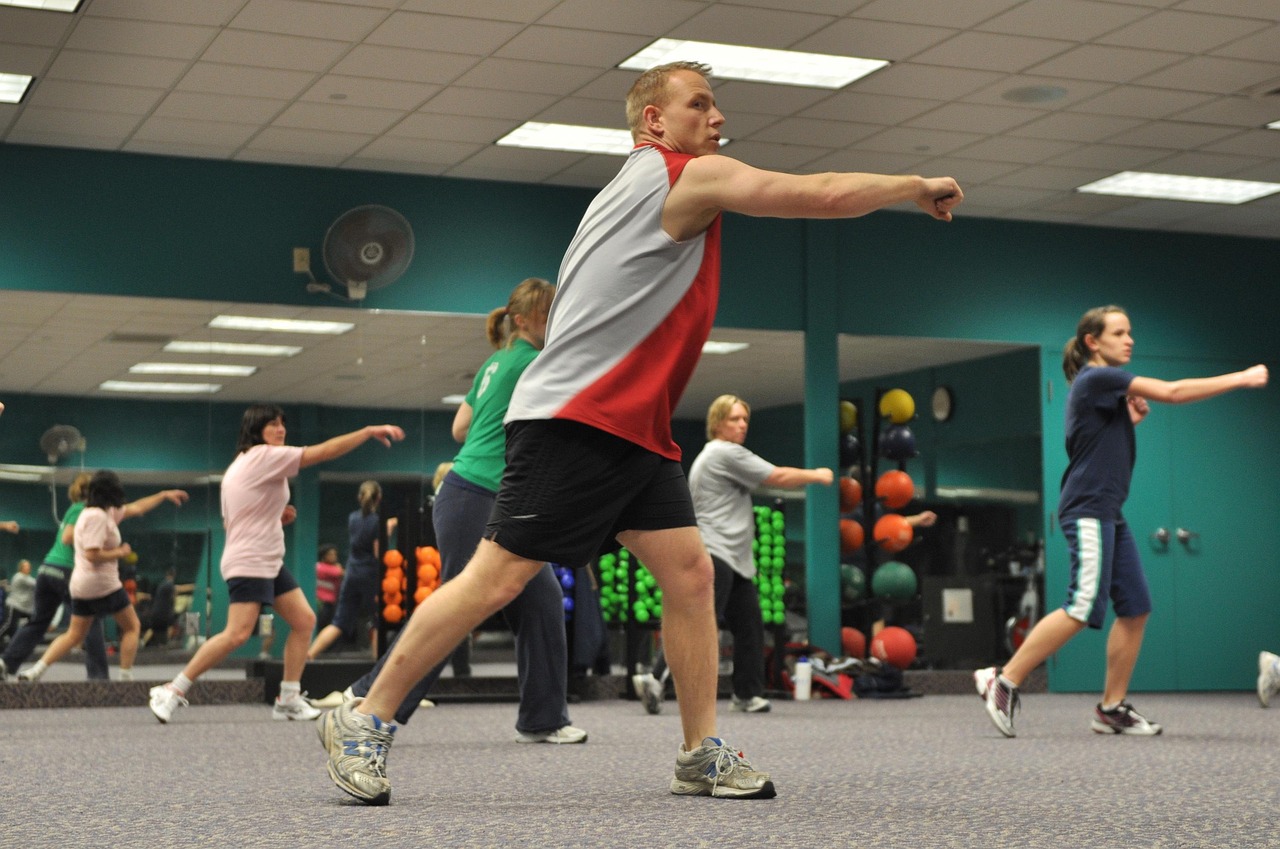
How to Build Muscle on a Time Crunch
Building muscle on a time crunch requires strategic planning and efficient exercise protocols. Overtraining, often misunderstood as excessive workouts leading to negative outcomes, can be advantageous when implemented correctly within a balanced routine. It involves carefully increasing the volume or intensity of training sessions to stimulate further muscle growth while allowing sufficient recovery periods. This approach is particularly useful for individuals with limited time who aim to maximize results without overextending their energy reserves.
Overtraining, in this context, refers to periodically pushing beyond one’s comfort zone through methods like progressive overload, which involves gradually increasing the weight, repetitions, or sets performed. This stimulus is crucial for muscle hypertrophy as it challenges the body to adapt and grow stronger. However, it must be balanced with adequate rest and recovery to prevent muscle breakdown and injury. Effective overtraining strategies include varying workout intensities, incorporating compound exercises that engage multiple muscle groups simultaneously, and utilizing techniques such as supersets or drop sets to enhance time efficiency.
Strength training is foundational for building muscle, and overtraining principles can be applied by strategically increasing the load or reducing rest periods between sets. This approach ensures continuous progression without sacrificing quality or safety. It is crucial to monitor progress through self-assessment, performance metrics, and adjustments in training volume to prevent burnout or injury. By embracing a structured yet flexible overtraining strategy, individuals can efficiently build muscle even with limited time commitments, achieving toned, strong bodies through smart, targeted effort.
Why Most People Overtrain Their Abs
Overtraining the abs is a common issue among individuals engaged in fitness routines due to several factors. One primary reason is the misconception that more ab work leads to better results. This belief often stems from the desire for rapid toning or increased muscle definition, prompting individuals to perform excessive crunches, planks, and other ab exercises daily. However, overtraining occurs when the body does not receive adequate time to recover, leading to muscle fatigue, decreased performance, and an increased risk of injury.
The abs consist of multiple muscle groups, including the rectus abdominis (the “six-pack” muscles), internal and external obliques, and the transverse abdominis. Each of these muscles requires recovery time to adapt and grow stronger. Continuous stress on these muscles without proper rest can hinder their development and potentially cause strain on the spine and surrounding tissues.
Another factor contributing to overtraining the abs is the lack of variety in exercise routines. Relying solely on traditional ab exercises, such as sit-ups and crunches, can lead to muscle imbalances and limited progress. Incorporating a diverse range of movements that target different muscle fibers and engage stabilizing muscles is essential for balanced development and reduced overtraining risks.
Overtraining is often confused with the concept of muscle confusion, which involves changing exercise routines frequently to keep muscles guessing and promote continuous growth. While muscle confusion can be beneficial in preventing plateaus, it is distinct from overtraining, as it emphasizes variation rather than excessive volume or frequency. Overtraining focuses on the negative consequences of pushing muscles beyond their recovery capacity, whereas muscle confusion aims to optimize adaptation through strategic changes in exercise selection and progression.
Exercises for Better Core Stability
Firstly, let us introduce the Plank – a foundational exercise that engages multiple muscles, including rectus abdominis, transverse abdominis, obliques, and glutes. To perform this move, assume a push-up position with elbows directly beneath your shoulders and forearms resting on the ground. Engage your core, keep your body in a straight line from head to heels, and hold for 30 seconds. Repeat three times for optimal benefit.
Transition into the Bird Dog series. Kneel on all fours with wrists directly under shoulders and knees beneath hips. Extend one leg and the opposite arm out, keeping your core tight and body stable. Hold for a few seconds before returning to starting position and repeating with the opposite limb. Perform three sets of eight repetitions on each side.
The next exercise is the Russian Twist – a dynamic movement that targets oblique muscles. Sit on the floor with knees bent, feet flat, and lean back slightly with arms extended in front of you. Engage your core as you twist your torso to one side, tapping the ground beside your hip with both hands. Repeat this motion on the other side. Perform three sets of 15 repetitions.
Fourthly, incorporate the C-Curve exercise into your routine. Lie face down on a mat with arms extended in front of you and legs together. Slide your hands under your forehead while keeping your gaze forward. Squeeze your abs to lift your head, chest, and upper body off the floor, creating a “C” shape in your spine. Hold for a few seconds before releasing and repeating. Perform three sets of eight repetitions.
Pilates’ Single Leg Circles will round out your core stability training. Lie on your back with both legs extended and arms at your sides. Engage your abs as you lift one leg off the floor while keeping it straight. Rotate your leg in a circular motion, maintaining control throughout the movement. Repeat this process for 30 seconds before switching to the other leg. Perform three sets on each side.
The 7-Minute Workout Science Says Actually Works
The 7-Minute Workout, a routine popularized for its brevity and perceived convenience, often draws skepticism regarding its efficacy. Surprisingly, solid scientific backing supports the claim that it can deliver decent results, particularly when considered as an accessible entry point to fitness or a good option for those with time constraints. The key lies in understanding how the workout’s core principle – high-intensity interval training (HIIT) – impacts physiological adaptations. HIIT involves short bursts of near maximal effort interspersed with brief recovery periods, leading to increased oxygen consumption post-exercise, known as Excess Post-Exercise Oxygen Consumption or EPOC. This “afterburn” effect contributes to calorie burning beyond the workout itself and can improve cardiovascular fitness over time.
How to Build a Stronger Core Without Crunches
Building a stronger core without relying on crunches involves focusing on exercises that engage the entire core musculature, including the rectus abdominis, transverse abdominis, obliques, erector spinae, and pelvic floor muscles. These exercises should emphasize stability, endurance, and functional movement patterns rather than isolated actions like flexion at the spine.
Planks are a foundational exercise for core strength, targeting multiple muscle groups simultaneously. To perform a plank, assume a push-up position but elevate the body on forearms and toes, maintaining a straight line from head to heels. Hold this position for 30 seconds to a minute, focusing on breathing and engaging the transverse abdominis to stabilize the spine. Variations such as side planks, knee planks, or dynamic plank movements like arm circles can progressively challenge stability and increase muscle activation.
Pilates exercises, particularly those performed on reformers or with resistance bands, are effective for core development. Exercises like the hundred, single leg stretch, and spine twist engage the deep core muscles while improving flexibility and spinal alignment. The hundred involves rapid breathing synchronized with upper body movements, enhancing endurance in the core. Single leg stretches lengthen the spine and strengthen the transverse abdominis, while spine twists increase rotational strength without excessive force on the intervertebral discs.
Dead bugs are another excellent exercise for targeting the entire core. Lie on your back with knees bent at 90 degrees and arms extended to the sides. Engage the core to lift one arm and the opposite leg off the floor, then slowly return to the starting position. This movement challenges stability in the trunk and requires constant engagement of the transverse abdominis and obliques. Progressions include lifting both arms and legs simultaneously or adding resistance bands for increased difficulty.
Bird-dog exercises improve coordination and strength in the core. Start on hands and knees, extend one arm forward and the opposite leg back while maintaining a neutral spine. The transverse abdominis and obliques work to stabilize the body during this movement, ensuring proper form and preventing excessive hip or shoulder movement. Alternating sides increases endurance and balance, essential for functional core strength.
Incorporating yoga poses like boat pose, dolphin, and plank can further enhance core stability. Boat pose requires engaging the rectus abdominis and obliques to lift the torso and legs while maintaining a neutral spine. Dolphin pose strengthens the erector spinae and engages the entire core as the body is supported on forearms and heels. Plank variations in yoga, such as side plank or forearm plank, provide additional challenges for core endurance.
To visualize toned abs, imagine a diagram where the rectus abdominis muscles are clearly defined with visible separation between segments. The transverse abdominis would appear as a thin layer beneath, creating a flat and stable abdominal wall. Obliques would be depicted as angled muscles flanking the sides, contributing to a tapered waistline. Erector spinae, running along the spine, would support posture and alignment, ensuring a strong foundation for core movements.
Avoiding overtraining is crucial for core development. The core muscles, like any other muscle group, require rest to recover and grow stronger. Incorporate rest days or low-impact activities such as walking or stretching between intense core workouts. Listen to your body and adjust exercise intensity based on fatigue levels to prevent injury and maintain consistent progress.

How to Build Muscle on a Time Crunch
Building muscle on a time crunch requires strategic planning and efficient exercise techniques. The key is to maximize the impact of each workout session while minimizing wasted effort. One effective approach is to focus on compound movements that engage multiple muscle groups simultaneously, such as squats, deadlifts, bench presses, pull-ups, and rows. These exercises stimulate a higher volume of muscle growth due to their multi-joint nature and the recruitment of numerous muscle fibers. Incorporating supersets or circuit training can further enhance time efficiency by linking complementary exercises without rest between them, thus maintaining a high metabolic rate and promoting fat loss alongside muscle gain.
Nutrition plays an indispensable role in muscle building, particularly when time is limited. Consuming a diet rich in protein, essential amino acids, and complex carbohydrates supports muscle repair and energy replenishment. Protein intake should be distributed evenly across meals to maintain steady muscle protein synthesis. Hydration is equally crucial, as water facilitates nutrient delivery and waste removal from muscle tissues. Considering the interdisciplinary connection between workout routines and sleep, prioritizing 7-9 hours of quality sleep per night is essential for hormonal balance, muscle repair, and cognitive function that aids in consistent training adherence.
Incorporating Pilates into the routine can enhance muscle endurance and core stability, which are vital for executing compound movements effectively. Pilates focuses on controlled movements and breath coordination, improving proprioception and postural alignment. This integration not only complements strength training but also reduces the risk of injury by strengthening the muscles that support the spine and joints. By merging traditional strength training with Pilates, individuals can achieve a more balanced physique and maintain long-term workout sustainability.
To optimize time management, utilizing technology such as fitness apps or online platforms to track workouts, monitor progress, and adjust routines accordingly can be beneficial. These tools provide insights into performance metrics, helping to refine training strategies for better outcomes. Additionally, prepping meals in advance or using meal delivery services ensures that nutritional needs are met without excessive time investment, allowing more focus on rigorous training sessions.
10 Must-Try Exercises for a Stronger Core
One must-try exercise for a stronger core is the plank, which engages the entire core by challenging the ability to maintain proper alignment while supporting body weight on the forearms or toes. The plank enhances stability and endurance, translating to better performance in exercises like push-ups and lunges. Variations such as side planks target oblique muscles, further refining core strength.
The Russian twist is another effective exercise for developing core rotation power and flexibility. Sitting on the floor with knees bent and feet lifted, one rotates the torso while holding a weight or medicine ball, engaging the obliques and promoting dynamic movement control. This exercise not only strengthens the core but also improves athletic skills requiring rapid twisting motions, such as in martial arts or tennis.
Crunches, particularly leg-lifted variations, focus on activating the rectus abdominis and engaging the lower back muscles for a holistic core workout. By lifting the legs at a 90-degree angle and performing controlled contractions, individuals can enhance spinal stability and improve posture, which are crucial for maintaining proper form during complex lifts or high-intensity activities.
Bird-dog exercises, performed in a side plank position with alternating arm and leg extensions, strengthen the core’s stabilizing muscles while improving coordination and balance. This exercise challenges the body to maintain equilibrium during movement, fostering neuromuscular efficiency that benefits various workout disciplines, from yoga to functional training.
The hanging leg raise is an advanced core exercise that targets the lower abs by lifting straight legs towards the ceiling while hanging from a bar or pull-up station. This movement demands significant abdominal contraction and hip flexor engagement, contributing to a toned and powerful core that supports high-intensity workouts and daily activities.
Pilates-inspired exercises like the roll-up and spine stretch integrate core strength with spinal mobility, enhancing flexibility and posture. The roll-up involves rolling up from a lying position while engaging the abs to lift the torso, while the spine stretch promotes flexibility by extending the back muscles. These movements synergize to create a resilient core capable of adapting to diverse workout demands.
The bicycle crunch targets the entire core by mimicking the motion of cycling, with alternating knee draws toward the opposite elbow while maintaining a stable torso. This exercise enhances oblique engagement and improves core rotation, contributing to better agility and performance in sports or fitness activities requiring rapid directional changes.
The hollow hold is a challenging exercise that emphasizes deep abdominal activation by drawing the navel towards the spine while maintaining a plank position with legs lifted. This movement strengthens the transverse abdominis, providing deep core support that enhances stability and power transfer during explosive movements or resistance training.
How to Get Six-Pack Abs in 12 Weeks
Achieving six-pack abs in 12 weeks requires a comprehensive approach that combines targeted exercises, proper nutrition, and consistent training. The process involves understanding the biology of muscle development and the role of body fat percentage in revealing abdominal definition. Muscles, including the abdominals, grow through a process called hypertrophy, which is driven by progressive overload, gradually increasing the difficulty or volume of exercises to stimulate growth. The six-pack abs are primarily composed of the rectus abdominis muscle, which runs vertically along the front of the torso. To make these muscles visible, it is essential to reduce body fat percentage through a combination of cardiovascular exercise and calorie-controlled dieting.
Cardiovascular exercises such as running, swimming, or cycling help burn calories and fat, revealing the underlying muscle structure. Aim for at least 150 minutes of moderate-intensity aerobic activity per week, distributed across most days of the week. Interval training, which alternates between high-intensity bursts and recovery periods, is particularly effective for fat loss due to its ability to elevate metabolism for hours after the workout.
Strength training plays a crucial role in building muscle mass and maintaining metabolic health. Focus on compound movements that engage multiple muscle groups, such as squats, deadlifts, and pull-ups, to optimize energy expenditure and muscle growth. Incorporate abdominal exercises like planks, Russian twists, and leg raises into your routine at least three times per week, ensuring proper form to avoid injury and maximize effectiveness. Each exercise should be performed in sets of 8-12 repetitions, with sufficient rest between sets to allow for recovery and muscle growth.
Rest and recovery are often overlooked components of any fitness program. Adequate sleep, 7-9 hours per night, allows the body to repair tissues and synthesize muscle proteins. Additionally, periodic rest days or active recovery sessions, such as light stretching or yoga, help prevent overtraining syndrome, which can lead to plateaus in progress and increased risk of injury.
Tracking progress through measurements, photographs, and fitness assessments can provide motivation and insight into what strategies are working. It is essential to remain consistent and patient, as visible abdominal definition is a combination of genetic predisposition, training effort, and dietary adherence. By following this structured approach, it is possible to achieve toned abs and a more defined midsection within 12 weeks, provided the individual maintains discipline and adapts their training and nutrition as needed to continue making progress.
Best Ab Exercises for a Strong Core
One of the most effective core exercises is the plank, which engages not only the rectus abdominis but also the transverse abdominis, obliques, glutes, and upper back muscles. The plank requires isometric contraction, meaning it maintains muscle tension without altering muscle length, thereby enhancing muscular endurance and core stability. As the body sustains this position, energy consumption occurs primarily through anaerobic metabolic pathways initially, shifting to aerobic pathways as endurance improves. This transition highlights the importance of gradually increasing plank duration to enhance both strength and energy efficiency over time.
Another vital exercise is the hanging leg raise, which targets the lower abs and hip flexors effectively. By performing this movement with controlled, steady form, one can maximize muscle activation while minimizing unnecessary energy expenditure from excessive swinging or momentum-based lifts. The key to efficient energy transfer in exercises like the leg raise lies in maintaining a slow, controlled tempo, ensuring that each repetition is driven by targeted muscle groups rather than momentum. This approach not only promotes better muscle development but also reduces the risk of injury associated with improper form or overexertion.
Russian twists are another valuable exercise for developing oblique strength and stability. By rotating the torso while seated with knees bent and feet on the floor, one engages the lateral abdominal muscles while maintaining core engagement throughout the movement. The rotational nature of this exercise demands constant stabilization, which enhances proprioceptive awareness and coordination. Efficient energy transfer in Russian twists is achieved by focusing on maintaining a neutral spine and using a light resistance to drive each rotation without sacrificing form or control.
Incorporating Pilates-inspired exercises, such as the roll-up or spine stretch, into core routines can further improve flexibility and strength. These movements emphasize controlled, precise movements that engage the deep abdominal muscles while elongating the spine. The emphasis on breath synchronization in Pilates enhances energy transfer by optimizing diaphragmatic breathing, which supports intra-abdominal pressure and stabilizes the core during dynamic movements.
To avoid overtraining, it is essential to integrate rest days and varied exercises that target different muscle groups within the core. Overemphasis on any single exercise can lead to muscle imbalances and increased risk of injury due to repetitive strain. A well-rounded approach that includes a mix of isometric holds, dynamic rotations, and flexibility exercises ensures balanced development while promoting efficient energy consumption during workouts.
Top Core Workouts for Stability
One primary consequence of core strength failure is compromised spinal stability. The spine relies on a balance of strength and flexibility from the core muscles to maintain its natural curvature and support the body’s weight. If these muscles are weak or overstretched, the spine becomes more susceptible to misalignment, which can result in excessive strain on intervertebral discs and facet joints. Over time, this can contribute to chronic pain conditions such as lower back pain or degenerative disc disease. Additionally, instability in the core can lead to compensatory movements involving other muscle groups, such as the glutes or hamstrings, which may result in imbalances and increased risk of injury.
Overtraining is another concern when core strength fails. Athletes who push themselves too hard without adequate recovery may experience muscle fatigue, which can exacerbate existing weaknesses in the core. This can lead to poor form and technique during workouts, further straining the muscles and joints. Over time, repeated stress without proper rest and recovery can result in overuse injuries such as strains, sprains, or even stress fractures. It is essential for individuals to listen to their bodies and incorporate rest days into their training regimens to prevent overtraining and allow the core muscles to recover and adapt.
