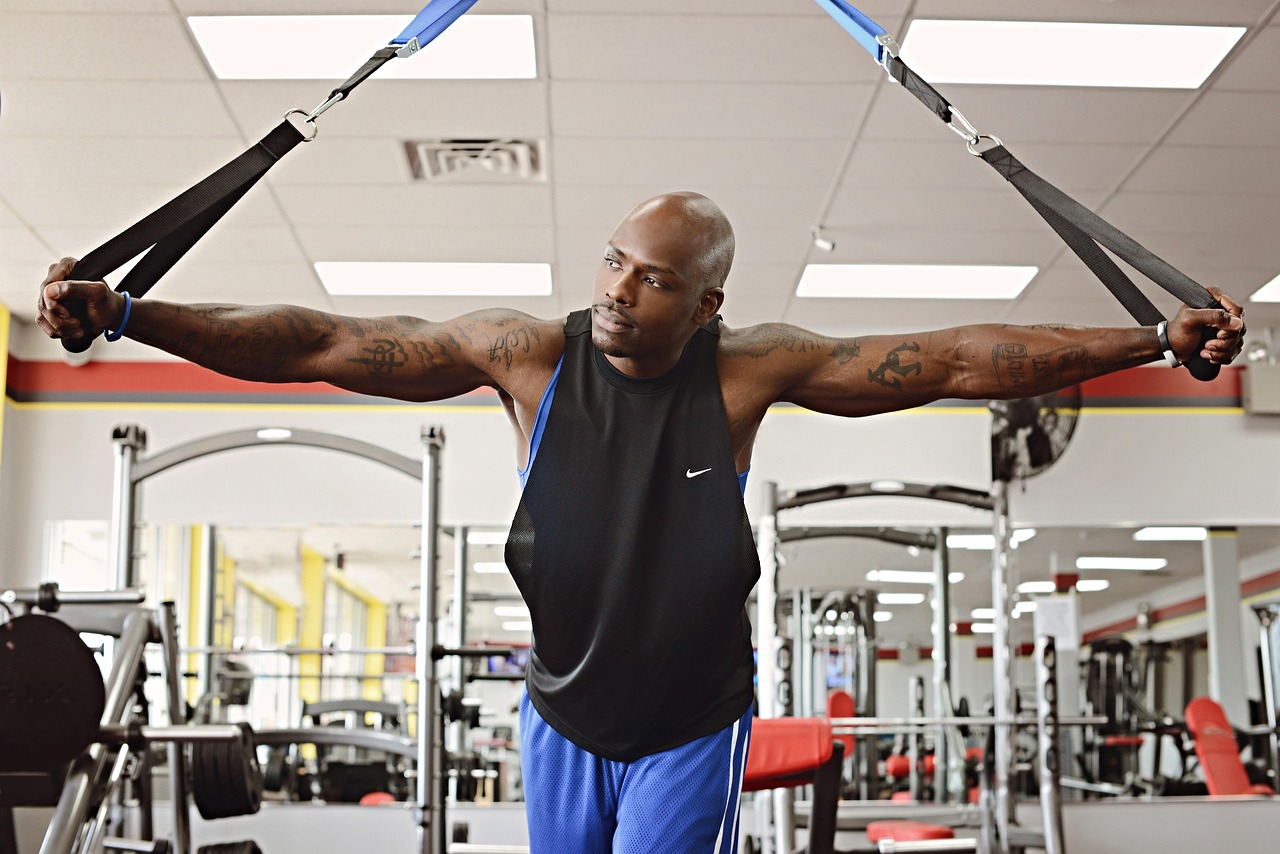
Progression in bodyweight training involves gradually increasing the difficulty or volume of exercises as fitness levels improve. This can be achieved by incorporating variations such as incline or decline push-ups for increased challenge, adding pauses during movements to enhance muscle activation, or performing plyometric versions like jump squats to boost power output. Additionally, circuit training and supersets can elevate intensity and improve cardiovascular endurance.
Nutrition plays a crucial role in supporting bodyweight training goals. A well-balanced diet rich in lean proteins, complex carbohydrates, and healthy fats provides the necessary fuel for workouts and aids in muscle recovery. Hydration is equally important to maintain optimal performance and prevent fatigue. Furthermore, strategic meal timing around training sessions can optimize energy levels and recovery processes.
Rest and recovery are essential components of any elite training regimen. Adequate sleep ensures hormonal balance, muscle repair, and cognitive function. Incorporating rest days or active recovery periods allows the body to adapt and grow stronger. Stretching and mobility exercises can also alleviate muscle tension and improve flexibility, reducing the risk of injury.

Nutrition Tips for Better Fitness Results
Timing of meals around workouts can enhance performance and recovery. Consuming a meal rich in carbohydrates and protein 1-3 hours before exercise provides energy for prolonged activities, while a post-workout snack or meal containing protein and carbs within 30 minutes to an hour aids muscle repair and replenishes glycogen stores. Small, frequent meals throughout the day can maintain energy levels and prevent muscle catabolism. Supplements, such as whey protein, creatine, or branched-chain amino acids (BCAAs), may complement a well-planned diet but should not replace whole foods.
Adequate rest is fundamental to training success. Sleep allows the body to recover, repair tissues, and synthesize muscle proteins. Insufficient sleep can impair cognitive function, reduce motivation, and hinder performance. Active recovery, such as light stretching or yoga, promotes muscle relaxation and blood flow without the strain of high-intensity workouts. Listening to the body’s signals, fatigue, pain, or decreased performance, and adjusting training volume or intensity accordingly prevents overtraining and injury.
The Ultimate Guide to Bodyweight Mastery
Initially, beginners may focus on basic bodyweight exercises such as push-ups, squats, lunges, planks, and pull-ups. These movements target major muscle groups and lay the foundation for more advanced techniques. As proficiency increases, the body adapts to the demands of these exercises, leading to a plateau in progress. To overcome this, fitness enthusiasts gradually introduce variations and progressions that increase the intensity and complexity of their workouts.
One common method of scaling up is by altering the speed of execution. Slower tempo repetitions, known as negative or eccentric training, can help build strength and muscle mass more effectively. Conversely, faster movements enhance power and explosiveness, which are valuable for sports performance. Additionally, incorporating dynamic movements such as jumps, hops, and plyometric exercises can further challenge the muscular-skeletal system and improve athletic capabilities.
Integrating circuit training and superset techniques can escalate the intensity of workouts. Combining exercises that target opposing muscle groups or performing multiple sets without rest between them increases heart rate, boosts metabolism, and promotes fat loss. This method also improves cardiovascular endurance and time-efficient training, making it ideal for those with limited time or space for exercising.
Diet and recovery play crucial roles in scaling up workouts effectively. Adequate protein intake supports muscle repair and growth, while a balanced macronutrient distribution fuels energy levels during intense sessions. Hydration is equally vital for maintaining performance and preventing dehydration-related complications. Additionally, prioritizing sleep and active recovery through stretching, foam rolling, or yoga ensures the body has ample time to adapt and grow stronger in response to the increased training demands.
The Ultimate Guide to Elite Fitness
Workouts play a central role, requiring careful attention to intensity, volume, frequency, and exercise selection. Resistance training, cardiovascular exercises, flexibility routines, and functional movements each serve distinct purposes but must coexist harmoniously within an integrated program. Strength development demands progressive overload principles applied systematically to avoid plateaus. Power-based activities require explosive movements with precise timing, while endurance workouts focus on sustained effort over extended periods. Balance between these modalities ensures comprehensive fitness gains.
Dietary strategies directly impact workout effectiveness and recovery processes. Macronutrient ratios must be tailored to individual needs but generally emphasize protein intake for muscle repair, complex carbohydrates for energy reserves, and healthy fats as metabolic support. Hydration levels affect both exercise performance and nutrient absorption. Micronutrient deficiencies can undermine recovery and immune function. Timing of meals relative to workouts influences energy availability and post-exercise adaptation.
Recovery processes demand equal attention. Adequate sleep allows for cellular repair and hormonal regulation critical for muscle growth. Active recovery techniques like foam rolling, stretching, or swimming enhance circulation without overtaxing the body. Rest days between intense training sessions prevent burnout and promote longevity. Cryotherapy, massage therapy, and compression gear offer additional avenues to optimize tissue repair and reduce inflammation.
Mental conditioning forms another vital dimension of elite fitness. Visualization techniques help athletes mentally rehearse movements or routines. Mindfulness practices improve focus and emotional resilience under pressure. Goal-setting strategies maintain motivation through measurable milestones. Stress management tools prevent cortisol spikes that could impede recovery. The psychological aspect complements physical training, creating a holistic approach to excellence.
Nutritional supplements can support elite performance but must supplement, not replace, a solid diet. Creatine monohydrate enhances short-term explosive power. Beta-alanine buffers lactate accumulation during high-intensity efforts. Protein powders provide convenient post-workout nutrition. Omega-3 fatty acids support joint health and inflammation reduction. Each supplement should align with individual needs and fitness objectives without exceeding recommended dosages.
Equipment selection impacts workout outcomes based on space availability, budget constraints, and specific training goals. Dumbbells, kettlebells, resistance bands, and TRX suspension trainers allow versatile strength development. Medicine balls and slam balls enhance explosive power. Jump ropes improve agility and cardiovascular fitness. Suspension trainers facilitate functional movement patterns. Each tool serves distinct purposes but contributes to comprehensive conditioning when integrated into a balanced program.
Training schedules must accommodate both rest periods and progressive adaptations. Overtraining syndrome represents the primary risk when recovery receives insufficient attention. Periodization strategies organize training cycles around specific goals, allowing for adequate adaptation phases between intensive blocks. Cross-training maintains variety while preventing specialization-related injuries. Seasonal adjustments align workouts with environmental factors affecting performance potential.
Injury prevention requires proactive measures rather than reactive interventions. Proper form during exercises minimizes strain on vulnerable joints and muscles. Warm-up routines elevate core temperature and mobilize joints before intense activity. Dynamic stretching improves range of motion without compromising stability. Strengthening weak areas through targeted exercises counteracts muscle imbalances that often precede injury.
Monitoring progress involves tracking both objective measurements (body composition, strength metrics) and subjective indicators (energy levels, mood). Periodic re-evaluation ensures continued alignment between training protocols and individual responses. Adjustments might involve modifying workout volume or intensity, altering nutritional strategies, or introducing new movement patterns to stimulate adaptation.
The integration of these elements creates a synergistic environment where each factor reinforces the effectiveness of the others. Strength gains depend on proper nutrition for tissue repair while diet quality influences hormonal balance required for muscle development. Recovery processes determine how quickly training adaptations manifest, affecting both short-term progress and long-term sustainability. Mental resilience determines capacity to maintain discipline throughout demanding programs.
Elite fitness emerges from understanding these interactions rather than focusing solely on isolated components. A holistic approach combining optimal workout design with strategic nutrition, sufficient recovery, effective stress management, and consistent goal-setting provides the foundation for sustained excellence across all levels of athletic achievement.

The Ultimate Guide to Elite Bodyweight Training
In the realm of fitness and bodyweight training, measuring and evaluating progress is a crucial aspect to ensure that one’s efforts are yielding desirable results. Several methods exist for assessing fitness levels, each providing valuable insights into various aspects of physical health.
Another method for evaluating fitness is through assessing cardiovascular endurance. Cardiorespiratory fitness can be measured using various tests, including the 1.5-mile run, 12-minute run or walk test, and the 1.5-mile bicycle ergometer test. These assessments provide insights into an individual’s aerobic capacity and endurance levels. Improvements in cardiovascular fitness are associated with increased stamina, enhanced oxygen delivery to muscles, and reduced risk for chronic diseases such as heart disease and diabetes.
The Ultimate Guide to Elite Bodyweight Elite
The Ultimate Guide to Elite Bodyweight Training
Bodyweight training has emerged as a cornerstone of fitness for individuals seeking to build strength, endurance, and flexibility without relying on gym equipment. This form of exercise utilizes the body’s own weight as resistance, making it accessible, cost-effective, and versatile. However, to achieve elite-level results, it is essential to understand the principles, techniques, and strategies that distinguish effective bodyweight training from mere calisthenics.
One of the primary advantages of bodyweight training is its accessibility. Unlike weightlifting or machine-based workouts, bodyweight exercises require no special equipment, allowing individuals to train virtually anywhere, at home, in a park, or during travel. This flexibility is particularly appealing to those with limited access to fitness facilities or who prefer the convenience of on-demand workouts. Moreover, bodyweight training engages multiple muscle groups simultaneously, promoting balanced muscular development and enhancing functional strength, which translates to improved performance in daily activities.
Despite its benefits, a common limitation of bodyweight training is the progressive increase in difficulty required to challenge advanced athletes. As individuals become stronger, traditional exercises such as push-ups or pull-ups may no longer provide sufficient stimulus for further progress. To overcome this drawback, elite practitioners often incorporate variations, such as one-arm push-ups, plyometric movements, or unilateral exercises like single-leg squats, to target specific muscle groups and maintain a high level of intensity. Additionally, the integration of external resistance bands or suspension trenagers can help augment the load and continue to challenge even the most seasoned athletes.
Another critical aspect of elite bodyweight training is the emphasis on proper technique and form. Unlike machine-based exercises, where equipment often guides movement patterns, bodyweight workouts demand a high degree of self-awareness and control. Incorrect execution not only reduces the effectiveness of the workout but also increases the risk of injury. To mitigate this, athletes must prioritize mastering foundational movements before progressing to more complex variations. This approach ensures that the muscle activation is optimal, maximizing strength gains while minimizing strain on joints and connective tissues.


The Ultimate Guide to Bodyweight Workouts
Bodyweight workouts offer a versatile and effective approach to fitness, utilizing the individual’s own body weight as resistance. These exercises can be performed anywhere without the need for specialized equipment, making them ideal for travel or those with limited access to gym facilities. The benefits of bodyweight training extend beyond just physical strength; they also enhance flexibility, balance, and coordination. However, like any form of exercise, safety is paramount when incorporating bodyweight workouts into a fitness routine.
Another important aspect is warming up before beginning any workout session. A dynamic warm-up that includes light cardio, such as jogging in place or jumping jacks, followed by joint mobilization and stretching, prepares the body for the upcoming activity. This preparation enhances flexibility and reduces the risk of injury by increasing blood flow to the muscles and lubricating the joints. Cooling down with static stretches after a workout helps maintain flexibility and aids in muscle recovery.
Incorporating rest days into the workout schedule is vital for recovery and preventing injuries. A well-rounded fitness program should include both strength training and cardiovascular exercises, ensuring a balanced development of physical attributes. Additionally, maintaining proper hydration and nutrition supports muscle repair and energy levels, further enhancing safety during workouts.
Top 10 Myths About Weight Training Debunked
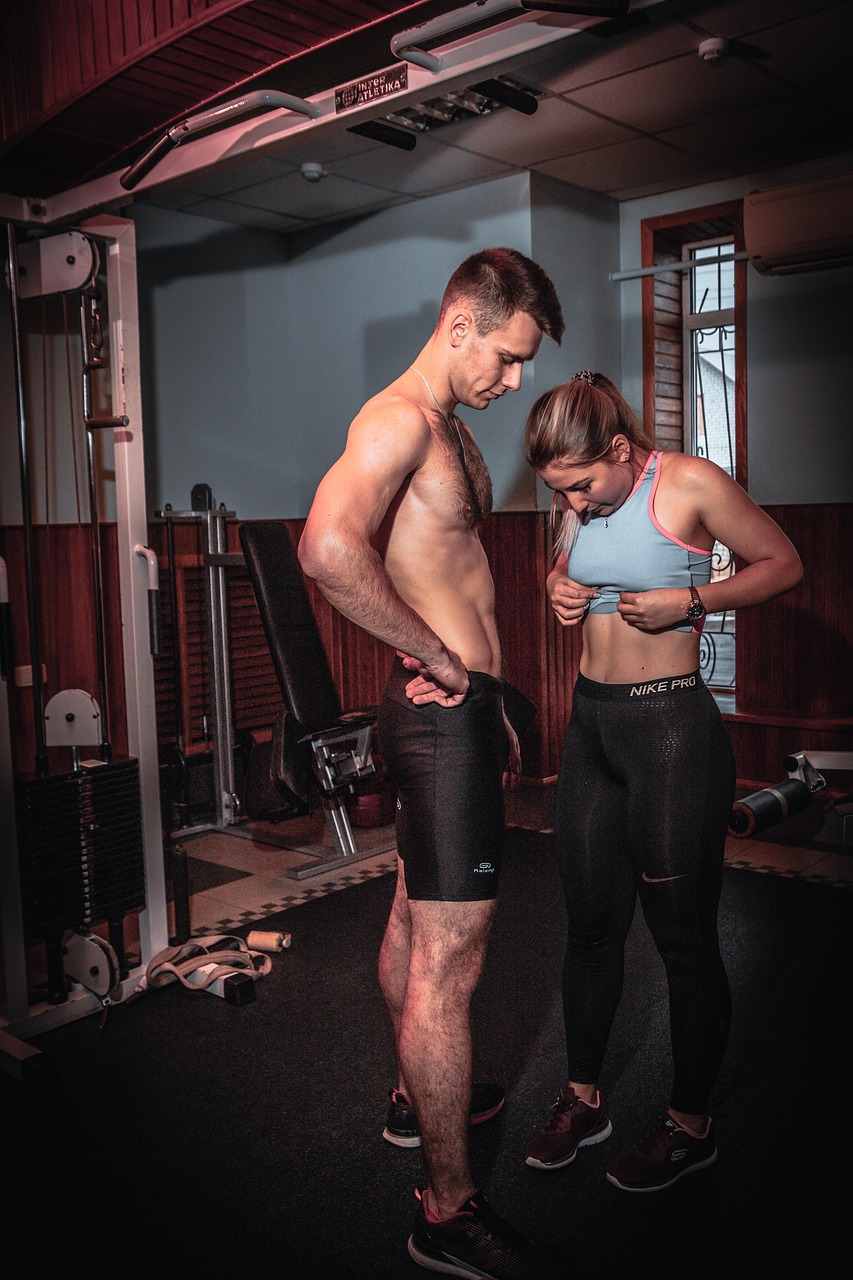
Another popular belief is that one must lift heavy weights to see results. While heavier loads generally recruit more muscle fibers, especially in the later stages of a workout, strength gains can be achieved with a wider range of weight intensities. Hypertrophy (muscle growth) commonly occurs with loads between 60-85% of one’s maximum rep and is often key for improved power output. The best approach depends on individual goals, experience level, and recovery capacity. Good form always remains a priority over load.
The “no pain, no gain” mantra also tends to be overly applied. Some muscle soreness post-workout (DOMS – Delayed Onset Muscle Soreness) is normal and indicates the muscles are adapting, but sharp or lingering pain often signals overuse or poor technique. A good workout should feel challenging yet manageable, allowing for a full range of motion and efficient muscle activation. Listen to the body and adjust accordingly.
Many assume that weight training will hinder cardiovascular fitness. In actuality, strength training improves it! Weight training strengthens the heart muscles and increases blood volume, leading to more efficient oxygen delivery throughout the body. Combined with regular cardio, a well-rounded approach yields excellent cardiovascular benefits. Plus, increased muscle mass makes cardio exercise feel easier by improving power output and endurance.
The idea that women will get “too muscular” if they start lifting weights is another good example of this. Women generally have lower testosterone levels than men, making it more challenging to build substantial amounts of muscle mass. Consistent weight training for women often leads to increased strength, improved bone density, and a more defined physique rather than a “bulky” look.
Lots think that one needs expensive gym equipment to see results; bodyweight exercises are a fantastic alternative! Push-ups, squats, lunges, planks, and pull-ups all offer excellent resistance for building strength and endurance when performed with good form and progressive overload (gradually increasing the challenge). Resistance bands also provide a great option for adding versatility to bodyweight routines.
Another popular myth suggests that weight training is only effective if done daily. While consistency is key, allowing muscles adequate time to recover between workouts is crucial for optimal growth and repair. Most individuals benefit from 2-4 weight training sessions per week, depending on the workout split and individual recovery needs. Adequate sleep, proper nutrition, and hydration all contribute to efficient recovery.
That a good “spotter” is always necessary for heavy lifting often pops up too. While beneficial for safety and motivation with heavier sets, it’ ‘s not always essential, especially when starting out or using moderate weights where form can be easily controlled. Proper technique and a good warm-up are key to building confidence and minimizing the risk of injury.
Many believe that one must do endless reps to really build muscle. Hypertrophy is generally well-achieved with sets ranging from 6-12 repetitions, allowing for sufficient time under tension to stimulate muscle growth. Focusing on the mind-muscle connection – consciously feeling the target muscles working – can enhance effectiveness regardless of rep range.
The Ultimate Guide to Bodyweight Elite
Bodyweight training encompasses a vast repertoire of movements designed to challenge every muscle group in the body. From foundational moves like push-ups, squats, and lunges to more advanced techniques such as dips, handstands, and planches, these exercises offer numerous benefits. They require no equipment beyond your own body, making them ideal for individuals with limited access to gyms or resources. Furthermore, they promote functional fitness by improving strength, balance, flexibility, and coordination – all essential components of everyday life.
When it comes to dietary considerations, bodyweight training pairs perfectly with a balanced and nutritious eating plan. Adequate protein intake is essential for muscle growth and repair, while carbohydrates provide the energy necessary for optimal performance. Healthy fats play a crucial role in hormonal balance and inflammation reduction. Furthermore, proper hydration is vital for maintaining optimal body function during workouts (2).
References
(1) Wilson JM, et al. Bodyweight training as an alternative approach to traditional resistance and endurance training: a systematic review. Journal of Strength & Conditioning Research. 2015;29(4):1068-1078.
(2) American College of Sports Medicine. Nutrition and athletic performance. Medicine and Science in Sports and Exercise. 2013;45(3):623-633.
The Ultimate Guide to Bodyweight Training

Integrating sustainability into training routines is increasingly important, both for personal health and environmental impact. By focusing on bodyweight exercises, individuals can reduce their carbon footprint associated with gym commutes, equipment manufacturing, and maintenance. Furthermore, practicing outdoors in natural settings enhances the connection to the environment while providing a diverse range of landscapes to inspire and challenge workouts. Whether training in parks, beaches, or urban outdoor gyms, bodyweight exercises offer an eco-friendly approach to fitness that promotes physical well-being and environmental stewardship.
Nutrition plays a crucial role in supporting bodyweight training goals. A balanced diet rich in lean proteins, complex carbohydrates, and healthy fats provides the energy needed for intense workouts while aiding muscle recovery and growth. Staying hydrated is equally important, as water regulates body temperature, transports nutrients, and lubricates joints during exercise. Moreover, mindful eating practices that prioritize whole, unprocessed foods contribute to sustainable living by reducing waste and supporting eco-friendly agricultural practices.
Incorporating rest and recovery strategies into a bodyweight training regimen is essential for preventing overtraining and ensuring long-term progress. Adequate sleep, stretching, foam rolling, and yoga can alleviate muscle tension, improve flexibility, and enhance performance. Additionally, periodizing workouts, varying intensity, duration, and exercise selection over specific time frames, helps prevent plateaus and promotes continuous adaptation. By adhering to these principles, individuals can harness the full potential of bodyweight training while embracing a sustainable lifestyle that benefits both their health and the planet.
The Role of Diet in Fitness Success
Diet plays a pivotal role in fitness success, serving as the foundation upon which physical performance and body composition are built. Without proper nutrition, even the most rigorous training programs can yield suboptimal results. The relationship between diet and fitness is symbiotic; both elements must be balanced to achieve optimal health and athletic performance.
Firstly, macronutrients, protein, carbohydrates, and fats, are essential for fueling the body during workouts and recovering afterward. Protein is crucial for muscle repair and growth, with recommendations typically ranging from 1.6 to 2.2 grams per kilogram of body weight for athletes. Carbohydrates provide the primary energy source for high-intensity exercises, while fats support endurance activities and hormonal function. A well-planned diet ensures that these macronutrients are distributed appropriately throughout the day to meet energy demands and support training adaptations.
Hydration is another critical aspect of diet that directly impacts fitness performance. Water regulates body temperature, lubricates joints, and transports nutrients to working muscles. Even mild dehydration can lead to reduced endurance and strength, highlighting the importance of maintaining proper hydration levels before, during, and after workouts.
Timing plays a crucial role in optimizing the effects of diet on fitness. Consuming carbohydrates before a workout provides immediate energy, while post-workout protein intake promotes muscle repair. Conversely, training without proper nutritional support can lead to catabolism, where the body breaks down muscle tissue for energy, undermining fitness goals.
Comparing diet and training, both are indispensable components of a comprehensive fitness strategy. Training provides the stimulus for physical adaptation, but without adequate nutrition, the body cannot effectively respond to this stress. In essence, diet acts as the fuel and building blocks necessary for training to yield desired results. While one cannot compensate for poor nutrition with intense training, optimizing dietary habits can enhance the efficacy of any training regimen.
The Ultimate Guide to Elite Bodyweight Mastery
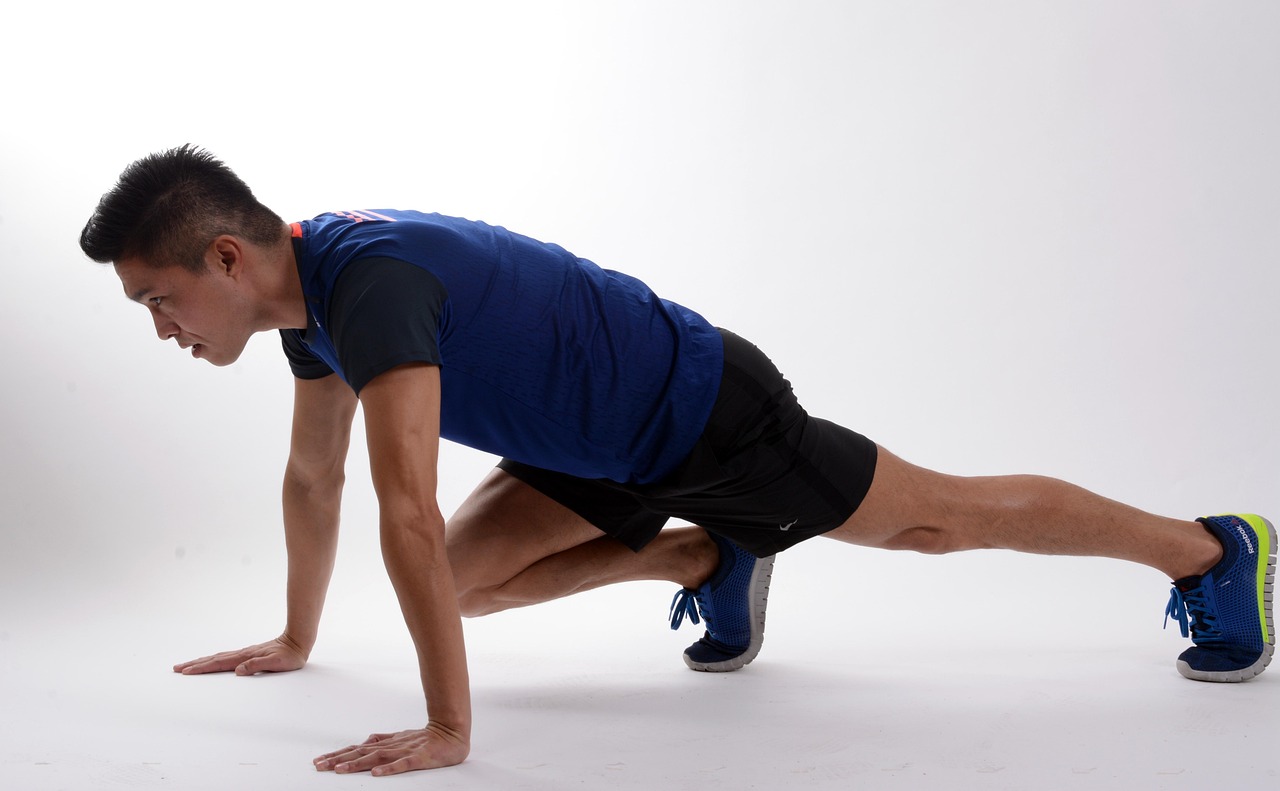
Bodyweight exercises derive their effectiveness from several key characteristics that make them a versatile and powerful tool for fitness enthusiasts. The primary property of bodyweight training lies in its reliance on an individual’s own mass, which necessitates the recruitment of multiple muscle groups simultaneously to perform movements. This compound nature fosters greater functional strength and coordination compared to isolated resistance exercises using machines or free weights, as it mimics real-world activities requiring multijoint efforts.
The adaptability of bodyweight training is another crucial characteristic. Since the intensity can be easily adjusted by modifying variables such as time under tension, range of motion, and speed of execution, practitioners can progress their routines without requiring additional equipment or complex setups. This feature allows for continuous adaptation to changing fitness levels, ensuring sustained progression in strength, endurance, and flexibility.
The efficiency of bodyweight workouts is also noteworthy. These exercises often require minimal space and time, making them ideal for home training or on-the-go routines. They can be performed without the need for specialized equipment, thus reducing costs and eliminating barriers to access that might prevent individuals from engaging in regular exercise. This accessibility democratizes fitness opportunities, enabling more people to incorporate strength training into their lifestyles regardless of location or available resources.
Another important aspect is the mental engagement required for proper execution of bodyweight exercises. Unlike passive forms of exercise using machines or resistance bands, performing movements like pull-ups, dips, and handstands demands focus on form and alignment. This mind-muscle connection fosters greater proprioceptive awareness, which can translate into improved performance in other athletic endeavors by enhancing neuromuscular coordination.
The scalability of bodyweight workouts allows for progressive overload through various techniques such as increasing the number of repetitions, modifying the tempo of movements, or adding variations that increase difficulty over time. Advanced practitioners often employ combinations like muscle-ups, planche presses, and handstand holds to push their limits while maintaining control and safety in their training routines.
Bodyweight exercises inherently incorporate functional movement patterns that translate directly into improved quality of life. Activities requiring lifting, pushing, pulling, or stabilizing oneself against gravity become more efficient with proper training, reducing the likelihood of injury during daily tasks such as carrying groceries or climbing stairs. This practical application ensures that fitness benefits extend beyond the gym into everyday living situations.
Functional Fitness: What It is and why It Matters

Endurance, another critical component of functional fitness, is often assessed through cardiorespiratory efficiency and lactate threshold tests. Mathematical models incorporate variables such as oxygen consumption (VO2), heart rate, and lactate concentration to determine an individual’s aerobic capacity and anaerobic threshold. These metrics help tailor training programs to optimize endurance performance for specific activities, whether running, cycling, or swimming.
Power, the ability to generate force rapidly, is quantified using equations that relate force production to time, often expressed as work (force × distance) divided by time. Functional power assessments may include exercises like broad jumps, vertical jumps, or medicine ball throws, with mathematical models evaluating the rate of force development and explosive movement capabilities.
Flexibility is typically measured in degrees of motion at joints, using goniometers or other angle-measuring devices. Range of motion (ROM) tests for key joints such as the shoulders, hips, and spine provide quantitative data on an individual’s flexibility, informing stretching and mobility routines to improve functional movement quality.
Balance and coordination can be assessed through timed tasks like standing on one leg or completing complex motor patterns, with mathematical models evaluating stability and control during dynamic movements. These assessments help identify weaknesses that may contribute to instability or injury risk, guiding targeted interventions to enhance neuromuscular function.
Agility, the ability to change direction quickly, is quantified using shuttle runs, T-tests, or cone drills, with timing and spatial data analyzed to determine agility performance. Mathematical models incorporate variables such as stride length, stride frequency, and reaction time to provide a comprehensive analysis of an individual’s agility capabilities.
Diet and nutrition also play a role in functional fitness, with mathematical models used to calculate energy expenditure, macronutrient distribution, and hydration levels. These calculations help individuals optimize their nutritional intake to support training goals, whether building muscle mass, reducing body fat, or enhancing recovery.
The Ultimate Guide to Advanced Bodyweight Mastery
Diet plays an indispensable role in optimizing performance and recovery during advanced bodyweight training. A well-balanced macronutrient distribution, comprising adequate protein intake to support muscle repair and growth, carbohydrates for sustained energy production, and healthy fats for hormonal regulation, is paramount. Furthermore, ensuring adequate hydration and micronutrient intake through a diverse array of whole foods can enhance cognitive function, reduce fatigue, and facilitate recovery post-training sessions.
The integration of mobility and flexibility training is another vital component in the pursuit of advanced bodyweight mastery. Rigid muscles and joints can impede movement quality and increase the risk of injury. Incorporating dynamic stretches, yoga, or foam rolling routines can mitigate muscle tightness, improve range of motion, and enhance proprioceptive awareness, a critical factor in executing advanced techniques with control and efficiency.
Rest and recovery are often underestimated yet pivotal elements in the progression toward mastery. Adequate sleep duration and quality facilitate hormonal regulation, muscle repair, and cognitive function. Moreover, strategic periodization of training cycles, alternating between high-intensity periods and recuperative phases, prevents overtraining syndromes and ensures sustained progress.
The Ultimate Guide to Advanced Bodyweight Training
Bodyweight training is a time-honored practice that requires no equipment other than your own body. It’s an effective way to build strength, endurance, and functional fitness. Advanced bodyweight training takes this foundational practice and pushes it to new limits, challenging your muscles in unique ways that can’t be replicated with dumbbells or machines.
One notable variation of advanced bodyweight training is plyometric training. This high-intensity form of bodyweight exercise focuses on explosive movements that generate significant force in short bursts. Plyometrics involve quick, powerful contractions followed by a brief rest, repeated multiple times. This sequence trains the muscles to produce maximum force as quickly as possible.
Plyometric training offers several unique benefits. It improves power output, which is essential for athletic performance in various sports. Additionally, it enhances neuromuscular coordination, helping to prevent injuries by improving your body’s ability to coordinate muscle contractions. The high-intensity nature of plyometric workouts also leads to increased cardiovascular fitness and calorie burn.
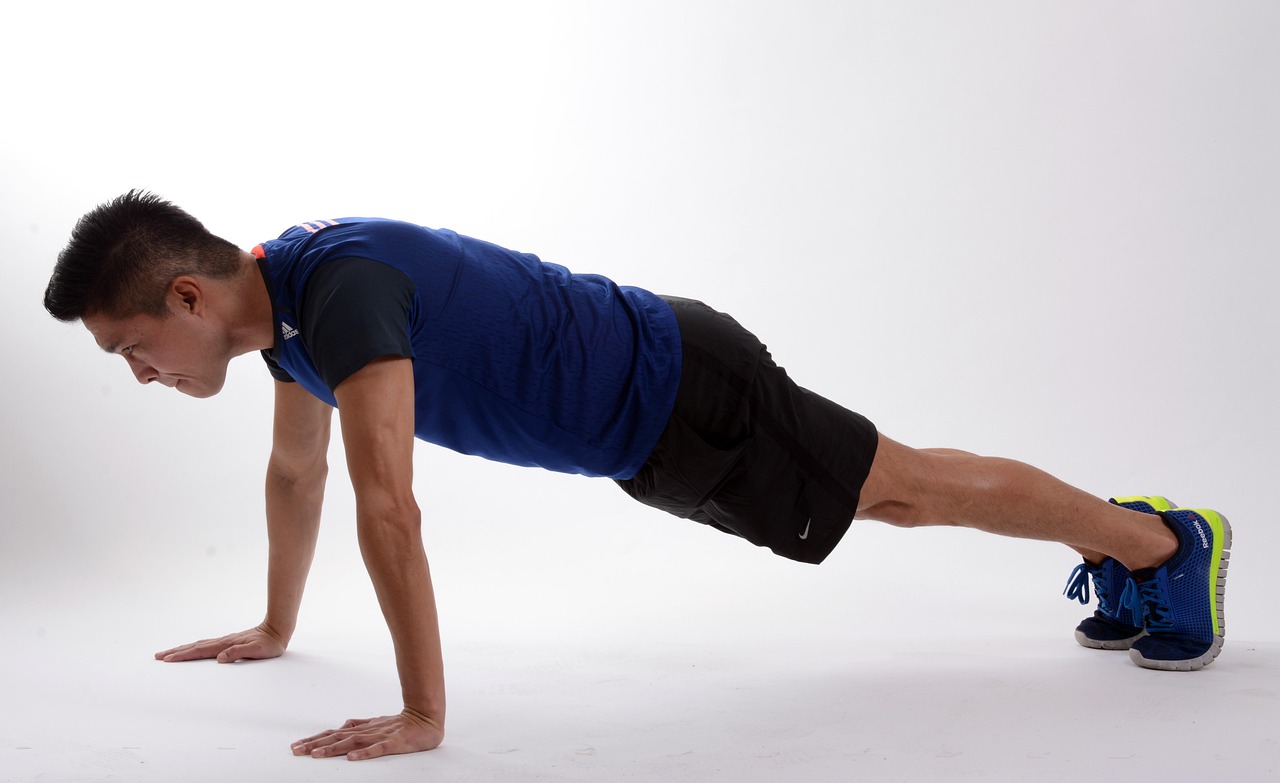
To incorporate plyometric exercises into your advanced bodyweight training routine, start with a few basic movements like clap push-ups, box jumps, and depth jumps. Perform these exercises for 3-4 sets of 5-10 repetitions each. As you become more comfortable with the movements, gradually increase the number of repetitions or add challenges such as wearing a weighted vest or performing multiple repetitions in a single jump.
As with any advanced workout routine, it’s crucial to maintain proper form throughout your plyometric exercises to prevent injuries. Focus on engaging the core muscles and landing quietly and controlled to minimize impact forces on your joints. Remember to allow adequate rest between sets and workouts to ensure your body has time to recover and adapt to the increased demands of advanced bodyweight training.
The Ultimate Guide to Workout Nutrition
Timing is pivotal in this equation. Pre-workout meals should focus on complex carbs and moderate protein, such as oatmeal with Greek yogurt or a banana with almond butter, to sustain energy levels without causing discomfort. During longer sessions, hydration strategies must account for sweat loss; isotonic drinks replenish both fluids and electrolytes like sodium and potassium, which are critical for muscle function. Research indicates that consuming 3-8 grams of sodium per hour during endurance events can reduce the risk of hyponatremia while maintaining electrolyte balance. Post-workout nutrition must prioritize rapid absorption; a shake or meal containing 20-40 grams of protein and carbohydrates within 15-60 minutes optimizes insulin sensitivity, facilitating nutrient delivery to muscles.
Hydration’s role extends beyond physical performance; electrolyte imbalance during intense sessions can lead to cramps or dizziness, disrupting workout continuity. Sodium and potassium are particularly critical; their depletion through sweat can impair nerve function and muscle contraction. Electrolyte-rich foods like bananas (potassium) and nuts (magnesium) offer sustainable alternatives to synthetic supplements.
The Ultimate Guide to Advanced Bodyweight Elite
Progression often involves increasing the difficulty of existing exercises through variations. Classic push-ups can become diamond push-ups to emphasize triceps or one-arm push-ups to challenge stability and core strength. Pull-up progressions might include archer pull-ups (a more angled, targeted pull) or L-sit pull-ups which add a core element. Dips benefit from variations like close-grip dips for chest emphasis or weighted dips using a weight vest or band. Core work moves beyond planks to harder variations like plank jacks or the dragon flag, engaging the often-overlooked transverse abdominis. Effective programs also incorporate drills that improve mobility and flexibility, key for unlocking optimal range of motion and reducing injury risk – think dynamic stretching before workouts and static stretches post workout.
Dietary needs are frequently visualized in pie charts or stacked bar graphs that show the breakdown of macronutrients – protein, carbohydrate, and fat – as percentages of total caloric intake. Pie charts offer a good overview while stacked bar graphs allow for easy comparison between different meal types (e. here, breakfast versus dinner). Another common visualization is a pyramid diagram where the base represents carbohydrates or vegetables/fruits, the middle layer shows proteins, and the top layer represents fats, a visual cue to prioritize certain food groups based on individual needs and activity levels. Some athletes utilize tracking apps that visually represent micronutrient intake (vitamins & minerals) through color-coded bar graphs ensuring all nutritional bases are covered. These often account for electrolytes too – crucial for hydration during intense training sessions. Consistency in both training and nutrition is key to unlocking the full potential of advanced bodyweight elite fitness.
The Ultimate Guide to Functional Fitness
Functional fitness is a holistic approach to training that emphasizes the development of movement skills, strength, and flexibility to perform everyday activities with ease and efficiency. This type of fitness is often visualized through diagrams that illustrate various exercises and their biomechanics, helping individuals understand how different muscle groups work together during functional movements. These diagrams typically highlight key joint actions, such as hip hinges, shoulder rotations, and ankle dorsiflexion, which are fundamental to achieving optimal performance in daily tasks.
Fitness Myths Debunked

While it’s true that cutting carbs can lead to weight loss, this isn’t the most effective or sustainable approach for everyone. Carbohydrates serve as our bodies’ primary source of energy. Eliminating them entirely can lead to nutrient deficiencies and decreased performance during workouts. A balanced diet, rich in lean proteins, healthy fats, and complex carbs, is crucial for optimal fitness results.
Myth 3: Lifting Heavy Weights Builds Bulk
Contrary to popular belief, lifting heavy weights does not automatically result in excessive bulk. Muscle growth occurs primarily due to diet, specifically consuming adequate protein. To build muscle mass, one must be in a caloric surplus and progressively overload their muscles through heavier weights or more reps. The misconception arises because some individuals may gain weight during this process, but that’s not just from muscle – it can also come from water retention and glycogen storage.
Myth 4: Stretching Before Workouts Prevents Injuries
Recent studies suggest that static stretches before workouts might not offer any injury prevention benefits. Instead, dynamic stretches or light activity to increase body temperature may be more effective. Furthermore, external factors like surface conditions and proper equipment can significantly impact injury risk. Warming up with gentle movements and focusing on these elements is essential for minimizing the chance of injuries during training sessions.
External Conditions and Bodyweight Stability
